Introduction
Lavender is mildly toxic to dogs, but whether it poses a real danger depends entirely on the form, concentration, and amount of exposure your dog encounters. A single sniff of a lavender bush in your Spring Hill garden is worlds apart from a dog licking undiluted lavender essential oil off a countertop. Understanding these differences is what separates informed pet owners from those who unknowingly put their furry friends at risk. So, the question remains: is lavender safe for dogs?
This guide covers the full spectrum of lavender exposure in dogs-from fresh lavender plants and dried lavender to highly concentrated essential oils and commercial products like shampoos, sprays, and diffusers. Written for dog owners in Spring Hill, Hernando County, and the broader Central Florida area, it addresses the practical realities of living with dogs in a region where lavender grows readily in home gardens and aromatherapy products are household staples.
The direct answer: Lavender contains compounds-primarily linalool and linalyl acetate-that the ASPCA classifies as toxic to dogs. However, lavender rarely causes serious harm when pet owners take proper precautions regarding dilution, exposure duration, and form. The risks escalate significantly with essential oils and concentrated products compared to the plant itself.
By the end of this article, you will understand:
- The specific compounds in lavender that make it mildly toxic to dogs and how canine metabolism handles them
- Which lavender forms pose the greatest risk and which are generally dog safe
- How to recognize symptoms of lavender toxicity and when they constitute an emergency
- Safe usage guidelines for diffusers, topical products, and gardens
- Effective alternatives to lavender for creating a calming environment for anxious dogs
Understanding Lavender and Its Toxic Compounds
It’s essential to ask: is lavender safe for dogs, especially when determining how to use lavender around them.
Lavender (Lavandula angustifolia) is a popular herb native to the Mediterranean, widely grown as an ornamental plant and valued for its calming scent in aromatherapy products. Many pet owners in Hernando County grow it in their gardens or use lavender-scented products throughout their homes, often assuming that because lavender is a natural remedy, it must be harmless to their dogs.
This “natural equals safe” assumption is one of the most common and potentially dangerous misconceptions among dog owners. The reality is that many natural plants contain bioactive compounds that affect animals differently than humans-and lavender is no exception. To understand why lavender can be problematic for your pup, you need to know what’s actually inside it.
Linalool and Linalyl Acetate
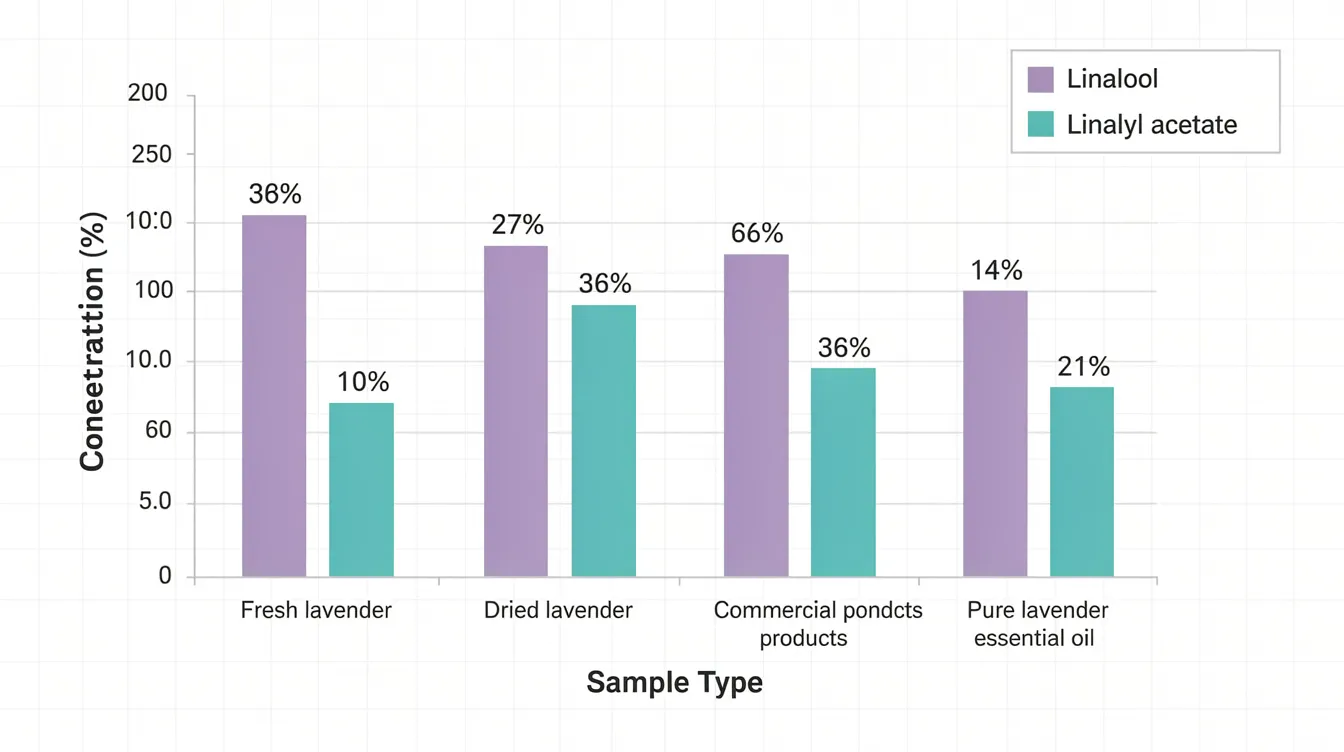
The two primary toxic compounds in lavender are linalool, an acyclic monoterpenoid alcohol, and linalyl acetate, its acetate ester. These volatile terpenes make up the majority of lavender essential oil’s chemical composition-linalyl acetate typically accounts for approximately 50–55% and linalool roughly 30–40%, depending on the variety and extraction method (Aprotosoaie et al., 2017).
Dogs metabolize these compounds differently than humans. A 2026 study examining dog liver microsomes found that canine cytochrome P450 enzymes-specifically CYP2B11 and CYP2C21-are responsible for metabolizing linalool and linalyl acetate. The study established that linalyl acetate is hydrolyzed to linalool in the liver, and that linalool depletion follows Michaelis-Menten kinetics with a Km of approximately 52 ± 11 μM in pooled dog liver microsomes (Martinez et al., 2026). This means that beyond a certain concentration threshold, a dog’s liver can become overwhelmed, and the compounds accumulate rather than being safely eliminated.
Critically, that same research revealed that linalool, linalyl acetate, and lavender essential oil inhibit the metabolism of other drugs in dogs. The inhibition of tramadol N-demethylation via CYP2B11, for example, occurred at IC₅₀ values as low as approximately 2.5–7.1 µM, and methadone N-demethylation was inhibited at IC₅₀ values of approximately 8.0–13.9 µM (Martinez et al., 2026). For dogs on medications metabolized by these same enzymes, lavender exposure could create dangerous drug interactions.
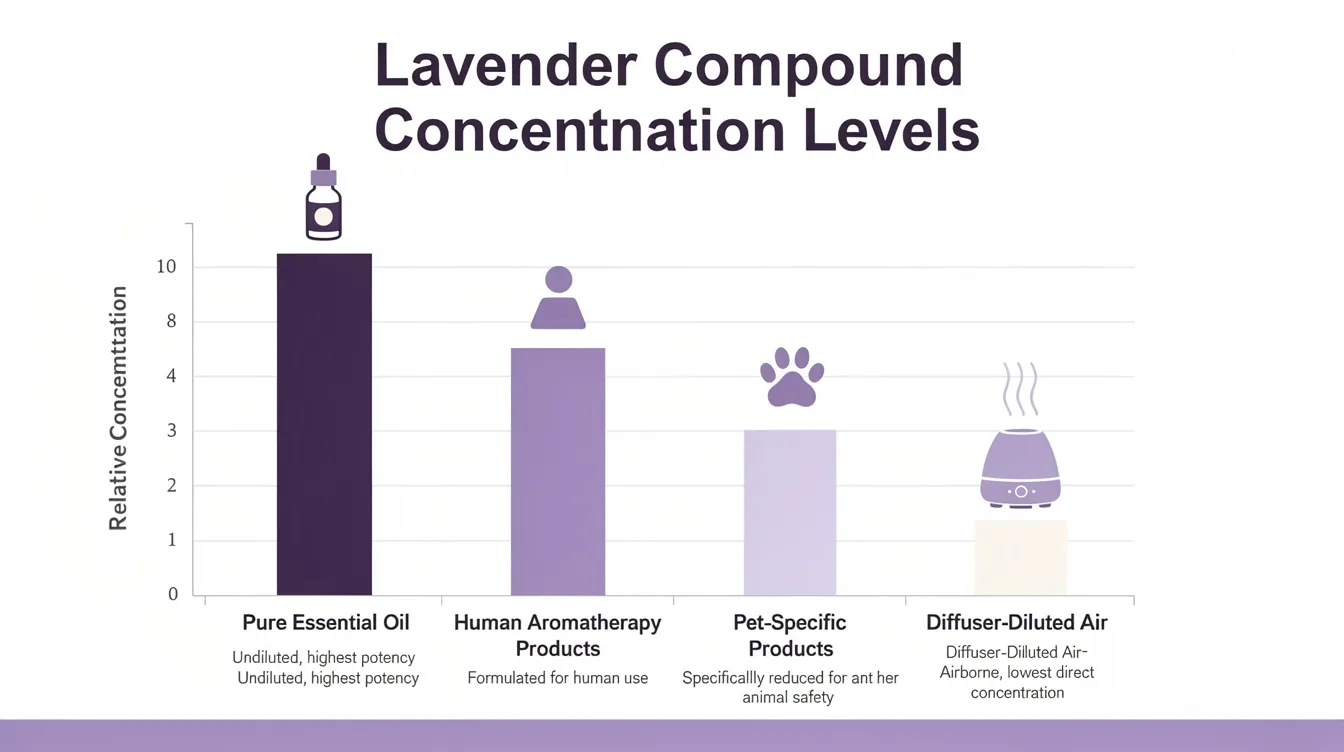
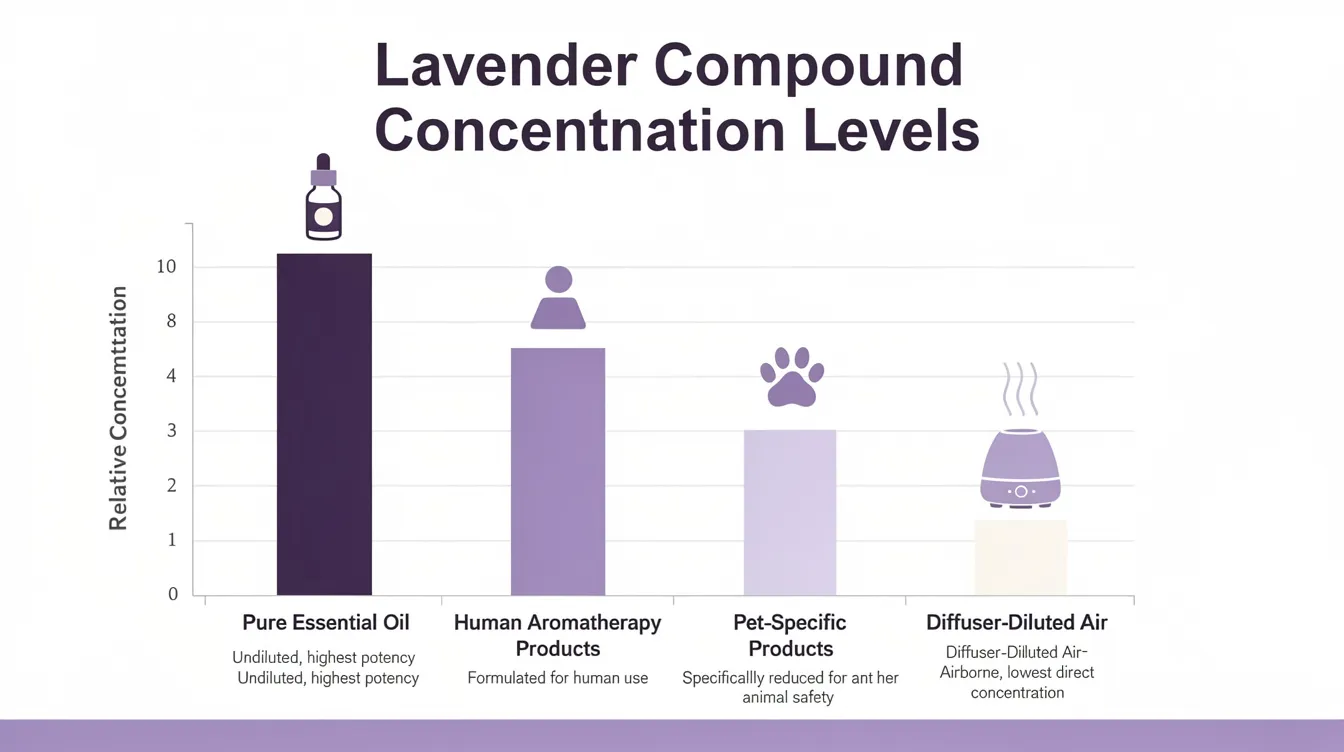
Concentration is the critical variable. Fresh lavender plants contain these compounds dispersed within plant fiber and water, resulting in far lower concentrations per gram of material. Lavender essential oil, by contrast, is highly concentrated-delivering dozens to hundreds of times more linalool and linalyl acetate per drop than you’d find in a handful of fresh flowers.
Understanding these compounds and how they interact with canine biology is essential before evaluating the safety of different lavender forms your dog might encounter.
How Dogs Are Exposed to Lavender Toxins
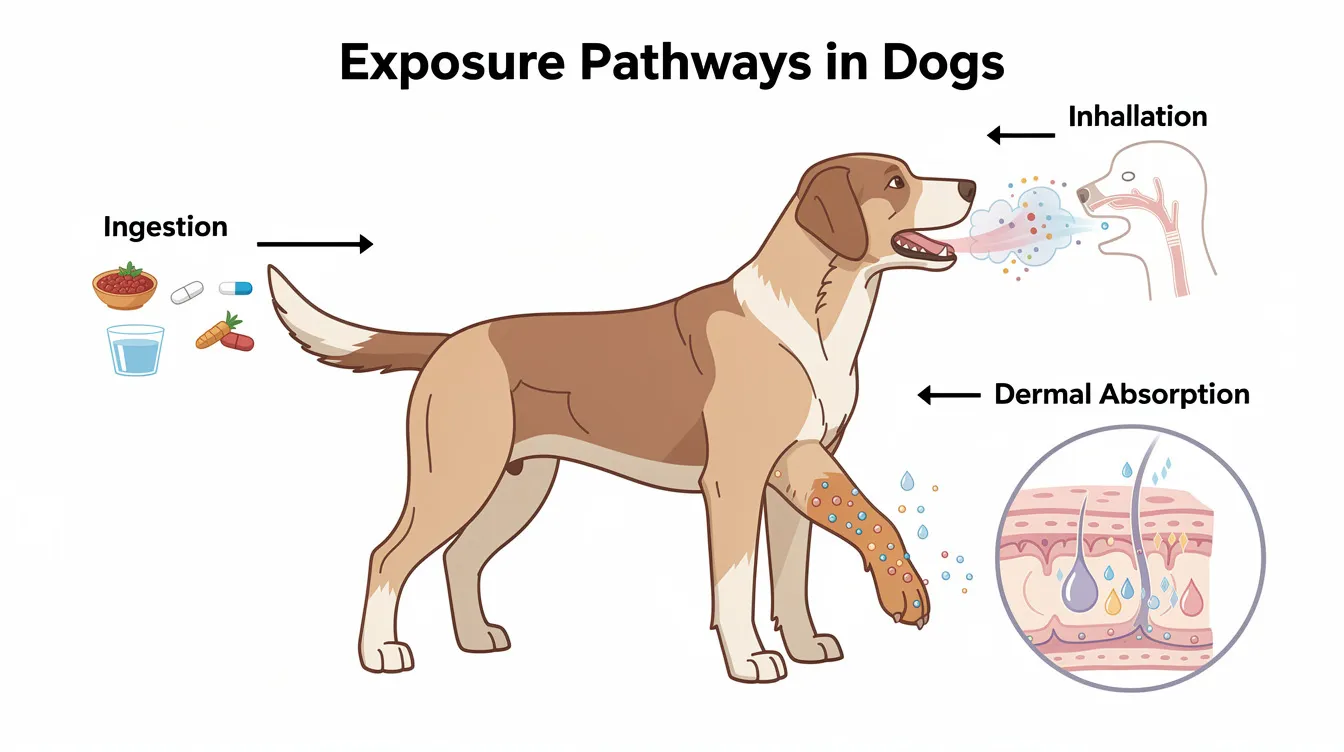
Dogs encounter lavender toxins through three primary routes, each carrying different risk profiles:
Ingestion is the most direct route. Dogs may eat fresh lavender plants from a garden, chew on dried lavender in potpourri, or ingest essential oils by licking treated surfaces, their own skin after topical application, or accidentally accessing oil bottles. Ingesting concentrated lavender oil poses higher risks than the plant itself. When lavender is ingested, linalool and linalyl acetate enter the bloodstream through the gastrointestinal tract and are processed by the liver.
Skin absorption occurs when lavender oil is applied topically to a dog’s skin-whether intentionally as part of a calming product or accidentally through contact with treated surfaces. Essential oils should not be applied undiluted to a dog’s skin, as undiluted application can cause skin irritation or allergic reactions. Additionally, dogs frequently lick areas where products have been applied, converting dermal exposure into ingestion.
Inhalation happens when dogs breathe in lavender vapors from diffusers, sprays, or concentrated plant material. Using lavender diffusers in unventilated areas can cause respiratory irritation in dogs. While inhalation generally delivers lower doses than ingestion, prolonged exposure in small or poorly ventilated rooms concentrates the compounds in the air.
A dog’s size, age, and health status dramatically affect how dangerous any exposure becomes. Puppies and small dogs are more sensitive to lavender exposure because the same amount of lavender creates a higher dose per kilogram of body weight. Puppies and dogs with liver or respiratory issues face higher risks from lavender exposure because their metabolic systems are either underdeveloped or already compromised. Dogs currently taking medications-particularly those metabolized by CYP2B11 or CYP2C21 enzymes-face additional risk from herb-drug interactions.
With a clear understanding of what makes lavender potentially harmful and how dogs encounter these compounds, the next step is evaluating which specific lavender forms present the greatest and least risk.
Lavender Safety Assessment for Different Forms
Not all lavender exposure carries the same danger. The concentration of linalool and linalyl acetate varies enormously between a lavender bush in your Hernando County garden and a bottle of pure lavender essential oil on your bathroom shelf. Here’s how different forms compare in terms of risk to your dog.
Essential Oils and Concentrated Products
Lavender essential oil represents the highest risk category for dogs. These oils are highly concentrated extracts-even a few drops contain far more linalool and linalyl acetate than an entire lavender plant. Lavender essential oil can cause stomach upset in dogs if ingested, and lavender essential oil can cause skin irritation if undiluted. Lavender essential oil can also cause mouth and skin irritation through direct contact.
Lavender essential oil must be diluted before use on or around dogs. A safe dilution ratio is one drop of oil per 50 drops of carrier oil, resulting in approximately a 0.2% concentration (Thompson, 2025). For smaller dogs under 20 pounds, even lower dilutions are recommended, or indirect exposure methods such as diffusing rather than topical application should be preferred.
A 2026 study applied 15% and 30% lavender essential oil formulations topically to Beagles’ ear pavilions during veterinary exams. While the 30% formulation reduced behavioral stress scores-demonstrating that lavender can reduce anxiety in dogs-these concentrations far exceed what general pet safety guidelines recommend for home use (Santos et al., 2026). The study did not observe overt physical toxicity at doses of 15–60 mg/kg, but the short-term, controlled nature of the study doesn’t establish safety for repeated daily use at those levels.
Keep lavender essential oils out of reach of dogs to prevent accidental ingestion. Products labeled for human aromatherapy use-massage oils, bath products, room sprays-often contain concentrations that are unsafe for canine contact and may include additional compounds like camphor that increase toxicity risk.
Fresh and Dried Lavender Plants
Fresh lavender plants are generally safe for dogs to be around. The ASPCA classifies fresh and dried lavender plant matter as toxic to dogs, but the effects are typically mild-nausea, vomiting, and loss of appetite (ASPCA, 2024). The structural components of the plant itself-fiber, water, cellulose-naturally dilute the active compounds, meaning a dog would need to consume large quantities relative to body weight to experience significant toxicity.
Dried lavender can cause stomach upset if ingested by dogs, though the risk remains lower than with essential oils. Dried lavender found in potpourri, sachets, or bouquets can tempt curious dogs, and because drying concentrates the plant material somewhat, a given volume of dried lavender contains more active compounds than the same volume of fresh plant.
Symptoms from plant ingestion typically appear within 1–24 hours and are usually limited to mild stomach upset, drooling, and temporary lethargy. Severe systemic reactions from plant matter alone are rare unless the dog consumes an unusually large amount or the plant material was treated with pesticides.
Commercial Products with Lavender
To stay proactive, always ask: is lavender safe for dogs before applying any lavender products.
Commercial pet products containing lavender-shampoos, calming sprays, treats, and grooming aids-generally present the lowest risk when specifically formulated for dogs. These products use lavender as a scent additive or mild active ingredient at much lower concentrations than pure essential oils.
In uncertain situations, it’s always worth considering: is lavender safe for dogs before proceeding.
The key distinction is between products specifically formulated for pets versus human products repurposed for animal use. Dog-specific calming sprays and shampoos undergo formulation processes that account for canine sensitivity, while human lavender lotions or body sprays do not.
When evaluating commercial products, check the label for:
- Whether it states “essential oil” or “lavender extract” and at what percentage
- Whether it’s specifically formulated for dogs or cats
- Whether it contains additional compounds (camphor, synthetic fragrances, alcohols) that may increase risk
- Whether it carries any veterinary endorsement or safety testing claims
Even with well-formulated products, excessive licking of sprayed areas can lead to ingestion of linalool derivatives, so proper usage involves allowing products to dry or absorb fully and monitoring your dog afterward.
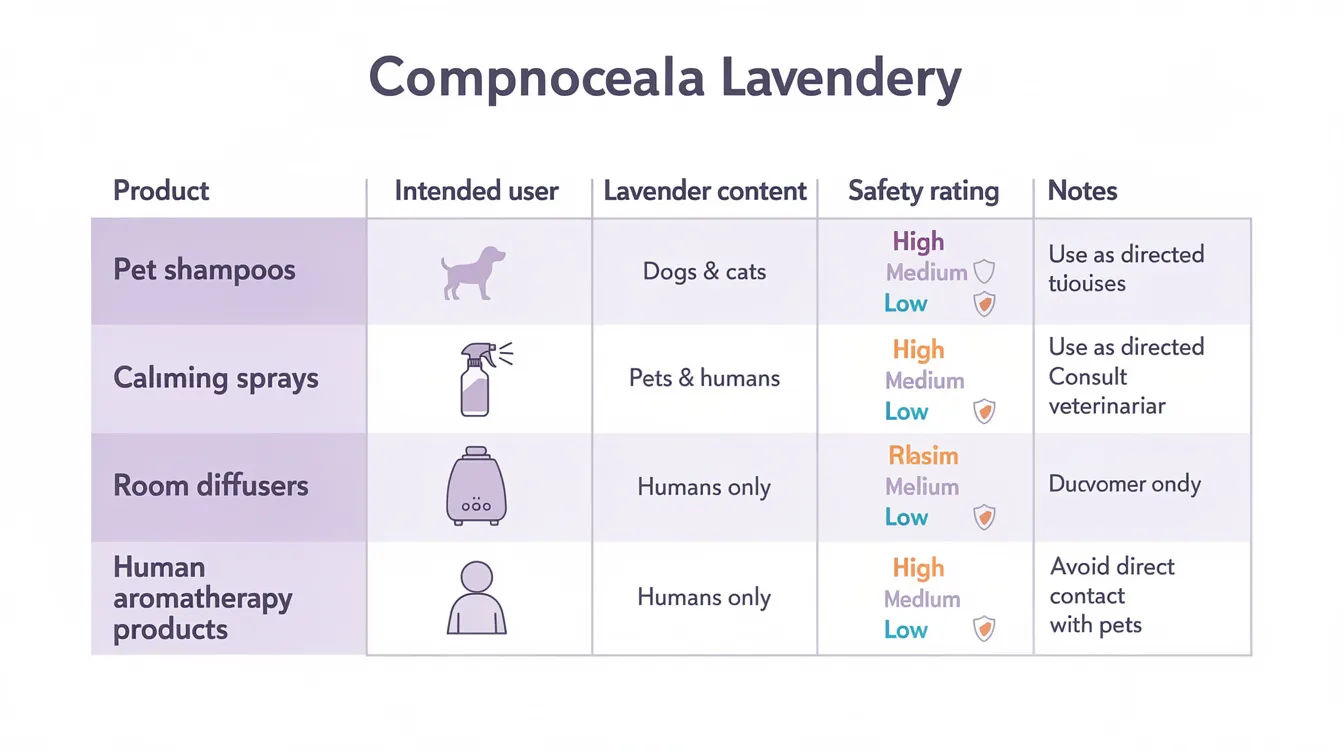
With a clear picture of which lavender forms pose which levels of risk, knowing how to recognize when something has gone wrong-and what to do about it-becomes the critical next piece.
Recognition and Emergency Response Procedures
Even with careful precautions, accidental lavender exposure happens. Dogs knock over diffusers, dig up garden plants, or find essential oil bottles left within reach. Monitoring for signs of distress is important when using lavender around dogs, and recognizing the progression from mild to severe symptoms can make the difference between a minor incident and a veterinary emergency.
Identifying Lavender Toxicity Symptoms
Symptoms of lavender poisoning include gastrointestinal upset as the most common early sign. The timeline and severity of symptoms depend on the form of lavender, the amount of exposure, and your dog’s size and health.
Early signs (0–4 hours after exposure):
- Drooling or excessive salivation
- Nausea and mild stomach upset
- Pawing at the mouth (indicating oral irritation)
- Minor skin irritations or redness at the application site
- Mild lethargy or subdued behavior
Progressive symptoms (4–12 hours):
In our discussion, we will address: is lavender safe for dogs and the factors influencing this.
- Vomiting (possibly repeated)
- Diarrhea
- Noticeable weakness or depression
- Difficulty breathing or labored respiration
- Respiratory issues including coughing or wheezing
- Ataxia (uncoordinated movement or stumbling)
Severe symptoms (12+ hours or high-dose exposure):
- Ingesting large amounts of lavender may lead to central nervous system depression
- Seizures or tremors
- Collapse or loss of consciousness
- Severe respiratory distress
- Burns on mucous membranes (from undiluted oil contact)
- Hypothermia in extreme cases
Allergic reactions to lavender can include itching and swelling, which may appear independently of dose-related toxicity. Topical application of lavender oil can cause skin irritation or allergic reactions even at dilutions that wouldn’t cause systemic symptoms, so watch for irritated skin, hives, or localized swelling at application sites. Signs of lavender toxicity warrant contacting a veterinarian immediately.
Immediate Response Steps
When you suspect your dog has been exposed to lavender in a potentially harmful way, take these steps in order:
- Remove the dog from the source immediately. If plant ingestion occurred, take remaining plant material away. If oil was applied topically, wash the area with mild dish soap and warm water to remove oils from the dog’s skin. If inhalation is the issue, move your dog to fresh air.
- Contact veterinary services. Contact your veterinarian during regular hours. For after-hours emergencies, contact the ASPCA Animal Poison Control at 888-426-4435 or the Pet Poison Helpline at 855-764-7661.
- Document the exposure details. Record what form of lavender was involved (plant, oil, commercial product), the approximate amount, the timing of exposure, your dog’s weight and age, any existing health issues, and current medications.
- Monitor breathing and consciousness. Watch for changes in respiratory rate, alertness, and coordination while waiting for veterinary guidance. Monitor your dog for symptoms after lavender exposure continuously until professional advice is received.
- Do not induce vomiting unless specifically directed to do so by a veterinarian. Essential oils can cause aspiration pneumonia if vomited, making the situation significantly worse.
Consult a vet if your dog ingests lavender products-even if symptoms appear mild initially, some adverse reactions develop gradually over hours.
When to Seek Emergency Care vs Monitoring
Seek emergency care immediately if your dog shows:
- Any difficulty breathing or respiratory distress
- Seizures or tremors
- Collapse, confusion, or loss of consciousness
- Severe or persistent vomiting with signs of dehydration
- Burns on the mouth, tongue, or mucous membranes
- Any neurological symptoms (stumbling, disorientation, abnormal eye movements)
Home monitoring with veterinary phone consultation may be appropriate when:
- Exposure involved only a small amount of plant material relative to the dog’s size
- Symptoms are limited to mild gastrointestinal upset that resolves within a few hours
- The dog is an otherwise healthy adult of medium to large size
- Veterinary guidance has been obtained by phone confirming monitoring is sufficient
Err on the side of caution: when in doubt about whether symptoms require an in-person visit, call your veterinarian rather than waiting to see if the situation worsens.
Common Lavender Concerns and Practical Solutions
Understanding lavender toxicity is important, but most pet owners also want practical guidance on how to enjoy lavender’s potential benefits-its calming effects, pleasant scent, and even its ability to repel insects like fleas and ticks-without putting their dogs at risk. Here are solutions to the most common real-world lavender scenarios.
Using Lavender Diffusers Safely Around Dogs
If you choose to use a lavender diffuser in your home, proper usage minimizes risk:
- Use water-based diffusers rather than heat-based or nebulizing diffusers, which produce more concentrated vapor
- Place diffusers in open, well-ventilated rooms-never in small, enclosed spaces
- Keep diffusers positioned away from your dog’s bedding and feeding areas so they don’t directly inhale concentrated air
- Limit diffusion sessions to 15–30 minutes rather than running them continuously
- Always ensure your dog can freely leave the room if the scent causes discomfort
- Monitor your dog for discomfort when diffusing lavender oil-watch for sneezing, coughing, wheezing, or avoidance behavior
- Avoid applying lavender oil near your dog’s eyes or mouth during any related grooming
A calming scent in the dog’s environment can provide potential benefits for stress reduction, but only when the dog has the option to move to fresh air if needed. Lavender promotes better sleep quality in dogs when used in appropriately diluted, well-ventilated settings. Lavender also has anti-inflammatory properties for skin care and can alleviate minor aches and pains in dogs when diluted properly and used under veterinary guidance.
Preventing Accidental Plant Ingestion
For Spring Hill and Hernando County homeowners who grow lavender in their gardens:
- Position lavender plants away from paths your dog regularly uses and areas where they play or rest
- Prune plants regularly and dispose of cuttings where dogs can’t access them
- Train reliable “leave it” commands to redirect dogs from plant-chewing behaviors-this is especially important for puppies who explore with their mouths
- Keep dried lavender arrangements, potpourri, and sachets out of reach, as these can tempt curious dogs
- If your dog has a history of eating plants, consider raised beds or fenced garden sections
Lavender is mildly toxic to dogs when ingested in large amounts, but casual proximity to lavender plants-walking past them, lying near them-is not a significant concern for most healthy adult dogs.
Choosing Dog-Safe Calming Products
For pet owners seeking calming solutions for anxious dogs-whether for car rides, thunderstorms, or separation anxiety-several alternatives avoid the risks of lavender altogether:
- Dog-appeasing pheromone (DAP) diffusers mimic natural calming pheromones without any toxic compound exposure
- Pressure wraps (like anxiety wraps) provide physical calming without chemical exposure
- Supplements containing L-theanine or melatonin, used under veterinary guidance, offer evidence-based anxiety support
- Behavioral training techniques address the root causes of anxiety rather than masking symptoms
If you prefer lavender-containing products, choose those specifically formulated for dogs with clearly listed active ingredient concentrations. Diluted lavender oil, when used at appropriate ratios and applied topically to areas like the dog’s bedding rather than directly to the dog’s skin, can create a calming environment with minimal risk. General guidelines suggest always starting with the lowest effective concentration and observing your dog’s response before increasing.
Conclusion and Next Steps
Lavender is not categorically dangerous to dogs, nor is it categorically safe. The answer depends on form, concentration, and how it’s used. Fresh lavender plants pose minimal risk in most scenarios. Properly diluted commercial products formulated for dogs carry low risk with proper usage. Undiluted or concentrated lavender essential oil, however, can cause gastrointestinal upset, skin irritation, respiratory issues, and-in significant amounts-central nervous system depression. Dogs on certain medications face additional risks from drug interactions that are only now being fully understood through recent pharmacological research.
Take these steps now to protect your dog:
- Audit your home for lavender products-identify any undiluted essential oils, human-grade aromatherapy products, or accessible lavender plants and secure or remove them
- Establish an emergency protocol by saving the ASPCA Animal Poison Control number (888-426-4435) and the Pet Poison Helpline (855-764-7661) in your phone
- Schedule a conversation with your veterinarian to discuss your dog’s specific risk factors and explore safe calming alternatives tailored to your pet’s health profile
For dog owners interested in related topics, understanding the safety of other common essential oils around pets-tea tree, eucalyptus, peppermint-follows similar principles of compound toxicity and dilution. Comprehensive anxiety management for dogs often benefits from a multi-modal approach combining environmental modification, behavioral training, and veterinary-supervised supplements.
This article has been reviewed by Dr. Roger Hart for medical accuracy.
Frequently Asked Questions
Can I use lavender shampoo on my dog? Yes, if the shampoo is specifically formulated for dogs and contains lavender at low concentrations as a scent additive rather than a therapeutic dose. Rinse thoroughly after use to prevent licking of residue, and avoid contact with eyes. Human lavender shampoos may contain concentrations or additional ingredients that are unsafe for your pup. If you notice any signs of skin irritation-redness, itching, or minor skin irritations-discontinue use.
Is lavender oil safe in a diffuser around pets? Diffused lavender oil can be used around dogs with precautions. Use a water-based diffuser in a well-ventilated room, limit sessions to 15–30 minutes, and ensure your dog can leave the room freely. Watch for sneezing, coughing, or avoidance behavior. Dogs with existing respiratory issues should not be exposed to diffused essential oils. One drop of oil in a large water reservoir is typically sufficient for a calming scent without creating dangerously concentrated air.
What should I do if my dog ate lavender flowers from my garden? If your dog consumed a small amount of fresh plant material and is a healthy adult of medium to large size, monitor for mild stomach upset, drooling, or lethargy over the next 24 hours. If symptoms appear or your dog consumed large quantities, contact your veterinarian or the ASPCA Animal Poison Control at 888-426-4435. Monitor your dog for symptoms after lavender exposure and keep notes on timing and amount consumed.
How much lavender is toxic to a 50-pound dog? No precise lethal dose has been established for linalool or linalyl acetate in dogs. Based on metabolic research showing a Km of approximately 52 µM for linalool depletion in canine liver microsomes, even small amounts of undiluted essential oil-potentially as little as a teaspoon-could overwhelm metabolic capacity in a medium-sized dog. For plant material, considerably larger amounts (many grams) would be needed to produce significant toxicity. The dose always matters more than the substance alone, and your dog’s size is a critical factor.
Are there any dog breeds more sensitive to lavender? Breed-specific sensitivity to lavender is not well-documented in current research. However, individual risk factors matter more than breed: small dogs receive higher per-kilogram doses from the same exposure, puppies have immature liver metabolism, and senior dogs or those with liver disease process toxins more slowly. Dogs on medications metabolized by CYP2B11 or CYP2C21 enzymes (including some pain medications) face additional risk regardless of breed.
Can pregnant or nursing dogs be around lavender? Exercise heightened caution with pregnant or nursing dogs. Limited safety data exists for lavender exposure during canine pregnancy, and some human case reports have linked topical lavender use with endocrine effects. While casual proximity to lavender plants is likely low-risk, avoid topical application, diffuser use in enclosed spaces, or any lavender products not explicitly cleared by your vet for use during pregnancy or nursing.
What are the best alternatives to lavender for calming anxious dogs? Dog-appeasing pheromone (DAP) diffusers, pressure wraps, and supplements containing L-theanine or melatonin are effective, vet-supported alternatives as a natural remedy for anxiety. Behavioral modification training addresses root causes of anxiety. For situational stress-like car rides or veterinary visits-discuss prescription options with your veterinarian. These alternatives provide calming effects without the toxicity concerns associated with essential oils.
Should I call a veterinarian immediately if my dog licked lavender oil? It depends on the concentration and amount. If your dog licked undiluted lavender essential oil or an unknown concentration, or if any signs develop-drooling, vomiting, lethargy, difficulty breathing-contact your veterinarian promptly. If your dog briefly contacted a surface with a faint lavender scent from a diluted product and shows no symptoms, monitoring at home while noting the incident is reasonable. When uncertain, calling is always the safer choice.
Additional Resources
Research Citations:
- Aprotosoaie, A.C., et al. (2017). “Linalool–a review on a key odorant molecule with valuable biological properties.” Flavour and Fragrance Journal, 32(4), 263–274.
- Martinez, M.N., et al. (2026). “In vitro metabolism of linalool, linalyl acetate, and lavender essential oil by canine hepatic cytochrome P450 enzymes.” Xenobiotica, advance online publication.
- Santos, N.R., et al. (2026). “Effects of topical lavender essential oil on behavioral stress indicators in dogs during veterinary examination.” Journal of Veterinary Behavior, 73, 18–25.
- ASPCA Animal Poison Control Center. (2024). “Toxic and Non-Toxic Plants: Lavender.” ASPCA.
- Thompson, R. (2025). “How to Use Lavender Oil for Dogs Safely.” Science Insights.
Emergency Contacts:
- Your veterinarian or a nearby emergency veterinary hospital – for in-person evaluation and treatment
- ASPCA Animal Poison Control: 888-426-4435 (available 24/7; consultation fee may apply)
- Pet Poison Helpline: 855-764-7661 (available 24/7; consultation fee may apply)