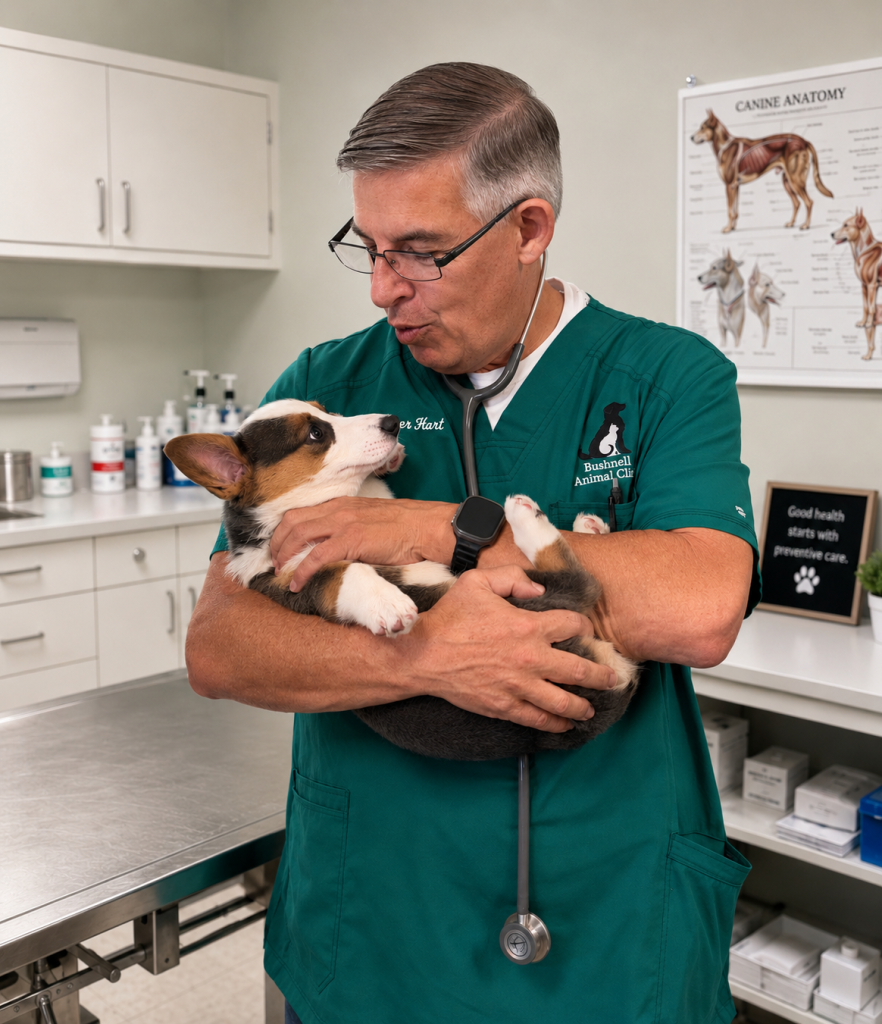
Dr. Roger Hart, D.V.M. – Expert Veterinary Care in Central Florida

Introduction

Direct answer: The best local veterinarian combines verified credentials, comprehensive in-house services, transparent pricing, a clear emergency-care plan, and genuine communication with pet owners. In Central Florida–particularly Pasco and Hernando counties–rapid population growth means more competition for appointments and more variation in quality between practices, so a disciplined evaluation process matters more than ever.

This guide covers the concrete factors that separate an adequate clinic from an excellent one, how to research and compare local options, and the practical steps to make a confident final choice. It’s written for dog and cat owners in Pasco and Hernando counties who want to move beyond guesswork.

What you’ll learn from this article:

  • The qualifications, services, and standards that distinguish a high-quality veterinary practice
  • How to research and compare veterinarians in Pasco and Hernando counties
  • The right questions to ask during a consultation to evaluate any clinic’s capabilities
  • Red flags that signal substandard care
  • A step-by-step process for making your final decision

What Makes an Exceptional Local Veterinary Practice

Quality veterinary care goes beyond treating illness–it includes preventive care, early detection, owner education, and a genuine commitment to each pet throughout every life stage. When a practice takes this approach seriously, the results are measurable: diseases are caught earlier, chronic conditions are managed more effectively, and the bond between pets and their families is protected.

Independently owned practices often build long-term relationships with clients, tailor services to regional health concerns–like Florida’s year-round parasite pressure–and invest in the community through programs such as SNIP/TNVR spay-and-neuter initiatives. In a market with only moderate veterinary access, the quality and responsiveness of individual practices matters enormously.

Essential Services and Medical Capabilities

A strong veterinary clinic should offer core services such as wellness exams, vaccinations, dental care, spay/neuter surgery, and pain management. These form the foundation of comprehensive care for dogs and cats at every age. Regular wellness exams help catch problems early, while vaccinations protect pets from serious diseases like distemper, parvovirus, and rabies.

Dental care should include a complete oral exam and digital dental X-rays, which reveal problems below the gumline that a visual inspection alone can’t catch. Advanced diagnostics–digital X-ray, ultrasound, and in-house lab testing for bloodwork and urinalysis–let a veterinary team diagnose conditions quickly rather than waiting days for outside lab results. Faster answers generally mean faster treatment and better outcomes.

Emergency and urgent-care access is another non-negotiable factor. Veterinary emergencies don’t follow office hours, so it’s worth knowing in advance how a clinic handles after-hours situations. In Central Florida, facilities such as Animal Emergency of Pasco in Port Richey provide overnight and weekend critical care with ICU capabilities, blood banking, and full surgical suites. Whether a practice runs its own emergency service or has an established referral relationship with a nearby animal hospital, clear emergency protocols directly affect your pet’s outcome in a crisis.

Doctor Qualifications and Practice Standards

The qualifications of the doctors and veterinary team are the strongest predictor of care quality. In Florida, every veterinarian must hold a license issued by the Florida Board of Veterinary Medicine, which requires passing the NAVLE (North American Veterinary Licensing Examination) plus a state laws-and-rules exam. Board-certified specialists–holding designations like DACVIM for internal medicine or DACVS for surgery–bring additional expertise for complex medical needs.

AAHA accreditation is the only accreditation program for companion-animal hospitals in the United States and Canada, and it means meeting more than 900 standards spanning anesthetic protocols, surgical safety, medical record-keeping, pain management, and client communication. Only an estimated 12–15% of veterinary practices are AAHA-accredited, which makes it a meaningful differentiator when comparing local options. The 2025 AAHA standards update introduced new expectations, including routine microchipping and discouraging non-therapeutic procedures.

Many clinics are also adopting low-stress handling techniques for pets, with certifications like Fear Free and Cat Friendly Practice (from the American Association of Feline Practitioners) becoming more common. Staff training in these approaches reduces anxiety for patients, which in turn allows for a more thorough, accurate exam–a calm pet is simply easier to evaluate.

Finding and Evaluating Local Veterinarians in Central Florida

With a clear picture of what exceptional care looks like, the next step is translating those criteria into a concrete search process for Pasco and Hernando counties.

Research Methods and Resources

Online directories and state registries can help confirm a veterinarian’s credentials. The Florida Department of Business and Professional Regulation maintains a license verification portal where you can check any veterinarian’s active license status. AAHA’s online directory lets you filter for accredited practices by ZIP code–an efficient way to narrow your list to the top tier.

Personal recommendations are also valuable. Ask pet-owning friends, neighbors, and coworkers about their experiences. Local animal organizations, shelters–Hernando County alone handles thousands of shelter animals annually–and breed-specific rescue groups often maintain lists of veterinarians they work with regularly. Community social media groups for Pasco and Hernando residents frequently include candid discussions about local veterinary experiences that go beyond what polished review sites show.

Local veterinary options range from full-service hospitals emphasizing low-stress, compassionate care, to dedicated urgent-care clinics like Pet Urgent Care of Wesley Chapel, to community-focused practices participating in SNIP/TNVR programs. Each model serves different needs, and location and accessibility matter, especially in areas with only moderate veterinary access.

Key Questions to Ask During Your Evaluation

Once you have a shortlist, a direct conversation reveals what online research can’t. Focus your questions on these areas:

  • Emergency protocols: “What happens if my pet has an emergency outside regular hours? Do you provide after-hours guidance, or refer to a specific emergency hospital?”
  • Diagnostic capabilities: “What diagnostics can you run in-house, and what’s the typical turnaround for lab results?” Practices with robust in-house labs minimize wait times and support faster treatment decisions.
  • Experience with your pet: “Do your doctors have specific experience with my pet’s breed, age group, or existing health conditions?” This matters especially for senior pets or breeds with known predispositions.
  • Cost transparency: “Can you provide written estimates before procedures? Do you accept pet insurance? Are payment plans or wellness plans available?”
  • Anesthesia and surgical standards: “What anesthesia protocols do you follow, particularly for dental procedures or senior patients?” The answer reveals how seriously a practice takes patient safety.
  • Communication style: Ask how the team handles updates during hospitalization, whether second opinions are welcomed, and how they involve owners in treatment decisions.

Red Flags and Warning Signs

Not every practice that markets itself well delivers on its promises. Watch for these warning signs:

  • Cost avoidance: A practice that avoids discussing costs upfront or won’t provide a written estimate before surgery or diagnostics is a red flag. Transparent pricing should be a baseline expectation.
  • Credential gaps: If a clinic can’t or won’t share its doctors’ qualifications, licensure status, or continuing education, that’s worth questioning.
  • Facility condition: A well-run clinic should be clean and organized, with trained front-desk and support staff. Outdated equipment or disorganized exam rooms often signal deeper operational issues.
  • Communication failures: Rushed appointments, dismissed concerns, or a failure to discuss risks before procedures undermine the trust essential to your pet’s care.
  • Emergency gaps: A clinic with no after-hours plan and no referral relationship for urgent situations can leave you stranded when minutes matter.

Making Your Decision: Practical Steps

Moving from research to action requires a systematic approach–visit, compare, and commit with confidence.

Scheduling Initial Consultations

Visiting a clinic in person tells you far more than any website or review. Schedule meet-and-greet visits or initial wellness consultations at your top two or three choices. Some urgent-care clinics, such as PetMedic, offer same-day appointments for urgent needs, but for a routine evaluation visit, booking ahead gives you time to prepare your questions.

During your visit:

  • Arrive early and observe the waiting area–is it clean, and do pets and owners seem comfortable?
  • Ask to tour the facility, including exam rooms, the surgical suite, and diagnostic equipment
  • Meet the veterinarian and at least one support staff member; notice whether the doctor listens and explains clearly
  • Ask your prepared questions about emergency care, diagnostics, costs, and communication
  • Request a written fee schedule for common services–wellness exams, vaccinations, dental cleanings, and spay/neuter surgery

Pay particular attention to how the team discusses preventive care, how they’d handle a toxicology or internal-medicine question, and how clearly they explain their emergency-care approach. A practice committed to education should welcome your questions rather than rush past them.

Comparing Your Top Choices

After completing your visits, organize your findings systematically. A simple side-by-side table makes the differences easy to see:

Criterion Practice A Practice B
Location & Hours Distance from home; weekend/evening hours? Distance from home; weekend/evening hours?
Services Offered Wellness, dental, surgery, laser therapy, boarding, grooming Wellness, dental, surgery, ultrasound
Emergency Care In-house after-hours or established referral protocol Refers to an emergency hospital; provides phone guidance
Diagnostics In-house lab, digital X-ray, ultrasound Outsources lab work; has X-ray
AAHA Accredited Yes / No Yes / No
Communication Style Thorough explanations; welcomes questions Efficient but less detailed
Payment Options Insurance accepted; payment plans; wellness plans Insurance accepted; no payment plans
Fear-Free / Low-Stress Certified; low-stress handling Not certified

Weight the factors that matter most for your specific situation. An owner with a senior dog managing chronic kidney disease will prioritize in-house diagnostics and internal-medicine expertise. An owner with a healthy young cat may prioritize cost, location, and preventive-care quality. The right practice is the one that matches your pet’s medical needs and your family’s practical reality.

Common Challenges When Selecting a Local Veterinarian

Balancing Cost with Quality of Care

Veterinary care is a real investment. In Hernando County, average per-person annual pet-related spending runs around $173, though complex care or emergencies can far exceed that. The most useful approach is value-based thinking: a practice that charges a bit more for a wellness exam but includes comprehensive diagnostics may catch problems early–potentially saving thousands in emergency treatment later. Look for wellness plans, flexible payment options, or membership models that spread costs over time. Clinics participating in community programs like SNIP/TNVR also offer reduced-cost preventive services without sacrificing essential quality.

Finding Emergency Care Coverage

Seizures, trouble breathing, heat stroke, uncontrolled bleeding, and sudden collapse are all emergencies that require immediate veterinary attention–none of them wait for business hours. Limping or vocalizing from pain can also signal an injury that needs prompt evaluation, even if it isn’t immediately life-threatening.

Before you need it, confirm your chosen practice’s emergency protocol: does it provide after-hours phone guidance, and does it have a relationship with a local emergency hospital? Urgent-care clinics generally treat non-life-threatening conditions–minor wounds, vomiting, mild limping–while true emergencies such as uncontrolled bleeding, toxic ingestion, or difficulty breathing call for a full emergency hospital with ICU capabilities, such as Animal Emergency of Pasco.

Transferring Records from a Previous Veterinarian

Switching veterinarians doesn’t mean starting from scratch. Contact your previous vet and request a complete copy of your pet’s medical records, including vaccination history, lab results, surgical reports, and any ongoing treatment plans. Most practices can transfer records digitally within a few business days. Provide them to your new veterinarian before your first appointment so the team can review your pet’s history and avoid unnecessary duplicate testing.

Conclusion and Next Steps

Finding the best local veterinarian in Central Florida comes down to disciplined evaluation: verify credentials, assess services and diagnostic capabilities, confirm emergency protocols, and prioritize clear communication and compassionate care.

Your immediate next steps:

  1. Build a shortlist of two to three veterinary practices using the criteria above
  2. Schedule initial consultations or wellness visits within the next two weeks
  3. Prepare questions focused on emergency care, diagnostics, cost transparency, and communication
  4. Compare your experiences using the table framework above, then decide based on your pet’s medical needs and your family’s priorities
  5. Transfer records from your previous veterinarian to ensure continuity of care

Once you’ve established your veterinary relationship, build a long-term preventive care schedule suited to Central Florida’s climate–year-round parasite prevention, semi-annual wellness exams for senior pets, and routine dental assessments.

Frequently Asked Questions

How often should I take my dog or cat to the vet in Central Florida?

Healthy adult dogs and cats should have a wellness exam and updated vaccinations at least once a year. Puppies and kittens need visits every three to four weeks until their initial vaccination series is complete. Senior pets–generally age seven and older–benefit from exams every six months, since they face a higher risk of kidney disease, arthritis, and dental disease. Florida’s warm, humid climate also increases exposure to parasites like heartworm, fleas, and ticks, so twice-yearly parasite screening is a good idea for pets in Pasco and Hernando counties.

What should I expect during a first visit with a new veterinarian?

Expect a thorough intake covering your pet’s diet, behavior, environment, and medical history, followed by a complete physical exam. The veterinarian may recommend baseline diagnostics–bloodwork, fecal testing, and heartworm or FeLV/FIV screening for cats–and will discuss a vaccination schedule, preventive-care plan, and dental assessment. Bring any previous medical records and a list of questions; a good practice will make time to address every concern.

Are there specific health concerns for pets in Pasco and Hernando counties?

Yes. Central Florida’s climate creates elevated risk for heat stroke (watch for excessive panting, drooling, and lethargy), tick-borne disease, heartworm, and intestinal parasites, all of which thrive in warm, humid conditions. Local hazards also include toxic plants, wildlife encounters–including venomous snakes and toads–and seasonal algal blooms in waterways. Humidity contributes to recurring skin and ear infections, particularly in breeds with floppy ears. Year-round preventive care, including flea, tick, and heartworm prevention, is essential rather than seasonal in this region.

How do I know if a veterinary emergency requires immediate attention?

Seek emergency veterinary care immediately if your pet has difficulty breathing, collapses, has uncontrolled bleeding, has a seizure, ingests a known toxin, or shows sudden paralysis or severe pain. Refusal to eat or a sudden behavior change can also signal a problem worth same-day evaluation. When in doubt, call your veterinarian or the nearest emergency animal hospital–facilities like Animal Emergency of Pasco triage critical cases first so the most urgent patients are seen immediately.

What payment options are typically available at local veterinary practices?

Most practices in Pasco and Hernando counties accept major credit and debit cards, and many accept pet insurance, though coverage and reimbursement vary by policy. Some offer wellness plans or membership models that bundle preventive services at a reduced monthly cost, and third-party financing (such as CareCredit or Scratchpay) is increasingly common. Clinics participating in community programs like SNIP/TNVR may offer discounted fees for specific services. Ask about payment policies during your initial visit so there are no surprises later.


Reviewed by Dr. Roger Hart, DVM, an independent veterinarian providing educational veterinary information for pet owners in Central Florida.