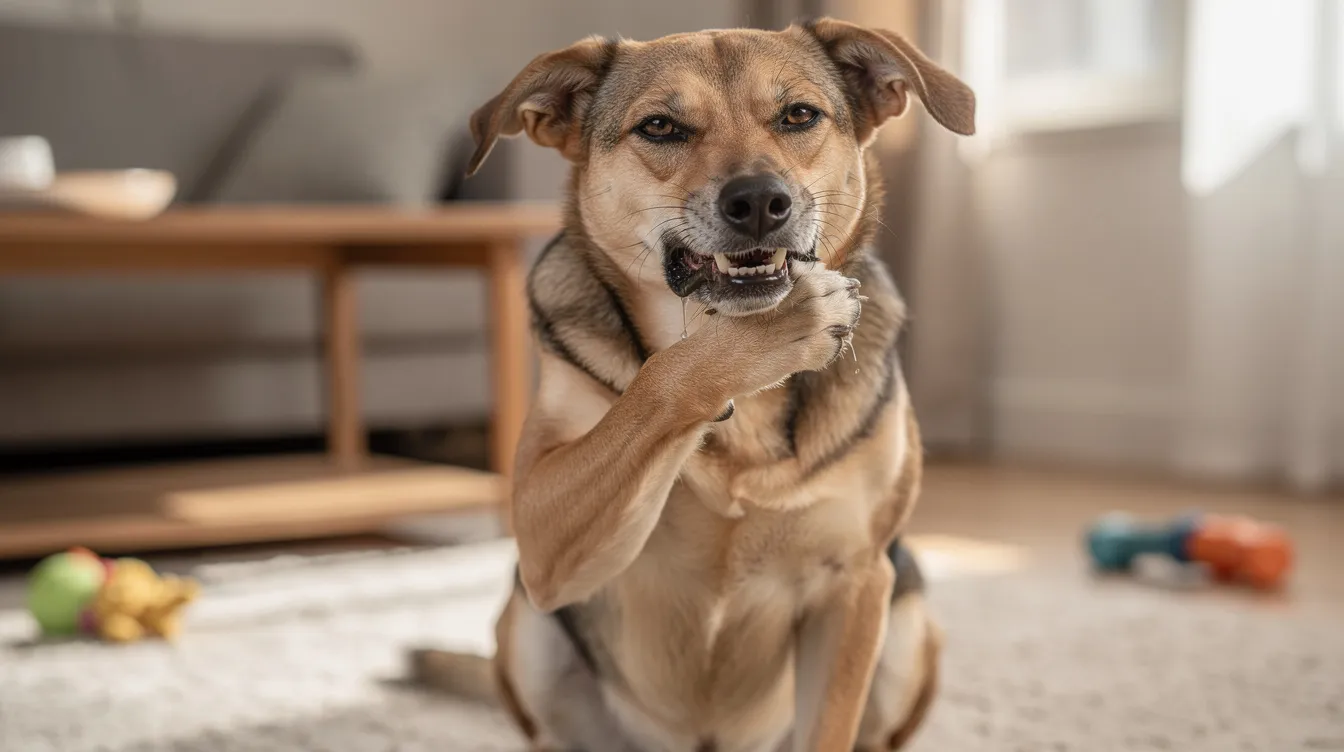
Introduction to Dog Noise Phobia Noise phobia in dogs, also known as canine noise phobia, is a common yet often misunderstood issue that can significantly affect a pet’s quality of…
Introduction to Canine Noise Phobia
Noise phobia in dogs, also known as canine noise phobia, is an intense fear or anxiety response to specific sounds that can trigger distress and behavioral problems such as hiding, trembling, excessive barking, or destructive behavior. For dog owners trying to understand why a pet panics during fireworks, thunderstorms, or other sudden noises, recognizing this condition early can make a real difference in a dog’s safety, well-being, and quality of life. This guide explains common triggers, signs and symptoms, socialization and training strategies, when veterinary help is needed, breed-related considerations, and the behavior and medication options that can help affected dogs.
Definition of Noise Phobia
Noise phobia can be defined as an irrational fear of noises that causes significant behavioral and physiological responses in dogs. This condition goes beyond mere dislike for loud sounds; it involves severe anxiety that can manifest in various ways, including hiding, trembling, excessive barking, or even destructive behavior. Pet owners need to recognize that this is not just a behavioral issue but often stems from a deeper psychological condition.
Common Triggers
Understanding the common triggers of noise phobia is crucial for dog owners in addressing the problem effectively. These triggers can vary from dog to dog, but several sounds are frequently reported as sources of fear.
Understanding canine noise phobia is crucial for dog owners in addressing the problem effectively. By recognizing the signs and symptoms of canine noise phobia, owners can better manage their pets’ reactions to loud sounds.
Thunderstorms
Many dogs exhibit signs of canine noise phobia during thunderstorms. Understanding how to comfort them can help alleviate some of the stress they experience.
Fireworks can be a common cause of canine noise phobia. It’s important for dog owners to be aware of their dog’s anxiety levels during such events.
Thunderstorms are one of the most prevalent triggers for noise phobia in dogs. The combination of loud thunder, flashes of lightning, and changes in barometric pressure can create an overwhelming experience for sensitive dogs. Many dogs will seek shelter, often finding comfort in confined spaces, such as under furniture or in closets.
Fireworks
If your dog shows signs of canine noise phobia, providing a safe and quiet space is essential for their comfort.
Fireworks can be equally, if not more, distressing for dogs. The sudden and unpredictable loud noises, along with bright lights, can trigger a panic response. Other noise events outside holiday settings can cause similar reactions, and construction noises are a common trigger for some dogs. Many dogs exhibit signs of anxiety during holiday seasons, resulting in a need for proactive management strategies.
Some dogs develop canine noise phobia due to their experiences with loud vehicles. Understanding this can help in providing better care.
Gun Shots
It’s critical for dog owners to recognize the early signs of canine noise phobia to implement effective interventions.
Gunshots, similar to fireworks, are abrupt loud noises that can induce fear. This is particularly concerning for dogs that have had traumatic experiences related to gunfire. Awareness of these triggers helps owners prepare and mitigate potential distress.
Vehicles
Behavioral changes, particularly in response to loud noises, can indicate that a dog is suffering from canine noise phobia.
Vehicles, such as motorcycles and large trucks, can also trigger anxiety in some dogs. Some dogs also react to household noises inside the house, and sounds like vacuum cleaners can trigger noise phobia. The loud noises produced by engines, along with vibrations, can evoke a fear response in pets, causing them to react nervously or aggressively.
Recognizing physical reactions can help owners understand if their dog is experiencing canine noise phobia.
Identifying Noise Phobia in Dogs
Signs and Symptoms
Socializing your dog early can lower the chances of developing canine noise phobia, making it essential for new puppy owners.
Recognizing the signs of noise phobia is vital for early intervention. Dog owners should be aware of various behavioral changes indicating anxiety during loud noises.
Even older dogs can benefit from socialization to combat canine noise phobia, ensuring they receive the right guidance.
Behavioral Changes
Professional training can provide valuable strategies for dogs dealing with severe canine noise phobia.
Common behavioral changes include excessive barking, whining, or howling during loud noises. Dogs may also exhibit signs of distress by hiding, attempting to escape, lip licking, or showing reluctance to engage in normal activities. These behaviors can escalate if not addressed, leading to increased anxiety and fear, and in severe cases, inappropriate elimination.
Physical Reactions to Noise Sensitivity
Veterinarians can help identify whether a dog’s behavior is due to canine noise phobia and recommend treatment options.
Physical signs of noise phobia may include trembling, drooling, panting, or excessive panting, as well as loss of bladder control in severe cases. Some dogs in panic may also refuse food or treats. Some dogs may become destructive in an effort to escape the noise, leading to damage to property and additional stress for their owners.
In cases of severe canine noise phobia, medication may be necessary to help a dog cope during stressful situations.
Socialization and Training
When to Socialize
Certain breeds are more prone to canine noise phobia, making breed-specific strategies important for owners.
Socialization is a critical factor in preventing noise phobia. Exposing puppies to various sounds at a young age, including new sounds, can help them develop resilience and help a dog learn those noises are safe through positive experiences. Introducing them to different environments and stimuli helps create positive associations with sounds that may later be perceived as frightening.
Understanding genetic predispositions can aid in identifying potential risks for developing canine noise phobia in dogs.
Is it Too Late to Socialize?
For older dogs, socialization can still be beneficial, although it may require more patience and gradual exposure. Implementing a desensitization approach by gradually exposing the dog to sound in a controlled environment may help reduce anxiety, with volumes gradually increasing only as the dog stays relaxed. Repeated exposure at a level the dog finds scary can worsen noise sensitivity instead of helping.
Behavioral modification techniques are crucial when managing canine noise phobia effectively and compassionately.
When to Seek Professional Training
Veterinary guidance can be invaluable for dogs suffering from canine noise phobia, ensuring proper treatment and support.
If a dog’s noise phobia is severe, seeking professional training may be necessary. Professional trainers can guide calm, consistent training sessions tailored to the dog’s specific needs, and in more serious cases your veterinarian may refer you to a veterinary behaviorist for a more comprehensive plan.
Noise phobia, particularly canine noise phobia, is an issue that many dog owners face and need to address.
In conclusion, recognizing and addressing canine noise phobia is vital for the well-being of dogs and their owners.
The Role of Veterinary Care
When to Seek a Veterinarian’s Help
When dealing with noise phobia, it’s essential to involve a veterinarian, especially if the condition leads to severe anxiety or distress. A thorough evaluation can help rule out underlying medical issues contributing to the behavior and determine whether what seems like a pet’s noise aversion is being worsened by general anxiety or separation anxiety.
By providing education and resources on canine noise phobia, dog owners can create a safer environment for their pets.
Possible Medical Treatments
What are the first signs of canine noise phobia in dogs? Recognizing these early signs can help in addressing the condition effectively.
In some cases, veterinarians may treat noise aversion as a medical condition that requires medication along with behavior modification. Anti-anxiety medications or natural supplements can help alleviate symptoms, making it easier to manage noise anxiety. A specific example is dexmedetomidine oromucosal gel, which is FDA approved for situational treatment in dogs. Imepitoin has shown a 66.2% success rate in treating affected dogs. It’s important to consult with a professional to determine the right course of action for your pet, and some dogs may also benefit from daily medications when canine anxiety is broader than isolated noise triggers.
Breed-Specific Considerations
Can canine noise phobia be treated effectively? Yes, through a combination of behavioral strategies and potential medications.
Are Some Breeds Worse Than Others?
Is it common for dogs to develop canine noise phobia? While not all dogs, many do experience this issue at some point.
Research suggests that certain dog breeds may be more prone to noise phobia than others. For example, breeds known for their strong attachment to their owners, such as Border Collies and German Shepherds, may exhibit heightened anxiety during loud events, and herding breeds are overrepresented among dogs with noise phobia.
How can I best help my dog with canine noise phobia during thunderstorms? Creating a safe space is essential for their comfort.
Understanding Genetic Predispositions
When should I consult a professional regarding my dog’s possible canine noise phobia? If their fear impacts daily life, seeking help is advisable.
Genetic predispositions play a significant role in a dog’s temperament and susceptibility to anxiety-related conditions. Breeds with a lineage of sensitivity may require additional attention and care when it comes to managing noise phobia.
Managing Noise Phobia
Behavioral Modification Techniques
Implementing behavioral modification techniques is a proactive approach to managing noise phobia. Positive reinforcement for calm behavior can help reshape a dog’s response to triggers. Gradual desensitization to noises can make reactions less intense over time. Creating a safe space gives your dog a more secure place to settle during loud events. Environmental management may also include calming music or classical music, which can reduce stress behaviors and help reduce anxiety in noise-sensitive dogs. Compression garments can provide calming pressure for some dogs during noise events, and products such as Thundershirts help some noise-phobic dogs feel calmer. During desensitization, reinforce calm behavior with high value treats.
Medication Options
In addition to behavioral strategies, medication can also play a role in treatment. Veterinary-prescribed medications may help dogs cope better with their environment during stressful situations. It’s essential to monitor the dog’s response to medications closely and maintain open communication with the veterinarian.
Will It Ever Go Away?
Many dog owners wonder if noise phobia can be completely cured. While full recovery may not be guaranteed, cases left untreated may worsen over time, but with consistent training and management strategies, many dogs can learn to cope better with their fears. Patience and persistence are key components of successful management, and ongoing phobic responses can create chronic stress that may weaken a dog’s immune system. With consistent management, many dogs can learn to cope better, and some dog overcome severe reactions.
Conclusion
Recap of Key Points
Noise phobia is a significant issue, and so many dogs are affected by noise-related problems, including noise aversion, which can cause distress and impact quality of life. Identifying the signs and symptoms early allows for timely intervention through socialization, training, and veterinary support. Understanding breed-specific tendencies and implementing behavioral modification techniques can also enhance a dog’s ability to cope with their fears.
Encouragement for Dog Owners
As dog owners, it is vital to remain vigilant and proactive about our pets’ mental health. By educating ourselves on noise phobia and utilizing available resources, we can help dogs remain calm during certain sounds by setting up a safe haven in an interior room or covered crate, ideally with a favorite toy and reduced visual stimuli, so we provide a supportive environment that alleviates their fears and enhances their overall well-being.
FAQs
What are the first signs of noise phobia in dogs?
The first signs typically include anxiety-related behaviors such as hiding, shaking, excessive barking, or signs of distress during loud noises.
Can noise phobia be treated?
Yes, noise phobia can be treated through a combination of behavioral modification techniques, socialization, environmental management, and, in severe cases, medication guided by a veterinarian.
Is it common for all dogs to have noise phobia?
No, not all dogs experience noise phobia, but it is quite common, especially among sensitive breeds or those with a traumatic background related to loud noises.
How can I create a safe space for my dog during thunderstorms?
Creating a safe space involves setting up a safe haven in a quiet interior room or a covered crate inside the house, with comfortable bedding and a favorite toy. It also helps to reduce visual stimuli and possibly use white noise machines or calming music to help drown out the loud sounds.
When should I consult a professional trainer for my dog’s noise phobia?
If your dog’s fear significantly affects their daily life or results in destructive behavior, seeking professional training can provide effective strategies tailored to your dog’s specific needs.