Introduction
Dogs can appear sad due to their natural facial anatomy, underlying health issues, environmental changes, or genuine emotional distress-and telling the difference matters more than most owners realize. A Basset Hound’s droopy puppy dog eyes may simply reflect breed conformation, while a Labrador who suddenly refuses to eat and hides under the bed could be signaling real pain or dog depression.
This article covers how to distinguish a normal “sad face” from telltale signs of concerning depression in dogs, helping pet owners who worry about their dog’s emotional state make informed decisions. Whether your pup has always looked melancholic or has suddenly changed behavior, understanding the root cause is essential-because persistent sadness in most dogs often points to treatable medical or environmental factors that, when addressed early, dramatically improve quality of life.
The direct answer: If your dog’s sad appearance is accompanied by appetite changes, lethargy, or withdrawal lasting more than 48 hours, schedule a veterinary evaluation. Health issues often mimic depression in dogs, and ruling out pain or illness is always the critical first step.
By the end of this article, you will be able to:
- Distinguish breed-related facial expressions from genuine emotional distress
- Identify the behavioral, physical, and emotional signs of canine depression
- Understand the medical and environmental causes behind a dog’s mood changes
- Know exactly when to consult a vet and what the diagnostic process involves
- Apply practical strategies to improve your depressed dog’s well-being
Understanding Normal vs Concerning Sadness in Dogs
Dogs do not experience sadness in the same complex, self-reflective way humans do, but they absolutely exhibit mood changes, withdrawal, and low-energy states that parallel depression. Much of what owners interpret as a sad dog comes down to facial anatomy, momentary behavior, or a temporary response to stress. True canine emotional distress, however, involves persistent behavioral shifts that interfere with normal daily function-and recognizing the difference can be the difference between unnecessary worry and catching a serious problem early.
Breed-Related “Sad Face” Characteristics
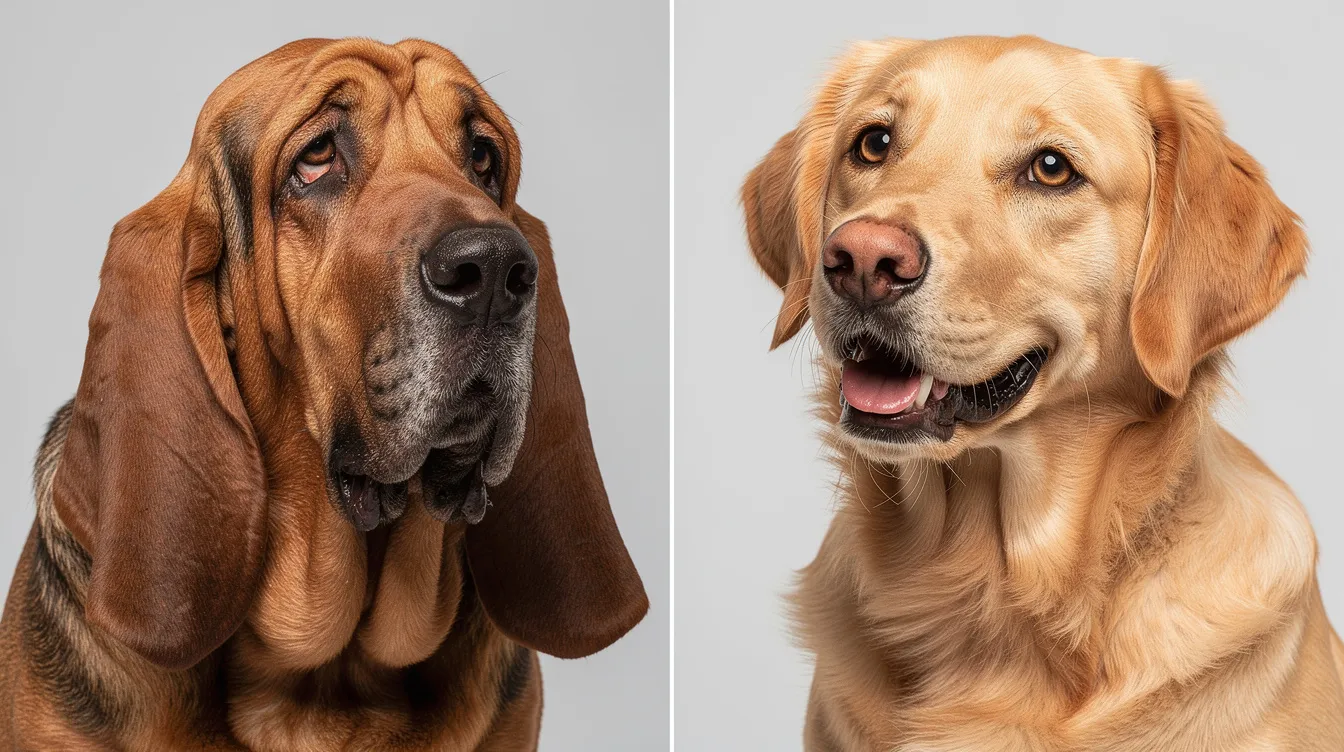
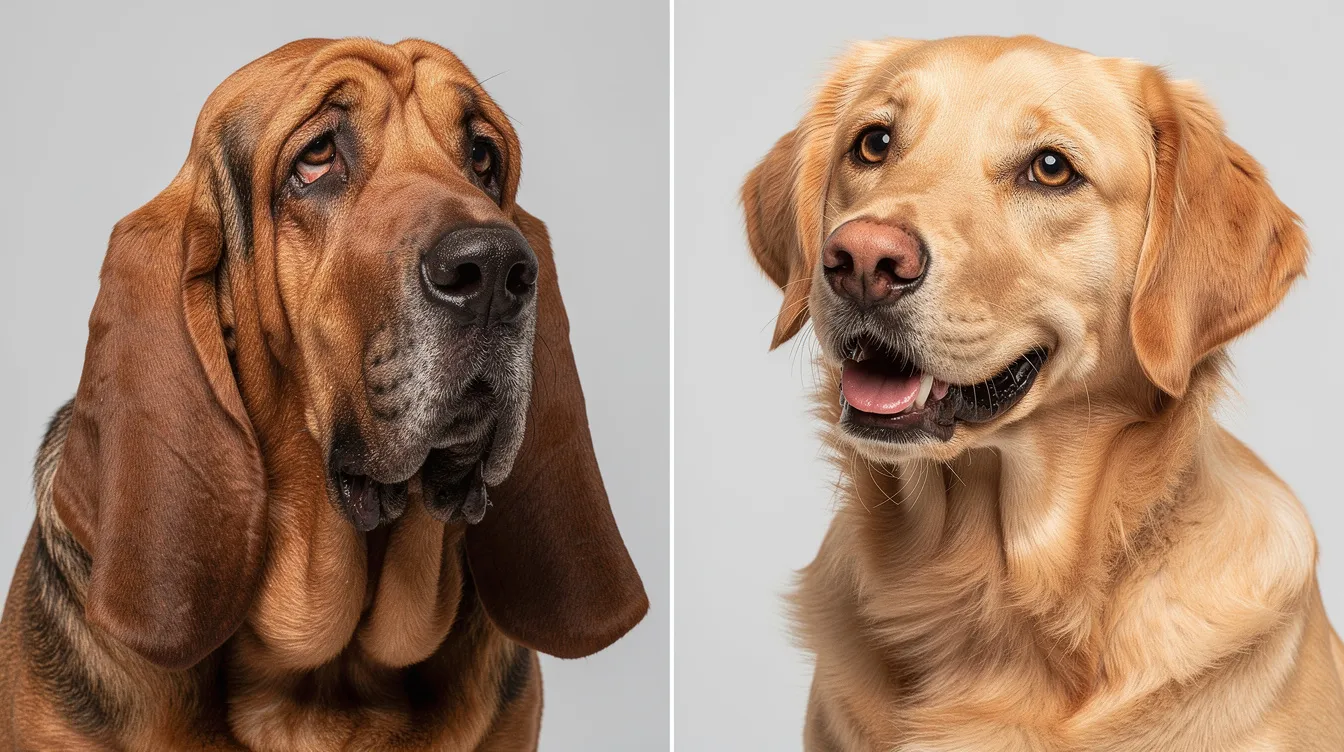
Some breeds look perpetually melancholy, and it has nothing to do with how they feel. Breeds like Basset Hounds, Bloodhounds, Saint Bernards, Clumber Spaniels, Neapolitan Mastiffs, and Great Danes have facial anatomy-droopy lower eyelids (a condition called ectropion), loose facial skin, pendulous ears, and heavy jowls-that naturally creates a downturned, sorrowful expression. This is their resting face, not a reflection of their dog’s emotional state.
However, these breed features aren’t just cosmetic. Droopy eyelids can lead to chronic eye irritation, redness, conjunctivitis, or even corneal ulceration due to exposure and poor lid closure. A Bloodhound squinting from eye discomfort will look even sadder-and in that case, the appearance actually does correlate with physical discomfort. Signs of dog depression like sad, droopy eyes should always be evaluated in context: is this how the breed always looks, or is something new happening?
No scientific measurement of facial musculature currently correlates reliably with emotional affect in dogs. A breed’s resting expression alone cannot indicate depression-only behavioral and physical changes alongside that expression should raise concern.
Temporary vs Persistent Sadness
Dogs can exhibit signs of sadness or depression in response to short-term disruptions-a thunderstorm, a car ride, a change in their owner’s schedule, or a minor injury. These episodes of low mood typically resolve within hours to a couple of days as the dog’s environment normalizes. Routine changes can lead to anxiety and stress in dogs, but brief situational sadness is a normal part of a dog’s life.
The concern arises when symptoms persist beyond 48–72 hours, especially those accompanied by appetite loss, excessive sleeping, or social withdrawal. Persistent emotional distress often signals an underlying medical condition, chronic pain, or significant environmental disruption that won’t resolve on its own. The longer symptoms continue-particularly across weeks-the more likely they point to conditions such as canine cognitive dysfunction, endocrine disease, or deep-seated anxiety.
Recognizing Signs of Genuine Canine Depression
Moving beyond facial expressions, genuine dog depression reveals itself through measurable changes in behavior, physical health, and emotional responses. Dogs thrive on companionship and social interaction, so when a previously engaged dog suddenly pulls away from the world around them, attentive owners notice. Monitoring these changes over time-ideally documenting them with dates and specifics-provides your veterinarian with invaluable diagnostic information.
Behavioral Changes
Depressed dogs may show decreased interest in activities they once loved. A dog that used to sprint for their favorite toy or bark with excitement at walk time may suddenly lose interest in playing or walking entirely. This loss of enthusiasm for previously rewarding activities is one of the most reliable early indicators of emotional distress.
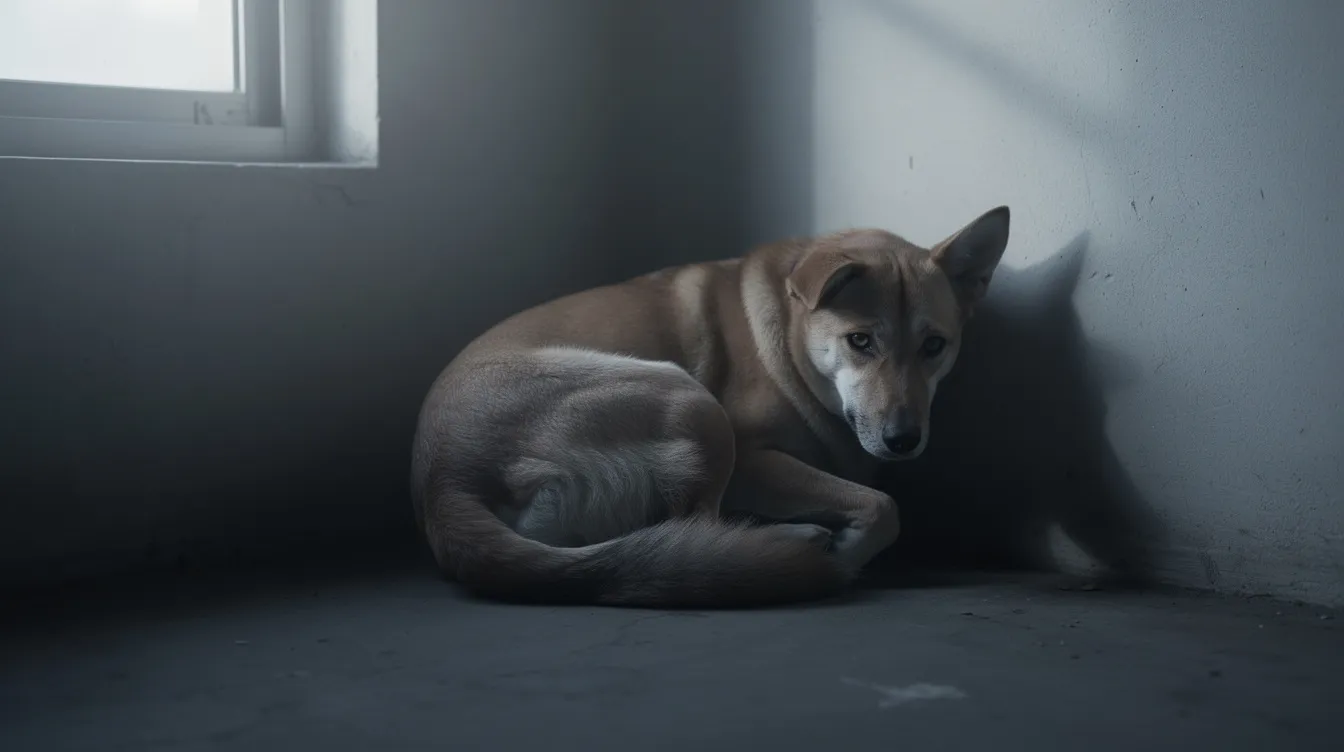
Withdrawal from family interactions is another hallmark. Hiding or withdrawing is a common sign of dog depression-your dog may stop greeting you at the door, avoid the living room where the family gathers, or become less responsive to their name. Many dogs who were previously affectionate will stop seeking contact with family members or other pets in the household.
Changes in sleeping patterns deserve close attention. A depressed dog may sleep far more than usual or, conversely, pace restlessly and struggle to settle. Sleep-wake cycle disruptions-sleeping all day and waking at night-are especially concerning in senior dogs, as they can signal age-related decline or illness. Excessive lethargy that goes beyond normal rest is a red flag that something is affecting your dog’s mood at a deeper level.
Physical Symptoms
Appetite changes are among the most noticeable physical symptoms. A dog may eat significantly less, refuse food entirely, or show no interest in treats that previously excited them. If your dog is not eating and appears lethargic, this combination warrants prompt veterinary attention, as it can indicate pain, illness, or depression-often all three simultaneously.
Depressed dogs may lick their paws excessively as self-comforting behavior. This repetitive self-soothing-along with obsessive chewing or grooming-can progress to raw skin, hot spots, or hair loss. Alternatively, some dogs stop grooming altogether, resulting in a dull, unkempt coat. Both extremes signal that the dog’s emotional state has shifted significantly.
House training regression is another physical symptom that owners frequently misattribute to defiance. A previously reliable dog having accidents in the house may be experiencing cognitive decline, stress-related loss of control, or a medical condition affecting bladder or bowel function. This is never a behavioral choice to punish-it’s a symptom to investigate.
Emotional Indicators
Increased clinginess or attention-seeking can signal depression just as strongly as withdrawal. Some dogs become shadow-like, following their owner from room to room and showing anxious behavior when left alone for even moments. Others swing the opposite direction, seeking complete solitude and resisting comfort.
Excessive vocalization-whimpering, whining, howling-particularly at predictable stress points like owner departures or nighttime, reflects emotional distress. These vocalizations differ from alert barking or play sounds; they tend to be repetitive, low-pitched, and persistent.
Restlessness and inability to settle comfortably round out the emotional indicators. A dog who paces, repositions constantly, or seems unable to relax despite being physically tired is communicating discomfort-whether from pain, fear, or emotional unrest.
Key warning signs requiring veterinary attention: Any combination of appetite loss, lethargy, withdrawal, sleep disruption, uncharacteristic aggression or clinginess, or physical symptoms persisting beyond 48 hours should prompt a call to your vet. These patterns suggest something beyond a passing bad day, and early evaluation leads to better outcomes.
Causes and Veterinary Diagnosis of Dog Sadness
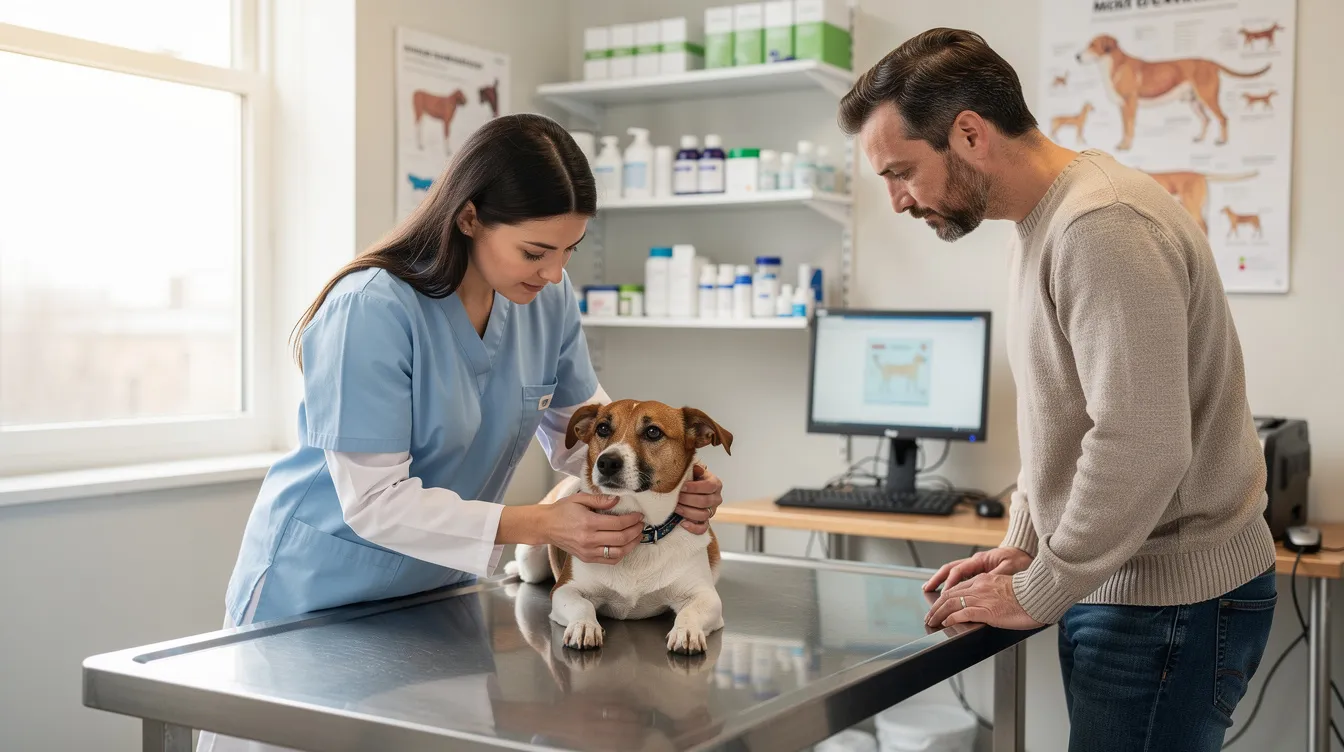
Understanding why your dog appears sad requires connecting symptom patterns to their likely causes-and that connection is best made with professional help. Common causes of depression in dogs include major life changes, undiagnosed medical conditions, and inadequate stimulation. A 2025 U.S. survey of over 43,500 dogs using the mini C-BARQ instrument found that anxiety and fear-related behaviors are remarkably common, often overlapping with depression-like presentations. Veterinary visits are essential to rule out health issues before attributing sadness to purely emotional factors.
Diagnostic Procedure
When behavioral changes persist or worsen, a structured veterinary evaluation is necessary. Here’s what the diagnostic process typically involves:
- Complete physical examination to check for sources of pain-joint stiffness, dental disease, ear infections, eye irritation-along with sensory deficits in vision or hearing that may explain behavior changes
- Blood work including complete blood count and chemistry panel, plus thyroid screening (hypothyroidism is a frequently underdiagnosed cause of lethargy and depressed behavior in dogs), endocrine disease evaluation, and urinalysis
- Behavioral history assessment with timeline of changes, ideally supplemented by video recordings showing the concerning behaviors, documenting what the dog’s life looked like before and after the shift
- Environmental evaluation of recent household changes, including moves, new family members, loss of a companion animal or person, schedule disruptions, and level of daily stimulation
For senior dogs showing disorientation or confusion alongside sadness, neurological workup including brain imaging may be recommended to evaluate for canine cognitive dysfunction syndrome.
Common Underlying Causes
Cause Category | Specific Examples | Treatment Approach |
|---|---|---|
Medical Issues | Arthritis limiting movement; dental pain reducing interaction; hypothyroidism causing lethargy and weight gain; chronic illness (diabetes, kidney disease) | Pain management, joint supplements, dental treatment, thyroid hormone replacement, disease-specific medical care |
Environmental Changes | Moving homes can trigger depressive episodes in dogs; loss of a family member can cause dog depression; new baby or pet altering household dynamics; schedule disruption | Gradual transitions, routine maintenance, grief support, behavioral consultation |
Lack of Stimulation | Boredom from lack of stimulation can cause depression in dogs; extended isolation; minimal exercise or social contact | Increased physical activity, puzzle toys, training sessions, socialization with other dogs |
Chronic pain from conditions like arthritis can lead to depression-and studies estimate that between 28% and 82% of dogs referred for behavior problems show evidence of underlying pain (Merck Veterinary Manual, Behavior Problems of Dogs). A recent 2026 study of 50 dogs with chronic enteropathy demonstrated that even low disease activity was associated with compromised emotional health compared to healthy controls, reinforcing how powerfully physical conditions affect a dog’s mood.
Canine Cognitive Dysfunction Syndrome deserves special mention. This progressive neurological condition, driven by beta-amyloid accumulation and oxidative brain damage, commonly begins around nine years of age. In dogs aged 11–12 years, approximately 28% show consistent CDS signs; by ages 15–16, that number climbs to 68% (Cornell University College of Veterinary Medicine, Canine Cognitive Dysfunction Syndrome). Many cases go undiagnosed because owners attribute symptoms to “just getting old.”
Environmental changes can significantly affect a dog’s mood, and dogs can mirror their owner’s emotions-meaning your own stress, grief, or depression may be contributing factors in your dog’s emotional state.
Common Challenges and Solutions
Managing a depressed dog involves practical, day-to-day strategies that address the specific obstacles owners encounter. Dogs need regular exercise to stay healthy and happy, but a sad dog rarely cooperates with a cheerful “let’s go for a walk.” Here’s how to navigate the most common challenges.
Dog Refuses Exercise Despite Sadness
Increased physical activity can improve a dog’s mood, but a dog in emotional or physical distress won’t respond to their usual routine. Start with shorter, lower-intensity activities-a gentle five-minute sniff walk rather than a 30-minute jog. Daily walks can improve a dog’s mood even when kept brief. Use high-value treats and enthusiastic praise to rebuild motivation gradually. If your dog shows signs of pain during movement, consult your vet before pushing exercise further. Engaging in play can help alleviate dog depression, but it must be on the dog’s terms initially.
Sadness Worsens During Owner Absence
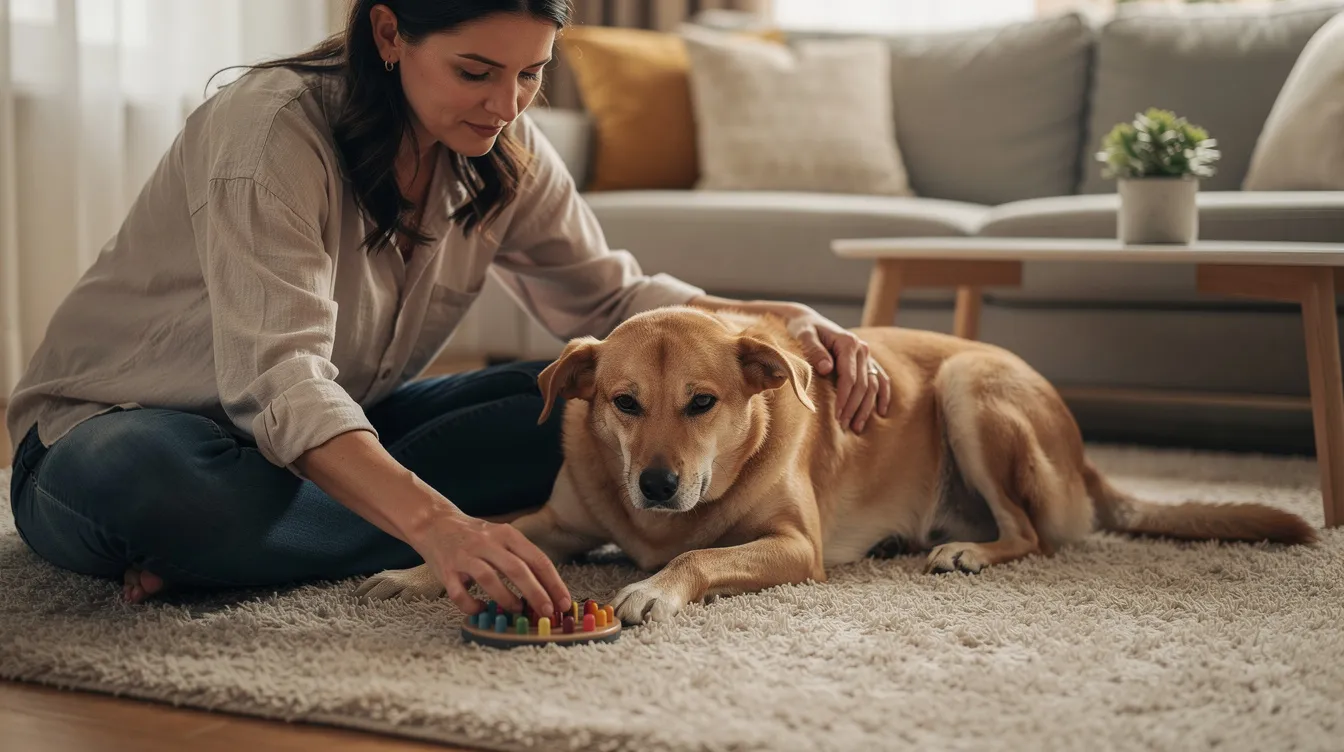
Dogs thrive on predictability and routine, and separation triggers anxious behavior in many dogs already prone to low mood. Implement gradual desensitization: practice short departures and returns without emotional fanfare, slowly extending duration. Most dogs benefit from mental stimulation during alone time-puzzle toys can provide mental stimulation for dogs and redirect focus from anxiety to problem-solving. For extended absences, consider doggy daycare or a pet sitter so your pup maintains social interaction with other dogs or people.
Multiple Environmental Stressors Occurring Simultaneously
When a dog’s environment shifts dramatically-a move combined with a new family member or the loss of a companion-the cumulative stress can overwhelm coping capacity. Prioritize maintaining feeding and sleep routines, as these are the anchors of stability in a dog’s life. Address changes one at a time rather than attempting to normalize everything simultaneously. Provide extra comfort items-a familiar blanket, a safe crate or quiet room-so your dog has a retreat space during transition periods.
Owner Sadness Affecting Dog’s Mood
Dogs can mirror their owner’s emotions with surprising sensitivity. If you’re experiencing grief, stress, or depression, your dog may reflect that mood through their own withdrawal or anxious behavior. Maintain consistent care routines despite personal emotional challenges-feeding times, walk schedules, and quality time together should remain as stable as possible. Seek support from friends, family, or a professional to manage your own stress while providing the stability your pet needs. Quality time and positive reinforcement can help boost a dog’s mood even when you’re struggling yourself.
Conclusion and Next Steps
A dog who looks sad deserves more than reassurance-they deserve investigation. Whether the cause is breed anatomy, a passing mood, chronic pain, medical illness, or genuine dog depression, persistent sadness always warrants professional evaluation. The earlier you identify and address the underlying factors, the faster your dog returns to the engaged, comfortable life they deserve.
Immediate actionable steps:
- Schedule a veterinary examination if symptoms persist beyond 48 hours, especially those involving appetite loss, lethargy, or behavioral withdrawal
- Document behavioral changes with dates, specific observations, and video when possible-this history is invaluable for your vet’s assessment
- Maintain consistent daily routines during the assessment period, keeping feeding, walking, and sleeping schedules stable
- Increase positive interactions and mental stimulation activities-social interaction with other dogs can boost mood, and even brief daily engagement helps
For continued learning, explore related topics including anxiety disorders and body language interpretation, chronic pain management in senior dogs, and behavioral modification techniques with the guidance of a professional dog trainer or veterinary behaviorist. Many dogs recover fully with the right combination of medical treatment, environmental support, and patient, consistent care from the people who know them best.
Frequently Asked Questions
How long should I wait before seeing a vet for my sad dog?
Contact your veterinarian within 24–48 hours if sadness accompanies appetite loss, lethargy, or behavior changes beyond your dog’s baseline. If you notice acute symptoms-vomiting, severe lethargy, refusal to eat or drink, or signs of pain-seek veterinary care immediately rather than waiting. Documenting what changed and when helps your vet pinpoint causes more efficiently.
Can dogs really experience depression like humans?
Dogs experience emotional states that closely parallel depression, though the condition isn’t identical to human clinical depression. They can lose interest in activities, withdraw from social interaction, show appetite changes, and display persistent low mood. Dogs don’t have the same capacity for self-reflective rumination as humans, but their behavioral and physiological responses to loss, pain, or environmental disruption are genuine and measurable. Many dogs who experience depression respond well to combined medical and behavioral intervention.
What breeds are most prone to appearing sad?
The inquiry of why does my dog look sad is one that deserves serious attention from every dog owner.
Ultimately, facing the question why does my dog look sad can lead to improvements in your dog’s overall happiness and well-being.
Breeds with droopy facial features naturally appear melancholy regardless of their actual mood. Basset Hounds, Bloodhounds, Saint Bernards, Clumber Spaniels, Neapolitan Mastiffs, and Great Danes are especially those known for perpetually sorrowful expressions due to ectropion (droopy lower eyelids), loose facial skin, and heavy jowls. Brachycephalic breeds like Bulldogs and Pugs may also appear worried or sad due to their facial folds. These features are anatomical-not emotional indicators.
Understanding the phrase why does my dog look sad may also lead to better care practices among pet owners.
Should I give my sad dog extra attention or space?
Provide gentle, consistent interaction while allowing your dog to initiate contact when comfortable. Avoid overwhelming a withdrawn dog with forced affection, but don’t ignore them either. Offer quiet companionship-sitting nearby, speaking softly, offering a treat or favorite toy without pressure. Dogs thrive on companionship and social interaction, so maintaining your presence without demanding engagement strikes the right balance. If your dog seeks you out, respond warmly with quality time together.
Can medication help with dog sadness?
Anti-anxiety medications may be beneficial after thorough veterinary evaluation and when environmental and behavioral modifications haven’t resolved the issue. Fluoxetine is FDA-approved for separation anxiety in dogs, and other SSRIs or tricyclic antidepressants may be used off-label for anxiety or depression-like signs under veterinarian supervision. Medication should never be the first step-medical causes must be ruled out and environmental factors optimized first. Side effects can include sedation and gastrointestinal upset, so professional help and ongoing monitoring are essential. The Merck Veterinary Manual emphasizes combining medication with behavior modification for best results.
How can I prevent my dog from becoming sad?
Prevention centers on stability, stimulation, and health maintenance. Dogs thrive on predictability and routine-maintain consistent feeding, walking, and sleeping schedules. Ensure adequate physical activity appropriate to your dog’s breed and age. Puzzle toys can provide mental stimulation for dogs, and regular socialization prevents isolation. When life changes occur-a move, a new family member, a schedule shift-introduce them gradually. Regular preventive veterinary care catches health issues before they progress to the point of affecting mood. Perhaps most importantly, invest daily quality time in your relationship with your dog-your consistent, engaged presence is their greatest buffer against emotional distress.
Reviewed by Dr. Roger Hart, DVM
References: Cornell University College of Veterinary Medicine – Canine Cognitive Dysfunction Syndrome; Merck Veterinary Manual – Behavior Problems of Dogs; Medical Causes of Behavioral Signs