Gastroenteritis in puppies is inflammation of the stomach and intestines that causes vomiting and diarrhea – and in young dogs, it can escalate from mild discomfort to a life-threatening emergency within hours. Puppies dehydrate and develop low blood sugar faster than adult dogs, so vomiting or diarrhea that would be minor in an adult can become an emergency in a puppy.
This condition can lead to severe health issues if not addressed promptly.
The health implications of this condition are serious and can escalate quickly.
This article covers the signs that mean a puppy needs same-day or emergency care, the most common causes, how veterinarians diagnose and treat the problem, and how to lower the risk of it happening again.
Take Your Puppy to a Veterinarian Now If
- Your puppy is not fully vaccinated and has vomiting, diarrhea, or will not eat (parvovirus must be ruled out)
- There is blood in the vomit or stool, or the stool is black and tarry
- Vomiting happens more than two or three times in a few hours, or your puppy cannot keep water down
- Your puppy is weak, very sleepy, cold, trembling, or has pale or tacky gums
- The belly is swollen or painful, or your puppy may have swallowed a toy, bone, or toxin
- Diarrhea continues longer than 24 hours in a puppy under six months old
Gastroenteritis in puppies is a treatable condition, but because puppies have smaller fluid reserves making them vulnerable to dehydration, prompt veterinary care is essential to prevent rapid deterioration from fluid loss, electrolyte imbalance, and hypoglycemia.
Understanding Gastroenteritis in Puppies
The risk of gastroenteritis in puppies is particularly high in unvaccinated or young animals, making awareness of gastroenteritis in puppies critical for prevention.
Common causes of gastroenteritis in puppies include infectious agents.
If your puppy shows signs of this condition, seek veterinary attention immediately.
The risk of gastroenteritis in puppies is particularly high in unvaccinated or young animals.
Gastroenteritis in dogs refers to inflammation affecting a dog’s stomach and intestines, disrupting normal digestion and nutrient absorption. It can cause vomiting, diarrhea, loss of appetite, and dehydration. While most dogs can tolerate a brief episode of stomach upsets, puppies face a fundamentally different risk profile. Their developing immune systems, immature gut bacteria communities, and limited body reserves mean that what might be a minor illness in an adult dog can become a severe form of disease in a puppy within hours.
Common causes of gastroenteritis include viral infections, bacterial infections, and intestinal parasites – all of which disproportionately affect puppies who haven’t completed their vaccination series.
How Puppy Digestive Systems Differ
Puppies under 6 months have immature gastrointestinal tract barriers. Their intestinal mucosal defenses produce lower levels of protective immunoglobulins, and their gut bacteria are still establishing stable, diverse communities. While puppies receive maternal antibodies through colostrum in their first days of life, this passive immunity wanes over weeks – creating a vulnerability window precisely when puppies are exploring new environments, transitioning diets, and encountering other dogs.
This immaturity translates directly into clinical consequences. A puppy’s smaller total body fluid volume means that even moderate vomiting and diarrhea can produce significant dehydration and hypovolemic shock far more quickly than in adult dogs. Tissue healing – particularly regeneration of the intestinal villi that absorb nutrients – is also slower in puppies, extending recovery time and increasing the risk of secondary infection.
Acute vs. Chronic Gastroenteritis in Puppies
Acute gastroenteritis presents with sudden onset of vomiting and diarrhea, typically developing within 24–48 hours. Most puppies with infectious gastroenteritis present acutely. In a study of 94 puppies up to 12 months diagnosed with presumptive acute viral gastroenteritis, survivors required a median hospitalization of 5 days, while non-survivors died within a median of approximately 3.5 days after admission.
Chronic gastroenteritis involves recurring or persistent symptoms over weeks to months – including repeated episodes of diarrhea, vomiting, weight loss, and failure to thrive. Chronic diseases may cause recurring gastroenteritis episodes, and these cases may point to an underlying illness such as food allergies, inflammatory bowel disease, or lasting gastrointestinal damage from a prior severe infection like parvovirus. Research shows that among dogs recovering from canine parvovirus, approximately 63% initially responded to diet changes, but 60% experienced recurrence when dietary or medical management was discontinued.
Recognizing whether your puppy’s symptoms represent an acute episode or a chronic pattern is crucial, because the diagnostic approach and treatment strategy differ significantly.
Recognizing Gastroenteritis Symptoms in Puppies
Because puppies deteriorate faster than adult dogs, early symptom recognition is your most powerful tool.
Be proactive in watching for symptoms.
If you observe any of these symptoms, seek veterinary help immediately.
Primary Symptoms
These can be early indicators of illness.
Early identification can mitigate severe consequences.
The hallmark signs are vomiting and diarrhea, but the specific characteristics matter. Gastroenteritis causes vomiting and diarrhea in dogs, and in puppies, paying attention to the details helps your vet determine severity and underlying cause.
Vomiting may range from occasional to frequent vomiting multiple times per hour. Note whether the vomit contains bile (yellow-green), undigested food, foam, or blood. Projectile vomiting or vomiting that occurs even when the puppy hasn’t eaten suggests more severe involvement.
Diarrhea ranges from soft and loose to completely watery. The presence of mucus, fresh red blood, or dark tarry stool (melena) indicates different levels of gastrointestinal tract involvement. Blood in vomit or stool indicates hemorrhagic gastroenteritis – a more severe form requiring urgent care.
Symptom | Normal Variation | Mild Concern | Emergency |
|---|---|---|---|
Vomiting | Single episode, then normal behavior | 2–3 times in 24 hours, keeping some water down | Frequent vomiting every 1–2 hours, unable to keep water down |
Diarrhea | Slightly soft stool, normal color | Loose/watery, no blood, 3–4 episodes daily | Bloody, watery, more than 6 episodes daily |
Appetite | Slightly reduced, still drinking | Eating small amounts, drinking intermittently | Complete refusal of food and water for more than 12 hours |
Energy | Slightly quieter than normal | Less playful but responsive | Severe lethargy, collapse, unresponsive |
Secondary Warning Signs
Beyond vomiting and diarrhea, watch for appetite lethargy – the combination of food refusal and decreased energy that signals your puppy’s body is struggling. Behavioral changes include reluctance to move, restlessness or inability to settle (suggesting abdominal pain), whimpering when the belly is touched, and hunched posture protecting the dog’s stomach.
Signs of dehydration in puppies include dry gums, sunken eyes, and decreased skin turgor. To perform the skin tent test, gently lift the skin at the back of your puppy’s neck – in a well-hydrated puppy, it snaps back immediately. If it stays elevated for two or more seconds, dehydration is present. Also check capillary refill time by pressing a finger against your puppy’s gums: the color should return within 1–2 seconds. Longer than 2 seconds indicates compromised circulation.
Emergency Symptoms Requiring Immediate Veterinary Care
Don’t hesitate to contact your vet for advice.
The following symptoms require you to contact your emergency vet without delay:
- Persistent vomiting where the puppy cannot keep down even small sips of water
- Blood in vomit or stool – bright red or dark/tarry
- Abdominal distension or obvious abdominal pain when touched
- Signs of shock: pale or gray gums, rapid weak pulse, cold ears and paws
- Severe lethargy, collapse, or inability to stand
- No urination for more than 8–12 hours
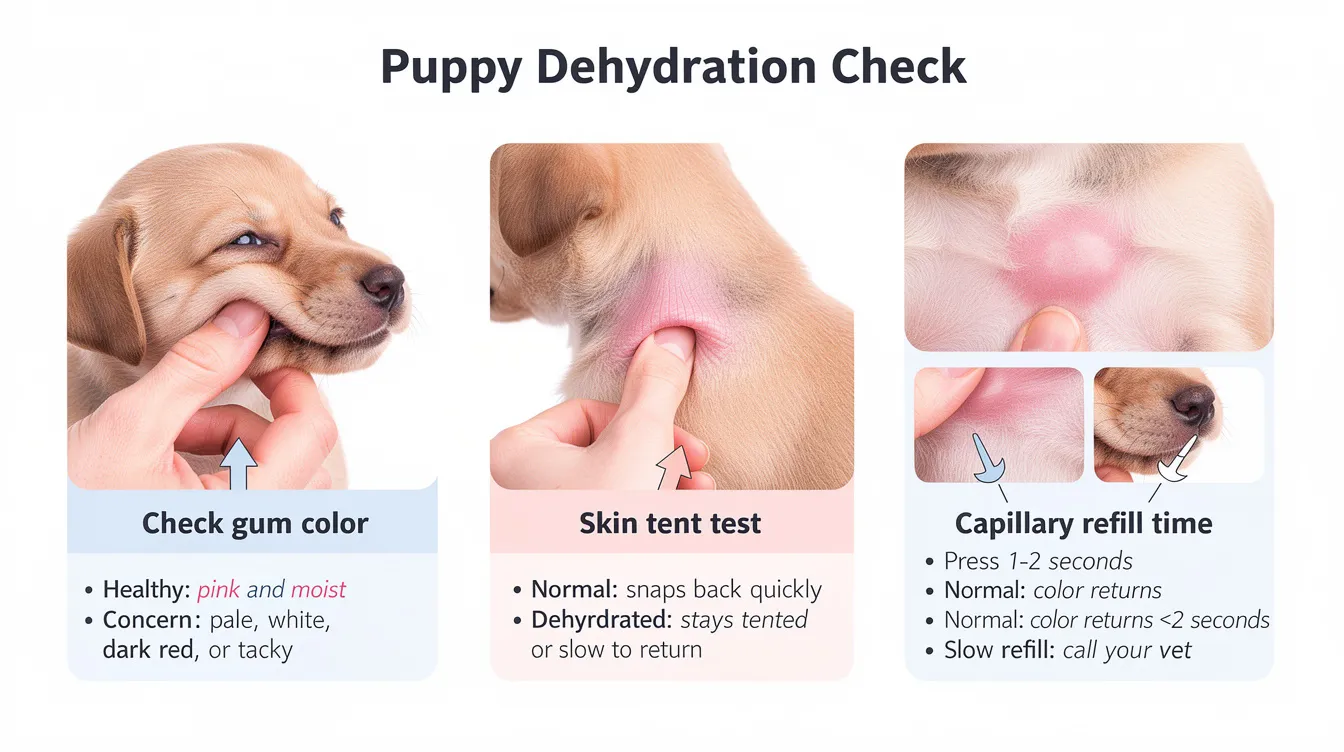
Small-breed dogs are at increased risk for gastroenteritis complications because their smaller body mass means hypoglycemia and shock develop more rapidly. Any puppy under 12 weeks showing the following symptoms – even without blood – should be evaluated promptly by a vet.
Common Causes and Risk Factors in Puppies
Puppies face more gastroenteritis triggers than adult dogs, and warm, wet weather helps parasites and some viruses survive longer in the environment.
Infectious Causes in Puppies
Infectious agents represent the most common and most dangerous causes of gastroenteritis in puppies. Infections like parvovirus can lead to gastroenteritis symptoms ranging from mild diarrhea to life-threatening hemorrhagic gastroenteritis.
Canine Parvovirus (CPV) is the leading infectious concern. In studies of puppies with hemorrhagic gastroenteritis, approximately 90% of diarrheic puppies under 6 months tested positive for CPV-2b, compared to only about 10% of healthy puppies. CPV attacks the rapidly dividing cells of the intestines, causing severe bloody diarrhea, vomiting, and immune suppression.
Bacterial infections – including Clostridium perfringens, Clostridium difficile, pathogenic E. coli, Salmonella, and Campylobacter – contribute to gastroenteritis through toxin production and bacterial overgrowth. These bacterial infections may occur as primary causes or secondary invaders when the intestinal barrier is already compromised.
Parasites such as Giardia, Coccidia, hookworms, and roundworms are frequent in puppies. Young dogs are both more likely to acquire parasitic infections and suffer more severe consequences. Intestinal parasites can take one week to three months to resolve depending on the organism and treatment compliance.
Other viral infections including enteric coronavirus and rotaviruses can also affect the gastrointestinal tract, though typically with less severity than parvovirus.
Dietary and Environmental Triggers
Dietary indiscretion is a common cause of gastroenteritis – puppies are notorious for eating things they shouldn’t. When a dog ate spoiled food, garbage, human food, or table scraps, the resulting inflammation can range from mild stomach upsets to severe gastroenteritis requiring veterinary care.
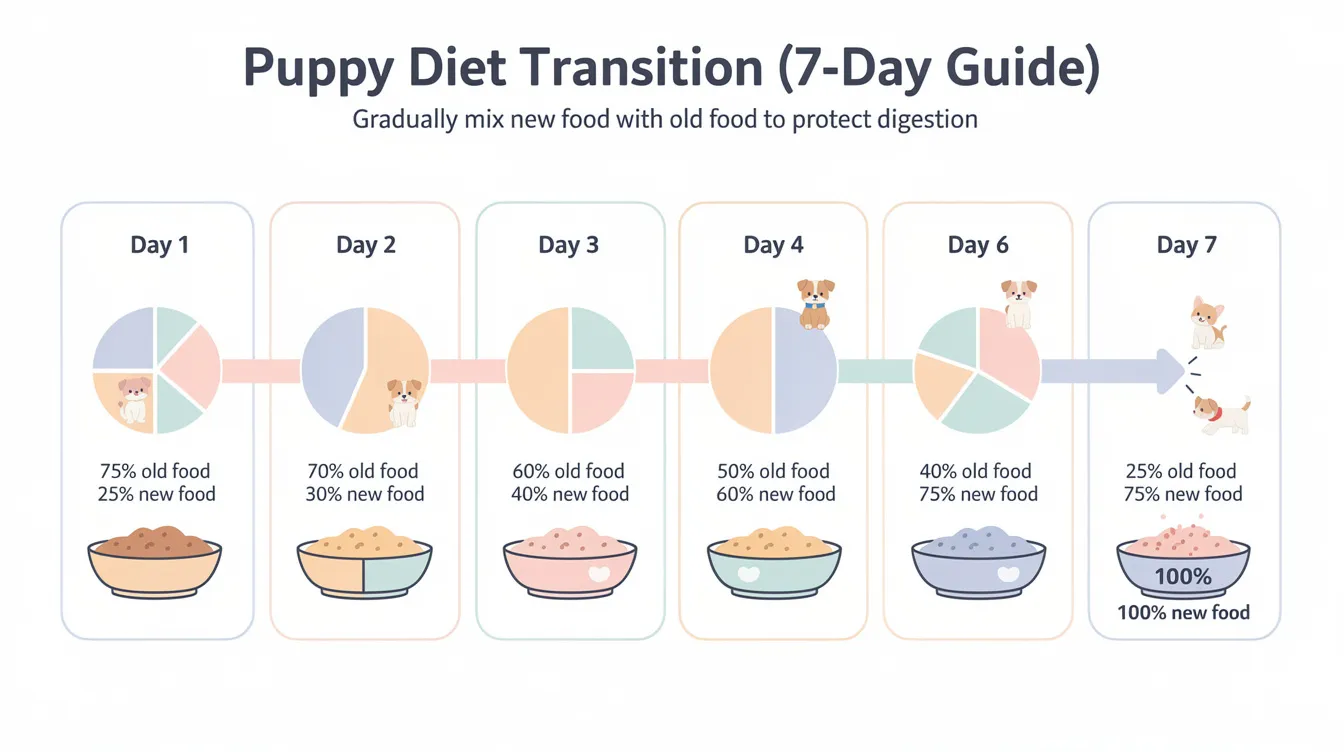
Sudden diet changes can lead to gastroenteritis in puppies. The immature digestive system needs gradual transitions over 5–7 days to adapt to new foods. Even switching between brands of puppy food can trigger vomiting and diarrhea if done abruptly.
Foreign body ingestion poses a dual threat: the object itself may cause obstruction or damage to the stomach and intestines, and the inflammatory response can mimic or compound infectious gastroenteritis.
Stress-related triggers are also significant. Adoption, transport to a new home, separation from littermates, and changes in routine can suppress immune function and disrupt gut bacteria balance, making puppies more susceptible to infection. Puppies adopted from shelters or rescues face extra stress and exposure risk during their first weeks in a new home.
Food allergies – though less common in very young puppies – can also cause chronic gastrointestinal symptoms that mimic infectious gastroenteritis.
Risk Factor Comparison Table
Risk Factor | 8–12 Weeks | 3–6 Months | 6–12 Months |
|---|---|---|---|
Vaccine Status | Incomplete – highest vulnerability window | Partially to fully vaccinated | Typically fully vaccinated |
Parvovirus Risk | Very high – maternal antibodies waning | Moderate if vaccine series on track | Low if properly vaccinated |
Parasitic Load | High – initial deworming in progress | Moderate – ongoing deworming needed | Lower with consistent prevention |
Dietary Sensitivity | Very high – transitioning from mother’s milk | Moderate – often switching to new foods | Lower – diet usually established |
Foreign Body Risk | Moderate – exploring with mouth | High – increased mobility and curiosity | High – access to more environments |
Stress Factors | Adoption, new home, weaning | Training, socialization, new experiences | Increased environmental exposure |
This table helps owners identify their puppy’s specific risk profile. A 10-week-old puppy with incomplete vaccinations in a multi-pet household faces very different risks than a 7-month-old fully vaccinated puppy that ate something unusual.
Veterinary Diagnosis and Treatment Approach
Accurate diagnosis determines whether your puppy needs home observation or intensive care. The diagnostic and treatment approach for puppies differs from adult dogs because of their unique physiological vulnerabilities.
Diagnostic Procedure for Puppies
Comprehensive diagnostic tests become necessary when puppies show persistent or severe symptoms, when they are unvaccinated or partially vaccinated, or when initial home management hasn’t produced improvement. Veterinarians perform a physical exam to check for dehydration, assess abdominal pain through careful palpation, and evaluate overall perfusion.
The diagnostic workup typically follows this sequence:
- Detailed history – including age, vaccination status, recent diet changes, exposure to other dogs, deworming history, and whether the puppy may have eaten anything unusual
- Physical examination – focusing on hydration status (skin turgor, gum moisture, capillary refill), abdominal palpation for pain or foreign bodies, and overall body condition
- Fecal testing – fecal tests check for intestinal parasites or viruses like parvovirus through flotation, direct smear, PCR, or antigen testing
- Blood work – blood tests assess hydration and organ function in dogs, including CBC, electrolyte panel, kidney/liver values, glucose levels, and total protein to evaluate the severity of dehydration and identify complications like hypoglycemia
- Imaging – x-rays can rule out foreign bodies or intestinal blockages; abdominal ultrasound helps identify inflammation or cancer and other structural abnormalities when complex cases require further evaluation; abdominal radiographs may reveal gas patterns suggesting obstruction
In severe cases, additional diagnostic tests may include coagulation panels, arterial blood gas analysis, and albumin levels to guide treatment intensity.
Treatment Options by Severity Level
Dogs treatment protocols for gastroenteritis depend directly on severity. The following table outlines the treatment escalation approach:
Treatment Level | Mild Cases | Moderate Cases | Severe Cases |
|---|---|---|---|
Setting | Home with vet guidance | Outpatient or short hospitalization | Inpatient intensive care with overnight care |
Fluid Therapy | Oral rehydration solutions | Subcutaneous fluids at clinic visits | IV fluid therapy with balanced crystalloids (maintenance 40–60 mL/kg/day; shock dose up to 80–90 mL/kg) |
Anti-Nausea | May not be needed | Anti nausea medication (maropitant) oral/injectable | IV antiemetics (maropitant, ondansetron) |
Nutrition | Bland diet – small frequent meals | Bland diet with assisted feeding if needed | Early enteral nutrition via tube if vomiting controlled; no fasting beyond 24–48 hours |
Antibiotics | Typically not indicated | Antibiotics like metronidazole treat bacterial infections in dogs when indicated | IV broad-spectrum antibiotics for bacterial translocation risk |
Parasites | Deworming medication treats intestinal parasites in dogs | Targeted antiparasitic therapy based on fecal results | Same, plus monitoring for secondary complications |
Additional Support | Probiotics can restore gut microbiota in dogs with gastroenteritis | Gastroprotectants, electrolyte supplementation | Colloid/plasma transfusion if albumin <2 g/dL; dextrose supplementation for hypoglycemia |
Fluid therapy restores electrolytes and rehydrates dogs – it is the cornerstone of gastroenteritis treatment in most cases. For puppies in hypovolemic shock, veterinary guidelines recommend fluid boluses of approximately 15–20 mL/kg delivered over 10–15 minutes, repeated until perfusion parameters improve.
A bland diet helps settle a dog’s digestive tract during recovery. The best diet during this period consists of easily digestible foods – typically boiled chicken or turkey with white rice – offered in small frequent meals every 4–6 hours. This protein diet approach minimizes stress on the inflamed gastrointestinal tract while providing essential nutrition.
Bland diets help settle the digestive tract during recovery, and in most cases, puppies should transition back to their regular diet gradually over 3–5 days once symptoms resolve.
Regarding prognosis: most dogs recover in one to two days with treatment for mild cases. Infections typically heal within seven to ten days with appropriate veterinary care. For parvovirus specifically, survival rates exceed 90% when aggressive hospital treatment with IV fluids and supportive care is provided. Outpatient management yields approximately 75–80% survival in stable puppies with committed owners – still a favorable outcome but lower than with full hospitalization.
After treatment, puppies should be gradually reintroduced to their regular diets to avoid setbacks with gastroenteritis in puppies.
Preventative measures against gastroenteritis in puppies include timely vaccinations and regular veterinary care, helping ensure your puppy’s health.
Common Challenges and Solutions for Puppy Owners
Managing a puppy with gastroenteritis at home – whether before the vet visit, between outpatient appointments, or during recovery – presents practical challenges that every pet owner should anticipate.
Medication Administration Difficulties
Giving medications to a reluctant puppy whose stomach is already upset requires patience and technique. Liquid formulations are generally easier for puppies than tablets. Ask your veterinarian about flavored compounding options. For tablets, try hiding the medication in a small amount of the bland diet food – though be cautious about mixing with large amounts that the puppy may not finish. Pill syringes can help deliver tablets directly to the back of the throat when food-mixing methods fail. Always follow the medication with a small amount of water to ensure it reaches the dog’s stomach.
Deworming medication treats intestinal parasites in dogs and is typically well-tolerated, but if your puppy vomits within 30 minutes of administration, contact your vet about whether to re-dose.
Feeding Challenges During Recovery
Puppies recovering from gastroenteritis often show reluctance to eat, even when vomiting has stopped. Warming the bland diet slightly can improve palatability by releasing aromas. Offer small frequent meals – approximately every 4–6 hours – rather than standard meal-sized portions. If your puppy refuses boiled chicken and rice, try other easily digestible options like boiled sweet potato or low-fat cottage cheese (with veterinary approval).
Do not offer human food, table scraps, or rich treats during recovery. Feed a high-quality diet from reputable manufacturers once you’re ready to transition back from the bland diet. Avoid table scraps and rich treats for sensitive dogs even after full recovery.
Preventing Recurrence in Multi-Pet Households
In homes with more than one pet, prevent spread by separating the sick puppy and cleaning up stool right away. Isolate infected dogs to prevent disease spread – this means separate rooms, separate food and water bowls, and separate outdoor elimination areas when possible. Clean feces promptly and disinfect surfaces with effective virucides such as diluted bleach (1:30 ratio), accelerated hydrogen peroxide, or potassium peroxymonosulfate products. Wash hands thoroughly between handling sick and healthy pets.
Prevent dogs from eating unknown objects outdoors, and supervise all pets more closely during recovery periods. Preventative measures include gradual food changes and keeping puppies from scavenging in shared yard spaces.
Managing Owner Anxiety
Watching your puppy suffer from gastroenteritis is stressful. Set clear benchmarks for monitoring: weigh your puppy daily, observe stool consistency at every elimination, check gum color and hydration twice daily, and track appetite and water intake.
Improvement is typically expected within 24–48 hours of proper treatment. If symptoms persist for more than two days, worsen at any point, or new symptoms develop, return to veterinary evaluation promptly. Keep a written log of symptoms, medications given, food consumed, and water intake – this information is invaluable during follow-up appointments.
Effective prevention strategies against gastroenteritis in puppies include regular veterinary check-ups and timely vaccinations.
This includes diet, care, and monitoring.
Prevention and Long-Term Puppy Health
Prevention is far more effective – and less costly – than treating gastroenteritis once it develops. Prevention takes consistent effort, especially where warm weather keeps parasite and virus levels high year-round.
Puppies should be kept up to date on vaccinations to prevent infections like parvovirus. Complete immunization protocols prevent infectious diseases – the standard schedule includes modified-live virus vaccines for CPV administered at 6–8 weeks, 10–12 weeks, and 14–16 weeks, with a booster at one year and revaccination every three years thereafter. Avoid gaps in the vaccine schedule, because parvovirus is common and survives in soil for months.
Immediate actionable prevention steps:
- Complete the vaccination series on schedule – do not skip or delay appointments, and keep puppies away from high-risk environments like dog parks, shelters, and areas frequented by many dogs until fully vaccinated
- Maintain regular deworming – starting at 2–3 weeks of age, repeated every 2–3 weeks until 12 weeks, then monthly until a stable maintenance schedule is established
- Transition diets gradually – any dietary change should occur over 5–7 days, mixing increasing proportions of new food with old to prevent stomach upsets from a sudden diet
- Puppy-proof your home and yard – remove access to foreign bodies, toxic plants, chemicals, spoiled food, and garbage to prevent dietary indiscretion
- Practice consistent hygiene – clean elimination areas daily, disinfect living spaces regularly, and wash hands before and after handling your puppy
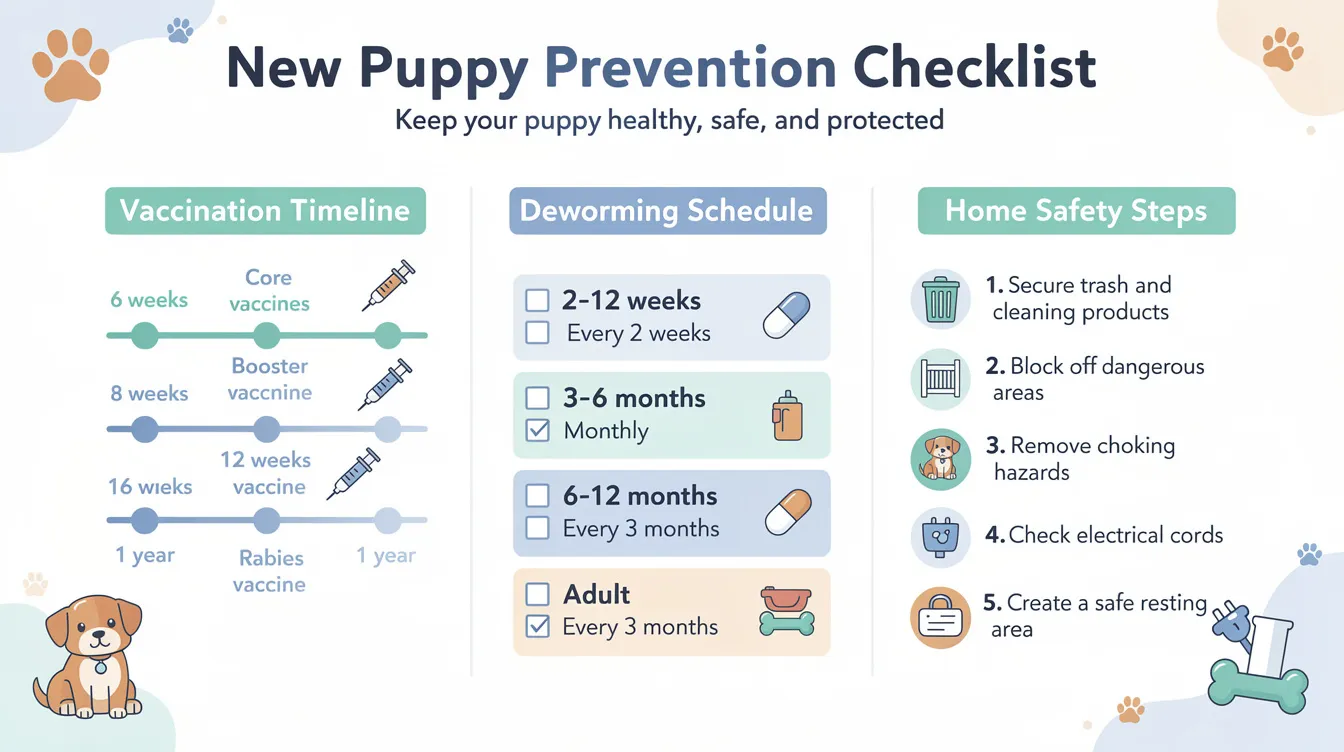
Long-term gastrointestinal health depends on maintaining a stable, high-quality diet, continued parasite prevention, and regular veterinary wellness visits. Watch closely during warm, wet months, when parasite and viral levels in the environment peak. Related topics worth exploring include puppy nutrition planning for optimal immune system development and strategies for safe socialization during the vaccination window.
Frequently Asked Questions About Puppy Gastroenteritis
How long does gastroenteritis typically last in puppies compared to adult dogs?
Duration depends on the underlying cause and severity. Most dogs recover in one to two days with treatment for mild gastroenteritis. Infections typically heal within seven to ten days with appropriate veterinary support. Severe cases – particularly parvoviral enteritis – may require around 5 days of hospitalization for survivors. Intestinal parasites can take one week to three months to resolve. Puppies generally take longer to recover than adult dogs because their immune systems and intestinal barriers are still developing.
Can puppies get gastroenteritis from their mother or littermates?
Yes. Puppies can acquire infectious agents from contaminated environments shared with their mother or littermates. While maternal antibodies from colostrum provide early protection, direct transmission of pathogens through environmental contamination – shared feces, food bowls, and living spaces – is a significant risk. Littermates in a contaminated environment are at high risk, particularly once maternal antibody levels begin to wane.
What home remedies are safe for puppies with mild gastroenteritis symptoms?
For mild cases under veterinary guidance, a bland diet of boiled chicken and rice offered in small frequent meals can help settle the gastrointestinal tract. Oral electrolyte solutions designed for pets support rehydration. Probiotics can restore gut microbiota in dogs with gastroenteritis. However, home remedies are only appropriate when the puppy is still drinking water, not experiencing vomiting that prevents keeping fluids down, and showing no emergency signs like blood in stool, severe lethargy, or signs of dehydration. Never attempt to treat severe cases at home.
When can puppies return to normal activities after gastroenteritis recovery?
Once your puppy is eating and drinking normally, producing firming stools, showing no vomiting for 24–48 hours, and regaining energy, gradual return to normal activity is appropriate. For puppies recovering from infectious causes like parvovirus, vaccination status must be reassessed, and high-exposure environments should be avoided until immune status is confirmed as protective.
How can I distinguish gastroenteritis from more serious conditions in puppies?
Gastroenteritis typically presents with experience vomiting and diarrhea that responds to supportive care. Foreign body ingestion may cause persistent vomiting without diarrhea, or vomiting that worsens despite treatment – imaging with x rays or abdominal ultrasound can differentiate this. An underlying illness such as organ disease, intussusception, or systemic infection may present with additional signs like fever, abdominal distension, or progressive weakness. If symptoms persist for more than two days without improvement, or worsen despite treatment, further diagnostic tests are warranted.
Are certain puppy breeds more susceptible to gastroenteritis?
All breeds can develop gastroenteritis, but small-breed dogs are at increased risk for gastroenteritis complications because their smaller body mass leads to faster fluid loss and hypoglycemia. Individual risk is more closely tied to age, immune status, and vaccination history than to breed alone – a 9-week-old unvaccinated puppy of any breed faces higher risk than a fully vaccinated 6-month-old of a supposedly susceptible breed.
What vaccination schedule helps prevent infectious gastroenteritis in puppies?
Under AAHA canine vaccination guidelines, puppies receive core vaccines (including parvovirus and distemper) every 2 to 4 weeks starting at 6 to 8 weeks of age, with the final puppy dose given at 16 weeks or older, a booster about one year later, and revaccination every three years for most core vaccines. Until the puppy series is finished, avoid dog parks, pet-store floors, and other places where unknown dogs have been. Maternal antibody interference must be considered – this is why multiple doses are necessary during the puppy series.
Additional Resources
Emergency contact plan: If your puppy develops severe signs outside regular business hours, go to the nearest 24-hour emergency veterinary hospital. Do not wait until morning if your puppy shows signs of shock, persistent bloody diarrhea, inability to keep water down, or collapse. Have your emergency vet contact information posted in an accessible location before an emergency occurs.
Symptom tracking template: Keep a daily log recording the following for each 24-hour period during illness and recovery:
- Number of vomiting episodes and description
- Number of diarrheal episodes, consistency, and any blood present
- Water intake (measured in cups or milliliters)
- Food intake (type and approximate amount)
- Body weight (daily, same time of day)
- Gum color and moisture
- Skin tent test result
- Energy level (scale of 1–5)
- Medications administered with times
Dietary guide for recovering puppies: During recovery, the best diet consists of highly digestible, low-fat options. Start with small portions (1–2 tablespoons for small breeds, 2–4 tablespoons for larger puppies) offered every 4–6 hours. Gradually increase portion size and decrease frequency over 3–5 days. Transition back to regular puppy food by mixing increasing proportions over another 5–7 days. Avoid any sudden diet changes throughout this process.
Citations:
- Merck Veterinary Manual, “Canine Parvovirus Infection – Parvoviral Enteritis in Dogs” (2025 edition) – guidelines on treatment, vaccination, and prognosis.
- Journal of the American Animal Hospital Association – AAHA Fluid Therapy Guidelines for Dogs and Cats (2024) – recommendations for fluid therapy in cases of CPV enteritis including isotonic crystalloids and nutrition.
- Veterinary World (2022), “Prognostic factors associated with survival and hospitalization time in pediatric canine patients diagnosed with presumptive acute viral gastroenteritis.”
- PMC article, “Update on Canine Parvoviral Enteritis” – treatment and prevention strategies including outpatient options and importance of vaccination.
- PMC article, “Prevalence of enteropathogens and their antibiotic sensitivity pattern in puppies with hemorrhagic gastroenteritis.”
Reviewed by Roger Hart, DVM, a Florida-licensed veterinarian with more than two decades of companion-animal clinical experience. This article is general education and does not replace an examination by your own veterinarian.