Vaccinations
-
Lump After a Dog Vaccine: What’s Normal and When to Call the Vet
Found a lump where your dog got a vaccine? Learn how to tell a normal, short-lived local reaction from one that needs a veterinary exam, and how long it should take to go away.
-
Gastroenteritis in Puppies: Symptoms, Causes, and When It Is an Emergency
Gastroenteritis in puppies is inflammation of the stomach and intestines that causes vomiting and diarrhea – and in young dogs, it can escalate from mild discomfort to a life-threatening emergency within hours. Puppies dehydrate and develop low blood sugar faster than adult dogs, so vomiting or diarrhea that would be minor in an adult can…
-
Respiratory Illness in Dogs: Kennel Cough, Flu, Pneumonia, and Warning Signs
Respiratory illness in dogs covers a spectrum of infections and conditions affecting the airways and lungs – from a mild, self-limiting kennel cough to life-threatening bacterial pneumonia. If your dog is coughing, showing a runny nose, or experiencing labored breathing, understanding the cause and knowing when to act can make the difference between a quick…
-
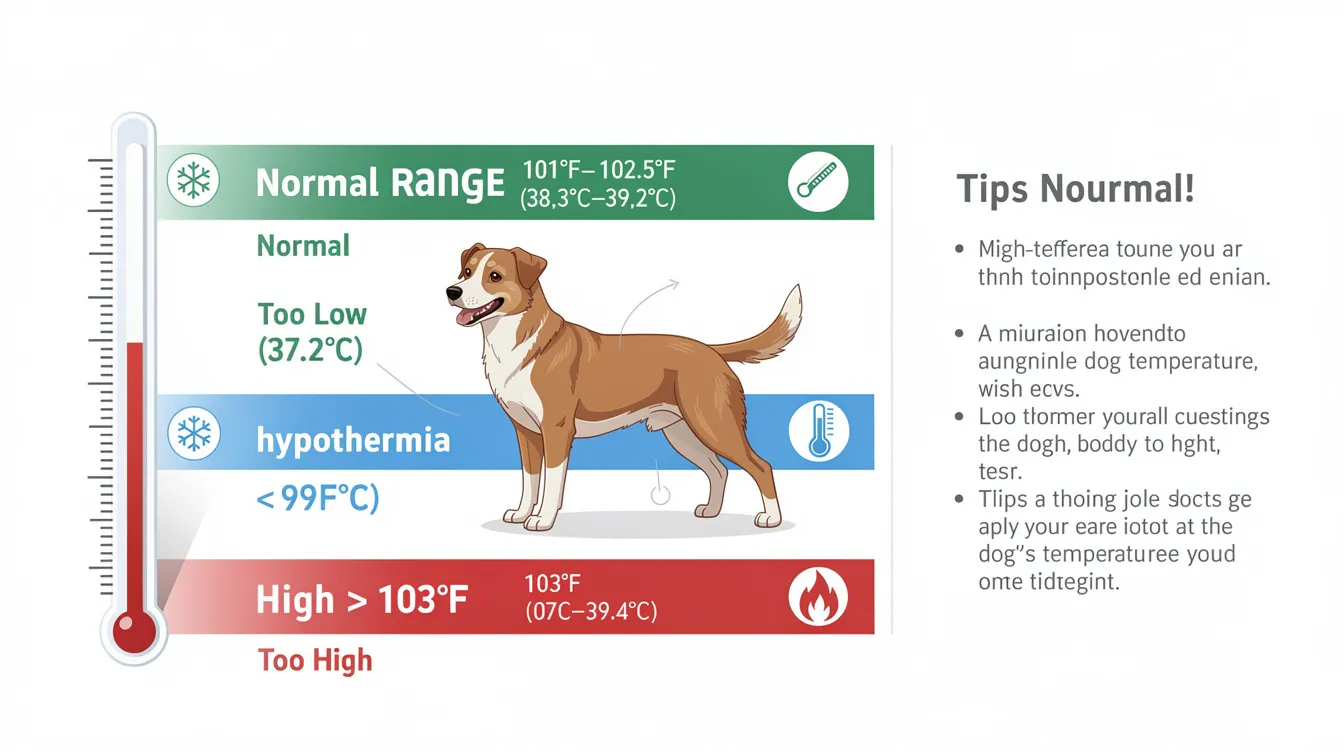
How Do I Know If My Dog Has a Fever? Signs, Temperature, and When to Worry
You can identify if your dog has a fever by watching for behavioral changes like lethargy and loss of appetite, then confirming with a digital rectal thermometer. A dog’s normal temperature ranges from 101° to 102.5°F, and a temperature above 103°F is considered a fever in dogs. Combining symptoms helps in identifying if a dog…
-

Why Is My Dog Not Eating and Sleeping All Day: A Veterinary Guide
Introduction A dog not eating and drinking all day typically signals an underlying cause that needs veterinary attention—especially when symptoms persist beyond 24–48 hours. A dog not eating and drinking all day can indicate pain, illness, infection, or systemic health issues that require professional evaluation. While most dogs occasionally skip a meal or nap more…
-

Understanding Your Pet’s Behavior. When to Seek Help.
Introduction Understanding your pet’s behavior is crucial for a harmonious relationship between you and your furry companions. Whether you have a dog, cat, or any other animal, being aware of… Dogs Behavior: Introduction Understanding dogs behavior starts with recognizing how dogs socialize, communicate through body language and vocalizations, respond to play and exercise, and show…
-
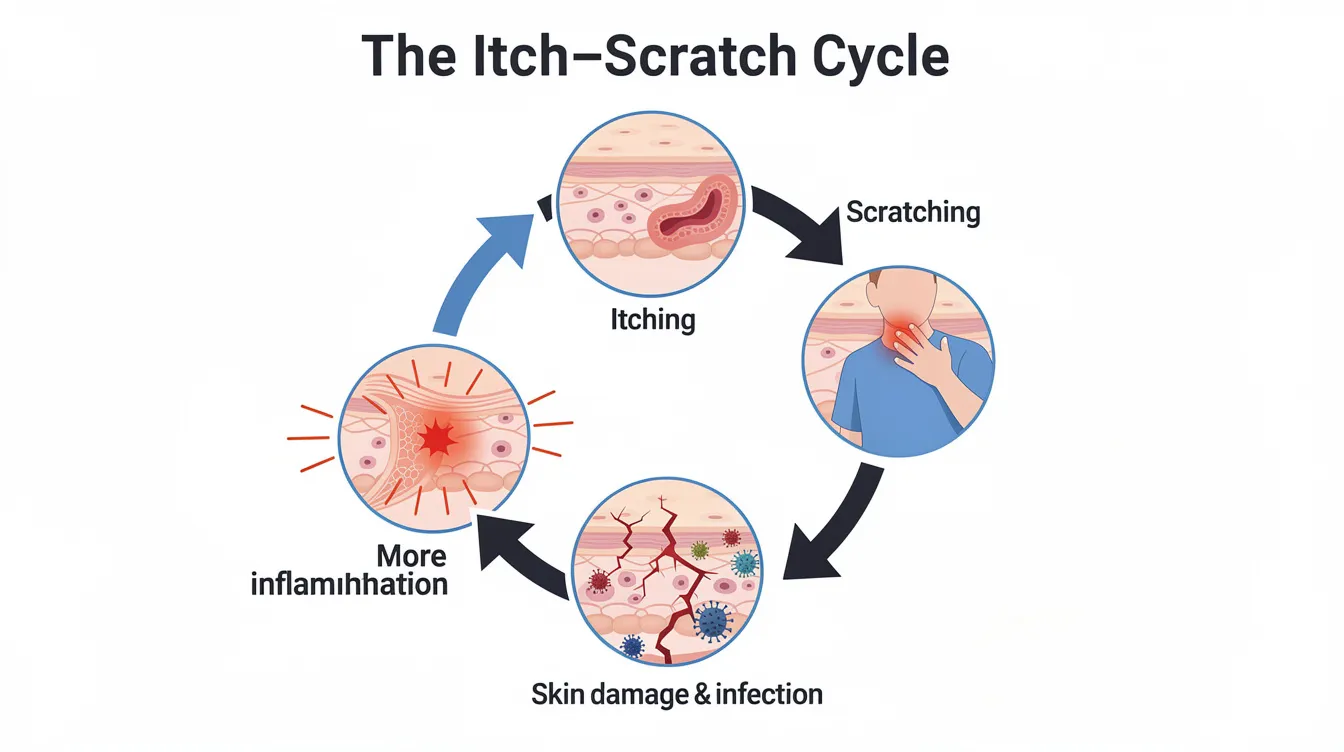
Dog Itching: Complete Guide to Causes, Treatment, and Relief Solutions
Reviewed by Dr. Roger Hart DVM, Central Florida Veterinarian Introduction Itchy skin is one of the most common reasons dogs visit the veterinarian, and persistent itching can dramatically reduce your pet’s quality of life. Whether your dog is scratching nonstop at 3 a.m. or constantly licking its paws raw, figuring out what’s driving the discomfort…
-

The Importance of Yearly Pet Physical Exams: What You Need To Know.
Introduction As a pet owner, ensuring the health and well-being of your animal companion is paramount. One of the most significant aspects of maintaining your pet’s health is regular veterinary check-ups, including yearly pet physical exams. These yearly pet physical exams play a crucial role in identifying health issues early, updating vaccinations, and providing necessary…
-
Puppies Vaccines Cheap: What You Need to Know
Affordable puppy shots are available without compromising quality medical care. If you are searching for low-cost puppy vaccinations, the best approach is to prioritize the essential vaccines, compare what each clinic visit includes, and choose a provider that gives real value for your money-not just the lowest advertised price. This guide covers puppy vaccination types,…
-

Leptospirosis in Dogs and Cats: Complete Guide for Central Florida Pet Owners
Introduction Leptospirosis in dogs is a serious bacterial disease that can infect dogs, cats, wild and domestic animals, and humans. For Central Florida pet owners, the risk is higher because leptospira bacteria survive well in warm, humid environments, especially after heavy rainfall, flooding, or exposure to contaminated water. Knowing how the disease spreads and what…