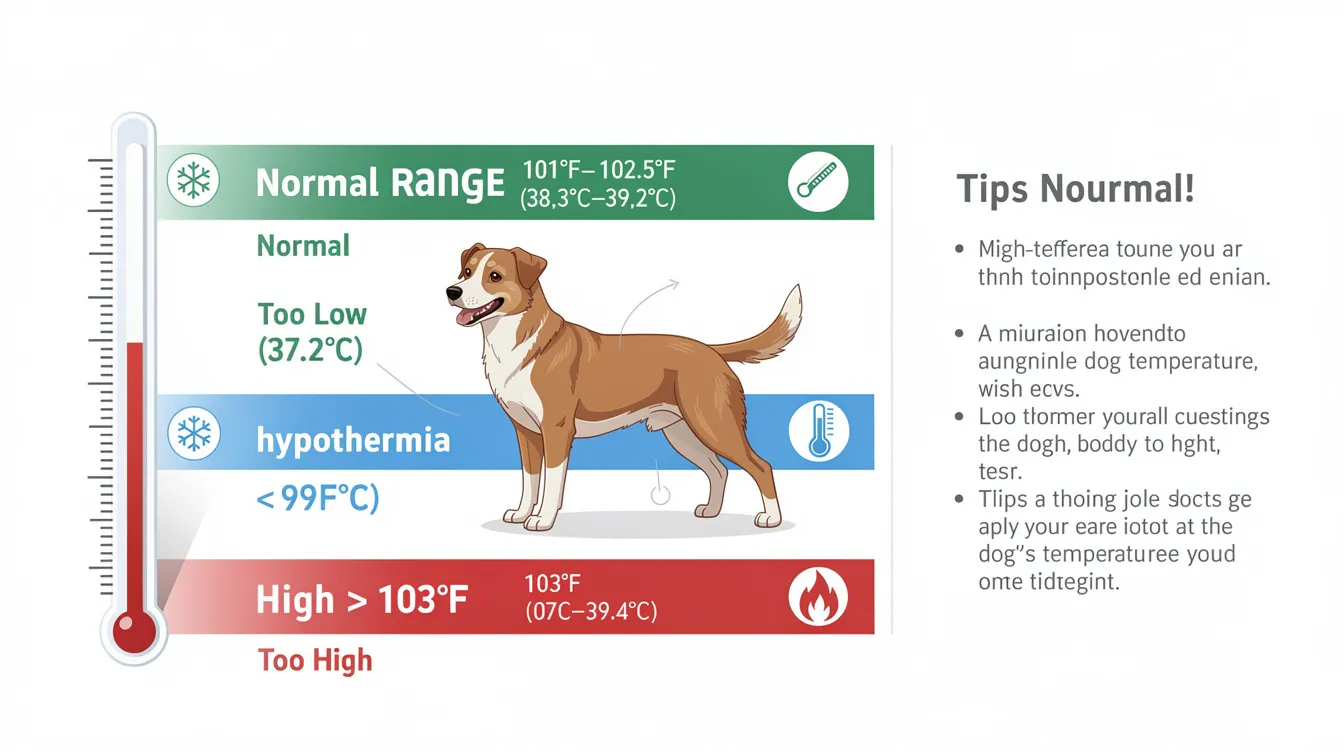
You can identify if your dog has a fever by watching for behavioral changes like lethargy and loss of appetite, then confirming with a digital rectal thermometer. A dog’s normal temperature ranges from 101° to 102.5°F, and a temperature above 103°F is considered a fever in dogs. Combining symptoms helps in identifying if a dog has a fever-no single sign is definitive on its own.
This article explains how to recognize the signs, take your dog’s temperature accurately, understand common causes, and decide when to call your veterinarian. Because tick-borne disease and heat-related illness are year-round concerns in warm climates, it also explains how fever differs from overheating.
Early fever detection matters. A mild fever caught quickly can be monitored and managed, while a missed or ignored fever can allow serious underlying conditions-infections, toxin exposure, immune disorders-to progress unchecked.
Understanding Normal Dog Temperature and Fever
Before you can determine whether your dog exhibits signs of fever, you need to understand what a healthy dog’s body temperature looks like and how fever differs from other forms of elevated body temperature.
What Constitutes a Fever in Dogs
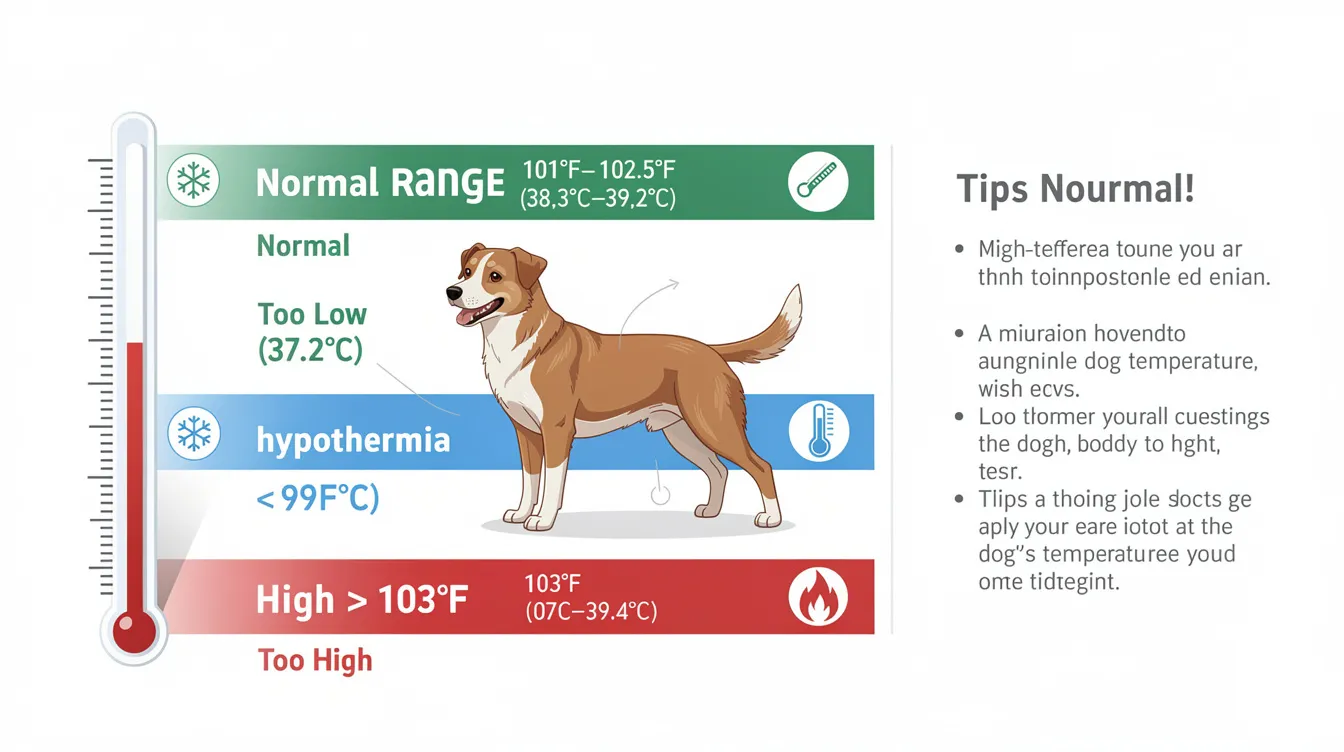
A dog’s normal temperature is 101° to 102.5°F (38.3°C to 39.2°C)-noticeably higher than the human average of 98.6°F. This higher baseline is normal and reflects a dog’s faster metabolic rate. Variations within the normal range occur based on breed, size, coat thickness, activity level, time of day, and stress.
A fever in dogs is defined as a temperature above 103°F (39.4°C). At this threshold, the body’s immune system has triggered an internal thermostat reset in the hypothalamus, driven by pyrogens-inflammatory signaling molecules like interleukin-1, interleukin-6, and prostaglandin E2. This reset causes the body to actively generate heat through shivering and vasoconstriction, raising the dog’s internal temperature to fight infection or respond to tissue damage.
Most dogs with a true fever fall between 103°F and 106°F. A high fever in dogs is 106°F or higher, and at this level, organ systems-liver, kidneys, brain-begin to sustain damage. A temperature of 106°F or higher is an emergency requiring immediate veterinary attention.
It’s critical to distinguish fever from hyperthermia. Fever involves the hypothalamic thermostat being deliberately reset by the immune system. Hyperthermia is an elevated body temperature caused by external factors-heat exposure, overexertion, being trapped in a hot car-where the thermostat has not been reset. Treatment approaches differ dramatically: antipyretics may help fever but are ineffective and potentially dangerous in hyperthermia, where active cooling is the priority.
Why Dogs Can’t Tell Us They Have Fever
Dogs cannot verbalize discomfort or describe their symptoms. Unlike a child who can say “I feel hot” or “my head hurts,” your dog relies entirely on you to notice changes in their behavior and physical condition. This makes owner observation essential.
Complicating matters further, dogs instinctively hide pain and illness-a survival behavior inherited from their ancestors, where showing weakness could attract predators. Your dog may continue eating, walking, and wagging their tail even while running a low grade fever. Significant changes in behavior-decreased energy, withdrawal from family interactions, reluctance to play-are often the earliest and most reliable clues that something is wrong.
A warm, dry nose is not a reliable indicator of a dog having a fever. Your dog’s nose can be dry from sleeping in a warm room, or wet and cool despite a raging infection. Veterinary literature consistently emphasizes that thermometry-not touch, not nose moisture-is the only accurate indicator of your dog’s body temperature. Understanding the physical and behavioral signs that accompany fever, detailed in the next section, will help you know when it’s time to reach for that thermometer.
Recognizing Signs and Symptoms of Dog Fever
Common signs of fever in dogs include lethargy and loss of appetite, but these rarely appear in isolation. Behavioral changes often appear before a measurable temperature elevation, giving observant pet owners an early window to intervene. The more symptoms you notice together, the more likely your dog is running a fever.
Behavioral Changes That Signal Fever
Symptoms of fever include significant changes in behavior. A dog that normally greets you at the door but instead stays lying down, or one that ignores a favorite toy or treat, is showing you something is wrong. Watch for:
- Lethargy and decreased activity: Your dog may be reluctant to stand, walk, or engage in normal play. Lethargy in dogs may be an indicator of fever or underlying illness.
- Loss of appetite: Refusing food or eating significantly less than usual is one of the most common early signs.
- Withdrawal: Dogs with fever often retreat to quiet spots, avoiding family interaction or hiding under furniture.
- Restlessness or malaise: Some dogs become restless rather than quiet, unable to settle comfortably.
- Increased sleep: Sleeping more than usual during hours they’re typically active.
The intensity of these behavioral shifts often correlates with how high the fever is or how rapidly the dog’s temperature rises. Even subtle changes warrant closer monitoring if they persist beyond a few hours.

Physical Signs to Watch For
Beyond behavior, your dog’s body provides physical clues. Physical symptoms of dog fever include warm ears and glassy eyes. Here’s what to monitor:
- Shivering or trembling: Shivering or trembling can indicate that a dog has a fever. During true fever, the body shivers to generate heat and reach the new, higher thermostat set-point. Common symptoms of fever may include shivering and panting.
- Warm ears and foot pads: Your dog’s ears may feel noticeably warmer than usual. The foot pads may also radiate more heat. These areas have thin skin and relatively little fur, making temperature changes easier to detect by touch.
- Panting or rapid breathing: While panting is a normal cooling mechanism, excessive panting or rapid breathing at rest can signal fever. The respiratory rate and heart rate both tend to increase.
- Dry, tacky gums: Gently lift your dog’s lip. If the gums feel sticky or dry rather than moist and slick, dehydration may be accompanying the fever.
- Nasal discharge: A runny dog’s nose, particularly with thick or discolored discharge, may indicate respiratory infection causing fever.
One important myth to address: a warm, dry nose does not reliably indicate fever. Your dog’s nose fluctuates between wet and dry throughout the day based on hydration, humidity, sleep, and activity. It is not an accurate indicator of your pet’s condition.
Advanced Warning Signs
Certain symptoms move beyond “monitor closely” into “act now.” These advanced warning signs suggest that fever may be accompanying a serious or rapidly progressing condition:
- Vomiting or diarrhea: Especially if frequent, bloody, or accompanied by abdominal pain. Appetite coughing vomiting together signal systemic illness.
- Difficulty breathing: Labored, shallow, or rapid breathing beyond normal panting. Pale or bluish gums indicate poor oxygen delivery.
- Seizures or collapse: Any loss of consciousness, convulsions, or inability to stand requires immediate emergency care.
- Swelling: Unexplained swelling of limbs, face, abdomen, or around the dog’s hind legs.
- Disorientation: Confusion, stumbling, or unresponsiveness alongside high fever suggests potential neurological involvement.
If your dog exhibits any of these alongside elevated temperature, do not wait-seek emergency care immediately. These signs connect directly to the emergency situations outlined later in this guide.
How to Accurately Check Your Dog’s Temperature
Behavioral and physical signs suggest fever, but the only way to confirm it at home is to check your dog’s temperature with a thermometer. This section walks you through the process safely and explains when to leave it to the professionals.
Step-by-Step Temperature Taking Process
Use a rectal thermometer-specifically a digital thermometer designed for pets. Many pet stores carry thermometers specifically labeled for animal use. Keep a separate thermometer designated solely for your dog’s supplies; never share it with human family members.
- Gather your supplies. You’ll need a digital rectal thermometer and a water soluble lubricant or pet safe lubricant (petroleum jelly also works). Have treats ready to reward your dog afterward.
- Position your dog safely. Ideally, have a second person assist you. One person should gently restrain the dog, holding them steady and calm. Lift or hold the dog’s tail to the side. If your dog is small, placing them on a table with a non-slip mat can help. Speak in a calm, reassuring tone throughout.
- Insert the thermometer properly. Apply lubricant generously to the thermometer tip. Carefully insert it into the dog’s rectum approximately 1 inch (slightly less for very small breeds). Hold it steady and wait for the digital thermometer to beep, indicating the reading is complete. Do not force entry if your dog resists strongly.
- Record the temperature and clean up. Note the thermometer temperature immediately. Carefully remove the thermometer, then clean and disinfect it thoroughly with a pet-safe disinfectant. Reward your dog with a treat and reassurance.
A reading within the normal range of 101° to 102.5°F means no fever. A reading above 103°F confirms fever. If the dog’s temperature rises above 104.5°F, contact your veterinarian. If it reaches 106°F or higher, seek emergency care immediately.
Safety Considerations and Alternatives
There are situations where you should not attempt to take your dog’s temperature safely at home:
- Aggressive or panicked dogs: If your dog snaps, bites, or thrashes, forcing a rectal temperature risks serious injury to both of you.
- Dogs with rectal injuries or severe illness: If your dog is in extreme pain, has an injured area near the rectum, or is collapsed and unresponsive, skip the thermometer and go directly to a veterinarian.
- No assistant available: Taking rectal temperature alone is difficult and increases risk of inaccurate readings or injury. If no person can assist, err on the side of seeking professional help.
Ear thermometers can be less accurate for dogs than rectal thermometers. The ear canal’s shape, presence of ear infection, and fur can all skew readings. Forehead or non-contact infrared thermometers are unreliable for measuring a dog’s internal temperature-fur, ambient conditions, and sensor limitations produce inconsistent results.
If you cannot safely measure temperature at home but your dog is showing multiple fever symptoms, contact your veterinarian or a nearby emergency veterinary hospital for guidance. Professional staff have the training and equipment to measure your pet’s condition accurately.
Common Causes of Fever in Dogs
Fever is a symptom, not a diagnosis. Treatment depends on the cause, and several causes are especially common in warm, humid climates.
Infections and Inflammatory Conditions
Infections are the leading cause of fever in dogs. Bacterial infections-including urinary tract infection, tooth infection, ear infection, skin infections from a cut or infected bite wound, and respiratory infections-trigger the immune system to raise body temperature as a defense mechanism.
Viral infection (canine parvovirus, distemper, canine influenza) and fungal infections can also produce sustained fevers. Inflammatory conditions like immune-mediated polyarthritis, inflammatory bowel disease, and pyometra in unspayed females are additional common causes.
In Florida, tick-borne diseases such as ehrlichiosis and anaplasmosis are an important cause of fever. Brown dog ticks, American dog ticks, Lone Star ticks, and Gulf Coast ticks are all present in the region. These vectors transmit ehrlichiosis, anaplasmosis, Rocky Mountain spotted fever, and other rickettsial diseases-all of which commonly present with fever, lethargy, appetite coughing, joint pain, and other symptoms.
Vaccination Reactions
Vaccinations can cause mild fevers in dogs as part of a normal immune system response. After receiving core vaccines, many dogs develop a slight elevated temperature, mild lethargy, and decreased appetite. These reactions generally resolve within 24 to 48 hours and reflect the immune system actively building protection.
A post-vaccination fever that remains below approximately 103°F and resolves within two days typically requires only monitoring. However, if fever persists beyond 48 hours, climbs above 103°F, or is accompanied by facial swelling, difficulty breathing, repeated vomiting, or collapse, contact your veterinarian promptly-these may indicate a more serious adverse reaction.
Toxin Exposure and Environmental Factors
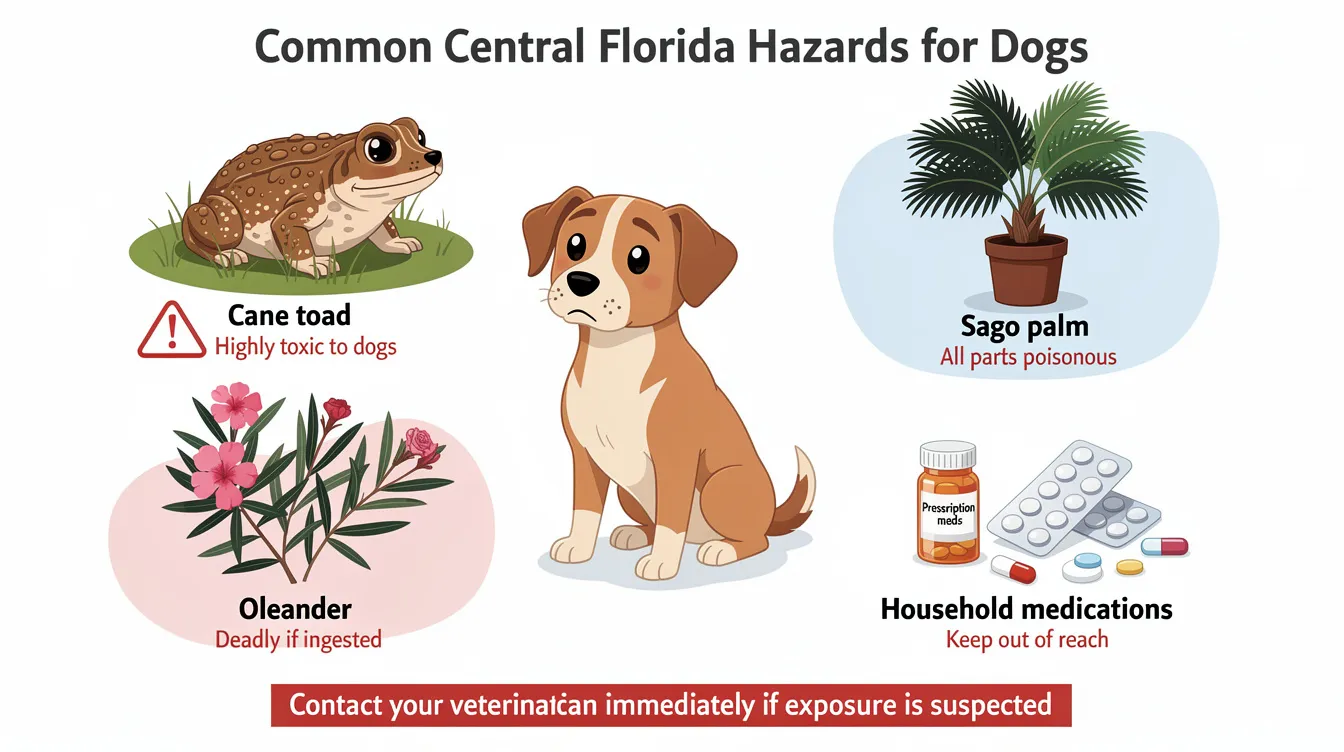
Toxic ingestion can lead to dangerous fevers in dogs. Florida has several regional hazards:
- Cane toads (Bufo species): Dogs that mouth or bite these toads ingest toxins that can cause drooling, vomiting, seizures, and in severe cases, death.
- Toxic plants: Sago palm, oleander, and certain wild mushrooms are common in Florida yards and can cause organ damage if eaten.
- Human medications: Never give dogs human medications like acetaminophen or ibuprofen. Even small doses of these common household drugs can cause liver failure, kidney damage, or gastrointestinal bleeding.
- Human foods: Certain human foods, including xylitol-containing products, grapes, and chocolate, are toxic to dogs.
- Household chemicals: Rodenticides, pesticides, and cleaning products can cause systemic toxicity with fever.
Toxic poisoning can require emergency veterinary care if symptoms occur alongside fever. If you suspect your dog has ingested any toxin, contact your vet immediately regardless of whether fever is present.
Immune System and Chronic Conditions
When infections, toxins, and vaccinations have been ruled out, the cause of persistent fever may lie in the immune system itself or in chronic disease processes. Autoimmune disorders-such as lupus and immune-mediated hemolytic anemia-can cause the body to attack its own tissues, generating sustained inflammatory fevers. Cancer, particularly lymphoma, leukemias, and metastatic tumors, frequently presents with unexplained fevers. Bone marrow problems and underlying disorders of the liver or kidneys may also produce recurrent temperature elevation.
Fever of unknown origin (FUO) is a clinical term used when a dog maintains a fever above approximately 103.5°F to 104°F and no cause can be identified after thorough diagnostics. Fever of unknown origin may indicate serious health issues requiring advanced testing-including specialized bloodwork, imaging, and sometimes tissue biopsy. Inflammatory conditions can cause persistent fevers that resist standard treatments until the root cause is identified and addressed.
When to Seek Veterinary Care
Clear guidelines help pet owners decide between monitoring at home and seeking professional help. Because tick-borne illness, heat exposure, and outdoor toxins are common, keep your threshold for calling a veterinarian low.
Emergency Situations Requiring Immediate Action
Seek immediate veterinary attention in these situations:
- Temperature above 106°F: Seek emergency care if a dog’s temperature reaches 106°F. This level threatens organ failure and brain damage.
- Persistent fever above 104.5°F: Seek immediate care if a dog’s temperature exceeds 104.5°F, particularly when accompanied by other symptoms.
- Fever with respiratory distress: Difficulty breathing, labored or shallow breathing, or bluish/pale gums.
- Seizures or collapse: Any loss of consciousness or convulsions alongside elevated temperature.
- Severe gastrointestinal signs: Bloody vomiting or diarrhea, uncontrolled vomiting, or signs of abdominal pain with fever.
- Suspected toxin ingestion: Any exposure to known toxins with fever or other symptoms-do not wait.
- Trauma with fever: A serious injury accompanied by rising temperature may indicate infection developing.
In hot, humid weather, overheating can progress to multi-organ damage quickly. If your dog collapses outdoors on a hot day with a temperature above 106°F, begin applying cool water (not ice water) to ears and paws while transporting to the nearest emergency veterinary facility. Apply cool water to ears and paws if fever exceeds 103°F as a supportive measure while arranging veterinary care.
Routine Veterinary Consultation Guidelines
Not every fever requires a midnight emergency visit. Schedule a veterinary consultation in these situations:
- Fever lasting more than 24 hours: Contact a veterinarian if a dog’s fever lasts more than 24 hours, even if the dog’s symptoms seem mild.
- Mild fever with multiple symptoms: A temperature of 103°F to 104°F combined with appetite loss, nasal discharge, or behavioral changes warrants evaluation.
- Post-vaccination fever beyond 48 hours: Normal vaccine reactions resolve within two days. Persistence suggests a different process.
- Recent tick exposure or outdoor activity: If your dog has been hiking, camping, or spending time in wooded or grassy areas, tick-borne disease testing is warranted when fever appears.
- Puppies, seniors, or medically compromised dogs: These populations are at higher risk for rapid deterioration. A low grade fever in a puppy or senior dog deserves earlier veterinary attention than the same fever in a healthy adult dog.
What to Avoid When Your Dog Has Fever
Knowing what not to do is as important as knowing what to do. Well-meaning owners sometimes make mistakes that worsen their dog’s condition:
Never administer dog human medications without veterinary direction. Acetaminophen (Tylenol), ibuprofen (Advil/Motrin), and aspirin are all potentially toxic to dogs. Acetaminophen can cause liver failure; ibuprofen damages kidneys and the gastrointestinal tract. Even “pet-formulated” aspirin should only be given under direct veterinary guidance.
Avoid ice baths or extreme cooling methods. Plunging a feverish dog into ice water can cause dangerous vasoconstriction, sending the body into shock. Instead, use a lukewarm soaked towel on the belly, paw pads, and ears, or place the dog in front of a fan in a cool room.
Do not force feed. If your dog refuses food, offer small amounts of bland, easily digestible food-boiled chicken and rice, for example-but do not force it. Vomiting from forced feeding creates additional problems. Ensure fresh cool water is always available and encourage drinking to prevent dehydration.
Do not delay seeking professional care. Monitoring your dog closely at home is appropriate for a mild fever without alarming symptoms. But waiting days while fever persists, or hoping a clearly sick dog will “get better on their own,” risks allowing treatable conditions to become life-threatening. When in doubt, contact your veterinarian or a nearby emergency veterinary hospital for guidance.
This content does not constitute medical advice. Always consult with a licensed veterinarian for an accurate diagnosis and treatment plan specific to your pet’s health.
Key Points and Next Steps
Recognizing fever in dogs starts with knowing your dog’s normal baseline-both their typical body temperature ranges (101° to 102.5°F) and their everyday behavior patterns. When your dog exhibits changes in energy, appetite, or demeanor, those behavioral shifts are your first signal to investigate further with a thermometer.
Your immediate action steps:
- Learn your dog’s baseline. Practice taking your dog’s temperature when they’re healthy so you know their normal range and they become accustomed to the process.
- Monitor behavior changes. Track your dog’s behavior daily. Sudden lethargy, appetite loss, or withdrawal deserves attention.
- Confirm with a thermometer. When symptoms appear, use a rectal thermometer to check your dog’s temperature. Record readings and times.
- Act on the numbers. Below 103°F with mild symptoms: monitor closely. Above 103°F: contact your veterinarian. Above 106°F: seek emergency care immediately.
- Maintain preventive care. Keep vaccinations current, use tick prevention year-round, and schedule regular wellness exams.
Maintaining a dog health record-including baseline temperatures, vaccination dates, and any illness episodes-gives your veterinarian valuable context when evaluating your pet’s condition. Early detection and an accurate temperature reading are the most useful tools an owner has.
Frequently Asked Questions
Can I use a forehead thermometer on my dog?
No. Forehead or non-contact infrared thermometers are unreliable for measuring a dog’s internal temperature. Fur, ambient temperature, dirt, and sensor limitations produce inaccurate readings. Rectal temperature remains the gold standard for accuracy. Ear thermometers can be less accurate for dogs than rectal thermometers, though they may provide a rough estimate if properly positioned. For a definitive reading, use a digital rectal thermometer.
How often should I check my dog’s temperature when they seem sick?
If your dog is suspected of having a fever or is under treatment, measure their temperature every four to six hours while resting. Record each reading along with the time and any other symptoms observed. This tracking reveals trends-whether the dog’s temperature drops toward normal or continues rising-and gives your veterinarian critical data. If the trend shows increasing temperature or worsening of other symptoms, seek veterinary attention without waiting for the next scheduled check.
What’s the difference between fever and overheating from hot weather?
Fever arises from internal causes-the immune system releases pyrogens that reset the hypothalamic thermostat, causing the body to generate heat through shivering and vasoconstriction. Overheating (hyperthermia) comes from outside heat or an inability to cool down, such as dogs left in hot cars, dogs exercising in summer humidity, or flat-faced breeds that cannot pant efficiently. Hyperthermic dogs typically pant heavily, drool excessively, and may collapse, usually with an obvious environmental trigger. Dogs with true fever may shiver despite warm ears and show other signs of illness. Treatment paths differ entirely: fever requires addressing the underlying cause; hyperthermia requires immediate physical cooling.
Can puppies and senior dogs have different fever symptoms?
Yes. Puppies may display fever with minimal visible signs beyond crying, weakness, or reluctance to nurse. Their immature immune system may produce subtler responses that are easy to miss. Senior dogs may have a blunted immune response-meaning they might not generate a high fever even with serious underlying disease. Both age groups are at higher risk for rapid deterioration and complications. Any suspected fever in puppies or seniors warrants earlier veterinary consultation than the same presentation in a healthy adult dog.
How long does it typically take for fever to resolve with treatment?
Resolution depends entirely on the cause. Post-vaccination mild fevers typically resolve within 24 to 48 hours without intervention. Bacterial infections treated with appropriate antibiotics often show improvement within 48 to 72 hours. Viral infections may take longer as the immune system clears the pathogen. Autoimmune or chronic conditions may require weeks of treatment before fever consistently resolves. Fever of unknown origin can persist until advanced diagnostics identify the underlying cause, which sometimes requires multiple rounds of testing.
Should I give my dog anything to eat or drink when they have a fever?
Encourage water intake to prevent dehydration-offer fresh, cool water frequently. If your dog shows interest in food, provide small, frequent meals of bland, easily digestible food such as boiled chicken with plain rice. Do not force feed a dog that refuses to eat, as this can trigger vomiting and worsen dehydration. If your dog refuses both food and water for more than 24 hours, or shows signs of dehydration (dry, tacky gums; sunken eyes; lethargy), contact your veterinarian for guidance on fluid support.
Additional Resources
Veterinary Citations:
- Merck Veterinary Manual, “Fever of Unknown Origin in Dogs” – comprehensive coverage of fever pathophysiology, diagnostic workup protocols, and management of persistent unexplained fevers in canine patients.
- PetMD (Dr. Cathy Meeks, MS, DVM), “Fever in Dogs: Signs, Symptoms, and Treatment” – definitions of normal and abnormal canine temperature thresholds, clinical signs, and evidence-based treatment approaches.
- PetHealthNetwork, “Hyperthermia in Dogs: It’s Not a Fever” (Dr. Justine A. Lee) – detailed differentiation between fever and hyperthermia, including risk factors, clinical presentation, and emergency management protocols.
- Journal of Veterinary Internal Medicine, canine post-vaccination adverse event surveillance data – incidence rates and clinical characterization of systemic vaccine reactions including fever, lethargy, and anaphylaxis in dogs following core vaccination protocols.
Reviewed by Roger Hart, DVM, a Florida-licensed veterinarian with more than two decades of companion-animal clinical experience. This article is general education and does not replace an examination by your own veterinarian.