Introduction
If your cat has not eaten for 24 hours, treat it as a veterinary emergency and contact a veterinarian. Cats should not go without food for more than 24 hours, and overweight cats face higher risks when not eating because they are more likely to develop hepatic lipidosis, a dangerous liver condition that can affect cats.
If your cat is showing signs of appetite loss, it is important to understand the underlying causes. A cat that stops eating can be facing a serious problem and should not be ignored.
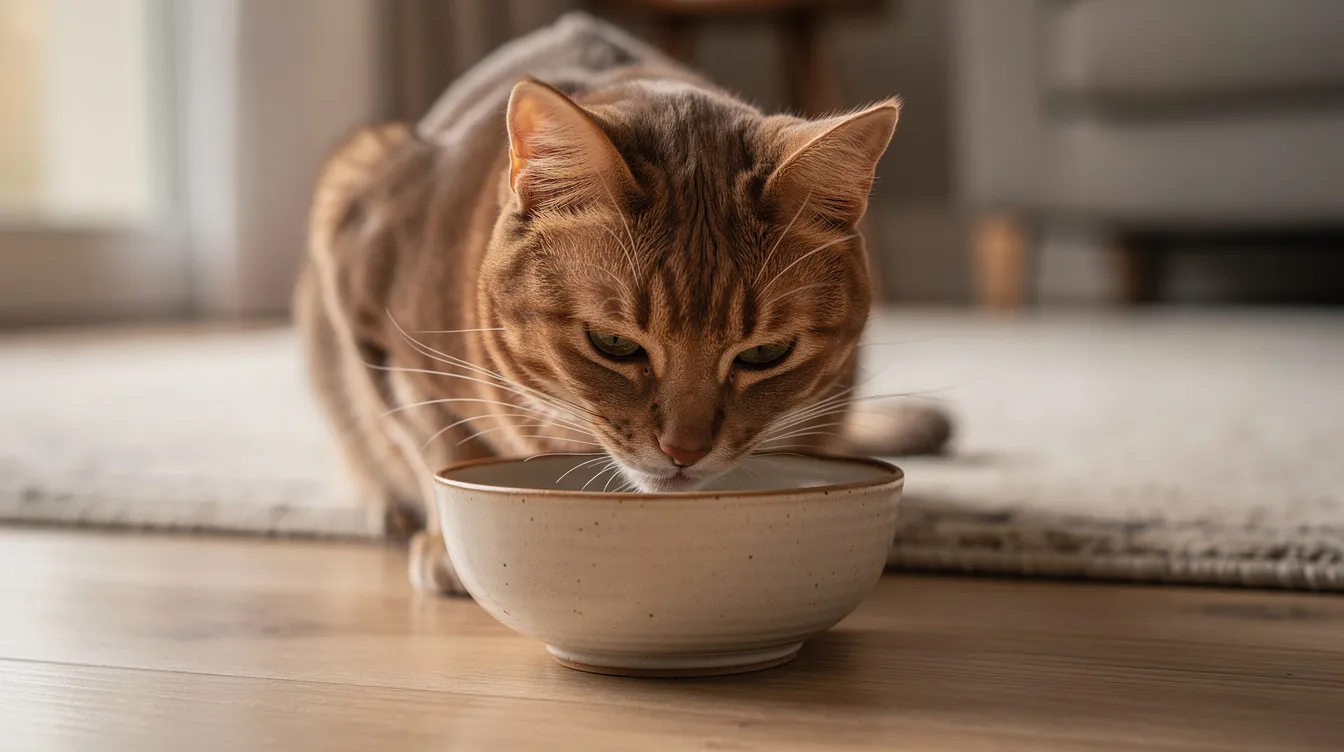
When reduced food intake persists, it can indicate a need for veterinary attention. Owners should be vigilant if the refusal to eat lasts for more than a day.
This guide explains when a loss of appetite can be monitored briefly at home and when appetite loss requires emergency care. It is written for cat owners in Central Florida who need practical, fast guidance on whether to seek an after-hours hospital or watch for additional symptoms.
Timing matters because fatty liver disease can develop rapidly in cats that stop eating. Overweight cats are at higher risk for hepatic lipidosis, and fatty liver disease can develop within only a few days of poor intake. Kittens and senior cats can deteriorate rapidly without food, and kittens and senior cats require emergency attention if they miss a meal.
You will learn how to recognize:
- Appetite loss lasting 24 hours or more
- Labored breathing, collapse, or a cat that cannot stand
- Vomiting, lethargy, weakness, hiding, or disorientation
- Pale or yellow gums, yellow eyes, and other signs of liver complications
- Urine problems, dehydration, and refusal to drink
A cat that will not eat should be assumed to have a serious underlying health issue until proven otherwise. Some potential causes are mild and temporary, but serious conditions can arise from a cat’s appetite loss, so the safest approach is to assess symptoms early and speak with a veterinary team before complications develop.
Understanding Feline Appetite Loss
Appetite is one of the clearest windows into a cat’s overall health. Cats have an amazing ability to hide illness, pain, and weakness, so a change in eating habits may be one of the first signs owners recognize before other symptoms become obvious.
Normal appetite varies by age, weight, activity level, medical history, and food type. A healthy adult cat may eat once or twice daily, while kittens often need several small meals. When a cat suddenly refuses food, eats much less than usual, or refuses both food and water, the change deserves careful monitoring.
Recognizing appetite loss early is crucial for timely intervention, because untreated appetite loss can lead to severe health complications.
A cat that stops eating may display behavioral changes that can be subtle but significant. Understanding these early signs can help in early diagnosis.
Behavioral changes in cats can indicate health issues requiring attention. Hiding, sleeping more, avoiding friends or family members, guarding the mouth, drooling, growling at the food bowl, or walking away after smelling food can all be signs that something is wrong.
Normal Eating Behavior
Most adult cats do well with measured meals based on weight, body condition, and calorie density. As a general example, many average-sized adults need roughly 200 to 300 calories per day, but exact amounts depend on the food, metabolism, activity, and long term health needs.
Normal feeding frequency may include one to two meals daily for adults, more frequent meals for kittens, and adjusted portions for senior patients or cats diagnosed with diabetes, kidney disease, high blood pressure, or other chronic conditions. A veterinarian can help determine the right feeding plan and maintain a healthy weight.
Stress can temporarily reduce a cat’s appetite. Environmental changes can affect a cat’s eating habits, including moving, boarding, new pets, construction noise, storms, heat, travel, or a sudden change in food texture. In Central Florida, hot weather can also reduce appetite and lead to dehydration more quickly if the cat does not drink normally.
A brief appetite dip after a known stressor may be watched closely if the cat is bright, drinking, urinating, and otherwise acting normal. However, monitoring a cat’s eating and drinking habits is important for health, and any change that lasts toward 24 hours should be treated as a medical concern.
Pathological Appetite Loss in Kidney Disease
Veterinary medical professionals, like physicians, often distinguish between complete food refusal and reduced intake. Complete refusal means the cat will not eat at all. Reduced intake means the cat eats some food but far less than usual. Both can become dangerous, especially in kittens, senior cats, overweight cats, and patients with chronic illness.
Dental pain can cause cats to stop eating. Digestive upset may lead to appetite loss in cats. Kidney disease is a common reason for decreased appetite. Other potential causes include pancreatitis involving the pancreas, liver disease, infections, parasites, toxin exposure, intestinal obstruction, tumors, cancer, diabetes, medication reactions, post-surgery pain, and food aversions that may develop after illness in cats.
Cats develop complications from fasting faster than many other animals because their metabolism is built around steady protein intake. When a cat does not eat, the body mobilizes fat for energy; in overweight cats, this can overwhelm the liver and lead to hepatic lipidosis. Overweight cats face increased risk of liver complications when not eating.
The key difference between a temporary appetite change and a medical emergency is the full picture: time without food, water intake, attitude, vomiting, urine output, breathing, gum color, pain, and other signs. That is why the next step is learning which warning signs mean “call now” or “go now.”
Emergency Warning Signs
Appetite loss becomes more urgent when it is paired with symptoms that suggest dehydration, liver disease, urinary blockage, respiratory distress, or systemic illness. Cats showing severe symptoms should be evaluated immediately by a veterinarian.
Some cats look only mildly “off” early in the process, then worsen quickly. This is especially true for kittens, senior cats, overweight cats, and cats with kidney disease, diabetes, heart disease, high blood pressure, cancer, or a past diagnosis that affects their ability to maintain hydration and energy.
24-Hour Rule and High-Risk Cats
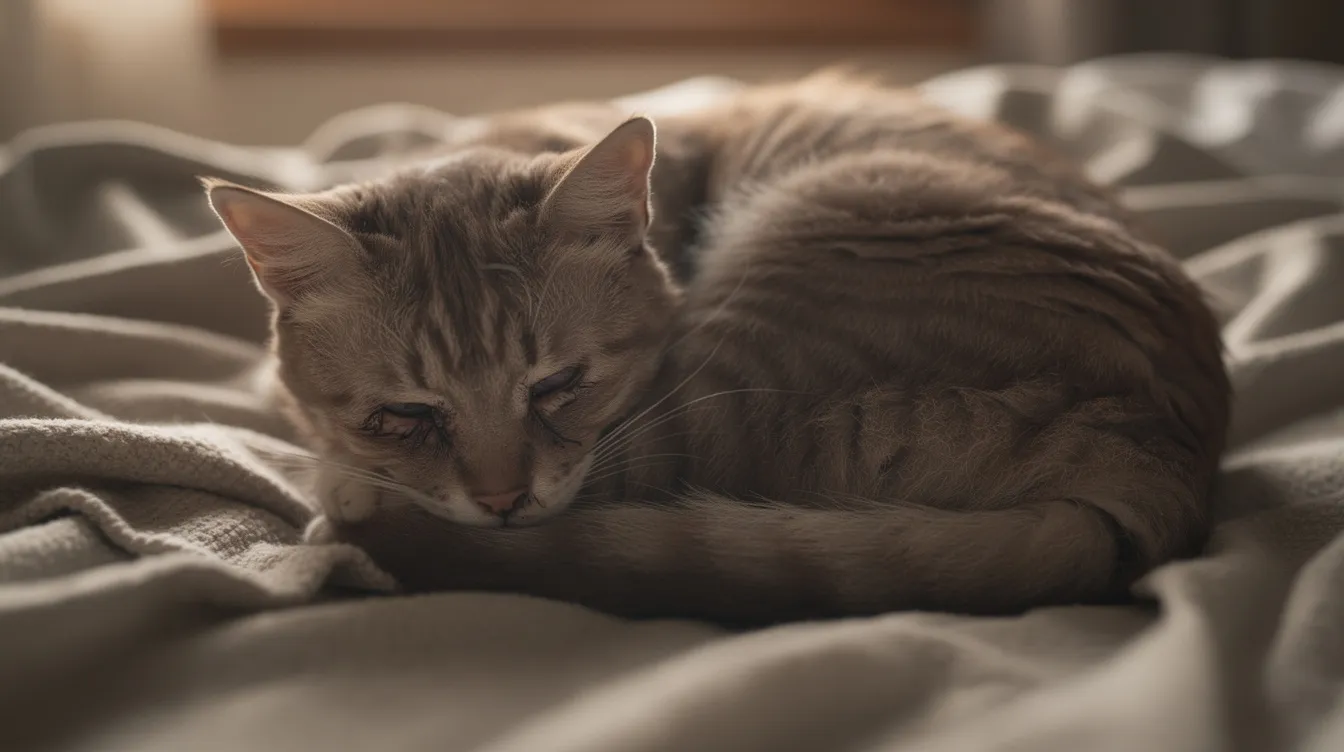
A cat that hasn’t eaten for 24 hours should be evaluated by a veterinarian. Cats should not go without food for more than 24 hours because dehydration, electrolyte problems, and liver complications can begin before the owner sees dramatic signs.
Overweight cats face higher risks when not eating. Overweight cats are at higher risk for hepatic lipidosis, and the risk rises when fat is rapidly moved to the liver during a fasting state. This process can lead to serious complications and may require aggressive treatment, hospitalization, feeding support, and careful monitoring over weeks.
Kittens and senior cats can deteriorate quickly without food. Kittens have limited reserves, and senior cats are more likely to have hidden illness such as kidney disease, dental disease, tumors, or endocrine disorders. If a kitten or senior cat misses a meal and seems abnormal, seek veterinary advice right away rather than waiting a full day.
If a cat refuses water for 12 to 18 hours, it requires emergency care. Cats can experience life-threatening dehydration quickly, especially in Florida heat, after vomiting, or when diarrhea is present.
Critical Accompanying Symptoms: Labored Breathing
Seek emergency care if your cat shows labored breathing. Labored breathing, open-mouth breathing, rapid breathing with distress, or a hunched posture with breathing effort is never a “wait and see” symptom.
Immediate signs requiring emergency veterinary care include lethargy and vomiting. Vomiting bile, repeated vomiting, vomiting with blood, or vomiting with weakness can indicate digestive obstruction, toxin exposure, pancreatitis, liver disease, kidney disease, or other serious conditions.
A cat that cannot stand needs immediate veterinary help. Collapse, severe weakness, disorientation, inability to walk, a drooping head or neck, and unwillingness to move can reflect dehydration, low blood sugar, electrolyte imbalance, neurologic disease, severe pain, or advanced illness.
Also seek urgent help for:
- Pale gums, yellow gums, or yellow eyes
- Straining in the litter box, inability to urinate, or only producing drops of urine
- No urine production, especially in male cats
- Severe hiding with weakness or poor response to touch
- Bloated abdomen, crying, or signs of pain
- Refusal to drink, drooling, or repeated trips to the water bowl without drinking
Urinary blockage can be life-threatening, and appetite loss plus straining to urinate is an emergency. Do not wait for an appointment the next day if your cat cannot pass urine.
Hepatic Lipidosis Warning Signs
Hepatic lipidosis is a dangerous liver condition that can affect cats when they stop eating, especially overweight cats. It is often referred to as fatty liver disease, and it can become life-threatening without treatment.
Warning signs may include jaundice in the eyes and gums, vomiting, rapid breathing, weakness, marked lethargy, weight loss, dehydration, and refusal to eat. Some patients develop complications involving electrolyte imbalances, poor liver function, and reduced ability to recover without nutritional support.
The Merck Veterinary Manual resource on feline hepatic lipidosis, a widely recognized veterinary reference, explains the diagnosis, symptoms, treatment process, and why early nutritional support is so important. In clinical practice, diagnosis may involve blood work, a urine test, imaging, ultrasound, and sometimes additional procedures to determine whether another illness triggered the appetite loss.
If you see yellow gums or eyes, severe weakness, ongoing vomiting, or a cat that has not eaten for 24 hours, move ahead to immediate action steps rather than trying multiple home remedies.
Immediate Emergency Care Action Protocol
When a cat stops eating, the goal is to quickly determine whether the situation is stable enough for a phone call or urgent enough for emergency care. Your veterinary team can make better recommendations when you provide clear details about food, water, vomiting, urine, behavior, medications, and medical history.
Do not force-feed a severely ill cat without veterinary guidance. Force-feeding can increase nausea, cause aspiration, create food aversions, and make future treatment harder. If a cat needs nutritional support, a veterinarian may recommend appetite support, fluids, nausea control, pain control, feeding assistance, hospitalization, or a feeding tube depending on the diagnosis.
Emergency Assessment Checklist
Use a systematic approach before you call your veterinarian or leave for an emergency hospital. If your cat is struggling to breathe, cannot stand, is unconscious, or cannot urinate, skip the checklist and seek emergency veterinary help immediately.
- Check gum color and breathing rate. Gums should usually look pink, not white, gray, blue, or yellow. Watch for labored breathing or rapid effort.
- Note last food and water intake times. Record when your cat last ate, what food was offered, how much was eaten, and whether your cat continues to drink.
- Assess mobility and alertness level. Note whether your cat can stand, walk, respond normally, jump, groom, and interact.
- Document any vomiting, diarrhea, or urination issues. Include the number of vomiting episodes, appearance of vomit, presence of bile or blood, stool changes, urine frequency, and straining.
- Gather current medications and medical history. Include age, weight, known conditions such as kidney disease or diabetes, recent surgery, dental issues, vaccines, possible toxin exposure, and any recent environmental changes.
Photos of vomit, stool, gum color, or litter box output may help doctors and veterinary medical professionals use their expertise to understand what is present at home. The more precise your timeline and home observations, the more useful clinical knowledge the team has to determine risk and recommend the next step.
When to Call Medical Professionals vs When to Come In
Use this table as a practical guide, but when in doubt, call your veterinarian or nearest emergency hospital.
| Situation | Call for Advice / Regular Clinic Appointment | Immediate Emergency Visit / ER |
|---|---|---|
| Cat skipped one meal but is bright, drinking, and acting normal | Call during regular hours if appetite does not return or if you are concerned | Go if other symptoms develop or the cat reaches 24 hours without food |
| Cat has not eaten for 24 hours | Call your regular veterinarian promptly for guidance and an appointment | Go to emergency care if after hours or if any severe symptoms are present |
| Kitten or senior cat missed a meal | Call promptly because kittens and senior cats can deteriorate rapidly without food | Go now if weakness, vomiting, refusal to drink, or abnormal behavior is present |
| Overweight cat is not eating | Call promptly because overweight cats face increased risk of liver complications when not eating | Go now if approaching 24 hours, vomiting, lethargic, or showing jaundice |
| Vomiting with appetite loss | Call if mild, isolated, and the cat is otherwise alert | Go now for repeated vomiting, bile, blood, weakness, dehydration, or pain |
| Labored breathing, collapse, cannot stand, yellow gums, or inability to urinate | Not appropriate for routine phone monitoring | Emergency care immediately |
| After-hours concern with stable signs | Contact the nearest after-hours hospital for triage advice | Go to the hospital if symptoms worsen or severe signs are present |
| Time of day matters because waiting overnight can turn a manageable illness into a crisis. If your cat is stable but not eating, call during regular hours so the clinic can help manage the case before it becomes an emergency and prepare you for what to expect during a sick pet exam. If your cat has severe symptoms after hours, go to the nearest open emergency hospital rather than waiting for the clinic to open. |
Safe Transport Preparation
Prepare a secure carrier before handling your cat. Use familiar bedding that smells like home, keep the carrier level, and cover part of it with a light towel to reduce stress. Do not let a weak cat ride loose in the car.
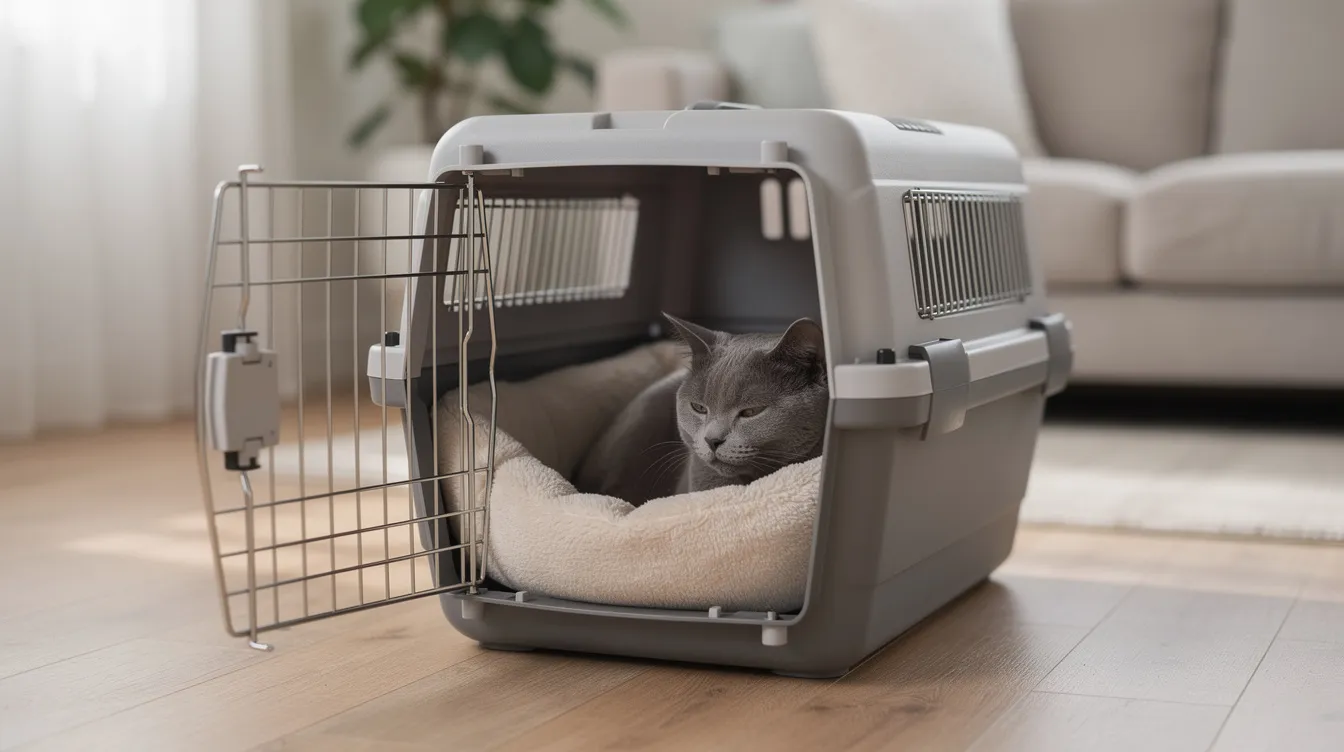
Bring medical records, a medication list, recent lab results if available, photos of vomit or urine concerns, and notes from your monitoring log. If your cat has been treated recently, had surgery, or was referred to another hospital or specialist, bring discharge instructions and current treatment details.
Keep the ride quiet and controlled. Avoid loud music, unnecessary handling, and repeated opening of the carrier. If your cat is breathing hard, cannot stand, or appears severely painful, focus on safe transport rather than trying to offer food in the car.
Common Challenges and Solutions
Cat owners often face uncertainty because appetite loss can look minor at first. A cat may hide, nibble once, refuse a favorite food, or seem “almost normal” while still developing complications. The safest practice is to combine observation with early communication from a veterinary team that focuses on compassionate and comprehensive veterinary care services.
Cat Hiding When Sick
Cats often hide when they feel ill, painful, nauseated, or weak. Approach calmly, use a soft voice, reduce noise, and avoid dragging the cat out unless urgent transport is needed.
Place food, water, and a litter box near the hiding area so you can monitor appetite, drinking, and urine output. Watch from a distance for breathing effort, posture, response to your voice, and ability to walk.
If hiding is paired with not eating, vomiting, lethargy, labored breathing, or refusal to drink, treat it as more than stress. Behavioral changes in cats can indicate health issues requiring attention, and hiding is one of the most common signs owners notice.
Distinguishing Stress vs Medical Emergency
Stress can temporarily reduce a cat’s appetite, and environmental changes can affect a cat’s eating habits. Examples include a new pet, visitors, storms, travel, boarding, a new food bowl, a changed feeding location, or a disrupted routine.
Stress-related appetite loss is more likely when the cat is otherwise bright, drinking, urinating, grooming, and showing no additional symptoms. Medical appetite loss is more likely when vomiting, weight loss, diarrhea, pain, drooling, bad breath, labored breathing, lethargy, or abnormal urine habits are present.
Do not let a possible stress trigger create false reassurance. Food aversions may develop after illness in cats, and a cat may avoid food because nausea, dental pain, kidney disease, digestive upset, or another medical issue made eating feel unpleasant. If appetite does not return quickly, seek help.
After-Hours Emergency Decisions
Wait until morning only if your cat missed a recent meal, is alert, drinking, breathing normally, urinating normally, and has no vomiting, weakness, pain, or other symptoms. Even then, continue monitoring closely and be ready to seek care if anything changes.
Seek immediate emergency care after hours for labored breathing, inability to urinate, repeated vomiting, collapse, a cat that cannot stand, yellow gums or eyes, severe lethargy, disorientation, suspected toxin exposure, or refusal of water for 12 to 18 hours.
While waiting for a regular clinic to open in a stable case, offer a small amount of familiar wet food warmed slightly to increase aroma, keep water available, maintain a quiet room, and document times and amounts. Do not give human medications unless a veterinarian specifically instructs you to do so.
Prevention starts with knowing your cat’s usual appetite, weight, and behavior so you can recognize the difference between a brief change and a dangerous pattern, and scheduling regular wellness and preventive care visits to catch problems before appetite loss becomes an emergency.
Conclusion and Next Steps
Loss of appetite becomes an emergency when it reaches 24 hours, and it becomes urgent sooner in kittens, senior cats, overweight cats, and cats with chronic disease. Overweight cats face higher risks when not eating, and hepatic lipidosis can develop rapidly when nutrition stops.
Take these next steps:
- Assess symptoms now: breathing, gum color, alertness, vomiting, urine output, water intake, and ability to stand.
- Call your veterinarian for guidance.
- Prepare for transport if your cat has severe symptoms or has not eaten for 24 hours.
- If it is after hours and your cat shows emergency signs, go to the nearest open emergency hospital.
For long term health, schedule preventive care, dental health evaluations, senior cat wellness exams, and chronic disease monitoring with a team that prioritizes compassionate veterinary care. These visits can help diagnose kidney disease, diabetes, dental pain, high blood pressure, weight changes, and other issues before appetite loss becomes a crisis.
Schedule a wellness exam with your regular veterinarian, or use a directory (e.g., the AAHA hospital locator) to find a trusted veterinary clinic near you.
Frequently Asked Questions
How long can a healthy cat go without food safely?
Cats should not go without food for more than 24 hours. A healthy adult cat that has not eaten for 24 hours should be evaluated by a veterinarian, even if the cat seems fairly normal.
What should I do if my cat is drinking but not eating?
Drinking helps reduce dehydration risk, but it does not prevent liver complications or nutritional problems. Monitor closely, offer familiar food, and call a veterinarian if appetite does not return quickly. If your cat refuses water for 12 to 18 hours, it requires emergency care.
Can I force-feed my cat during an emergency?
Do not force-feed unless a veterinarian tells you to. Force-feeding can cause aspiration, worsen nausea, create food aversions, and interfere with treatment. Some patients need anti-nausea medications, fluids, appetite support, or feeding-tube support under veterinary supervision.
What foods can I try to encourage eating?
If your cat is stable and not showing emergency signs, you can try warmed wet food, a familiar favorite food, a different texture, or a small amount of strong-smelling cat-safe food. Do not delay care if your cat has not eaten for 24 hours, is vomiting, weak, jaundiced, or showing pain.
How do I know if my cat has hepatic lipidosis?
Possible signs include not eating, rapid weight loss, vomiting, lethargy, weakness, yellow eyes or gums, dehydration, and worsening illness. Diagnosis requires veterinary testing, which may include blood work, urine testing, imaging, and additional procedures.
Should I wait to see if appetite returns on its own?
Only consider brief monitoring if your cat missed one meal, is otherwise normal, drinking, urinating, and has no other signs. Do not wait if your cat reaches 24 hours without food, is a kitten or senior cat, is overweight, refuses water, vomits repeatedly, cannot stand, has labored breathing, or seems seriously ill.
What information should I have ready when I call the vet?
Have your cat’s age, weight, last food and water intake, vomiting details, urine output, stool changes, medications, known diagnoses, recent stressors, possible toxin exposure, and current symptoms ready. A veterinary team can provide quality care and guidance throughout your cat’s health journey.