Surgery
-
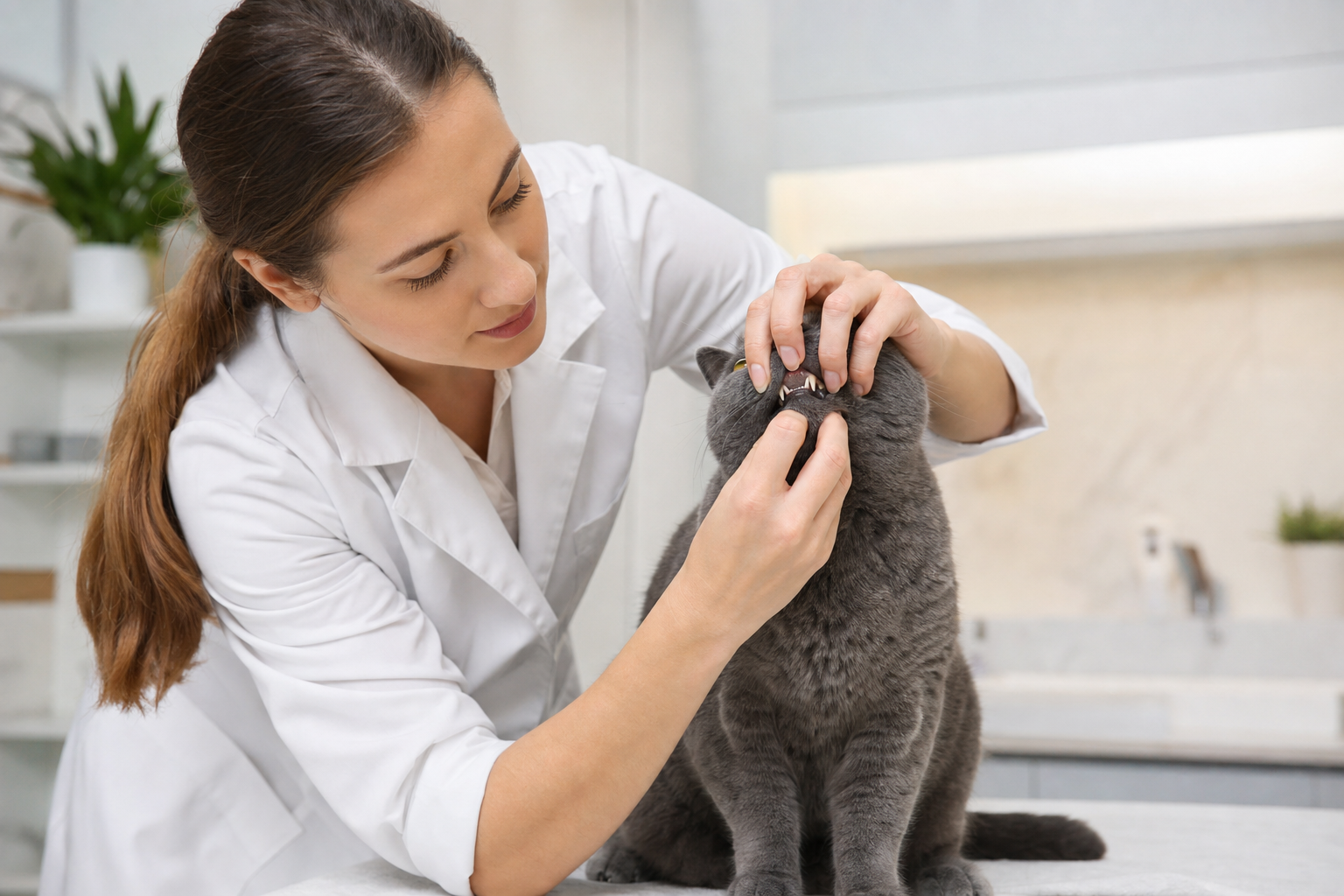
Why Is My Cat Drooling and Not Eating? Feline Stomatitis and Mouth Pain Explained
Drooling, dropped food, and crying while eating can signal feline stomatitis, a painful mouth condition that’s different from routine dental disease. Learn the signs, causes, and treatment.
-
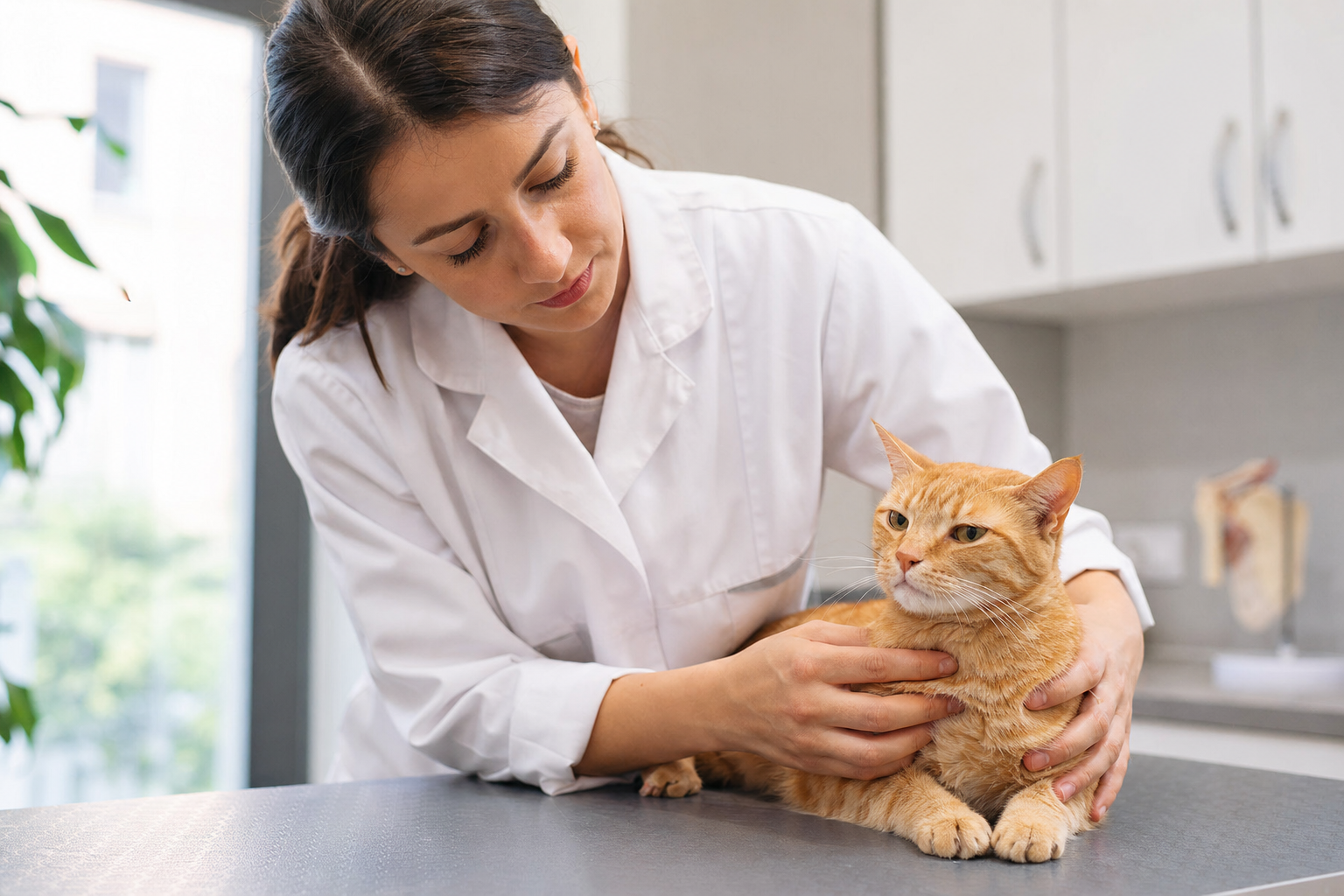
My Cat Can’t Pee: Urinary Blockage Symptoms and Why It’s a True Emergency
A cat straining in the litter box with little or no urine coming out needs emergency care, not a wait-and-see approach. Learn the warning signs, why male cats are at highest risk, and what treatment involves.
-
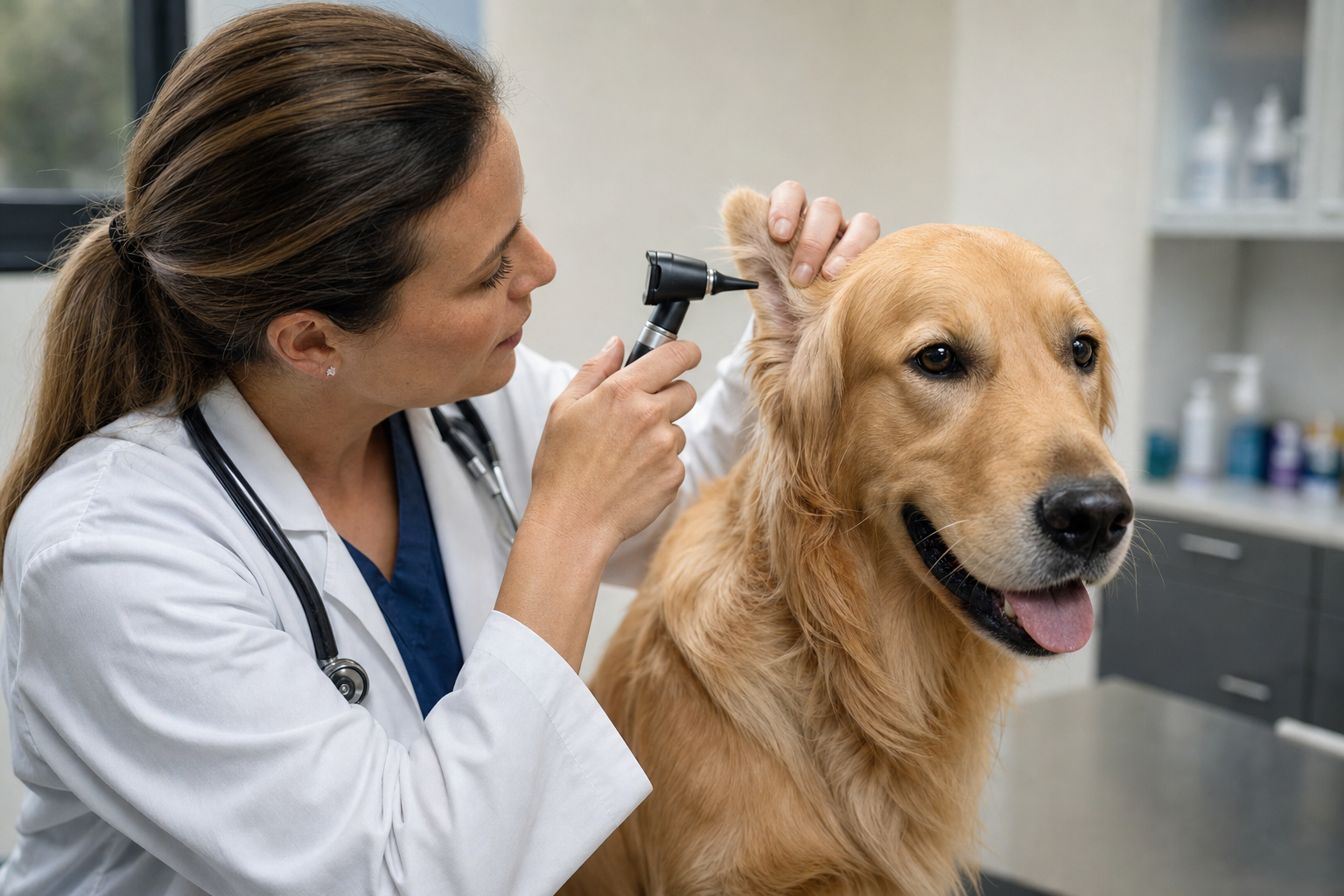
Dog Ear Tumor or Lump: What It Could Mean and When to See a Vet
A lump in or around a dog’s ear is not automatically cancer, but growth, bleeding, pain, discharge, or balance changes need veterinary attention.
-
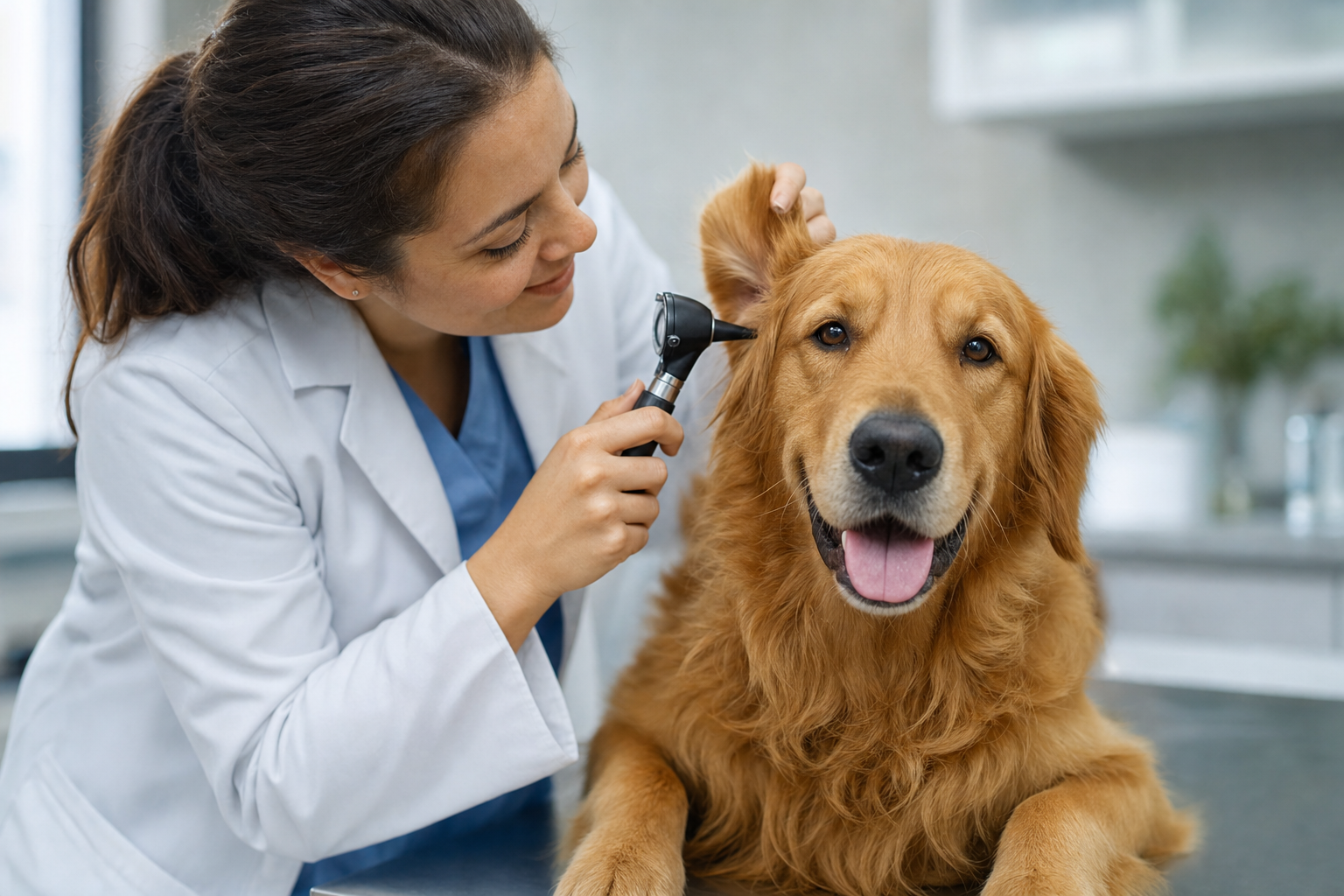
Dog Ear Infections: Symptoms, Causes, and Treatment (Otitis Externa)
Head shaking, scratching, and smelly ears are almost always signs of otitis externa, the common outer-ear infection in dogs. Here’s what causes it, why it keeps coming back, and when topical treatment isn’t enough.
-

Why Are My Dog’s Back Legs Weak or Wobbly? Ataxia and Hind-Leg Weakness in Dogs
Wobbly, weak, or dragging back legs in a dog can mean anything from a slipped disc to tick exposure to old-age degenerative disease. Here’s how to tell the emergencies from the non-emergencies — and what happens at the vet either way.
-
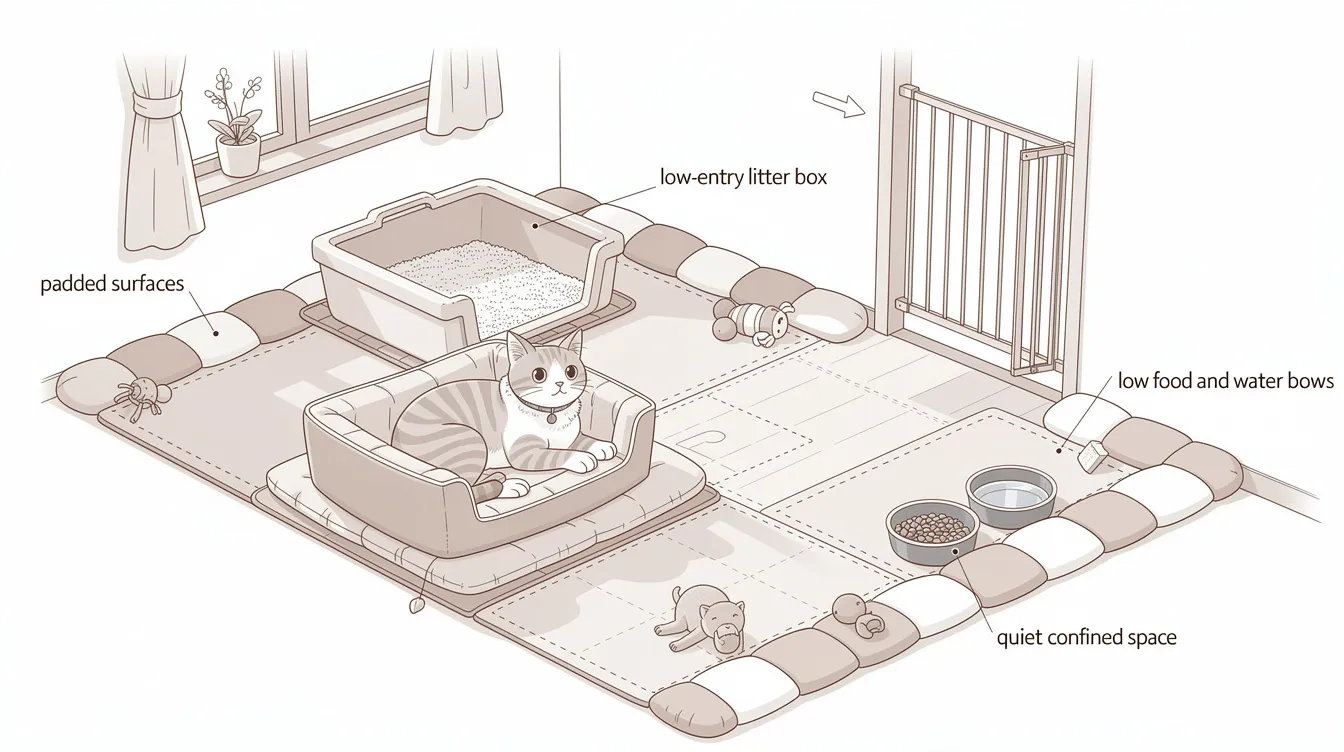
Cat Head Tilt: Causes, Diagnosis, and Treatment Guide
Introduction A persistent head tilt, with one ear held lower than the other, can signal a problem with the balance system in the inner ear or brain. A brief curious tilt is different, but contact a veterinarian promptly for a new, persistent tilt or loss of balance; do not wait hours or days to see…
-

What Can I Give My Dog for Pain? Safe Options and What to Avoid
Only veterinarian-prescribed medications are safe for dog pain relief. Never give your dog human pain medications like ibuprofen, naproxen, or acetaminophen – even a single dose can cause kidney failure, liver failure, or life threatening reactions. Safe options include prescription NSAIDs formulated specifically for dogs, opioids for severe pain, gabapentin for nerve pain, and supportive…
-

Dog Crying in Pain: What It Means and When to See a Vet
When your dog is crying in pain, it almost always means something is wrong-and pain is one of the most common reasons. Dogs can express pain through crying, yelping, or whimpering, and these vocalizations are rarely random. They are evolutionary signals designed to communicate distress, and as a pet owner, learning to decode them can…
-
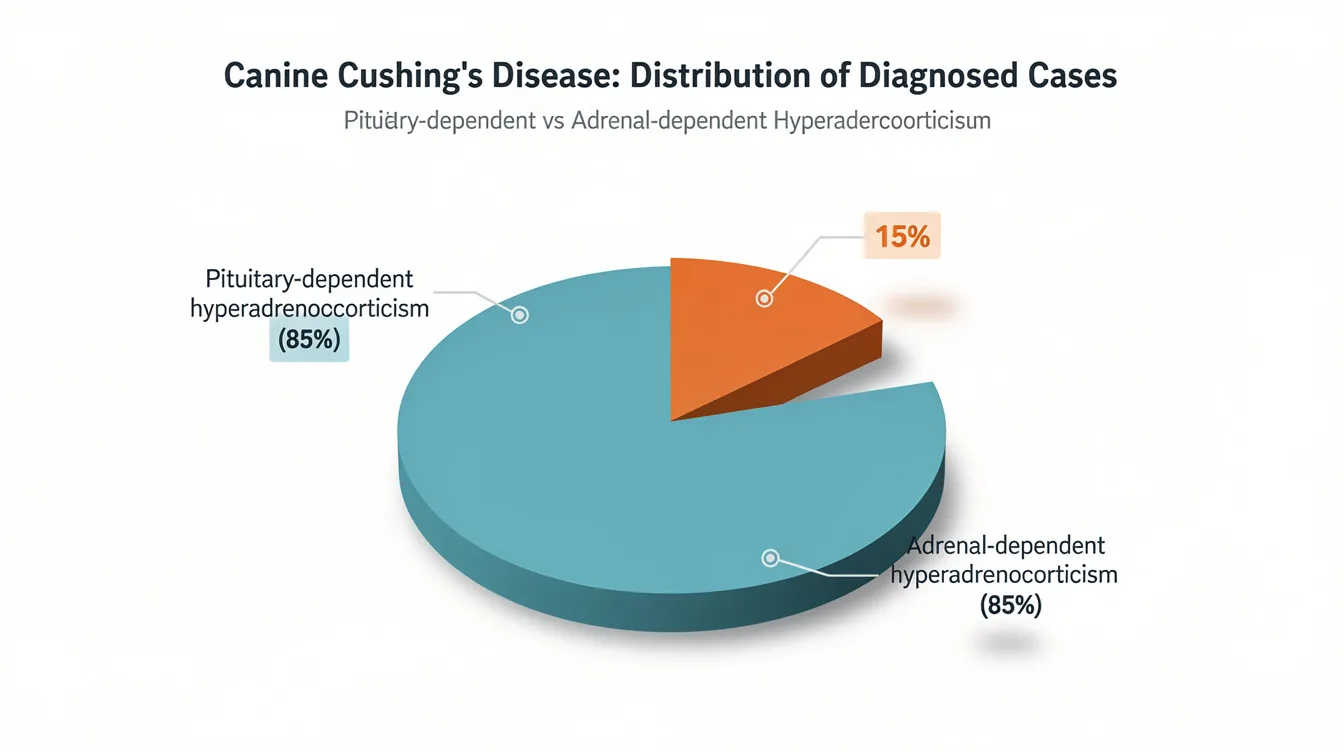
Cushing’s Disease in Dogs: Signs, Testing, and Treatment
Cushing’s disease in dogs is a common endocrine disorder in dogs caused by excess cortisol production that gradually damages multiple body systems over months to years. The condition, called hyperadrenocorticism or Cushing’s syndrome, is diagnosed in roughly 1 to 2 dogs per 1,000 each year in general practice and is most common in middle-aged and…
-

Signs of Poisoning in Dogs: Complete Guide to Recognizing the Warning Signs
Introduction Recognizing the symptoms of dog poisoning quickly can make all the difference between a full recovery from a dog poisoned and permanent organ damage-or worse. Every year, thousands of poisoning cases involve dogs that have ingested common household items toxic to their systems, and the window for effective veterinary treatment narrows with every passing…