Introduction
A persistent head tilt, with one ear held lower than the other, can signal a problem with the balance system in the inner ear or brain. A brief curious tilt is different, but contact a veterinarian promptly for a new, persistent tilt or loss of balance; do not wait hours or days to see whether it resolves. The Cornell Feline Health Center recommends immediate veterinary consultation for vestibular signs.
This guide explains the difference between a brief normal head movement and a sustained head tilt, what the veterinarian may investigate, and how to keep an unsteady cat safe while arranging care.
Head tilt in cats typically signals inner ear problems, vestibular disease, or neurological issues requiring prompt veterinary evaluation. Early identification of the underlying cause dramatically improves prognosis and reduces the risk of permanent deficits.
By the end of this article, you will be able to:
- Distinguish normal head tilting from pathological signs that warrant a vet visit
- Identify the most common causes, including ear infection, idiopathic vestibular disease, and structural growths
- Recognize emergency symptoms that require immediate veterinary medicine intervention
- Understand treatment options and how they vary by diagnosis
- Set realistic recovery expectations based on current research data
Understanding Cat Head Tilt and the Vestibular System
The vestibular system is a specialized sensory system located primarily in the inner ear, with integrative pathways running through the vestibular nerve to the brainstem and cerebellum. This apparatus is responsible for telling your cat’s brain where its body is in space-maintaining balance, coordinating eye movements, and enabling the precise agility cats are known for. When this system malfunctions, the result is often a visible head tilt to one side, along with other signs like stumbling, circling, or nystagmus (rapid, involuntary eye movement commonly associated with a head tilt).
Normal Head Tilting Behavior
Not every head tilt is cause for alarm. Tilting the head helps cats calculate the exact location of a sound-a behavior rooted in their predatory instincts. A brief head tilt can be a sign of curiosity or focused attention, and cats tilt their heads to better judge distances when preparing to pounce or leap. These normal tilts are:
- Momentary, lasting only seconds
- Bilateral, meaning cats tilt to either side depending on stimulus direction
- Self-correcting, resolving the instant the cat’s attention shifts elsewhere
You’ll commonly see this when a cat hears an unfamiliar noise, watches a bird through a window, or sizes up a jump from one surface to another. The key distinction is that normal head tilting is brief, situational, and never accompanied by loss of balance or distress.
Pathological Head Tilting
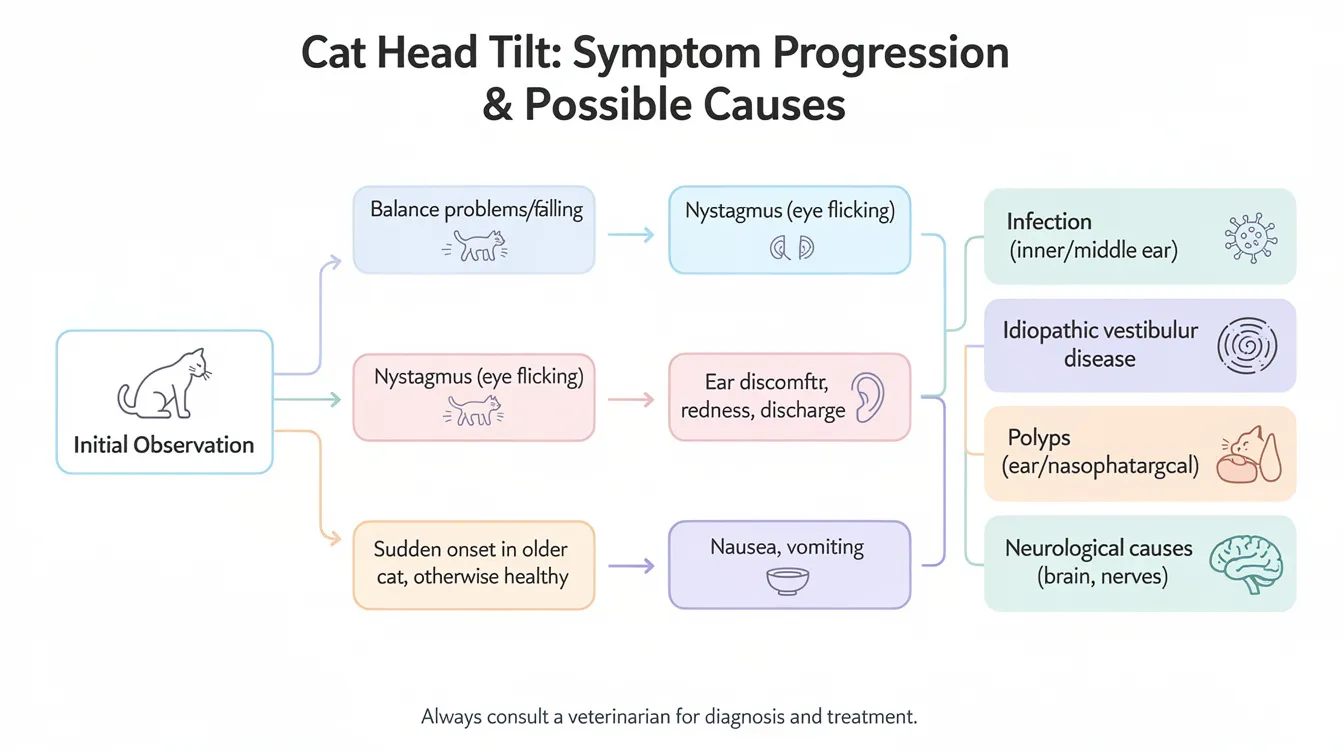
A persistent head tilt in a cat often indicates a medical problem affecting the balance system. Head tilting can indicate a medical problem when the tilt is sustained-minutes, hours, or days-and typically locked toward one side. Cats may stumble or fall when head tilting due to illness, and the tilt is frequently accompanied by other clinical signs:
- Loss of balance (ataxia) – the cat staggers, leans, or falls toward the affected side
- Circling – walking in tight circles, usually toward the side of the tilt
- Nystagmus – rapid involuntary eye movement, either horizontal or rotary
- Vomiting and nausea – from the vestibular dysfunction disrupting equilibrium signals
- Facial nerve deficits – drooping on one side, inability to blink
Signs indicating a medical concern include loss of balance and vomiting. When these symptoms appear alongside a head tilt, they point to vestibular system dysfunction that requires professional diagnosis to determine the specific cause and appropriate treatment.
Common Causes of Head Tilt in Cats
Vestibular syndrome disrupts the body’s balance system in cats, and the causes range from infections and inflammatory disease to structural growths and neurological conditions. Understanding these causes helps owners communicate effectively with their veterinarian and make informed decisions about diagnostic testing.
Inner and Middle Ear Infections
Inner ear infections commonly cause head tilting in cats, and inner or middle ear infections can disrupt a cat’s balance by inflaming the delicate vestibular apparatus structures. Middle and inner ear infections are among the most common causes of vestibular disease. Bacteria-and less commonly fungi-can invade the middle ear (otitis media) through the ear canal or nasopharyngeal passages. When infection spreads deeper to the inner ear (otitis interna), the vestibular nerves and sensory hair cells become directly affected.
Additional symptoms of ear infection include:
- Discharge from the ear canal (often dark or foul-smelling)
- Head shaking and ear scratching
- Facial drooping on the affected side
- Pain while eating or reluctance to chew
- Changes in pupil size
Cats living in the warm, humid climate of Central Florida face elevated risk for external ear infections and fungal involvement. Outdoor cats are especially vulnerable due to increased parasite exposure and environmental contaminants that can compromise the ear canal.
Idiopathic Vestibular Disease
Feline idiopathic vestibular syndrome is a sudden-onset balance disorder without a known cause. Vestibular disease causes sudden head tilting in cats, and symptoms of vestibular disease can appear in less than an hour-a cat that was perfectly normal at breakfast may be unable to walk by lunch. Idiopathic vestibular disease has no known cause but causes head tilt, nystagmus, severe ataxia, and often vomiting.
Idiopathic vestibular syndrome can improve over days and often resolves within two to three weeks, but it is a diagnosis reached after assessing other causes. Do not assume a sudden head tilt is a harmless, self-resolving condition. Cornell explains why veterinary evaluation is important.
Some cats may have lingering balance changes or a head tilt. The significance and outlook depend on the diagnosis and your cat’s progress; ask the treating veterinarian what follow-up is needed.
Other Medical Causes
Beyond infections and idiopathic disease, several other conditions can produce head tilting:
- Ear polyps and tumors: Polyps and tumors in the ear can disrupt a cat’s equilibrium and head posture. Growths in the ear can lead to head tilting in cats by pressing on middle ear structures or obstructing the Eustachian tube. Growths originating in the nasopharynx are particularly common in younger cats.
- Medication toxicity: Toxicity from medications can cause head tilts in cats. Certain antibiotics (notably aminoglycosides) and topical ear treatments with ototoxic potential can damage vestibular hair cells. Trauma, toxins, and certain medications can damage a cat’s vestibular system, sometimes permanently.
- Head trauma: Skull fractures or blunt force injuries can directly damage the vestibular apparatus or associated nerves.
- Brain disease: Brain disease may contribute to head tilting in cats. Central vestibular disease affecting the brainstem or cerebellum carries a more serious prognosis and often presents with additional neurological deficits including altered consciousness, limbs weakness, or spinal cord signs.
- Nutritional deficiencies: Thiamine deficiency can produce vestibular dysfunction and requires supplementation.
- Vascular events: Stroke-like episodes, while less common in cats than in humans, can affect blood supply to vestibular centers.
Distinguishing between peripheral vestibular disease (ear and nerve) and central vestibular disease (brain) is critical because central causes generally require more aggressive diagnostics and carry different prognosis expectations.
Veterinary Diagnosis and Treatment Protocols
Dr. Roger Hart emphasizes a systematic, evidence-based approach to evaluating head tilt in cats. Because so many conditions can produce similar vestibular signs, accurate diagnosis drives every treatment decision-and early diagnosis consistently correlates with better outcomes.
Diagnostic Procedures
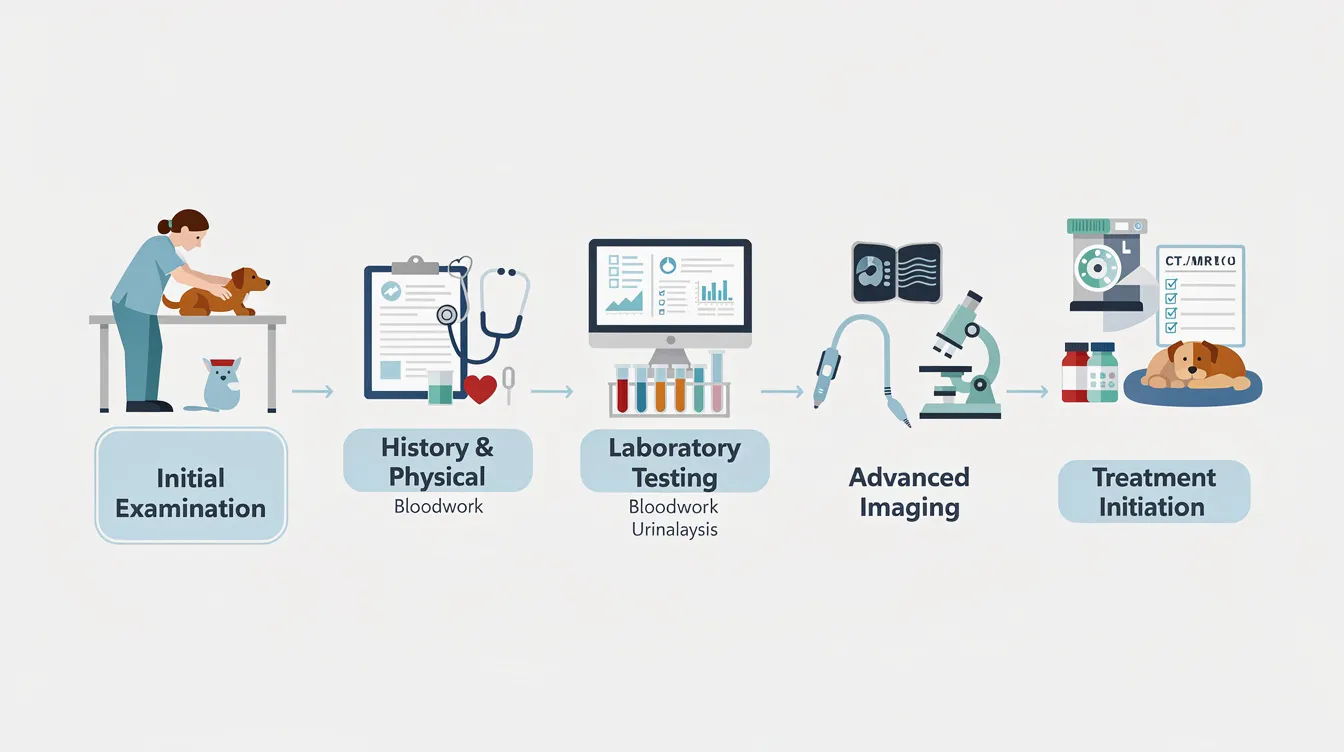
Veterinarians perform a thorough physical exam for diagnosis, starting with a complete medical history review-including age, breed, onset timing, environment (indoor vs. outdoor), recent ear infections, and possible toxin exposure.
The diagnostic pathway typically includes:
- Thorough physical examination: Otoscopic inspection of the ear canal and tympanic membrane, plus a full neurological assessment evaluating cranial nerve function, gait, posture, nystagmus patterns, and pupillary responses. This physical examination helps distinguish peripheral from central vestibular dysfunction.
- Blood tests: Blood tests are performed to rule out infections or diseases. A complete blood count and biochemistry panel screens for systemic illness, inflammation, or infection markers.
- Ear cytology and culture: When ear infection is suspected, samples from the ear canal are examined microscopically and cultured to identify the specific organism and guide antibiotic selection.
- X-rays: X rays are often taken while the cat is sedated to evaluate bulla (middle ear bone) involvement and rule out bone destruction or fluid accumulation.
- Advanced imaging: Advanced imaging like CT or MRI may be recommended when standard diagnostics are inconclusive. Magnetic resonance imaging provides superior soft tissue detail for detecting fluid, inflammation, or intracranial extension. CT scanning offers better bone detail for evaluating the bulla and skull base.
- Cerebrospinal fluid analysis: Cerebrospinal fluid analysis helps diagnose brain involvement. A spinal tap may be performed when central nervous system disease is suspected, allowing analysis for infection, cancer, or inflammatory disease.
Many veterinarians consider idiopathic vestibular disease a diagnosis of exclusion-meaning it’s only diagnosed after serious causes like infection or brain disease have been ruled out through appropriate tests.
Treatment Options Comparison
| Possible cause | How care differs |
|---|---|
| Ear infection | The veterinarian assesses the ear and selects treatment based on the suspected site and cause. Do not use leftover ear drops. |
| Idiopathic vestibular syndrome | This diagnosis follows assessment for other causes. Supportive treatment may include nausea control and hydration or feeding support. |
| Polyp, growth, trauma, or other neurological disease | Further testing, imaging, referral, or a procedure may be recommended. |
Medication choices and treatment duration depend on the diagnosis; they cannot be selected from head position alone. Cornell describes the causes and diagnostic approach.
Managing Common Challenges During Recovery
Supporting a cat through a vestibular episode requires patience and practical adjustments at home. Whether your cat is recovering from ear infection treatment, surgery, or an idiopathic vestibular episode, the first days are the most challenging for both cat and owner.
Home Care for Balance Issues
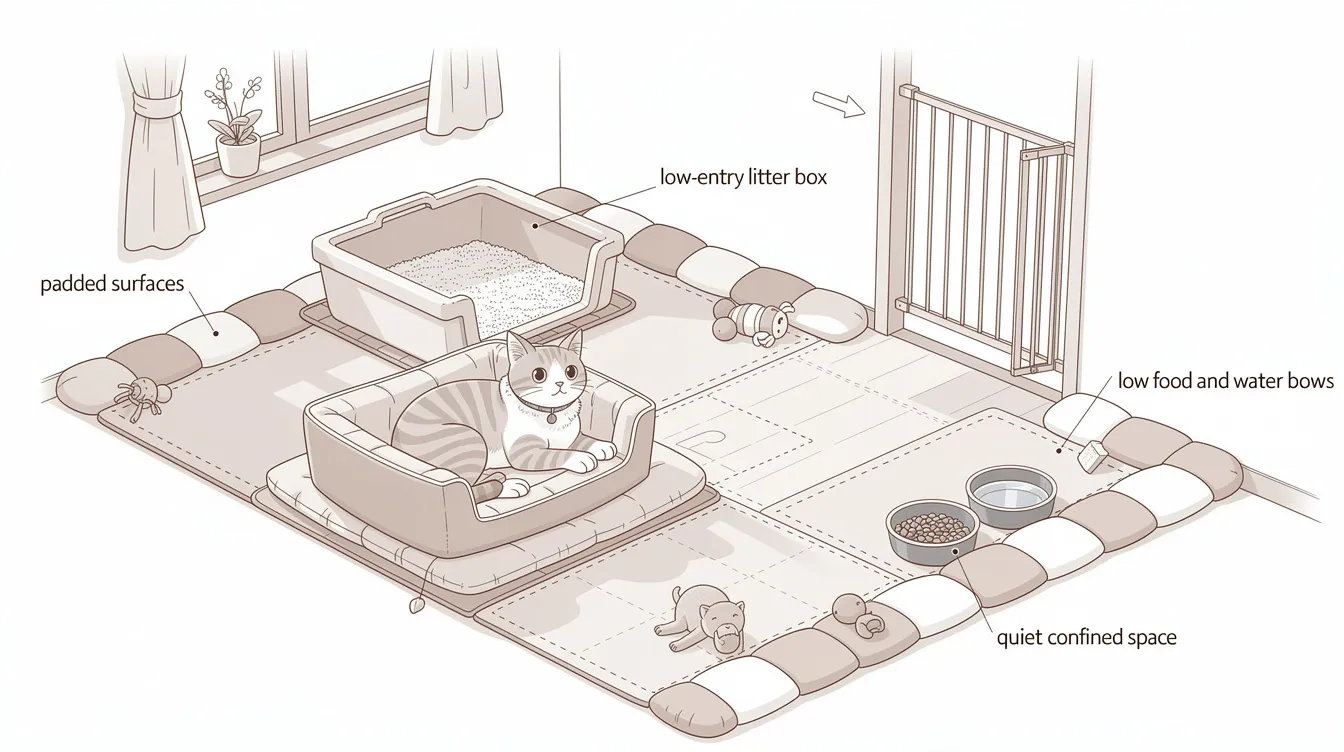
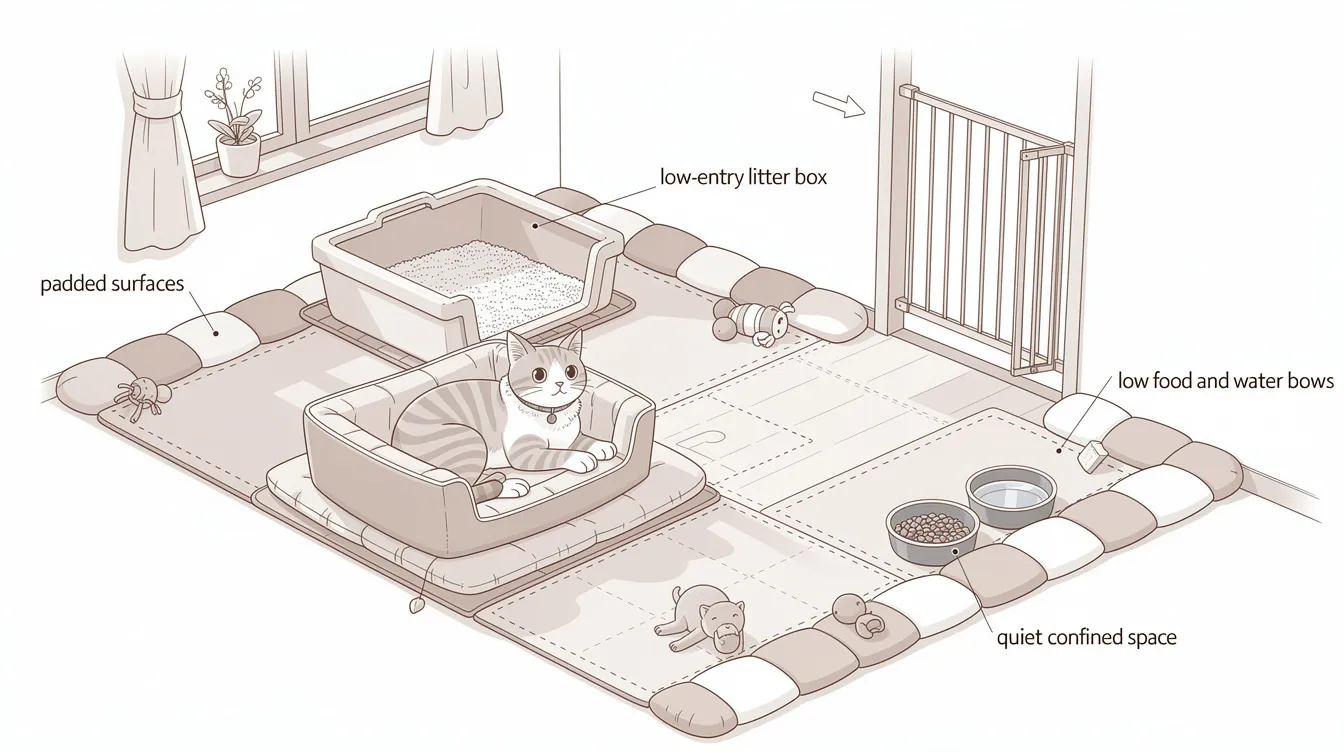
During the acute phase, most cats cannot walk without stumbling or falling to one side. Creating a safe recovery environment is essential:
- Confine your cat to a small, padded room or large crate, removing elevated surfaces they could fall from
- Provide non-slip surfaces such as yoga mats or textured blankets on tile or hardwood floors
- Place food and water bowls at floor level, close to where the cat rests; use wide, shallow dishes
- Assist with feeding if your cat cannot maintain balance while eating-hold the dish steady or hand-feed
- Keep the environment quiet and dimly lit, as sensory overload can worsen nausea and disorientation
- Separate from other cats temporarily to prevent accidental injuries from play or competition
Many cats with vestibular dysfunction experience significant nausea and vomiting, leading to dehydration. Monitor water intake carefully and contact your vet if your cat refuses fluids for more than 12-18 hours.
Medication Compliance and Monitoring
Proper administration of prescribed medications is critical, particularly for ear infections requiring weeks of antibiotics:
- Follow the full antibiotic course even if symptoms improve-stopping early risks recurrence and antibiotic resistance
- Administer anti-nausea medications as directed, typically before meals to maximize food intake
- Document daily observations: degree of head tilt, ability to walk, eating patterns, nystagmus presence
- Watch for adverse effects from medications including lethargy, gastrointestinal upset, or worsening symptoms
Track your cat’s progress systematically. In most cases of idiopathic vestibular disease, you should see measurable improvement in balance within 3-5 days.
When to Seek Emergency Care
Seek emergency care for a cat that cannot stand safely, is repeatedly vomiting, has seizures or altered awareness, is having trouble breathing or swallowing, or develops signs after trauma or possible poisoning. Call the clinic for triage whenever signs are sudden, severe, or worsening.
Keep your cat in a padded carrier or a quiet, floor-level space away from stairs while arranging transport. Do not force food or water into an unsteady or poorly responsive cat. Do not put leftover medicines or unapproved ear products in the ears.
A head tilt alone cannot distinguish an ear problem from brain disease. Examination and appropriate tests are needed; see Cornell’s vestibular syndrome guidance.
Conclusion and Next Steps
A head tilt is a sign, not a diagnosis. Contact a veterinarian promptly when it is new or persistent, keep an unsteady cat away from fall hazards, and report associated vomiting, abnormal eye movements, weakness, or altered awareness.
Severe or worsening signs need emergency assessment. Do not put medicines or cleaning products into the ear unless the veterinarian directs you to do so. Ask for a diagnosis-specific treatment and follow-up plan.
Recovery Expectations and Follow-Up
There is no single recovery schedule for all causes of head tilt. Do not use an improvement chart to postpone diagnosis or to decide that worsening signs are expected.
| Situation | Reasonable expectation |
|---|---|
| Veterinarian-diagnosed idiopathic vestibular syndrome | Signs often improve over days, and recovery commonly occurs within two to three weeks, according to Cornell. Individual progress varies. |
| Ear infection or a structural or neurological cause | Progress depends on the cause and treatment. Ask your veterinarian for the expected course and recheck plan. |
| Worsening balance, persistent vomiting, poor intake, or new neurological signs | Contact the veterinary team promptly rather than waiting for the next timeline milestone. |
Follow the plan given for your cat. Cornell’s recovery guidance applies to idiopathic vestibular syndrome, not every cat with a head tilt.
Frequently Asked Questions
Is head tilt in cats contagious? Head tilt is a sign rather than one specific illness. Whether precautions are needed depends on the diagnosis. Ask the veterinarian about contact with other pets, and keep an unsteady cat in a safe space to prevent falls or injury.
How long does it take for cats to recover from vestibular disease? The cause matters. Cornell describes recovery from idiopathic vestibular syndrome over roughly two to three weeks, but infections, growths, and other neurological conditions do not share one timetable. Ask your veterinarian what progress to expect and report worsening signs or poor intake promptly. See Cornell’s vestibular syndrome overview.
Can cats live normal lives with a permanent head tilt? Some cats adapt to a residual tilt, but the outlook depends on the underlying cause and any remaining balance problems. Ask your veterinarian how to assess comfort, mobility, and safety rather than using a general percentage to predict your cat’s recovery.
What should I do if my cat suddenly develops a head tilt? Stay calm and move your cat to a safe, confined space at floor level with soft bedding. Remove access to stairs, high furniture, and other fall hazards. Note the time symptoms started, which side the head tilts toward, and any other signs like vomiting, eye movements, or circling. Contact your veterinarian for same-day evaluation. Do not attempt to clean ears or administer medications without professional guidance.
Does breed tell me whether a head tilt is serious? No. A new persistent head tilt or loss of balance needs veterinary assessment in any breed. Breed cannot distinguish idiopathic vestibular syndrome from an ear problem or a neurological condition.
When is head tilting considered a veterinary emergency? Seek emergency veterinary care when head tilt appears suddenly with inability to stand, persistent vomiting, signs of facial paralysis, difficulty swallowing, seizures, or altered consciousness. These symptoms may indicate central vestibular disease involving the brain rather than the ear, or severe inner ear infection with potential intracranial extension. Rapid-onset symptoms following known head trauma also warrant immediate evaluation.
How can I prevent ear infections that cause head tilt? Regular ear inspections during routine veterinary visits allow early detection of inflammation or discharge in the ear canal. Keep ears clean and dry-particularly important in Central Florida’s humid climate. Treat allergies and external ear infections promptly before they progress to middle ear or inner ear involvement. Maintain parasite prevention protocols, especially for outdoor cats exposed to ear mites and environmental organisms.
What medications should be avoided in cats with ear problems? Aminoglycoside antibiotics (such as gentamicin and neomycin) carry ototoxic potential and can damage vestibular hair cells, particularly when the tympanic membrane is compromised. Many veterinarians avoid topical ear preparations containing these agents when eardrum integrity is uncertain. Always disclose your cat’s complete medical history and current medications to your vet. Never use over-the-counter ear treatments designed for humans or dogs without veterinary approval-the wrong product can cause permanent damage to the vestibular apparatus.
Comments
One response
[…] needs immediate veterinary help. Collapse, severe weakness, disorientation, inability to walk, a drooping head or neck, and unwillingness to move can reflect dehydration, low blood sugar, electrolyte imbalance, […]