Diagnostics
-

Dog Skin Allergies: Causes, Diagnosis, and Treatment (Atopic Dermatitis)
Recurring itching, redness, or ear infections? Learn what really causes dog skin allergies and atopic dermatitis, how veterinarians diagnose them by ruling things out, and what treatment actually involves — including a realistic look at elimination diet trials and clear guidance on when to see your vet.
-

Dog Ear Infections: Symptoms, Causes, and Treatment (Otitis Externa)
Head shaking, scratching, and smelly ears are almost always signs of otitis externa, the common outer-ear infection in dogs. Here’s what causes it, why it keeps coming back, and when topical treatment isn’t enough.
-

Why Are My Dog’s Back Legs Weak or Wobbly? Ataxia and Hind-Leg Weakness in Dogs
Wobbly, weak, or dragging back legs in a dog can mean anything from a slipped disc to tick exposure to old-age degenerative disease. Here’s how to tell the emergencies from the non-emergencies — and what happens at the vet either way.
-
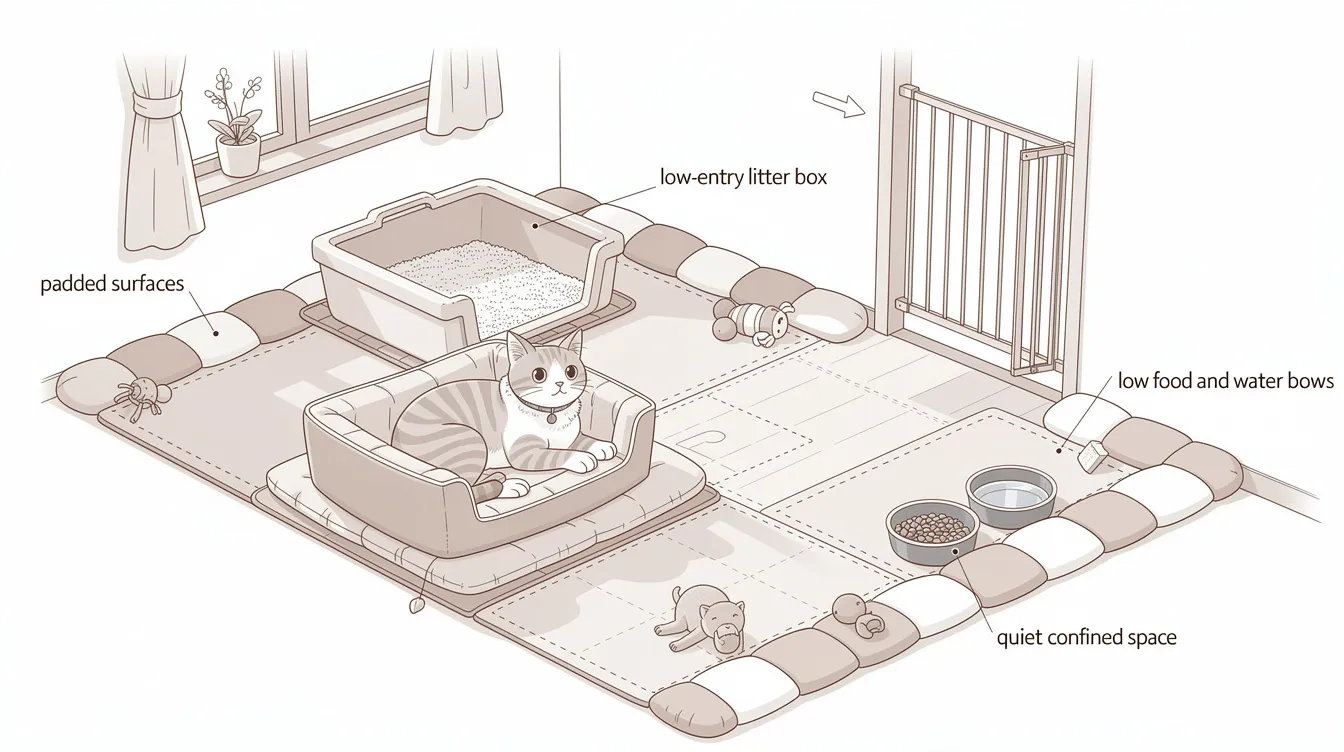
Cat Head Tilt: Causes, Diagnosis, and Treatment Guide
Introduction A persistent head tilt, with one ear held lower than the other, can signal a problem with the balance system in the inner ear or brain. A brief curious tilt is different, but contact a veterinarian promptly for a new, persistent tilt or loss of balance; do not wait hours or days to see…
-

What Can I Give My Dog for Pain? Safe Options and What to Avoid
Only veterinarian-prescribed medications are safe for dog pain relief. Never give your dog human pain medications like ibuprofen, naproxen, or acetaminophen – even a single dose can cause kidney failure, liver failure, or life threatening reactions. Safe options include prescription NSAIDs formulated specifically for dogs, opioids for severe pain, gabapentin for nerve pain, and supportive…
-
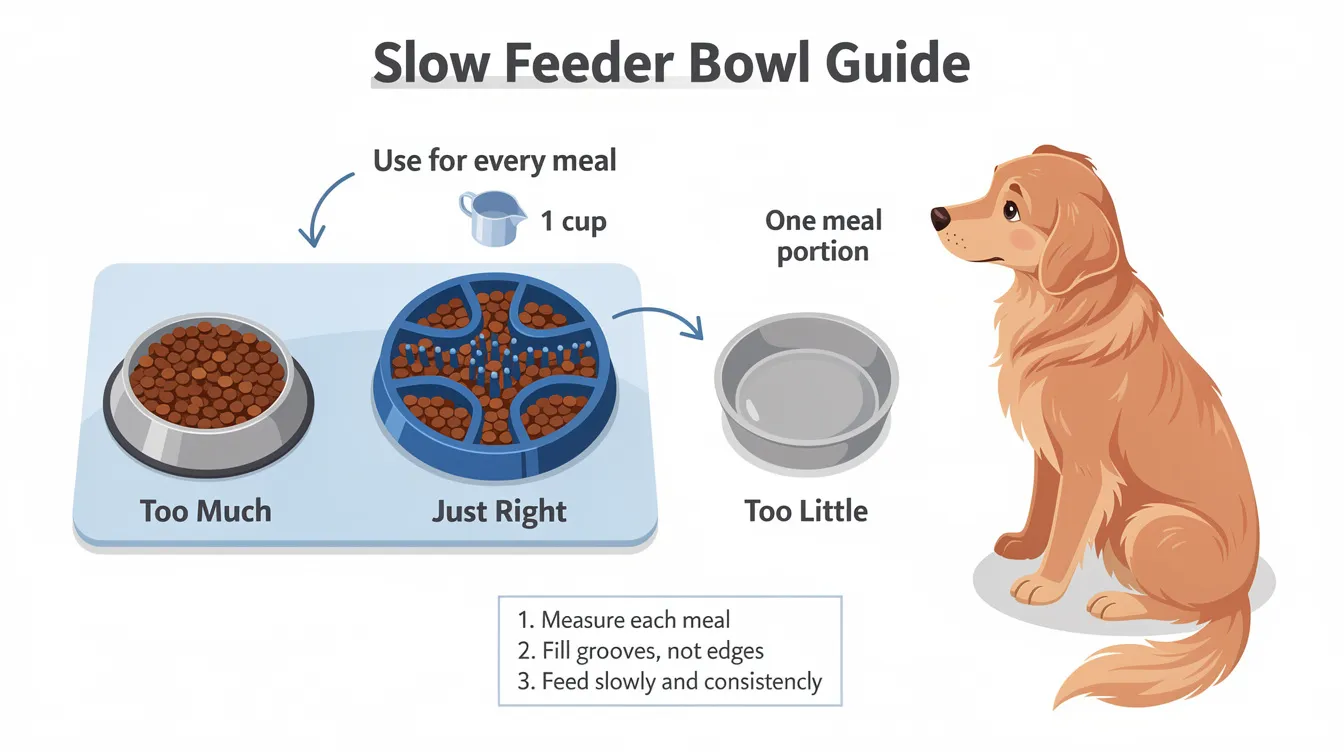
Why Does My Dog Keep Throwing Up? Causes and When to Worry
Repeated vomiting is one of the most common reasons dogs see a veterinarian. If your dog is vomiting repeatedly, understanding what’s behind it can mean the difference between a manageable mild stomach upset and a life threatening emergency. This article covers common causes of repeated vomiting, the warning signs that need immediate care, safe home…
-

Dog Crying in Pain: What It Means and When to See a Vet
When your dog is crying in pain, it almost always means something is wrong-and pain is one of the most common reasons. Dogs can express pain through crying, yelping, or whimpering, and these vocalizations are rarely random. They are evolutionary signals designed to communicate distress, and as a pet owner, learning to decode them can…
-
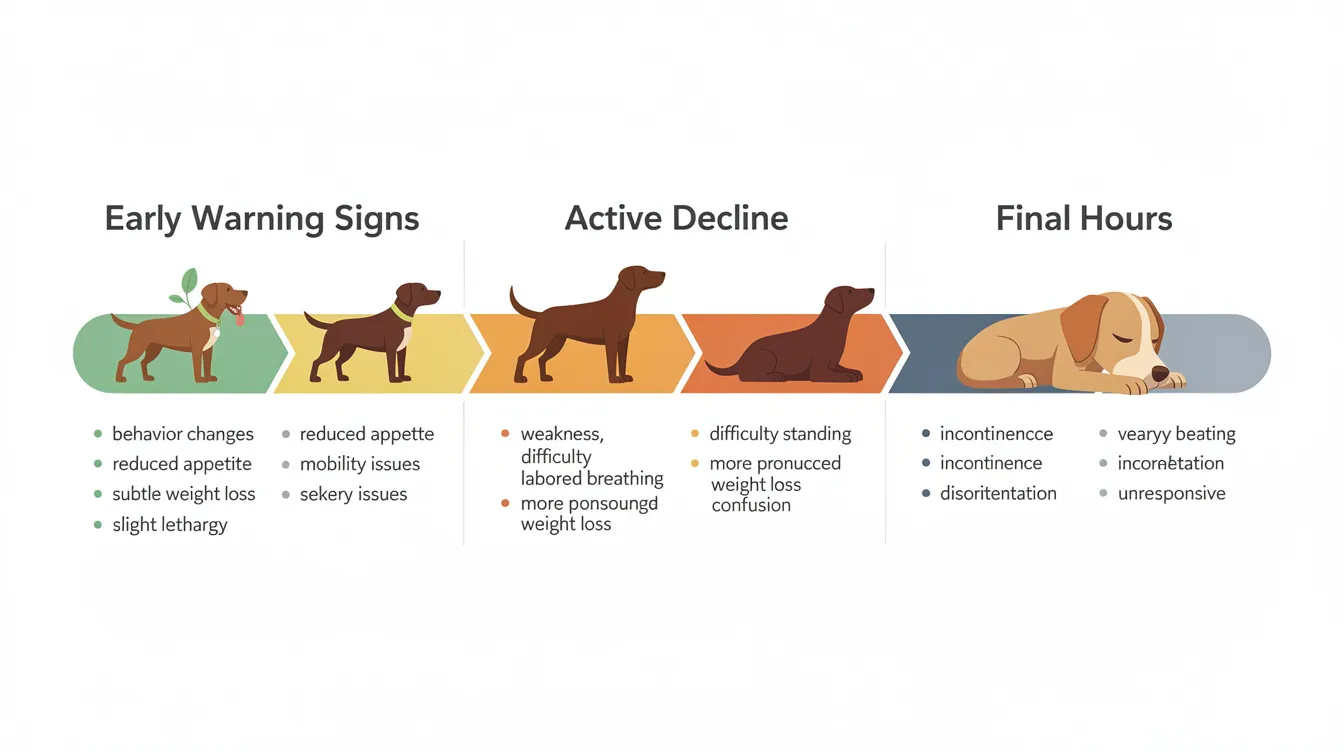
Signs That a Dog is Dying: A Complete Guide to Recognizing End-of-Life Symptoms
Introduction Recognizing that your dog is dying is one of the most painful experiences a pet owner will ever face. Whether your beloved pet is battling a terminal illness or experiencing the natural decline that comes as dogs age, understanding the common signs that dog is dying allows you to provide comfort, reduce unnecessary suffering,…
-

Signs of Poisoning in Dogs: Complete Guide to Recognizing the Warning Signs
Introduction Recognizing the symptoms of dog poisoning quickly can make all the difference between a full recovery from a dog poisoned and permanent organ damage-or worse. Every year, thousands of poisoning cases involve dogs that have ingested common household items toxic to their systems, and the window for effective veterinary treatment narrows with every passing…
-
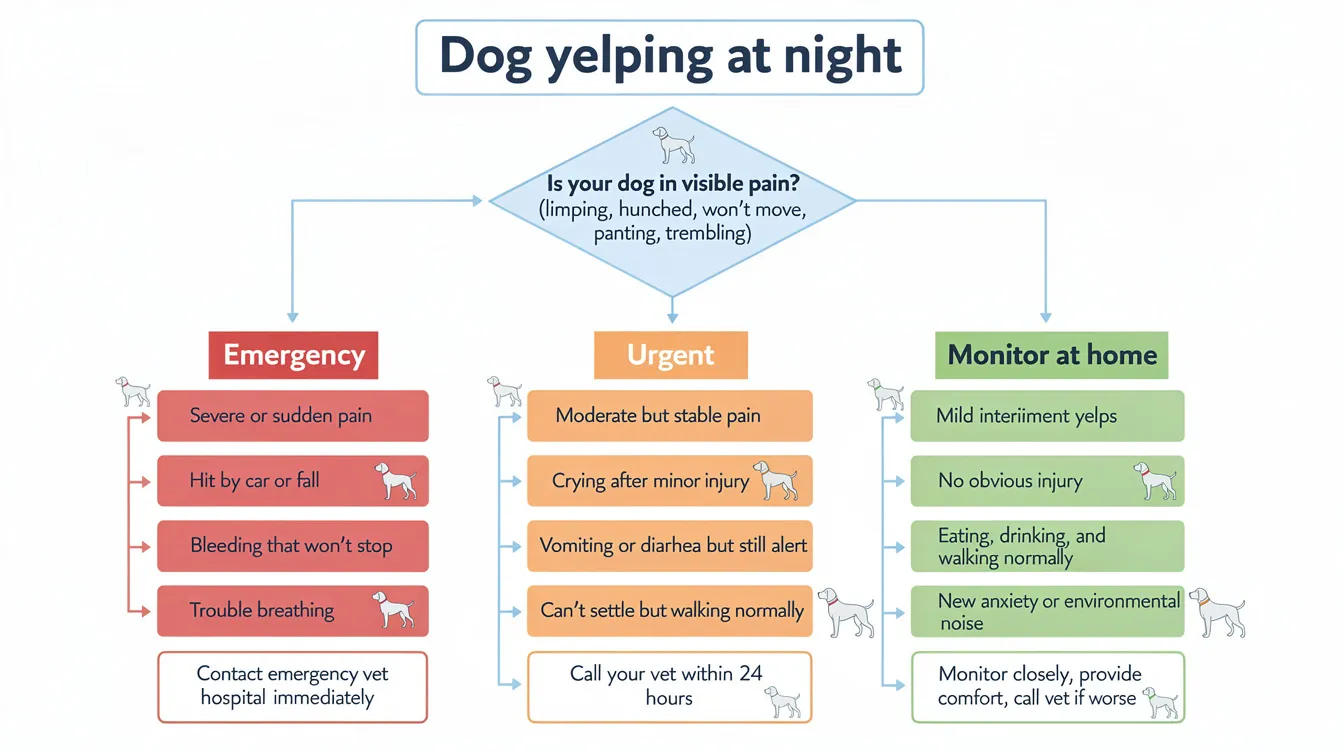
Dog Yelping in Pain at Night: Emergency Signs Every Owner Must Know
A dog yelping at night may be painful, frightened, confused, or otherwise distressed. Timing and the sound of a cry do not establish the cause. New or repeated yelping deserves veterinary advice, and breathing difficulty, collapse, severe weakness, repeated unproductive retching, or a swollen abdomen requires emergency care. This article covers the critical distinction between…