Introduction
Recognizing that your dog is dying is one of the most painful experiences a pet owner will ever face. Whether your beloved pet is battling a terminal illness or experiencing the natural decline that comes as dogs age, understanding the common signs that dog is dying allows you to provide comfort, reduce unnecessary suffering, and make compassionate decisions during your dog’s final days. It is crucial to be aware of the signs that dog is dying to help your pet and make informed choices.
This guide covers the full spectrum of end-of-life symptoms in dogs-from early physical symptoms like decreased appetite and weight loss to late-stage crisis signs such as labored breathing and loss of bodily functions. It does not cover routine aging changes or treatable conditions that may mimic dying, though we address how to distinguish between the two. This content is written for dog owners navigating the heartbreak of a declining health trajectory in a senior or terminally ill companion.
Familiarizing yourself with the signs that dog is dying can change how you respond to your dog’s needs. Being proactive in recognizing these signs that dog is dying can ensure that your pet is comfortable in their final days.
In conclusion, understanding the signs that dog is dying helps you be a better advocate for your pet’s needs. Pay attention to subtle changes and be mindful of the signs that dog is dying, so you can provide the best care possible.
The most reliable signs that a dog is dying include complete refusal of food and water, severe difficulty breathing, loss of mobility, incontinence, social withdrawal, and extreme lethargy with unresponsiveness to familiar stimuli. Recognizing these signs that dog is dying early can help you make informed decisions. When multiple symptoms appear together and worsen over days, it typically indicates irreversible decline.
By reading this guide, you will:
- Learn to identify the physical and behavioral signs your dog is approaching end of life
- Understand how organ system failure progresses and what it means for your dog’s comfort
- Gain practical tools for quality of life assessment, including the HHHHHMM scale
- Know when to seek veterinary guidance versus providing comfort care at home
- Feel prepared to make compassionate end-of-life decisions, including euthanasia timing
Reviewed by Dr. Roger Hart, DVM, an experienced companion-animal veterinarian in Central Florida.
Understanding the Canine End-of-Life Process
When you notice multiple signs that dog is dying, it may be time to consult with your veterinarian about the best course of action.
The dying process in dogs refers to the irreversible failure of one or more vital organ systems-heart, kidneys, liver, or brain-leading to systemic shutdown. Recognizing the signs that dog is dying can be complex, but understanding these symptoms can help you manage your dog’s care effectively.
Research from the Dog Aging Project involving 2,570 dogs found that 85.4% were euthanized rather than dying unassisted, with illness or disease accounting for 58.1% of deaths. Pain and suffering were cited as reasons in 49.2% of euthanasia decisions. This data underscores why learning to notice signs early matters-both for your dog’s comfort and for your ability to act with compassion when the time comes.
Timeline of Decline
Dogs follow two broad decline trajectories, and understanding which pattern your dog is experiencing shapes every care decision you make.
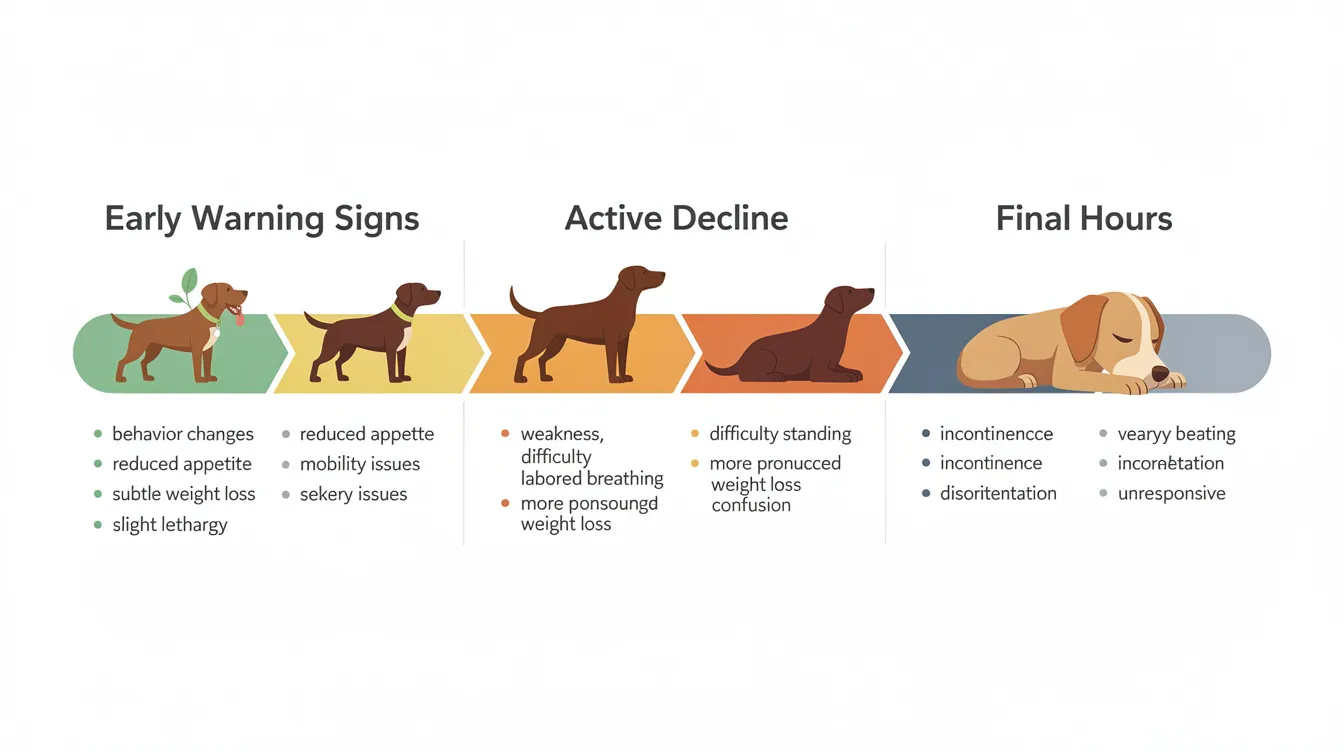
Chronic decline unfolds over weeks to months. You may first notice subtle changes-less interest in walks, sleeping more, occasional skipped meals-that gradually worsen into complete appetite loss, inability to stand, and organ failure. Dogs may show weight loss three months before passing, making early symptom tracking critical. A significant increase in sleeping can signal health decline well before more dramatic symptoms emerge.
Acute decline happens over hours to days, often triggered by sudden events like acute heart failure, massive internal bleeding, severe infection, or rapid decompensation of a previously stable condition. In these cases, a dog may go from appearing relatively normal to experiencing crisis-level symptoms with alarming speed.
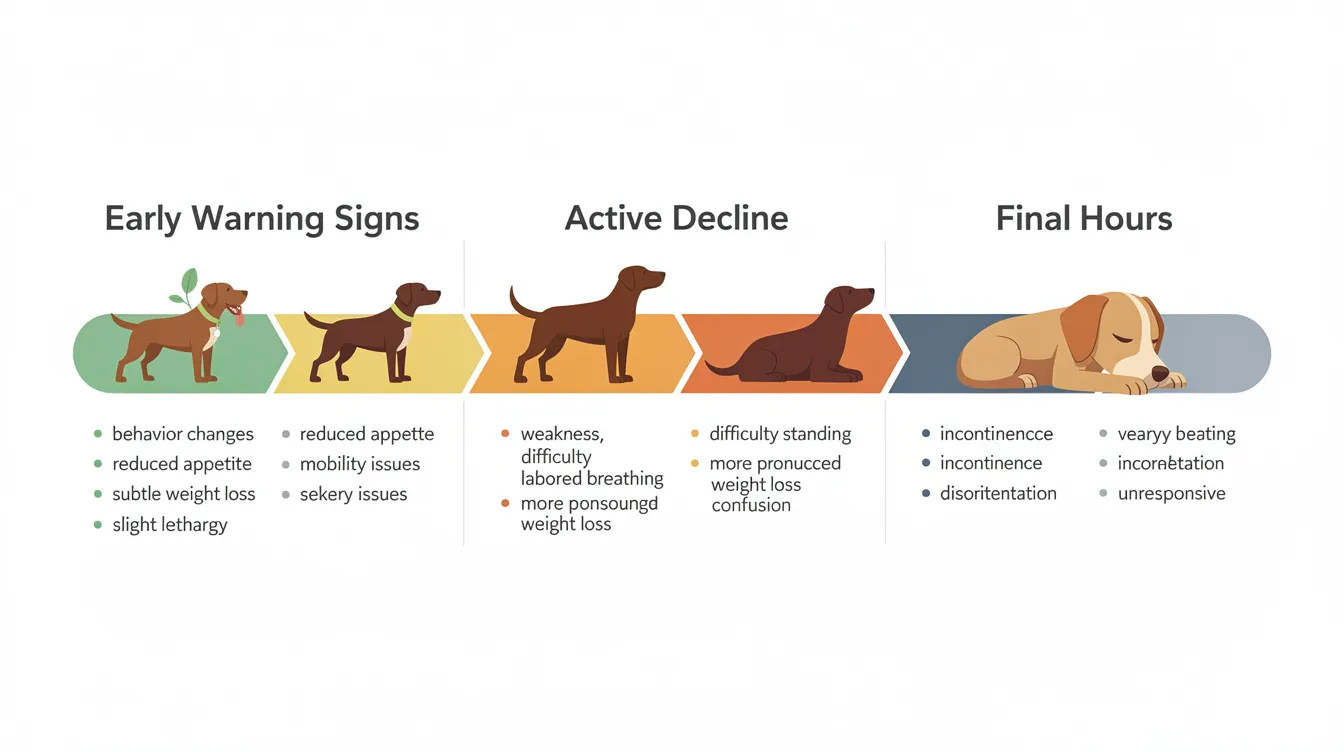
Veterinary texts note that detectable changes may develop as early as three months prior to death, giving attentive owners a meaningful window for intervention, comfort planning, and quality of life assessment.
Continuing to monitor your pet for the signs that dog is dying enables you to make timely decisions regarding their care.
These signs that dog is dying can manifest in various ways, and being observant is essential to providing necessary care.
Body System Shutdown
Understanding how major organ systems fail explains why certain signs appear at different stages of your dog’s decline.
Circulatory failure: When the heart can no longer pump effectively, poor blood perfusion causes pale gums or bluish discoloration (cyanosis), cold extremities, and fluid accumulation in the lungs. Dogs with heart disease may develop coughing and pulmonary edema as the condition worsens.
Respiratory failure: As lung or cardiac function deteriorates, breathing becomes labored and irregular. In the final stages, dogs may develop a “death rattle”-an audible gurgling caused by secretions accumulating in the airway as the swallowing reflex fails.
Renal and hepatic failure: In kidney failure, waste products build in the blood, causing vomiting, dehydration, and changes in urination. In liver failure-when more than 70% of liver cells are compromised-signs include jaundice, bleeding disorders, and hepatic encephalopathy that can produce seizures and coma. Terminal liver failure may lead to death within approximately one week in severe cases.
Neurological decline: Cognitive decline resembling canine Alzheimer’s disease produces disorientation, blank staring, and failure to recognize family members. As metabolic toxins from failing organs affect the brain, mental status deteriorates further.
These cascading failures create the constellation of visible symptoms that tell you your dog’s body is shutting down-leading us to the specific physical signs you can observe.
Physical Signs Your Dog May Be Dying
The organ system changes described above produce observable physical symptoms that serve as the most concrete indicators of end-of-life decline. Common signs of a dying dog include extreme fatigue and loss of appetite, but the full picture involves multiple body systems showing distress simultaneously. Observing multiple symptoms may warrant prompt veterinary evaluation to determine whether the condition is treatable or represents irreversible decline.
Respiratory Changes and Breathing Difficulties
Breathing changes such as labored or irregular respiration may indicate approaching death and represent one of the most distressing signs for both you and your dog. Watch for increased respiratory effort at rest, open mouth breathing or panting without exertion, rapid shallow breaths, or long pauses between breaths (apnea). Difficulty breathing can signal a dog is nearing death, particularly when accompanied by other declining signs.
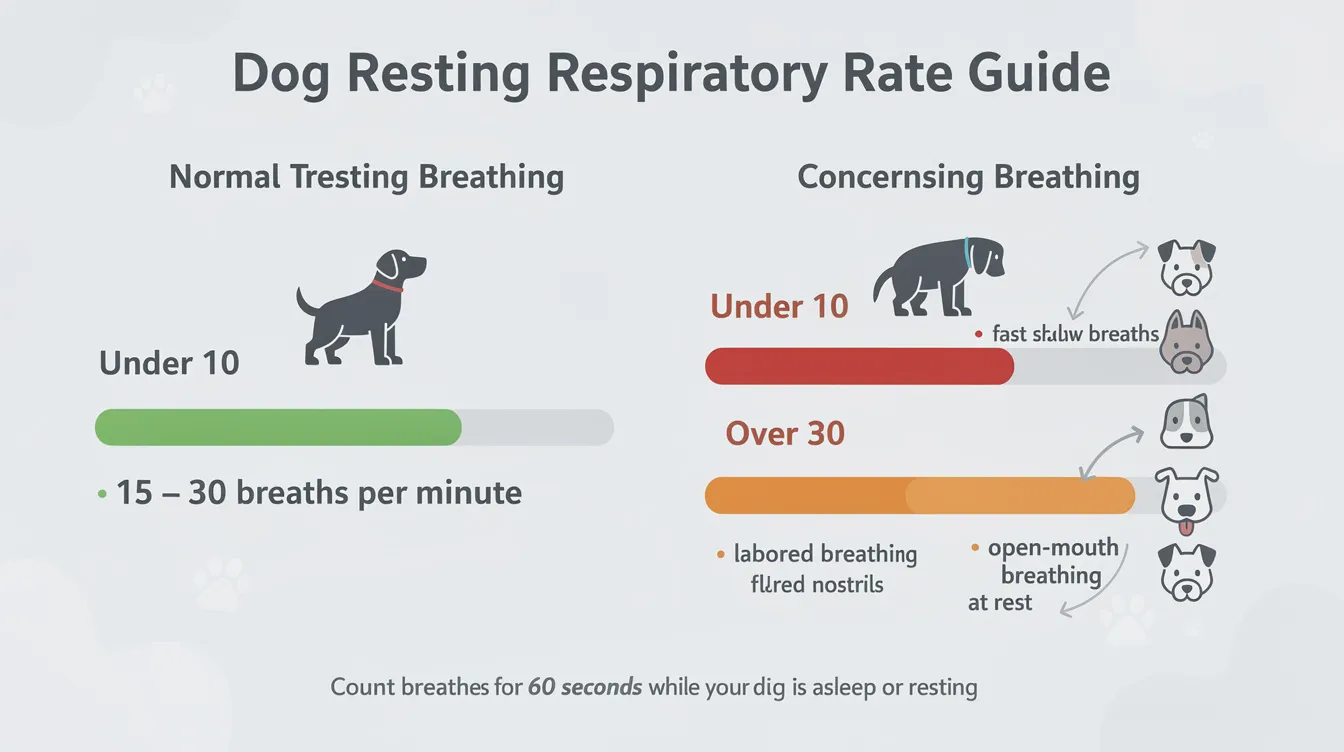
In heart failure or advanced lung disease, fluid accumulation produces a gurgling cough or “honking” sound. Veterinarians recommend monitoring your dog’s “sleeping respiratory rate” as a more reliable home indicator-count breaths per minute while your dog sleeps. Normal is typically 15–30 breaths per minute; consistent rates above 40 warrant immediate veterinary care. In the final hours, gasping breaths with jaw movement (similar to Cheyne-Stokes breathing in humans) and the distinctive death rattle of terminal respiratory secretions are highly specific indicators that death is imminent.
Complete Appetite and Hydration Loss
A dog may show loss of appetite and thirst near the end of life, and this sign is among the earliest and most consistent across all disease processes. Unlike the occasional skipped meal that older dogs may have, end-of-life appetite loss is progressive and total-your dog will refuse even favorite treats that once produced excitement.
This complete food refusal reflects digestive system shutdown: nausea from kidney disease or liver failure, pain from oral ulcers, or simply the dog’s body ceasing to process nutrition. Loss of appetite often indicates a dog’s declining health, but it’s essential to distinguish this from treatable causes like dental disease or gastrointestinal infection. Hydration follows a similar pattern-dogs may continue drinking slightly longer than eating, but eventually refuse water as well. You’ll notice dry, tacky gums, sunken eyes, and loss of skin elasticity as dehydration progresses.
By knowing the signs that dog is dying, you empower yourself to act swiftly and compassionately, ensuring your dog’s comfort during their last days.
Complete appetite loss is one of the most telling signs that dog is dying, and pet owners should prioritize this observation.
Signs that dog is dying can also include decreased mobility, making it essential to assess your dog’s comfort regularly.
Severe Mobility and Coordination Loss
The loss of a dog’s ability to stand, walk, or maintain balance signals profound muscular and neurological decline. Weight loss and muscle wasting may occur in a dog with terminal illness, and this muscle atrophy directly contributes to collapse and inability to rise. You may observe your dog struggling with stairs weeks before they lose the ability to stand entirely.
Neurological dysfunction adds uncoordinated gait, stumbling, muscle twitching, tremors, or seizures. When cancer invades joints or neurological disease progresses, partial or complete paralysis may develop. These mobility losses create cascading problems-your dog cannot reach food or water, cannot position themselves comfortably, and cannot move to eliminate, which leads directly to the next critical sign.
Incontinence might also occur as you observe the signs that dog is dying, emphasizing the need for compassion in care.
Loss of Bladder and Bowel Control
Incontinence may occur as a dog nears the end of life, even in dogs that were perfectly house-trained throughout their lives. This loss of bowel control and bladder function results from sphincter failure, neurological decline, or simply the inability to rise and reach an appropriate elimination area. As muscle control deteriorates, bowel movements become involuntary.
This sign carries particular weight when combined with other indicators: a dog that has simultaneously lost appetite, shows breathing difficulties, and can no longer control bodily functions is typically in the final stages of decline. The loss of these basic bodily functions profoundly affects your dog’s dignity and hygiene, requiring frequent cleaning, waterproof bedding, and gentle repositioning to prevent pressure sores.
Key physical signs summary: When respiratory distress, complete appetite loss, severe mobility decline, and incontinence appear together and worsen progressively, they indicate your dog’s body is shutting down. Recognizing these signs that dog is dying is critical for ensuring proper comfort and care for your beloved pet.
Behavioral and Emotional Signs of Approaching Death
While physical symptoms provide measurable evidence of decline, behavioral and emotional changes often appear earlier and can be equally telling. Pain and discomfort can lead to restlessness or changes in behavior as a dog approaches death, and these shifts in personality and engagement may precede obvious physical deterioration by weeks or even months. Significant behavioral changes can signal a dog is dying.
Social Withdrawal and Isolation Behaviors
Dogs may become socially withdrawn as they approach death, and this withdrawal takes different forms depending on the individual animal. Some dogs retreat to corners, hide under furniture, or seek isolated spaces away from family activity. Dogs may show increased clinginess or isolation as they age-and paradoxically, some dying dogs become more attached, seeking constant contact and comfort from their owners rather than solitude.
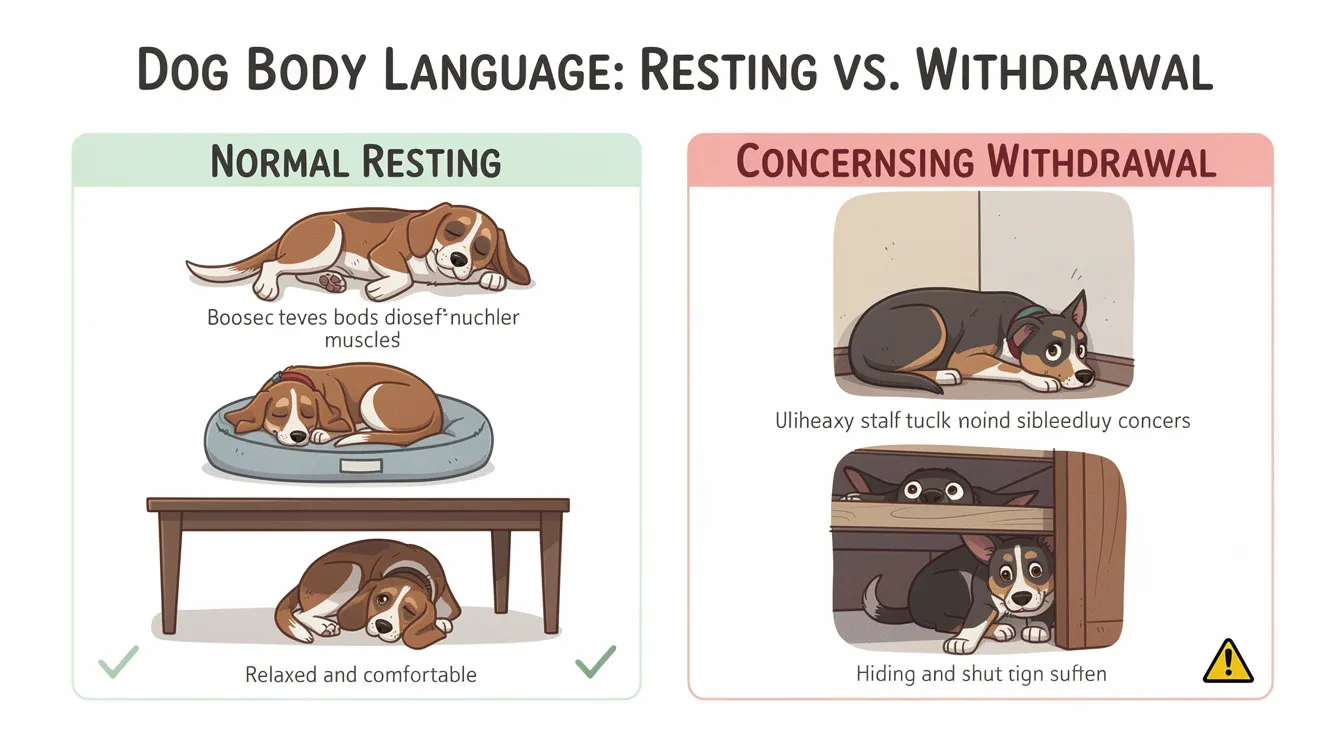
Loss of interest in social interactions is a common sign of aging, but in the context of dying, this withdrawal becomes more pronounced. Your dog may stop greeting you at the door, lose interest in walks entirely, ignore other pets or other dogs in the household, and abandon familiar routines that once structured their day. When a previously social dog consistently refuses interaction and seeks isolation, particularly alongside physical symptoms, it strongly suggests approaching end of life.
Confusion and Severe Disorientation
Cognitive decline in dying dogs goes far beyond the mild forgetfulness of normal aging. Your dog may get lost in familiar surroundings, wander aimlessly, stare at walls or into corners for extended periods, forget commands they’ve known for years, and fail to recognize family members.
In hepatic encephalopathy-caused by toxins the failing liver can no longer filter-behavioral changes can be dramatic and sudden. In kidney failure, uremic toxins produce dullness and altered mental status. Depression and anxiety can indicate a dog’s declining health, and these emotional states may manifest as increased irritability, which may indicate a dog’s discomfort or pain. Vision and hearing loss compound the disorientation, leaving your dog increasingly disconnected from the world they once navigated with confidence.
Extreme Lethargy and Unresponsiveness
Increased lethargy is a common sign of a dying dog, but end-of-life lethargy differs markedly from the increased sleep of normal aging. A dying dog may sleep most of the day and show little to no responsiveness even to usually enticing stimuli-their favorite toy, their name being called, the sound of a treat bag. A significant increase in sleeping can signal health decline that has crossed from manageable to critical.
As the dog’s body shuts down, reactions to touch, noise, and human presence diminish. Dogs may drift in and out of consciousness, entering stuporous or semi-comatose states. Pain responses change as well-your dog may not vocalize despite being in pain, or may be too weak to respond. A dog’s body temperature may drop significantly as death approaches, and you may notice cold ears, paws, and tail due to poor circulation. These temperature changes, combined with unresponsiveness, often characterize the final 24–48 hours.
Assessing Quality of Life and Pain Levels
Moving from symptom recognition to systematic evaluation is essential for making informed decisions about your dog’s care. Quality of life assessment transforms subjective observations into a structured framework that helps both you and your veterinarian determine whether your dog’s comfort justifies continuing care or whether suffering has become the dominant experience. Veterinarians can help assess your dog’s quality of life effectively using validated tools and clinical expertise.
Quality of Life Evaluation Criteria
The most widely used generic tool is the HHHHHMM quality of life scale developed by Dr. Alice Villalobos. The Quality of Life Scale includes parameters like hurt and happiness, and it provides seven dimensions for evaluation: Hurt (pain level), Hunger (ability and willingness to eat), Hydration, Hygiene (ability to stay clean), Happiness (mental and emotional engagement), Mobility, and More good days than bad. Each dimension is scored, and the composite helps guide end-of-life conversations. Quality of Life Scale scores below 35 indicate poor quality of life, suggesting that suffering may be outweighing comfort.
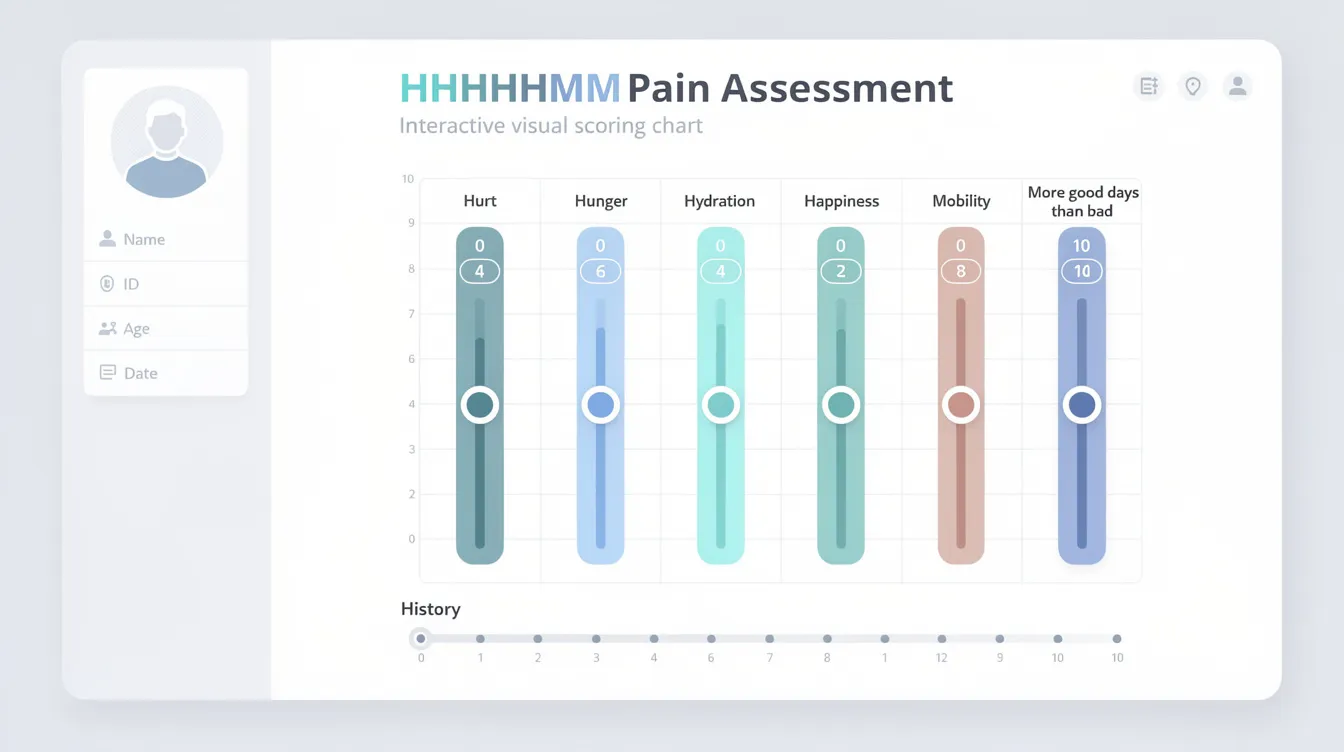
Assess if your dog can eat and drink comfortably for quality of life-this single factor often provides the clearest signal. Dogs should have more good days than bad for acceptable quality of life, and tracking this ratio over time through a simple calendar or diary creates an objective record that cuts through the emotional fog of watching your best friend decline.
|
Assessment Factor |
Good Quality Indicators |
Poor Quality Indicators |
|---|---|---|
|
Comfort Level |
Pain-free rest, normal positioning, relaxed body |
Constant restlessness, whimpering, difficulty finding comfortable position |
|
Interest Level |
Responds to name, shows curiosity about surroundings |
No response to favorite treats, activities, or family interaction |
|
Mobility |
Can move independently to eat, drink, and eliminate |
Cannot rise or move without assistance, persistent pain when repositioned |
|
Appetite |
Shows interest in food, eats favorite treats willingly |
Complete refusal of all food and water for more than 24 hours |
|
Hygiene |
Can maintain basic cleanliness or be groomed comfortably |
Soiled constantly, skin breakdown, unable to be cleaned without distress |
A scoping review of quality of life tools identified nine generic instruments for dogs, though only a few are statistically validated. Disease-specific tools exist for conditions like cancer and kidney disease and may be more precise for those diagnoses. Owner bias is a recognized limitation-emotional attachment can lead to either overestimating or underestimating a pet’s well being. Combining your observations with professional veterinary assessment provides the most accurate picture of your dog’s quality of life.
Providing Comfort Care During Final Stages
When curative treatment is no longer possible or appropriate, the focus shifts to making your dog’s final days as comfortable and peaceful as possible. Hospice care focuses on comfort rather than curative treatments, and palliative care can make a dog’s final days more comfortable through targeted interventions that address pain, environment, and emotional needs.
Pain Management and Medication Options
Pain management is the cornerstone of end-of-life care. Your local vet can prescribe medications ranging from NSAIDs to opioids depending on the type and severity of your dog’s pain. The goal is to keep your dog as pain free as possible-persistent pain that cannot be controlled is often the deciding factor in euthanasia timing. Work closely with your veterinarian to adjust dosages as your dog’s condition changes; what works one week may need modification the next.
Non-pharmaceutical comfort measures complement medication: gentle massage can ease muscle tension, careful repositioning every few hours prevents pressure sores in immobile dogs, and warm compresses may soothe arthritic joints. Never administer human pain medications to your dog without veterinary guidance, as many common drugs are toxic to dogs.
Environmental Modifications for Comfort
Creating a comfortable space for a dying dog involves practical modifications that accommodate their declining abilities. Place soft bedding or orthopedic foam in a quiet, accessible area where your dog can rest without needing to navigate stairs or obstacles. A heating pad set on low (always with a barrier between pad and skin) helps counteract the dropping body temperature that accompanies circulatory decline.
Waterproof pads beneath bedding simplify cleanup for dogs experiencing incontinence. Keep water within easy reach-even if your dog is drinking very little, the option should be available. Maintain familiar surroundings as much as possible; this is not the time to rearrange furniture or introduce new environments. If hygiene becomes an issue, gentle sponge baths with warm water and unscented cloths help keep your dog comfortable without the stress of a full bath.
Emotional Support and Loving Presence
Your presence matters profoundly during your dog’s final stages. Familiar voices, gentle touch, and quiet companionship provide comfort that transcends physical care. Spend time sitting with your dog, speaking softly, and offering the reassurance of your proximity. Some dogs want to be held or touched continuously; others prefer nearby presence without direct contact. Follow your dog’s cues-increased irritability may indicate a dog’s discomfort or pain when handled.
Maintain familiar routines where possible, even in modified form. If your dog always enjoyed evening time on the couch with the family, bring the family to where your dog now rests. Creating a bucket list can help cherish a dog’s final days-small pleasures like a favorite blanket, a brief car ride if tolerated, or simply being in the garden can provide moments of normalcy and joy amid the difficulty.
Common Challenges and When to Seek Veterinary Guidance
Navigating your dog’s end-of-life period involves difficult judgment calls, emotional conversations, and moments of crisis that test even the most prepared pet owner.
Distinguishing Treatable Conditions from Natural Dying
Many signs associated with dying-appetite loss, breathing difficulties, lethargy-can also result from treatable conditions. Dental disease can cause food refusal. Pneumonia causes respiratory distress but may respond to antibiotics. A urinary tract infection can mimic the incontinence of dying. The critical question is always: is this reversible?
Seek veterinary care whenever new symptoms appear suddenly, when a previously stable dog deteriorates rapidly, or when you’re uncertain whether your dog’s symptoms represent treatable illness or irreversible decline. Your veterinarian can perform diagnostics that distinguish between conditions-blood work revealing kidney values, imaging showing tumor progression, or cardiac assessment determining whether heart failure is manageable or terminal. Once multiple organ failure begins, recovery is typically not possible.
Managing Sudden Crisis Situations
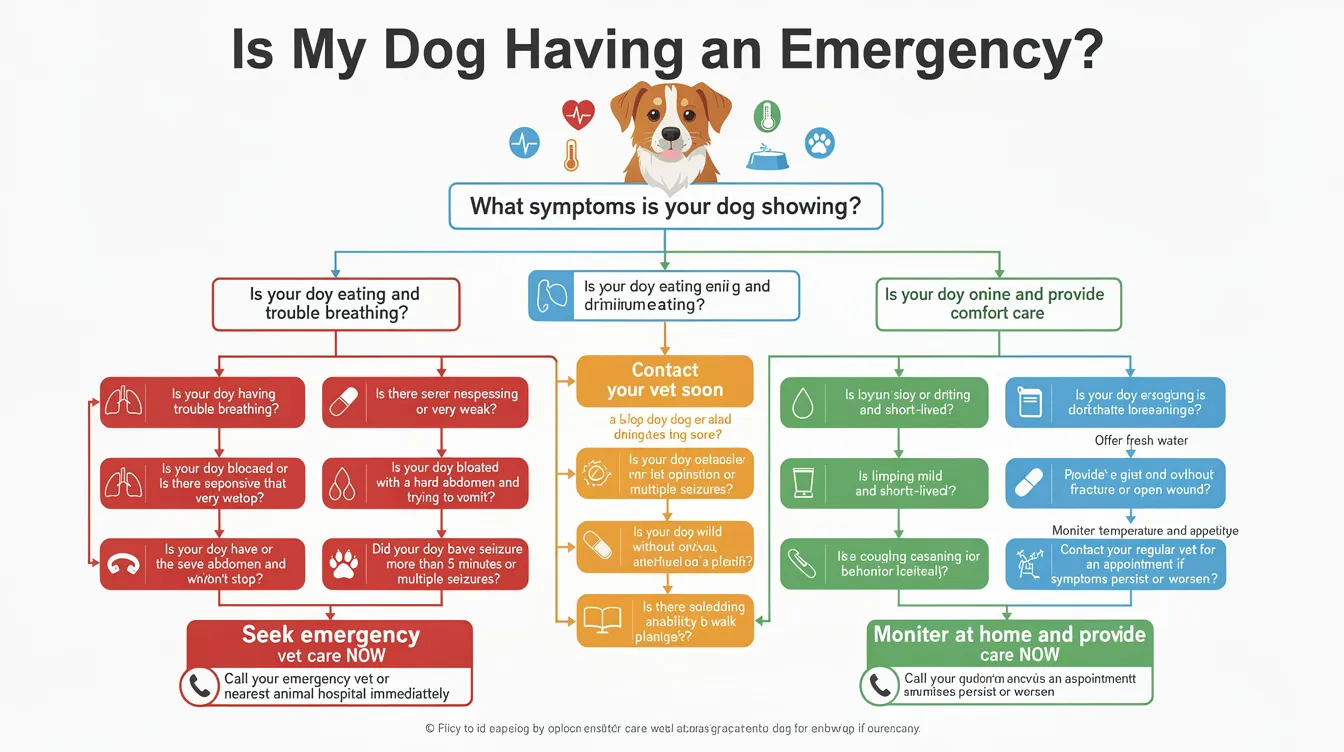
Acute decline can be terrifying. If your dog experiences seizures, sudden collapse, severe breathing distress, or uncontrolled bleeding, take these immediate steps:
- Stay calm-your dog senses your distress, and panic worsens their anxiety
- Ensure safety-move objects that could injure a seizing dog, but do not restrain them
- Contact your veterinarian or emergency clinic immediately-describe symptoms precisely
- Provide comfort while waiting-speak softly, keep the environment quiet, offer a familiar blanket
- Know your emergency contacts-have your local vet’s after-hours number and nearest emergency hospital saved in your phone
Family Communication and Difficult Decisions
Discussing a dog’s approaching death with family members-especially children-requires honesty balanced with compassion. Include everyone in conversations about your dog’s condition and what to expect. Children benefit from age-appropriate explanations: younger children need simple, concrete language (“Max’s body is too sick to get better”), while older children can handle more detailed discussions.
The decision about euthanasia timing is among the hardest any pet owner faces. Euthanasia provides a peaceful end to a dog’s suffering, and many veterinary professionals consider it a final act of love rather than giving up. In-home euthanasia allows dogs to pass in familiar surroundings, reducing stress for both you and your pet. The Dog Aging Project data confirms that lower quality of life scores strongly predicted euthanasia decisions, suggesting that most owners make this choice thoughtfully, guided by their dog’s wellbeing rather than their own readiness.
Emotional Preparation and Grief Support
Anticipatory grief-mourning a loss before it happens-is normal and valid. Allow yourself and your family members to feel sadness, anger, guilt, and exhaustion without judgment. Seek support from friends who understand the bond between people and their pets, pet loss support groups, or professional counselors who specialize in grief. The bond you shared with your best friend deserves to be honored through genuine mourning.
Prepare practically as well: discuss aftercare preferences (cremation, burial, memorial) before the moment arrives so you aren’t making decisions in acute grief. Some pet owners find comfort in memorial rituals-creating a photo album, planting a garden, or writing a letter to their companion who has crossed the rainbow bridge. Your mental well being matters throughout this process, and seeking help is a sign of strength, not weakness.
Conclusion and Next Steps
Recognizing the signs that a dog is dying-from appetite loss and breathing changes to withdrawal and cognitive decline-allows you to respond with both compassion and clarity during your dog’s time of greatest need. The physical symptoms of organ system failure, combined with behavioral changes like extreme lethargy and social withdrawal, paint a picture that, while heartbreaking, empowers you to act in your dog’s best interest.
If you are currently facing these signs with your dog, take these steps now:
- Document your dog’s symptoms daily using the HHHHHMM quality of life scale to track trends objectively
- Schedule a veterinary consultation to discuss your dog’s condition, pain management options, and prognosis
- Create a comfortable space with soft bedding, easy access to water, and temperature control
- Have an honest conversation with family members about your dog’s condition and begin discussing end-of-life preferences
- Contact your veterinarian about euthanasia options, including in-home services, so you are prepared when the time comes
End of life care is not about giving up-it is about ensuring that your dog’s final chapter is defined by comfort, dignity, and love. Whether that means palliative care, hospice, or the compassionate choice of euthanasia, you are honoring the bond you share by refusing to let your beloved pet suffer. Consult with your veterinarian and trust yourself: no one knows your dog better than you.
Frequently Asked Questions
Do dogs know when they are dying and can they sense their approaching death?
Scientific consensus suggests that dogs do not grasp the abstract concept of death. However, they absolutely feel the physical changes happening in their bodies-pain, weakness, altered senses, and diminishing energy. Their behavioral responses, such as withdrawal or increased clinginess, reflect awareness of these bodily changes rather than an understanding of mortality. Many dogs seem to seek comfort or solitude instinctively during decline, which owners sometimes interpret as “knowing.”
How long does the dying process typically take in dogs with terminal illness?
The timeline varies enormously depending on the underlying condition. Chronic diseases like kidney disease or cancer may produce a gradual decline over weeks to months, with dogs showing weight loss as early as three months before passing. In acute situations-sudden organ failure, severe trauma, or rapid decompensation-decline may occur over hours to days. Once total anorexia, dehydration, complete immobility, and respiratory distress are all present simultaneously, the remaining time is often less than 48–72 hours.
Should I stay with my dog during euthanasia for emotional support?
Most veterinarians encourage owners to be present if they feel able, as your familiar presence provides comfort to your dog during the procedure. Your voice and touch are deeply reassuring. However, if being present would cause you such distress that your dog would sense your anguish, it is equally valid to say goodbye beforehand. Discuss this with your veterinarian-many practices allow you to spend private time with your dog both before and after the procedure.
What physical changes happen to a dog’s body immediately after death?
After death, the dog’s body relaxes completely, which may cause release of remaining bladder or bowel contents. The eyes typically remain open and pupils dilate. Body temperature drops gradually to match the environment. Rigor mortis begins within a few hours. These changes are natural and expected. Your veterinarian can guide you on aftercare options including cremation or burial.
How can I tell if my dog is in pain during their final days?
Dogs mask pain instinctively, but common indicators include restlessness, inability to find a comfortable position, whimpering or vocalization, panting without exertion, reluctance to be touched in certain areas, trembling, and changes in facial expression (furrowed brow, tense jaw). Some dogs become unusually quiet and withdrawn when in pain rather than vocal. If you suspect persistent pain, contact your veterinarian immediately-effective pain management is available and no dog should spend their final days in uncontrolled discomfort.
Is it more humane to let a dog die naturally or choose euthanasia?
Natural death can involve prolonged suffering, pain, and distress as organ systems fail sequentially. Euthanasia offers a controlled, peaceful end when a dog’s quality of life has declined beyond recovery. Veterinary medicine widely considers euthanasia a humane option when suffering outweighs comfort-the Dog Aging Project found that pain and suffering were the primary reasons cited in nearly half of all euthanasia decisions. The choice is deeply personal, but allowing unnecessary suffering when a peaceful alternative exists is something most veterinary professionals counsel against.
Can other family pets sense when a dog is dying or grieving?
Other pets in the household often detect changes in a dying dog’s behavior, scent, and energy. Other dogs may become more attentive, anxious, or withdrawn. After a companion animal dies, surviving pets may search for them, show decreased appetite, or exhibit behavioral changes consistent with grief. Maintaining familiar routines and providing extra attention to surviving pets helps them adjust.
What should I tell my children about our dog’s approaching death?
Use honest, age-appropriate language. For younger children: “Max is very sick, and his body can’t get better. The vet is helping him not hurt, but he’s going to die soon.” Avoid euphemisms like “put to sleep” or “went away,” which can create confusion or fear. Allow children to say goodbye in their own way-drawing pictures, spending quiet time together, or helping prepare a comfortable space. Answer questions honestly and validate their emotions. Grief is a natural response to losing a family member, and children benefit from seeing adults model healthy mourning.
Additional Resources
This article was reviewed by Dr. Roger Hart, companion animal end-of-life care.
Citations:
- McCoy et al. (2023). “Circumstances of companion dog death in the Dog Aging Project.” PubMed, PMID: 37770016.
- Belshaw et al. (2022). “A scoping review of generic owner-reported quality of life tools for companion dogs.” PMC, Article PMC8833627.
- “Signs a Dog is Dying.” PetMD veterinary reference.
- “Liver Failure in Dogs.” PetMD clinical overview.
- Kim et al. (2026). “Owner-reported physical and behavioral changes in companion dogs nearing end of life.” BMC Veterinary Research, Springer.
Downloadable tools:
- HHHHHMM Quality of Life Scale printable scoring sheet for daily monitoring
- Two-week symptom tracking calendar for documenting good days versus bad days
- Emergency contact card template for veterinary and after-hours clinic information
Support organizations:
- Association for Pet Loss and Bereavement – free grief counseling hotline
- AAHA End-of-Life Care Guidelines – professional standards for veterinary hospice
- Local pet loss support groups – ask your veterinarian for recommendations in your area
Being aware of the signs that dog is dying empowers you to act in their best interest, prioritizing their comfort during this difficult time.