Respiratory illness in dogs covers a spectrum of infections and conditions affecting the airways and lungs – from a mild, self-limiting kennel cough to life-threatening bacterial pneumonia. If your dog is coughing, showing a runny nose, or experiencing labored breathing, understanding the cause and knowing when to act can make the difference between a quick recovery and a veterinary emergency. This guide explains the symptoms, the underlying causes, and the environmental factors that raise a dog’s risk, so you can pay attention to the signs that indicate a problem early.
This article covers early and severe symptoms, the tests your veterinarian may recommend, treatment options, and how to prevent respiratory disease.
Direct answer: Canine respiratory illness encompasses infections and conditions affecting the nose, throat, trachea, and lungs, ranging from mild kennel cough to serious pneumonia. The most common forms are kennel cough, canine influenza, and pneumonia. Prompt veterinary evaluation is essential for proper diagnosis and treatment, especially when clinical signs progress beyond a simple cough into more severe breathing difficulty.
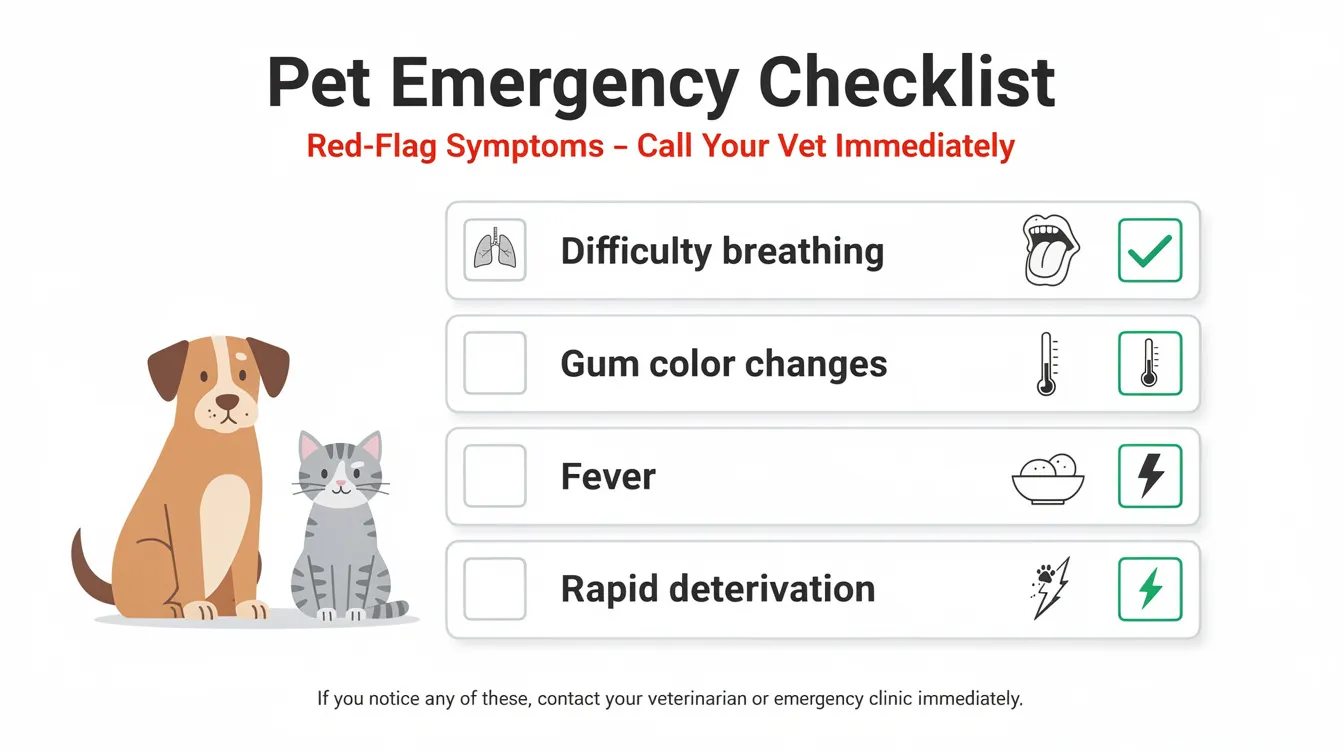
Go to a Veterinarian or Emergency Hospital Now If Your Dog
- Breathes fast or with visible effort while resting, or breathes with the mouth open
- Has blue, gray, or pale gums or tongue
- Stops eating, becomes very lethargic, or has a fever with a wet or worsening cough
- Coughs up blood or pink, frothy fluid
- Is a young puppy, a senior, a flat-faced breed, or has heart or lung disease and develops any cough
Understanding Respiratory Illness in Dogs
Canine respiratory illness describes diseases caused by viruses, bacteria, fungi, parasites, or environmental irritants that impair a dog’s ability to breathe, deliver oxygen, and remove carbon dioxide effectively. The respiratory system is responsible for the continuous exchange of oxygen and carbon dioxide, and any disruption – whether from infection or inflammation – compromises your dog’s overall health.
Close contact with other dogs and shared objects can increase exposure to infectious respiratory disease. Tell your veterinarian about boarding, daycare, grooming, dog parks, and recent travel. The Cornell respiratory-disease guidance emphasizes exposure history, hygiene, and avoiding contact with sick dogs.
Upper vs Lower Respiratory Tract
Understanding where an infection occurs helps predict its severity and guides treatment.
Upper respiratory tract (URT): This includes the dog’s nose, nasal passages, sinuses, pharynx, and larynx. Upper respiratory infections typically produce sneezing, nasal discharge, a honking cough, and mild lethargy. Most kennel cough cases involve the upper tract, driven by pathogens like canine parainfluenza virus, canine adenovirus type 2, and Bordetella bronchiseptica. Most dogs with URT infections recover within one to two weeks with supportive care alone.
Lower respiratory tract (LRT): This includes the trachea, bronchi, bronchioles, and alveoli deep within the lungs. These structures deliver oxygen to the bloodstream and remove carbon dioxide. Infections reaching the LRT produce more serious clinical disease – persistent wet coughing, rapid breathing, wheezing, and potentially cyanotic (blue) gums. Bacterial pneumonia is the hallmark LRT condition, and it often requires hospitalization, oxygen therapy, and aggressive medical management.
The critical distinction: URT illnesses are usually self-limiting and manageable at home under veterinary guidance, while LRT involvement carries significant risk of morbidity and mortality, demanding prompt veterinary treatment and sometimes emergency intervention.
Common Causes and Risk Factors
Multiple pathogens and environmental triggers cause different respiratory illnesses in dogs. Understanding the primary cause categories helps dog owners assess their dog’s risk.
Viral causes:
- Canine parainfluenza virus (CPiV) – one of the most frequent contributors to the infectious respiratory disease complex, commonly called kennel cough
- Canine distemper virus – a severe, multi-system disease; canine distemper virus affects the respiratory and nervous systems and requires core vaccination
- Canine influenza viruses (H3N2 and H3N8) – highly contagious respiratory viruses with the potential to cause pneumonia in susceptible canine patients; shedding can last up to three weeks
- Canine respiratory coronavirus (CRCoV) – generally produces milder URT signs but can progress to lower tract involvement
Bacterial causes:
- Bordetella bronchiseptica – the classic bacterial agent behind kennel cough, often co-infecting with viral pathogens
- Bacterial infection: Different bacteria can contribute to respiratory disease. A cough alone does not identify the organism or prove that an antibiotic is needed.
- Secondary bacterial infections arising after viral damage to the airway lining, converting mild disease into severe infections
Fungal and parasitic causes:
- Fungal infections such as histoplasmosis are uncommon in Florida but possible; Coccidioides (valley fever) is mainly found in the desert Southwest
- Lungworms and aspiration pneumonia from inhaled foreign material
Environmental factors that raise risk in warm, humid climates:
- Persistent high humidity supporting pathogen survival on surfaces and in air
- Seasonal allergens (pollen, grass, weeds) that irritate nasal passages and airways, particularly in spring and fall
- Mold exposure from damp environments, especially after storms and flooding
- Close-contact environments: dog parks, boarding kennels, grooming facilities, and shelters
Key risk factors:
- Age extremes – puppies and senior dogs have a weakened immune system
- Incomplete or absent vaccination status
- Brachycephalic breed conformation (short-faced dogs are more prone to airway obstruction)
- Underlying chronic conditions such as heart disease or chronic bronchitis in dogs, which is irreversible and progressive
- High dog’s exposure to social settings with other dogs
Recognizing Symptoms and Warning Signs
Early detection of a respiratory infection dramatically improves outcomes, especially when lower respiratory tract involvement is possible. Symptoms of respiratory illnesses in dogs can include coughing, sneezing, and nasal discharge – but the pattern and progression tell you whether the situation is manageable at home or requires urgent veterinary care.
Early Stage Symptoms
In the first one to three days, most dogs show relatively mild clinical signs that mimic a common cold:
- Dry, hacking cough that sounds like honking – coughing can vary from a dry hacking sound to a wet cough that may end in gagging
- Clear nasal discharge from the dog’s nose, potentially progressing to thicker, colored discharge over several days; runny nose is a common symptom of respiratory issues
- Mild lethargy and decreased appetite – lethargy can indicate a respiratory infection in dogs, and key symptoms to monitor include persistent coughing and decreased appetite
- Sneezing and mild eye discharge
- Low-grade fever (102–103°F) and subtle changes in breathing pattern
- Getting winded easily may signal respiratory problems in dogs
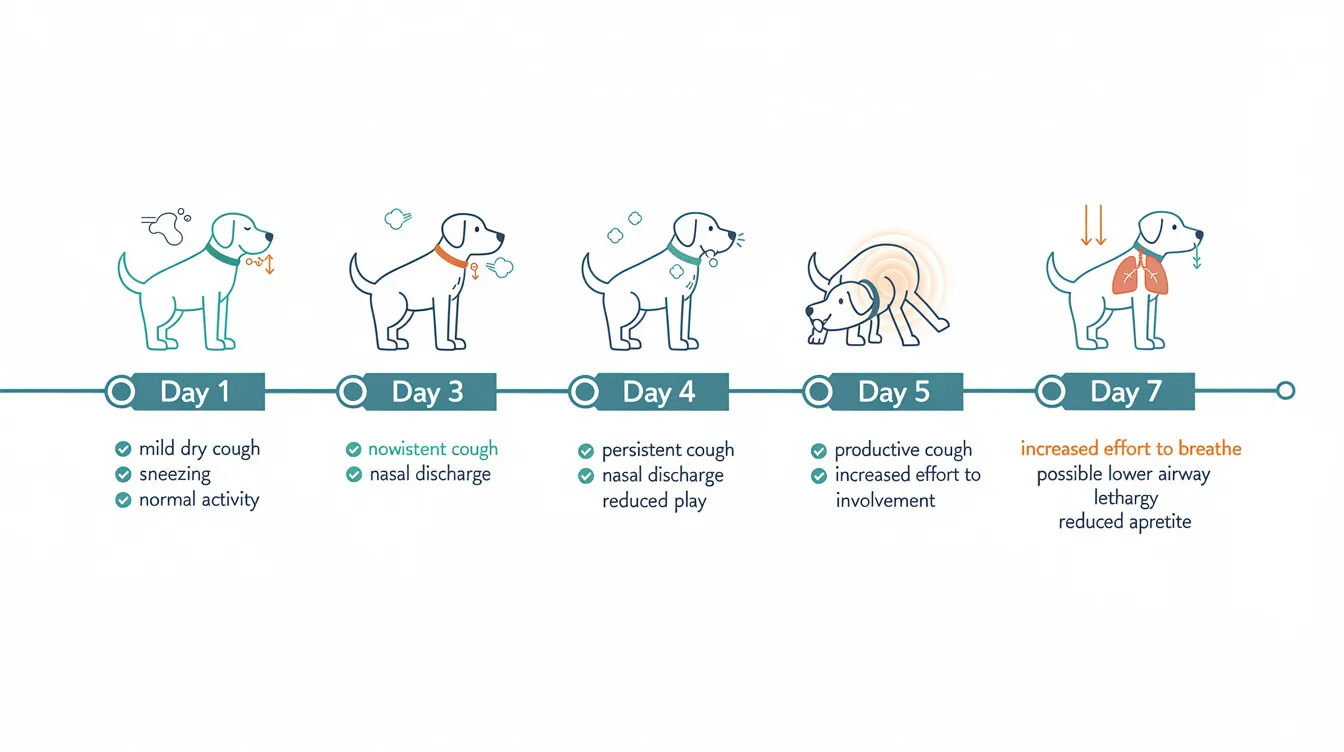
For uncomplicated kennel cough or mild canine infectious respiratory disease, symptoms typically peak around days three to five. Symptoms include coughing lasting more than a few days. Most dogs begin improving by days seven to ten if no secondary complications develop. Dogs may show trouble breathing during respiratory infections as the disease progresses.
Severe Symptoms Requiring Immediate Care
Labored breathing is an emergency, not a symptom to watch overnight. Go to an emergency veterinary hospital for visible abdominal effort, an extended neck while trying to breathe, abnormal open-mouth breathing at rest, blue or gray gums, marked weakness, or collapse. Breathing trouble is not limited to infections; heart, airway, and other conditions can look similar.
Call ahead, minimize stress and handling, and keep the car comfortably cool during transport. Do not force food, water, pills, or a muzzle onto a dog struggling to breathe. Cornell explains how to recognize and respond to respiratory distress.
A dog breathing comfortably but coughing, sneezing, or having nasal discharge should still be discussed promptly with a veterinarian, especially with lethargy or reduced appetite. The sneezing and reverse-sneezing guide can help describe what you are observing, but it does not replace an examination.
Diagnosis and Veterinary Evaluation
Contact your veterinarian promptly when respiratory signs appear, rather than waiting a fixed number of days. Tell the clinic about boarding, daycare, travel, vaccination history, exposure to sick dogs, and any change in breathing effort. The examination guides whether chest imaging, blood work, or infectious-disease testing is appropriate.
Diagnostic Procedures and Tests
A comprehensive veterinary evaluation of canine respiratory illness typically includes:
- Physical examination: The veterinarian assesses the respiratory system by listening for abnormal lung sounds (crackles, wheezes), examining nasal discharge, checking oral cavities and throat, measuring temperature, heart rate, and respiratory rate. Hydration and systemic signs are evaluated simultaneously.
- Chest X-rays: Crucial for distinguishing URT from LRT infections. Chest x rays reveal lung patterns – bronchial, interstitial, or alveolar infiltrates – and identify complications like pleural effusion. Imaging is typically recommended when breathing is labored or coughing persists beyond several days.
- Nasal or throat swabs: Oropharyngeal swabs analyzed via PCR testing or culture identify specific viral and bacterial pathogens. In severe cases, tracheal wash or bronchoalveolar lavage provides samples directly from the lower airways. Lab testing through PCR panels can detect parainfluenza, influenza A, distemper, adenovirus, Bordetella, and Streptococcus zooepidemicus.
- Blood tests: Complete Blood Count (CBC) assesses infection markers like elevated white blood cells. Chemistry panels evaluate organ function, hydration, and electrolyte balance. Blood tests provide a systemic picture that complements respiratory-specific diagnostic tests.
Diagnostic Method Comparison
Choosing the right test depends on the dog’s symptoms, severity, and clinical context. The following comparison outlines options typically available in Florida veterinary practices:
Diagnostic Method | Accuracy / Sensitivity | Timeframe for Results | Approximate Cost |
|---|---|---|---|
PCR Respiratory Panel (viral + bacterial agents) | High sensitivity for known agents; detects multiple pathogens simultaneously including viruses and bacteria | 1–3 business days; sometimes same-day for urgent panels | $130–$170 for standard respiratory panel |
Bacterial Culture and Sensitivity | Excellent for guiding antibiotic selection; mixed infections may complicate interpretation | 2–5 days for culture; sensitivity testing may require additional time | $10–$50 per specimen, plus ~$35 for sensitivity panels |
Rapid Antigen Tests (in-clinic, e.g., Bordetella) | Lower sensitivity; useful for quick clinical decisions but higher false-negative rate | Minutes to a few hours | $30–$80, clinic-dependent |
Chest Radiographs (X-rays) | Excellent for assessing lung involvement and ruling out complications; cannot identify specific pathogen | Same day if clinic has radiology equipment | Several hundred dollars; varies by facility |
Blood Work (CBC / Chemistry) | Assesses systemic infection, organ function, dehydration; supports but doesn’t replace pathogen-specific testing | Same day to next day | $80–$350 depending on panel scope |
PCR testing is most appropriate when identifying the specific infectious agent matters for treatment planning and isolation decisions. Bacterial culture and sensitivity becomes critical when bacterial pneumonia is suspected and antibiotic resistance is a concern. Rapid antigen tests serve best as screening tools for quick triage. In severe cases, multiple diagnostic methods are combined for a complete picture.
Treatment Approaches and Medical Management
Treatment of canine respiratory illness follows an evidence-based approach scaled to disease severity. Mild upper respiratory infections may respond to supportive treatment at home, while severe disease – particularly bacterial pneumonia and cases with severe respiratory distress – requires aggressive veterinary medicine interventions.
Supportive Care Methods
For mild cases confirmed by a veterinarian to be safe for home management, the following step-by-step care protocol supports recovery:
- Rest and isolation: Keep the sick dog separated from other dogs in the household. Restrict exercise and excitement to reduce respiratory demand. Limit the dog’s exposure to shared spaces.
- Humidification: Providing a supportive environment for a dog with a respiratory illness includes using humidifiers and reducing irritants. Air conditioning can dry indoor air. A humidifier, or 10 to 15 minutes in a steamy bathroom, can help moisten irritated airways.
- Hydration: Offer clean, fresh water constantly. Moist or wet food encourages fluid intake. Keep shared food and water bowls clean to prevent disease spread.
- Nutrition: Provide small, appetizing, easily digestible meals. Warming food slightly can increase aroma and appeal for dogs with decreased appetite.
- Environmental control: Remove irritants such as cigarette smoke, strong cleaning agents, and dust. Use air purifiers to maintain clean air for respiratory health. Reduce allergen exposure by cleaning bedding frequently.
Most dogs with uncomplicated upper respiratory infections begin showing improvement within five to seven days of supportive care. Dogs recover at different rates depending on age, immune function, and the specific pathogen involved.
Medical Interventions
Treatment depends on the diagnosis and severity. A veterinarian may recommend supportive care, prescription treatment when indicated, or hospitalization and oxygen support for a dog with breathing difficulty. Do not start leftover antibiotics, human cough or cold medicines, or another pet’s prescription.
Ask what improvement to expect, which side effects to report, and when to recheck. Do not increase, combine, or stop medicines on your own; if an adverse reaction is suspected, call the prescribing clinic promptly for instructions. The Cornell respiratory disease guidance recommends early veterinary care rather than waiting for symptoms to worsen.
Common Challenges and Solutions
Even with appropriate treatment, several practical obstacles can complicate recovery from canine respiratory illness. Addressing these proactively helps ensure the best outcome for sick dogs.
Dog Refusing Medications
Many canine patients resist oral medications, especially during illness when appetite is suppressed. Practical techniques include:
- Hiding pills in strong-smelling foods like cheese, peanut butter, or commercial pill pockets
- Crushing medications (when pharmacologically appropriate) and mixing into wet food
- Requesting compounded, flavor-masked formulations from the veterinary pharmacy
- Timing doses with meals to increase acceptance
- Using positive reinforcement consistently before, during, and after administration
For dogs that absolutely refuse oral medications, nebulization – where medication is delivered as a mist directly into the airways – offers an alternative for some treatments.
Persistent Coughing Despite Treatment
If coughing continues beyond the expected recovery window of seven to fourteen days for URT infections, or worsens at any point, contact your veterinarian for reassessment. Persistent symptoms may indicate:
- Secondary bacterial infection developing after initial viral illness
- Antibiotic-resistant organisms requiring culture-guided medication changes
- Undiagnosed lower respiratory tract involvement requiring chest x rays
- Environmental irritants (allergens, mold, smoke) perpetuating airway inflammation
Environmental modifications – such as enhanced air filtration, humidity adjustment, and removal of chemical irritants – should accompany any medication change.
Preventing Spread to Other Pets
Keep a dog with suspected infectious respiratory illness away from other dogs while you seek veterinary advice. Skip daycare, boarding, dog parks, grooming appointments, and group training until your veterinarian advises that return is appropriate. Call before arrival at the clinic so staff can arrange safe entry.
- Use separate bowls, bedding, and toys where possible.
- Wash hands after handling the sick dog and before handling other pets.
- Clean shared surfaces with an appropriate pet-safe product according to its label, keeping animals away until it is safe.
- Ask your veterinarian how long separation is needed. There is no universal isolation interval for every respiratory infection.
These precautions reflect Cornell’s guidance on respiratory-disease spread. Vaccination recommendations and return-to-group timing should be individualized.
Prevention and Long-term Respiratory Health
Prevention is consistently more effective and less expensive than treatment. A layered prevention strategy addresses both infectious agents and environmental risks.
Vaccination recommendations:
Vaccinations for Bordetella, Parainfluenza, and Canine Influenza can help prevent respiratory illnesses. Vaccinate dogs against kennel cough to prevent infection, and vaccinate puppies to build immunity against respiratory diseases.
- Core vaccines (AAHA guidelines): The DA2PP combination vaccine covers distemper, canine adenovirus type 2, parainfluenza, and parvovirus. Puppies receive initial doses starting around six weeks of age, with boosters every two to four weeks until sixteen weeks old. Adult revaccination follows every three years for most core antigens.
- Non-core respiratory vaccines: Dogs with increased risk from boarding facilities, dog parks, grooming facilities, or shelter exposure should receive Bordetella bronchiseptica vaccine (intranasal or oral formulations provide mucosal immunity within three to seven days – faster onset than injectable) and canine influenza vaccines (H3N2/H3N8). Annual boosters are recommended for dogs with ongoing exposure.
- Shelter protocols: Many shelters, following University of Florida shelter medicine guidance, give intranasal Bordetella/parainfluenza vaccine to dogs four weeks and older at intake, followed by DAPP vaccine, with puppies revaccinated every two weeks until about four to five months old.
Environmental management in humid climates:
- Control indoor humidity levels with dehumidifiers or air conditioning
- Ensure adequate ventilation in kennels, crates, and indoor spaces
- Remove standing water to reduce mold and mildew
- Limit dog’s exposure during high-pollen or high-pollution days
- Clean dog gear, bedding, and feeding equipment frequently
Lifestyle factors supporting respiratory health:
- Maintain healthy body weight to reduce respiratory strain
- Provide balanced nutrition supporting immune system function
- Minimize stress from overcrowding, loud environments, or abrupt routine changes
- Limit exposure to crowded places to reduce infection risk
- Schedule annual wellness exams (biannual for senior dogs) with up-to-date dog’s vaccinations
- Regular health monitoring allows early detection of respiratory changes before they progress to clinical disease
Recovery Timeline and Monitoring
Recovery depends on the diagnosis, severity, and individual dog. Ask your veterinarian what improvement to expect, when to recheck, and whether repeat imaging or tests are needed. Do not extend or change medication based on a generic recovery chart.
- Track breathing effort at rest, cough frequency, appetite, and energy.
- Contact the clinic promptly if signs worsen, appetite drops, or improvement does not match the agreed plan.
- Go to emergency care for labored breathing, blue or gray gums, marked weakness, or collapse, even after earlier improvement.
For puppies, see sleeping breathing versus signs of respiratory distress. Cornell’s distress guidance explains why breathing effort matters.
Key Points and Next Steps
Respiratory illness in dogs ranges from a mild nuisance to a life-threatening emergency, and the outcome depends largely on how quickly pet owners recognize symptoms and respond appropriately. Understanding the difference between upper and lower respiratory tract infections, knowing when similar symptoms warrant urgent veterinary care, and maintaining a proactive prevention plan are the most impactful steps any dog owner can take.
Immediate action steps:
- Monitor your dog’s symptoms – track cough frequency, nasal discharge character, breathing effort, appetite, and energy daily during any respiratory illness
- Verify your dog’s vaccinations are current, including non-core vaccines for Bordetella and canine influenza if your dog frequents boarding kennels, grooming salons, or dog parks
- Create an emergency plan: know where your nearest 24-hour emergency veterinary hospital is and know the red-flag symptoms that need immediate care
Frequently Asked Questions
Can respiratory illness spread from dogs to humans? Generally, no. Most canine respiratory viruses, including canine influenza and canine parainfluenza virus, do not infect humans. Bordetella bronchiseptica poses an extremely low risk to healthy adults but could theoretically affect severely immunocompromised individuals. Standard hygiene practices – handwashing after handling sick dogs – provide adequate protection.
How long should I isolate my dog with respiratory symptoms? Keep your dog away from other dogs and ask your veterinarian for a diagnosis-specific plan. Different infections have different contagious periods, and improvement in symptoms does not by itself establish that contact is safe.
Is kennel cough the same as respiratory illness? Kennel cough is one type of canine respiratory illness – specifically, it refers to the canine infectious respiratory disease complex (CIRDC), which involves multiple viral and bacterial pathogens. It is primarily an upper respiratory infection. Other respiratory illnesses, such as bacterial pneumonia, fungal infections, and severe influenza, fall under the broader respiratory disease category but differ significantly in severity and treatment.
What home remedies are safe for dogs with breathing problems? Difficulty breathing needs emergency care, not steam treatment or a trial of home remedies. Keep your dog calm and comfortably cool while arranging transport. For a dog breathing comfortably, ask your veterinarian what supportive care is appropriate. Never give human cough or cold medicine without advice. See Cornell’s emergency breathing guidance.
When can my dog return to daycare or dog parks after illness? Wait for your veterinarian’s guidance and check the facility’s return policy. There is no single symptom-free interval that applies to every respiratory illness.
How do vaccines fit into prevention? Keep routine vaccinations current and ask your veterinarian whether Bordetella or canine influenza vaccination is appropriate for your dog’s activities and exposure. Vaccination does not replace prompt assessment of a sick dog or precautions around other animals.
What exposure information should I tell my veterinarian? Mention recent travel, boarding, daycare, grooming, dog-park visits, contact with coughing dogs, and exposure to smoke or other airway irritants. Your dog’s actual history is more useful than assuming humidity identifies the cause.
Does a cough mean my dog has a new or unusual respiratory disease? No. Similar signs can have many causes, and an older outbreak report cannot diagnose a current illness or establish a current local outbreak. Contact your veterinarian promptly, mention recent dog-to-dog exposures, and avoid group settings while your dog is ill. Cornell’s respiratory-disease resource provides general precautions and explains its investigation.
Additional Resources
- Emergency contacts: keep your regular veterinarian’s number and the nearest 24-hour emergency hospital saved in your phone
- Low-cost vaccines: many veterinary practices and community groups offer low-cost vaccine clinics. Ask your veterinarian about Bordetella, canine influenza, and core vaccine boosters
Veterinary educational resources support this article. Source type and publication date should be considered when interpreting older outbreak reports.
- AAHA 2022 Canine Vaccination Guidelines – Recommendations for core and noncore canine vaccines
- University of Florida Small Animal Hospital – Information about mysterious respiratory illness in dogs (2023)
- ISCAID Antimicrobial Use Guidelines for Treatment of Respiratory Tract Disease in Dogs and Cats (Journal of Veterinary Internal Medicine)
- University of Florida Shelter Medicine Program – Canine Respiratory Infections in Shelters protocols
- PetMD – Dog Pneumonia: Causes, Symptoms, and Treatment
Early recognition of symptoms, prompt veterinary evaluation, and consistent preventive care — vaccination, good ventilation, and avoiding known outbreak settings such as boarding facilities — give dogs the best chance at a fast, full recovery.
Reviewed by Roger Hart, DVM, a Florida-licensed veterinarian with more than two decades of companion-animal clinical experience. This article is general education and does not replace an examination by your own veterinarian.