Diagnostics
-
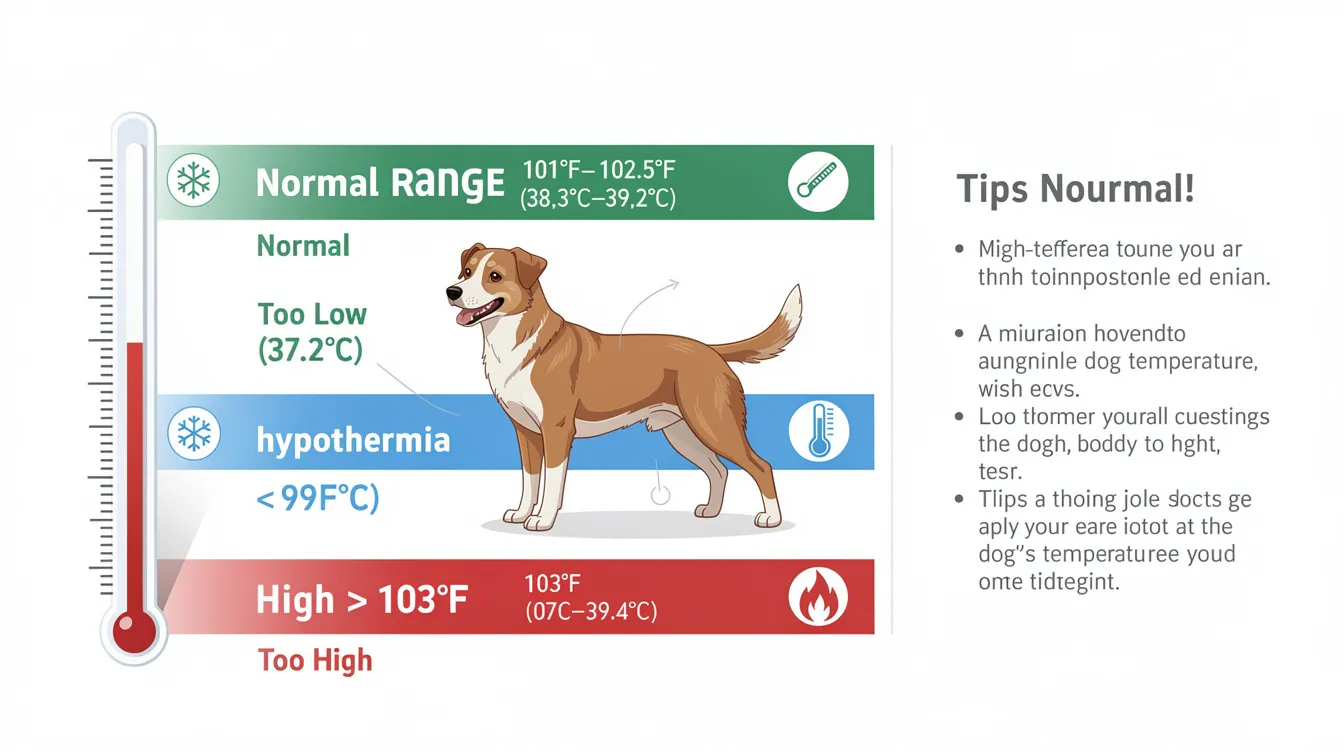
How Do I Know If My Dog Has a Fever? Signs, Temperature, and When to Worry
You can identify if your dog has a fever by watching for behavioral changes like lethargy and loss of appetite, then confirming with a digital rectal thermometer. A dog’s normal temperature ranges from 101° to 102.5°F, and a temperature above 103°F is considered a fever in dogs. Combining symptoms helps in identifying if a dog…
-

How Do You Tell If a Cat Is in Pain?
Cats are experts at hiding pain to protect themselves from predators, making it difficult to tell if your cat is hurting. This guide walks you through the signs of pain in cats, including when a cat is in pain, so you can act quickly and help your cat feel better. When you notice any signs,…
-
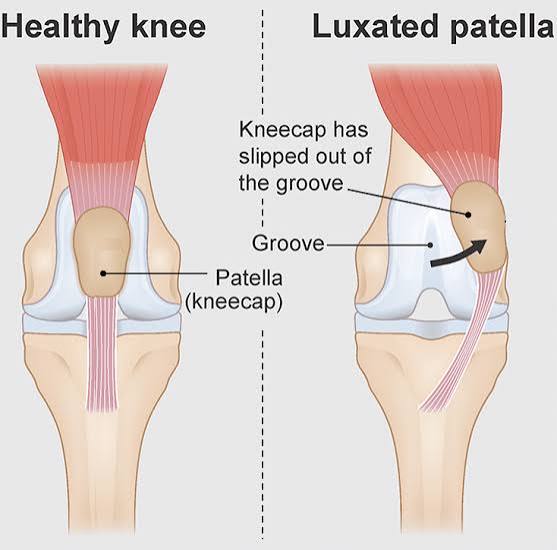
Patellar Luxation in Dogs: Complete Guide to Diagnosis and Treatment.
A dog that suddenly carries a back leg for a few steps, then walks normally again, may have a luxating patella—a kneecap that slips out of its normal track. That skip is a classic sign, but it isn’t a diagnosis on its own. A veterinary exam can determine whether the knee is unstable and rule…
-
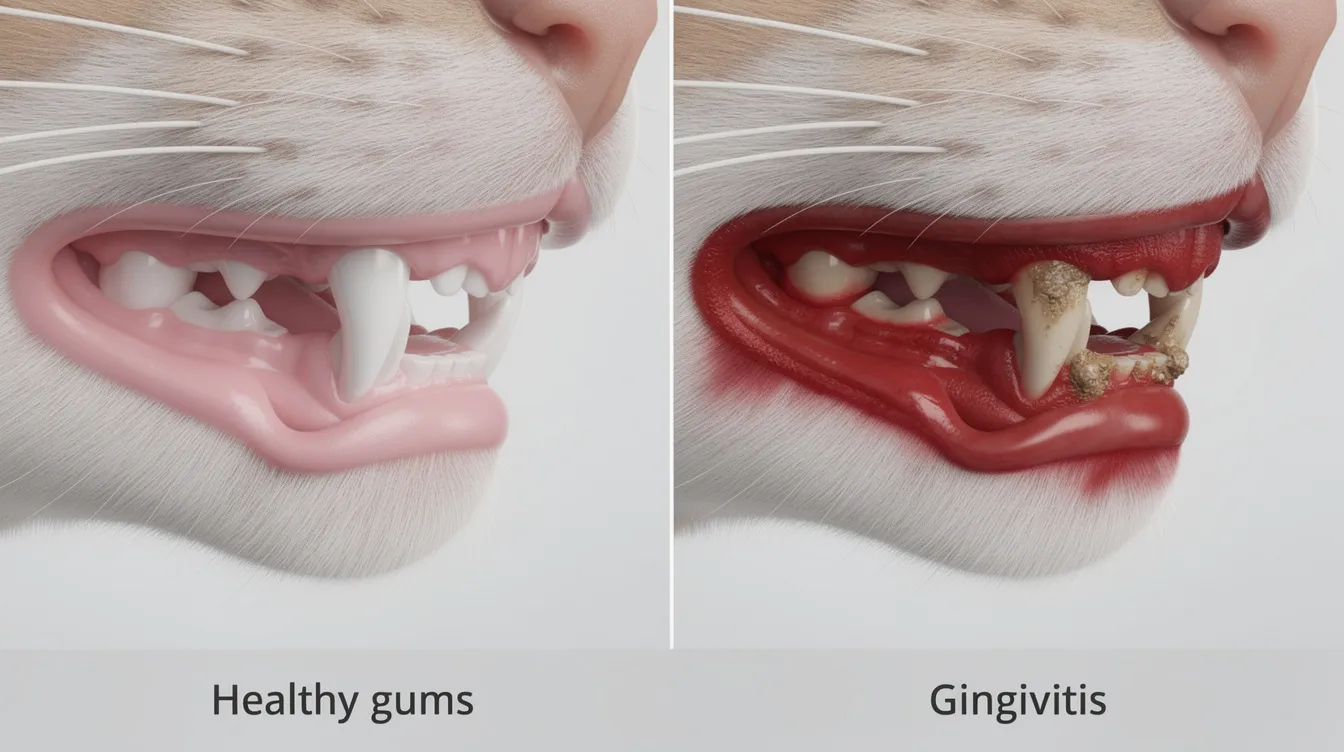
Cat Dental Disease: Signs, Treatment, and Prevention
Dental disease is one of the most common health problems in cats, yet it remains one of the most underdiagnosed. An estimated 50–90% of cats over 4 years old have dental disease, and about 70% of cats develop periodontal disease by age three. Many affected cats keep eating and hide mouth pain, so owners often…
-
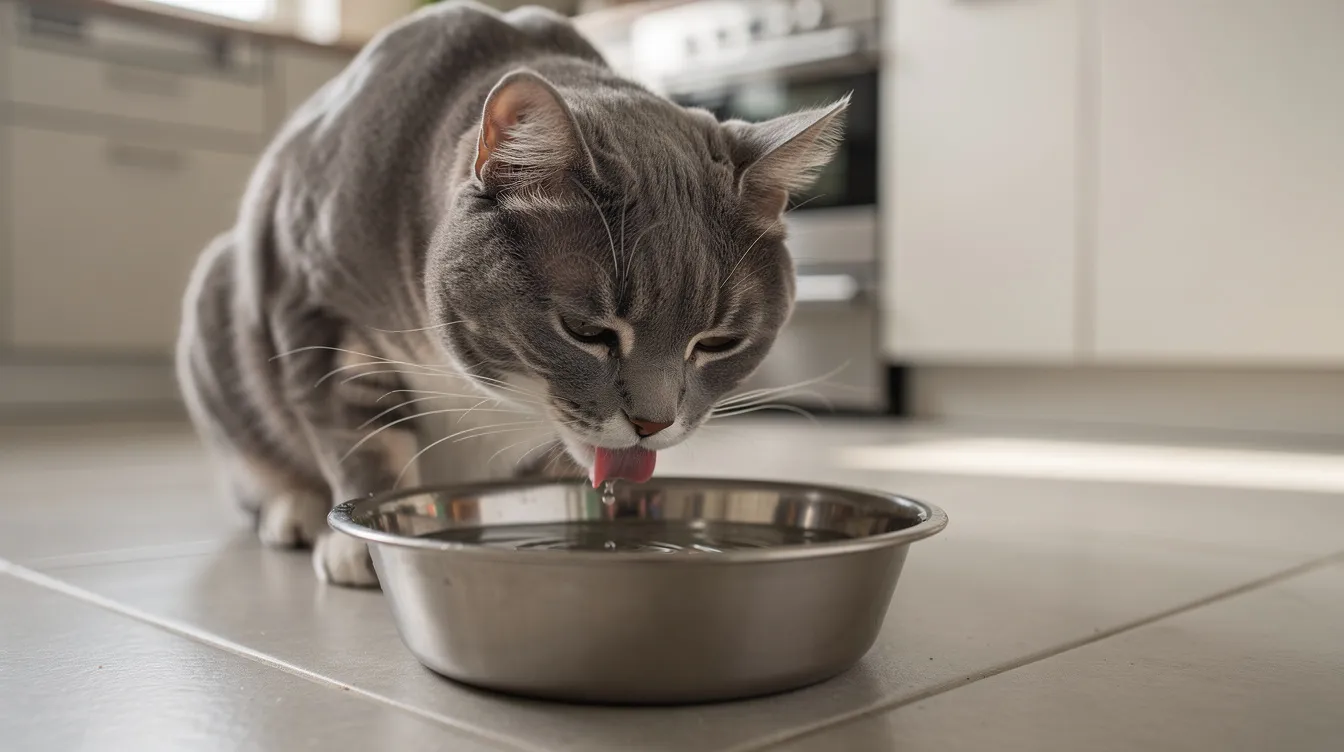
Cat Diabetes: Complete Guide to Feline Diabetes Mellitus Management
Introduction Cat diabetes affects an estimated 1 in 100 cats during their lifetime, making feline diabetes the second most common endocrine disease in cats. This comprehensive guide to diabetes mellitus in cats covers everything from recognizing the earliest clinical signs of cat diabetes to achieving long-term glycemic control and even potential remission. This guide focuses…
-

Old Cat Health Problems: A Veterinarian’s Guide to Senior Feline Care
Introduction Old cats face a predictable set of health problems, commonly referred to as old cat health problems, that become significantly more common once they cross into their senior years. Chronic kidney disease, arthritis, hyperthyroidism, dental disease, diabetes mellitus, and cancer represent the six conditions veterinarians diagnose most frequently in aging cats. Cats are considered…
-
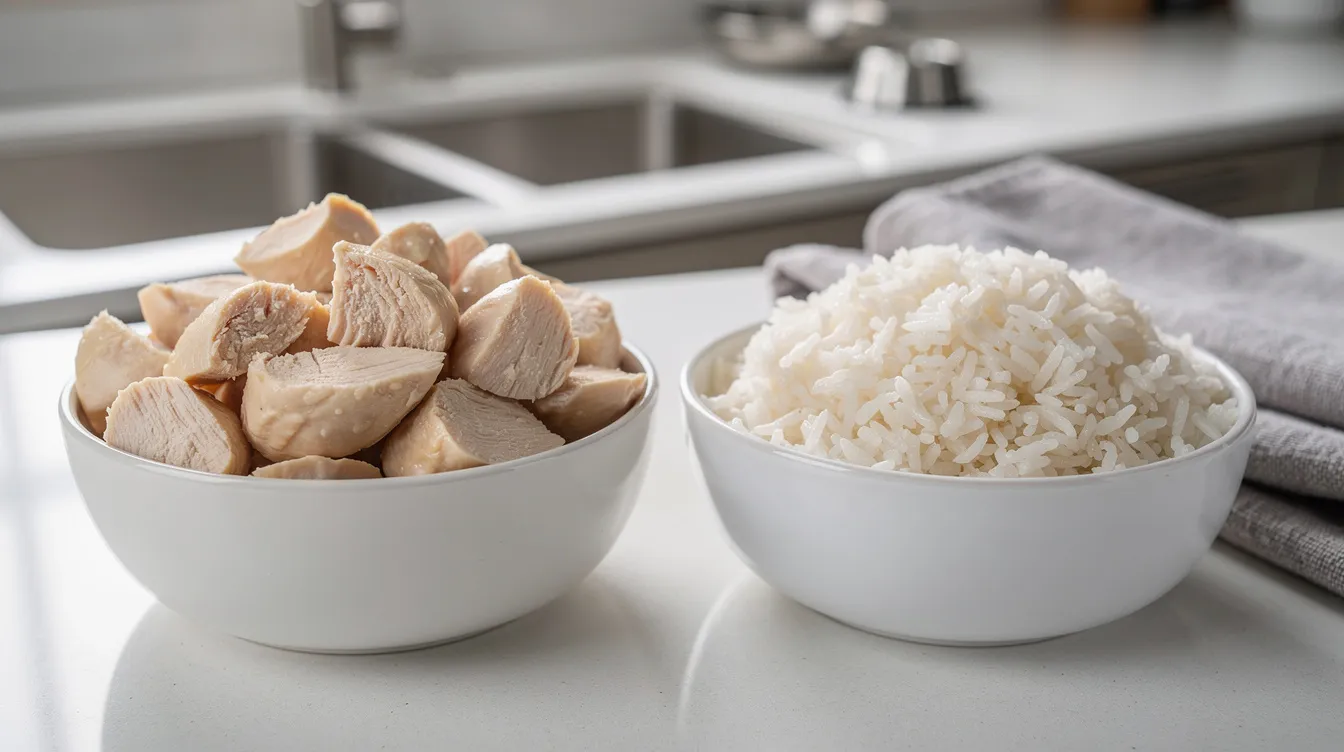
Best Food for a Vomiting Dog: Bland Diet and Feeding Schedule
Bland, easily digestible foods like boiled chicken and white rice are the safest options for dogs recovering from acute vomiting. These gentle foods minimize irritation to an already inflamed digestive system while providing the calories and nutrients your pet needs to heal. This article covers which foods to offer, when to start feeding, portion sizes…
-
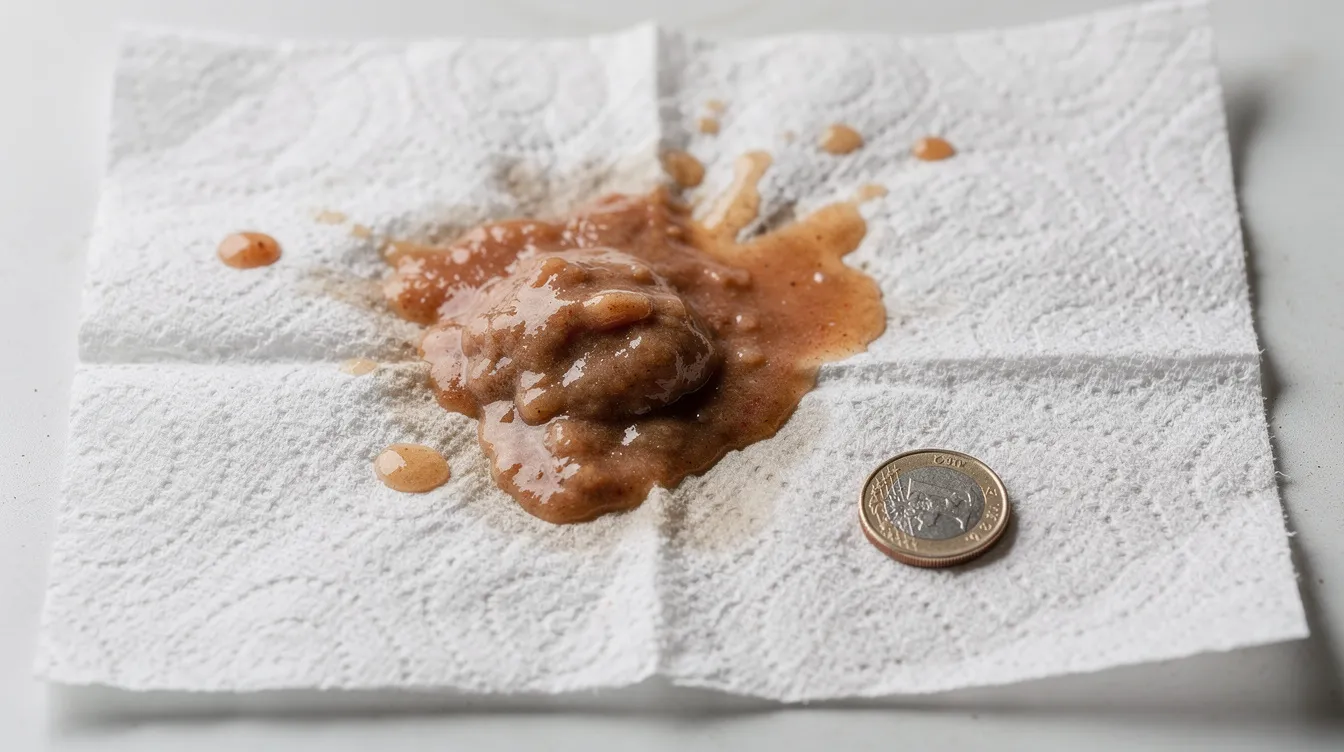
Why Is My Dog’s Vomit Brown? A Complete Guide to Brown Dog Vomit
Reviewed by Dr. Roger Hart, DVM Introduction Brown dog vomit is one of the most common – and most confusing – things pet parents encounter. It can mean something as simple as your dog throwing up partially digested food, or it can signal a medical emergency like internal bleeding in the digestive tract. The shade,…
-
Dog is Dry Heaving: Emergency Signs, Causes, and When to Seek Immediate Care
Introduction Dog dry heaving—also known as non-productive retching—is the act of forceful gagging and abdominal contractions that mimic vomiting but produce little to no stomach contents. When your dog keeps dry heaving, it can signal anything from mild throat irritation to a life-threatening veterinary emergency like bloat (gastric dilatation-volvulus). As a veterinarian, I’ve seen cases…
-
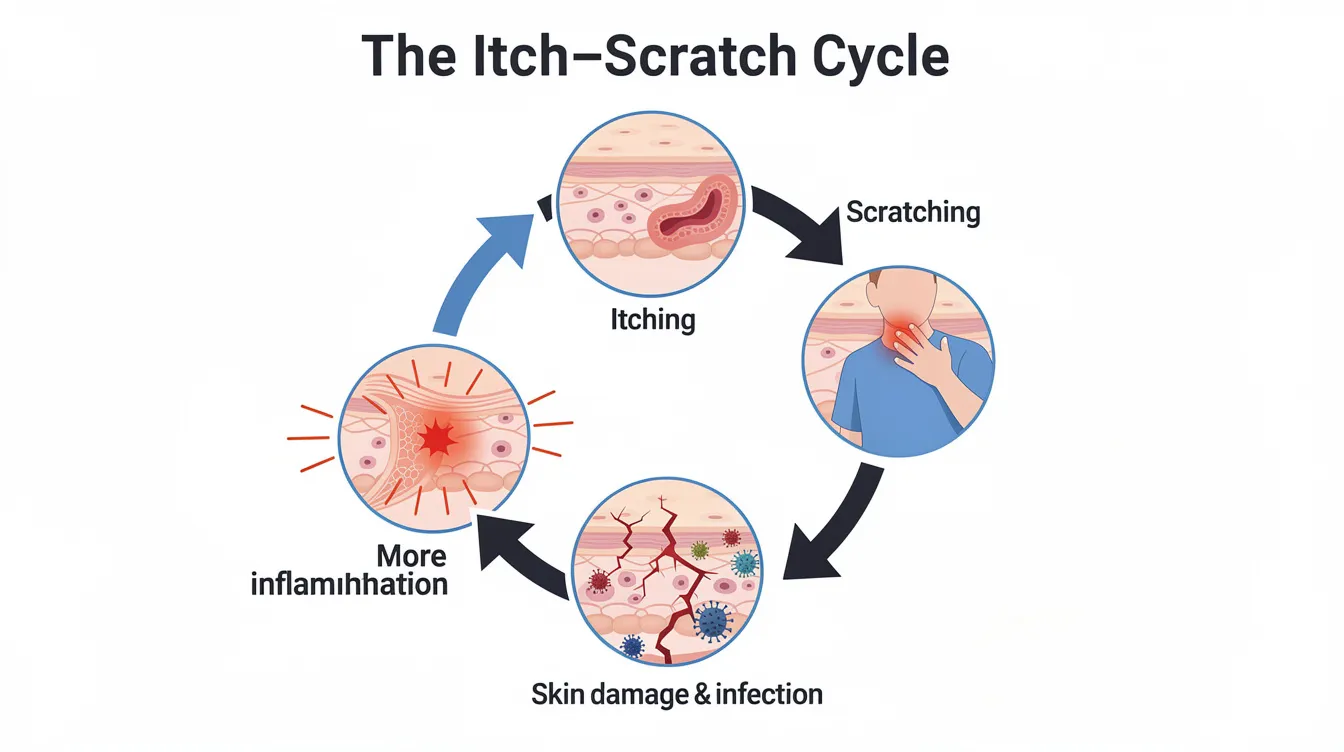
Dog Itching: Complete Guide to Causes, Treatment, and Relief Solutions
Reviewed by Dr. Roger Hart DVM, Central Florida Veterinarian Introduction Itchy skin is one of the most common reasons dogs visit the veterinarian, and persistent itching can dramatically reduce your pet’s quality of life. Whether your dog is scratching nonstop at 3 a.m. or constantly licking its paws raw, figuring out what’s driving the discomfort…