Reviewed by Dr. Roger Hart DVM, Central Florida Veterinarian
Introduction
Itchy skin is one of the most common reasons dogs visit the veterinarian, and persistent itching can dramatically reduce your pet’s quality of life. Whether your dog is scratching nonstop at 3 a.m. or constantly licking its paws raw, figuring out what’s driving the discomfort is the first step toward lasting relief. Veterinarians see cases of canine pruritus daily, and most of it is highly treatable once properly diagnosed.
This guide covers the full spectrum of causes of itching in dogs, from environmental allergies and parasites to food allergies and skin infections. It walks through modern diagnostic procedures, compares the latest prescription medications including Apoquel, Zenrelia, and Numelvi, and provides practical home management strategies you can start today. While it addresses both mild and severe cases, this guide is not a substitute for veterinary care-especially when itching is persistent or accompanied by open sores, hair loss, or behavioral changes.
Dog itching typically results from allergies (environmental or food-related), parasites like fleas and mites, bacterial and fungal infections, or chronic skin conditions such as atopic dermatitis. Treatment ranges from home remedies like oatmeal baths and omega-3 supplements to prescription medications like Apoquel, Zenrelia, and Numelvi, depending on severity and underlying cause.
Recognizing the signs early – and knowing which category they point to – is what makes effective treatment possible.
By the end of this article, you will:
- Recognize the most common causes of itching in dogs and their distinguishing signs
- Understand how veterinarians diagnose skin disease in dogs
- Compare modern treatment options including three JAK inhibitor medications
- Learn effective home management techniques to control itching and support skin health
- Know when your dog’s itchiness requires immediate professional attention
Understanding Canine Pruritus
Pruritus is the medical term for excessive itching in dogs-defined by the Merck Veterinary Manual as an unpleasant cutaneous sensation that provokes the desire to scratch, bite, or lick the skin. Crucially, pruritus in dogs is not a disease itself but a clinical sign pointing to an underlying condition that needs identification and treatment.
Normal grooming behavior includes occasional scratching, brief licking of paws, or periodic ear rubbing. Abnormal itching is persistent, intense, and disruptive-it interferes with sleep, produces raw or inflamed skin, causes hair loss, and may generate a noticeable odor. The distinction matters because many dogs experience itchy skin that owners initially dismiss as routine grooming until secondary complications develop.
The integrity of a dog’s skin barrier and immune system function are key moderators of pruritus. When the skin barrier is compromised-whether by dry skin, allergic inflammation, or parasitic damage-allergens and microorganisms penetrate more easily, triggering amplified immune responses that make the itching worse.
The Itch-Scratch Cycle
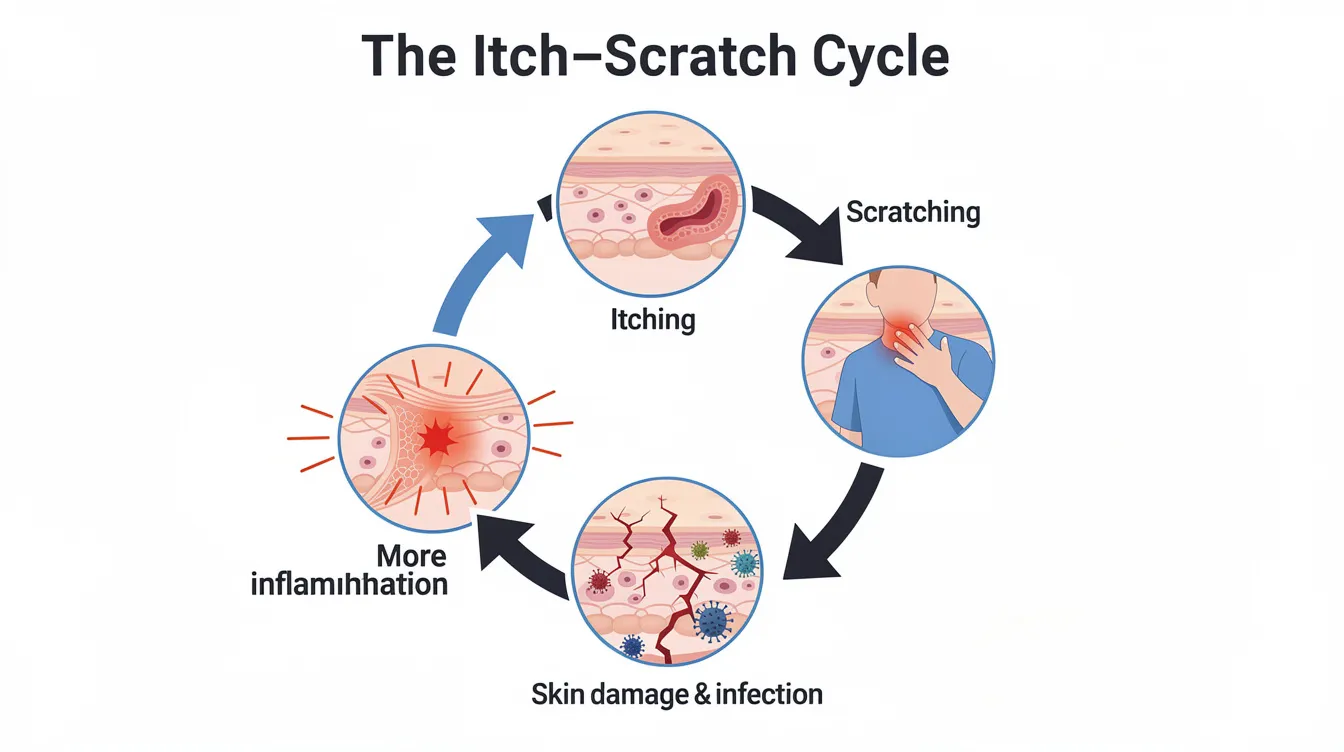
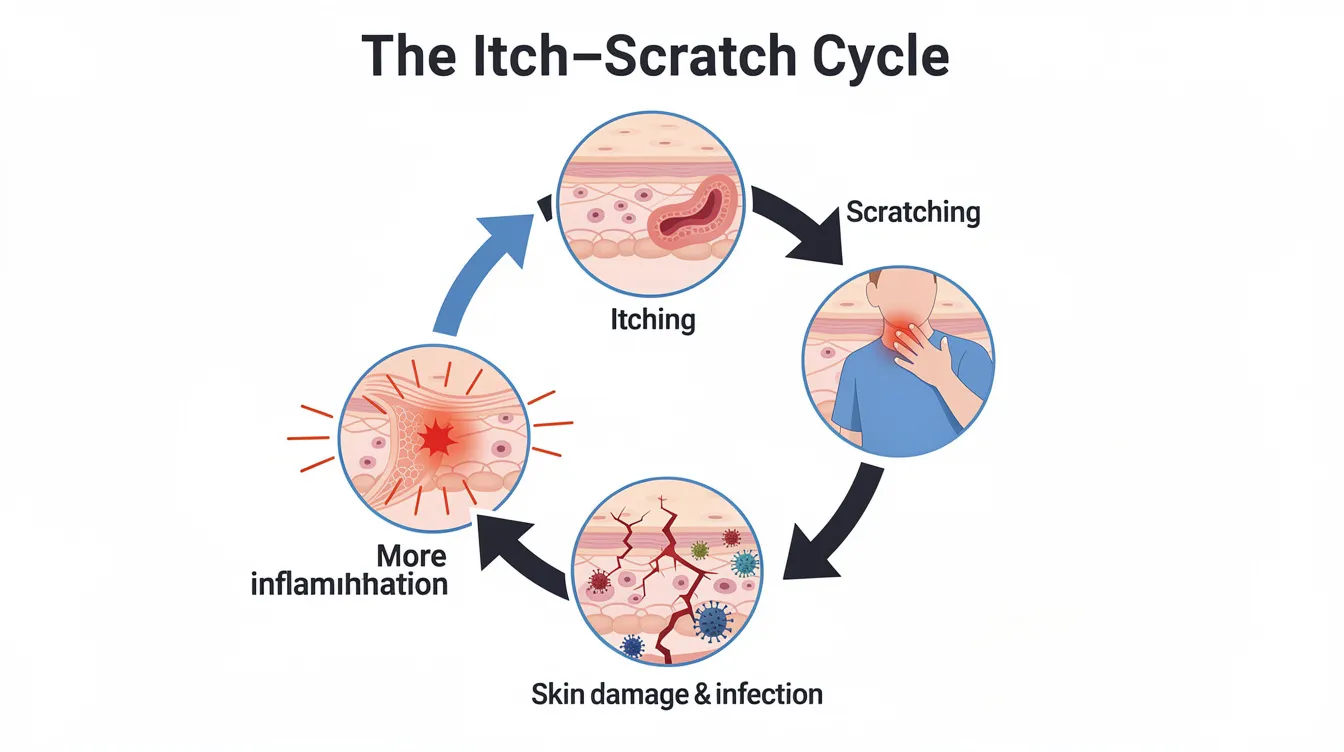
One of the most important concepts in understanding dog scratching is the itch-scratch cycle. Once pruritus begins, scratching and constant licking cause microtrauma to the skin: tiny breaks in the epidermis, localized inflammation, and fluid exudation. This damage intensifies the immune response, recruiting more inflammatory mediators and further weakening the skin barrier.
According to Cornell University’s Riney Canine Health Center, secondary infections with bacteria (Staphylococcus species) and yeast (Malassezia) frequently develop in damaged skin, and these infections themselves intensify itching-creating a self-perpetuating loop. Skin infections can develop from excessive scratching, turning a mild itch into a serious dermatological problem requiring multi-layered treatment.
Without intervention to break this cycle through appropriate treatment and barrier support, dogs often develop pigmentation changes, thickened leathery skin (lichenification), significant hair loss, and chronic discomfort.
Impact on Quality of Life
An extremely itchy dog is a miserable dog. Severe itching disrupts sleep patterns, reduces appetite, increases anxiety and irritability, and can fundamentally alter a dog’s personality and behavior. Dogs with chronic pruritus may become withdrawn, aggressive when touched in affected areas, or obsessively focused on licking and chewing their skin to the exclusion of normal activities.
The impact extends to owners as well. Watching a beloved pet suffer, dealing with nighttime scratching that disrupts household sleep, managing recurring veterinary visits, and facing escalating costs all create significant stress. Allergies can cause symptoms like red paws and frequent ear infections-problems that sometimes lead owners to suspect behavioral issues when the real culprit is untreated skin irritation.
This is precisely why identifying the underlying cause of your dog’s itchiness matters so much. Treating the symptom without addressing the root problem leads to frustration, recurring flare-ups, and unnecessary suffering.
Common Causes of Dog Itching
Environmental allergies and parasites top the list, but the full range of triggers extends well beyond those two categories. Many dogs suffer from multiple overlapping conditions at once – for example, a dog with atopic dermatitis may also have flea allergy dermatitis and a secondary yeast infection, each adding to the overall itch burden. Sorting out these categories helps you and your veterinarian narrow the differential diagnosis efficiently.
Environmental Allergies
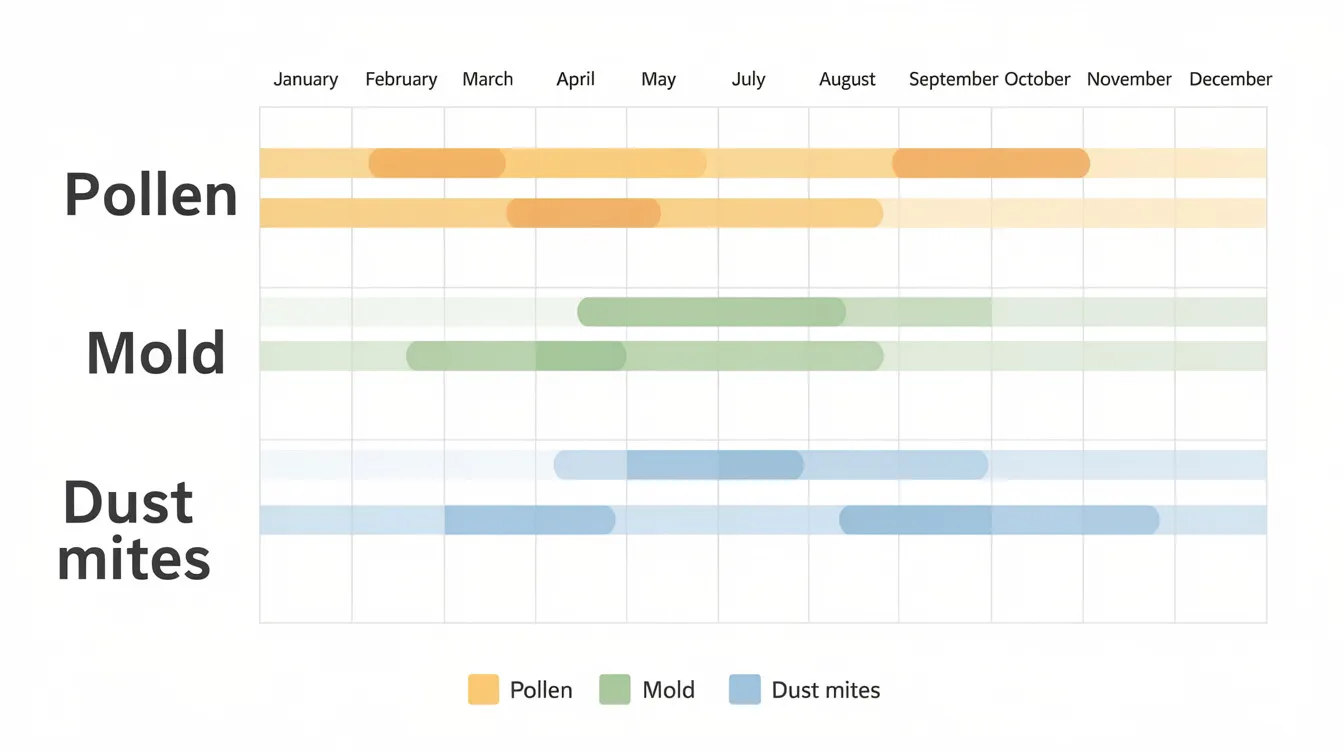
Environmental allergies rank among the top causes of chronic scratching. Atopic dermatitis – the most common form of environmental skin allergy – affects approximately 10–15% of the canine population, according to Cornell University’s veterinary medicine resources. This allergic skin disease develops when a dog’s immune system overreacts to airborne triggers such as pollen, dust mites, and mold spores.
Signs typically first appear between 6 months and 3 years of age, and certain dog breeds are genetically predisposed, including Labrador Retrievers, Golden Retrievers, West Highland White Terriers, Bulldogs, Boxers, Pit Bulls, and Shih Tzus. Affected areas commonly include the dog’s paws, ears, face, armpits, groin, and belly.
For Central Florida pet owners, environmental allergies present a particular challenge. The region’s hot, humid climate and long growing seasons drive persistent populations of mold, dust mites, and pollen from grasses like Bermuda and Bahia, as well as trees including oak, pine, and cypress. What many regions experience as seasonal allergies often extends year-round in Florida, meaning dogs in the Central Florida area and surrounding communities may never get a true “break” from allergen exposure.
Food Allergies and Sensitivities
Food allergies can lead to chronic skin irritation in dogs, accounting for approximately 10% of dogs presenting with pruritus or allergic skin disease. The difference between a true food allergy (immunologic hypersensitivity) and food intolerance (non-immunologic) is important: a genuine food allergy is confirmed only through improvement on an elimination diet and relapse upon re-challenge with the suspected allergen.
Dogs may react to proteins like chicken or beef in food allergies-research indicates that approximately 15% of food-allergic dogs react to chicken, with beef, dairy, and grains also among common triggers, and about 4% reacting to egg. During food challenge testing after successful elimination diets, approximately 60.9% of dogs showed pruritus relapse within just 12 hours, with some reacting within 3–6 hours.
Food allergies can cause chronic skin irritation in dogs that looks virtually identical to environmental allergies, making a structured diet trial essential for proper diagnosis. A diet trial for food allergies lasts 8 to 12 weeks using either a novel protein source or a hydrolyzed protein diet, with strict avoidance of all treats, table scraps, and flavored medications during the trial period.
Parasitic Infestations
Fleas can cause severe itching in dogs-even a single flea bite can trigger an intense allergic response in sensitive animals. Flea allergic dermatitis is a reaction to the protein in flea saliva, and it remains one of the most frequent causes of skin irritation in dogs worldwide. Beyond fleas, other external parasites including ticks and microscopic mites (Sarcoptes, Demodex, Cheyletiella) frequently cause pruritus.
Mites can cause intense itching and hair loss in dogs. Sarcoptic mange produces extremely itchy, crusty lesions, while Demodex mites cause patchy hair loss and secondary infections. Insect bites and bug bites from mosquitoes, ants, and other arthropods can also trigger localized or generalized itching.
In Florida’s warm, humid climate, fleas and mites are active virtually year-round, making consistent flea prevention essential. Veterinarians recommend using broad-spectrum parasite preventives year-round for all dogs in Central Florida, rather than treating seasonally as might be sufficient in colder climates.
Skin Infections
Skin infections can worsen itching in dogs and are frequently both a consequence and a cause of pruritus. Bacterial infections (pyoderma), typically caused by Staphylococcus species, produce pustules, crusts, and discharge. Fungal infections, including yeast infections caused by Malassezia overgrowth, create greasy, malodorous, inflamed skin.
Signs of infection include hair loss, open sores, and foul odors. These infections most commonly develop secondary to other causes-a dog with untreated atopic dermatitis, for example, develops skin barrier damage that allows bacteria and yeast to proliferate. Medicated baths can treat bacterial or fungal skin infections, with chlorhexidine-based products effective against bacteria and miconazole-containing formulations targeting yeast.
Other less common causes of dog’s skin issues include contact dermatitis from chemicals or certain shampoos, endocrine disorders like hypothyroidism or Cushing’s disease, nutritional deficiencies, psychogenic licking from stress or boredom, and dry skin related to low humidity or poor nutrition. Each requires different diagnostic and treatment approaches.
Veterinary Diagnosis and Treatment Options
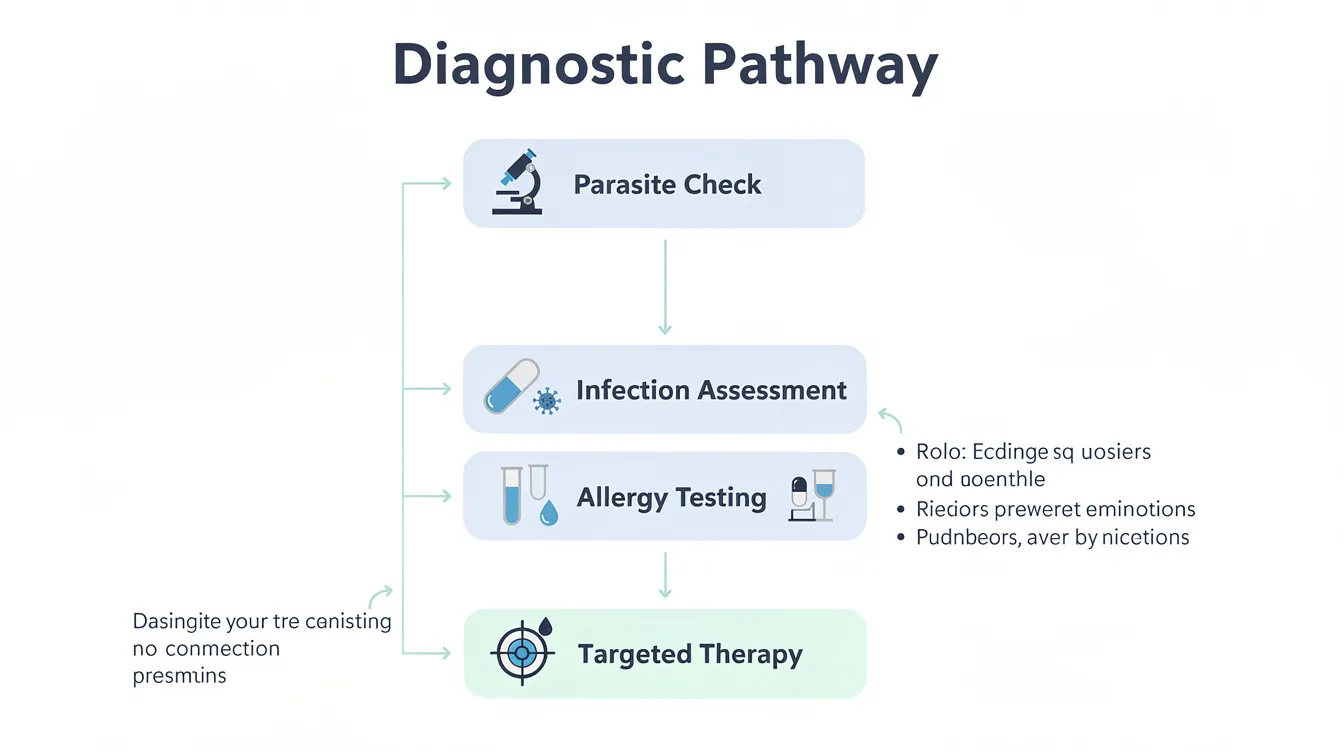
In general veterinary practice, veterinarians follow a systematic, stepwise diagnostic approach to identify why a dog is itching-because effective treatment depends entirely on accurate proper diagnosis. Many dogs with skin disease have multiple concurrent problems, and rushing to treat one cause while missing others leads to incomplete relief and owner frustration.
Diagnostic Procedures
Veterinary intervention is necessary for severe or persistent itching-visit a vet if itching lasts longer than a week, and seek immediate care for signs of anaphylaxis or severe allergic reaction including difficulty breathing, facial swelling, or collapse. Contact a vet if your dog has open sores from scratching, and know that hair loss or very red skin requires veterinary attention. Persistent intense scratching indicates a need for veterinary evaluation.
Here is how vets diagnose the underlying cause of your itchy dog’s discomfort:
- Physical examination and medical history: A thorough exam documents onset, seasonality, body areas affected, prior medications, food history, and current parasite prevention. The veterinarian examines the dog’s coat, ears, interdigital spaces, paws, face, ventral abdomen, and under the tail for evidence of fleas, flea dirt, mites, or infection.
- Skin scrapings and cytology: Skin scrapings detect mites including Sarcoptes and Demodex-deep or superficial scrapes depending on the suspected parasite. Impression smears and tape cytology identify bacteria and yeast on the skin surface, guiding initial treatment decisions.
- Allergy testing: For environmental allergies, intradermal skin testing or serum IgE blood tests identify specific triggers. For food allergies, an elimination diet trial (8–12 weeks) followed by controlled food challenge remains the gold standard-no blood test reliably diagnoses food allergies.
- Culture and sensitivity testing: When bacterial infections don’t respond to first-line antibiotics, culture identifies the specific organism and which antibiotics will be effective-increasingly important with antibiotic-resistant infections.
- Additional diagnostics: CBC, thyroid panels, and endocrine screening may be indicated when signs suggest systemic skin disease beyond simple allergies or parasites.
Modern Treatment Options
The landscape of prescription medications for canine pruritus has transformed dramatically in recent years. Three JAK inhibitor medications now offer targeted itch relief with different profiles suited to different clinical situations:
Feature | Apoquel (Oclacitinib) | Zenrelia (Ilunocitinib) | Numelvi (Atinvicitinib) |
|---|---|---|---|
Drug Class | First-generation JAK inhibitor (JAK1/JAK3) | Non-selective JAK inhibitor | Second-generation, highly selective JAK1 inhibitor |
Minimum Age | 12 months | 12 months | 6 months |
Dosing Schedule | Twice daily for 14 days, then once daily | Once daily | Once daily |
Onset of Action | 4–24 hours | Clinical improvement within days | As soon as 2–4 hours; >82% improved within 1 week |
Administration | Oral tablet | Oral tablet (4.8, 6.4, 8.5, 15 mg strengths) | Oral tablet (~0.8–1.2 mg/kg) |
Key Advantage | Longest track record; widely familiar to veterinarians | Once-daily simplicity; alternative when Apoquel fails | Fastest onset; suitable from 6 months; highest JAK1 selectivity |
Notable Caution | Not for dogs with serious infections; possible immune suppression with long-term use | Boxed warning: no vaccination 28 days before or after treatment | Long-term safety data still accumulating; cost may be higher |
Apoquel (oclacitinib) was the first JAK inhibitor approved for canine allergic dermatitis. It inhibits cytokines including IL-31 involved in itch and inflammation. Many dogs show noticeable itch reduction within 4–24 hours. The initial dose of 0.4–0.6 mg/kg is given twice daily for up to 14 days, transitioning to once-daily maintenance. It is not approved for dogs under 12 months and carries risks of immune suppression, potential for demodicosis, and possible increased infection or neoplasia risk with prolonged use.
Zenrelia (ilunocitinib) was FDA-approved in September 2024 as a new oral treatment for allergic skin conditions in dogs. Prescription medications like Zenrelia relieve itching from allergies with convenient once-daily dosing.
Numelvi (atinvicitinib) represents the latest advancement-a second-generation, highly selective JAK1 inhibitor with at least 10× selectivity for JAK1 over other JAK family members. This selectivity translates to targeted itch and inflammation control with potentially fewer systemic immune effects. Numelvi is approved for dogs as young as 6 months and weighing at least 2 kg, and clinical data show reductions in itching as soon as 2–4 hours, with more than 82% of dogs showing significant improvement within one week.
The choice between these medications depends on your dog’s age, concurrent health conditions, vaccination schedule, response to previous treatments, and cost considerations. Veterinarians evaluate each patient individually to recommend the most appropriate treatment. In severe cases, combining medication with environmental management and dietary changes delivers the best outcomes.
Beyond JAK inhibitors, other treatment modalities include allergen-specific immunotherapy (allergy shots), which addresses the root cause of environmental allergies over time; corticosteroids for short-term crisis management; and Cytopoint (lokivetmab), a monoclonal antibody injection targeting IL-31. A veterinary dermatologist may be consulted for complex or refractory cases.
Home Management Strategies
Professional veterinary treatment forms the foundation, but daily home management makes the difference between good and excellent outcomes. Repairing the skin barrier can help stop allergens from penetrating, and consistent home care reduces allergen load, supports skin healing, and can lessen the frequency and severity of flare-ups.
Immediate Relief Measures
When your dog is acutely itchy and you’re awaiting a veterinary appointment, several evidence-based strategies provide temporary comfort:
- Oatmeal baths: Oatmeal baths can soothe itchy skin in dogs by forming a protective barrier and reducing inflammation. Use colloidal oatmeal-based shampoos or a moisturizing shampoo designed for sensitive skin. Bathe dogs with soothing shampoos to remove allergens from the dog’s coat and skin surface.
- Cool compresses: Apply cool, damp cloths to hot spots and areas of irritated skin to reduce inflammation and provide immediate soothing.
- Environmental modifications: Use HEPA air filters indoors, vacuum frequently, wash dog bedding in hot water weekly, and limit access to high-pollen areas during peak seasons. These measures reduce contact with dust mites, mold, and pollen.
- Topical care: Chlorhexidine-based sprays or wipes (from a spray bottle) can be applied to localized areas of infection. Medicated shampoos containing chlorhexidine or miconazole address bacterial and fungal infections topically. Some owners use diluted apple cider vinegar rinses on unbroken skin, though effectiveness varies and it should never be applied to raw or open wounds.
Long-term Management
Sustained improvement requires ongoing commitment to several key practices:
- Fatty acid supplements: Omega-3 supplements help restore coat health and reduce itching. Fish oil providing EPA and DHA supports the skin barrier and exerts anti-inflammatory effects. Omega-3 fatty acid supplements support skin health and are among the most evidence-backed natural remedies for dog’s itchy skin.
- Regular grooming: Regular grooming helps prevent mats and tangles that trap moisture, allergens, and debris against the skin. Monthly skin checks help catch problems early-inspect the dog’s skin for redness, bumps, scaling, or unusual odor during grooming sessions. Keep the dog’s coat clean and dry, especially in Florida’s humid climate.
- Dietary management: For dogs with confirmed or suspected food allergies, strict adherence to an appropriate diet is essential. Work with your veterinarian to identify trigger proteins and select a suitable dog’s diet. Avoid giving treats or flavored supplements that could contain hidden allergens during a diet trial.
- Year-round preventive care: Use broad-spectrum parasite preventives year-round-flea prevention is non-negotiable in Central Florida. A single lapse in flea control can trigger weeks of flea allergy dermatitis in sensitized dogs.
When Home Care Isn’t Enough
Home remedies have real limitations. They are best suited for mild, short-duration itching without signs of infection or systemic illness. You should seek veterinary care when:
- Itching persists beyond 7–10 days despite home management
- You notice open sores, excessive hair loss, or very red, inflamed skin
- Your dog develops signs of infection: odor, discharge, pustules, or crusting
- Head shaking and ear scratching suggest concurrent ear infections
- Itching disrupts sleep, appetite, or normal behavior
- Any signs of anaphylaxis or severe allergic reaction appear (facial swelling, difficulty breathing, collapse)
Dry skin can lead to intense itching in dogs, but if simple moisturizing and environmental adjustments don’t resolve the problem within a week, there is likely a deeper cause that requires professional diagnostics.
Common Challenges and Solutions
Managing an itchy dog over time presents predictable obstacles. Knowing these challenges in advance helps you navigate them more effectively.
Treatment Compliance Issues
Many owners struggle with consistent medication dosing, especially with twice-daily regimens. Missed doses reduce efficacy and can allow flare-ups. Solutions include once-daily options like Zenrelia or Numelvi, pill pockets or food wraps for oral tablets, and setting phone reminders. For diet trials, the challenge is even greater-flavored medications, shared household treats, and well-meaning family members frequently break dietary exclusions, compromising diagnostic clarity. Clear communication with everyone in the household is essential.
Persistent Symptoms Despite Treatment
When a dog remains itchy despite treatment, the issue is often undiagnosed concurrent conditions. A dog may have environmental allergies and food allergies and a secondary yeast infection-treating only one will leave residual itching. Many dogs require combination therapy and patience with treatment timelines. It may take weeks to months of systematic adjustment to control itching optimally, especially when multiple causes of itching are at play simultaneously.
Cost Concerns
Newer medications like Zenrelia and Numelvi are typically more expensive than older options, and some pet insurance plans may not cover them fully. However, investing in proper diagnosis upfront often saves money long-term by avoiding cycles of ineffective treatment. Veterinarians work with pet owners to discuss treatment options that fit different budgets while maintaining effectiveness-sometimes incorporating less costly topical therapies, generic alternatives where available, or strategic use of expensive medications only during flare periods alongside lower-cost maintenance strategies.
Conclusion and Next Steps
Dog itching is among the most common and most treatable conditions in veterinary medicine. Whether your dog’s skin problems stem from environmental allergies, food allergies, parasites, bacterial infections, or a combination, effective solutions exist. The key is accurate diagnosis followed by a tailored treatment plan-combining modern prescription medications when needed with consistent home management.
If your dog is experiencing persistent itching, take these steps now:
- Document symptoms: Note when itching started, which body areas are affected, whether it’s seasonal, and what you’ve already tried. This information accelerates diagnosis.
- Begin gentle home care: An oatmeal bath, removal of potential irritants, and ensuring current flea prevention is up to date can provide interim relief.
For dogs with chronic atopic dermatitis, long-term management strategies including immunotherapy, skin barrier support, fatty acid supplements, environmental control, and targeted medication can deliver an excellent quality of life-even when the condition cannot be “cured” outright.
Frequently Asked Questions
What’s the most common cause of dog itching? Parasites (especially fleas) and environmental allergies are the two most frequent causes. Atopic dermatitis alone affects approximately 10–15% of dogs. Flea allergy dermatitis, triggered by hypersensitivity to flea saliva, can make a dog extremely itchy from even a few bites.
How long does it take for allergy medications like Apoquel to work? Many dogs show noticeable itch reduction within 4–24 hours of starting Apoquel. Numelvi may work even faster, with reductions observed within 2–4 hours in clinical models. Full improvement of skin lesions is typically assessed over 28 days. Maintenance dosing continues once daily after the initial treatment phase.
Can I give my dog Benadryl for itching? Diphenhydramine (Benadryl) provides mild relief for some dogs, but it is far less effective than modern targeted therapies for allergic skin conditions. Always consult your veterinarian before administering any over-the-counter medication-dosing varies by weight, and some formulations contain xylitol or other ingredients toxic to dogs. Never administer without vet approval.
When should I see a veterinarian for my dog’s itching? Visit a vet if itching lasts longer than a week, if there are open sores or significant hair loss, if the skin has a foul odor or discharge, or if itching disrupts your dog’s sleep and daily life. Seek immediate care for signs of anaphylaxis including facial swelling, hives, or difficulty breathing.
Are there any home remedies that actually work? Yes-evidence supports several approaches. Oatmeal baths soothe irritated skin. Omega-3 fatty acid supplements (fish oil) support the skin barrier and reduce inflammation. Regular bathing with gentle or medicated shampoos removes surface allergens. Cool compresses calm hot spots. However, home remedies work best for mild cases and alongside-not instead of-veterinary treatment for persistent or severe itching.
How do I know if my dog has food allergies? Food allergies can only be reliably diagnosed through an elimination diet trial lasting 8 to 12 weeks, followed by systematic reintroduction of individual proteins. Blood tests for food allergies are not considered reliable in veterinary medicine. Common allergens include chicken (~15% of food-allergic dogs), beef, dairy, and grains. If pruritus recurs within hours to days after reintroduction, a food allergy to that protein is confirmed.
What’s the difference between Zenrelia and other allergy treatments? Zenrelia (ilunocitinib) is a non-selective JAK inhibitor approved in 2024, given once daily to dogs 1 year and older. It differs from Apoquel (which targets JAK1/JAK3) and Numelvi (which is highly selective for JAK1 and approved from 6 months of age). Zenrelia’s most distinctive feature is its boxed warning requiring no vaccinations within 28 days before or after treatment. Your veterinarian can help determine which medication best fits your dog’s specific situation.
Can dog itching be cured permanently? It depends on the cause. Parasitic infestations and skin infections can be fully resolved. Food allergies are managed permanently by avoiding trigger ingredients. However, atopic dermatitis is typically a lifelong condition-while it cannot be cured, it can be effectively managed through ongoing medication, environmental control, skin barrier support, and sometimes immunotherapy, allowing dogs to live comfortable, high-quality lives.
Additional Resources
This article has been reviewed by Dr. Roger Hart DVM, a veterinarian serving the greater Central Florida community.
Trusted veterinary references cited in this article: