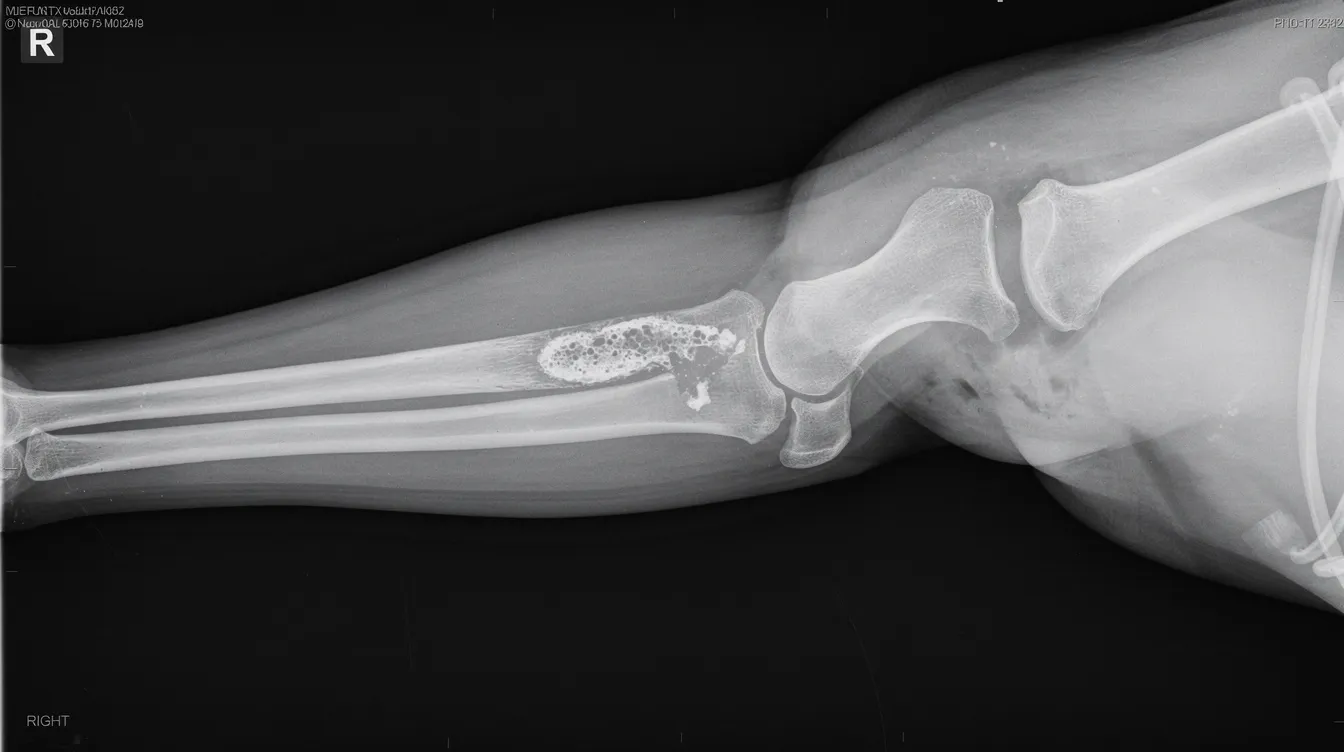
Osteosarcoma in dogs is the most aggressive and common bone cancer affecting canines, and if your dog has been diagnosed – or you suspect something is wrong – understanding this disease quickly matters. Osteosarcoma accounts for approximately 85% of bone tumors in dogs, making it the dominant primary bone cancer veterinarians encounter. It strikes large breed dogs and giant breed dogs disproportionately, grows rapidly within bone tissue, and carries a high tendency to metastasize to the lungs, often before a diagnosis of bone cancer in a dog is even made.
See Your Veterinarian Promptly If Your Large-Breed Dog Has
- A limp that lasts more than a week or two, or keeps coming back
- A firm, painful swelling on a leg, especially near the shoulder, wrist, or knee
- Sudden severe lameness after little or no trauma (a possible fracture through weakened bone)
- Labored breathing or coughing in a dog already diagnosed with bone cancer
Sudden non-weight-bearing lameness or breathing trouble needs same-day or emergency care.
This article covers warning signs, diagnosis, current treatment options, survival statistics, quality of life, and end-of-life decisions.
The signs of bone cancer in a dog include persistent lameness and swelling in the affected area.
The direct answer: Osteosarcoma is a highly aggressive bone cancer that primarily affects large and giant breeds, typically between ages 7 and 10. It requires prompt veterinary attention, and the standard treatment for osteosarcoma combines local tumor control with systemic chemotherapy to achieve optimal outcomes. Without treatment, average survival is about 2 months.
Understanding Osteosarcoma in Dogs
Canine osteosarcoma is a malignant tumor arising from osteoblasts – the cells responsible for forming new bone. Instead of producing healthy bone tissue, these cancer cells generate disorganized, abnormal bone matrix (osteoid) while simultaneously destroying surrounding normal bone structure. Osteosarcoma leads to the destruction of bone tissue in an aggressive, infiltrative pattern that weakens the bone from the inside out. Osteosarcoma is characterized by rapid growth of tumor cells within the bone.
For dog owners, this matters in three immediate ways. First, osteosarcoma often causes severe pain in the affected area, sometimes before any visible swelling appears. Second, by the time clinical signs are obvious, microscopic metastatic disease has often already spread – canine osteosarcoma has a high tendency to metastasize to the lungs. Third, the disease progresses rapidly, which means early veterinary evaluation of any unexplained lameness lasting more than a week is critical.
Types and Locations of Osteosarcoma
Appendicular osteosarcoma is the most common form, affecting the long bones of the limbs. Osteosarcoma often impacts the bones of the limbs, particularly the distal radius (near the wrist), proximal humerus (shoulder area), distal femur (above the knee), and proximal tibia. Because these tumors involve limb bones, they are generally the most amenable to surgical removal through amputation or limb-sparing surgery. Median survival for appendicular tumors is approximately 11 months with combined treatment.
Axial osteosarcoma involves the skull, spine, ribs, or pelvis. These primary bone tumors present different challenges because complete surgical removal is often difficult or impossible without compromising vital structures. The prognosis for axial osteosarcoma is generally worse, though dogs with mandible tumors have a median survival of approximately 18 months – better than many limb tumors.
Extraskeletal osteosarcoma is a rare form occurring in non bony tissues, including mammary glands and internal organs. These tumors behave differently from skeletal osteosarcoma and carry a notably poor prognosis, with extraskeletal tumors having a median survival of approximately 2 months.
Understanding tumor location is essential because it directly shapes the treatment plan and prognosis – a fact that becomes critical during the staging process.
Breed Predisposition and Risk Factors
Large breed dogs are significantly more likely to develop osteosarcoma than small or medium breeds. The breeds at highest risk include Great Danes, Saint Bernards, Scottish Deerhounds, Rottweilers, Golden Retrievers, Irish Setters, Doberman Pinschers, and German Shepherds. The numbers are striking: Rottweilers have an estimated incidence of over 12% for osteosarcoma, while Scottish Deerhounds have a 15% mortality rate from the disease, suggesting significant genetic predisposition in certain breeds.
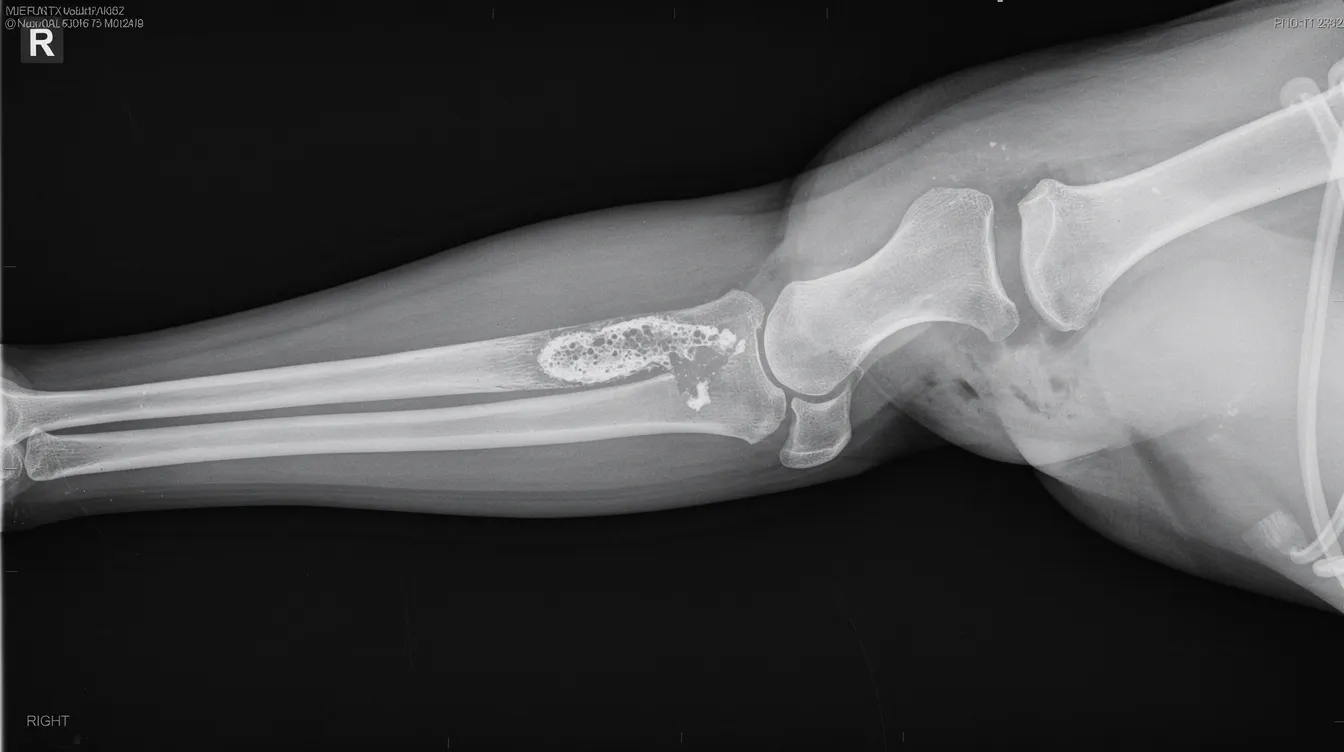
Diagnosis of bone cancer in a dog can involve various imaging techniques to confirm the presence of tumors.
Age is the next major risk factor. Most dogs diagnosed with osteosarcoma are between 7 and 10 years old, though a secondary peak occurs in younger dogs around 1 to 2 years of age. There is also emerging evidence around reproductive status: dogs neutered before one year have a 4-fold higher risk of osteosarcoma, though findings on gender and spay/neuter status remain somewhat mixed across studies.
Additional risk factors include previous healed fractures, chronic bone infections (osteomyelitis), metallic orthopedic implants, and prior radiation exposure. These associations underscore why any persistent limping in a large breed dog warrants veterinary investigation – particularly when standard causes like severe arthritis or soft tissue injury have been ruled out.
Recognizing Signs and Diagnostic Process
Because osteosarcoma progresses rapidly and metastatic disease may already be present at diagnosis, recognizing early clinical signs and pursuing prompt diagnostics is the single most impactful thing dog owners can do. Symptoms of osteosarcoma can appear gradually or suddenly after a bone fracture.
Clinical Signs and Symptoms
Persistent lameness is the most common symptom of osteosarcoma in dogs. Unlike a sprain or minor injury, this lameness does not improve with rest – and often worsens over days to weeks. Dogs with osteosarcoma often show lameness in affected limbs that may initially appear as intermittent lameness before becoming constant.
Pain in the limb often precedes visible swelling in dogs. As the primary tumor grows and destroys bone from within, a distinct hard swelling on a limb can indicate osteosarcoma. Affected areas may feel warm due to inflammation, and the region becomes increasingly tender to touch. Swelling at the tumor site is commonly observed in dogs as the disease advances.
Because osteosarcoma is extremely painful, behavioral changes may occur in dogs suffering from osteosarcoma due to hidden pain. Watch for irritability and loss of appetite, reluctance to play or exercise, difficulty rising, or a sudden change in temperament.
One of the most dangerous complications is pathological fractures. Because bone is progressively weakened by the tumor, osteosarcoma can lead to pathologic fractures under normal activity – even something as simple as jumping off a couch. A sudden fracture in a large breed dog without significant trauma should always raise suspicion for underlying bone cancer.
Diagnostic Procedures
When a patient suspected of having osteosarcoma is presented, the diagnostic process follows a systematic approach. Diagnosis involves clinical signs, imaging, and biopsy.
Physical examination reveals localized swelling, pain on palpation or manipulation of the affected limb, and assessment of how the dog is bearing weight.
Radiographic imaging is typically the first diagnostic step. Initial diagnostic x rays reveal characteristic changes: X-rays show lytic lesions or “moth-eaten” bone, often with a dramatic “sunburst” periosteal reaction and cortical destruction. These findings on initial diagnostic x-ray images are highly suggestive, though not always conclusive.
Tissue sampling provides definitive diagnosis. Fine needle aspiration cytology helps confirm diagnosis in many cases, though in some cases biopsy with a core or incisional technique is needed. Biopsy is required for definitive diagnosis of osteosarcoma, and tissue is evaluated by a veterinary pathologist who confirms the tumor type and grade. A dog cannot be definitively diagnosed without histopathological confirmation.
Advanced imaging may include computed tomography (CT) or MRI for surgical planning, particularly when limb conserving surgery is being considered. Nuclear scintigraphy identifies lesions but lacks specificity for distinguishing tumor types. These tools help determine the full extent of bone involvement and whether other bones are affected.
Staging and Prognosis Factors
Once osteosarcoma is diagnosed, staging determines how far the disease has progressed and is primarily determined by imaging and laboratory findings. Staging includes:
- Chest radiographs (minimum three views) to detect visible lung metastases – the most common site of secondary cancer
- Blood chemistry including liver and kidney function panels
- Alkaline phosphatase (ALP) levels, which serve as a key prognostic indicator – elevated serum ALP correlates with worse outcomes
- Evaluation of regional lymph nodes for spread
Tumor location is a major prognostic factor. Proximal humerus tumors carry a particularly poor prognosis, while mandibular tumors tend to have better outcomes. The prognosis for dogs with osteosarcoma depends heavily on the chosen treatment plan, the presence or absence of detectable metastasis, and ALP levels at diagnosis.
These staging results directly inform which treatment options outlined below are most appropriate for each individual patient.
Treatment Options and Management Strategies
Treatment for canine osteosarcoma typically involves pain management and extending quality of life while controlling tumor growth and spread. According to Cornell University College of Veterinary Medicine, most dogs adapt well to treatment, and quality of life can be maintained through thoughtful treatment planning with a veterinary oncologist.
Surgical Treatment Options
Surgery is the main treatment for osteosarcoma in dogs and serves as the foundation for local tumor control.
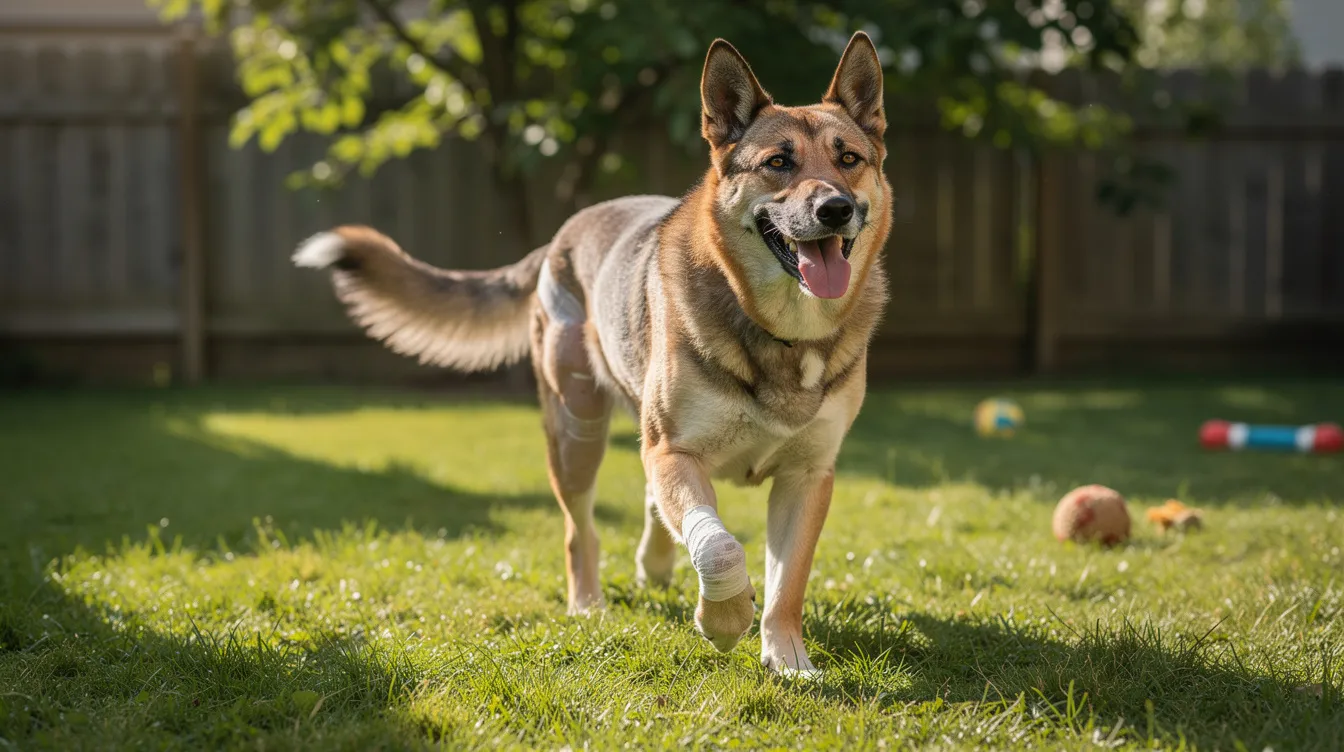
Amputation of the affected limb is the most common surgical approach for appendicular osteosarcoma. Amputation can provide significant pain relief for affected dogs by completely removing the source of bone destruction and inflammation. Amputation increases average survival to approximately 6.5 months when performed alone. Most dogs adapt to three-legged mobility within 4 to 6 weeks, even giant breeds – though owner commitment to supportive care during recovery is important.
Limb-sparing surgery removes the tumor while preserving the limb. This approach involves excising the affected bone segment and reconstructing the area with bone grafts, metal plates, or a custom titanium implant. Limb sparing surgery is typically considered when the tumor is in a favorable location (such as the distal radius), when the dog has orthopedic issues in other limbs that make amputation impractical, or when owners prefer limb preservation. Complication rates are higher than amputation, and candidacy must be carefully evaluated by a surgical specialist.
Pain management during surgical recovery includes oral medications such as NSAIDs and opioids, which are often used for pain management in osteosarcoma, along with adjunctive agents like gabapentin or amantadine to control pain effectively.
Chemotherapy Protocols
Chemotherapy is recommended after surgical removal of the tumor to target microscopic cancer cells that may have metastasized. This is where the survival benefit becomes most dramatic: combination of amputation and chemotherapy yields approximately 1 year survival, compared to roughly 6.5 months with surgery alone.
Carboplatin is the drug of choice for chemotherapy treatment in dogs with osteosarcoma. It is typically administered intravenously every three weeks for 4 to 5 treatments. Chemotherapy agents like cisplatin and doxorubicin are also used in osteosarcoma treatment, either as alternatives or in combination protocols depending on the institution and the individual dog’s tolerance.
Side effects of chemotherapy drugs require monitoring: gastrointestinal upset, bone marrow suppression (leading to low white blood cell counts), and – specific to doxorubicin – potential cardiac toxicity. However, many dogs tolerate chemotherapy well, and the goal is always to maintain quality of life throughout treatment. Your veterinary oncologist will adjust protocols based on blood work and clinical response.
Treatment Comparison Table
Treatment Approach | Median Survival Time | Quality of Life Impact | Cost Considerations |
|---|---|---|---|
No treatment | ~2 months | Progressive, uncontrolled pain | Minimal direct cost; high suffering cost |
Surgery (amputation) alone | ~6.5 months | Significant pain relief; good mobility | Moderate surgical costs |
Surgery + chemotherapy | ~10–12 months | Best balance of tumor control and comfort | Higher; includes ongoing chemo visits |
Palliative radiation therapy | Variable (months) | Pain reduction without surgery | Moderate; requires a specialty or radiation facility |
Palliative care only | ~2–3 months | Focus on comfort; no tumor control | Variable; ongoing medication costs |
Surgery combined with chemotherapy yields average survival times of 10 to 12 months, with approximately 50% of dogs surviving for one year after standard treatment and about 25% reaching the two-year mark. The average life expectancy without any intervention remains around 2 months. According to the Merck Veterinary Manual, a small subset of patients surviving beyond 3 years exists, though this represents fewer than 5% of treated dogs.
Radiation and Palliative Approaches
Radiotherapy is used for palliative pain relief when surgery is not an option. Radiation therapy can provide palliative care for osteosarcoma, particularly for axial tumors or when the dog’s overall condition makes surgery too risky. Palliative radiation protocols typically involve a small number of larger-dose fractions aimed at reducing pain rather than curing the disease.
Palliative care for dogs not pursuing aggressive treatment focuses on maximizing comfort. Pain medications including NSAIDs, opioids, and neuropathic agents form the backbone, sometimes supplemented with bisphosphonates to reduce bone pain and resorption. The goal is not to extend life at the cost of suffering but to ensure every remaining day is as comfortable as possible.
Emerging Treatments and Immunotherapy
Post-amputation care for dogs with bone cancer in a dog involves rehabilitation and support.
Research into canine osteosarcoma is advancing rapidly, and several promising approaches are under investigation:
A June 2026 pilot study combined palliative radiation with a Listeria-based HER2 immunotherapy (Lm-LLO-HER2) in dogs with appendicular osteosarcoma without overt metastasis. Early results showed delayed disease progression and correlation between immune system biomarkers and improved outcomes.
Researchers are also exploring tumor microenvironment (TME) profiling to classify tumors into subtypes – immune-enriched, immune-enriched with extracellular matrix features, and immune-depleted. The immune-enriched subtype, with higher CD8+ T cell and NK cell infiltration, tends to have better prognosis and may respond better to immunotherapy.
Additionally, studies of immune checkpoint expression in canine osteosarcoma have revealed elevated PD-L1, HVEM, and B7H3 in metastatic lesions, suggesting potential for checkpoint inhibitor therapy similar to approaches used in human oncology.
Common Challenges and Solutions
Managing osteosarcoma raises practical concerns that go beyond medical protocols. These are the questions owners ask most often.
Mobility Concerns Post-Amputation
The most pressing concern many dog owners voice is whether their dog will walk normally after losing a limb. The evidence is reassuring: most dogs adapt well within 4 to 6 weeks after amputation, resuming normal or near-normal activities including walking, running, and playing. Larger dogs may need additional support during the early recovery period – ramps, non-slip flooring, and harness assists help tremendously. Dogs with concurrent arthritis in other limbs may require more careful management, but amputation is still viable for most patients.
Managing Treatment Costs
Treatment costs vary significantly based on geography, facility type, and chosen protocol. Amputation plus a full chemotherapy course represents the highest cost tier, while palliative care is generally more affordable. Some veterinary schools and oncology centers offer clinical trial enrollment, which can provide cutting-edge treatment at reduced cost – ask your veterinary oncologist about current opportunities.
End-of-Life Decision Making
When should euthanasia be considered? This is the most difficult question families face. Quality of life assessment tools help structure the decision: evaluate appetite, mobility, interaction with family, ability to rest comfortably, and whether pain can be adequately managed. When pain medications are no longer effective, when metastatic disease compromises breathing or organ function, or when pathological fractures cause unmanageable suffering, humane euthanasia becomes the compassionate choice. This decision should always be guided by your veterinary team and grounded in your dog’s daily experience.
Key Points and Next Steps
Osteosarcoma in dogs is an aggressive disease, but it is not a death sentence handed down without options. Early detection transforms outcomes: dogs diagnosed and treated with surgery plus chemotherapy have a realistic average survival time of 10 to 12 months, with a meaningful percentage reaching two years. The treatment options available today – from amputation and carboplatin chemotherapy to palliative radiation and emerging immunotherapy – give families genuine choices tailored to their dog’s situation and their own values.

Your immediate next steps:
- If your dog has persistent lameness lasting more than a week, especially in a large or giant breed, schedule a veterinary evaluation promptly
- If osteosarcoma has been diagnosed, request full staging (chest radiographs, bloodwork including ALP) before making treatment decisions
- Consider referral to a veterinary oncologist for consultation on optimal treatment protocols
- Ask about clinical trials – research into immunotherapy and novel treatments for canine cancers is actively expanding
Ongoing research into tumor microenvironment profiling, checkpoint inhibitor therapy, and combination immunotherapy protocols continues to improve our understanding of this disease and may soon offer new avenues for extending both survival and quality of life for dogs with osteosarcoma.
Frequently Asked Questions
How long can a dog live with osteosarcoma? Without treatment, average survival is about 2 months. Amputation alone extends the average life expectancy to approximately 6.5 months. With amputation plus chemotherapy, median survival reaches 10 to 12 months, and approximately 50% of dogs survive for one year after standard treatment. About 25% of patients surviving reach the two-year mark. The prognosis is primarily determined by treatment approach, tumor location, and ALP levels at diagnosis.
Will my dog be able to walk normally after amputation? Yes. Most dogs adapt remarkably well to three-legged mobility within 4 to 6 weeks. According to Veterinary Partner (VIN), dogs generally regain excellent mobility and resume activities like walking, playing, and even running. Larger dogs may need temporary support aids during the initial recovery period.
Is osteosarcoma painful for dogs? Yes, osteosarcoma is extremely painful. The tumor destroys bone from the inside out, causing intense, progressive pain that typically worsens over time. Pain in the limb often precedes visible swelling. Effective pain management – including NSAIDs, opioids, and adjunctive medications – is a cornerstone of any treatment plan, whether curative or palliative.
Can osteosarcoma be prevented? There is no reliable way to prevent osteosarcoma. Owners of large breed dogs and giant breeds should be aware of the breed predisposition and monitor for unexplained lameness or swelling, particularly in dogs aged 7 to 10 years. The relationship between early neutering and increased risk (up to 4-fold in dogs neutered before one year) is an area of ongoing research.
When should I consider euthanasia? Euthanasia should be considered when quality of life can no longer be maintained: when pain is uncontrollable despite appropriate pain medications, when metastatic disease causes breathing difficulty or organ failure, when pathologic fractures occur and cannot be managed, or when your dog can no longer eat, rest comfortably, or interact with family.
Are there alternative treatments to amputation? Yes. Limb-sparing surgery is an option for select patients, removing the primary tumor while preserving the limb through reconstruction with bone grafts or a custom titanium implant. Palliative radiation can control pain without surgery. For dogs that are not surgical candidates, palliative care combining pain medications with bisphosphonates can maintain comfort. Discuss all treatment options outlined with your veterinary oncologist.
How quickly does osteosarcoma spread? Osteosarcoma in dogs spreads rapidly. At the time of diagnosis, it is estimated that the vast majority of dogs already harbor microscopic metastatic disease, even when imaging appears clear. The lungs are the most common site of secondary spread, followed by other bones, kidney, liver, and heart. This is why chemotherapy is administered after surgery – to target tumor cells that have already disseminated.
What should I expect during chemotherapy treatment? Carboplatin, the most commonly used chemotherapy drug, is administered intravenously every three weeks for 4 to 5 sessions. Many dogs tolerate chemotherapy treatment well – far better than most dog owners expect. Side effects can include temporary gastrointestinal upset, decreased appetite, and lowered white blood cell counts. Your veterinary team will monitor bloodwork before each session and adjust the protocol as needed to maintain your dog’s comfort and safety throughout treatment.
Reviewed by Roger Hart, DVM, a Florida-licensed veterinarian with more than two decades of companion-animal clinical experience. This article is general education and does not replace an examination by your own veterinarian.