
Only veterinarian-prescribed medications are safe for dog pain relief. Never give your dog human pain medications like ibuprofen, naproxen, or acetaminophen – even a single dose can cause kidney failure, liver failure, or life threatening reactions. Safe options include prescription NSAIDs formulated specifically for dogs, opioids for severe pain, gabapentin for nerve pain, and supportive therapies like laser therapy and joint supplements.
This article explains which veterinary pain medications work, how to tell when your dog is hurting, which human pain relievers to avoid, what to do after an accidental ingestion, and which home comfort measures help. Whether your canine companion is recovering from orthopedic surgery, dealing with chronic conditions like hip dysplasia, or showing sudden signs of acute pain, this resource provides evidence-based guidance you can act on immediately.
In this article, we will explore the question: what can i give my dog for pain relief?
Proper pain management prevents unnecessary suffering, accelerates healing, and avoids the serious complications that arise when well-meaning owners reach for human pain meds instead of contacting their veterinary clinic.
Understanding Pain in Dogs
Pain in dogs is an unpleasant sensory and emotional experience tied to actual or potential tissue damage – similar in mechanism to human pain, but fundamentally different in how it’s expressed. Dogs cannot tell you where it hurts or how badly. Their pain experience includes both the physical nociceptive component (nerve signals traveling to the brain) and an emotional dimension that affects behavior, mood, and daily function.
What makes dog pain particularly challenging is that dogs instinctively hide discomfort. This is an evolutionary survival mechanism – showing vulnerability in the wild invites predators. As a result, by the time most owners notice something is wrong, the pain has often been present for days or even weeks. This makes understanding the distinction between acute and chronic pain, and learning to read subtle behavioral cues, essential for every dog owner.
Acute vs Chronic Pain
Acute pain strikes suddenly. It results from injuries, burns, bite wounds, fractures, or surgical procedures and typically lasts days to weeks. The body’s inflammatory cascade – involving bradykinin, cytokines, and prostaglandins – drives this type of pain. Acute pain generally responds well to fast-acting pain relief like nonsteroidal anti inflammatory drugs or opioids, and it resolves as the underlying injury heals.
Chronic pain persists for months to years and stems from ongoing conditions such as osteoarthritis, degenerative disc disease, cancer, or hip dysplasia. Chronic pain often involves central sensitization, where the nervous system amplifies pain signals even after initial tissue damage has stabilized. Managing a dog’s chronic pain requires a long-term, multimodal treatment plan combining appropriate medications, lifestyle modifications, weight management, and supportive therapies.
The difference between acute and chronic pain shapes treatment: acute pain calls for fast, strong relief, while chronic pain needs a long-term plan that balances benefit against side effects.
Recognizing Pain Signs in Dogs

Because dogs mask discomfort, owners must watch for subtle changes across three categories:
Behavioral changes:
- Reluctance to move, play, or engage with family members
- Decreased appetite or refusal to eat
- Altered sleep patterns – restlessness, inability to settle, or sleeping far more than usual
- Withdrawal, hiding, or unusual irritability and aggression
- Persistent crying, whimpering, or vocalizing when touched or repositioned
- Excessive licking or chewing at a specific area of the body
Physical signs:
- Limping, favoring a leg, or stiffness when rising
- Panting or trembling unrelated to heat or excitement
- Hunched posture, arched back, or carrying the head abnormally low
- Flattened ears, squinting, or a glazed facial expression
- Difficulty climbing stairs, jumping onto furniture, or entering vehicles
Daily habit changes:
- Accidents in the house from a previously house-trained dog
- Changes in water consumption or urination frequency
- Weight loss without dietary changes
Validated pain assessment tools like the Glasgow Composite Measure Pain Scale and the Colorado State University Pain Scale combine these behavioral criteria to assign quantifiable pain levels – tools that veterinary professionals use to guide medication choices and track treatment progress.
Understanding these signs is the first step toward selecting the right pain relief approach for your dog.
Safe Pain Relief Medications for Dogs
Every pain medication your dog receives should be prescribed by a licensed veterinarian after a thorough physical exam. Human pain pills – even common over-the-counter options – are formulated for human metabolism and can cause severe organ damage in dogs. All NSAIDs approved for canine use in the United States are prescription-only, and administering unapproved animal drugs without a prescription is both unsafe and illegal (FDA Center for Veterinary Medicine).
Veterinarians tailor pain treatment to the dog’s condition, breed, age, kidney and liver function, and other medications, because no single drug works best for every dog.
Prescription NSAIDs for Dogs
Nonsteroidal anti inflammatory drugs are the most commonly prescribed pain medications for dogs dealing with both acute and chronic pain. These drugs work by blocking cyclooxygenase (COX) enzymes, which reduces the production of prostaglandins – key chemical mediators of inflammation and pain. The challenge is that these same prostaglandin pathways also protect the stomach lining and support kidney perfusion, which is why monitoring is essential.
FDA-approved NSAIDs for dogs include:
NSAID (Generic) | Brand Name | Common Uses | Dosing Frequency | Key Monitoring Needs |
|---|---|---|---|---|
Carprofen | Rimadyl | Osteoarthritis, post-operative pain | Every 12 hours | Liver enzymes, kidney values; watch for GI upset |
Meloxicam | Metacam | Musculoskeletal pain, soft tissue injury | Once daily | Dose adjustments for senior dogs; liver/kidney labs |
Deracoxib | Deramaxx | Post-orthopedic surgery, arthritis | Once daily | Renal function; sometimes requires fasting |
Firocoxib | Previcox | Arthritis, surgical pain | Once daily | May have fewer GI side effects in some dogs |
Grapiprant | Galliprant | Mild to moderate osteoarthritis | Once daily | EP4 receptor antagonist – less COX interference; still monitor liver |
Robenacoxib | Onsior | Short-term post-operative pain | Maximum 3 days | Not for extended use; limited long-term safety data |
Grapiprant represents a newer approach to canine pain relief. Rather than inhibiting COX enzymes directly, it blocks the EP4 prostaglandin receptor – the specific receptor subtype most involved in pain and inflammation. This mechanism theoretically spares the protective functions of COX pathways, potentially reducing the risk of stomach ulcers and kidney complications (American Animal Hospital Association Pain Management Guidelines, 2022).
Potential side effects of canine NSAIDs include vomiting, diarrhea, decreased appetite, and lethargy. More serious adverse reactions – GI ulceration, bleeding, kidney failure, or liver disease – occur less frequently but tend to emerge within the first one to three weeks of therapy. Studies indicate that GI-related side effects such as vomiting and diarrhea occur in approximately 5–10% of dogs receiving NSAIDs (FDA adverse event reporting data).
Before starting a nonsteroidal anti-inflammatory drug (NSAID), veterinarians usually recommend baseline bloodwork, including a complete blood count, liver enzymes (ALT/ALP), kidney values (BUN/creatinine), and a urinalysis. Dogs with pre-existing liver disease or kidney disease require extra caution or alternative pain management strategies.
Opioid Pain Medications

When NSAIDs alone cannot control pain – after major surgery, severe trauma, open fractures, or in cancer cases – veterinarians may prescribe opioid pain medications. These drugs bind to mu-opioid receptors in the brain and spinal cord to provide powerful pain relief.
Commonly used opioids in veterinary medicine include:
- Tramadol: A synthetic opioid-like drug often used as an adjunct to NSAIDs. Dogs metabolize tramadol faster than humans, requiring more frequent dosing (typically every 8–12 hours). Evidence on its standalone efficacy for dogs is mixed, particularly for osteoarthritis, but it remains useful in multimodal protocols. Side effects include sedation, nausea, and rare seizure risk in predisposed animals (KuKanich & Papich, Journal of Veterinary Pharmacology and Therapeutics, 2004).
- Buprenorphine: A partial mu-opioid agonist administered via injection or transmucosal routes, primarily in hospital settings for moderate to severe pain.
- Morphine: Used for severe acute pain, typically in clinical or post-surgical environments with close monitoring.
- Fentanyl patches: Transdermal delivery for sustained pain relief in hospitalized patients or dogs with cancer pain, requiring careful veterinary supervision due to respiratory depression risk.
All opioid use in dogs requires close monitoring for sedation, respiratory depression, and gastrointestinal effects. These medications are strictly regulated and typically prescribed for short durations or specific clinical scenarios.
Other Prescription Pain Relievers
Gabapentin has become a cornerstone of multimodal dog pain management, particularly for nerve pain and central sensitization associated with chronic conditions. Originally developed as an anticonvulsant, gabapentin modulates voltage-gated calcium channels to reduce excitatory neurotransmitter release. Clinical dosing typically starts at 5–15 mg/kg every 12 hours and may be titrated upward to 10–20 mg/kg every 8 hours for more severe neuropathic pain (Adrian et al., Journal of Veterinary Internal Medicine, 2023). Common side effects include sedation and ataxia. Critically, human liquid formulations of gabapentin often contain xylitol, which is toxic to dogs – always use veterinary-dispensed formulations.
Amantadine, an NMDA-receptor antagonist, can enhance pain control when added to an existing NSAID regimen. It’s particularly valuable for dogs whose chronic pain hasn’t fully responded to standard anti inflammatory drugs alone. Typical dosing is 3–5 mg/kg every 12–24 hours, with mild GI upset as the primary side effect (Lascelles et al., Journal of the American Veterinary Medical Association, 2008).
Joint supplements – including omega-3 fatty acids, glucosamine, chondroitin, and green-lipped mussel extract – serve as supportive therapy to help manage chronic pain and support joint health. While not replacements for prescription medications, these supplements have moderate evidence supporting their role in reducing joint pain and inflammation in osteoarthritis. Product quality varies significantly, so veterinary-grade formulations are recommended.
Comprehensive Pain Management Protocol
Effective dog pain relief rarely comes from a single medication. Veterinarians often use a multimodal approach that combines medications with supportive care, home changes, and regular monitoring. This strategy addresses pain through multiple pathways simultaneously, often allowing lower doses of individual drugs and reducing the risk of adverse reactions.
Veterinary Pain Assessment Procedure
A thorough pain assessment forms the foundation of every treatment plan:
- Initial examination: Complete physical exam including gait evaluation, joint and spine palpation, vital signs, and detailed history from the owner about pain onset, location, and triggers
- Pain scoring: Application of validated pain scales to quantify the pain level and guide treatment intensity
- Diagnostic testing: Radiographs, ultrasound, or advanced imaging as needed; bloodwork (CBC, chemistry panel) and urinalysis to assess organ function before prescribing medications
- Treatment plan development: Customized protocol based on pain type (acute or chronic pain, nociceptive versus neuropathic), co-existing disease, age, breed, and owner capacity
- Follow-up scheduling: Typically every 1–2 weeks for acute conditions, then monthly to every 3–6 months for chronic pain management
Pain Level | Behavioral Indicators | Typical Treatment Approach |
|---|---|---|
Mild pain | Slight hesitation on stairs, occasional limping, minor appetite change | Single NSAID, environmental modifications, joint supplements |
Moderate pain | Consistent limping, reluctance to play, stiffness on rising, decreased appetite | NSAID plus gabapentin or supportive therapy, physical rehabilitation |
Severe pain | Inability to bear weight, persistent crying, aggression when touched, refusal to eat | Opioids plus NSAID, multimodal protocol, possible hospitalization, urgent diagnostics |
Medication Administration Guidelines

Proper medication administration is crucial for both safety and effectiveness:
Guideline | Details |
|---|---|
Weight-based dosing | Always weigh your dog at the clinic; use lean body weight for overweight dogs |
Consistency | Administer NSAIDs at the same time each day to maintain stable blood levels |
With food | Give most pain medications with food to reduce GI irritation |
Gabapentin/Tramadol timing | Every 8–12 hours depending on the drug and condition severity |
Storage | Keep all pain meds out of pet and child reach; store per label instructions |
What to monitor at home:
- Appetite and water intake changes
- Stool color and consistency (black or tarry stool indicates GI bleeding – contact your vet immediately)
- Activity level and willingness to move
- Vomiting frequency or severity
- Yellowing of gums, skin, or eyes (jaundice)
- Changes in urination patterns
Contact your veterinarian right away if you see severe vomiting or diarrhea lasting more than 24 hours, black tarry stool, yellow gums or eyes (jaundice), collapse, seizures, or difficulty breathing.
Alternative and Supportive Therapies
Alternative therapies play an increasingly important role in how veterinary science approaches pain, particularly for managing chronic conditions where long-term medication use carries cumulative risks.
- Physical therapy and hydrotherapy: Underwater treadmill exercise and controlled rehabilitation maintain muscle mass, reduce joint stress, and slow osteoarthritis progression. Evidence supports structured exercise programs as effective complements to pharmaceutical pain management (AAHA/AAFP Pain Management Guidelines, 2022).
- Laser therapy (photobiomodulation): Low-level laser treatments reduce inflammation, increase blood flow, and stimulate endorphin release. Multiple studies demonstrate decreased pain scores in arthritic dogs after a course of treatments, with minimal side effects.
- Acupuncture: Some evidence supports acupuncture as an adjunct for osteoarthritis and musculoskeletal pain, though study quality remains variable. Best results occur when combined with conventional drug therapy.
- Massage and thermal therapy: Gentle massage improves circulation and reduces muscle tension. Cold packs help manage acute injuries and swelling; warm compresses ease chronic joint pain and stiffness.
- Environmental modifications: Ramps to avoid stairs, orthopedic bedding, non-slip surfaces on hard floors, raised food and water bowls, and maintaining a healthy weight through proper diet all reduce daily pain triggers.
Therapy | Primary Benefit | Best For | Availability |
|---|---|---|---|
Physical therapy / Hydrotherapy | Maintains mobility, reduces joint stress | Arthritis, post-surgical recovery | Offered by some general practices and rehabilitation clinics |
Laser therapy | Reduces inflammation and pain | Arthritis, wound healing, soft tissue injury | Increasingly available; ~$40–80 per session |
Acupuncture | Pain modulation, relaxation | Chronic musculoskeletal pain | Usually specialty or rehabilitation clinics |
Orthopedic bedding / Environmental mods | Daily comfort, injury prevention | All pain conditions | Pet supply stores and online; immediately accessible |
Therapies such as acupuncture, rehabilitation, and hydrotherapy are not offered at every clinic. Ask your veterinarian whether they would help your dog and where they are available.
Common Pain Management Challenges and Solutions
Even a good treatment plan runs into practical problems. Here are the most common ones and how to handle them.
Dog Refuses to Take Medication
Many dogs resist pills, but several strategies can help:
- Pill pockets and high-value food: Hide tablets in commercially available pill pockets, peanut butter (xylitol-free), cream cheese, or small pieces of deli meat
- Crushing or splitting: Some tablets can be crushed and mixed with wet food – check with your vet first, as some formulations should not be altered
- Flavored liquid compounding: Compounding pharmacies can
- Injectable formulations: For post-surgical cases or dogs that absolutely refuse oral medication, injectable options may be available through your veterinary clinic
- Transdermal options: Certain medications can be compounded into gels applied to the inner ear flap, bypassing the oral route entirely
Medication Side Effects
The most common NSAID side effects – vomiting, diarrhea, and decreased appetite – often appear within the first few weeks of therapy. Managing them involves:
- GI protectants: Your vet may add sucralfate or a proton pump inhibitor alongside the nonsteroidal anti inflammatory drug
- Hydration support: Keep fresh water available at all times, especially in hot weather, because dehydration increases the risk of NSAID-related kidney injury
- Drug switching: If GI side effects persist, transitioning to a different NSAID class (such as grapiprant, which works through a different mechanism) often resolves the issue
- Stopping medication: If you observe serious signs – bloody vomit, black stool, jaundice, or collapse – discontinue the medication and contact your emergency veterinarian immediately
Insufficient Pain Relief
If your dog continues showing pain behaviors despite treatment – persistent limping, reluctance to move, reduced quality of life, or persistent crying – the current protocol may need adjustment:
- Add adjunctive medications: Gabapentin or amantadine can be layered onto an existing NSAID regimen to enhance pain control through different mechanisms
- Switch NSAID class: Different dogs respond differently to various anti inflammatory drugs; a trial of an alternative may yield better results
- Integrate non-drug therapies: Adding laser therapy, physical rehabilitation, or acupuncture can relieve pain that medications alone aren’t fully addressing
- Specialist referral: For complex cases, your veterinarian may refer your dog to a board-certified surgeon, neurologist, internist, or rehabilitation service.
Critical Safety Information
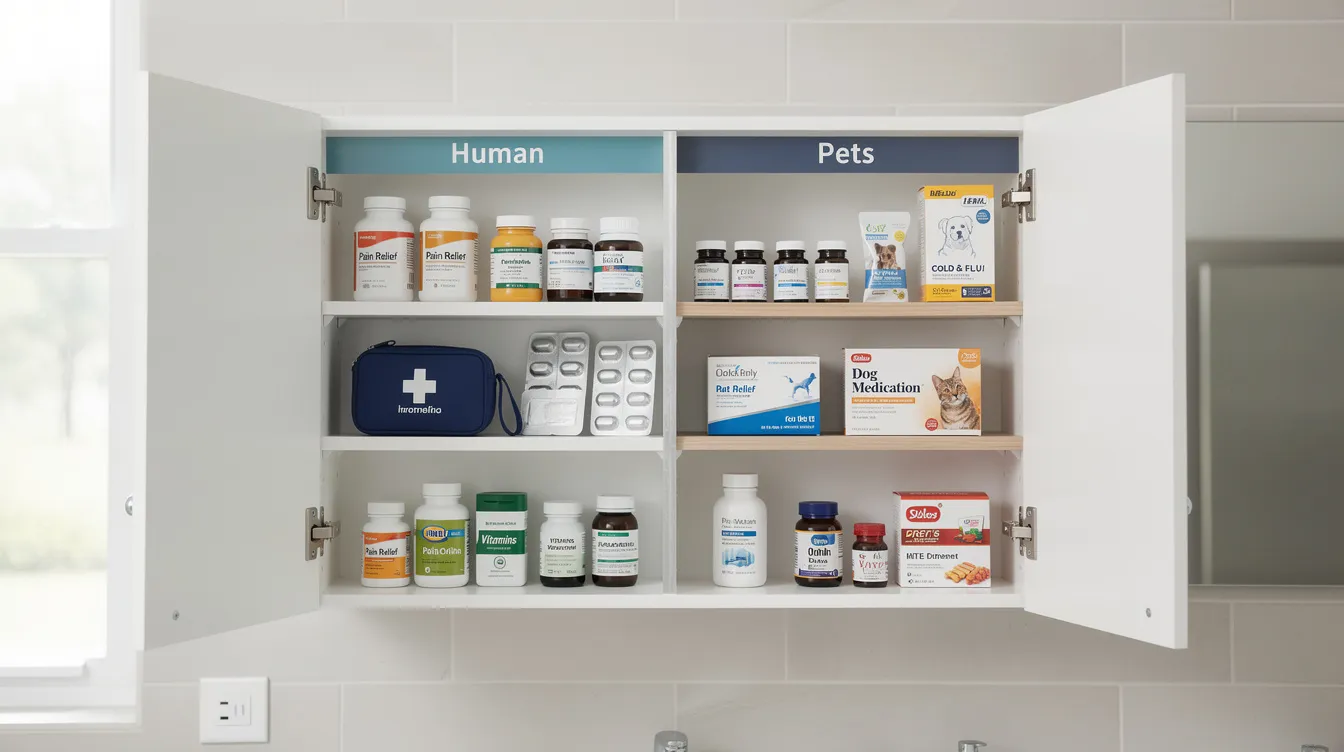
The single most important safety message in dog pain management: many human pain relievers are toxic to dogs. Pet owners searching for quick relief often reach for medications from their own medicine cabinets, but this can cause serious harm or death.
Human Medication | Why It’s Dangerous for Dogs | Potential Consequences |
|---|---|---|
Ibuprofen (Advil, Motrin) | Dogs metabolize it differently; narrow safety margin | Stomach ulcers, GI perforation, kidney failure |
Naproxen (Aleve) | Extremely long half-life in dogs amplifies toxicity | Severe GI ulceration, kidney failure, death |
Acetaminophen (Tylenol) | Not a true anti-inflammatory; metabolized into toxic compounds | Liver failure, methemoglobinemia (red blood cell destruction) |
Aspirin | Narrow dosing margin; interacts with other medications | GI bleeding, ulceration, impaired clotting |
Prescription human opioids | Dose-dependent respiratory depression; different metabolism | Sedation, respiratory arrest, death |
Even dog aspirin products require strict veterinary supervision – human aspirin doses easily exceed safe bounds for dogs, and prolonged use dramatically increases bleeding risk and stomach ulcers.
Emergency Protocol If Your Dog Ingests Human Pain Medication
If your dog accidentally ingests human pain pills or human pain relievers, take these steps immediately:
- Stay calm and act quickly – time matters
- Remove remaining medication from your dog’s reach and note the drug name, strength, and estimated amount consumed
- Call your emergency veterinarian or ASPCA Animal Poison Control Center – do not wait for symptoms to appear
- Do not induce vomiting unless specifically instructed by a veterinarian
- Bring the medication packaging to the emergency visit for accurate identification
- Expect supportive treatment including IV fluids, gastric decontamination, liver protectants, and monitoring
Additional safety considerations:
- Never combine two NSAIDs or give an NSAID with a corticosteroid – this dramatically increases the risk of GI ulceration and severe organ damage
- Dogs with kidney disease or liver disease face significantly higher risks from all pain medications and require adjusted protocols
- Puppies and senior dogs metabolize drugs differently and need age-appropriate dosing with more frequent monitoring
- Hot weather increases dehydration risk, which worsens NSAID-related kidney stress. Make sure your dog always has fresh water
During business hours, call your regular veterinarian. After hours, contact the nearest 24-hour emergency veterinary hospital. Look up its location before you need it, especially if you live far from one.
Key Points and Next Steps
Safe dog pain relief starts and ends with veterinary care. No human pain medication – regardless of how mild it seems – belongs in your dog’s treatment without explicit veterinary authorization. The range of properly prescribed options available today, from targeted NSAIDs like grapiprant to nerve pain medications like gabapentin to emerging treatments like monoclonal antibody injections, means there is almost always an appropriate treatment that can relieve pain safely and effectively.
Your immediate action steps:
- Learn to recognize pain signs – behavioral changes, physical symptoms, and daily habit shifts are your earliest warning system
- Have your veterinarian examine your dog before giving any pain medication
- Never give human pain medications – the risk of kidney failure, liver failure, and death is real and well-documented
- Create a comfortable environment – orthopedic bedding, ramps, non-slip surfaces, and a healthy weight reduce daily pain burden
- Commit to follow-up care – chronic pain management requires regular monitoring, lab work, and treatment plan adjustments
For dogs dealing with long-term conditions like osteoarthritis or hip dysplasia, developing a sustainable pain management strategy with your veterinarian ensures your canine companion maintains quality of life for years to come.
Frequently Asked Questions
Can I give my dog aspirin or ibuprofen?
Never give your dog ibuprofen (Advil, Motrin) or naproxen (Aleve) – these human pain relievers can cause gastric ulceration and kidney failure even in single doses. Aspirin is occasionally used under strict veterinary supervision at carefully calculated doses, but it carries significant bleeding and GI risks and interacts dangerously with other medications. Always consult your veterinarian before giving any pain medication to your dog.
How quickly do dog pain medications work?
Most prescription NSAIDs begin reducing inflammation and pain within 24 hours. Tramadol provides relatively rapid onset but subjective relief may take several hours to become apparent. Gabapentin reaches peak blood levels within 1–3 hours for acute relief, but when used for chronic nerve pain, the full therapeutic effect often requires several days of consistent dosing as the dose is titrated upward.
What should I do if my dog is in pain after hours?
Keep your dog calm and confined to a comfortable area with soft bedding. Avoid stairs and jumping. Apply a cold compress to swollen areas or a warm compress for chronic joint pain stiffness. Do not give any human medications. Contact your nearest emergency veterinarian. Identify your closest 24-hour emergency hospital in advance, particularly if travel time is long.
How long can my dog take pain medication?
Duration depends entirely on the condition. Acute pain from surgery or acute injuries may require NSAIDs for days to a few weeks. Chronic conditions like arthritis often require long-term or lifelong medication. Dogs on extended NSAID therapy need bloodwork monitoring every 3–6 months to check liver and kidney function. Gabapentin and other adjunctive medications also require periodic veterinary reevaluation.
Are there natural pain relief options that actually work?
Yes – several natural and supportive approaches have evidence supporting their effectiveness. Omega-3 fatty acids and veterinary-grade joint supplements can help reduce inflammation and support joint health in arthritic dogs. Physical therapy, hydrotherapy, and laser therapy have demonstrated measurable pain reduction in clinical studies. Acupuncture shows some benefit, though results vary. Maintaining a healthy weight through proper diet is one of the most impactful non-pharmaceutical interventions for joint pain. None of these replace veterinary prescribed medications for moderate to severe pain, but they serve as valuable components of a comprehensive treatment plan.
When should I seek emergency care for a dog in pain?

Seek immediate emergency veterinary care if your dog shows any of the following: ingestion of human medications, vomiting blood or producing black tarry stool, collapse or inability to stand, seizures, difficulty breathing, bright yellow gums or eyes (jaundice), severe pain unresponsive to prescribed medication, sudden inability to walk, or extreme lethargy. These signs may indicate life threatening reactions requiring urgent intervention.
How do I know if pain medication is working?
Look for improvements in mobility, appetite, willingness to play or interact, and reduced limping or stiffness. Many owners find keeping a simple pain diary helpful – noting daily activity levels, appetite, and any concerning behaviors. Your veterinarian may repeat pain scoring at follow-up visits to track progress. If your dog hasn’t improved within expected timeframes (24–48 hours for NSAIDs, several days for gabapentin titration), contact your veterinary clinic to discuss adjustments.
Can puppies and senior dogs take the same pain medications?
No. Puppies have immature liver and kidney function, making them more vulnerable to adverse reactions from pain medications. Senior dogs often have declining organ function and may be managing other chronic conditions that complicate drug metabolism. Both age groups require adjusted dosing, more cautious drug selection, and more frequent monitoring. Your veterinarian will consider age, organ function, and overall health when choosing a medication.
References:
- FDA Center for Veterinary Medicine. “Get the Facts About Pain Relievers for Pets.” U.S. Food and Drug Administration.
- Cornell University College of Veterinary Medicine. “Recognizing Pain in Dogs.” Riney Canine Health Center.
- AAHA/AAFP Pain Management Guidelines for Dogs and Cats (2022). American Animal Hospital Association.
- Adrian, D. et al. “Gabapentin for pain management in veterinary patients.” Journal of Veterinary Internal Medicine, 2023.
- Lascelles, B.D.X. et al. “Amantadine in a multimodal analgesic regimen for the treatment of refractory pain in dogs with osteoarthritis.” Journal of the American Veterinary Medical Association, 2008.
If the problem is new crying or yelping overnight, see nighttime yelping and when to seek urgent help. Do not assume that the timing identifies the cause or makes an extra medication dose appropriate.
Reviewed by Roger Hart, DVM, a Florida-licensed veterinarian with more than two decades of companion-animal clinical experience. This article is general education and does not replace an examination by your own veterinarian.