Introduction
It’s important to note that if your dog ate pills, you should remain calm and focused on the necessary steps to take. Panicking may hinder your ability to act effectively.
If your dog ate pills meant for humans, take quick action: remove any remaining medications from your dog’s reach, identify exactly what was ingested and how many pills are missing, and call a veterinarian immediately. Time is essential when dealing with potential toxicity in dogs, and even small amounts of common human medications can be dangerous or fatal. If your dog ate pills, you need to act quickly. Remember, if your dog ate pills, the right steps can save their life.
This guide covers everything pet owners need to know when a dog has ingested human medications – from immediate response steps and toxicity assessment to professional treatment options and long-term prevention. It does not replace direct veterinary advice; if your pet consumed medication, seek veterinary attention before relying on any written resource. This content is designed for pet owners currently facing a medication ingestion emergency or those who want to prepare for one.
It’s important to remember that many pet owners experience panic when they discover their dog ate pills. Staying calm and following the necessary steps can make a significant difference. If your dog ate pills, you should be ready to provide your veterinarian with as much information as possible.
When you explain to your veterinarian that your dog ate pills, ensure you provide accurate details about the medication and quantity ingested. This information is crucial for effective treatment.
Be sure to communicate to your veterinarian that your dog ate pills and the type of medication involved. This information is critical for determining the right course of action to take.
The short answer: Call a veterinarian immediately if your dog ingests medication. Gather information about the medication before calling a vet – including the drug name, strength, and number of pills missing – and never induce vomiting without professional guidance. Immediate action is required if your dog has eaten medication.
By reading this guide, you will gain:
- A clear, step-by-step immediate response protocol for medication ingestion emergencies
- Understanding of which common household medications pose the highest risk to dogs
- Knowledge of how veterinary professionals assess and treat medication poisoning
- Practical solutions for common challenges during these emergencies
- Actionable prevention strategies to keep your pet safe long-term
Understanding Medication Toxicity in Dogs
Medication toxicity occurs when a dog ingests a substance – typically human medications – in an amount that exceeds what their body can safely process. But why do pills designed for humans affect dogs so differently? The answer lies in fundamental biological differences.
Dogs and humans differ dramatically in body weight, gastrointestinal pH, liver enzyme activity, and kidney function. According to the Merck Veterinary Manual, dogs have variability in hepatic enzyme systems – particularly cytochrome P450 and phase II conjugation pathways like glucuronidation and sulfation – that determine how drugs and their metabolites are processed. When these detoxification pathways are overwhelmed, toxic intermediates accumulate and cause organ damage. For example, acetaminophen overload depletes glutathione reserves, allowing the toxic metabolite NAPQI to destroy liver cells and red blood cells.
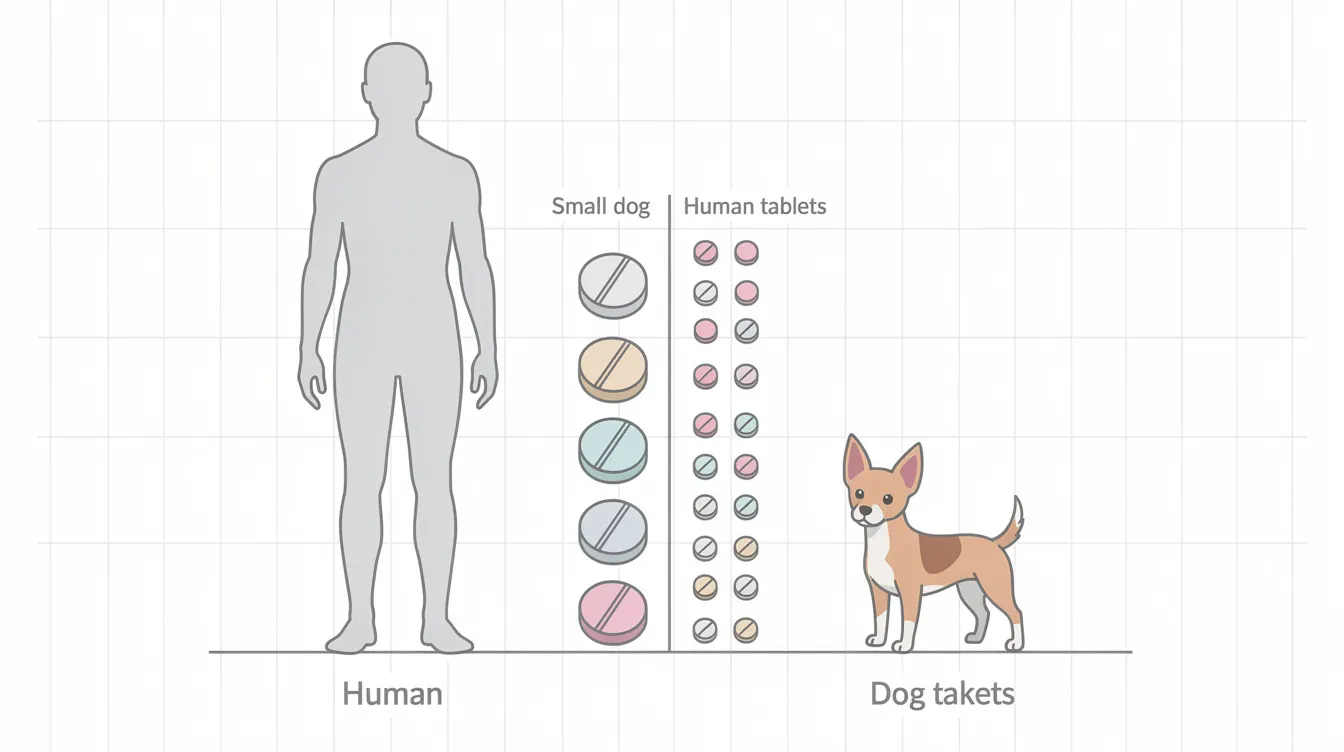
Because many human medications have never been approved for veterinary medicine, their safety profiles in dogs are based primarily on case reports and poison-control data rather than long-term studies. What’s a standard dose for a 150-pound adult can easily become a lethal overdose for a 15-pound dog.
Understanding what to do if your dog ate pills will help you respond effectively. The steps outlined in this guide will help prepare you for such emergencies.
If you suspect your dog ate pills that are not meant for them, contact your veterinarian immediately. The sooner you seek help, the better the outcome for your dog.
Dogs can have severe reactions to medications not prescribed for them. If you know your dog ate pills, gather all information possible before contacting a veterinarian.
It’s crucial to assess the situation quickly and determine what your dog ate if your dog ate pills. This information will guide your veterinarian in deciding the necessary steps for treatment.
When in doubt, always remember that if your dog ate pills, faster action can often lead to better outcomes.
Common Household Medications and Risk Levels
Not all medications carry the same level of danger. Here are the most commonly ingested human medications and the risks they pose to dogs:
NSAIDs: Ibuprofen and Naproxen
Common dangerous medications for dogs include ibuprofen and acetaminophen, but NSAIDs as a class are among the most frequently ingested. NSAIDs can cause gastrointestinal damage in dogs – ulceration begins at doses as low as 25 mg/kg. NSAID overdose can lead to kidney dysfunction in dogs, with acute renal failure risk beginning around 175–200 mg/kg. At even higher doses (~400 mg/kg), central nervous system collapse and seizures can occur. A single over the counter 200 mg ibuprofen tablet is dangerous for any dog under about 20 pounds. Naproxen is even more hazardous due to its long half-life in dogs.
It’s essential to understand that if your dog ate pills, the protocol for treatment involves immediate veterinary assistance. Waiting can be detrimental to your dog’s health.
Acetaminophen (Tylenol)
Recognizing that your dog ate pills is critical. The faster you can identify the situation, the better the potential outcome for your beloved pet.
Acetaminophen can lead to liver failure in dogs. While veterinarians occasionally prescribe it at carefully controlled doses of 10–15 mg/kg, ingestion above 75–100 mg/kg causes hepatic injury and red blood cell damage through methemoglobinemia. Cats are even more sensitive – doses as low as 50 mg/kg can be life-threatening due to their limited glucuronidation capacity.
Antidepressants and Anxiety Medications
Antidepressants can trigger serotonin syndrome in dogs. This includes SSRIs (fluoxetine, sertraline), SNRIs, tricyclic antidepressants (TCAs like amitriptyline), and MAOIs. Even a small amount of antidepressant can be dangerous for dogs. Symptoms of antidepressant ingestion can appear within 30 minutes and include agitation, tremors, seizures, hyperthermia, and cardiac arrhythmias. Severe antidepressant toxicity can lead to serotonin syndrome. Signs of serotonin syndrome include muscle tremors and seizures. Serotonin syndrome can cause seizures and high body temperature. TCAs are particularly lethal – the lethal dose of amitriptyline is approximately 50 mg/kg in dogs.
ADHD Medications
Attention deficit disorder medications containing amphetamines or methylphenidate are extremely dangerous. ADHD medications can cause seizures and elevated body temperature in dogs, along with life threatening tremors, hyperactivity, and cardiovascular collapse.
Blood Pressure and Heart Medications
Blood pressure medications can cause dangerously low blood pressure in dogs. Beta blockers, ace inhibitors, and calcium channel blockers can produce profound cardiovascular compromise including severe hypotension, bradycardia, arrhythmias, and collapse. These require emergency intervention.
Sleep Medications
Sleep medications can lead to lethargy and slowed breathing in dogs. Even small ingestions may cause significant central nervous system depression, especially in smaller breeds.
Birth Control Pills
Birth control pills generally pose lower toxicity risk compared to other medications. However, if a dog ate an entire pack of birth control, the estrogen content could lead to serious side effects including bone marrow suppression with prolonged exposure. Even with this lower-risk category, contact your vet’s office for immediate advice.
Factors Affecting Toxicity Severity
Several critical variables determine how severely a medication will affect your dog:
Body weight and size – Toxic thresholds are calculated in mg per kg. A 5 kg (11 lb) dog reaches dangerous per-kg levels much faster than a 25 kg (55 lb) dog. For perspective, 200 mg of ibuprofen delivers 40 mg/kg to a small dog – well above the GI toxicity threshold – but only 8 mg/kg to a larger dog.
Amount consumed – Knowing how many pills your dog ingested directly determines risk level. Check the pill bottle, count remaining tablets, and calculate the maximum possible exposure.
Time elapsed since ingestion – Many drugs are absorbed rapidly. Decontamination measures like induced vomiting are most effective within the first two hours. After that window, the medication may already be in the bloodstream.
Individual health factors – Pre-existing liver or kidney disease, age (puppies and senior pets face increased risk), breed-specific metabolism differences, and concurrent medications all influence how severely your dog will be affected.
Understanding these toxicity factors helps you communicate effectively with your veterinarian – and that communication directly determines the speed and accuracy of the response protocol that follows.
Immediate Response Protocol
Now that you understand which medications are dangerous and what factors influence severity, here is exactly what to do when your dog has ingested pills. Act quickly if your dog has ingested medication – every minute matters.
Step 1: Assess the Situation
Before you pick up the phone, gather the critical information your veterinarian will need:
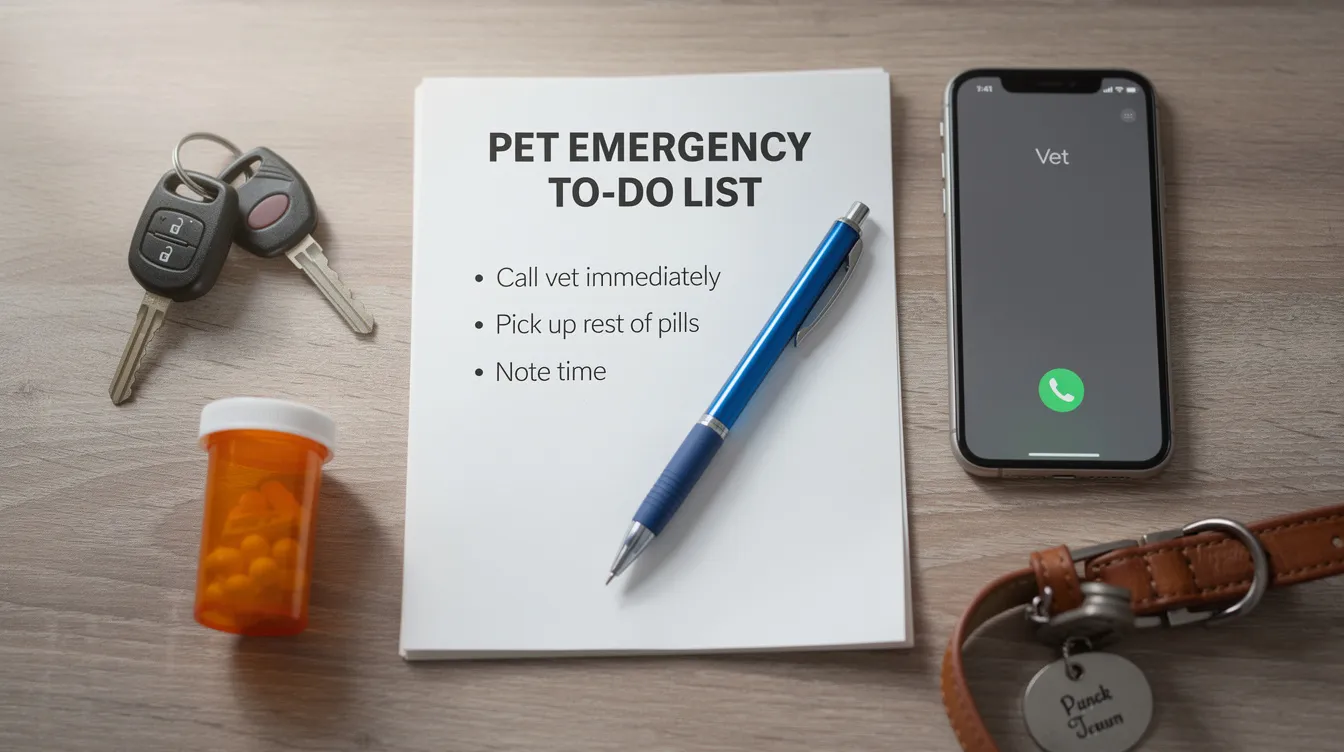
- Identify the medication: Find the pill bottle or packaging. Note the exact drug name and strength per tablet. Keep medications in original containers for easy identification – this is exactly why that matters.
- Count the missing pills: Determine how many pills are unaccounted for. If you’re unsure, assume worst-case exposure.
- Note the time: When did your dog likely eat the pills? Was the bottle full this morning and now half-empty? Estimating the window of ingestion helps your vet determine treatment options.
- Check for evidence: Look for chewed packaging, pill fragments, or vomit containing pill residue. Bring the pill bottle or packaging to the veterinary clinic.
Step 2: Contact Professional Help
Call a veterinarian immediately after ingestion. Do not wait for clinical signs to develop – by the time symptoms of poisoning in dogs include vomiting and lethargy, significant absorption may have already occurred.
Also, when noting the time, consider when your dog ate pills, as this can significantly impact treatment options.
- Your veterinary clinic is always the first call. Have the medication bottle on hand when contacting a veterinarian so you can provide the substance name, dosage per pill, estimated number ingested, your dog’s weight, time since ingestion, and any observed symptoms.
- If your vet is unavailable, call a poison control center if you cannot reach a veterinarian. The ASPCA Animal Poison Control Center at 888-426-4435 or the Pet Poison Helpline at 855-764-7661 provide immediate advice from veterinary toxicologists. Note that consultation fees may apply.
- Never attempt home remedies – inducing vomiting should only be done under veterinary guidance. Home methods like hydrogen peroxide carry significant aspiration risks and are not recommended without professional direction.
Step 3: Monitor and Document
While waiting for or traveling to veterinary care:
- Monitor your dog for symptoms like shaking or seizures post-ingestion. Watch for early signs including mild vomiting, diarrhea, drooling, lethargy, loss of appetite, muscle tremors, or changes in behavior.
- Monitor your dog closely for any changes after ingestion and document everything with timestamps – when you noticed the ingestion, when symptoms began, what you observed.
- Prepare for safe transport: secure your dog with a leash or in a crate, bring all medication packaging, and have your notes ready for the veterinary team.
- Provide the medication label to your veterinarian for treatment planning.
Professional Assessment and Treatment Options
Once you arrive at the clinic, your veterinary professional will assess the situation based on the drug type, estimated dose relative to your dog’s weight, time elapsed, and any clinical signs already present. Cornell University’s College of Veterinary Medicine emphasizes that dose-dependent toxicity makes even over the counter drugs dangerous at modest overdoses, and they advocate contacting poison control as soon as ingestion is known.
Emergency Veterinary Procedures
When emergency treatment is necessary, veterinary teams follow established decontamination and stabilization protocols:
- Induced vomiting – If ingestion occurred within approximately 2 hours and the medication type allows it, your vet may administer apomorphine or other emetic agents under supervision to remove unabsorbed pills
- Activated charcoal administration – Given orally to bind remaining toxin in the gastrointestinal tract and prevent further absorption, this may be useful even several hours post-ingestion depending on the substance
- IV fluid therapy – Critical for maintaining hydration, supporting kidney perfusion, and accelerating toxin elimination – used heavily in NSAID and acetaminophen overdoses to prevent or treat kidney injury
- Specific antidotes when available – For acetaminophen poisoning, N-acetylcysteine replenishes depleted glutathione stores; oxygen therapy or blood transfusions address methemoglobinemia; other drug-specific interventions exist for certain toxicities
- Monitoring and supportive care – Continuous vital signs monitoring, blood pressure tracking, ECG for cardiac medications or antidepressants, and repeat bloodwork to assess liver and kidney function over 24–72 hours
Treatment Decision Factors
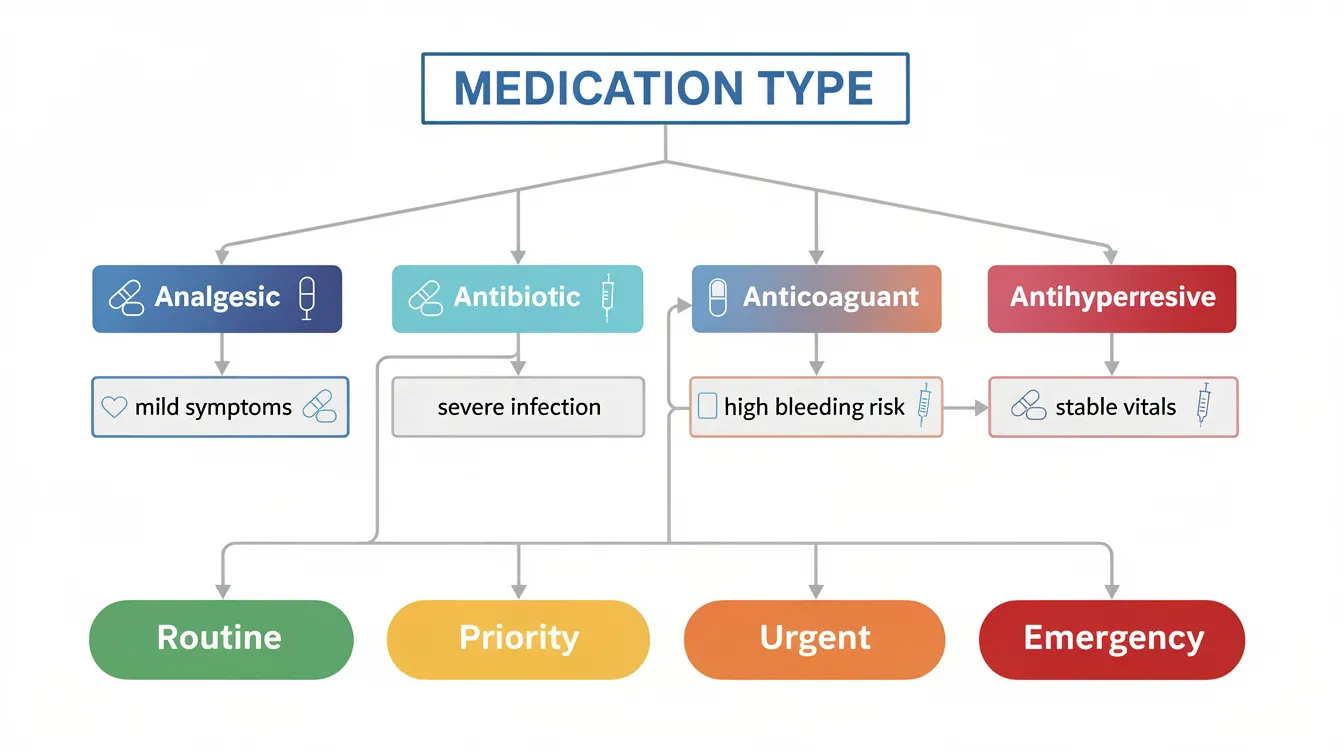
Not every ingestion requires the same level of intervention. This comparison helps you understand how veterinary teams prioritize treatment:
|
Medication Type |
Immediate Risk Level |
Treatment Priority |
Key Concern |
|---|---|---|---|
|
NSAIDs (ibuprofen, naproxen) |
High |
Emergency intervention |
GI ulceration, kidney failure |
|
Acetaminophen (Tylenol) |
High |
Emergency intervention |
Liver failure, red blood cell damage |
|
Antidepressants/SSRIs |
Very High |
Immediate emergency care |
Serotonin syndrome, seizures |
|
ADHD Medications |
Very High |
Immediate emergency care |
Seizures, hyperthermia |
|
Blood Pressure Meds |
High |
Emergency intervention |
Dangerously low blood pressure |
|
Birth Control Pills |
Low |
Monitoring advised |
Typically low single-dose toxicity |
|
Sleep Medications |
Moderate–High |
Veterinary evaluation |
CNS depression, slowed breathing |
In severe cases – high doses of NSAIDs, any amount of TCAs, or acetaminophen above 75 mg/kg – emergency care is non-negotiable. For lower-risk scenarios, such as a large dog consuming a single birth control pill, your veterinarian may advise home monitoring with specific warning signs to watch for. However, even in apparently mild situations, calling your vet to determine the appropriate response is always the right decision.
When consulting with your veterinarian, be upfront about the fact that your dog ate pills and provide any evidence you may have collected.
Common Challenges and Emergency Solutions
Medication ingestion emergencies rarely go perfectly according to plan. Here are the most common complications pet owners encounter and how to handle them.
Dog Won’t Vomit After Professional Induction
If veterinary-induced vomiting fails or is contraindicated, your vet will pivot to activated charcoal administration and IV fluid support. Continued monitoring for delayed-onset symptoms is critical – substances like acetaminophen may take 12–72 hours to manifest liver damage. Gastric lavage (stomach pumping) may be performed in the clinic for particularly dangerous ingestions.
Unknown Medication or Amount Consumed
This is one of the most stressful scenarios. Bring all medication bottles and packaging to the veterinary clinic, even if you only suspect they were involved. Your veterinary team will treat based on worst-case scenario until lab work narrows the diagnosis, using universal safety protocols including activated charcoal and IV fluids. If you suspect your pet ate something but aren’t sure what, do not delay – seek veterinary care immediately.
Financial Concerns About Emergency Treatment
Emergency veterinary care can be expensive, and this concern is valid. Discuss payment options and cost expectations with veterinary staff upfront – many clinics offer payment plans or work with third-party financing. Ask about the relative costs of decontamination versus hospitalization to understand your options. Consider establishing a pet emergency fund or obtaining pet insurance before an emergency occurs.
Multiple Pets in Household After Medication Spill
If a pill bottle spills and you have multiple pets, account for every animal in the household. Each pet’s weight, potential exposure, and symptoms may vary – a dose that causes mild vomiting in your 60-pound Labrador could lead to liver failure in your 8-pound cat. Transport all potentially exposed pets to the clinic and inform the veterinary team about multiple exposures so each animal receives individual assessment.
These challenges underscore an important reality: while emergency response saves lives, preventing medication access in the first place eliminates the crisis entirely.
Prevention and Long-term Safety Measures
The most reliable way to protect your dog from medication poisoning is to prevent easy access to pills in the first place. Here are immediate, actionable steps every pet owner should implement:
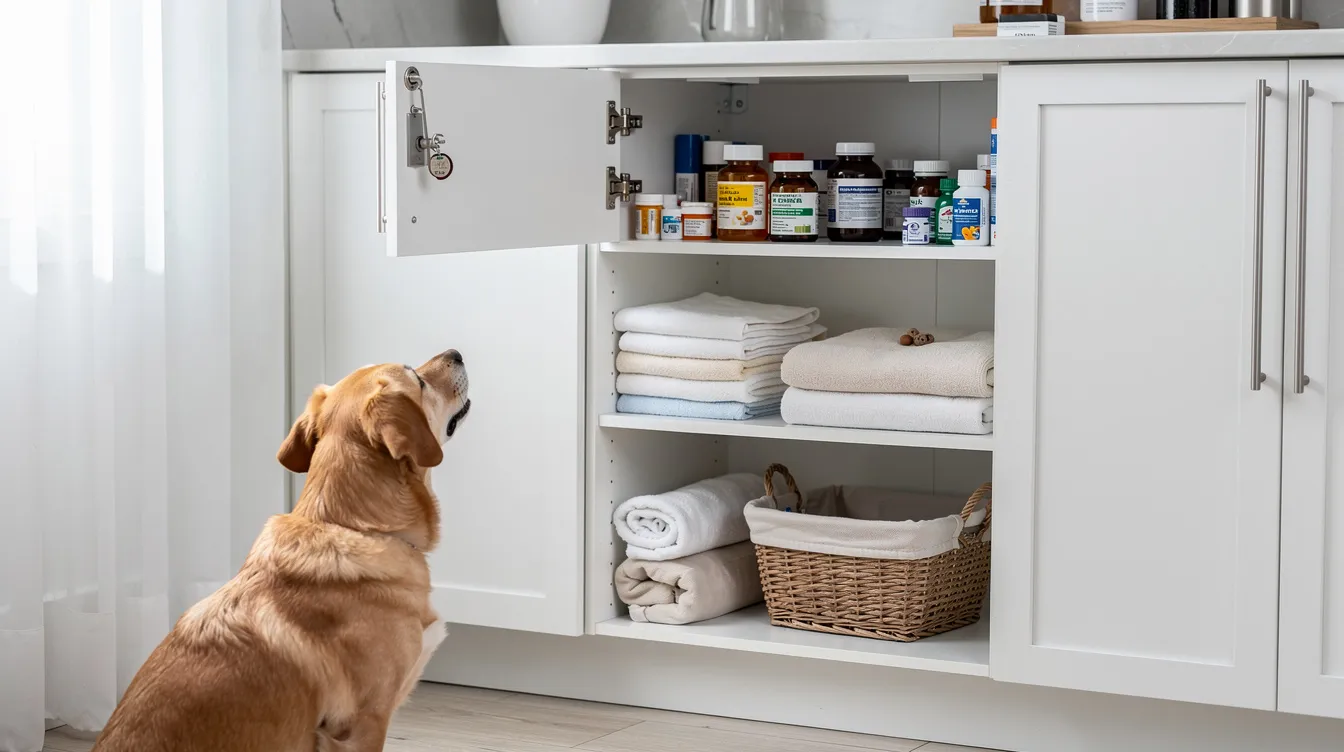
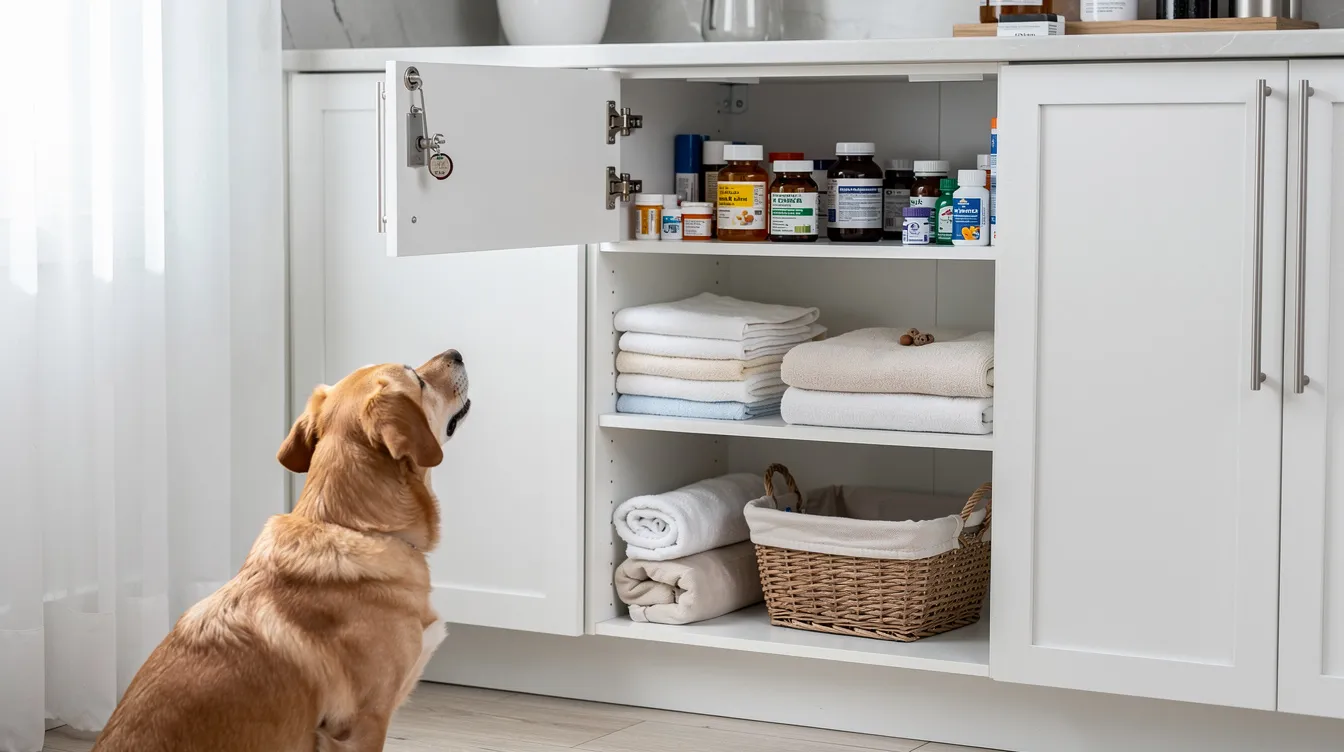
- Store medications in secure containers out of pet reach – use locked cabinets or high shelves that dogs cannot access, even by climbing or jumping. Never leave pills on countertops, nightstands, or in open purses. Child-proof containers are not always pet-proof – dogs can chew through plastic bottles.
- Keep medications in original containers – labeled bottles help you and your vet quickly identify what was ingested if an accident occurs
- Dispose of unused medications safely – use pharmacy take-back programs rather than throwing pills in accessible trash cans
- Educate all household members – ensure everyone in your home, including children and guests, understands that human medications are dangerous to pets
- Post emergency numbers visibly – keep your veterinarian’s number, local emergency clinic contact, and the Pet Poison Helpline (855-764-7661) where everyone can find them
- Maintain a pet first aid kit – stock basics but never include human medications for use without veterinary instruction
- Be vigilant during medication routines – if you drop a pill, find it before your dog does. Dogs commonly eat dropped pills before owners can react
For broader strategies on keeping your home safe for your pets, including toxic foods and household hazards, visit our pet toxicities resource page.
Frequently Asked Questions
Should I make my dog vomit if they ate pills?
Only induce vomiting under direct veterinary guidance. If ingestion occurred within approximately 2 hours and the medication is one where vomiting is safe, your veterinarian may instruct specific methods. Attempting to induce vomiting at home without professional direction risks aspiration pneumonia and can worsen the situation. If your dog ate pills, call a poison control hotline for immediate advice if you cannot reach your vet.
Yes. Even a single 200 mg ibuprofen tablet exceeds the GI toxicity threshold for a dog weighing 9–10 kg (about 20 pounds). This is a crucial point to understand, as the risk of serious harm is high if your dog ate pills, especially high-potency medications like antidepressants or ADHD drugs.
How long does it take for medication poisoning symptoms to appear?
The timeline varies significantly by drug type. Antidepressants can cause serious reactions in dogs within 30 minutes, including agitation, tremors, and elevated heart rate. NSAIDs may cause GI signs in 4–12 hours, with kidney damage developing over 24–72 hours. Acetaminophen poisoning can cause liver failure in dogs, with signs potentially taking 12–72 hours to appear. This is exactly why you should never wait for symptoms before calling your vet.
Can one pill really hurt my large dog?
Yes. Even a single 200 mg ibuprofen tablet exceeds the GI toxicity threshold for a dog weighing 9–10 kg (about 20 pounds). For high-potency medications like antidepressants or ADHD drugs, even one pill can be life-threatening regardless of dog size. The as recommended by the American Kennel Club, always treat any medication ingestion as a potential emergency.
What’s the difference between human and veterinary emergency poison control?
Always keep a list of emergency contacts and information handy in case your dog eats pills, as quick access to resources can save precious time.
Human poison control centers may not have species-specific toxicology data for dogs. Veterinary-specific services like the ASPCA Animal Poison Control Center (888-426-4435) and the Pet Poison Helpline (855-764-7661) employ veterinary toxicologists who specialize in animal poisoning cases. They can provide your vet with specific treatment protocols based on the exact drug and your dog’s weight.
How can I prevent this from happening again?
Store all medications in locked cabinets out of reach. Never leave pills in bags, on tables, or in areas where pets have access. Educate household members. Dispose of expired medications through pharmacy take-back programs. Consider pet insurance to reduce financial barriers to emergency care.
After you realize your dog ate pills, be vigilant in monitoring their behavior and health until you can get professional help.
When is overnight monitoring at the vet necessary?
Overnight veterinary monitoring is typically necessary when your dog has ingested high-risk medications (NSAIDs, acetaminophen, antidepressants, high blood pressure drugs) at moderate to high doses, when early symptoms are already present, when blood work shows elevated liver or kidney values, or when breathing difficulties develop. Your veterinarian will determine whether hospitalization is warranted based on the specific drug, dose per kg, and your dog’s clinical condition.
Prevention is key, so always be mindful and store medications safely to ensure your dog never has a chance to eat pills again.
Additional Resources
- ASPCA Animal Poison Control Center: 888-426-4435 (available 24/7; consultation fee applies) – aspca.org/pet-care/animal-poison-control
- Pet Poison Helpline: 855-764-7661 (available 24/7; consultation fee applies) – petpoisonhelpline.com
- Emergency preparation: Keep a transport crate, leash, and current list of your dog’s medications/weight accessible at all times
- Medication safety: Store all drugs in locked, elevated cabinets; use original labeled containers; dispose through pharmacy take-back programs
- Further reading: Pet Toxicities |
Reviewed by Dr. Roger Hart, DVM
By recognizing that your dog ate pills and taking prompt action, you can significantly improve their chances of recovery.
Keeping medications secured and out of reach is the best prevention, but if your dog does get into pills, acting quickly and contacting your veterinarian or a nearby emergency veterinary hospital gives them the best chance at a safe recovery.