Introduction
If your dog ate marijuana, you need to act immediately—marijuana toxicity is a veterinary emergency where the first 30 minutes to 2 hours determine how effectively treatment can minimize harm. THC, the psychoactive compound in cannabis, affects dogs far more intensely than humans, and even a small amount of cannabis can cause toxicity in dogs that ranges from disorientation to seizures. If your dog ate marijuana, be vigilant for signs of intoxication.
This guide covers everything you need to know about marijuana ingestion in dogs: how to recognize clinical signs of THC intoxication, what emergency steps to take, how veterinary treatment works, and how to prevent future marijuana exposure. Whether your dog got into a pot brownie, chewed on plant material, or consumed cannabis products like edibles or concentrates, this information applies to pet owners in Central Florida and everywhere else. The target audience is any dog owner who suspects or has confirmed their pet ingested marijuana in any form.
Recognizing that your dog ate marijuana is crucial for ensuring their safety. Various forms of marijuana can cause different levels of toxicity, so it’s essential to determine what your dog has ingested.
When you realize that your dog ate marijuana, remember that the best course of action is to contact your veterinarian immediately.
Dogs that eat marijuana need immediate veterinary evaluation because THC toxicity can cause severe neurological symptoms lasting 12 to 72 hours. With prompt supportive care, most dogs recover fully within one to three days, but delayed treatment increases the risk of dangerous complications.
After reading this guide, you will be able to:
- Recognize the most common clinical signs of marijuana poisoning in dogs at every severity level
- Execute a proper emergency response in the critical first hours after cannabis ingestion
- Understand the veterinary treatment process from decontamination through recovery
- Implement proven prevention strategies to protect your pets from accidental ingestion
- Know exactly when hospitalization is required versus when home monitoring may suffice
Understanding Marijuana Toxicity in Dogs
Marijuana toxicity in dogs occurs when a dog consumes any product containing THC (tetrahydrocannabinol), the primary psychoactive compound found in Cannabis sativa. THC is what produces psychoactive effects in humans, but in dogs, the consequences are far more severe and unpredictable.
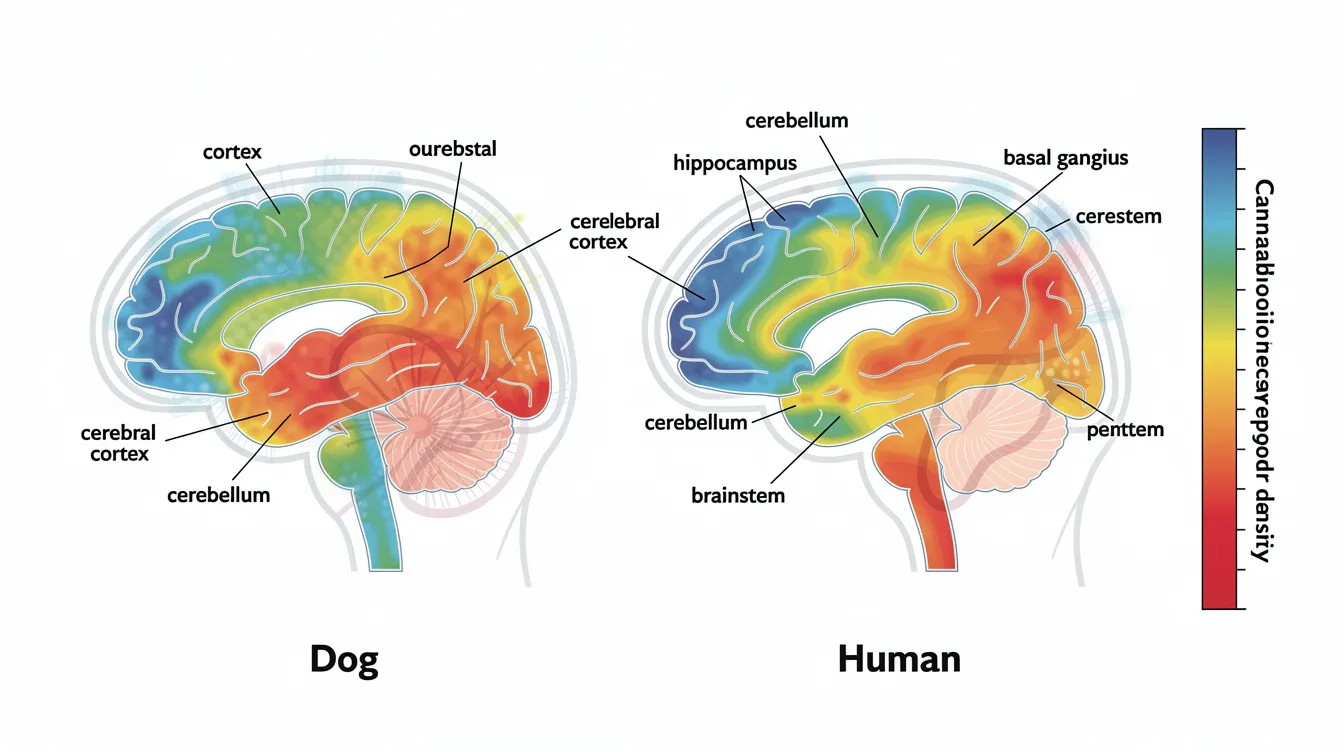
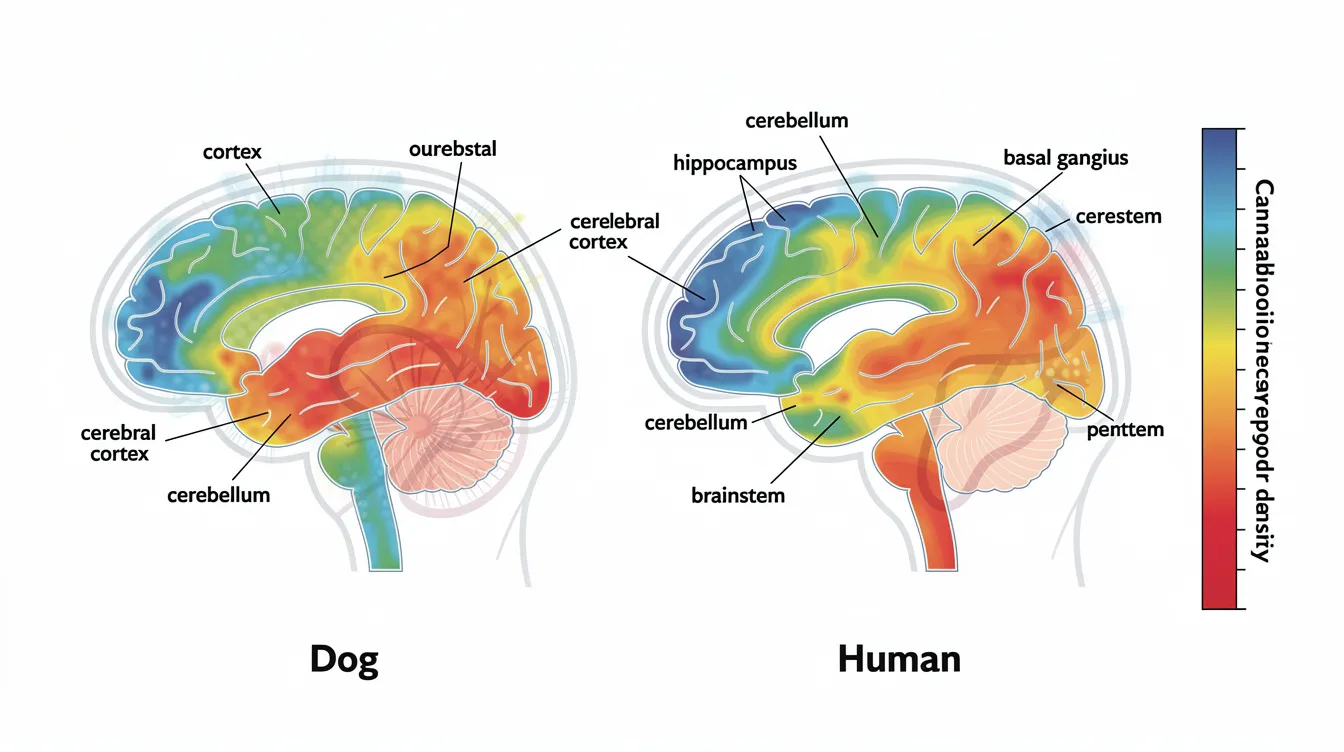
The reason dogs are dramatically more sensitive than humans comes down to neurology: dogs have a significantly higher concentration of cannabinoid receptors in the brain compared to humans. These CB1 receptors are part of the endocannabinoid system and regulate motor activity, coordination, pain perception, mood, body temperature, and sensory stimulation. When THC floods this system, it overwhelms the nervous system-THC is 4 to 20 times more potent than endocannabinoids naturally produced by the body.
Dogs can show symptoms with as little as 0.3–0.5 mg/kg of THC, and THC levels in marijuana products can exceed 90% by weight in concentrates, while even standard flower can exceed 24% THC in some products; for context, an average marijuana cigarette may contain enough THC to expose a small dog well above that symptom threshold.
THC vs CBD Effects
THC causes intoxication, neurological depression, and potential severe toxicity in dogs and cats. It activates CB1 receptors directly, producing the disorientation, ataxia, and altered consciousness that characterize marijuana intoxication. A compound called cannabidiol (CBD), by contrast, does not strongly activate CB1 receptors and is generally considered safer.
However, CBD is not without risk. Research by Vaughn et al. (2020) directly compared escalating doses of THC-predominant and CBD-predominant oils in dogs. Dogs given THC oil (up to approximately 49 mg/kg) experienced significantly more moderate and severe adverse events-including ataxia and lethargy-compared to dogs given CBD oil (up to approximately 62 mg/kg), which produced mostly mild adverse effects. Mixed THC/CBD formulations triggered clinical signs earlier and at lower doses.
CBD toxicoses tend to manifest as somnolence, mild gastrointestinal tract upset, and slight liver enzyme elevations. THC toxicoses include neurological depression, tremors, urinary incontinence, and in severe cases, seizures. The margin of safety for THC is much narrower, which is why marijuana ingestion-not CBD ingestion-constitutes the real emergency.
Common Sources of Marijuana Ingestion Exposure
Dogs encounter THC through several common pathways, each carrying different risk levels:
- Marijuana edibles are the most dangerous source. A single marijuana brownie can contain 4 servings for humans, delivering a massive THC dose to a dog. Baked goods, gummies, cookies, and candies often contain additional toxic ingredients like chocolate, xylitol, or marijuana butter-all of which compound the danger.
- Raw cannabis plant or dried flower. Dogs may chew on a marijuana plant, dried buds, leaves, or stems. While the cannabis plant in raw form contains lower THC concentrations than edibles or concentrates, it can still produce significant toxicity.
- Concentrated products such as oils, wax, and vape liquids contain dramatically higher THC levels and represent the highest-risk exposure category; synthetic cannabinoids are a separate, even higher-risk category because their potency and effects are less predictable than natural cannabis products.
- Less obvious sources include second hand smoke (though inhalation typically produces milder symptoms), discarded joints or roaches found outdoors, and even ingestion of human feces containing THC metabolites.
Marijuana edibles pose additional risks due to other toxic ingredients-chocolate toxicity alone can be life-threatening, and when combined with THC intoxication, the clinical picture becomes far more complicated. Understanding these exposure sources is essential for recognizing when your dog shows signs of marijuana toxicity.
Recognizing Clinical Signs and Symptoms of Marijuana Poisoning in Dogs
Now that you understand how marijuana exposure occurs, the next critical skill is recognizing the signs of marijuana intoxication quickly. Dogs may show symptoms within 30 minutes to 4 hours after ingestion, depending on whether they consumed edibles, plant material, or concentrates. According to the Merck Veterinary Manual, THC is highly lipid-soluble and stored in fatty tissues, meaning it is rapidly distributed throughout the body and can produce prolonged effects.
Dogs can show symptoms within one hour of ingestion in most cases, with symptoms that can last up to 72 hours in some cases. Approximately 25% of dogs may exhibit stimulation instead of lethargy, which can confuse owners who expect their pet to appear sedated.
Early Warning Signs (30 Minutes to 2 Hours)
The common signs that appear first during cannabis toxicity include:
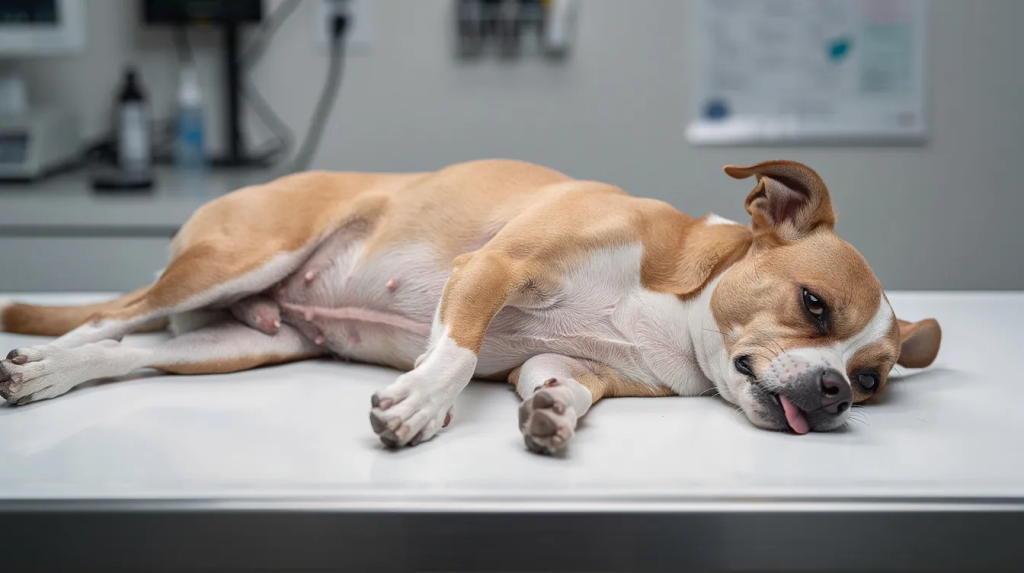
- Lethargy and sedation: Your dog may appear unusually drowsy, sluggish, or unable to stay awake
- Ataxia (loss of coordination): A “drunken” gait, stumbling, swaying, or inability to navigate stairs or doorways
- Dilated pupils and a glazed or unfocused appearance
- Drooling and hypersalivation, sometimes accompanied by symptoms of marijuana toxicity in dogs that include dribbling urine and drooling
- Altered responsiveness to sensory stimuli: Delayed reactions to sounds, inability to follow commands, or appearing “zoned out”
- Urinary incontinence: Ataxia and urinary incontinence are common in affected dogs during this early phase
These early warning signs often appear mild but can escalate rapidly. If your dog is not eating and appears lethargic after any possible marijuana exposure, treat the situation as an emergency.
If you suspect your dog ate marijuana, knowing the clinical signs is vital. Symptoms can manifest quickly, so stay alert.
Moderate to Severe Symptoms
As a dog owner, if you believe your dog ate marijuana, understanding the signs of marijuana toxicity becomes a critical skill.
As the dose absorbed increases or time progresses, more concerning symptoms emerge:
If your dog ate marijuana, be prepared to identify and respond to the early warning signs of toxicity.
- Tremors and muscle twitching affecting limbs or the entire body
- Abnormal heart rate: THC affects the cardiovascular system, causing either tachycardia (rapid heart rate) or bradycardia (slow heart rate), along with blood pressure changes-monitoring your pet’s heart rate becomes critical
- Vomiting: Gastrointestinal distress may be caused by marijuana ingestion in dogs, and repeated vomiting episodes warrant immediate veterinary attention
- Body temperature dysregulation: Hypothermia is more common, though occasional hyperthermia occurs
- Hyperesthesia: Increased sensitivity to touch, sound, and light, where even gentle handling provokes exaggerated startle responses
- Neurological changes including agitation, vocalization, or disorientation can occur with marijuana ingestion in dogs
Life-Threatening Signs Requiring Immediate Emergency Care
Severe cases of marijuana ingestion in dogs may lead to tremors or seizures, along with other signs that constitute a true emergency:
- Seizures or repetitive convulsive episodes
- Coma or inability to rouse the dog despite stimulation
- Severe respiratory depression or difficulty breathing with possible cyanosis (bluish gums indicating low oxygen)
Fatalities from cannabis ingestion in pets are rare but possible. The Merck Veterinary Manual documents only two published canine fatality cases, both involving edibles made with marijuana butter. While marijuana toxicity is rarely fatal when THC is the sole toxin, co-ingestion of chocolate, xylitol, or large amounts of fat significantly increases mortality risk. Recognizing these severe symptoms triggers the immediate response protocols detailed in the next section.
Emergency Response Protocol and Veterinary Treatment
Time is the most critical factor in treating marijuana toxicity. According to Cornell University’s College of Veterinary Medicine, cannabis intoxication in dogs has increased sharply with widespread availability of edibles and concentrates, making it essential that pet owners understand exactly what to do-and what not to do-in these situations. Supportive care is crucial until THC effects wear off, and early intervention significantly reduces complications.
Immediate Steps for Pet Owners
Each step below applies based on when you discover the accidental ingestion and how severely your dog is affected:
In cases where your dog ate marijuana, understanding what symptoms to look for can save your pet’s life.
- Contact your emergency vet or Dr. Roger Hart’s clinic immediately at the first sign of symptoms-do not wait to see if your dog “gets better” on their own
- Collect any product packaging, estimate the amount consumed, and note the time of ingestion. THC-containing products vary enormously in potency, and this information directly shapes treatment decisions. Note whether the product contained chocolate, xylitol, or other toxic ingredients
- Do NOT induce vomiting unless specifically directed by a veterinary professional. Inducing vomiting is most effective within 30 minutes of ingestion, and if sedation has already begun, vomiting creates a dangerous aspiration pneumonia risk. Never attempt to induce vomiting in a dog showing neurological signs
- Transport your dog safely to the veterinary facility in a quiet, dimly lit environment. Minimize sensory stimulation during transport-loud music, bright lights, and excessive handling can worsen hyperesthesia and agitation
Professional Veterinary Treatment Options
Veterinary medicine offers no specific antidote for THC intoxication. Treatment is supportive and tailored to the severity of marijuana exposure. A physical examination upon arrival guides the treatment approach. Veterinarians usually diagnose tetrahydrocannabinol intoxication from clinical signs and exposure history rather than relying on rapid drug tests alone.
|
Severity Level |
Treatment Approach |
Expected Duration |
|---|---|---|
|
Mild |
Supportive monitoring, IV fluids for hydration, low-stimulus environment |
6–12 hours |
|
Moderate |
Activated charcoal (may be given every six to eight hours to reduce absorption), anti-nausea medication (maropitant or ondansetron to relieve nausea), hospitalization with continuous monitoring |
12–24 hours |
|
Severe |
Intensive supportive care, seizure management with diazepam, lipid emulsion therapy (because THC is lipid soluble, this helps sequester the toxin), ventilatory support, thermoregulation |
24–72 hours |
In mild cases where ingestion occurred within the last hour and the dog remains asymptomatic, decontamination through induced emesis may be attempted using apomorphine or ropinirole, followed by activated charcoal. However, in severely affected cases, the focus shifts entirely to stabilization: IV fluids, cardiovascular monitoring, seizure control, and maintaining body temperature within normal range.
Most dogs recover within one to two days with appropriate treatment. The prognosis with prompt medical care is excellent-long-term sequelae are rare, and most dogs return to completely normal function.

Understanding the treatment process helps owners make informed decisions about the level of care their dog needs, which connects directly to the diagnostic challenges that veterinary teams face during these emergencies.
Common Challenges and Complications
If your dog ate marijuana and displays severe symptoms, immediate veterinary care is necessary.
Despite the generally favorable prognosis for marijuana toxicity, several complications can make diagnosis and treatment more difficult. Being aware of these challenges helps pet owners provide better support to their veterinary team.
Diagnostic Testing Limitations
One of the most significant challenges in confirming cannabis toxicity is that human urine drug tests are unreliable in dogs. These point-of-care tests produce false negative results at high rates because dogs metabolize THC differently than humans, producing different metabolite profiles and excretion patterns. This means false negatives are common, and a negative test does not rule out marijuana ingestion.
Specialized testing via gas chromatography/mass spectrometry can detect THC in blood, urine, or gastric contents, but these tests are slow and impractical in emergency situations. Diagnosis relies primarily on clinical signs, exposure history, and-critically-honest communication from the pet owner about what the dog may have accessed.
Co-Ingestion Toxicity Concerns
When a dog eats a pot brownie or other marijuana edible, the THC is only part of the problem. Chocolate toxicity from brownies or cookies requires additional treatment protocols targeting theobromine and caffeine poisoning. Xylitol poisoning from sugar-free gummies necessitates immediate glucose monitoring and potentially dextrose supplementation, as xylitol can cause life-threatening hypoglycemia and liver failure in dogs.
When your dog ate marijuana, the time to act can be the difference between a quick recovery and serious complications.
High-fat content in many edibles-particularly those made with marijuana butter-can also trigger pancreatitis, a painful and potentially serious inflammatory condition of the digestive system. Veterinarians must address all co-ingested toxins simultaneously, which increases treatment complexity and cost. This is similar to how other household toxins can create compounding effects when dogs consume multiple dangerous substances.
Owner Communication Barriers
Fear of legal consequences remains one of the biggest obstacles to effective treatment. Many owners are reluctant to disclose marijuana exposure, especially in states where recreational use remains restricted or where they worry about judgment. This hesitation delays proper treatment and forces veterinary teams to work through broader-and slower-differential diagnoses.
Each step you take after realizing your dog ate marijuana should be guided by professional veterinary advice.
It is essential to understand that veterinary care focuses exclusively on your pet’s health, not legal issues. Veterinarians are not law enforcement. Honest, immediate disclosure of what your dog consumed, how much, and when directly improves outcomes. The Drug Enforcement Agency has no involvement in veterinary medicine consultations about pet poisoning.
Prevention Strategies for Marijuana Toxicity
Prevention is far more effective-and less expensive-than treating marijuana toxicity after the fact. With cannabis products becoming increasingly common in households across Central Florida and nationwide, implementing systematic prevention is essential for every dog owner.
- Store cannabis products in closed, elevated cabinets. Keep marijuana edibles out of pets’ reach to prevent ingestion. Use locked containers, as dogs can chew through bags, boxes, and plastic packaging
- Keep all THC-containing products secured including flower, concentrates, vape cartridges, and any baked goods or candies-treat them identically to medications or household chemicals
- Avoid smoking cannabis in areas where pets are present. While second hand smoke exposure typically produces milder symptoms than ingestion, it still introduces THC into your dog’s system. Ensure adequate ventilation in separate areas
- Educate others about the dangers of cannabis to pets. Family members, roommates, and visitors may not realize that marijuana products are toxic to dogs and cats. Make securing cannabis products a household rule
- Consider pet-proofing strategies similar to child-proofing for households with cannabis products-trash cans with locking lids, elevated storage, and awareness of discarded products
- Monitor pets for unusual behavior after potential cannabis exposure. If your dog shows any signs of marijuana intoxication after being in areas where cannabis was used or stored, contact your veterinarian immediately
Veterinary treatment for marijuana exposure is determined by how much cannabis your dog consumed when you realize your dog ate marijuana.
For broader guidance on protecting your pets from household dangers, explore preventive care strategies that address multiple common toxins and risks.
Frequently Asked Questions
If your dog ate marijuana, understanding the treatment process will help you make informed decisions regarding their care.
How long does marijuana stay in a dog’s system?
THC effects typically last 12 to 72 hours depending on the amount ingested, the dog’s size, and the concentration of the cannabis product consumed. Mild exposures often resolve within 24 hours, while severe cases can produce clinical signs for up to three full days. Complete elimination of THC may take even longer because THC is highly lipid-soluble and stored in fatty tissues, where it is released slowly over time. This lipid soluble nature means traces can persist in the body well after behavioral symptoms resolve.
Can a small amount of marijuana kill my dog?
Death from marijuana alone is extremely rare in dogs. The estimated lethal oral dose of THC exceeds 3,000 mg/kg, making it practically impossible for a dog to consume enough pure THC to be fatal. However, marijuana toxicity is rarely fatal only when THC is the sole substance involved. The greater risk comes from co-ingested toxins like chocolate or xylitol commonly found in edibles. Additionally, dogs with underlying health conditions or very small breeds face higher risk from even moderate exposures. A single marijuana brownie can contain 4 servings for humans, which could deliver a significant dose to a small dog.
Should I make my dog vomit if they ate marijuana?
Never induce vomiting without direct veterinary guidance. Inducing vomiting is most effective within 30 minutes of ingestion, and its effectiveness decreases significantly after that window. More importantly, if your dog is already showing signs of sedation or neurological depression, attempting to induce vomiting creates a serious risk of aspiration pneumonia-where vomit enters the lungs. Only a veterinarian can safely determine whether decontamination through emesis is appropriate based on timing, the dog’s mental status, and overall condition. Contact the Pet Poison Helpline or your emergency vet before taking any action.
How much does emergency treatment cost for marijuana toxicity?
Treatment costs vary significantly based on severity and required duration of supportive care. Mild cases requiring a few hours of observation and IV fluids will cost considerably less than severe cases requiring 24–72 hours of hospitalization with seizure management, lipid emulsion therapy, and intensive monitoring. Early intervention-getting to your veterinarian quickly with accurate information about what and how much your dog consumed-typically reduces overall treatment expenses and complications substantially.
Will my dog have lasting effects from eating marijuana?
Most dogs recover completely within one to three days without any long-term consequences. With appropriate veterinary care and monitoring, the prognosis is excellent. In rare instances, dogs with severe toxicity may experience lingering mild lethargy or subtle neurological effects for a short period after the acute episode resolves, but permanent damage is extremely uncommon. The key factor in ensuring full recovery is prompt medical care and supportive treatment during the active toxicity period.
Additional Resources
- Pet Poison Helpline: 24/7 emergency consultation service for suspected toxicity cases in dogs, cats, and other species. Available by phone for immediate guidance when your regular veterinarian is unavailable
- Merck Veterinary Manual – THC Toxicosis: Comprehensive clinical resource on cannabinoid toxicity, commonly referred to by veterinary professionals for treatment protocols and dosing guidance
- Cornell University – Cannabis Intoxication in Dogs: Detailed information on signs, treatment, and prevention from one of the leading veterinary medicine programs
- Educational articles by Dr. Roger Hart, DVM: Background information on marijuana toxicity and other pet toxicities for Central Florida pet owners. For an actual poisoning emergency, contact your veterinarian or a nearby emergency veterinary hospital
Reviewed by Dr. Roger Hart, DVM
Marijuana toxicity in dogs is rarely fatal with prompt care, but quick recognition and immediate veterinary guidance make the biggest difference in a smooth recovery. Keep cannabis products stored securely, and contact your veterinarian or a nearby emergency veterinary hospital right away if you suspect ingestion.