Preventive Care
-
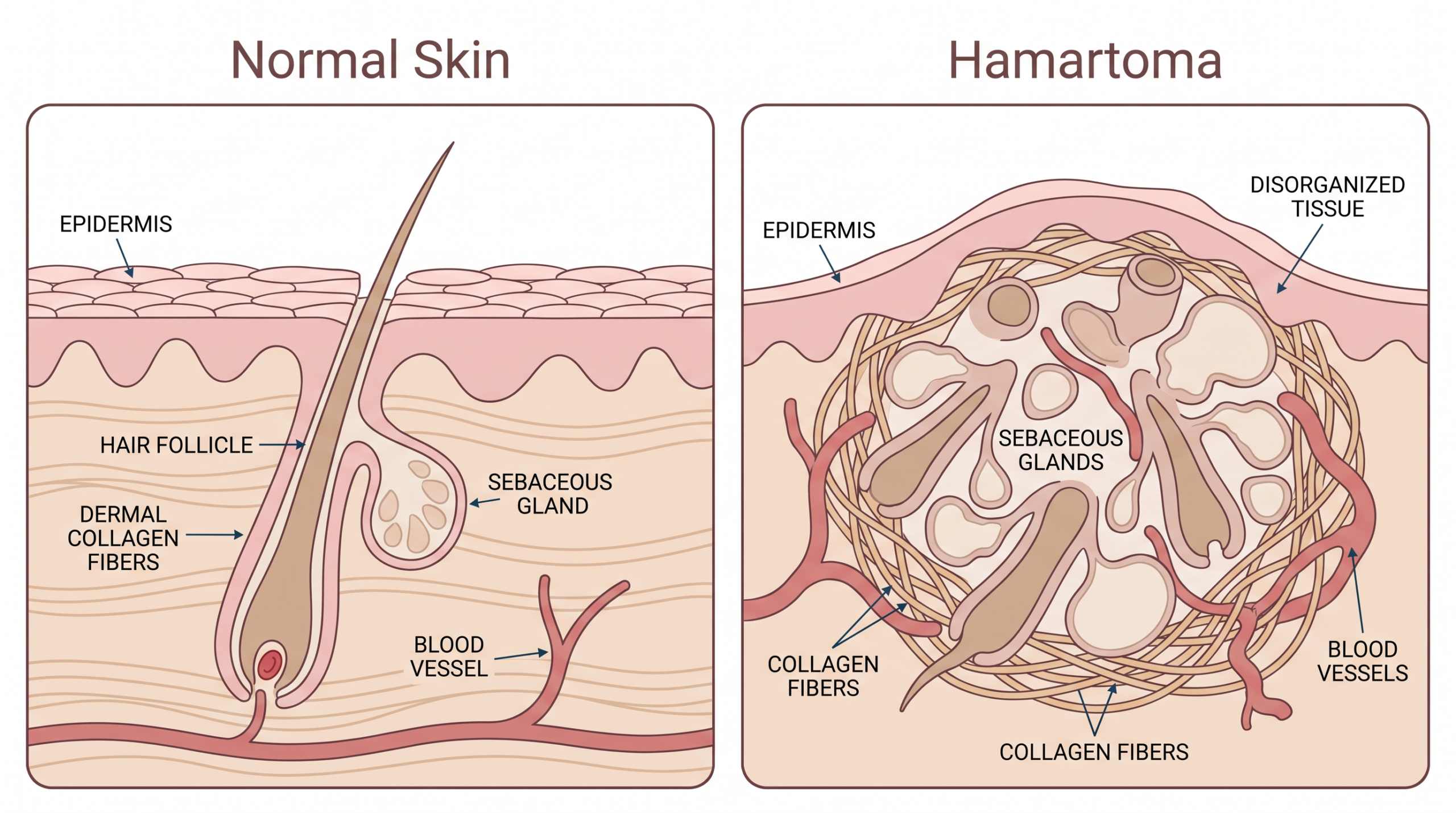
Hamartomas in Dogs
If a veterinarian says a lump on your dog is a hamartoma, the first thing to know is that a hamartoma is benign—it isn’t cancer. Hamartomas are unusual growths made from tissues that normally belong in that part of the body. Most aren’t dangerous, but there’s an important catch: you can’t tell whether a lump…
-
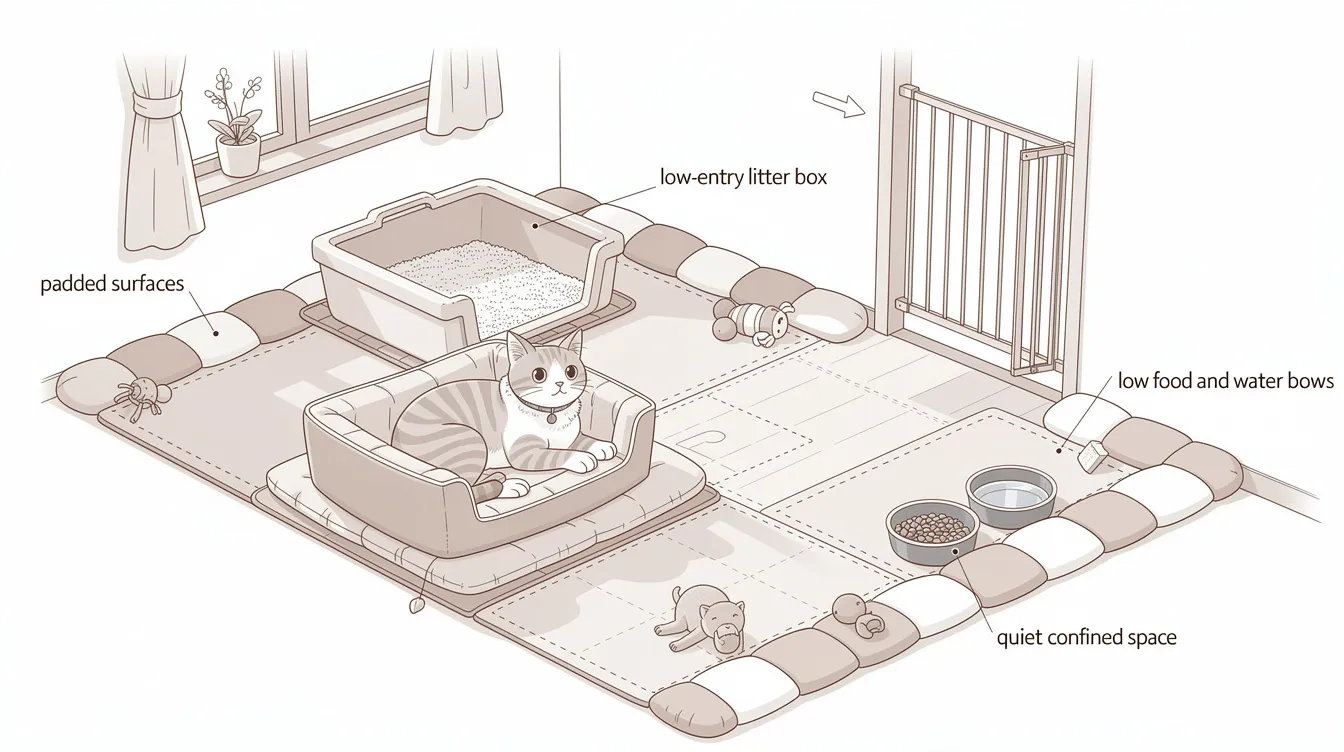
Cat Head Tilt: Causes, Diagnosis, and Treatment Guide
Reviewed by Dr. Roger Hart, DVM Introduction A cat head tilt is a sustained abnormal positioning of the head where one ear drops noticeably lower than the other, often signaling dysfunction within the vestibular system-the sensory system responsible for balance, spatial orientation, and coordination. While a brief, momentary tilt can be perfectly normal feline behavior,…
-

What Can I Give My Dog for Pain Relief: Safe Options and Expert Guidance
Reviewed by Dr. Roger Hart, DVM – Serving Pasco County, Hernando County, and Sumter County Introduction Only veterinarian-prescribed medications are safe for dog pain relief. Never give your dog human pain medications like ibuprofen, naproxen, or acetaminophen – even a single dose can cause kidney failure, liver failure, or life threatening reactions. Safe options include…
-
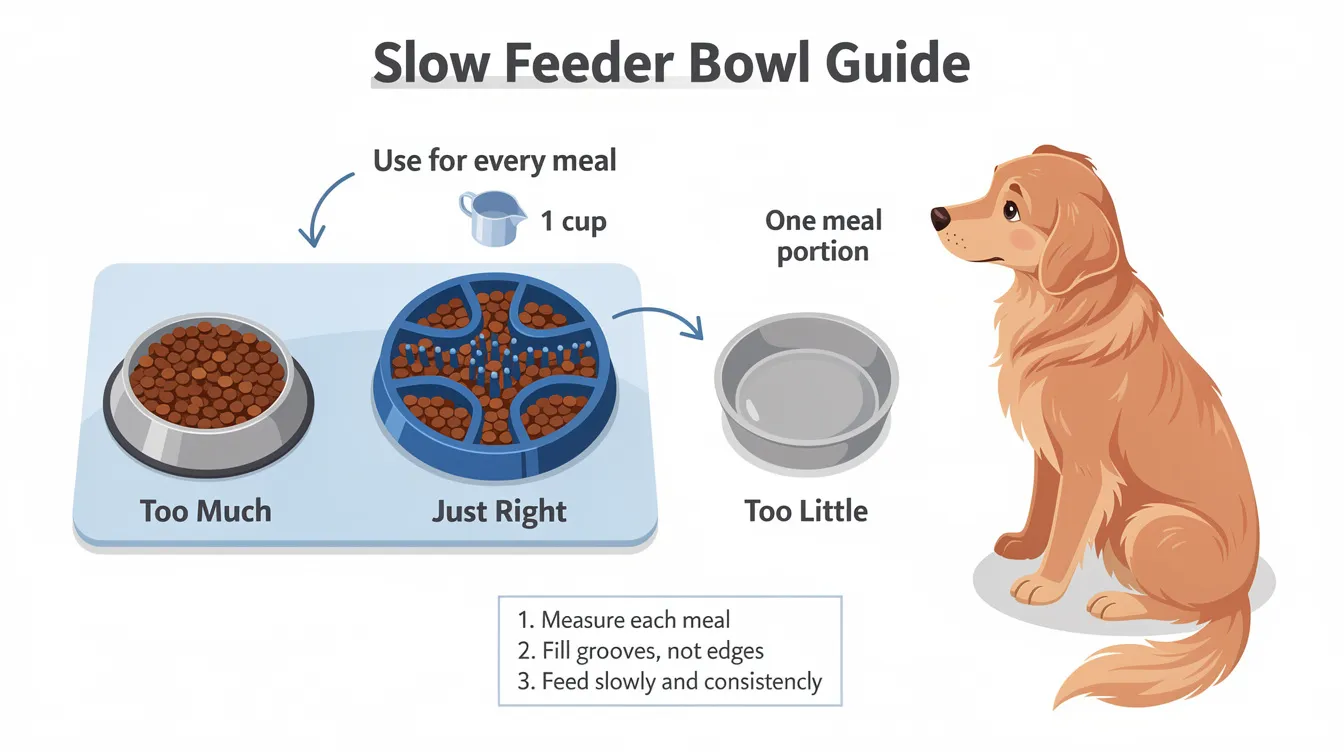
Why Does My Dog Keep Throwing Up: A Complete Guide to Canine Vomiting
Introduction Frequent dog vomiting – the repeated, forceful expulsion of stomach contents – is one of the most common reasons pet owners in Pasco County, Hernando County, and Sumter County bring their dogs in for veterinary care. If your dog is vomiting repeatedly, understanding what’s behind it can mean the difference between a manageable mild…
-

Dog Crying Pain: Complete Guide to Recognizing and Responding to Your Pet’s Distress
Introduction When your dog is crying in pain, it almost always means something is wrong-and pain is one of the most common reasons. Dogs can express pain through crying, yelping, or whimpering, and these vocalizations are rarely random. They are evolutionary signals designed to communicate distress, and as a pet owner, learning to decode them…
-
Gastroenteritis in Puppies: A Complete Guide to Diagnosis, Treatment, and Prevention
Introduction Gastroenteritis in puppies is inflammation of the stomach and intestines that causes vomiting and diarrhea – and in young dogs, it can escalate from mild discomfort to a life-threatening emergency within hours. Puppies living in warm, humid regions like Pasco, Hernando, and Sumter counties face elevated exposure to infectious pathogens that persist in the…
-
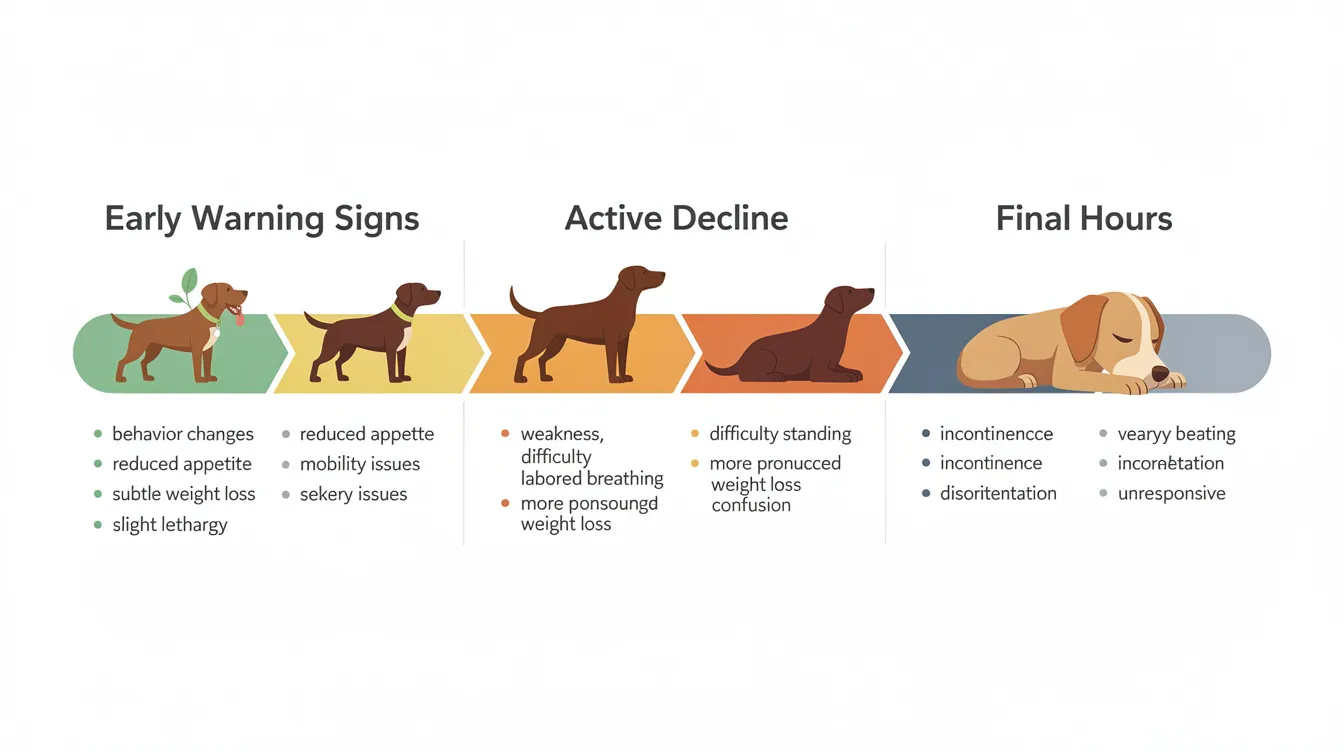
Signs That a Dog is Dying: A Complete Guide to Recognizing End-of-Life Symptoms
Introduction Recognizing that your dog is dying is one of the most painful experiences a pet owner will ever face. Whether your beloved pet is battling a terminal illness or experiencing the natural decline that comes as dogs age, understanding the common signs that dog is dying allows you to provide comfort, reduce unnecessary suffering,…
-
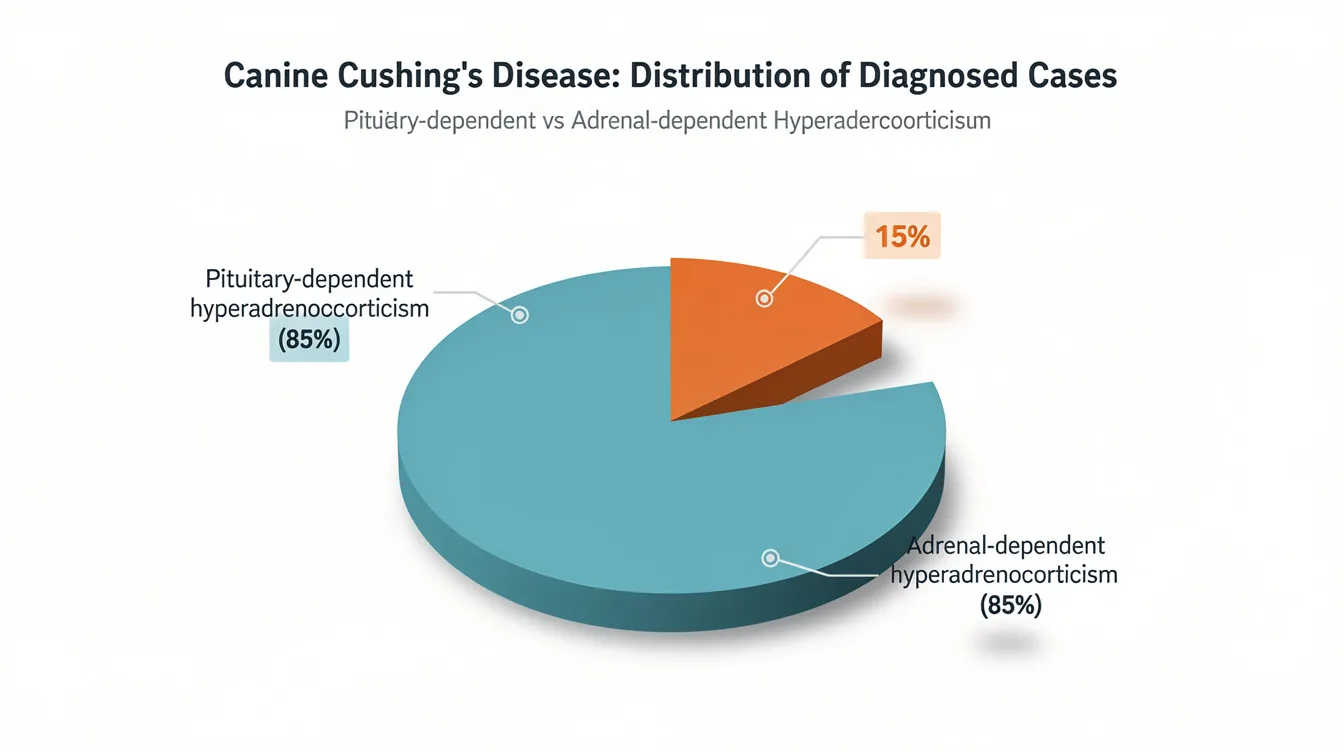
Cushing’s Disease in Dogs: Complete Veterinary Guide for Pet Owners in Central Florida
Introduction Cushing’s disease in dogs is a common endocrine disorder in dogs caused by excess cortisol production that gradually damages multiple body systems over months to years. This condition-clinically known as hyperadrenocorticism or Cushing’s syndrome-affects approximately 1–2 dogs per 1,000 annually in primary care settings across the United States, and veterinary practices throughout Pasco County,…
-
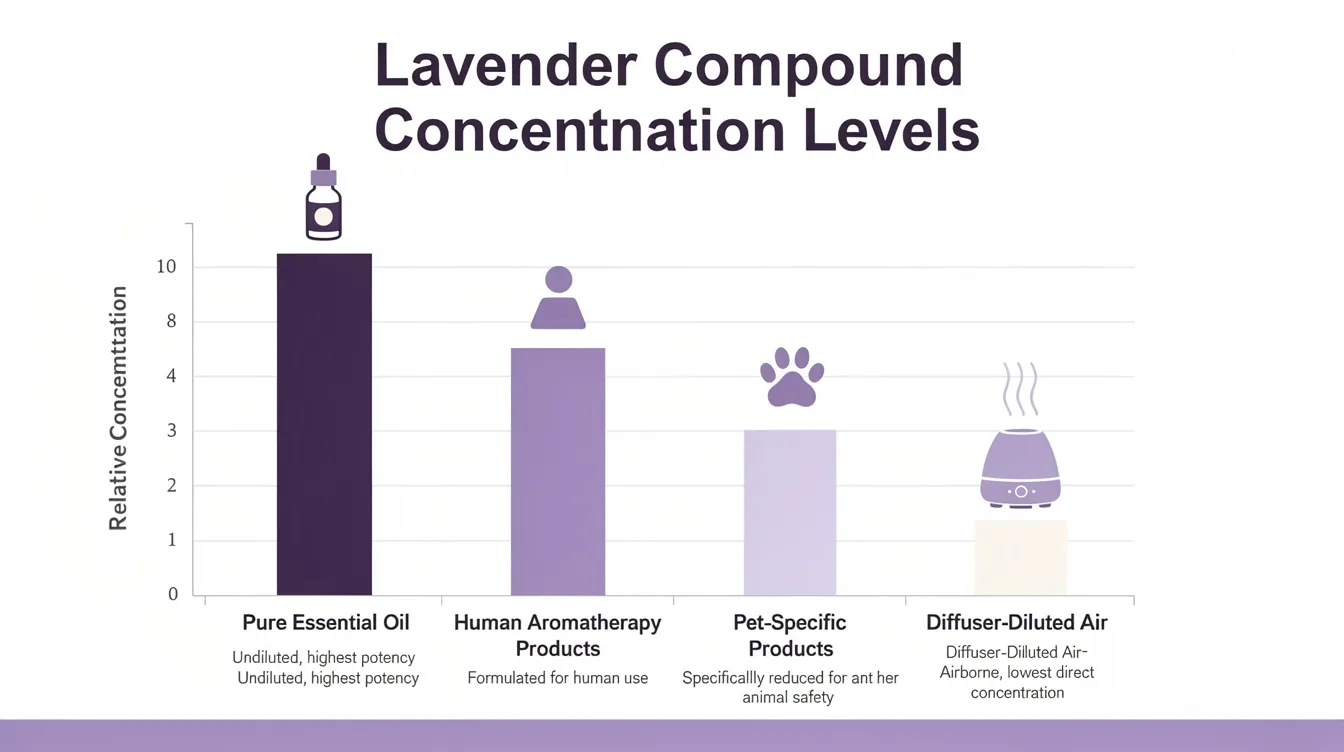
Is Lavender Safe for Dogs? A Veterinary Guide for Pet Owners
Introduction Lavender is mildly toxic to dogs, but whether it poses a real danger depends entirely on the form, concentration, and amount of exposure your dog encounters. A single sniff of a lavender bush in your Spring Hill garden is worlds apart from a dog licking undiluted lavender essential oil off a countertop. Understanding these…
-
Dogs Respiratory Illness: Complete Guide to Symptoms, Treatment, and Prevention
Introduction Dogs respiratory illness covers a spectrum of infections and conditions affecting the airways and lungs – from a mild, self-limiting kennel cough to life-threatening bacterial pneumonia. If your dog is coughing, showing a runny nose, or experiencing labored breathing, understanding the cause and knowing when to act can make the difference between a quick…