
Introduction
Addison disease in dogs-formally known as canine hypoadrenocorticism or primary adrenal insufficiency-is a serious endocrine condition in which a dog’s adrenal glands fail to produce adequate levels of essential hormones. This rare chronic endocrine disorder requires prompt veterinary diagnosis and lifelong management to keep affected dogs healthy and prevent life-threatening complications. Addison’s disease is serious but manageable, and recognizing early signs — such as lethargy and decreased appetite — allows for prompt veterinary intervention that can prevent a life-threatening adrenal crisis. Related reading: pyometra emergency signs, raisin toxicity, heat stroke, onion toxic dose, bufo toad poisoning, glaucoma, paralysis, a cat that will not eat, squinting one eye, and limping.
This guide covers everything dog owners in Central Florida and beyond need to know about canine adrenal insufficiency: how to identify early symptoms, what diagnostic testing involves, how daily treatment works, and how to manage your dog’s condition long-term. While Addison’s disease affects 1 in 100,000 people in the U.S. and usually presents between ages 30 and 50 in humans, dogs typically develop the condition between 3 and 6 years of age, making awareness critical for owners of young to middle-aged pets. This article focuses specifically on dogs and does not cover feline adrenal disorders or other species.
In short: Addison disease occurs when a dog’s adrenal cortex produces insufficient steroid hormones cortisol and aldosterone, leading to dangerous electrolyte imbalances, cardiovascular instability, and impaired stress response. The condition requires lifelong hormone replacement therapy but is highly manageable with proper care.
After reading this guide, you will:
- Understand the early symptoms of Addison’s disease and know when to seek veterinary help
- Recognize the signs of an acute adrenal crisis-a medical emergency
- Learn about diagnostic procedures including the gold-standard ACTH stimulation test
- Know the daily treatment protocols and stress dosing guidelines
- Feel confident managing your dog’s long-term care and preventing adrenal crisis
Understanding Addison Disease in Dogs
Canine adrenal insufficiency occurs when the adrenal glands-small organs located near the kidneys-can no longer produce enough hormones to sustain normal body function. The adrenal cortex is responsible for manufacturing cortisol and aldosterone, two hormones that control how a dog’s body responds to stress, maintains blood pressure, regulates blood glucose, and balances critical electrolytes like sodium and potassium.
When these glands are damaged, the resulting hormone deficiency disrupts nearly every major system. Cortisol helps manage stress and regulates blood pressure, while aldosterone controls sodium retention and potassium excretion. Without these missing hormones, dogs lose the ability to maintain cardiovascular stability, fight infection, or respond to even routine physiological demands.
Primary vs Secondary Adrenal Insufficiency
Primary adrenal insufficiency-also called primary adrenal insufficiency or Addison disease-results from direct destruction of the adrenal cortex itself. In dogs, the most common cause is immune-mediated adrenalitis, where the immune system mistakenly attacks the adrenal glands and destroys healthy tissues. Up to 90% of Addison’s disease cases in humans are autoimmune, and a similar autoimmune mechanism is strongly suspected in dogs. Less common causes include fungal infections, neoplasia (cancer cells infiltrating the glands), hemorrhage, or drug-induced damage from medications like mitotane or trilostane used to treat Cushing’s syndrome.
Secondary adrenal insufficiency is far less common in dogs. This form occurs when the pituitary gland fails to produce adequate adrenocorticotropic hormone (ACTH), which normally signals the adrenal glands to produce cortisol. Tertiary adrenal insufficiency, involving the hypothalamus, is even rarer. The distinction matters because primary disease typically requires both glucocorticoid and mineralocorticoid replacement therapy, while secondary forms may initially need only glucocorticoid supplementation.
How Addison Disease Affects Your Dog
When the adrenal glands cannot produce cortisol, your dog loses the ability to body respond appropriately to physical or emotional stress. Even minor events-a car ride, a thunderstorm, a routine vaccination-can overwhelm an Addisonian dog’s compromised system. Cortisol deficiency also impairs immune system regulation, glucose metabolism, and vascular tone, contributing to low blood pressure that can cause dizziness and weakness.
Aldosterone deficiency creates equally dangerous problems. Without this hormone, the kidneys cannot retain sodium or excrete potassium properly. The resulting electrolyte imbalance leads to dehydration, dangerously reduced blood volume, and hyperkalemia-elevated potassium levels that can trigger fatal cardiac arrhythmias. Symptoms can develop slowly over months or years, which is precisely why recognizing the early warning signs can mean the difference between routine management and an emergency room visit.
Recognizing Signs and Symptoms in Dogs
Because hormone deficiency builds gradually, the clinical manifestations of Addison disease often mimic other common illnesses. Many dogs cycle through periods of apparent recovery and relapse before a definitive diagnosis is made-earning Addison disease its reputation as “the great pretender” in veterinary medicine.
Early Warning Signs
The early symptoms of canine Addison disease are frustratingly nonspecific. Dogs may show intermittent lethargy, decreased appetite, and gradual weight loss. Gastrointestinal signs-vomiting, diarrhea, and abdominal pain-tend to dominate the early clinical picture. Some dogs develop increased thirst or urination. Extreme tiredness and weight loss are early symptoms that owners frequently attribute to aging, dietary changes, or minor illness.
These common symptoms typically wax and wane over weeks to months. A dog may seem perfectly fine for days, then suddenly refuse food or become unusually tired. Diagnosis of Addison’s disease often requires specialist input due to these nonspecific symptoms, and many cases go unrecognized until the disease progresses significantly.

Advanced Symptoms
As adrenocortical function continues to decline, symptoms become more pronounced. Dogs develop noticeable muscle weakness, visible dehydration with dry gums and sunken eyes, and trembling or shaking episodes. Exercise intolerance becomes apparent-a previously active dog may refuse walks or collapse during mild exertion. Low blood pressure can cause dizziness, and some dogs develop a slow heart rate (bradycardia).
Behavioral changes are common at this stage. Dogs may become withdrawn, anxious, or unusually clingy. Joint pain and generalized stiffness can appear due to electrolyte disturbances. If your dog shows any combination of these progressive symptoms, a sick pet visit with thorough blood tests is warranted.
Addisonian Crisis Signs
An adrenal or Addisonian crisis represents acute adrenal failure-a life-threatening complication that demands immediate emergency treatment. Failure to diagnose Addison’s disease can lead to adrenal crisis, which is why understanding these warning signs is critical.
Crisis symptoms include:
- Sudden collapse or inability to stand
- Severe vomiting and diarrhea (sometimes bloody)
- Profound dehydration and shock
- Weak or absent pulse
- Low body temperature
- Cardiac arrhythmias from dangerously high potassium
Adrenal crisis results in low blood pressure and high potassium levels, creating a cascading cardiovascular emergency. Adrenal crisis can be life-threatening without treatment-fatality rates without intervention are high. Stress can trigger an adrenal crisis in Addison’s disease patients, including dogs, making emergency preparedness crucial for managing Addison’s disease. Approximately 8% of Addison’s patients (in human studies) require annual hospital treatment for adrenal crisis, underscoring that even well-managed cases carry ongoing risk.
Veterinary Diagnosis and Testing
Accurate diagnosis of canine Addison disease requires a systematic approach combining physical examination, laboratory analysis, and specialized hormone testing. Because the symptoms overlap with digestive and kidney diseases, liver disorders, and numerous other conditions, a structured diagnostic workup is essential.
Initial Diagnostic Procedures
A physical examination of a dog with suspected adrenal insufficiency often reveals dehydration, poor body condition, weak pulses, and bradycardia. The veterinarian will order a comprehensive metabolic panel and complete blood count to identify characteristic abnormalities.
Key laboratory findings that raise suspicion for Addison disease include:
- Electrolyte imbalances: Hyponatremia (low sodium) and hyperkalemia (high potassium), with a sodium-to-potassium ratio below 27
- Azotemia: Elevated blood urea nitrogen and creatinine, mimicking kidney diseases
- Low blood sugar: Hypoglycemia from cortisol deficiency
- Absence of stress leukogram: A dog that is clearly ill but lacks the expected white blood cell changes (neutrophilia, lymphopenia) is a significant diagnostic clue
- Low urine specific gravity: Indicating impaired kidney concentrating ability
The Merck Veterinary Manual notes that the “absence of the stress leukogram” in a sick dog should prompt veterinary suspicion for hypoadrenocorticism.
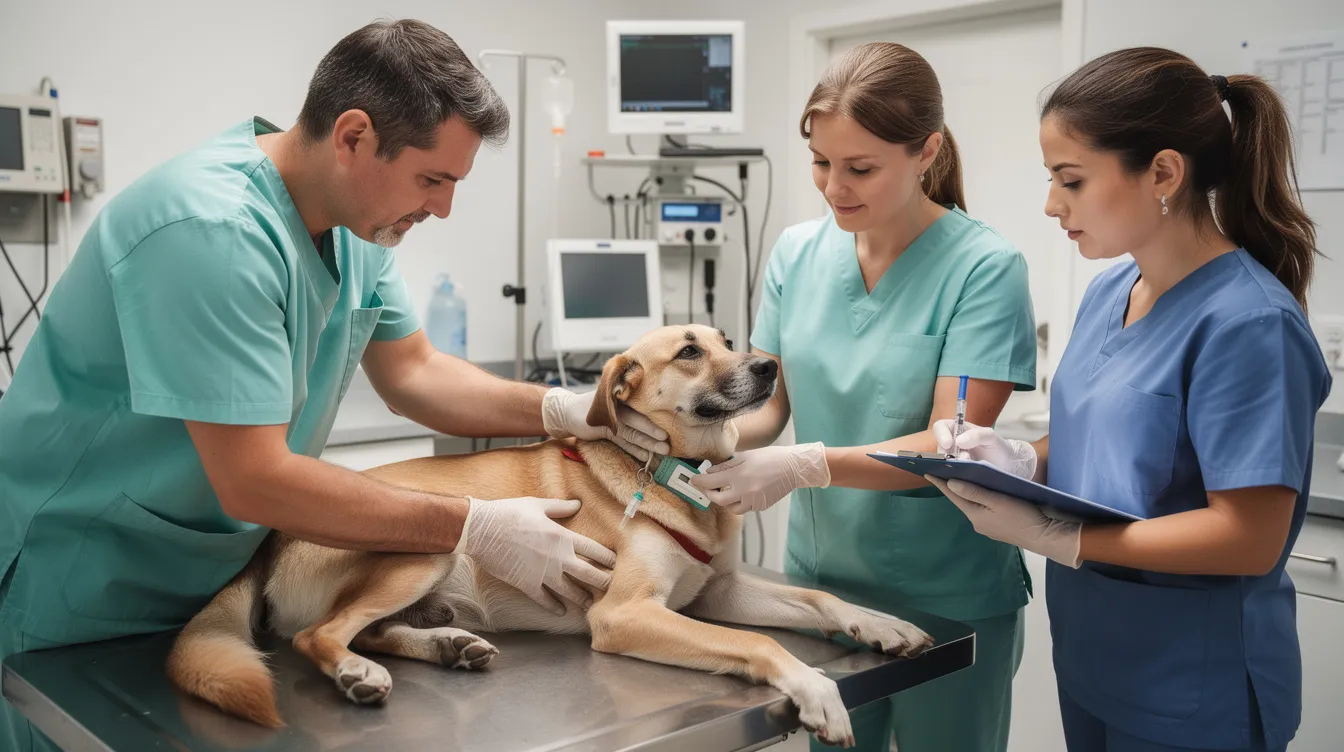
ACTH Stimulation Test
The ACTH stimulation test is the gold standard to diagnose Addison’s disease in dogs. This rapid adrenocorticotropic hormone test measures the adrenal glands’ ability to produce cortisol in response to stimulation.
The procedure works as follows:
- A baseline blood sample is drawn to measure resting cortisol levels (low serum cortisol levels suggest adrenal insufficiency)
- Synthetic ACTH (cosyntropin, approximately 5 µg/kg) is administered intravenously or intramuscularly-this cosyntropin stimulation test is the first-line diagnostic test
- A second blood sample is drawn one hour later to measure stimulated cortisol
- Results are compared: in Addison disease, both baseline and post-stimulation cortisol remain extremely low (typically below 2 µg/dL), producing a characteristic “flatline” response
A basal cortisol level above 2 µg/dL generally makes Addison disease unlikely, functioning as a sensitive low dose test for screening. ACTH levels help determine if adrenal insufficiency is primary or secondary-elevated ACTH with low cortisol confirms primary disease, while low ACTH points to a pituitary gland problem.
It is important that non-dexamethasone corticosteroids be avoided before testing, as they can suppress adrenocortical function and produce false results. Some veterinarians may use dexamethasone for emergency stabilization before the test because it does not interfere with cortisol assays.
Additional Diagnostic Tests
Beyond the ACTH stimulation test, veterinarians may employ several supporting assessments:
- Electrocardiogram (ECG): Essential when hyperkalemia is present, as elevated potassium causes characteristic cardiac conduction abnormalities
- Abdominal ultrasound or computed tomography: To evaluate adrenal gland size-small adrenal glands support primary disease, while enlarged glands may suggest neoplasia
- Urinalysis: Typically reveals inappropriately dilute urine
- Albumin and cholesterol levels: Glucocorticoid deficiency can cause hypoalbuminemia and hypocholesterolemia
Cornell University’s College of Veterinary Medicine notes that up to 25-30% of Addison cases may present as “atypical”-with only glucocorticoid deficiency and normal electrolytes-making the ACTH stimulation test essential even when standard blood tests appear unremarkable. Hyperpigmentation is a characteristic physical finding in Addison’s disease in humans, though this sign is less commonly observed in dogs due to fur coverage.
Treatment and Long-Term Management
Lifelong hormone therapy is required for Addison’s disease. Once Addison’s disease is diagnosed in your dog, the treatment goal shifts to replacing the missing hormones and preventing future crises. The good news: with consistent replacement therapy, most dogs respond remarkably well.
Emergency Stabilization
In an Addisonian crisis, immediate treatment protocol focuses on three simultaneous priorities:
- Aggressive IV fluid therapy: Balanced crystalloids (Lactated Ringer’s or Plasma-Lyte) administered as rapid boluses of 20-30 mL/kg over 10-20 minutes, repeated until perfusion improves. Sodium and hydration management are important in treating Addison’s disease
- Electrolyte correction: Calcium gluconate IV to protect the heart from hyperkalemia; dextrose boluses to correct low blood sugar
- IV glucocorticoids: Dexamethasone (0.1 mg/kg IV) to replace critically low cortisol-this can be administered before ACTH testing without affecting results
- Supportive care: Antiemetics for severe nausea and severe vomiting, cardiac monitoring, and nutritional support once stable
Patients must increase corticosteroid doses during stressful conditions to avoid adrenal crisis, and crisis situations represent the most extreme version of this principle. Monitoring during the acute phase includes serial electrolyte measurements, ECG, blood pressure assessment, and urine output tracking.
Daily Hormone Replacement Protocol
Once a dog is stabilized, ongoing treatment involves two categories of hormone replacement:
- Mineralocorticoid replacement: Desoxycorticosterone pivalate (DOCP, marketed as Percorten-V or Zycortal) is administered by injection at approximately 2.2 mg/kg every 25 days. Alternatively, fludrocortisone is used to replace aldosterone orally at approximately 0.02 mg/kg per day. Fludrocortisone requires daily compliance but avoids injections.
- Glucocorticoid replacement: Glucocorticoids like hydrocortisone are commonly prescribed in humans, while dogs typically receive prednisone or prednisolone. Initial dosing starts at 0.5-1 mg/kg/day and is gradually tapered to the lowest effective maintenance dose (typically 0.05-0.1 mg/kg/day).
- Monitoring schedule: Electrolytes should be checked 2-3 weeks after each DOCP dose initially, then before each subsequent injection. Once stable, monitoring intervals can extend to every 3-6 months. Watch for signs of over-replacement-excessive thirst, urination, panting-which may indicate iatrogenic Cushing’s syndrome.
- Integration with routine care: Addison treatment should be coordinated with your dog’s regular wellness and preventative care schedule, including vaccinations, to ensure comprehensive health management.
Stress Dosing Guidelines
Dogs with Addison disease cannot produce cortisol on demand, which means any stressful event-illness, surgery, travel, boarding, or even Central Florida’s intense summer heat-requires proactive medication adjustment. Patients may need stress-dose glucocorticoids during illness to prevent decompensation.
Specific stress dosing protocols include:
- Mild stress (grooming, car ride, thunderstorm): Double the daily prednisone dose for 24-48 hours
- Moderate stress (boarding, minor illness, travel): Triple the prednisone dose for 24-72 hours
- Severe stress (surgery, serious illness, hurricane evacuation): Your veterinarian may prescribe injectable glucocorticoids; contact the clinic before and during the event
Cornell University’s veterinary resources emphasize that owners should have a clear, written stress-dosing plan and access to injectable options if oral medication cannot be given. DHEA supplementation can improve quality of life in women with Addison’s, and while research in dogs is limited, optimizing all aspects of hormonal balance remains a goal of veterinary endocrinology.

Veterinarians recommend comprehensive testing for any dog suspected of adrenal insufficiency to confirm the diagnosis.
Common Challenges and Solutions
Managing a chronic endocrine condition presents ongoing practical challenges. With proactive planning and strong veterinary support, most obstacles are readily overcome.
Medication Compliance Issues
Daily prednisone and periodic DOCP injections demand consistency. Missed doses risk a return of severe symptoms or even crisis. Strategies that help include keeping a written or phone-based medication schedule, using pill organizers, and choosing DOCP injections (which reduce the daily pill burden to just one medication). If your dog resists pills, ask your veterinarian about flavored compounded options. Recognizing signs of both under-dosing (lethargy, appetite loss) and over-dosing (increased thirst, panting) helps owners fine-tune compliance.
Managing Stress Events
Central Florida’s climate and lifestyle create unique risk factors for Addisonian dogs. Summer heat accelerates dehydration, hurricane season demands evacuation planning, and boarding during vacations requires careful coordination. Always keep an emergency medication supply packed and accessible. Communicate your dog’s diagnosis, medication schedule, and stress-dosing instructions to any boarding facility or pet sitter. Your veterinary clinic can provide a written care summary for these situations. Emergency preparedness is crucial for managing Addison’s disease in any context.
Cost Management Concerns
Long-term treatment costs-DOCP injections, regular blood tests, prednisone, and veterinary visits-add up over a dog’s lifetime. Some strategies to manage expenses include:
- Discussing generic or compounded fludrocortisone as an alternative to brand-name DOCP
- Asking about wellness packages or monthly payment plans at your clinic
- Recognizing that consistent preventive management is far less expensive than treating repeated adrenal crises in the emergency room
- Exploring whether your veterinarian can adjust the DOCP dose downward once electrolytes stabilize, potentially reducing drug costs
Conclusion and Next Steps
Addison disease in dogs is a serious but highly manageable condition. With accurate diagnosis, consistent hormone replacement therapy, and proactive stress management, most dogs with adrenal insufficiency live normal, active lives with excellent quality of life. The key is early recognition, timely testing, and unwavering commitment to daily treatment.
If you suspect your dog may have Addison disease or is experiencing symptoms consistent with adrenal insufficiency, contact your regular veterinarian to schedule a consultation and diagnostic evaluation. Ask specifically about an ACTH stimulation test if the clinical picture is suggestive.
- Schedule a veterinary evaluation with thorough blood tests, including electrolytes-request an ACTH stimulation test if results suggest adrenal insufficiency
- Establish a medication routine immediately after diagnosis, including both mineralocorticoid and glucocorticoid replacement
- Create a written stress management plan with your veterinarian, covering illness protocols, boarding instructions, and emergency contact information
- Set up a monitoring schedule with regular electrolyte checks and wellness exams
For related reading, explore topics such as senior pet health management, general preventive care strategies, and emergency preparedness planning for pets with chronic conditions.
Frequently Asked Questions
Can dogs live normal lives with Addison disease? Yes. With proper diagnosis and consistent treatment, dogs with Addison disease typically enjoy normal or near-normal lifespans and excellent quality of life. The condition is not a death sentence-it is a manageable chronic disease that requires owner dedication and regular veterinary monitoring.
How much does Addison disease treatment cost? Initial diagnostic workup (ACTH stimulation test, comprehensive blood work) typically runs several hundred dollars. Ongoing costs include monthly DOCP injections (drug plus administration), daily prednisone (relatively inexpensive), and periodic blood tests every 3-6 months once stable. Total annual costs vary by region and clinic but should be discussed with your veterinarian to create a sustainable budget.
What should I do if I miss giving my dog medication? Administer the missed dose as soon as you remember and resume the regular schedule. If you miss multiple doses or your dog begins showing symptoms-lethargy, vomiting, weakness-contact your veterinarian immediately. Severe symptoms after missed medications may indicate the early stages of an adrenal crisis requiring urgent care.
Are certain dog breeds more prone to Addison disease? Yes. Breeds with significantly increased risk include Standard Poodles, Portuguese Water Dogs, Bearded Collies, West Highland White Terriers, Great Danes, Rottweilers, Soft-Coated Wheaten Terriers, and Nova Scotia Duck Tolling Retrievers. However, mixed-breed dogs are also commonly diagnosed due to their larger overall population. Females may be somewhat more frequently affected than males.
How often does my dog need follow-up testing? During initial stabilization, electrolytes should be checked every 2-3 weeks and before each DOCP injection. Once your dog’s condition is stable and doses are optimized, monitoring typically shifts to every 3-6 months, with blood work timed before scheduled DOCP injections.
Can Addison disease be prevented in dogs? Currently, there is no way to prevent Addison disease, as the most common cause is autoimmune disease where the immune system attacks the adrenal glands. However, breeds with known increased risk may benefit from awareness screening. Early detection through routine medical history review and blood work during regular wellness visits can catch the disease before a crisis occurs. Some breed organizations and the national adrenal diseases foundation advocate for health screening in high-risk breeding populations, though specific genetic markers for autoimmune disorders affecting adrenocortical function are not yet fully validated.
Reviewed by Dr. Roger Hart DVM
This article has been reviewed by Dr. Roger Hart, DVM, an experienced companion-animal veterinarian in Central Florida, for medical accuracy. If your dog shows signs of Addison’s disease, contact your veterinarian or a nearby emergency veterinary hospital.