Diagnostics
-
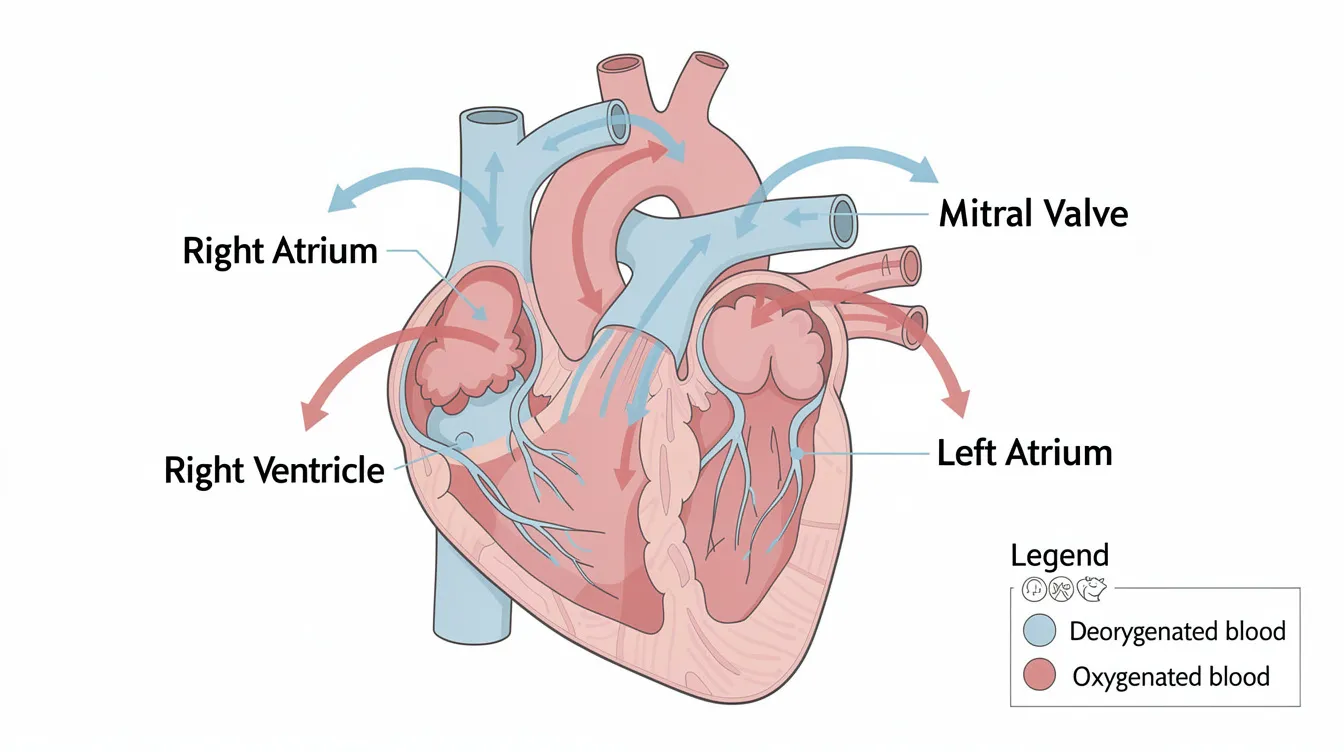
Dog Mitral Valve Disease, Should I Worry?
Introduction Mitral valve disease, specifically dog mitral valve disease, is the most common heart disease in dogs, responsible for approximately 80% of heart disease in dogs. This degenerative condition targets the heart’s mitral valve-the critical gateway between the left atrium and left ventricle-causing it to thicken, weaken, and ultimately fail to close properly. While valve…
-
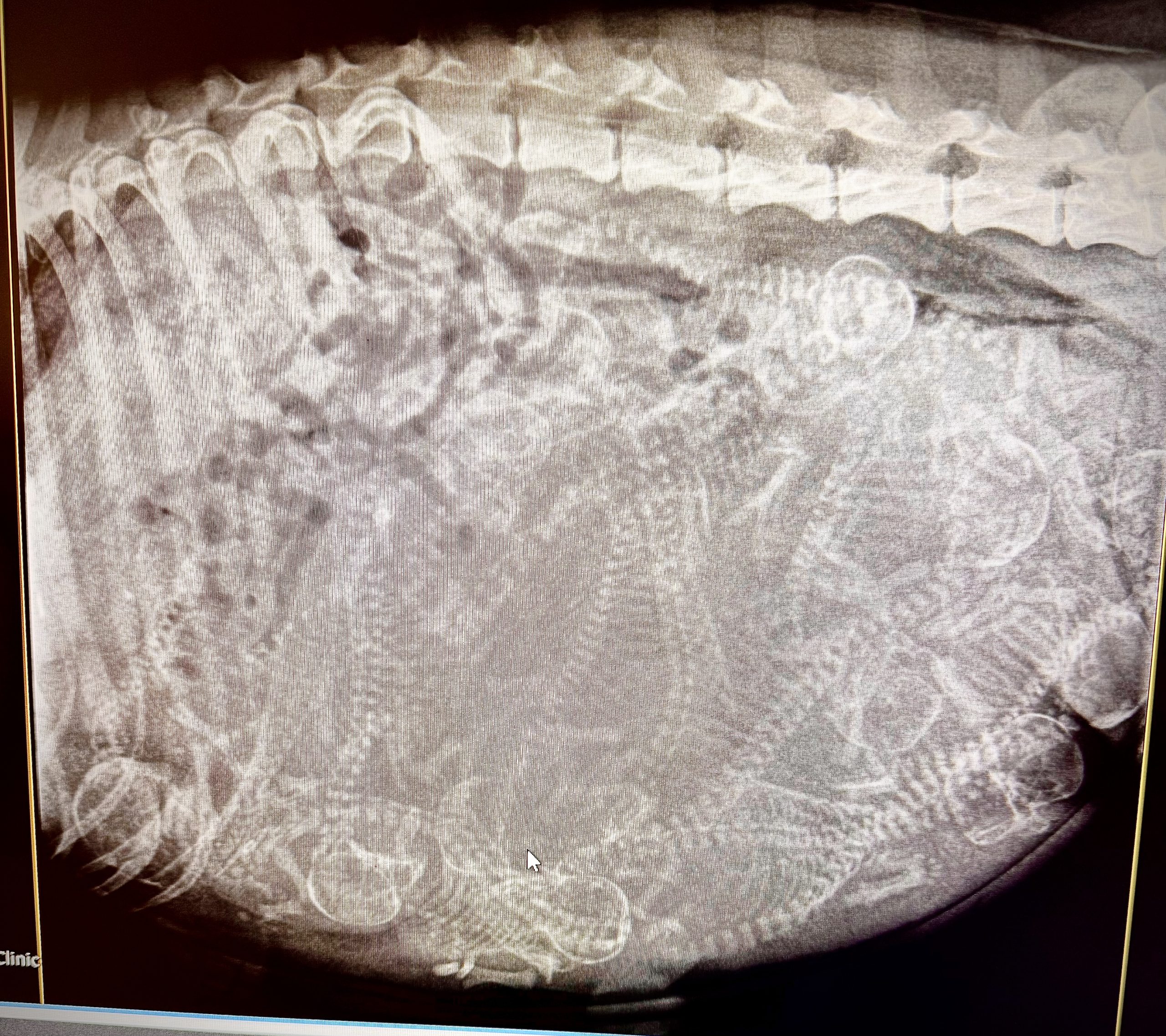
Pregnant Dog Xray: Safety, Timing, and What to Expect
Introduction X-rays are the most reliable way to count puppies and check delivery readiness in a pregnant dog, but timing matters. Puppy skeletons don’t show up clearly on radiographs until around day 45 of pregnancy, and the most accurate count comes from images taken after day 55. Ultrasound is better for confirming pregnancy early. A…
-

Congestive Heart Failure in Dogs: Signs, Treatment, and Life Expectancy
Congestive heart failure (CHF) in dogs occurs when the heart’s inability to pump blood effectively causes fluid buildup in the lungs, abdomen, or limbs. This progressive condition affects many dogs across all breeds and sizes, and understanding how it develops, what clinical signs to watch for, and how treatment works can make a meaningful difference…
-
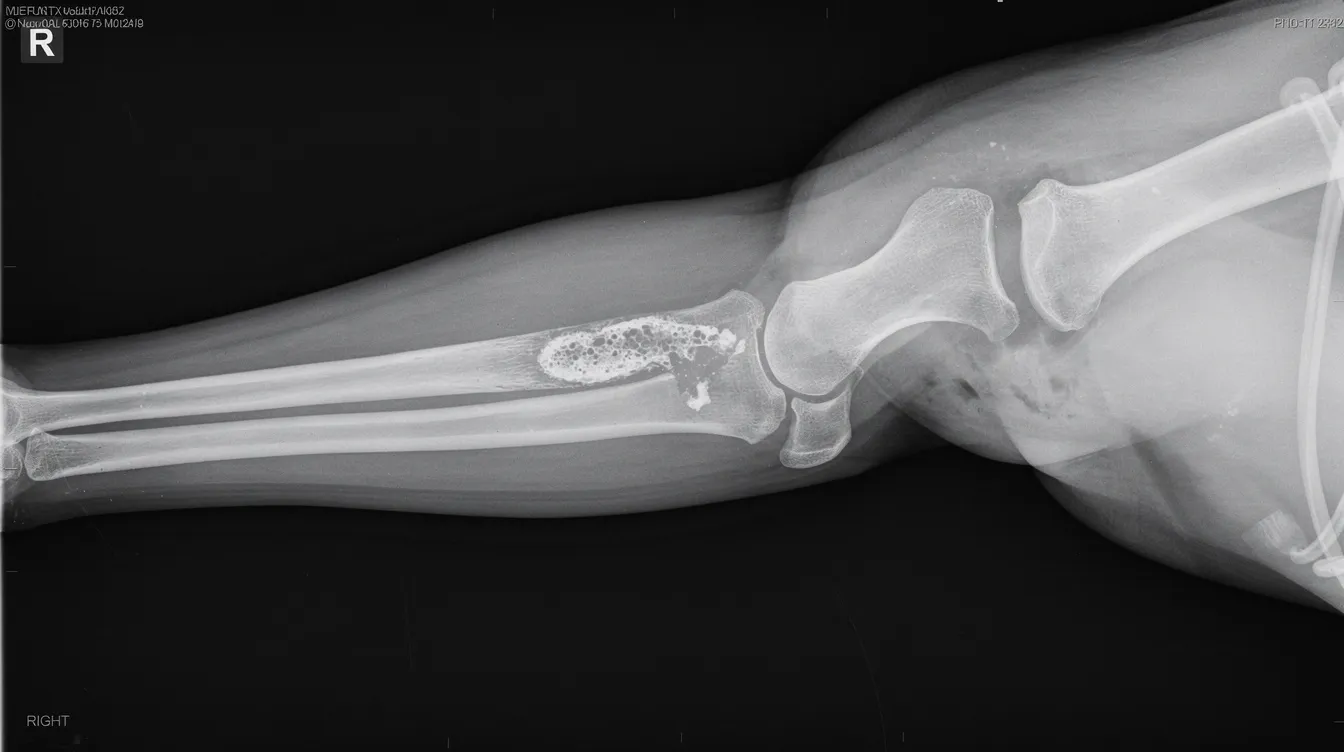
Bone Cancer in Dogs (Osteosarcoma): Signs, Diagnosis, and Treatment Options
Osteosarcoma in dogs is the most aggressive and common bone cancer affecting canines, and if your dog has been diagnosed – or you suspect something is wrong – understanding this disease quickly matters. Osteosarcoma accounts for approximately 85% of bone tumors in dogs, making it the dominant primary bone cancer veterinarians encounter. It strikes large…
-

Why is My Dog Breathing So Hard
If you’re a dog owner concerned about your pet’s breathing, you may be asking, “Why is my dog breathing hard and panting?” This article is designed for dog owners who want to understand the reasons behind their dog’s panting, when it’s normal, and when it may signal a health concern. Understanding panting is crucial for…
-
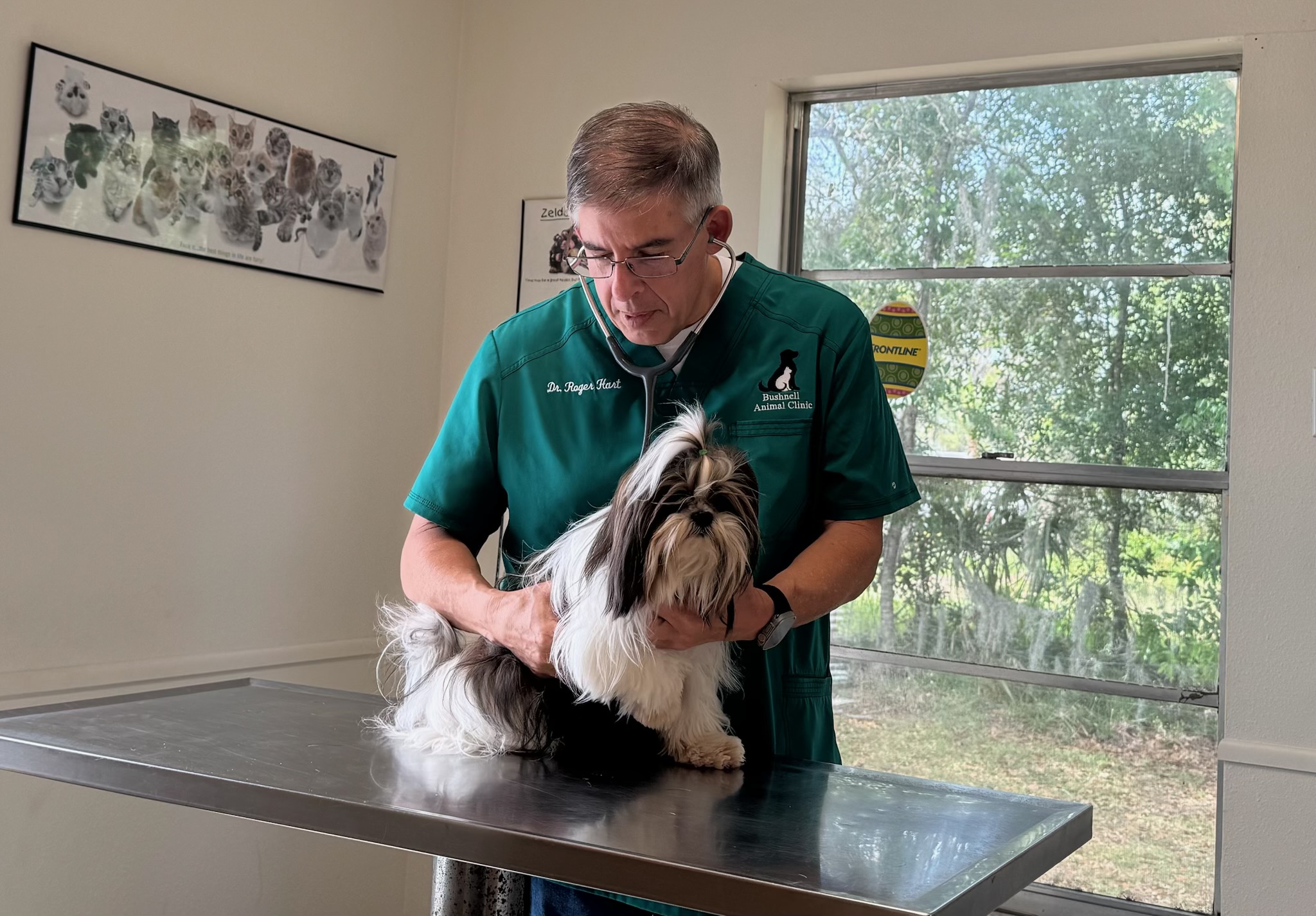
What Is a Veterinarian? Training, Specialties, and What Vets Do
A veterinarian is a Doctor of Veterinary Medicine (DVM) – a highly trained medical professional who diagnoses, treats, and prevents diseases in animals while also helping protect public health. This article explains what veterinarians do, how they are trained and licensed, how board-certified specialists differ from general practitioners, and what to expect at routine and…
-

Dog Ate Xylitol Gum: Emergency Steps, Treatment & Recovery Guide
If your dog ate xylitol gum, you are dealing with a veterinary emergency. Every minute counts. This guide walks you through exactly what to do right now, what happens at the vet, and how to prevent this from ever happening again. My Dog Just Ate Xylitol Gum – What Do I Do Right Now? Xylitol…
-

My Dog is Paralyzed: Complete Guide to Causes, Treatment, and Care Management
Introduction Paralysis in dogs means the complete or partial inability to move one or more limbs due to disrupted nerve communication along the spinal cord, peripheral nerves, or brain. If your dog is paralyzed, immediate veterinary care is essential – but know that many paralyzed dogs can still live fulfilling, comfortable lives with proper care…
-
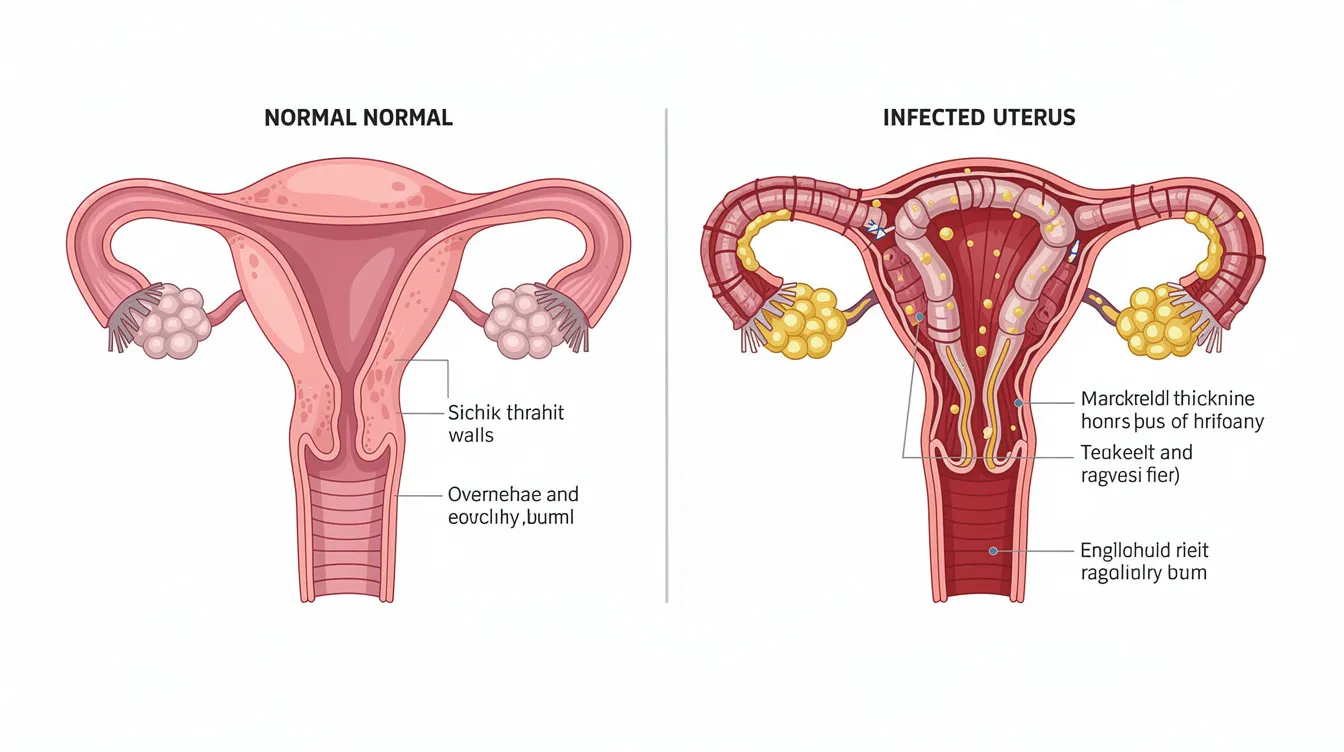
Canine Pyometra: How to Know if This is Critical?
Reviewed by Dr. Roger Hart, DVM Introduction Canine pyometra is a severe uterine infection in unspayed female dogs that can escalate to life-threatening shock within days. If your intact female dog is showing lethargy, vaginal discharge, or increased thirst-especially within weeks of her last heat cycle, canine pyometra is a medical emergency requiring immediate veterinary…
-

My Dog Is Limping: When Should I See a Vet?
Introduction If your dog is limping and cannot bear weight, is in severe pain, has visible trauma, or shows other signs like lethargy, fever, vomiting, or disorientation, get to a veterinarian right away. A sudden change in gait can point to anything from a stone lodged between the toes to a torn cruciate ligament, a dislocated joint,…