Repeated vomiting is one of the most common reasons dogs see a veterinarian. If your dog is vomiting repeatedly, understanding what’s behind it can mean the difference between a manageable mild stomach upset and a life threatening emergency.
This article covers common causes of repeated vomiting, the warning signs that need immediate care, safe home care, and prevention. It does not replace an exam. If your dog keeps vomiting or seems ill, contact your veterinarian.
Why do dogs keep throwing up? Repeated vomiting usually traces back to one of a handful of categories: dietary indiscretion, infection, toxin exposure, food allergies, or an underlying illness such as kidney or liver disease. Pinning down which one applies to your dog matters, since each demands a different level of intervention depending on severity, frequency, and any other symptoms present.
Understanding Dog Vomiting
Vomiting in dogs is an active process: the abdominal muscles and diaphragm contract forcefully to expel contents from the dog’s stomach and upper intestinal tract. Before the actual expulsion, most dogs show signs of nausea – drooling, lip-licking, restlessness, and repeated retching. This is fundamentally different from passive regurgitation, and understanding the distinction is one of the first steps in identifying the root cause of your pet’s health issues.
At its core, vomiting is a protective mechanism within the digestive system. When a dog ate something harmful – whether it’s spoiled food, a toxic plant, or an indigestible foreign object – the body triggers vomiting to remove the threat. Occasional vomiting can be perfectly normal and resolves without intervention. But when a dog is vomiting repeatedly, it signals that something more significant may be happening.
Normal vs. Abnormal Vomiting Patterns
A single vomiting episode in an otherwise alert, active dog – especially after eating too much grass or exercising heavily on a full stomach – usually qualifies as normal. The dog returns to typical behavior within hours, continues drinking water, and shows no other symptoms like lethargy, abdominal pain, or refusal of food.
Abnormal patterns look very different and can point to a more serious medical condition. Throwing up several times within a single day is a red flag, as is vomiting that drags on for more than a day or two. Add diarrhea, fever, weight loss, or weakness to the mix, and the situation moves firmly into concerning territory. Timing offers clues as well: bringing up yellow foam early in the morning can suggest bilious vomiting syndrome, while getting sick right after meals often points to food intolerance or simply eating too fast.
Vomiting vs. Regurgitation
Active vomiting involves visible abdominal contractions, retching, and nausea – the dog’s body is working hard to bring material up from the stomach. The vomited material is usually partially digested, may contain bile, and often has an acidic smell.
Regurgitation, by contrast, is passive. Food slides back up from the esophagus with no abdominal effort, often appearing undigested and tube-shaped. There’s no retching or nausea beforehand. This distinction matters because regurgitation typically points to esophageal problems, while vomiting suggests issues in the stomach, intestines, or elsewhere in the body. Telling your veterinarian which one your dog is experiencing helps narrow the diagnostic path considerably.
With this foundation in place, let’s examine the specific triggers that cause dogs to vomit repeatedly.
Common Causes of Frequent Vomiting
The common causes of vomiting in dogs span a wide spectrum – from something as simple as a sudden diet change to complex systemic diseases.
Dietary and Food-Related Causes
Dietary indiscretion – eating something they shouldn’t – is one of the most frequent presentations veterinarians see in clinic. Dogs that raid trash cans, get into spoiled food, chew on bones, or swallow socks and toys are prime candidates for a sudden, acute episode.
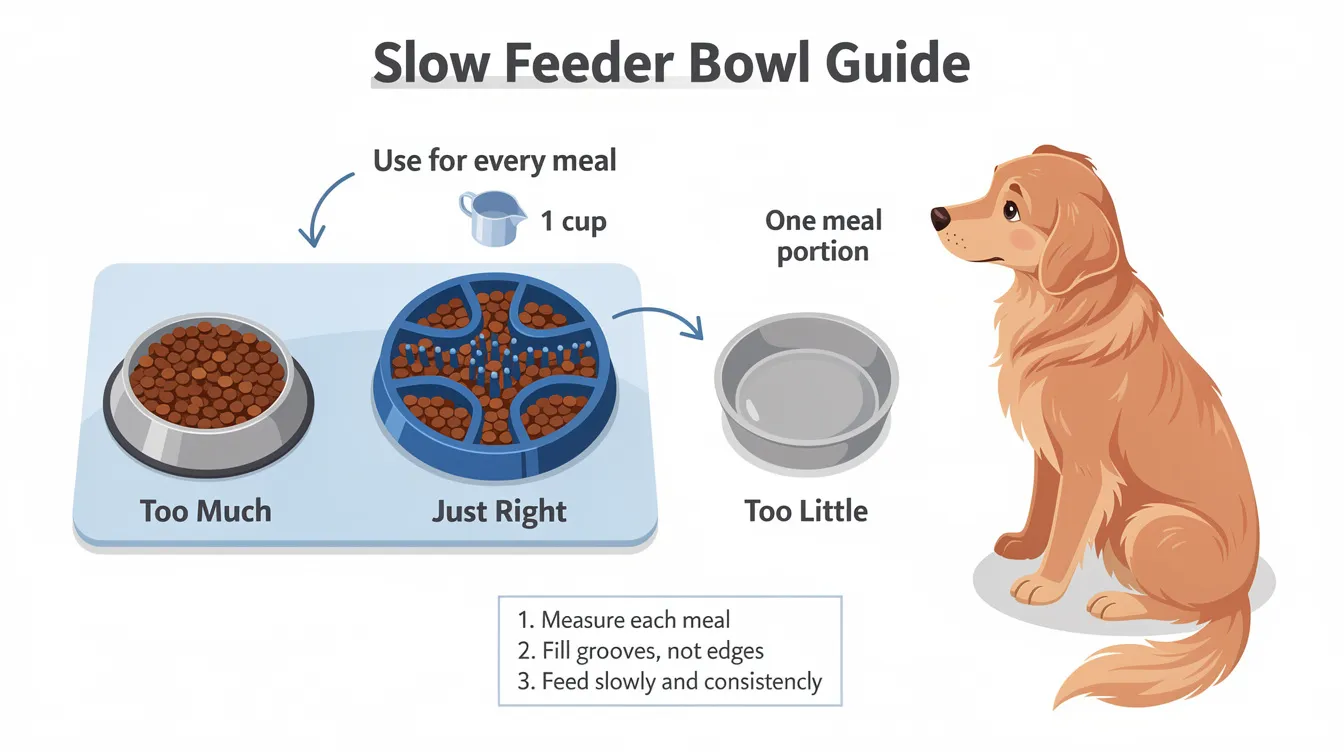
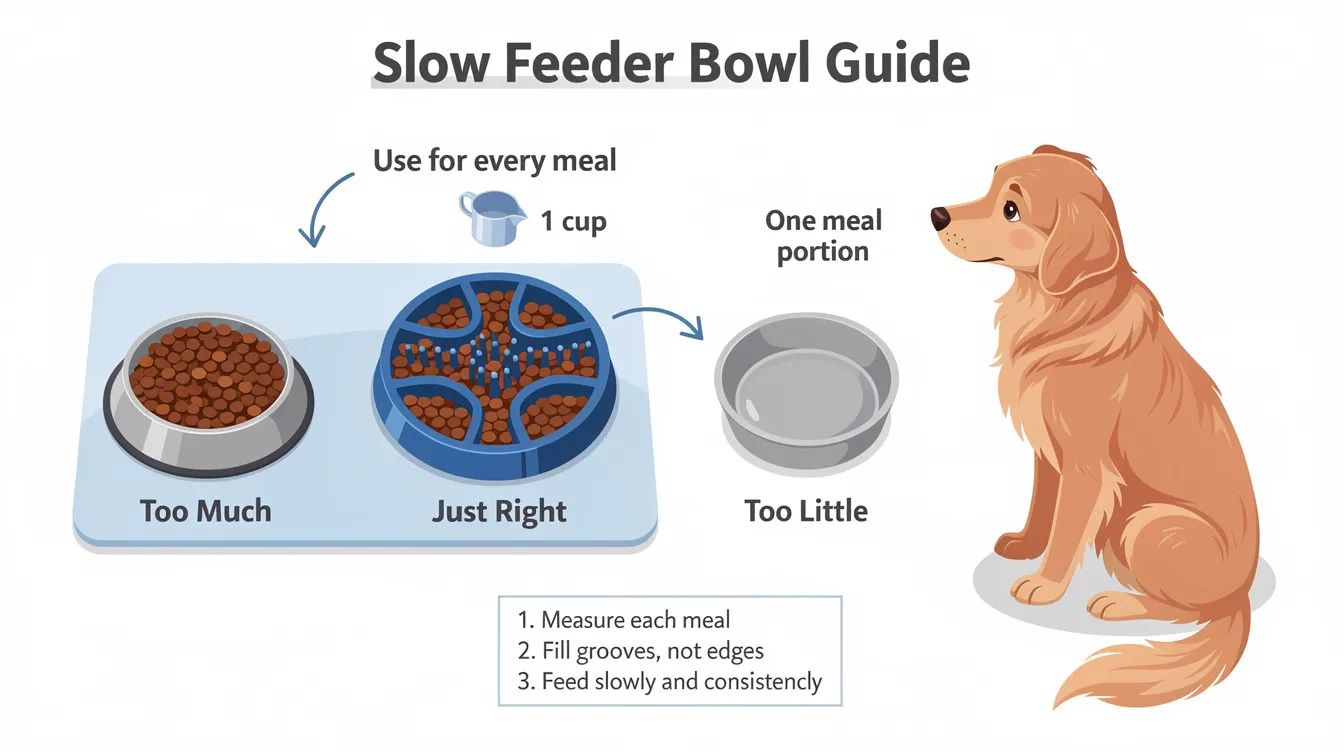
Dogs that gulp their food can trigger the same response. Wolfing down a meal means swallowing excess air and overfilling the stomach in a hurry, which often brings on vomiting or regurgitation shortly afterward. Slow feeder bowls and splitting meals into smaller, more frequent portions usually solve this.
Switching foods abruptly can upset a dog’s stomach, since the digestive system needs time to adjust to new ingredients; veterinarians generally recommend transitioning gradually over 7–10 days. Food allergies are another possibility – certain proteins or grains can trigger sensitivities that lead to chronic vomiting, skin problems, or gastrointestinal inflammation, and in some dogs these sensitivities progress into inflammatory bowel disease over time.
Motion sickness can cause dogs to vomit during car rides, particularly in puppies and young adult dogs whose vestibular systems are still developing.
Infectious and Parasitic Conditions
Warm, humid weather favors many infectious and parasitic causes of vomiting. Parvovirus, for instance, can bring on severe vomiting, hemorrhagic diarrhea, and rapid dehydration – a combination that is particularly devastating in unvaccinated puppies. Distemper and other viral infections can produce similar gastrointestinal symptoms.
Bacterial infections from organisms like Salmonella, E. coli, and Campylobacter can develop when dogs drink from contaminated standing water or scavenge decaying material – both common scenarios for outdoor dogs in this region.
Intestinal parasites such as roundworms, hookworms, giardia, and coccidia thrive in warm, moist soil and water. These infestations cause chronic vomiting alongside diarrhea and weight loss, and dogs with lapsed parasite prevention protocols are especially vulnerable.
Toxins and Poisoning
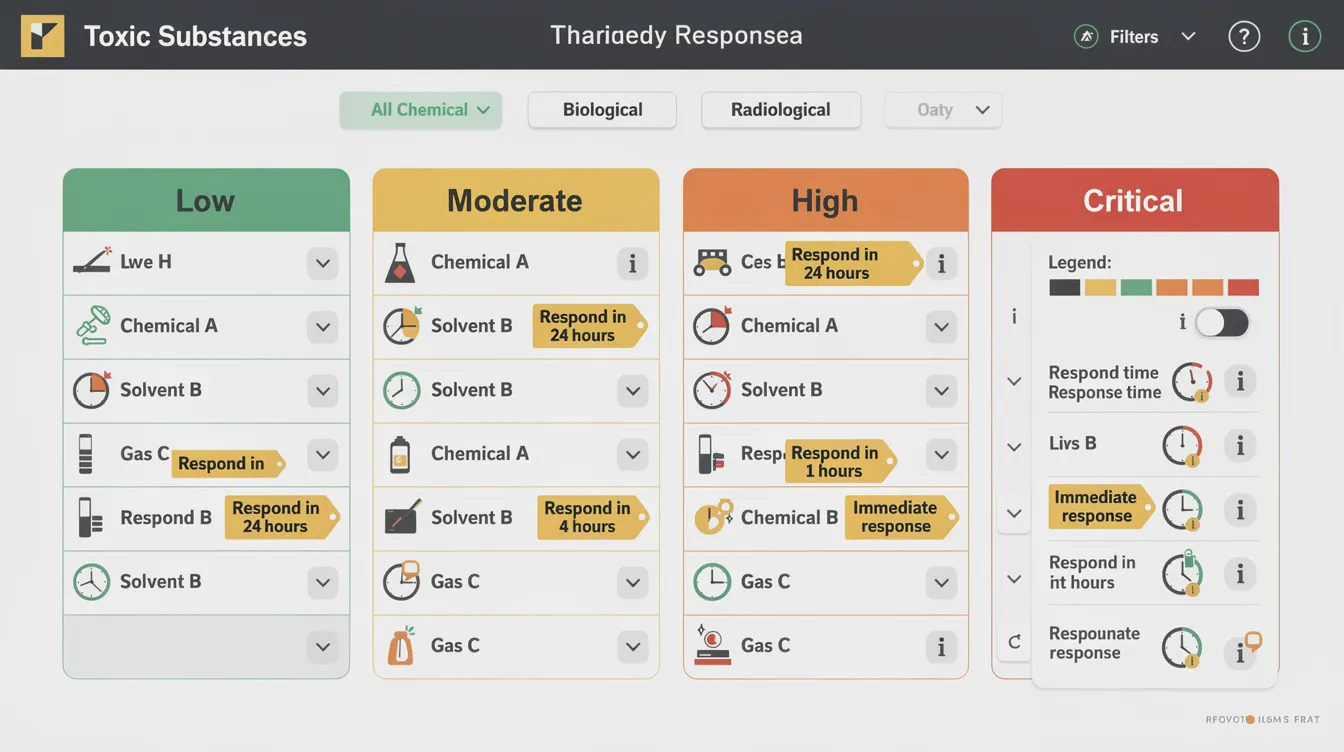
Vomiting is the body’s defense mechanism against ingested toxins, but the substances involved can cause organ damage that extends far beyond gastrointestinal upset. Chocolate and xylitol are common triggers, and if a dog has gotten into chocolate, grapes, antifreeze, or rodenticide, the situation becomes a life threatening emergency – see what dogs should never eat for a fuller list of dangerous foods and their symptoms.
Toxic landscaping plants are a real hazard in warm climates such as Florida. Sago palms and oleander, both common ornamentals in Florida yards, are extremely toxic to dogs and can cause severe vomiting, liver failure, heart problems, and death. After hurricanes and storms, downed plant material increases toxin exposure risk for pets exploring yards and neighborhoods.
Household chemicals, human medications, and pesticides also represent serious dangers. Avoid giving human medications to dogs without veterinary guidance – common drugs like ibuprofen and acetaminophen can cause gastric ulceration and organ failure in dogs.
Key toxins requiring immediate veterinary attention:
- Sago palm seeds and leaves (liver failure risk)
- Antifreeze/ethylene glycol (kidney failure)
- Rodenticides (internal bleeding)
- Chocolate and xylitol (cardiac and hepatic toxicity)
- Oleander (cardiac arrest risk)
Understanding these causes is essential, but knowing when to act – and how quickly – is what ultimately protects your dog’s health.
When to Seek Veterinary Care
Distinguishing between a mild stomach upset that resolves on its own and a serious illness requiring professional care is one of the most important skills a pet owner can develop.
Trying to vomit but bringing up little or nothing is different from ordinary vomiting. Read the dry-heaving and bloat warning signs, but do not delay emergency care for repeated unsuccessful retching, abdominal swelling, weakness, or collapse. These signs are described in Cornell’s GDV guidance.
Emergency Warning Signs Requiring Immediate Action
Certain signs demand that you seek veterinary care immediately – delaying could allow a treatable condition to become life threatening. Contact your veterinarian or the nearest emergency hospital right away if you see any of the following:
- Blood in the vomit – whether bright red or with a coffee ground appearance (digested blood), this always warrants immediate veterinary attention.
- Repeated vomiting with lethargy or weakness – vomiting multiple times combined with depression or collapse signals a need for emergency care.
- Suspected toxin exposure – if your dog ate any known toxic substance, do not wait for symptoms to worsen.
- Abdominal bloating with non-productive retching – this combination suggests gastric dilatation-volvulus (GDV/bloat), a life threatening emergency most common in deep-chested breeds. The abdomen may feel firm and distended, and the dog may show severe pain.
- Vomiting with concurrent diarrhea – this combination raises dehydration risk quickly and should prompt an immediate call to your vet.
- Refusal of all food and water – a dog that won’t eat or drink while vomiting faces a real risk of dehydration and may have an intestinal blockage.
Contact a vet if vomiting lasts over 24 hours. Young puppies face a higher risk of complications from dehydration and should be seen right away, since they can deteriorate within hours.
Symptom Severity Comparison
Symptom Category | Mild (Monitor at Home) | Serious (call your veterinarian today) |
|---|---|---|
Frequency | Single episode, normal behavior | Multiple episodes in 24 hours |
Appearance | Clear or food content, yellow bile | Blood, coffee-ground appearance |
Associated Signs | Alert, drinking water | Lethargy, refusing water, diarrhea |
Recovery Time | Returns to normal within hours | Symptoms persist or worsen |
When evaluating your dog’s symptoms, consider the full picture rather than any single factor. A dog that vomits once but remains playful and drinks water normally is very different from one that is vomiting repeatedly, refusing food, and showing dry gums. Senior dogs and those with pre-existing conditions like kidney or liver disease, pancreatitis, or endocrine disorders are especially vulnerable and should have a lower threshold for vet visits.
Pancreatitis, marked by repeated vomiting and abdominal pain, often follows fatty table scraps or garbage. Other chronic conditions, including inflammatory bowel disease, liver disease, and Addison’s disease, can likewise cause intermittent vomiting that worsens over time if left untreated.
Understanding when professional care is needed sets the stage for knowing how to manage milder episodes safely at home.
Common Challenges and Solutions for Managing Vomiting
Pet owners face real practical difficulties when their dog keeps throwing up. Here are the most common challenges and evidence-based solutions.
Difficulty Determining Cause at Home
Without diagnostic tools, identifying the underlying cause of vomiting at home is nearly impossible – and owners shouldn’t expect to diagnose conditions like intestinal blockage, pancreatitis, or inflammatory bowel disease on their own.
Solution: Start systematic documentation. Record the time of each episode, the appearance of the vomit (color, consistency, presence of blood or coffee grounds), what the dog ate recently, any potential toxin exposure, and all other symptoms. This information is invaluable when you arrive at the vet’s office. Your veterinarian will use this history along with a physical examination, blood tests, fecal tests, and imaging (X-rays or ultrasound) to narrow down the cause. Veterinarians may treat vomiting with supportive care such as hydration and medication while pursuing the underlying cause through diagnostics.
Preventing Dehydration During Episodes
Dehydration is the most immediate danger when a dog is vomiting. Even mild dehydration can develop after a loss of approximately 5% of body weight in fluids, and serious complications emerge at 8–10% loss.
Solution: Provide small, frequent sips of water to prevent dehydration rather than allowing the dog to drink large amounts at once, which may trigger more vomiting. Electrolyte solutions can help restore hydration in dogs – ask your veterinarian about appropriate products. Monitor hydration by checking for dry gums, performing the skin tent test (gently pinching skin on the scruff – it should snap back immediately in a hydrated dog), and watching for sunken eyes or thick saliva. If moderate or severe dehydration is present, your veterinarian may recommend intravenous fluids in the hospital.
Home care protocol for mild episodes:
Home care may involve monitoring and offering small portions of a bland diet after vomiting has stopped. Here’s the recommended approach:
- Fast for 8–12 hours to give the stomach a chance to settle
- Reintroduce bland food – once the fast ends, offer boiled chicken and rice in small portions every 2–3 hours
- Gradually transition back to the regular diet over 3–5 days as symptoms resolve
- Keep your dog calm and rested to reduce nausea during recovery
- Monitor dog closely for any return of symptoms or new warning signs
Bland diets can help settle a dog’s stomach after vomiting, but if symptoms return when regular food is reintroduced, this may indicate food intolerance or a deeper underlying issue requiring veterinary evaluation.
Managing Anxiety About Recurring Episodes
Many pet owners experience significant stress when their dog has recurring vomiting episodes, sometimes leading to either over-reaction (emergency care visits for mild stomach upset) or under-reaction (dismissing concerning patterns).
Solution: Work with your veterinarian on a written action plan. This plan establishes clear thresholds: what to monitor at home, when to call during business hours, and when to seek emergency care. For dogs with chronic vomiting patterns, a preventive care approach – including regular wellness examinations, parasite prevention protocols, dietary consultations, and anti nausea medication when appropriate – can reduce both the frequency of episodes and the anxiety surrounding them.
Key Points and Next Steps
Persistent vomiting in dogs demands a systematic approach: recognize the pattern, assess severity, provide appropriate home care for mild episodes, and seek professional care when warning signs appear. Most acute vomiting episodes resolve with conservative management, but repeated vomiting, blood in vomit, lethargy, or suspected toxin exposure require immediate veterinary attention.
Your immediate action steps:
- Document vomiting patterns – timing, frequency, appearance, and all associated dog’s symptoms
- Assess hydration status using the gum moisture and skin tent techniques described above
- For mild episodes in adult dogs, implement the fasting and bland diet protocol
- Call your veterinarian for any episode lasting longer than 24 hours, involving blood, or accompanied by lethargy or severe pain
- Schedule a wellness examination to establish baseline health and discuss preventive strategies for your pet’s health
Know your local hazards, such as sago palms, summer heat, and standing water after storms. Routine preventive care, including parasite control, dietary management, and toxic plant education, significantly reduces the likelihood of future vomiting episodes.
Frequently Asked Questions
When does dog vomiting become a serious problem? Vomiting becomes serious when it occurs multiple times in a single day, persists beyond 24 hours, contains blood or has a coffee ground appearance, or is accompanied by lethargy, refusing food, diarrhea, or abdominal pain. Puppies, senior dogs, and dogs with pre-existing conditions should be evaluated sooner. When in doubt, call your veterinarian.
What are safe home remedies for a vomiting dog? For mild cases, fast your dog for 8–12 hours, then offer a bland diet of boiled chicken and plain white rice in small, frequent portions. Provide small sips of water throughout to maintain hydration. Keep your dog calm and rested to reduce nausea. Never induce vomiting or administer anti nausea medication without consulting your dog’s vet – some situations, like caustic substance ingestion, are made worse by inducing vomiting.
How can I tell if my dog is dehydrated from vomiting? Check the gums – they should be moist and pink. Dry gums, tacky or pale mucous membranes, and slow capillary refill (press the gum and see how quickly pink color returns) indicate dehydration. The skin tent test is also reliable: gently lift the skin at the scruff, and if it doesn’t snap back immediately, dehydration is likely. Sunken eyes, thick saliva, and a dry nose are additional indicators. Seek immediate care if multiple signs are present.
Are certain breeds or ages more prone to vomiting? Young puppies are at greater risk for complications from vomiting due to dehydration and are more susceptible to parvovirus and parasites. Senior dogs often have underlying conditions – kidney or liver disease, pancreatitis – that increase vomiting risk. Deep-chested breeds such as Great Danes, German Shepherds, and Standard Poodles are predisposed to gastric dilatation-volvulus (GDV), a life threatening emergency that presents with non-productive retching and abdominal bloating.
Which outdoor toxins should Florida dog owners watch for? Oleander, another common ornamental, is also deadly. Standing water contaminated after storms can harbor harmful bacteria. During Florida’s summer months (June through September), heat stroke becomes a significant concern, as overheated dogs may experience gastrointestinal upset and vomiting. Owners should also be cautious with common household toxins including chocolate, xylitol, antifreeze, and rodenticides.
What diagnostics will a veterinarian perform for chronic vomiting? Most veterinarians start with a thorough history and physical examination, followed by blood tests (complete blood count and biochemical profile to evaluate kidney and liver function), fecal tests for parasites, and urinalysis. If initial results don’t reveal the underlying cause, abdominal X-rays and ultrasound help identify foreign bodies, tumors, organ enlargement, or evidence of intestinal blockage. For chronic vomiting lasting more than two to three weeks without a clear diagnosis, endoscopy and biopsy may be recommended.
Can stress or anxiety cause my dog to vomit? Yes. Environmental changes, travel, thunderstorms (common during Florida’s storm season), separation anxiety, and car rides can all trigger vomiting in sensitive dogs. Motion sickness is particularly common in puppies and younger dogs. Keeping the dog’s environment stable, using calming strategies, and asking your veterinarian about anti-nausea medication for known triggers like car rides can help manage stress-related vomiting.
How can I prevent my dog from vomiting frequently? Maintain a consistent feeding schedule and avoid sudden diet changes. Use slow feeder bowls for dogs that eat too quickly. Keep dog safe by preventing access to trash, toxic plants, and household chemicals. Stay current on parasite prevention – Florida’s warm climate supports year-round parasite activity. Schedule regular wellness examinations to catch chronic problems early. Avoid fatty table scraps, which increase pancreatitis risk, and ensure your dog stays hydrated during hot weather to prevent heat stroke.
Citations:
- Merck Veterinary Manual: “Vomiting in Dogs”
- PetMD: “Vomiting in Dogs: Causes, Treatment, and When To Worry”
- VCA Animal Hospitals: “Testing for Vomiting”
- American Kennel Club: “Warning Signs of Dehydration in Dogs”
- Zoetis Diagnostics: “The Vomiting Patient” Clinical Brochure
Reviewed by Roger Hart, DVM, a Florida-licensed veterinarian with more than two decades of companion-animal clinical experience. This article is general education and does not replace an examination by your own veterinarian.
Comments
3 responses
[…] Intervertebral disc disease (IVDD) — a disc rupturing or bulging and pressing on the spinal cord […]
[…] are often the first signs. While digestive upset can result from many causes — see our guide on when a dog keeps throwing up for a broader look at persistent vomiting — these symptoms combined with known or suspected […]
[…] disease, liver disease, pancreatitis, or toxin exposure can trigger dry heaving as a precursor to vomiting. Dogs suffering from these conditions typically show other symptoms including lethargy, loss of […]