Surgery
-
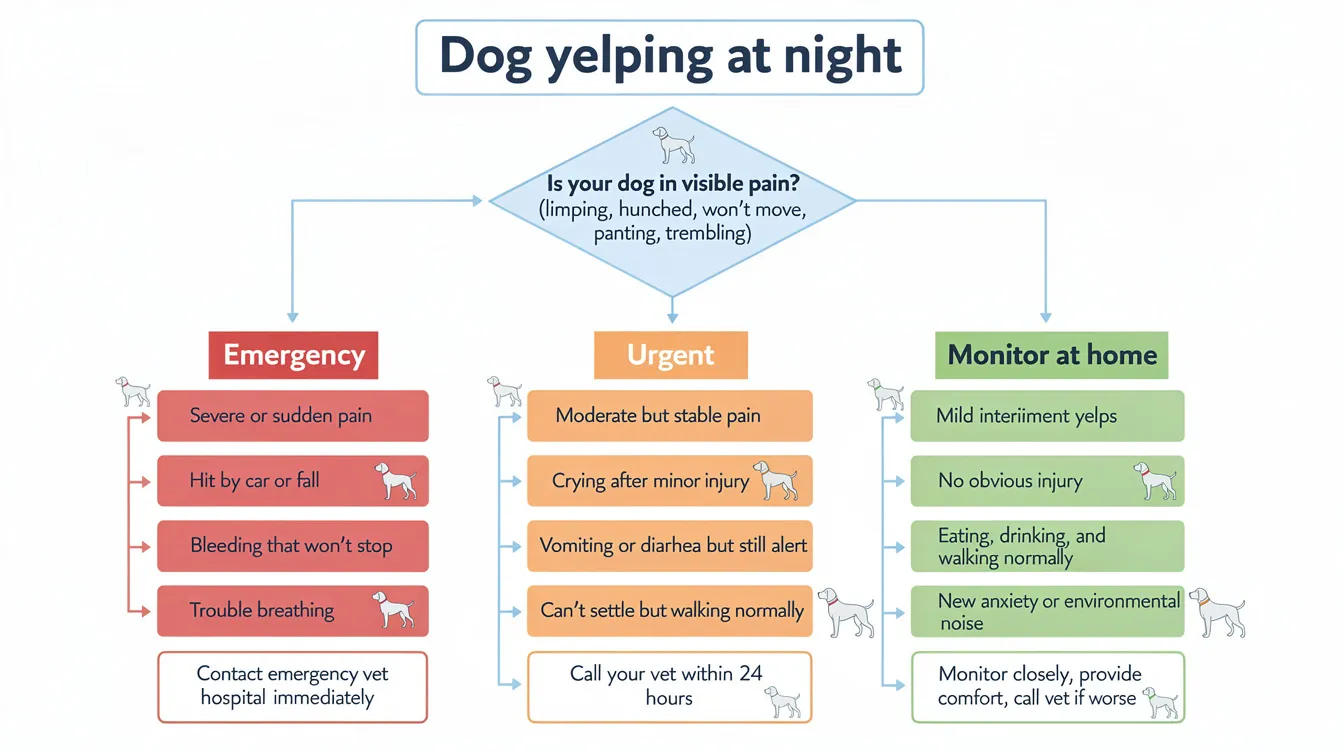
Dog Yelping in Pain at Night: Emergency Signs Every Owner Must Know
A dog yelping at night may be painful, frightened, confused, or otherwise distressed. Timing and the sound of a cry do not establish the cause. New or repeated yelping deserves veterinary advice, and breathing difficulty, collapse, severe weakness, repeated unproductive retching, or a swollen abdomen requires emergency care. This article covers the critical distinction between…
-

Why Is My Dog Not Eating and Sleeping All Day: A Veterinary Guide
Introduction A dog not eating and drinking all day typically signals an underlying cause that needs veterinary attention—especially when symptoms persist beyond 24–48 hours. A dog not eating and drinking all day can indicate pain, illness, infection, or systemic health issues that require professional evaluation. While most dogs occasionally skip a meal or nap more…
-

How Do You Tell If a Cat Is in Pain?
Cats are experts at hiding pain to protect themselves from predators, making it difficult to tell if your cat is hurting. This guide walks you through the signs of pain in cats, including when a cat is in pain, so you can act quickly and help your cat feel better. When you notice any signs,…
-
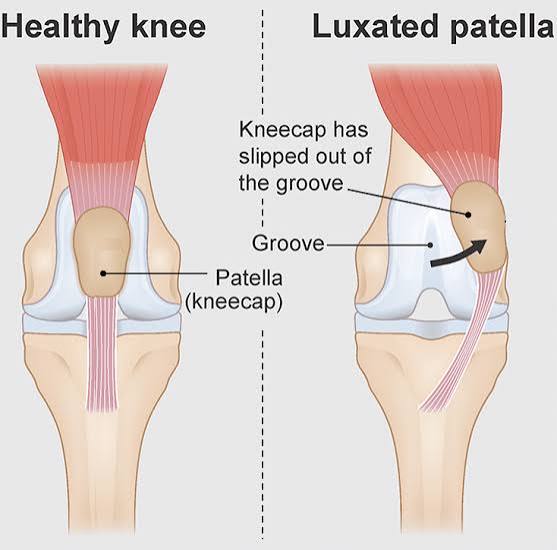
Patellar Luxation in Dogs: Complete Guide to Diagnosis and Treatment.
A dog that suddenly carries a back leg for a few steps, then walks normally again, may have a luxating patella—a kneecap that slips out of its normal track. That skip is a classic sign, but it isn’t a diagnosis on its own. A veterinary exam can determine whether the knee is unstable and rule…
-
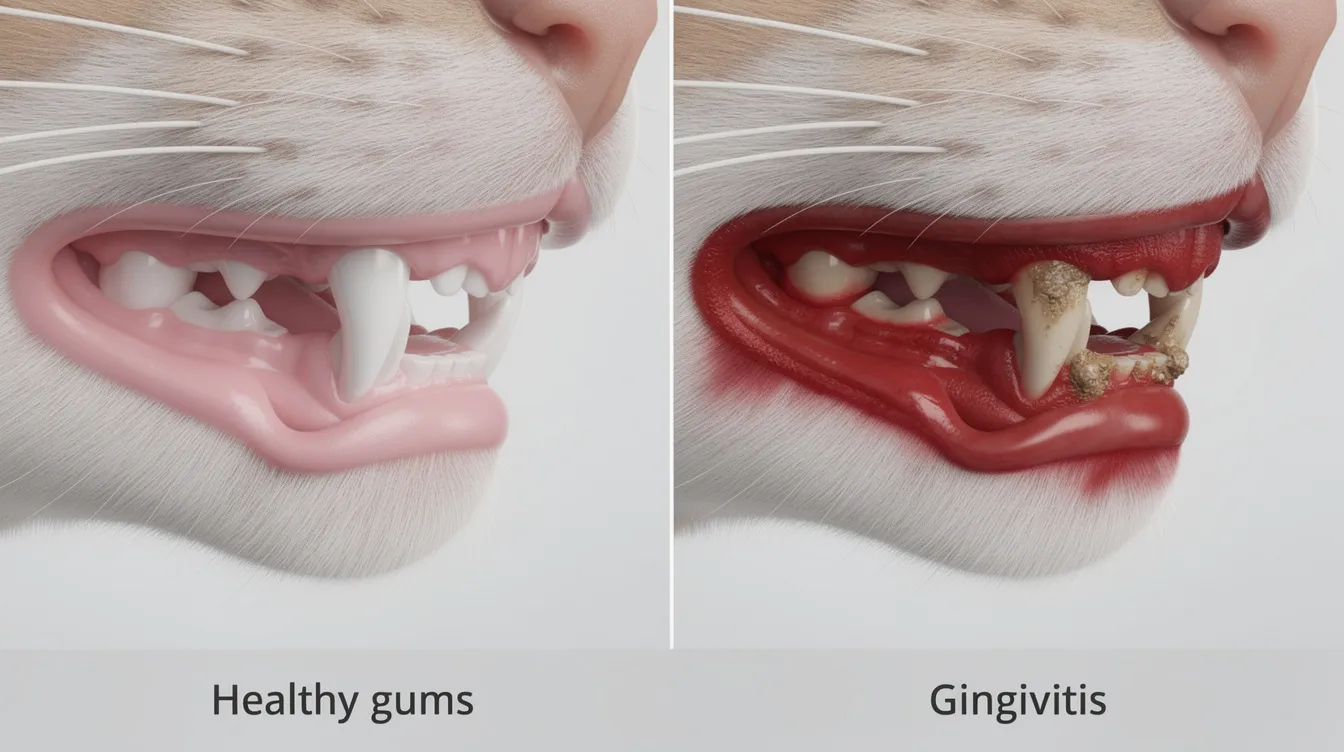
Cat Dental Disease: Signs, Treatment, and Prevention
Dental disease is one of the most common health problems in cats, yet it remains one of the most underdiagnosed. An estimated 50–90% of cats over 4 years old have dental disease, and about 70% of cats develop periodontal disease by age three. Many affected cats keep eating and hide mouth pain, so owners often…
-
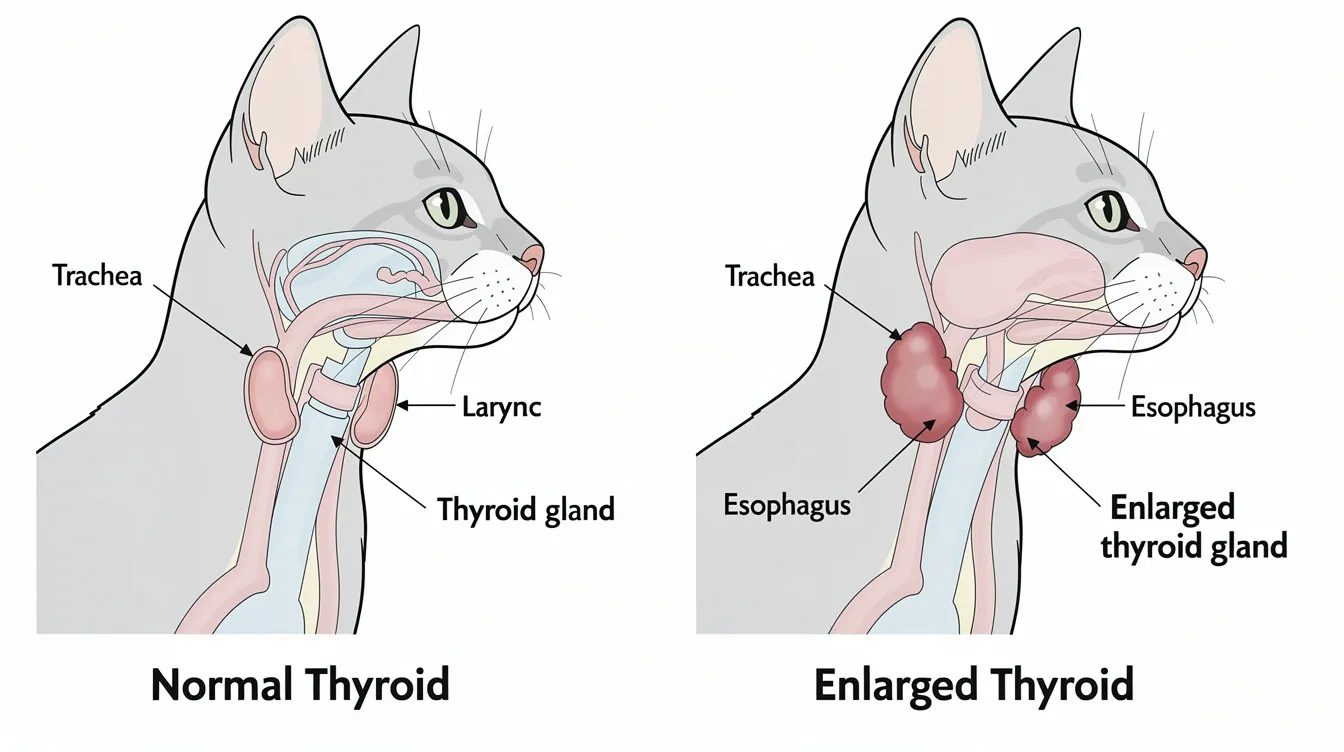
Cat Hyperthyroidism: Signs, Diagnosis, and Treatment Options
Feline hyperthyroidism, or cat hyperthyroidism, is the most common endocrine disease in older cats, occurring when the thyroid gland overproduces thyroid hormones that regulate metabolism, heart rate, and nearly every organ system. If your senior cat is losing weight despite eating more than ever, hyperthyroidism should be near the top of the list of possible…
-
Old Cat Health Problems: A Veterinarian’s Guide to Senior Feline Care
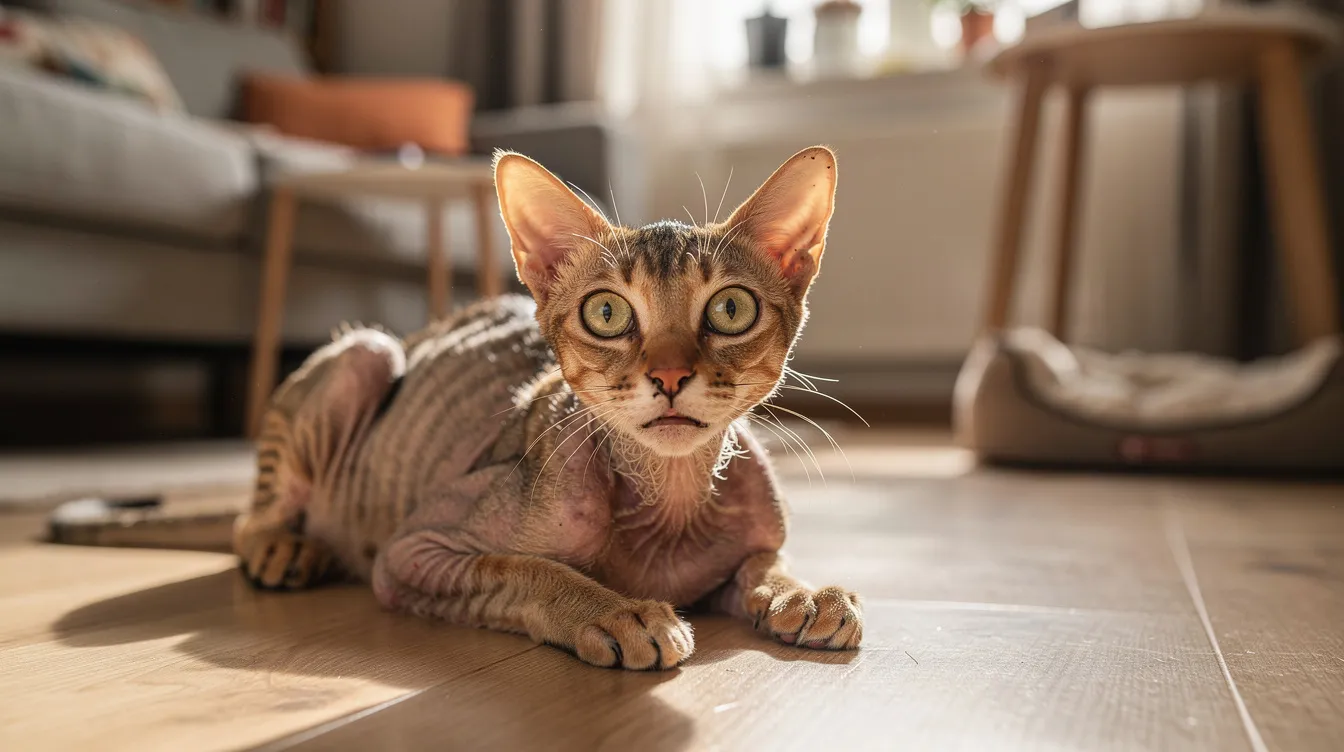
Introduction Old cats face a predictable set of health problems, commonly referred to as old cat health problems, that become significantly more common once they cross into their senior years. Chronic kidney disease, arthritis, hyperthyroidism, dental disease, diabetes mellitus, and cancer represent the six conditions veterinarians diagnose most frequently in aging cats. Cats are considered…
-

Cat Throwing Up White Foam: Veterinary Guide to Causes, Treatment, and When to Seek Emergency Care
Reviewed by Dr. Roger Hart, DVM Introduction One common trigger is dietary indiscretion. If your cat has eaten something it shouldn’t have, the resulting stomach upset can lead to this same foamy vomiting. When your cat is vomiting white foam, you’re typically seeing a mixture of stomach acid, mucus, and saliva expelled from an empty…
-
Dog Cries When Picked Up: Veterinary Guide to Causes and Solutions
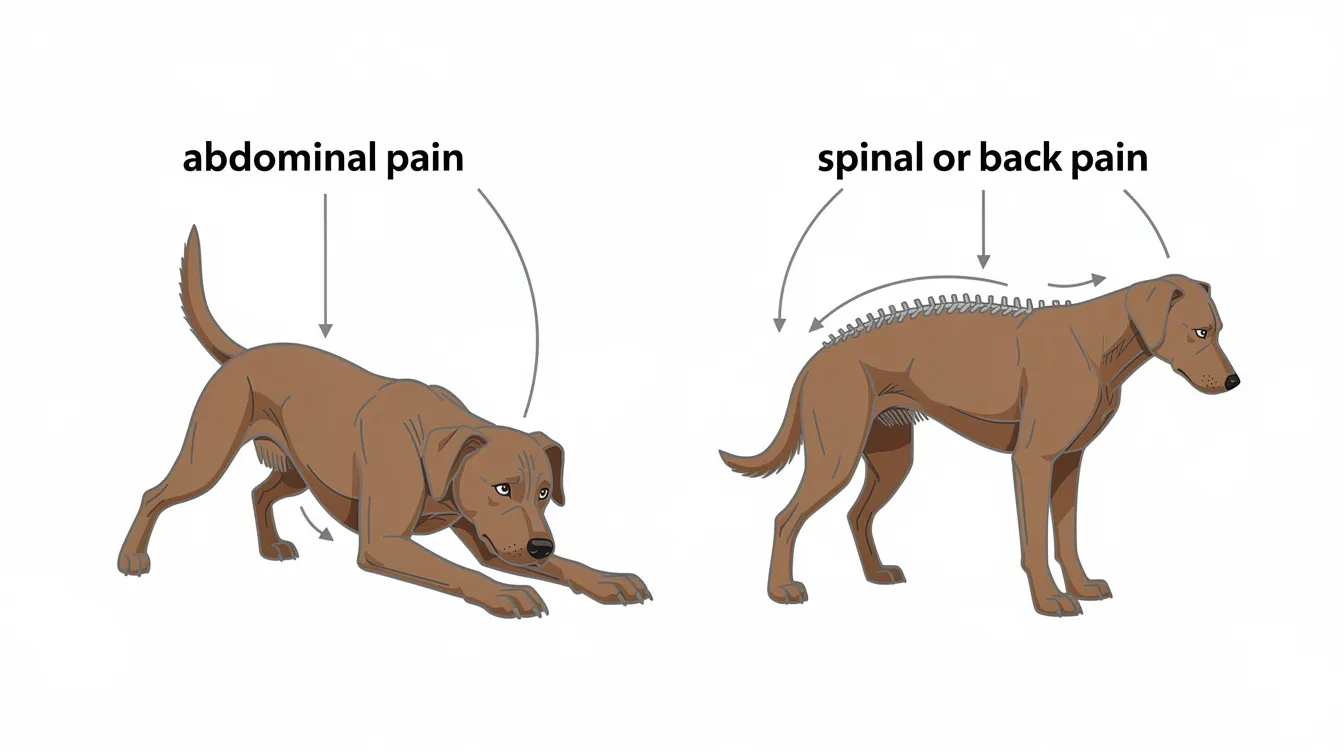
Introduction When your dog cries when picked up, it almost always signals pain or discomfort rather than simple moodiness. Dogs are remarkably skilled at masking suffering, and the act of lifting often exposes underlying conditions – spinal issues, muscle injuries, or internal disease – that remain hidden while the dog rests quietly. A dog whimpering…
-
Dog is Dry Heaving: Emergency Signs, Causes, and When to Seek Immediate Care
Introduction Dog dry heaving—also known as non-productive retching—is the act of forceful gagging and abdominal contractions that mimic vomiting but produce little to no stomach contents. When your dog keeps dry heaving, it can signal anything from mild throat irritation to a life-threatening veterinary emergency like bloat (gastric dilatation-volvulus). As a veterinarian, I’ve seen cases…