Surgery
-
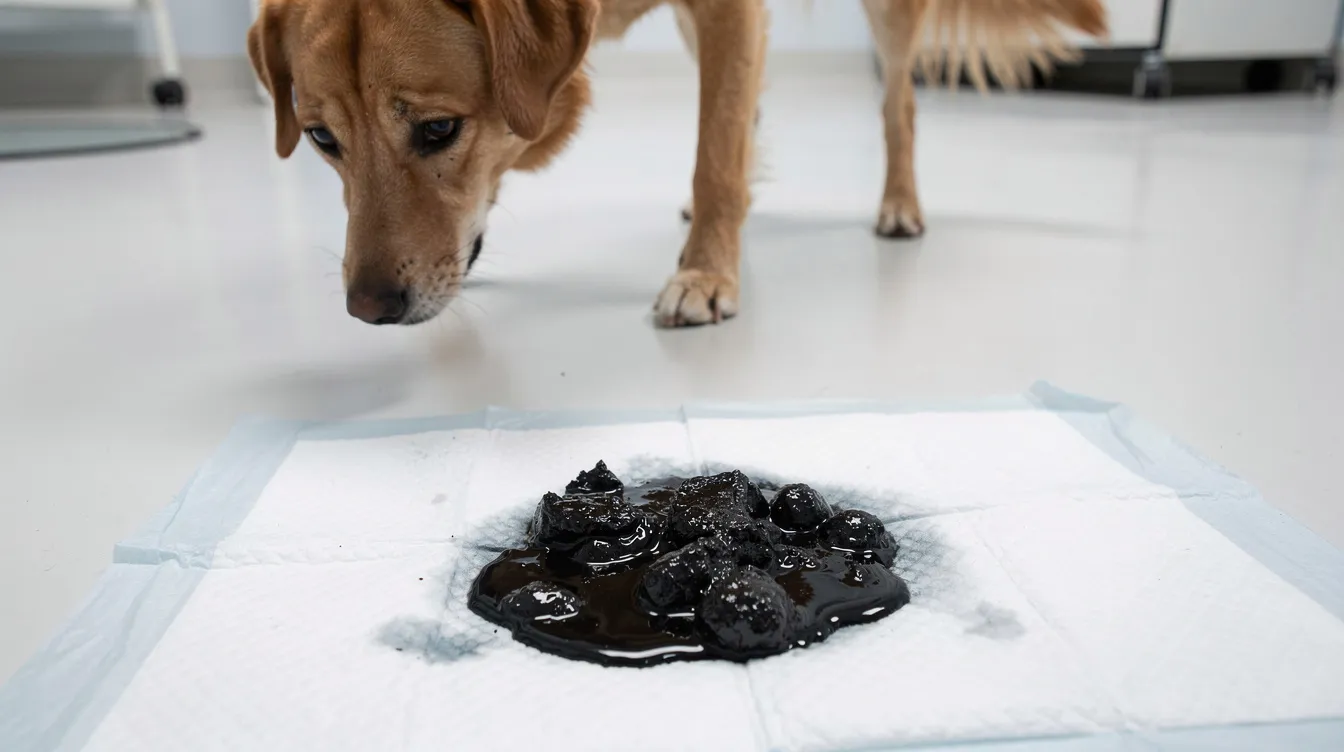
Dog Ate Chicken Bones Symptoms: What Pet Owners Need to Know
Introduction If your dog ate chicken bones, the symptoms you need to watch for include vomiting, difficulty swallowing, excessive drooling, abdominal pain, lethargy, and changes in bowel movements. Some of these warning signs appear within minutes, while others may take 24-72 hours to develop as bone fragments move through the digestive tract. Cooked chicken bones…
-
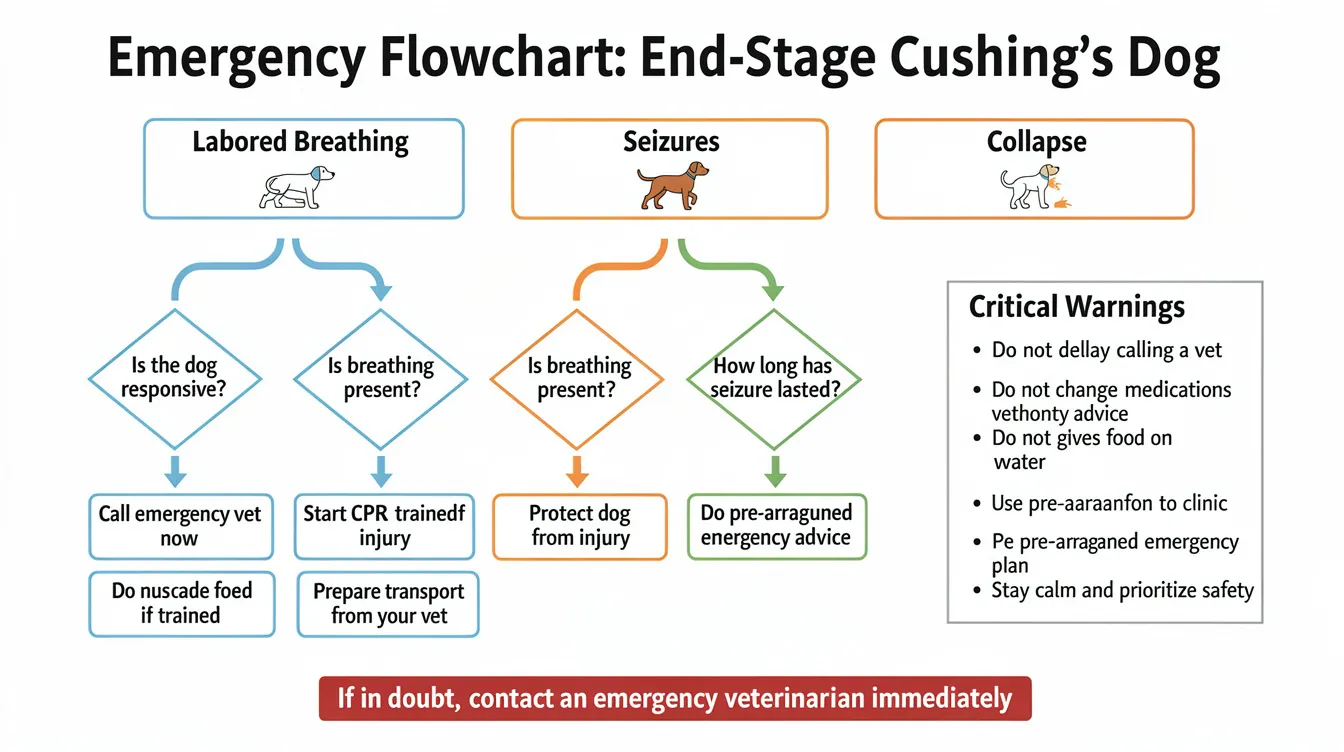
Symptoms of Dog Dying from Cushing’s Disease: Recognizing End-Stage Signs
Introduction Dogs dying from Cushing’s disease typically show severe muscle weakness, uncontrollable urination, extreme lethargy, recurring infections that no longer respond to treatment, and complete loss of appetite. These end-stage symptoms represent a critical turning point where the body can no longer compensate for the devastating effects of too much cortisol. Understanding the signs of…
-
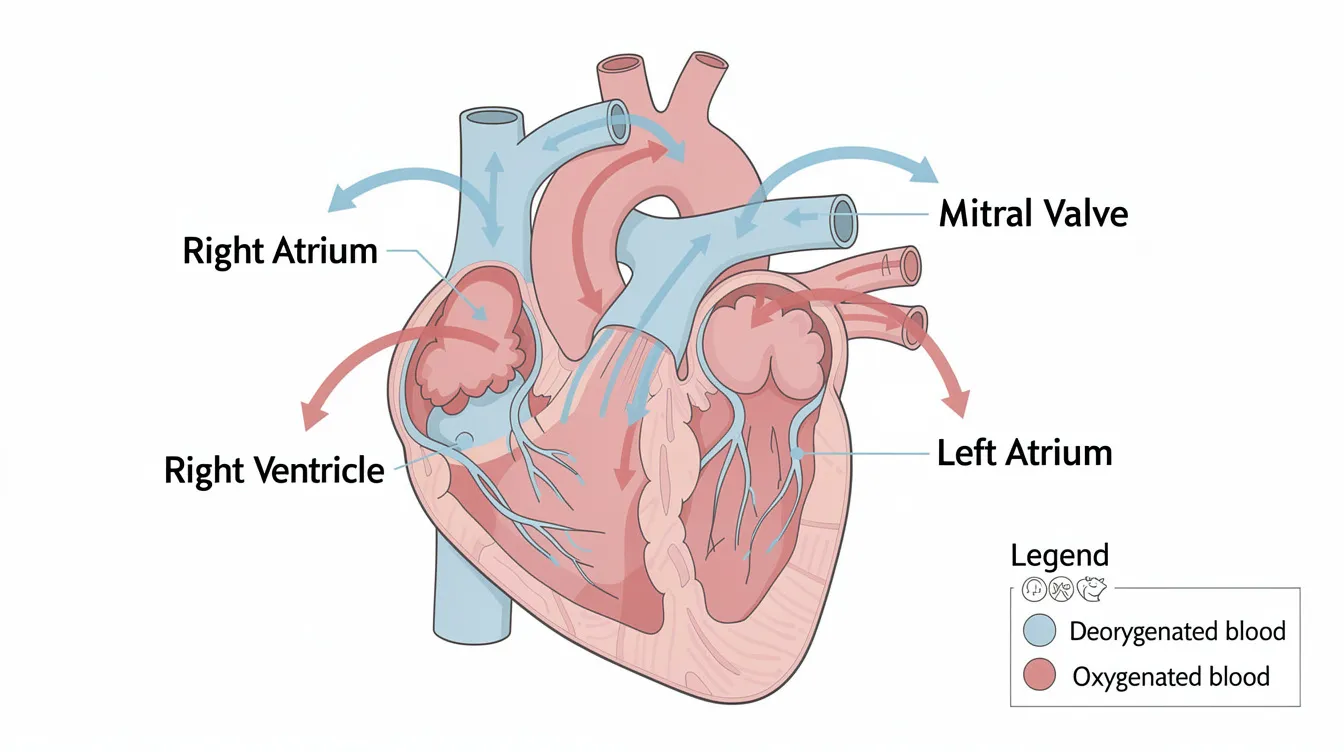
Dog Mitral Valve Disease, Should I Worry?
Introduction Mitral valve disease, specifically dog mitral valve disease, is the most common heart disease in dogs, responsible for approximately 80% of heart disease in dogs. This degenerative condition targets the heart’s mitral valve-the critical gateway between the left atrium and left ventricle-causing it to thicken, weaken, and ultimately fail to close properly. While valve…
-
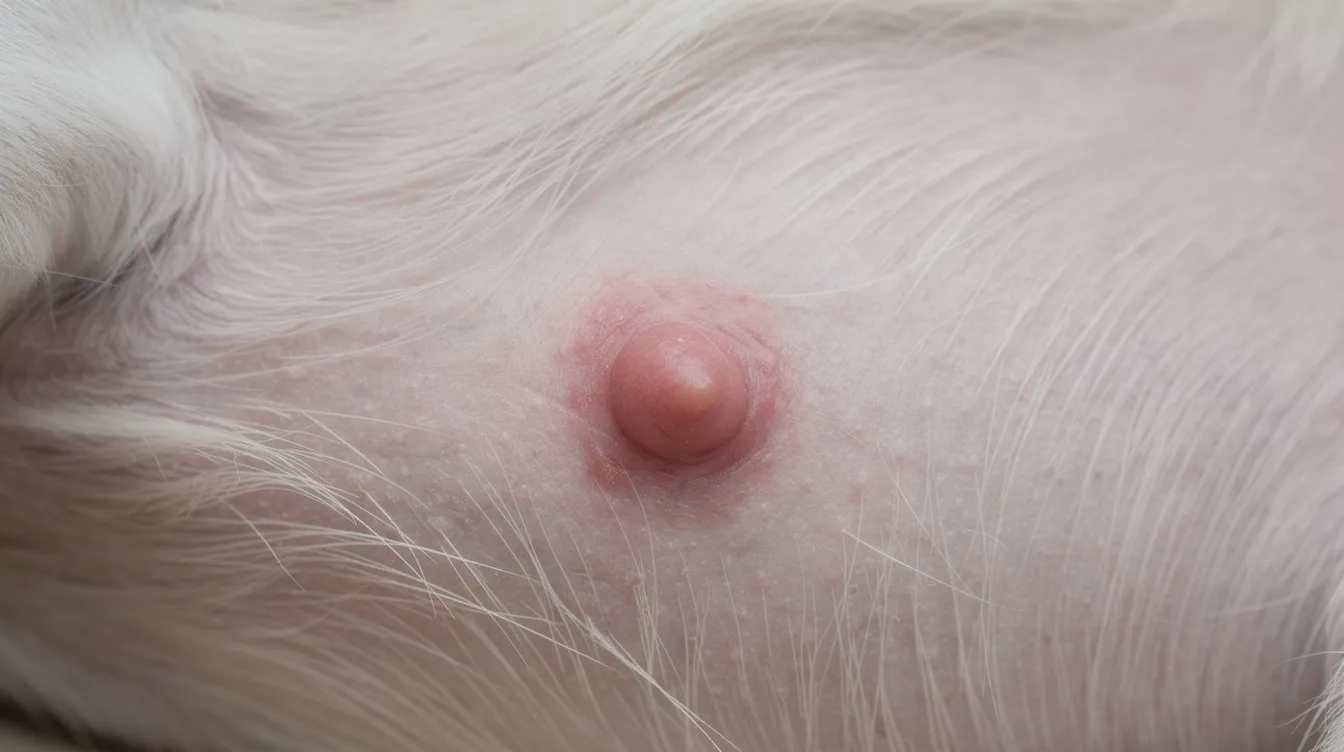
Pictures of Bumps on Dogs: Visual Guide to Identifying Common Skin Growths
Introduction A new lump on your dog can have many causes. This guide helps you describe its appearance and track changes before a veterinary appointment. Pictures cannot tell you whether a lump is harmless or cancerous. Different skin growths can look alike, and the same type of growth can vary in appearance. Your veterinarian may…
-
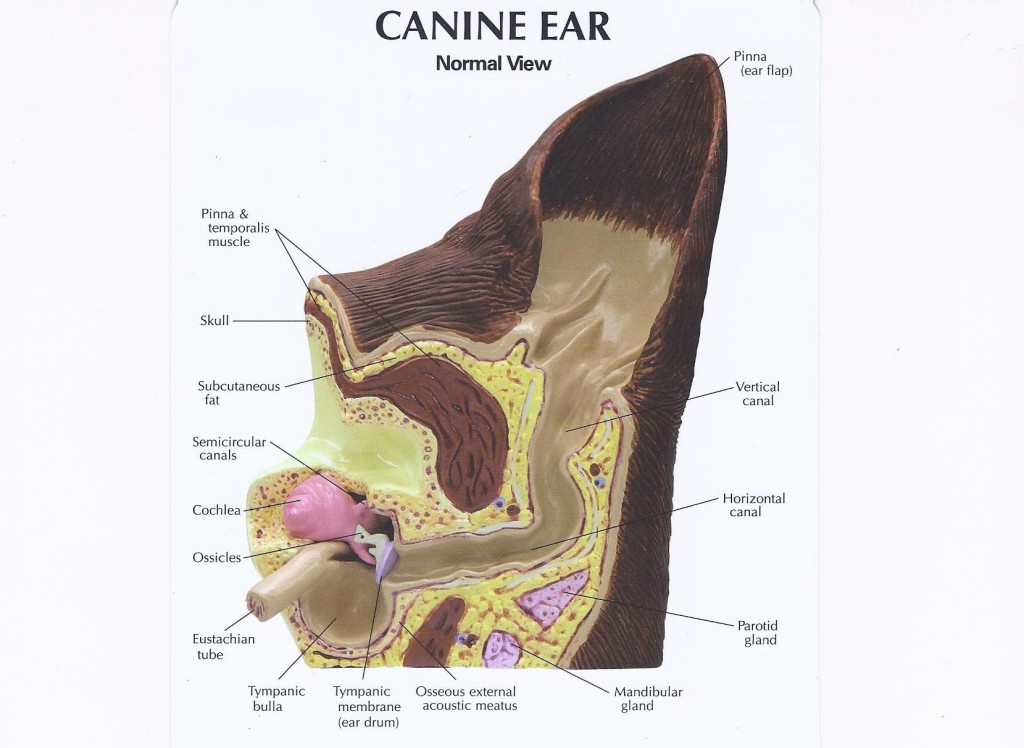
Otitis Media Symptoms in Dogs and Cats: Complete Recognition Guide
Introduction Otitis media symptoms in dogs and cats signal a middle ear infection that demands prompt attention-these signs range from subtle head shaking and ear pain to serious neurological issues like loss of balance, facial nerve paralysis, and vestibular disease. This comprehensive guide covers how to recognize every stage of otitis media symptoms in companion…
-

My Cat is Peeing Blood, What Should I Do?
Introduction Cystitis in male cats is bladder inflammation that can escalate to a complete urinary blockage – a life-threatening emergency capable of killing a cat within 24-48 hours without treatment. Because male cats have narrower urethras than females, what begins as uncomfortable bladder inflammation can rapidly progress to urethral obstruction, kidney damage, and fatal electrolyte…
-
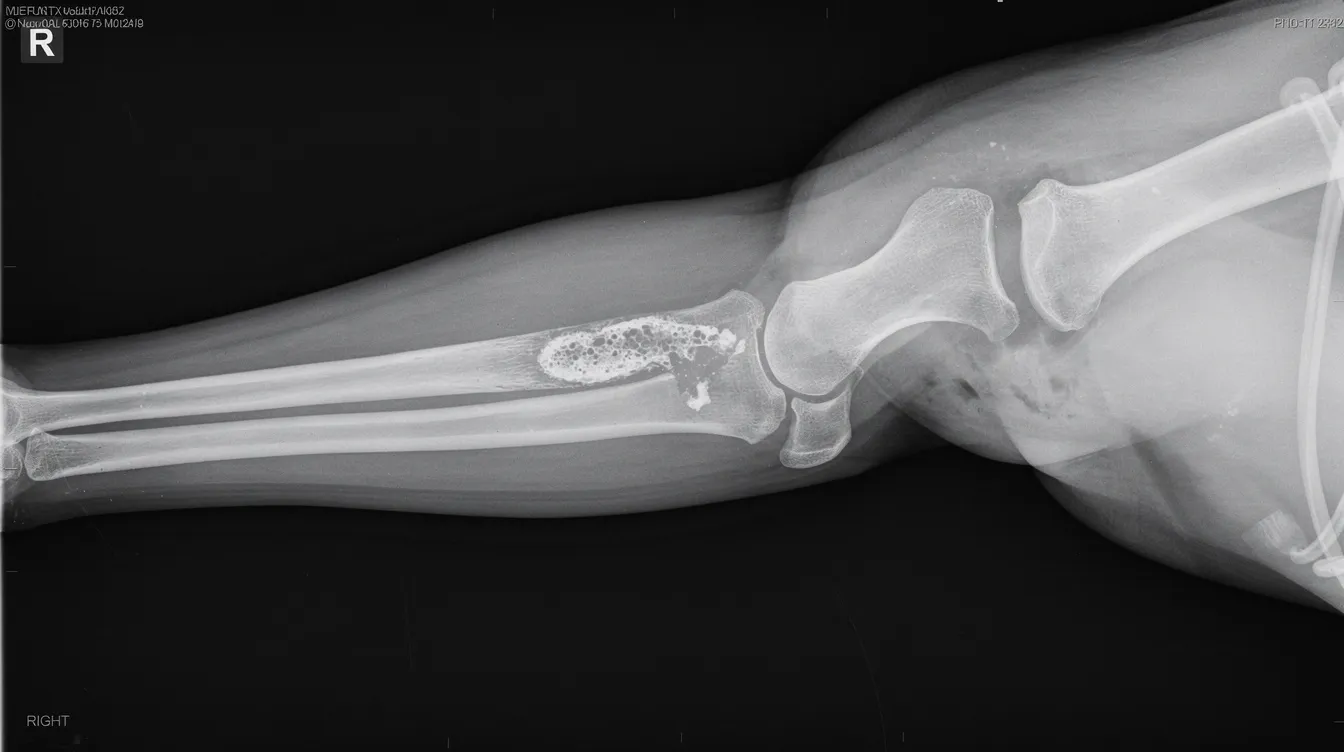
Bone Cancer in Dogs (Osteosarcoma): Signs, Diagnosis, and Treatment Options
Osteosarcoma in dogs is the most aggressive and common bone cancer affecting canines, and if your dog has been diagnosed – or you suspect something is wrong – understanding this disease quickly matters. Osteosarcoma accounts for approximately 85% of bone tumors in dogs, making it the dominant primary bone cancer veterinarians encounter. It strikes large…
-

Leptospirosis in Dogs and Cats: Complete Guide for Central Florida Pet Owners
Introduction Leptospirosis in dogs is a serious bacterial disease that can infect dogs, cats, wild and domestic animals, and humans. For Central Florida pet owners, the risk is higher because leptospira bacteria survive well in warm, humid environments, especially after heavy rainfall, flooding, or exposure to contaminated water. Knowing how the disease spreads and what…
-

Why is My Dog Breathing So Hard
If you’re a dog owner concerned about your pet’s breathing, you may be asking, “Why is my dog breathing hard and panting?” This article is designed for dog owners who want to understand the reasons behind their dog’s panting, when it’s normal, and when it may signal a health concern. Understanding panting is crucial for…
-
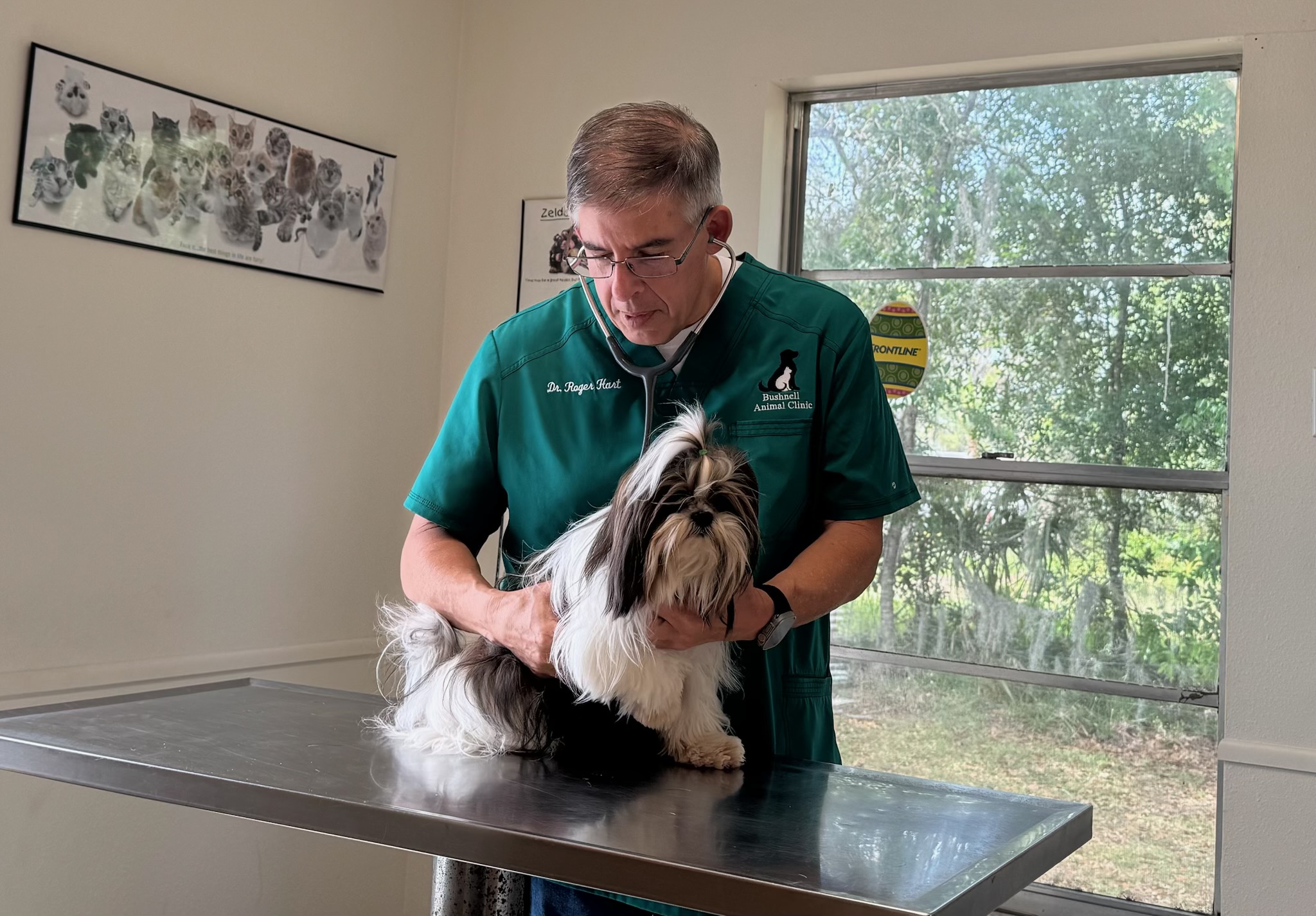
What Is a Veterinarian? Training, Specialties, and What Vets Do
A veterinarian is a Doctor of Veterinary Medicine (DVM) – a highly trained medical professional who diagnoses, treats, and prevents diseases in animals while also helping protect public health. This article explains what veterinarians do, how they are trained and licensed, how board-certified specialists differ from general practitioners, and what to expect at routine and…