Introduction
When your dog cries when picked up, it almost always signals pain or discomfort rather than simple moodiness. Dogs are remarkably skilled at masking suffering, and the act of lifting often exposes underlying conditions – spinal issues, muscle injuries, or internal disease – that remain hidden while the dog rests quietly. A dog whimpering when lifted often signals physical pain or emotional distress, and the response shouldn’t be brushed off as ordinary behavior. Every dog owner benefits from understanding what’s behind it, and occasionally the cause is anxiety or a past negative experience rather than an injury.
This guide covers the primary medical causes behind why a dog yelps when picked up, including intervertebral disc disease, soft tissue strain, and abdominal pain. It also walks through emergency warning signs, first-response protocols, and proper lifting techniques reviewed by Dr. Roger Hart DVM. While the principles here apply broadly, this resource is written with dog owners in Central Florida and beyond in mind-anyone seeking professional, veterinary-verified information on this concerning behavior. This guide does not replace a hands-on physical exam by your vet.
Repeated crying during lifting can also point to anxiety or fear rather than pain, especially in dogs with a history of negative experiences being picked up. Training and gradual, positive exposure can help ease this kind of fear over time.
When assessing the cause, it also helps to consider how you’re lifting your dog and whether any recent environmental changes might be contributing to the discomfort.
Dogs whimper when picked up primarily due to spinal pain, muscle strain, or internal discomfort that becomes apparent when their body position changes. Lifting shifts gravity across the spine, joints, and abdominal organs, and even subtle pathology can trigger pain under those mechanical forces.
Here’s what you’ll gain from this guide:
- A clear understanding of the physical and mechanical triggers that cause whimpering during lifting
- The ability to recognize emergency signs versus situations safe to monitor
- Proper techniques for safe handling that minimize further injury
- Knowledge of when and how urgently to seek veterinary attention
- Familiarity with common treatment paths and prevention strategies used in companion animal medicine
Understanding Why Dogs Whimper When Lifted
Whimpering is a nociceptive response-a signal generated when pain receptors in skin, soft tissue, bone, or internal organs are activated. In veterinary medicine, this vocalization carries significant diagnostic weight. Many dogs suffering from chronic or progressive conditions will appear comfortable at rest, only to cry out when their body is manipulated. Whimpering when picked up should be taken seriously to identify potential health issues, because it often represents the first visible sign of an underlying issue that has been developing silently.
The Physical Mechanics of Lifting
When you lift a dog, you fundamentally change the forces acting on its body. The spine flexes, extends, or rotates depending on how the dog is held. Intervertebral discs undergo pressure shifts, muscles along the back and abdomen must stabilize against gravity in a new orientation, and abdominal organs shift within the cavity. Lifting a dog without support can increase spinal pressure substantially, especially when the rear legs dangle unsupported.
Previously unnoticed pain becomes apparent during these position changes because resting requires minimal stabilization. Rising, jumping, and being picked up demand active force transmission across joints, discs, and muscles. A dog with early disc disease or a strained muscle may show zero discomfort lying on the couch but yelp the moment its body alignment shifts under the stress of lifting.
The connection between lifting technique and pain amplification is direct. Avoid lifting under the front legs only-this creates excessive lever arms on the spine and exaggerates flexion, putting enormous stress on already painful structures. Improper lifting technique can cause discomfort, leading to whimpering in dogs even when the underlying condition is relatively mild.
Pain Recognition in Dogs
Dogs mask pain as an evolutionary survival strategy. This means that physical manipulation-touching, lifting, palpating-often serves as the first moment an owner realizes something is wrong. Signs of pain in dogs include behavioral changes like limping, reluctance to move, guarding a body region, or sudden tension when a specific area is contacted. Some owners report their dog barely touched before it yelped, which points to significant sensitivity beneath the surface.
Acute pain responses during handling tend to produce sharp yelps or cries, while chronic pain more often manifests as consistent whimpering, flinching, or progressive withdrawal from contact. Dogs with spinal pain may show tension when lifted and can arch their backs as a protective posture.
Understanding these pain patterns is essential, because the nature and location of the dog’s pain response during lifting points directly toward specific medical causes.
Primary Medical Causes of Whimpering When Picked Up
Multiple overlapping conditions can cause a dog to whimper when picked up, and diagnostic difficulty increases when the only symptom is handling sensitivity without obvious trauma or visible signs of injury. Common causes of whimpering include joint pain, muscle strain, and abdominal discomfort-but several serious conditions must be ruled out systematically.
If your dog consistently cries when picked up, it may be worth consulting with a veterinarian to rule out any underlying health issues.
Intervertebral Disc Disease (IVDD) and Spinal Pain
Content reviewed by Dr. Roger Hart DVM
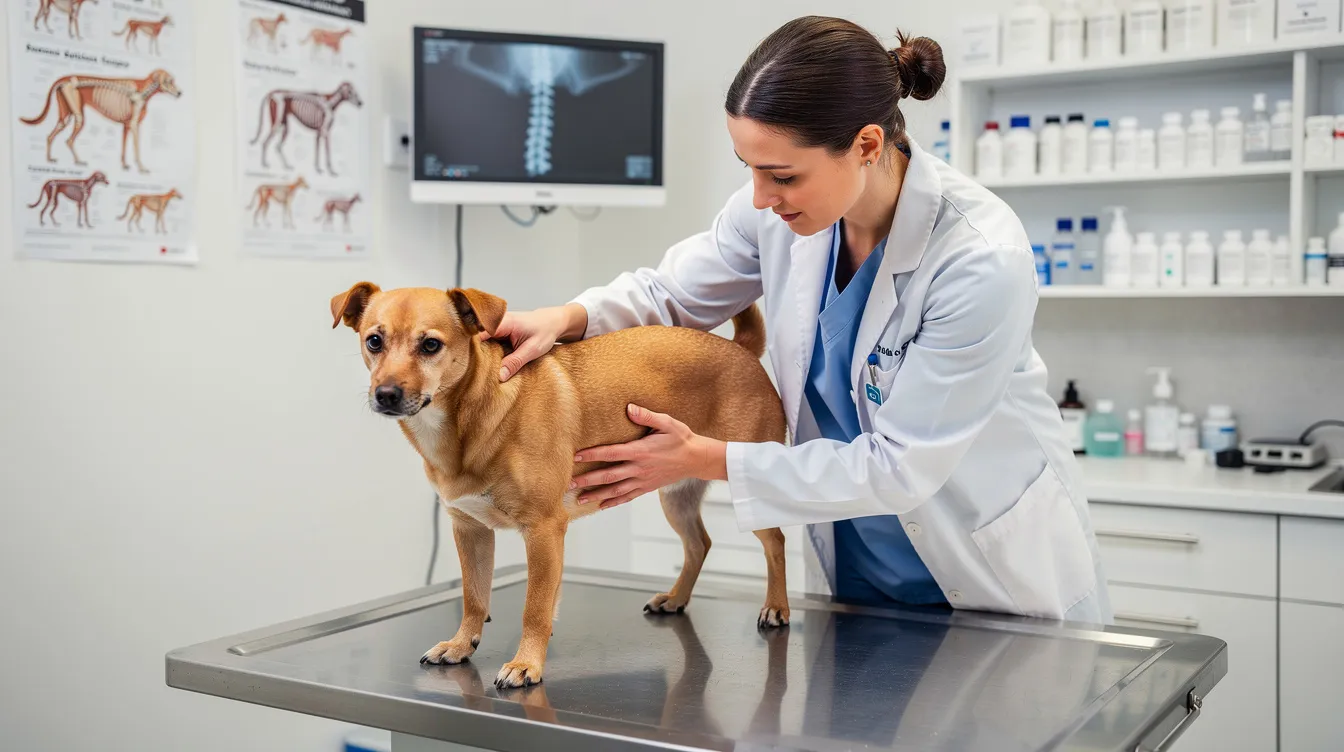
Intervertebral disc disease is one of the most common reasons a dog cries or yelps when picked up. The condition involves degeneration or herniation of the intervertebral discs – the cushioning structures between vertebrae composed of the nucleus pulposus and annulus fibrosus. When these discs herniate, they push into the spinal canal, compressing the spinal cord or nerve roots. Pain on lifting can signal early disc disease even before any neurological deficits appear, so if this describes your dog, prompt veterinary attention is warranted.
Approximately 65% of IVDD cases occur in the thoracolumbar region and roughly 18% in the cervical area. When a dog with disc disease is lifted, spinal compression intensifies as the body flexes or extends-especially if the chest alone is supported, allowing the rear end to drop. Intervertebral disc disease can cause sharp pain when lifted because disc spaces are already compromised.
Breed predispositions are well established. Chondrodystrophic breeds-Dachshunds, French Bulldogs, Beagles, and Pekingese-carry higher risk for Type I IVDD, which tends to present acutely in young to middle-aged dogs. Dachshunds represent 40–75% of IVDD cases in certain populations. Large-breed degenerative Type II IVDD occurs more gradually in breeds like German Shepherds and typically affects older dogs. Weakness in back legs indicates possible spinal issues and warrants immediate veterinary evaluation, since untreated spinal compression can progress to paralysis in the hind limbs.
Muscle and Soft Tissue Injuries
Muscle strain can trigger yelping when a dog is lifted, and these injuries are among the most frequently overlooked causes. Strains or sprains in the chest, neck area, back, or abdominal wall muscles occur when dogs overstretch during jumping, rough play, twisting movements, or sudden exertion. Even minor trauma from repeated small impacts-landing after a jump, awkward rolling-can produce significant soreness.
A strained muscle may cause minimal discomfort at rest but flare dramatically when lifting changes muscle length or applies direct pressure to the injured area. Overweight dogs and those with sudden increases in activity level face elevated risk. Muscle problems in the lower back and abdomen are particularly likely to produce whimpering during handling because these regions bear the greatest mechanical load during a lift.
The connection between activity level and soft tissue injury risk is important: a dog that has been sedentary and then engages in vigorous exercise may develop muscle inflammation (myositis) that remains latent until the next time the dog is picked up.
Abdominal Pain and Internal Pain
Internal conditions frequently manifest as handling sensitivity. Pancreatitis, peritonitis, gastrointestinal obstruction, and hepatic or splenic disease all produce visceral pain that worsens when the abdomen is compressed or shifted during lifting. Internal injuries can cause sudden pain without visible signs, making these conditions particularly dangerous.
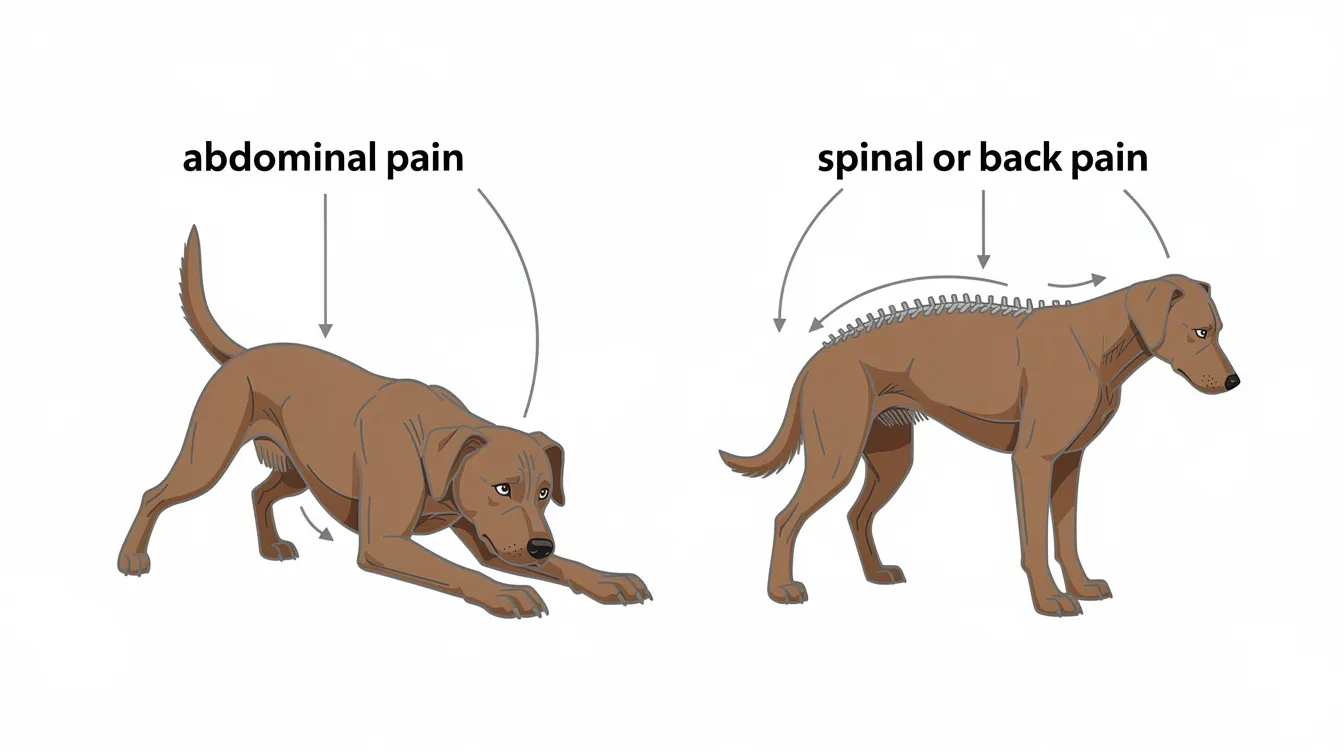
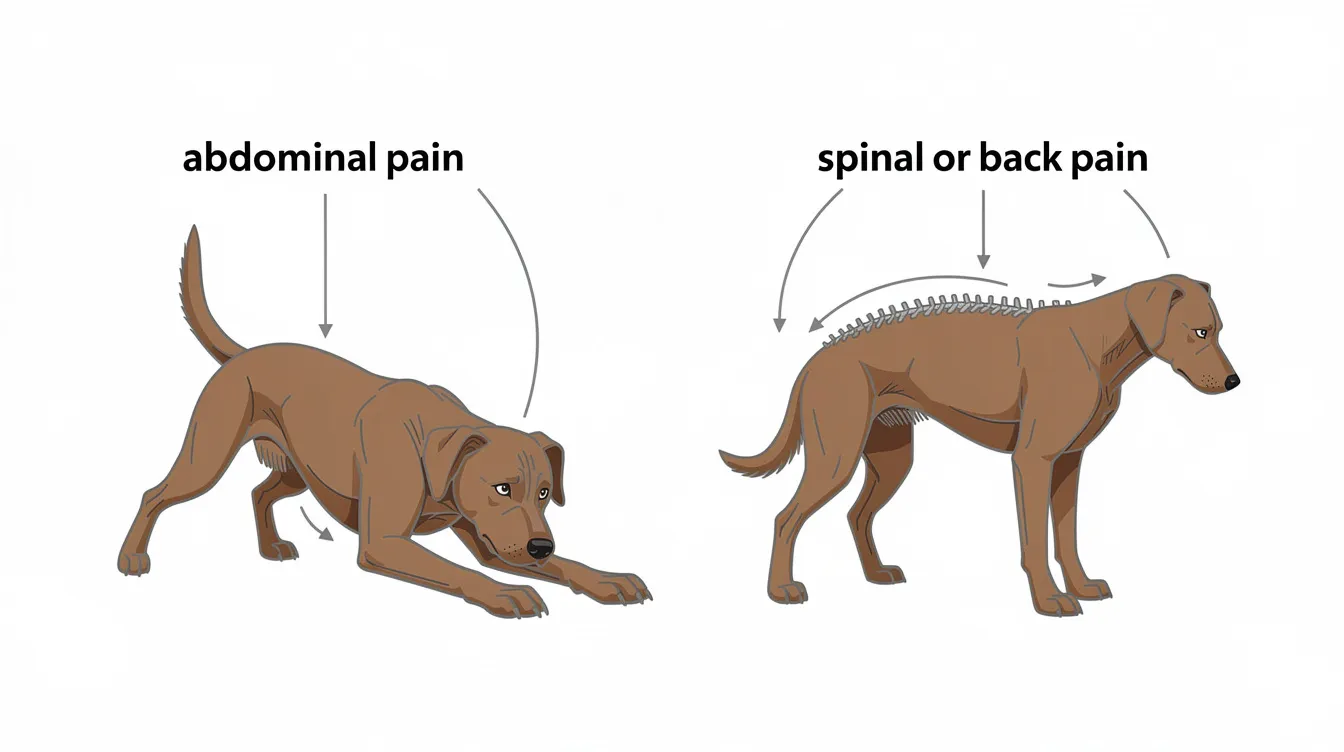
Abdominal pain often presents differently from spinal pain. Dogs with abdominal discomfort frequently adopt a “prayer position”-front legs down, rear up-and may show a tense or distended abdomen with reluctance to allow belly contact. A dog with spinal pain, in contrast, tends to arch its back, resist twisting of the spine, and may develop neurological signs in severe cases. This distinction helps guide your vet toward the correct diagnostic tests.
Veterinary Assessment and Response Protocols
A systematic evaluation is critical when your dog reacts with pain during handling. The protocols outlined here reflect approaches commonly practiced in Central Florida veterinary clinics and are designed to help owners take appropriate action before their vet visit. Content reviewed by Dr. Roger Hart DVM for medical accuracy.
Immediate Response Steps
When your dog cries or yelps during lifting, follow this protocol:
- Stop lifting immediately and place the dog gently on a flat, stable surface. Assess overall condition: posture, breathing, willingness to stand. Do not force movement or attempt to reproduce the pain.
- Observe for neurological or mobility signs. Check whether the dog can rise independently. Look for weakness or dragging in back legs or rear legs, incoordination, or difficulty bearing weight on front legs. Note whether bladder or bowel control appears intact-sudden loss of either is an emergency requiring you to seek veterinary help immediately.
- Restrict activity and movement for 24 hours. For potential spinal pain, confine the dog to a crate or small pen. Allow only short, controlled walks for elimination. No jumping, stair climbing, or rough play.
- Document symptoms and circumstances for veterinary consultation. Record when the dog started yelping or whimpering (morning, after rest, after exercise), the manner of lifting used, the dog’s body posture, and any other symptoms such as vomiting, loss of appetite, swelling, or crying. This diary significantly aids the diagnostic workup at your vet visit.
Veterinary consultation is advised if a dog’s whimpering indicates pain or injury. Do not give human pain medications to dogs without veterinary guidance due to toxicity risks-common anti inflammatory drugs like ibuprofen and naproxen are potentially fatal to dogs.
Emergency vs. Non-Emergency Assessment
Signs | Emergency – Seek Vet ASAP | Non-Emergency – Monitor and Schedule Vet Visit |
|---|---|---|
Mobility | Paralysis or paresis; inability to rise; dragging rear legs | Mild stiffness; reluctance to jump; tolerates walking |
Neurological | Sudden collapse; loss of bladder or bowel control | Intermittent whimpering only when picked up |
Breathing | Difficulty breathing; labored or rapid respirations | Normal respiratory rate and effort |
Systemic | Severe lethargy; pale gums; distended abdomen | No vomiting, eating normally, alert |
Pain Pattern | Constant vocalization; acute pain even without handling | Episodic discomfort triggered only by specific movements |
If your dog shows any emergency signs, this requires immediate medical attention-do not wait to see if symptoms resolve.
Common Owner Challenges and Veterinary Solutions
Several recurring scenarios in companion animal medicine make diagnosing and managing lifting-related pain particularly complex. Understanding these challenges helps owners collaborate more effectively with their veterinary team.
Challenge: Inconsistent Whimpering Patterns
Many owners report that their dog began yelping when picked up one day but seemed fine the next, making it tempting to dismiss the issue. However, episodic pain is characteristic of early IVDD-intermittent discomfort often precedes progression to neurological deficits. In a retrospective study of 518 dogs at a referral hospital, MRI findings of intervertebral disc extrusion were the strongest predictor of lumbar pain, yet many dogs with MRI-diagnosed pathologies showed no pain on certain days, and some painful dogs had no detectable pathology on imaging-highlighting how clinical context matters enormously.
Diagnostic imaging recommendations vary by presentation. X rays serve as a reasonable first step, potentially revealing disc space narrowing or vertebral endplate changes. However, MRI remains the gold standard for evaluating soft tissue pathology including disc herniations, spinal cord compression, and early infection. CT scans provide superior bone detail. For abdominal pain, ultrasound and specialized blood panels guide the diagnostic process. Not all cases require advanced imaging, but persistent or worsening symptoms warrant thorough diagnostic tests.
Challenge: Fear vs. Pain Differentiation
Fear or insecurity may cause dogs to whimper when they are lifted, and distinguishing fear from physical pain is a common clinical challenge. Dogs may whimper if they have a negative association with being picked up-perhaps from a prior negative experience, a move to a new house, or rough handling by other dogs or people. Anxiety or stress can result in whimpering in dogs when being handled.
Behavioral signs of fear include tail tucking, wide eyes, trembling, and attempts to escape-but these often coexist with pain responses. Clinical differentiation involves gentle palpation along the spine and a gradual, well-supported test lift. If the dog reacts with sudden pain at a specific location or only with certain lift angles, a medical cause is likely. If the dog shows generalized anxiety without localized tenderness, behavioral modification may be appropriate. Learned behavior may also lead to whimpering as a means of seeking attention, though this should only be considered after pain has been thoroughly ruled out through a physical exam.
Challenge: Safe Handling During Pain Episodes
When lifting is unavoidable-for veterinary transport, emergency situations, or daily care-proper technique is essential. Supportive lifting techniques can help minimize pain or discomfort for dogs experiencing acute or chronic pain.
Key principles:
- Support both the chest and hindquarters when lifting-never lift by the chest alone
- Keep the dog’s spine straight during lifting to avoid flexion or torsion
- Use both arms to lift smoothly and level, distributing weight evenly
- Avoid lifting under the front legs only, which dramatically increases spinal stress
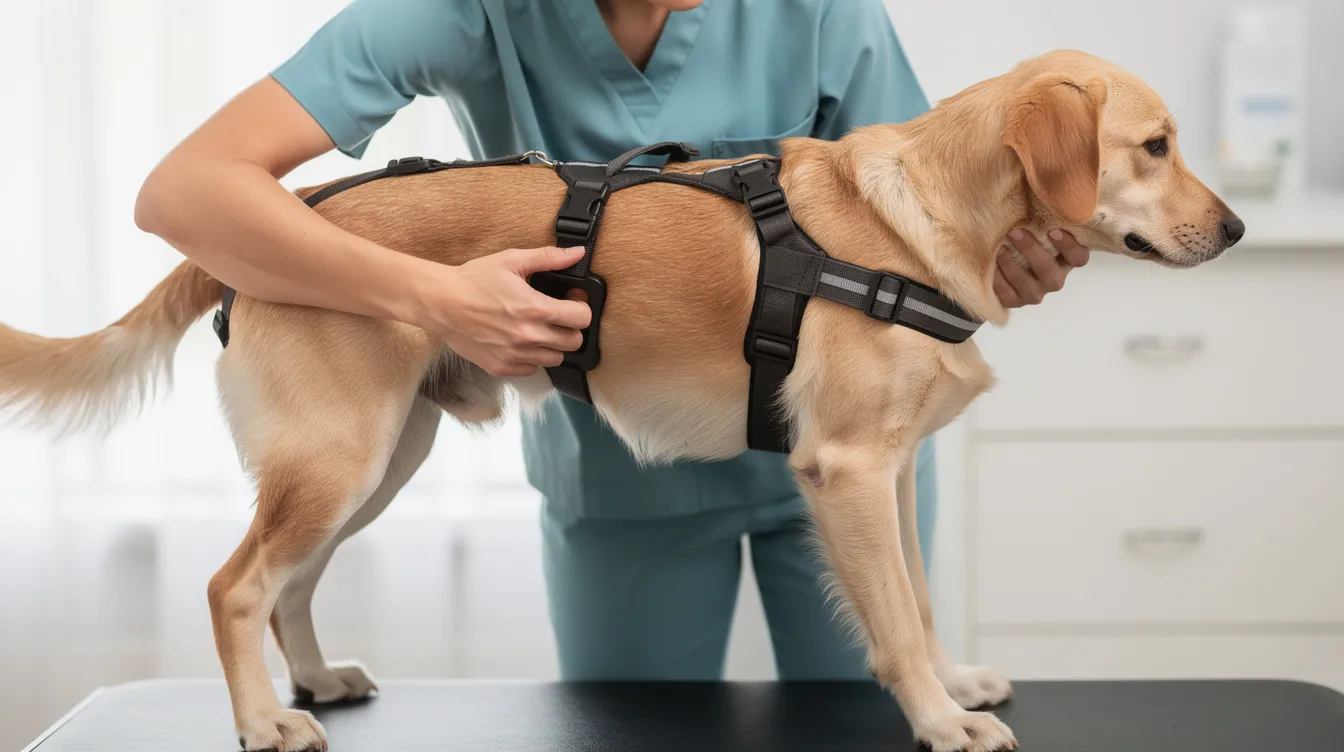
Equipment recommendations include mobility harnesses with front and rear support points, slings or towels for temporary support, and ramps for vehicle or furniture access. Consider using a ramp for access instead of lifting whenever possible, particularly for dogs with known spinal or joint conditions. For an older dog or any dog with diagnosed disc disease, these accommodations should become permanent fixtures in the home.
Professional Treatment, Pain Medication, and Prevention Strategies
Treatment approaches depend entirely on the diagnosed cause and severity. Dr. Hart emphasizes that early intervention consistently improves outcomes across virtually all conditions that cause dogs to whimper when picked up.
IVDD Conservative Management: Strict rest for 2–3 weeks with only short toileting walks, combined with appropriate pain medication-typically NSAIDs, muscle relaxants, and sometimes gabapentin for neuropathic pain. Pain meds must be prescribed by your vet; never administer human medications. Physical rehabilitation follows the rest period to rebuild core strength and mobility.
IVDD Surgical Intervention: When neurological deficits are present-particularly weakness or paralysis in the back legs-surgery may be necessary. Thoracolumbar cases typically require hemilaminectomy or dorsal laminectomy; cervical disc disease may need a ventral slot approach. Timing matters significantly: earlier surgery tends to yield substantially better outcomes.
Abdominal Disease Treatment: Conditions like pancreatitis require immediate veterinary care, potentially including hospitalization with IV fluids, antiemetics, pain control, and dietary management. Mild cases may recover in 1–2 weeks; severe pancreatitis can be life-threatening.
Discospondylitis Management: Bacterial or fungal infection of intervertebral discs and adjacent vertebrae demands long-term antimicrobial therapy-often lasting many months. A CT imaging study of 41 dogs with discospondylitis showed presentations including spinal hyperesthesia, neurologic impairments, lethargy, and anorexia across breeds including Labrador Retrievers, German Shepherds, and mixed breeds. Treatment requires imaging to monitor progress and guard against recurrence.
Prevention Strategies:
- Maintain ideal body weight to reduce spinal load
- Avoid repetitive jumping or access to high surfaces without ramps
- Pursue breed-appropriate exercise and core strengthening
- Use non-slip flooring and soft bedding throughout the home
- Educate all family members on proper lifting technique
- Avoid lifting whenever possible for predisposed breeds
If your dog whimpers when picked up, take these immediate steps: schedule a veterinary examination, document all pain patterns and circumstances, implement safe handling protocols, and restrict activity until your vet provides guidance. Related topics worth exploring include senior dog care, preventive orthopedic health screening, and multimodal pain management options for dogs suffering from chronic conditions.
References:
- Cornell University College of Veterinary Medicine. Intervertebral Disc Disease. Riney Canine Health Center.
- PetMD. Back Pain in Dogs: Causes, Treatment, and Prevention.
- PetMD. Pancreatitis in Dogs: Symptoms, Causes, and Treatment.
- Remedy Veterinary Specialists. Discospondylitis in Dogs: Diagnosis and Treatment.
- Animals (MDPI). MRI Findings and Lumbar Pain in Dogs: A Retrospective Study of 518 Cases.
Additional Veterinary Resources
Diagnostic Imaging Options: Plain radiographs are typically the first step and may reveal disc space narrowing, calcification, or vertebral changes. MRI provides the most detailed evaluation of soft tissue-disc herniation, spinal cord compression, and early infection-and remains the gold standard for neurological disease workup. CT scans offer superior bone detail for fractures and bony proliferation. For abdominal conditions, ultrasound evaluates the pancreas, liver, spleen, and free fluid, while specialized blood tests (pancreatic enzyme assays, liver function panels) narrow the diagnosis. Your vet will recommend the appropriate imaging based on clinical findings from the physical exam.
Pain Management Protocols: Modern veterinary pain management uses a multimodal approach. This may include NSAIDs (when no gastrointestinal or renal contraindications exist), gabapentin for nerve damage and neuropathic pain, muscle relaxants, and adjunctive therapies such as laser therapy, acupuncture, and structured physical rehabilitation. Environmental modifications-soft bedding, ramps, non-slip surfaces, and limiting stairs-complement medical treatment and reduce the mechanical triggers that cause a dog to yelp or cry during daily activities.
Preventive Care for Musculoskeletal Health: Regular, breed-appropriate exercise maintains muscle tone and joint flexibility. Core strengthening exercises, guided by a veterinary rehabilitation specialist, protect the spine. Maintaining lean body condition is among the single most impactful preventive measures-excess weight directly increases spinal loading and accelerates disc degeneration. Joint supplements may benefit dogs at risk, and consistent use of safe walking surfaces helps prevent the acute injuries that lead to sudden pain during handling. When there is no obvious reason for whimpering but clear signs of discomfort persist, pursuing a thorough diagnostic workup with your vet prevents minor issues from becoming serious conditions.
Frequently Asked Questions (FAQs)
Q1: Why does my dog whimper only when I pick him up but seems fine otherwise?
A1: This often indicates neck pain or spinal discomfort that becomes apparent only when the dog’s body is lifted and the spine flexes, causing pain that is not noticeable during normal walking or resting.
Q2: Can lifting my dog incorrectly cause or worsen neck pain or spinal issues?
A2: Yes. Lifting without supporting both the chest and hindquarters can increase spinal pressure and exacerbate existing conditions like intervertebral disc disease. Proper lifting technique is crucial to avoid hurt or further injury.
Q3: How soon should I see a vet if my dog whimpers when picked up?
A3: If the whimpering is consistent, especially if accompanied by signs like weakness in the back legs or reluctance to move, schedule a veterinary visit promptly. Immediate emergency care is needed if paralysis, loss of bladder control, or severe distress occurs.
Q4: Is fear or anxiety a common reason for whimpering when picked up?
A4: Yes. Dogs may whimper due to fear or negative associations with being lifted. However, behavioral causes should only be considered after ruling out physical pain through a veterinary exam.
Q5: What is the safest way to pick up a dog with suspected neck pain or spinal issues?
A5: Support both the chest and hindquarters simultaneously, keep the spine straight, and avoid lifting under only the front legs or belly. Using ramps or harnesses can minimize the need for lifting and reduce pain risk.
Ultimately, understanding why your dog cries when picked up helps foster a healthier pet-owner relationship.