Introduction
Raisin toxicity in dogs is a true emergency that demands immediate veterinary intervention. When a dog eats grapes or raisins, the resulting acute kidney injury can progress to complete kidney failure within 24 to 72 hours – and without prompt treatment, the outcome can be fatal. Raisins are highly toxic to dogs and can cause acute kidney failure, even in quantities as small as a single raisin. Grape and raisin poisoning is a serious condition that requires immediate action.
This guide covers everything pet owners need to know about grape and raisin toxicity: how to recognize the clinical signs, what immediate response steps to take, what to expect during veterinary treatment, and how to prevent exposure in the first place. Whether your dog ate a handful of trail mix or you discovered a torn-open box of raisin bran, the information here will help you act decisively during those critical first few hours.
Understanding raisin toxicity in dogs is crucial for every dog owner. Recognizing the signs and symptoms early can be the difference between life and death, because poisoning can escalate quickly.
Grape and raisin poisoning is unpredictable, making it imperative that all pet owners are aware of the risks associated with feeding their dogs grapes and raisins.
By understanding how this poisoning works, you can take the necessary steps to prevent this potentially fatal situation.
The direct answer: Even one raisin can cause kidney damage in dogs of any size. The exact toxic dose of raisins is unknown, and individual sensitivity varies widely – some dogs develop serious kidney damage from a few raisins while others tolerate larger amounts. Because this unpredictability makes every raisin ingestion potentially life-threatening, any exposure should be treated as an emergency.
By reading this guide, you will gain:
- Emergency recognition skills – identifying early and progressive symptoms of raisin poisoning
- Immediate action steps – exactly what to do (and what not to do) before reaching a veterinarian
- Treatment expectations – understanding decontamination, fluid therapy, and monitoring protocols
- Prevention strategies – practical ways to protect your dog from grape or raisin ingestion
- Long-term care knowledge – what recovery and follow-up look like after raisin toxicity
Understanding Raisin Toxicity in Dogs
Raisin toxicity refers to the syndrome that develops when dogs ingest raisins, grapes, or related dried grape products – including sultanas, Zante currants, and even raisin paste – leading to acute kidney damage that can rapidly become irreversible. This condition is classified as a veterinary emergency because the window between ingestion and permanent kidney failure can be remarkably short, and because there is no way to predict which dogs will be severely affected.
Dogs are affected by grapes and raisins in ways that humans are not. Canine kidneys lack the metabolic and excretory mechanisms needed to efficiently handle certain organic acids found in grapes. This fundamental difference in physiology means that a snack perfectly safe for people can trigger catastrophic organ damage in dogs. The toxic threshold of raisins varies by individual dog, making body weight, hydration status, and pre-existing kidney function all important variables – but none of them reliable predictors.
It’s crucial to learn about grape and raisin poisoning so you can respond effectively in an emergency.
Many owners are unaware of how dangerous this poisoning can be, often underestimating the effects of just a few raisins.
The Toxic Mechanism
Learning about the risk is essential for all dog owners, especially those who enjoy giving their pets treats.
The toxic agent responsible for grape and raisin toxicity remained a mystery for decades. A 2021 ASPCA study published in PLOS ONE identified tartaric acid – and its salt, potassium bitartrate – as the likely cause of raisin toxicity. According to the Merck Veterinary Manual, more than one grape or raisin per approximately 4.5 kg (10 pounds) of body weight may contain enough tartaric acid to pose a risk to dogs.
Research using Madin-Darby canine kidney cells has demonstrated that tartaric acid induces direct cytotoxicity in canine kidney epithelial cells, while human kidney cell lines show significantly less sensitivity. This explains the species-specific nature of the toxicity. The dogs’ inability to metabolize these compounds leads to proximal renal tubular necrosis – destruction of the kidney structures responsible for filtering and reclaiming essential substances from the blood. Laboratory studies have also shown that inhibition of organic anion transporters (OATs) can reduce tartaric acid’s toxic effects in these cell models, which may eventually point toward therapeutic targets.
Types of Grapes and Raisins Affected
All varieties of grapes pose a danger: red, green, seedless, seeded, organic, and conventional. All dried grape products – raisins, sultanas, currants, and Zante currants – carry risk. Raisins are more toxic than grapes due to concentration; the drying process removes water while concentrating tartaric acid and other harmful compounds, delivering a higher toxic dose per gram.
The danger extends well beyond loose raisins. Foods containing raisins that commonly appear in households include baked goods (raisin bread, fruit cakes), trail mix, cereals, and granola bars. Even grape juice and cream of tartar have been implicated in similar toxic reactions. Because raisins can be embedded in these foods, accidental ingestion often goes unnoticed until symptoms appear – which makes understanding the clinical signs of raisin poisoning critically important.
Clinical Signs and Diagnosis
The clinical signs of raisin toxicity develop in a predictable progression that mirrors the underlying kidney damage. Understanding this timeline helps owners recognize when their dog is in danger and when the situation is escalating from concerning to critical, and it underscores why partnering with a clinic that emphasizes compassionate and comprehensive veterinary care is so important during emergencies.
Early Warning Signs (6-24 hours)
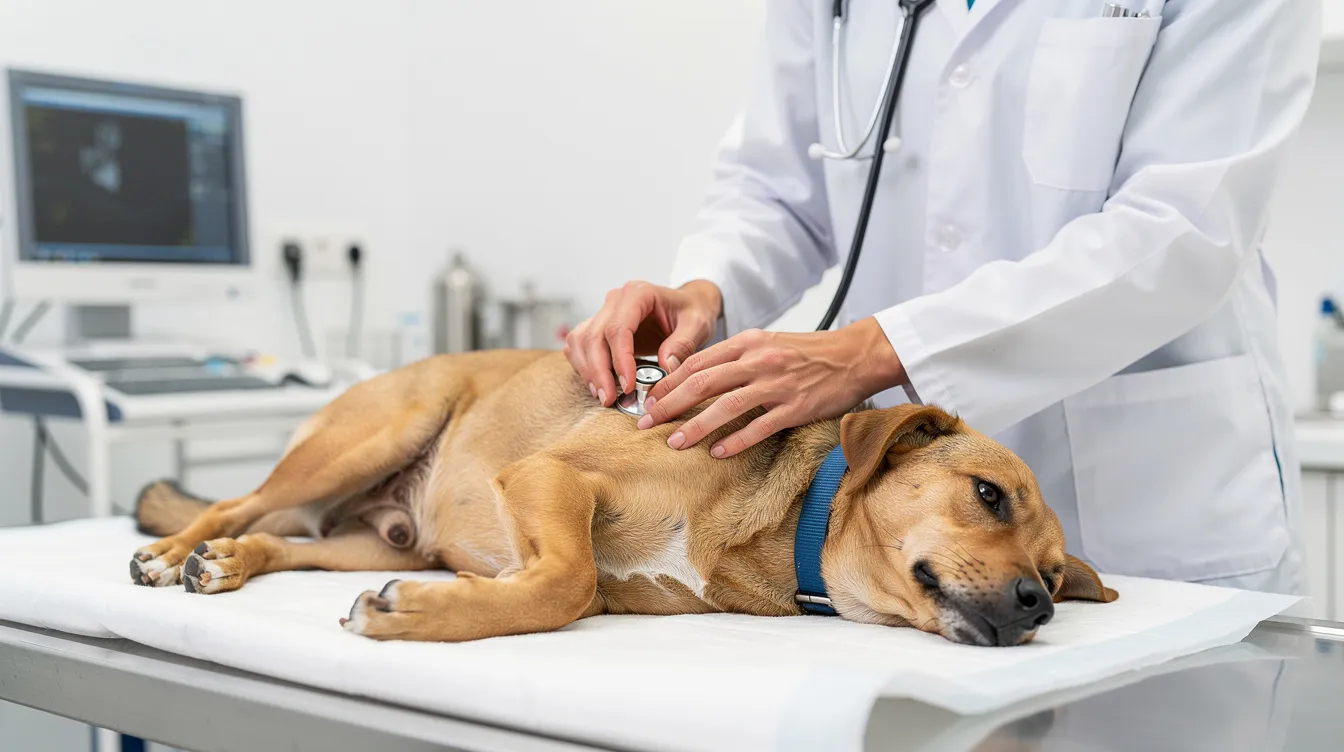
Symptoms appear within 12-24 hours after ingestion, though some dogs begin showing signs as early as 6 hours. Initial symptoms include vomiting, diarrhea, and lethargy. Vomiting is often repeated and may contain visible grape or raisin material. Dogs typically develop anorexia and unusual quietness, refusing food and withdrawing from normal activity.
Additional initial signs include drooling, abdominal pain or tenderness when the belly is touched, and early dehydration. Some dogs remain apparently normal during this window, which can give owners a false sense of security. The absence of early symptoms does not mean the dog is safe – kidney damage may already be progressing silently beneath the surface.
Progressive Kidney Damage Signs (24-72 hours)
Severe symptoms may develop within 24-72 hours as acute kidney injury takes hold. The first kidney-specific signs are excessive thirst and increased urination (polydipsia and polyuria), which indicate the kidneys are losing their ability to concentrate urine. This phase then transitions to decreased urine production (oliguria) and potentially complete cessation of urine output (anuria) – a development that signals critical kidney failure.
As kidney function deteriorates, affected dogs develop more severe signs: worsening dehydration with dry or tacky gums, abdominal pain, weakness, and tremors. Bad breath with an ammonia-like smell signals severe kidney issues – this uremic breath results from waste products accumulating in the bloodstream. Pale gums, weak pulse, and collapse indicate the dog is in an advanced stage where prognosis becomes significantly more guarded. Dogs with anuria have a poor prognosis after raisin toxicity.
Diagnostic Approach
Diagnosis begins with a thorough history: when the dog ate the raisins or grapes, the approximate quantity consumed, and what form the food was in (loose raisins, baked goods, trail mix). Even one raisin can harm dogs of any size, so every grape or raisin ingestion should be treated as serious regardless of the reported amount.
Physical examination focuses on hydration status, abdominal palpation, mucous membrane color, and urine output assessment. Blood chemistry panels measure BUN (blood urea nitrogen), creatinine, phosphorus, calcium, and electrolyte levels. Elevated kidney values indicate a more guarded prognosis, and a high calcium-phosphorus product serves as a negative prognostic indicator. Urinalysis evaluates for proteinuria, casts, and the kidneys’ concentrating ability.
Monitoring protocols call for repeat blood work every 12 to 24 hours for at least 48 to 72 hours after ingestion. Kidney function values may be completely normal on initial presentation – this does not rule out developing toxicity. Urine output is tracked continuously, as the transition from adequate to reduced urine production marks a critical turning point in treatment decisions.
Emergency Treatment and Response Protocol
Time is the single most important factor in raisin poisoning outcomes. Recovery is possible if treated aggressively and immediately after ingestion, and dogs treated promptly often have a good prognosis. Conversely, delays beyond 24 hours – especially when oliguria or anuria has developed – correlate with significantly poorer survival rates. A retrospective study of 43 dogs with grape or raisin toxicity found approximately 53% overall survival, with early treatment being the strongest differentiator.
Immediate Response Steps for Pet Owners
Call your veterinarian immediately if your dog eats raisins. When you call, be prepared to provide:
- What was ingested – raisins, grapes, baked goods, trail mix, or any food potentially containing raisins
- Approximate quantity – even a rough estimate helps, but unknown amounts are treated as worst-case
- Time of ingestion – as precisely as possible; this determines the best course of decontamination
- Your dog’s current condition – whether they are showing signs such as vomiting, lethargy, or unusual quietness
Do NOT induce vomiting unless specifically instructed by your veterinary team. Inducing vomiting at home without veterinary guidance risks aspiration and can worsen the situation. Veterinary intervention is crucial to prevent toxin absorption into the body through controlled, safe decontamination.
Transport your dog calmly and promptly. Keep them warm, minimize stress, and ensure they have access to water if they are alert and able to drink. In hot and humid climates, dehydration can compound kidney stress, so keeping your dog cool during transport matters.
Veterinary Treatment Protocol
Treatment protocols follow established veterinary medicine guidelines and adapt based on how quickly the dog presents after ingestion:
Decontamination: If the dog arrives within approximately 2 hours of ingestion – and sometimes up to 6 hours – vomiting may be induced using veterinary-approved emetic agents such as apomorphine (0.03-0.04 mg/kg). Activated charcoal may be administered to bind remaining toxins and limit further absorption from the gastrointestinal tract.
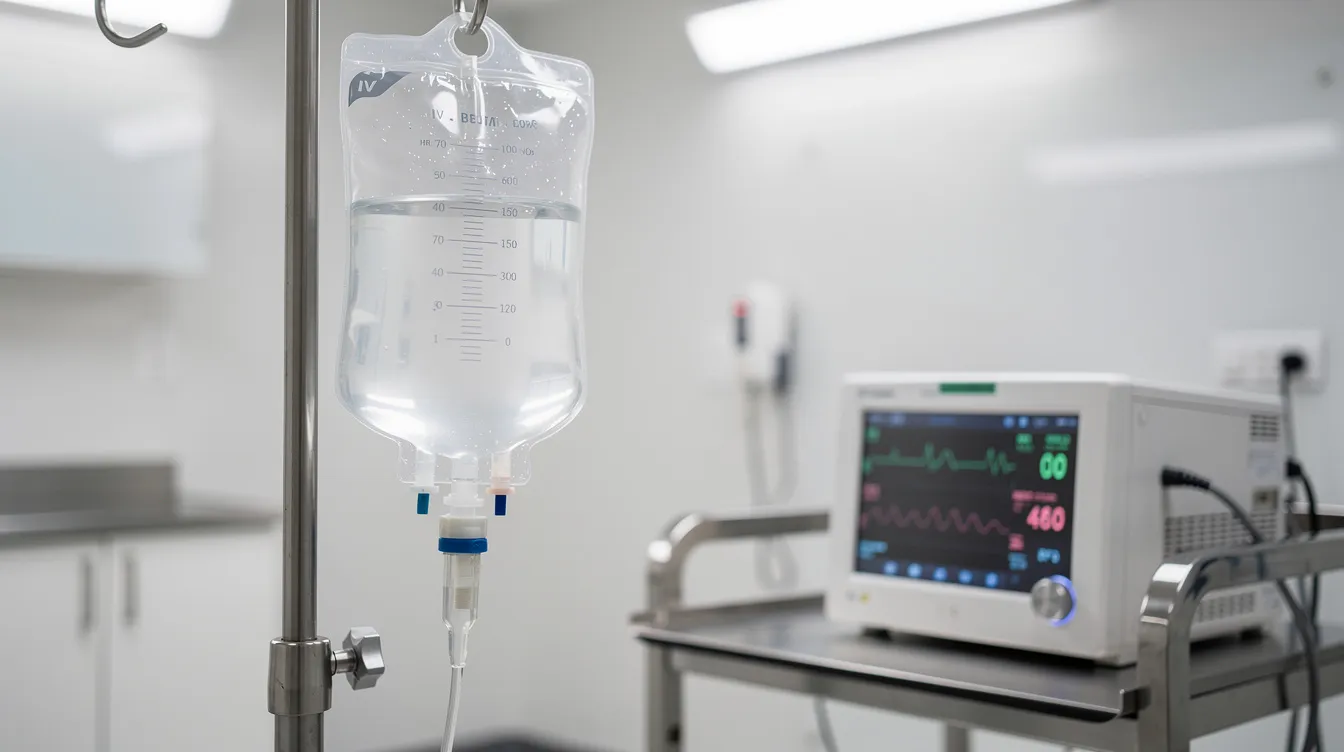
Intravenous Fluid Therapy: IV fluid therapy is recommended for at least 48 hours post-ingestion, forming the cornerstone of treatment. Aggressive fluid diuresis at 2 to 3 times the maintenance rate promotes urine production and helps flush the kidneys. For a 20 kg dog, this translates to roughly 120-180 mL per hour. This intravenous fluid therapy continues for a minimum of 48 to 72 hours and extends longer if kidney values remain elevated or urine output drops.
Supportive Care: Anti-nausea medications, gastroprotectants, and electrolyte correction address the gastrointestinal symptoms and metabolic imbalances. Monitoring kidney function is crucial during treatment – creatinine, BUN, phosphorus, calcium, electrolytes, and urine output are tracked continuously.
Advanced Treatment: Hemodialysis may be necessary for severe kidney failure cases, particularly dogs that develop anuric renal failure or those not responding to medical management. While hemodialysis is typically available at specialty referral centers rather than local clinics, referrals can be coordinated when further treatment at this level becomes necessary.
Treatment Comparison Table
Time Since Ingestion | Treatment Approach | Expected Hospitalization | Prognosis |
|---|---|---|---|
Less than 2 hours | Induced vomiting + activated charcoal + IV fluids + monitoring | 24-48 hours | Good with early treatment |
2-12 hours | Activated charcoal (if appropriate) + aggressive IV fluids + close monitoring | 48-72 hours | Good to guarded depending on kidney values |
12-24 hours | IV fluid therapy + supportive care + frequent lab work | 48-72+ hours | Guarded; depends on kidney response |
More than 24 hours | Aggressive fluids + supportive care; dialysis if anuric | 3-5+ days | Guarded to poor, especially with oliguria/anuria |
The data reinforces a clear pattern: early treatment dramatically improves outcomes. In the 43-dog retrospective study, negative prognostic indicators included oliguria, anuria, hypercalcemia, and elevated calcium-phosphorus product. Among survivors, many achieved full resolution of elevated kidney values, though some retained residual kidney dysfunction. One documented case involved an 8-month-old dog that ingested approximately 3 ounces (~85 grams) of raisins and presented 3 days later – the dog recovered with aggressive medical management without dialysis, demonstrating that even delayed presentation can yield recovery when treatment is comprehensive. |
Do not underestimate this danger – it can happen to anyone.
Common Challenges and Solutions
Several recurring situations complicate raisin toxicity cases. Understanding these challenges helps owners make informed decisions during a stressful time.
Unknown Amount or Time of Ingestion
When owners discover a chewed-open box of raisins or suspect their dog got into trail mix but aren’t sure how much was consumed, the action plan is clear: treat as worst-case scenario. Because the potential toxicity from raisins has been documented at doses as low as 2.8 mg/kg of body weight, and because some dogs may be more sensitive to raisins than others, full decontamination (if within the possible window), IV fluids, and close monitoring of kidney values for 48-72 hours is recommended.
Financial Concerns About Emergency Treatment
Emergency veterinary care represents an unexpected financial burden. However, delayed treatment often costs significantly more in the long term – complications like anuric kidney failure requiring dialysis, prolonged hospitalization, or long-term kidney damage may require lifelong management, including specialized diets. Discussing realistic treatment options and understanding the cost-benefit relationship of early versus delayed intervention can help. Seek emergency care to prevent kidney failure – the investment in early treatment is almost always lower than the cost of managing advanced kidney disease.
Dog Showing No Initial Symptoms
This is perhaps the most dangerous scenario. Many owners assume that because their dog seems fine hours after eating raisins, no harm was done. The reality is that symptoms of kidney damage may not appear for 12-24 hours after ingestion, and kidney values on blood work may initially read as normal. Symptoms may appear within 12-24 hours after ingestion, but the absence of visible distress during that window does not indicate safety. Preventive treatment – decontamination, fluids, and serial monitoring – is recommended even when the dog appears completely well. Waiting for symptoms means waiting for kidney damage that may already be irreversible.
Prevention and Long-term Care
Prevention remains the most reliable protection against grape and raisin toxicity. For families, this requires attention to both household habits and the outdoor environment, just as year-round essential heartworm prevention for dogs is critical in mosquito-rich climates.
Household prevention:
- Store all raisin-containing foods – including baked goods, cereals, trail mix, granola bars, and raisin bread – securely out of your dog’s reach
- Educate all family members, especially children, that grapes and raisins are never safe to share with dogs
- Secure trash bins and dispose of packaging from raisin-containing foods immediately
- During holidays and gatherings, inform guests not to feed table scraps and keep fruit cakes, chocolate boxes, and mixed snack bowls away from pets
Outdoor considerations:
- The subtropical climate supports grape vines and other Vitis genus plants that may grow on fences, trellises, or wild areas where dogs roam – remove or fence off any grape vines on your property
- Heat and humidity increase baseline dehydration risk, which can compound kidney stress if exposure occurs – ensure fresh water is always available
- Outdoor dogs may encounter fallen fruit or yard debris containing grapes; inspect your yard regularly
Long-term care after raisin toxicity: Chronic kidney disease may develop in dogs that survive toxicity. Even dogs that recover fully from an acute episode should have follow-up kidney function testing over weeks to months. Veterinary teams will monitor for signs of chronic kidney disease (CKD) and may recommend renal-supportive diets, adjusted hydration protocols, and periodic lab work to catch any declining kidney function early. Because dogs with compromised kidneys may also struggle with other chronic conditions such as allergies in dogs, veterinarians may tailor medications and diet with both issues in mind. Long-term kidney damage may require lifelong management, including specialized diets, and in allergic dogs this often overlaps with comprehensive plans for managing dog allergies with veterinary-guided therapies.
Related topics worth exploring: other common foods toxic to dogs (chocolate, xylitol, onions), pet-proofing your home for the holidays, and building a pet emergency action plan with your local animal poison control center contacts readily available.
Frequently Asked Questions
Can dogs eat just one raisin safely? No. Even one raisin can cause kidney damage in dogs. There is no established safe dose because individual sensitivity varies enormously – some dogs tolerate larger amounts while others develop acute kidney failure from minimal exposure. Because the tartaric acid content differs across grape and raisin varieties and the exact toxic dose is unknown, any raisin ingestion should be treated as a potential emergency.
How long do I have to get treatment after my dog eats raisins? The sooner, the better. Inducing vomiting is most effective within the first few hours – ideally within 2 hours of ingestion. However, even hours after ingestion, decontamination efforts, activated charcoal, and fluid therapy can still help. Monitoring and treatment should continue for at least 48-72 hours. After 24-48 hours without treatment, the risk of irreversible kidney damage increases significantly, particularly if urine production has declined. Call the pet poison helpline or your veterinarian immediately – do not wait for symptoms.
What’s the difference between grape and raisin toxicity? Grape toxicity and raisin toxicity are caused by the same compounds – the difference lies in concentration. Because raisins are dried grapes with the water removed, the tartaric acid content is more concentrated per gram. This means raisins deliver a higher toxic dose by weight compared to fresh grapes. Grape juice may also pose risk. The form matters less than the total amount ingested relative to the dog’s body weight.
Will my dog definitely get sick from eating raisins? Not necessarily. Some dogs ingest significant quantities of grapes or raisins and show no clinical signs, while others develop severe acute kidney injury from very small amounts. Because this sensitivity is individual and currently unpredictable, every incident of grape or raisin ingestion should be treated as serious. Waiting to see if symptoms develop means gambling with your dog’s kidneys.
Are some dog breeds more sensitive to raisin toxicity? Current evidence in veterinary medicine does not support breed-specific susceptibility to grape or raisin toxicity. Factors like age, body weight, pre-existing kidney disease, and hydration status likely play a more significant role than breed. However, smaller dogs face greater risk per raisin consumed simply because of their lower body weight – a single raisin represents a proportionally larger dose for a 5-pound Chihuahua than for a 70-pound Labrador.
What other pets are affected by grape and raisin toxicity? Grape and raisin toxicity primarily affects dogs. Cats have been implicated in very rare case reports, but the literature on feline grape toxicity is extremely limited. Other non-canine species are not well documented. If any pet ingests grapes or raisins, contact your veterinarian or the pet poison control center for species-specific guidance.
How can I dog-proof my home for the holidays when raisin foods are common? Store all baked goods, trail mix, raisin bread, cereals, and granola bars in closed cabinets or elevated surfaces. Secure garbage bins – dogs are notorious counter-surfers and trash-diggers during busy holiday gatherings. Educate guests that grapes, raisins, and foods containing them should never be offered to dogs. Also check outdoor areas for fallen grapes from any grape vines or ornamental plantings, as dogs spending time outside during holiday barbecues may encounter them.
What should I do if my dog ate raisin bread or other baked goods? Treat it with the same urgency as loose raisin ingestion. Estimate the total raisin content in whatever was consumed – even a small amount of raisins in bread or baked goods triggers the same emergency protocol. Additionally, raisin bread and similar foods may contain other potentially harmful ingredients (chocolate, xylitol, excessive sugar). Report the full composition of the food to your veterinarian so they can determine the best course of action. Initiate decontamination, intravenous fluid therapy, and diagnostic monitoring as with any raisin poisoning case.