Dental Care
-
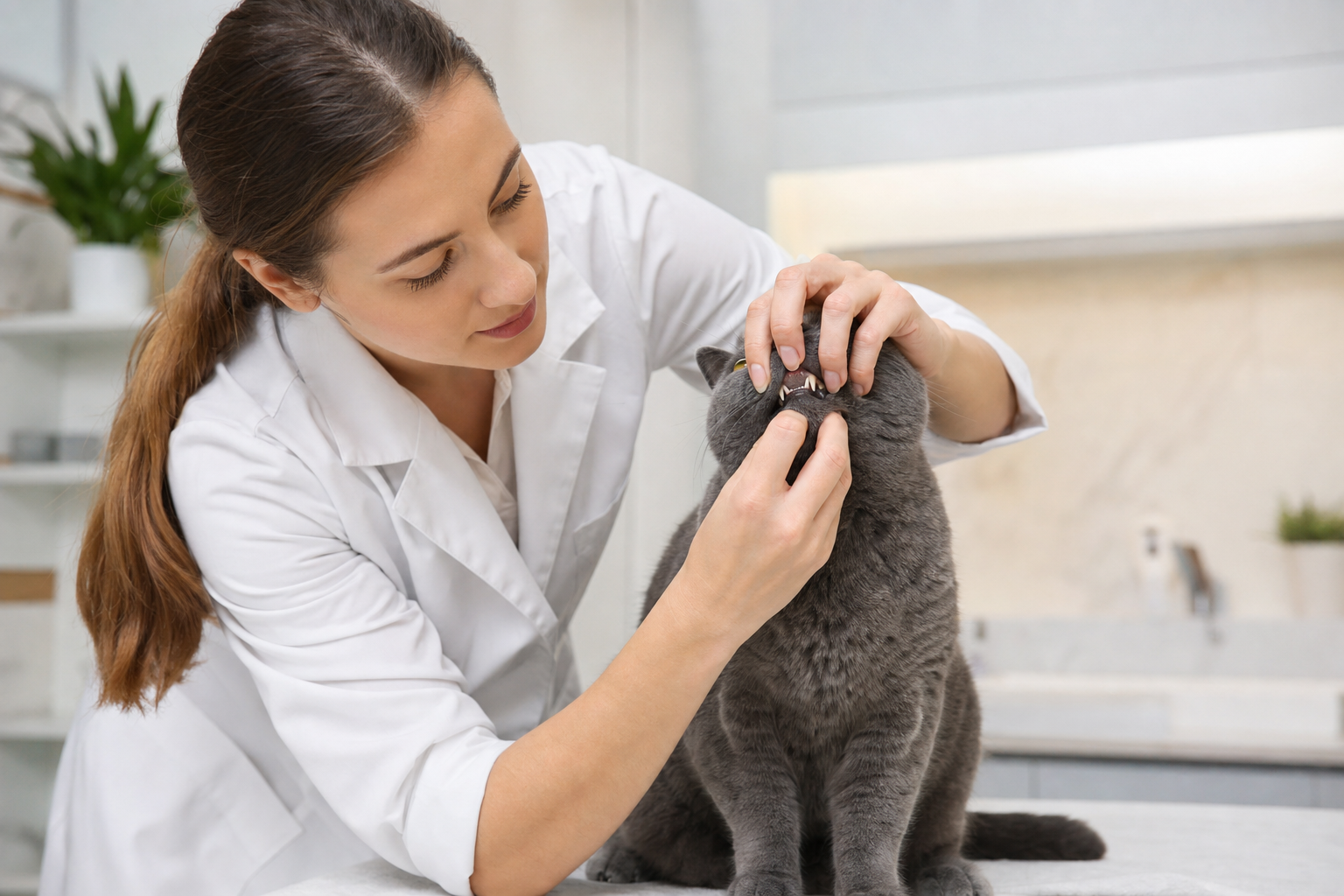
Why Is My Cat Drooling and Not Eating? Feline Stomatitis and Mouth Pain Explained
Drooling, dropped food, and crying while eating can signal feline stomatitis, a painful mouth condition that’s different from routine dental disease. Learn the signs, causes, and treatment.
-

Symptoms of Feline AIDS (FIV): Signs by Stage and When to Test
Feline AIDS symptoms progress through three distinct phases: an acute phase with mild fever and swollen lymph nodes appearing weeks after infection, a long asymptomatic period lasting months to years, and an advanced progressive phase marked by severe secondary infections, weight loss, dental disease, and neurological disorders. See a Veterinarian Promptly If Your Cat This…
-
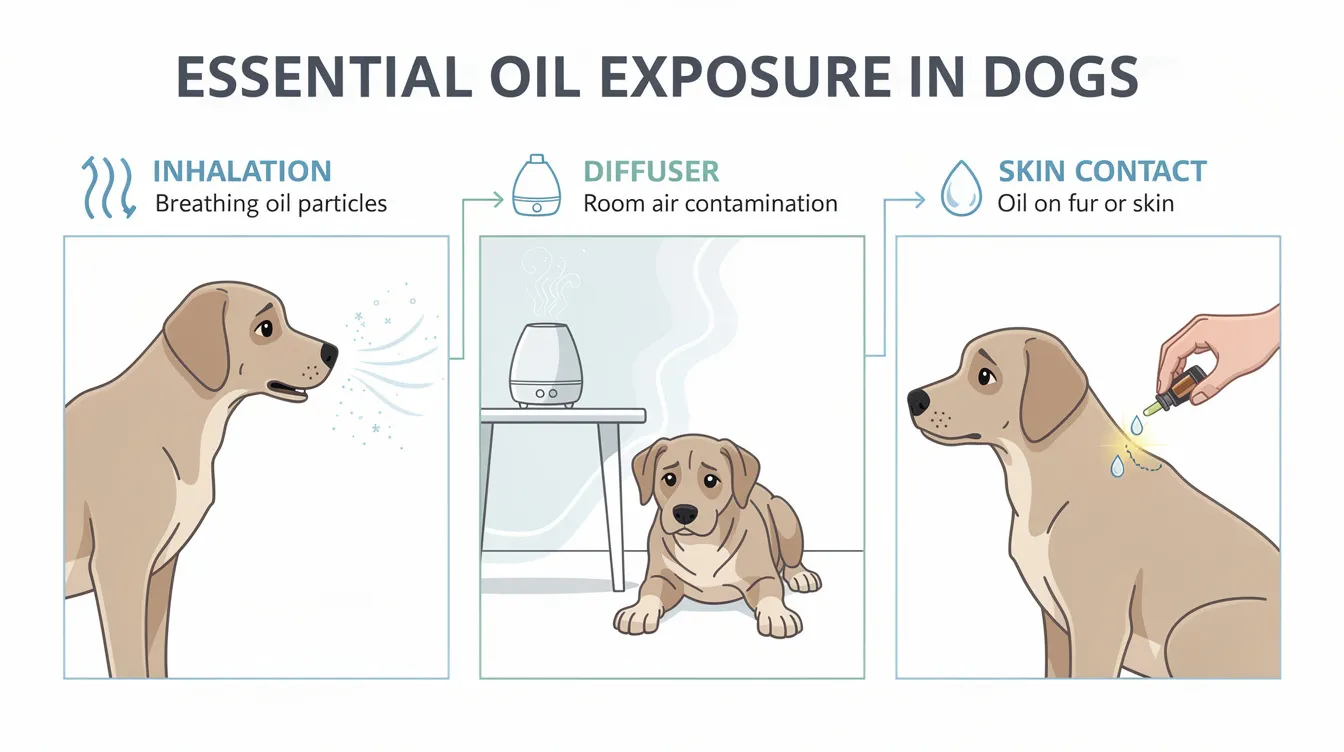
Is Peppermint Oil Safe for Dogs? A Central Florida Veterinarian’s Guide
Introduction Peppermint oil is generally not safe for dogs. This concentrated essential oil contains high levels of menthol and other aromatic compounds that dogs metabolize poorly, creating significant risks of poisoning through ingestion, inhalation, or skin exposure. As a Central Florida veterinarian who has treated numerous essential oil toxicity cases, I want every pet parent…
-
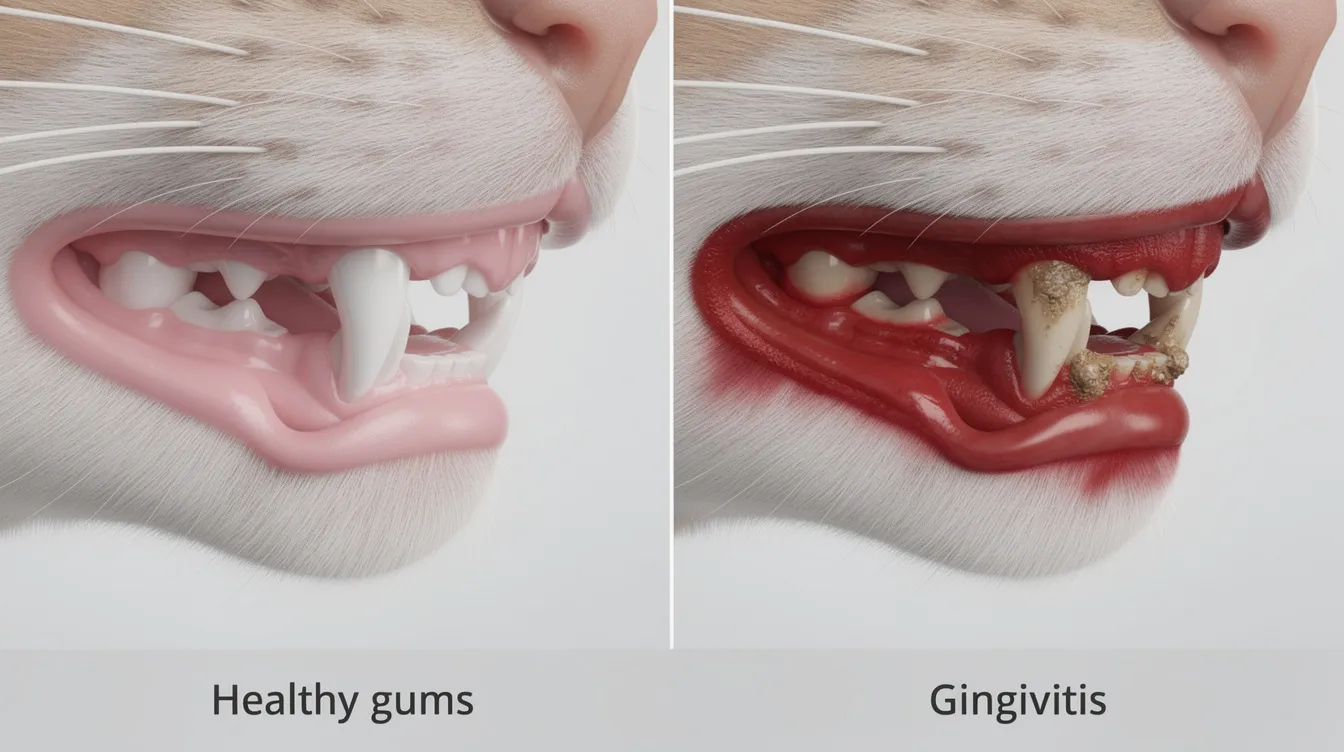
Cat Dental Disease: Signs, Treatment, and Prevention
Dental disease is one of the most common health problems in cats, yet it remains one of the most underdiagnosed. An estimated 50–90% of cats over 4 years old have dental disease, and about 70% of cats develop periodontal disease by age three. Many affected cats keep eating and hide mouth pain, so owners often…
-
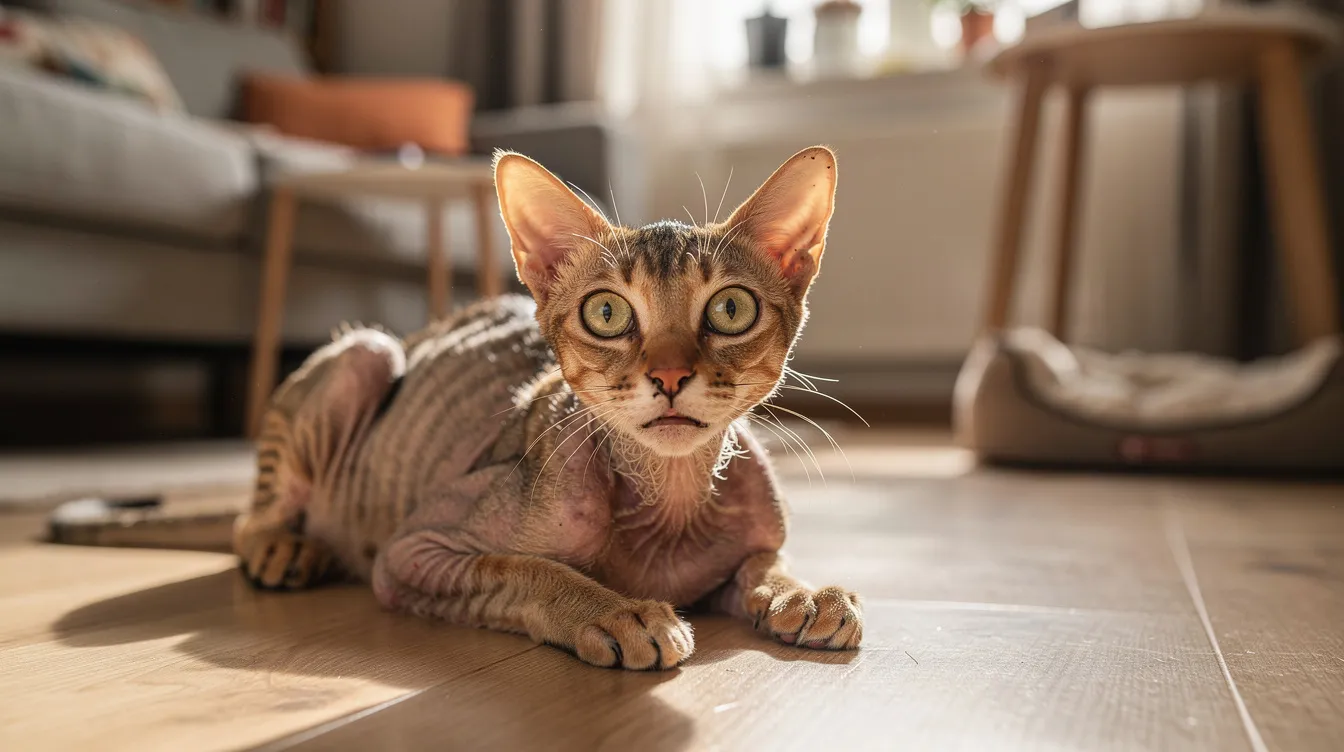
Old Cat Health Problems: A Veterinarian’s Guide to Senior Feline Care
Introduction Old cats face a predictable set of health problems, commonly referred to as old cat health problems, that become significantly more common once they cross into their senior years. Chronic kidney disease, arthritis, hyperthyroidism, dental disease, diabetes mellitus, and cancer represent the six conditions veterinarians diagnose most frequently in aging cats. Cats are considered…
-

Cat Throwing Up White Foam: Veterinary Guide to Causes, Treatment, and When to Seek Emergency Care
Reviewed by Dr. Roger Hart, DVM Introduction One common trigger is dietary indiscretion. If your cat has eaten something it shouldn’t have, the resulting stomach upset can lead to this same foamy vomiting. When your cat is vomiting white foam, you’re typically seeing a mixture of stomach acid, mucus, and saliva expelled from an empty…
-
Puppies Vaccines Cheap: What You Need to Know
Affordable puppy shots are available without compromising quality medical care. If you are searching for low-cost puppy vaccinations, the best approach is to prioritize the essential vaccines, compare what each clinic visit includes, and choose a provider that gives real value for your money-not just the lowest advertised price. This guide covers puppy vaccination types,…
-
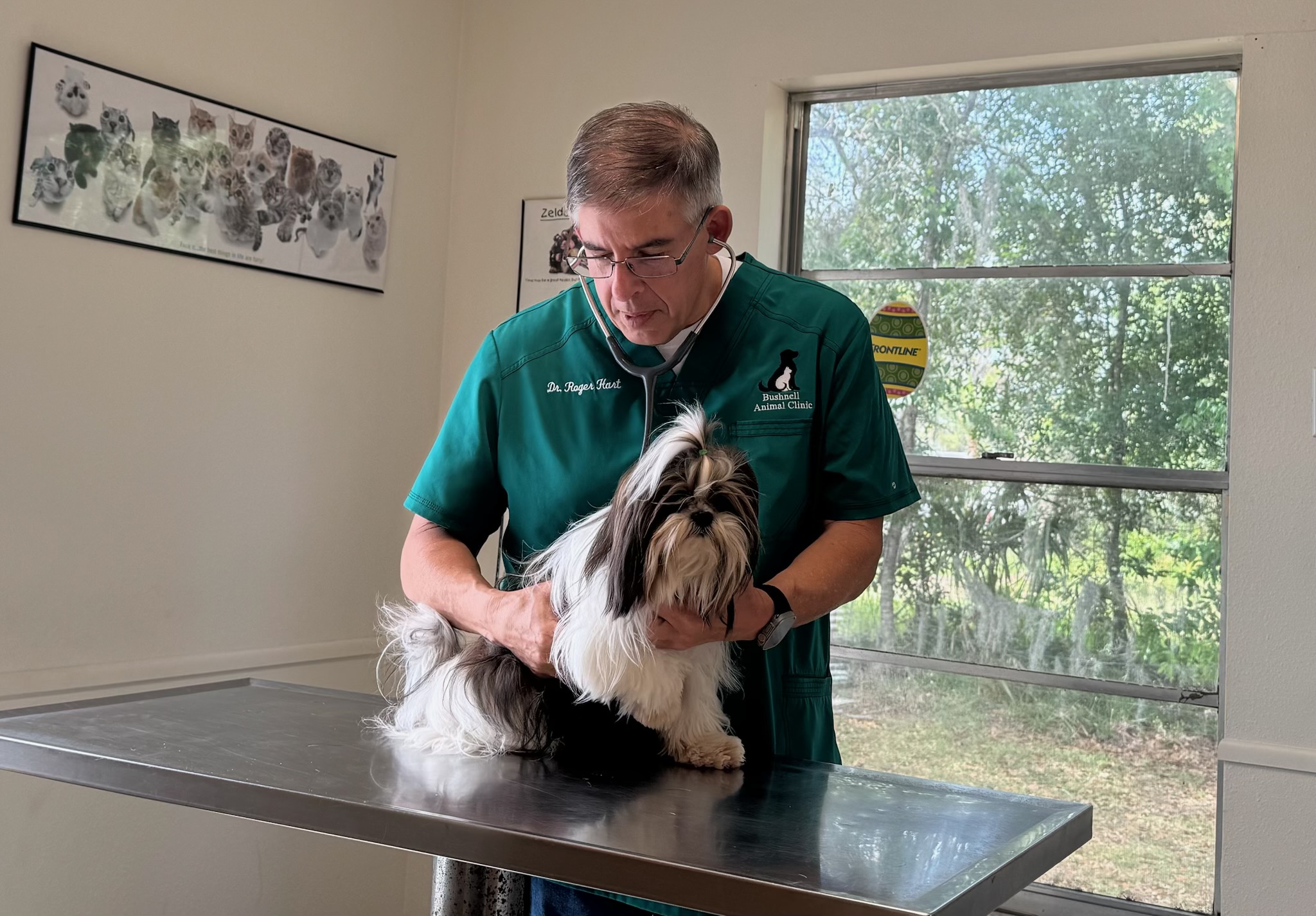
What Is a Veterinarian? Training, Specialties, and What Vets Do
A veterinarian is a Doctor of Veterinary Medicine (DVM) – a highly trained medical professional who diagnoses, treats, and prevents diseases in animals while also helping protect public health. This article explains what veterinarians do, how they are trained and licensed, how board-certified specialists differ from general practitioners, and what to expect at routine and…
-

Dog Ate Xylitol Gum: Emergency Steps, Treatment & Recovery Guide
If your dog ate xylitol gum, you are dealing with a veterinary emergency. Every minute counts. This guide walks you through exactly what to do right now, what happens at the vet, and how to prevent this from ever happening again. My Dog Just Ate Xylitol Gum – What Do I Do Right Now? Xylitol…