
Feline AIDS symptoms progress through three distinct phases: an acute phase with mild fever and swollen lymph nodes appearing weeks after infection, a long asymptomatic period lasting months to years, and an advanced progressive phase marked by severe secondary infections, weight loss, dental disease, and neurological disorders.
See a Veterinarian Promptly If Your Cat
- Has infections that keep coming back or will not clear (gums, skin, eyes, respiratory tract, bladder)
- Is losing weight, has a fever, or has stopped eating for more than 24 hours
- Has red, painful gums or drools and paws at the mouth
- Shows behavior changes, seizures, or trouble walking
- Breathes with effort or with the mouth open (this is an emergency in cats)
This article covers FIV signs from the early stage to advanced disease and explains when to have your cat examined. Whether you’ve recently received an FIV diagnosis for your cat or you’re monitoring a cat with unexplained chronic illness, understanding how this virus affects your cat’s immune system is essential for proactive care.
FIV, also known as feline AIDS, is a retrovirus that progressively weakens a cat’s immune defenses, making infected cats vulnerable to opportunistic infections that healthy cats would normally fight off. FIV symptoms may appear months or years after the initial infection, and many cats can live long and happy lives with proper management when the condition is caught early.
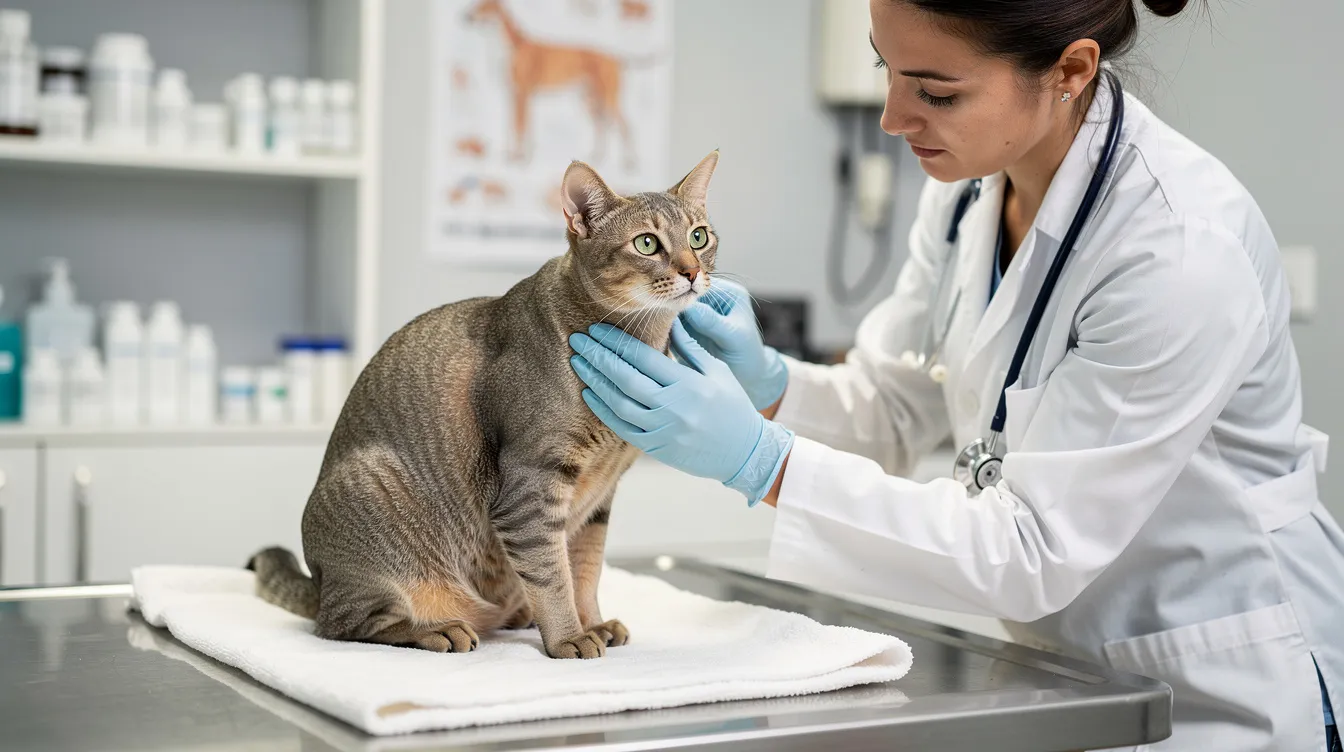
Understanding Feline Immunodeficiency Virus (FIV)
Feline immunodeficiency virus is a lentivirus belonging to the Retroviridae family that creates a lifelong infection in domestic cats. Often compared to human immunodeficiency virus because of its similar mechanism of immune destruction, FIV is species-specific – FIV does not infect humans or dogs, nor does it pose any risk to other non-feline animals. The term “feline AIDS” describes the late-stage immune deficiency rather than the infection itself, though the terms are often used interchangeably.
Symptoms develop because the FIV virus systematically dismantles the cat’s immune system over time. As immune function declines, organisms that a healthy cat would easily suppress – bacteria, fungi, parasites, and even certain cancers – gain a foothold and produce the clinical signs owners eventually notice. This is why secondary infections are the hallmark of progressive FIV rather than the virus itself causing direct organ damage in most cases.
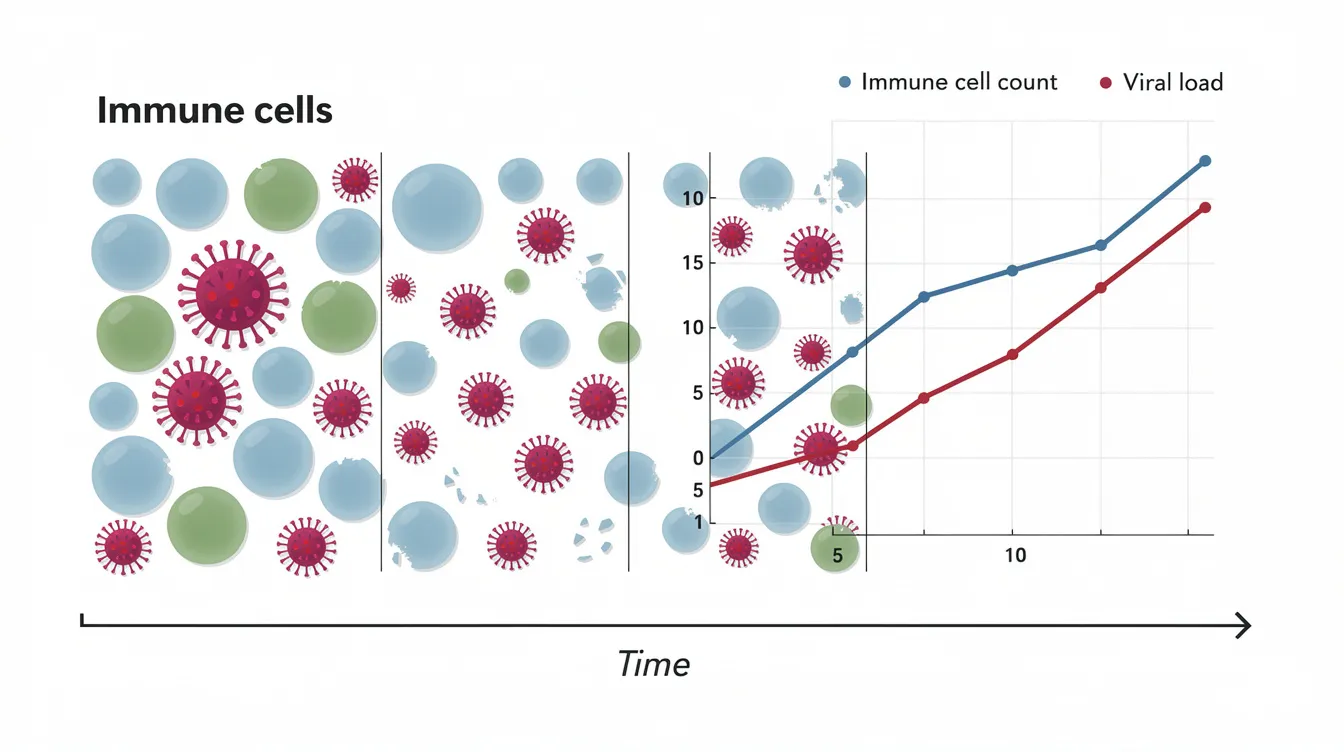
How FIV Affects the Immune System
FIV primarily targets CD4+ T lymphocytes – a critical subset of white blood cells that coordinate the immune response. The virus also infects CD8+ cells, B cells, macrophages, and even cells within the central nervous system such as microglia and astrocytes. As CD4+ cell counts decline, the ratio of CD4+ to CD8+ cells inverts, creating a measurable marker of immune deterioration.
This progressive destruction of immune function means that FIV infected cats gradually lose the ability to produce antibodies effectively and mount appropriate responses to new infections. The connection between immune compromise and symptom development is direct: as fewer functional immune cells remain, the cat becomes increasingly vulnerable to infectious diseases that would pose no threat to uninfected cats.
Chronic immune activation also occurs alongside suppression. B cells become hyperactive, producing excessive antibodies (hyperglobulinemia) that paradoxically don’t provide effective protection. This dual pattern of overactivation and suppression is what makes FIV in cats particularly challenging to manage.
Why Symptoms Vary Between Cats
Not all FIV positive cats follow the same disease trajectory. Individual immune response differences play a significant role – some cats mount a more effective partial containment of the virus, keeping viral loads lower for longer periods. The viral strain (clade) a cat contracts also influences pathogenicity, with some variants producing faster immune decline than others.
Age at infection significantly affects outcomes. Kittens infected early in life tend to develop severe disease more rapidly, while cats infected as adults may maintain apparent health for many years. Environmental factors including nutrition, stress levels, and exposure to other pathogens accelerate or slow progression. In warm climates such as Florida, year-round fleas, ticks, and heartworm-carrying mosquitoes add extra immune challenges for FIV-positive cats.
Co-infections compound the problem considerably. Cats simultaneously infected with feline leukemia virus, calicivirus, or parasitic infections experience accelerated immune decline and more severe symptoms than cats with FIV alone.
Early Stage FIV Symptoms
The earliest symptoms of feline immunodeficiency virus appear during the acute phase, typically 2–4 weeks after initial infection. FIV is primarily spread through bite wounds during fights, meaning cats with outdoor access – particularly un-neutered male cats – face the highest exposure risk. FIV can be transmitted through saliva during fights, and a single deep cat bite from an infected cat can establish lifelong infection.
Critically, many cats show no obvious signs during this early phase, or the signs are so mild that owners attribute them to a minor illness. The absence of dramatic symptoms does not mean the absence of infection.

Acute Phase Signs (First 1–2 Weeks)
The acute phase produces clinical signs that are easy to overlook:
- Mild fever lasting several days, often not high enough to alarm owners
- Temporary lymph node enlargement, especially under the jaw (mandibular) and in the legs – enlarged lymph nodes may feel like firm, marble-sized swellings beneath the skin
- General lethargy and reduced activity that may seem like the cat is simply “having a lazy week”
- Decreased appetite and slight weight loss, sometimes accompanied by mild diarrhea
Common FIV symptoms include lethargy, poor appetite, and vomiting, though during the acute phase these tend to be transient. FIV symptoms may include fever and enlarged lymph nodes as the earliest detectable signs. During this period, plasma viral loads are at their highest, yet the cat may appear only mildly unwell. The acute phase typically resolves within 1–3 months as the immune system mounts a partial response, pushing the cat into clinical latency.
Latent Phase Characteristics
Following the acute phase, most cats enter an extended period of apparent health known as the asymptomatic or latent phase. Cats may appear normal for years after FIV infection – studies have documented this phase lasting 7.5 to 12.5 years in experimentally infected cats (Hartmann, 2023). Many FIV positive cats live through this entire phase without their owners ever suspecting illness.
Despite the outward appearance of normal health, measurable immune changes continue beneath the surface. CD4+ T cell counts gradually decline, the CD4/CD8 ratio progressively inverts, and mild laboratory abnormalities like neutropenia or hyperglobulinemia may appear on routine bloodwork. This is precisely why regular veterinary visits – ideally every six months for FIV positive cats – are essential. Regular veterinary check-ups should occur every six months to catch these subclinical changes before they manifest as obvious disease.
FIV progresses through phases including acute, asymptomatic, and terminal stages, but the asymptomatic phase’s duration is highly variable. Some cats remain in this stage for their entire lifespan without ever developing severe immunodeficiency, while others progress more rapidly based on viral strain, co-infections, stress, and overall health management.
Advanced FIV Symptoms and Secondary Conditions
When the immune deficiency becomes sufficiently severe, FIV cats transition into the progressive phase – the stage most accurately described as feline AIDS. This phase is characterized not by the virus itself causing direct damage in most organ systems, but by the flood of opportunistic infections and conditions that an intact immune system would normally prevent. Once clinical signs of advanced disease appear, the trajectory often accelerates, with survival measured in weeks to months depending on severity and treatment response.
FIV-positive cats are prone to recurrent infections and weight loss during this phase, and the pattern of chronic or recurrent infections that resist standard treatment is often the clinical red flag that prompts veterinarians to diagnose FIV in previously untested cats.
Respiratory and Upper Respiratory Symptoms
Advanced FIV commonly produces chronic upper respiratory tract infections that become a defining feature of the cat’s daily life:
- Persistent sneezing and nasal discharge that may be clear initially but becomes thick and purulent as bacterial secondary infections establish
- Chronic conjunctivitis and eye discharge, sometimes progressing to anterior uveitis or chorioretinitis
- Recurrent respiratory infections that clear temporarily with antibiotics but return within weeks
- In severe cases, opportunistic bacterial or fungal organisms colonize the lower respiratory tract, producing pneumonia with labored breathing
These respiratory signs deserve prompt attention in FIV-positive cats, because infections can be more severe or slower to clear. FIV-positive cats require prompt treatment for any illness, and respiratory infections that would be minor in healthy cats can rapidly become life-threatening in immunocompromised animals (Levy et al., 2019).
Gastrointestinal and Oral Symptoms
Gastrointestinal and oral manifestations represent some of the most consistent and debilitating symptoms in progressive FIV:
- Chronic diarrhea with intermittent or persistent gastrointestinal inflammation, leading to malabsorption and progressive weight loss
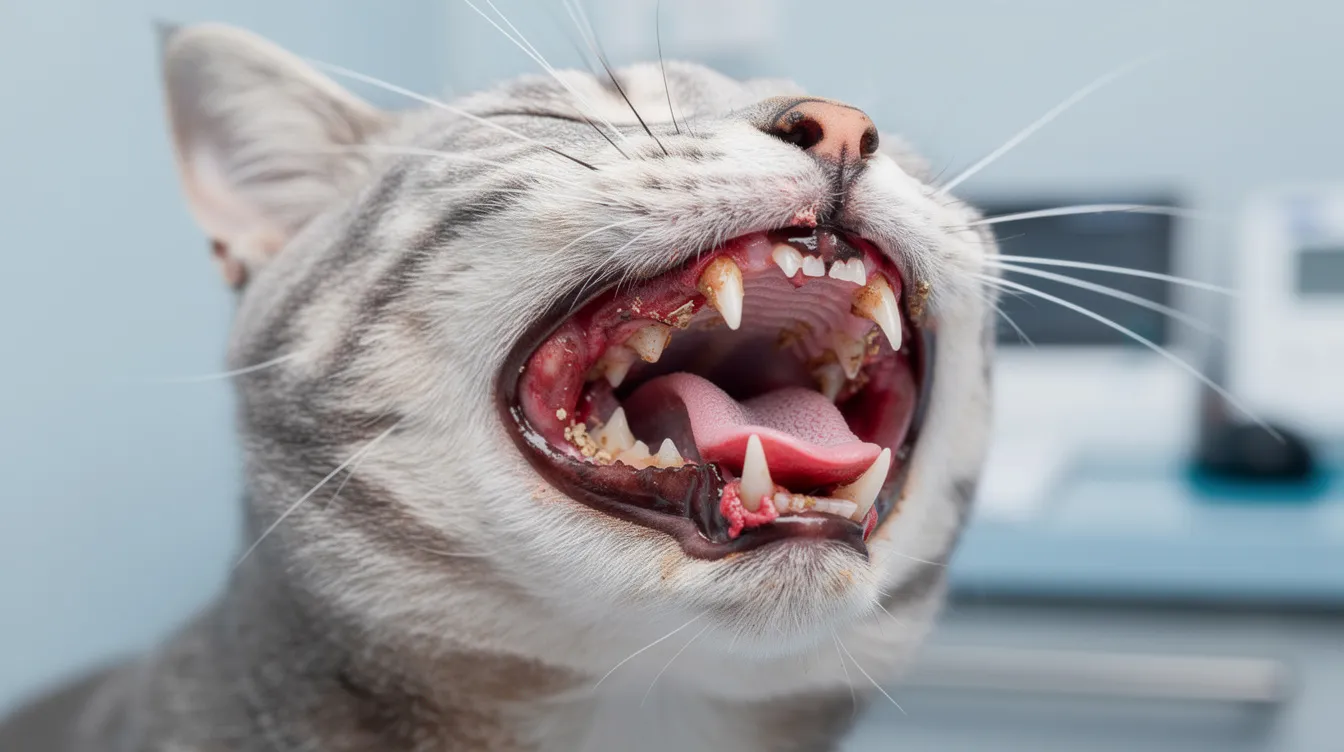
- Severe gingivitis and gingivostomatitis – inflammation of the gums and oral mucosa that is often the single most recognizable sign of advanced FIV
- Oral ulcers and mouth lesions that make eating painful, leading to reduced food intake and nutritional decline
- Progressive weight loss exceeding 10–20% of normal body weight as both appetite reduction and malabsorption compound
FIV can lead to severe dental disease and cancer in cats, and the oral cavity is frequently where these changes become most apparent. Dental disease in FIV cats tends to be disproportionately severe compared to the cat’s age and is often resistant to standard dental treatments, distinguishing it from routine periodontal disease in uninfected cats.
Skin and Coat Changes
The coat and skin provide visible indicators of immune decline:
- Deterioration of coat quality: dull, unkempt fur with matting due to reduced grooming behavior
- Chronic skin infections – bacterial or fungal (including dermatophytosis) – that heal slowly or not at all
- Slow-healing wounds and abscesses, particularly concerning for any FIV cat that sustains a minor injury
- Unusual skin conditions including immune mediated blood disorders that can manifest as petechiae (pinpoint bleeding spots) on the skin or pale mucous membranes from anemia
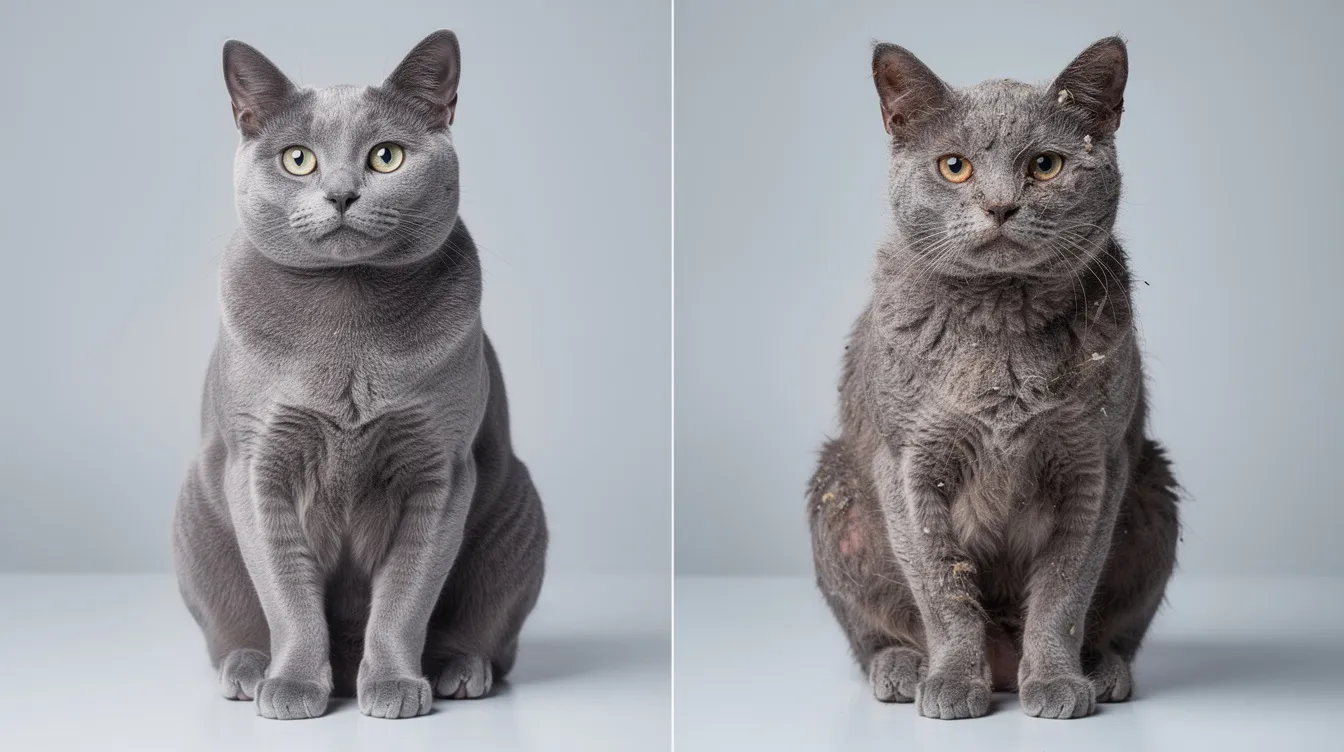
Symptom Progression Timeline and Severity Assessment
Knowing how FIV usually progresses helps owners anticipate changes. FIV weakens the immune system incrementally, and the speed of that decline varies considerably between individual cats based on viral, host, and environmental factors.
Phase-by-Phase Symptom Development
- Acute phase (2–4 weeks post-infection): Mild fever, lymphadenopathy, lethargy, decreased appetite. High plasma viremia. Signs often go unnoticed. Duration approximately 1–3 months before resolution.
- Asymptomatic phase (months to many years): Outwardly healthy appearance. Ongoing immune decline detectable through bloodwork. Many cats remain in this phase for 7–12+ years (Hosie et al., 2009). Some cats never progress beyond this stage.
- Progressive phase (weeks to months): Emergence of chronic or recurrent infections, weight loss, dental disease, skin infections. Secondary conditions become the primary clinical concern.
- Terminal phase (2–12 weeks after onset): Multiple organ system involvement. Severe anemia, renal failure, neurological disorders, or neoplasia such as lymphoma. FIV can result in neurological changes and behavior issues in advanced stages, including cognitive decline, ataxia, seizures, behavior changes such as aggression or hiding, and delayed reflexes. Quality of life deterioration requiring difficult end-of-life decisions.
Research has demonstrated that viral RNA load is a strong prognostic indicator: cats with plasma viral RNA levels at or above 10⁶ copies per milliliter had a median survival of approximately 2.5 months, while cats with lower loads survived a median of approximately 14 months from measurement (Diehl et al., 2002).
Severity Assessment Criteria
The following framework helps owners and veterinarians classify disease severity:
Criterion | Mild | Moderate | Severe |
|---|---|---|---|
Weight Loss | 5–10% of body weight | 10–20% of body weight | Greater than 20% |
Appetite | Slightly reduced | Intermittent anorexia | Unable to eat (oral disease) |
Secondary Infections | Isolated, treatable episodes | Recurrent infections every few weeks | Chronic, treatment-resistant infections |
Activity Level | Mildly decreased | Noticeably lethargic, reduced grooming | Withdrawn, ataxic, or neurologic signs |
Lab Values | Mild CD4+ decline | Inverted CD4/CD8 ratio, mild anemia | Severe leukopenia, anemia, azotemia |
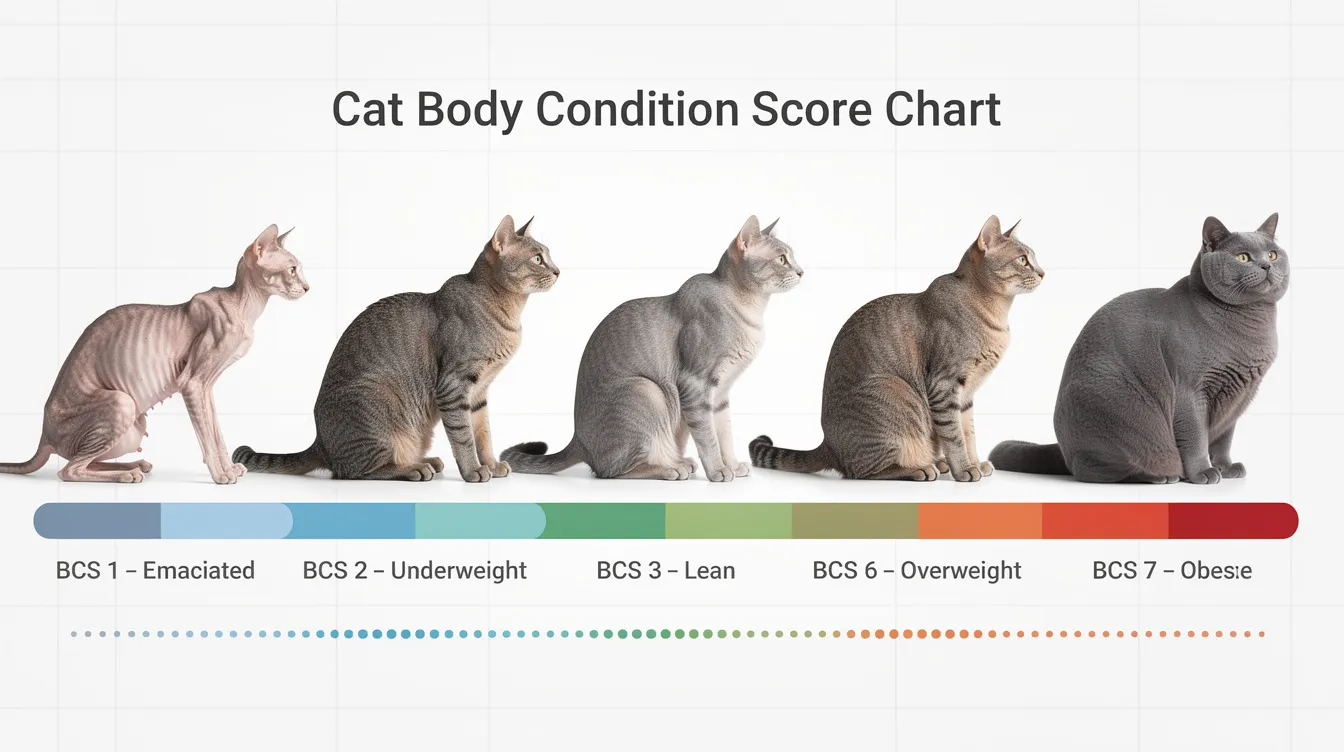
FIV-infected cats can live normal lives with proper management when disease is caught at mild stages and managed proactively. A balanced diet, stress reduction, parasite prevention, and keeping your cat indoors all contribute to slowing progression.
Common Challenges in Symptom Recognition
Several factors often delay an FIV diagnosis.
A new head tilt, falling, or circling needs prompt veterinary assessment regardless of a cat’s FIV status. These signs do not diagnose FIV. The cat head-tilt and balance guide explains what to report and when emergency care is needed; Cornell describes the range of possible vestibular causes.
Symptoms That Mimic Other Conditions
Many FIV symptoms – upper respiratory infections, dental disease, mild fever, skin infections – are indistinguishable from common feline illnesses without specific testing. A cat with chronic sneezing might be treated repeatedly for routine URI before anyone considers underlying immune deficiency.
Solution: Any cat presenting with chronic or recurrent infections should be tested for FIV regardless of lifestyle history. FIV is diagnosed using an ELISA blood test (enzyme linked immunosorbent assay), and this screening should be part of the diagnostic workup for any chronically ill cat. Antibodies may take 2–6 months to develop after infection, so cats with recent exposure should be retested. False positives can occur in healthy cats due to previous vaccination, and a vaccinated cat that tests positive should undergo confirmatory testing via western blot. Kittens under 6 months may test positive due to maternal antibodies inherited from an infected mother cat, requiring retesting after 6 months of age to confirm true FIV infection status (Sellon & Hartmann, 2012).
Gradual Onset Making Detection Difficult
Because immune suppression develops incrementally over months to years, owners often don’t recognize that their cat’s “baseline” has shifted. A cat that was once active and well-groomed may gradually become less energetic and develop a duller coat, changes so slow that they seem like normal aging.
Solution: Regular wellness exams with consistent weight recording establish objective baselines. Tracking your cat’s weight at home monthly can reveal trends that day-to-day observation misses. Regular testing of household cats helps identify FIV infections, and incorporating FIV screening into annual wellness panels ensures that cats in the asymptomatic phase are identified and monitored appropriately.
Owner Reluctance to Seek Care for Mild Symptoms
Many cat owners delay veterinary evaluation because early FIV symptoms seem minor, costs are a concern, or they assume an FIV diagnosis means immediate decline. In reality, early intervention through dental care, parasite control, nutrition optimization, and stress management can preserve quality of life for years.
Solution: Understanding that many FIV positive cats live healthy lives with appropriate management removes the stigma and fear associated with diagnosis. FIV-positive cats should be kept indoors to prevent infections and to protect cats in the surrounding community from FIV transmission. Keeping cats indoors reduces FIV transmission risk for the broader cat population and shields the immunocompromised cat from additional pathogen exposure. Un-neutered male cats are at higher risk for FIV due to fighting behavior, so neutering is both a preventive measure and a management strategy (Westman et al., 2019).
Key Points and Next Steps
The acute phase’s mild fever and temporary lymph node enlargement are easy to miss, the asymptomatic phase can lull owners into false security, and the progressive phase’s secondary infections demand immediate, aggressive veterinary care.
If your cat shows any of the symptoms described in this article, take these steps:
- Schedule FIV testing via blood test if your cat has never been screened, especially if your cat has outdoor access, a history of cat fight injuries, or chronic illness
- Seek veterinary evaluation for any cat with recurrent infections, unexplained weight loss, dental disease disproportionate to age, or neurological changes
- Establish a monitoring protocol for known FIV positive cats including twice-yearly veterinary examinations, bloodwork, and weight tracking
- Optimize home management by keeping FIV-positive cats indoors, providing a balanced diet (avoiding raw foods which carry infection risk), minimizing stress, and maintaining strict parasite prevention
Frequently Asked Questions About FIV Symptoms
How long after infection do FIV symptoms appear? Acute phase signs such as mild fever and enlarged lymph nodes typically appear 2–4 weeks after initial FIV infection. However, FIV symptoms may appear months or years after the initial infection, with many cats remaining in an asymptomatic phase for 7–12+ years before developing clinically significant disease. FIV is primarily spread through bite wounds, so symptoms may follow a known cat bite or fight injury by several weeks.
Can cats with FIV appear completely healthy? Yes. Many cats remain completely normal in appearance and behavior throughout the asymptomatic phase, which can last the majority of their lifespan. Cats may appear normal for years after FIV infection, and some never develop severe clinical signs at all. This is why routine screening through a blood test is important – waiting for symptoms to appear means missing years of potential preventive management.
What are the most common early warning signs of FIV? The most reliable early indicators include temporary lymph node enlargement (particularly under the jaw), mild fever, decreased appetite, lethargy, and occasional mild diarrhea during the acute phase. Recurrent infections of the upper respiratory tract, urinary tract, or skin that respond to treatment but keep returning should also raise suspicion.
Do all FIV-positive cats eventually develop severe symptoms? No. Progression depends on viral strain, age at infection, immune function, environmental conditions, co-infections, stress levels, and quality of care. Some FIV positive cats live long and happy lives without ever entering the progressive phase. FIV-infected cats can live normal lives with proper management including regular veterinary care, indoor housing, good nutrition, and prompt treatment of any illness.
How can I tell if my cat’s symptoms are related to FIV? You cannot distinguish FIV-related symptoms from other feline diseases based on clinical signs alone. FIV is diagnosed using an ELISA blood test, and any cat with chronic or recurrent infections, unexplained weight loss, or disproportionately severe dental disease should be tested. PCR tests detect viral DNA but are less preferred for initial screening compared to antibody-based methods. If a cat does test negative but clinical suspicion remains, retesting in 60 days is recommended, as antibodies may take 2–6 months to develop after infection.
When should I seek emergency veterinary care for an FIV-positive cat? Seek immediate veterinary attention if your FIV cat experiences sudden difficulty breathing, stops eating for more than 24–48 hours, shows neurological signs like seizures or severe ataxia, develops pale gums suggesting anemia, has a high fever, or shows sudden severe weight loss. FIV-positive cats require prompt treatment for any illness because their compromised immune system cannot fight infections as effectively as healthy cats.
Are there any symptoms that indicate FIV has progressed to feline AIDS? The transition from FIV infection to feline AIDS is marked by the emergence of multiple simultaneous secondary infections, severe gingivostomatitis, progressive weight loss exceeding 10–20% of body weight, immune mediated blood disorders including anemia and leukopenia, and neurological disorders such as behavior changes, cognitive decline, or seizures. FIV can lead to severe dental disease and cancer in cats during this terminal phase. Antiviral drugs like AZT may help with severe symptoms, though treatment is primarily supportive.
Can stress worsen FIV symptoms in cats? Yes. Stress suppresses immune function even in healthy cats, and for FIV infected cats with already compromised immunity, stress can accelerate disease progression and trigger symptomatic episodes. Environmental stressors include household changes, introduction of other cats, travel, overcrowding, and inconsistent routines. Minimizing stress through environmental enrichment, predictable schedules, and keeping your cat indoors in a calm environment is a key management strategy for FIV cats.
About 25% of kittens born to an infected mother cat may contract FIV. FIV is not spread through casual contact like mutual grooming or sharing food bowls, and it cannot be transmitted to humans or other non feline animals through any route of exposure. FIV transmission occurs primarily through deep cat bites during aggressive encounters and, less commonly, through sexual contact.
Reviewed by Roger Hart, DVM, a Florida-licensed veterinarian with more than two decades of companion-animal clinical experience. This article is general education and does not replace an examination by your own veterinarian.