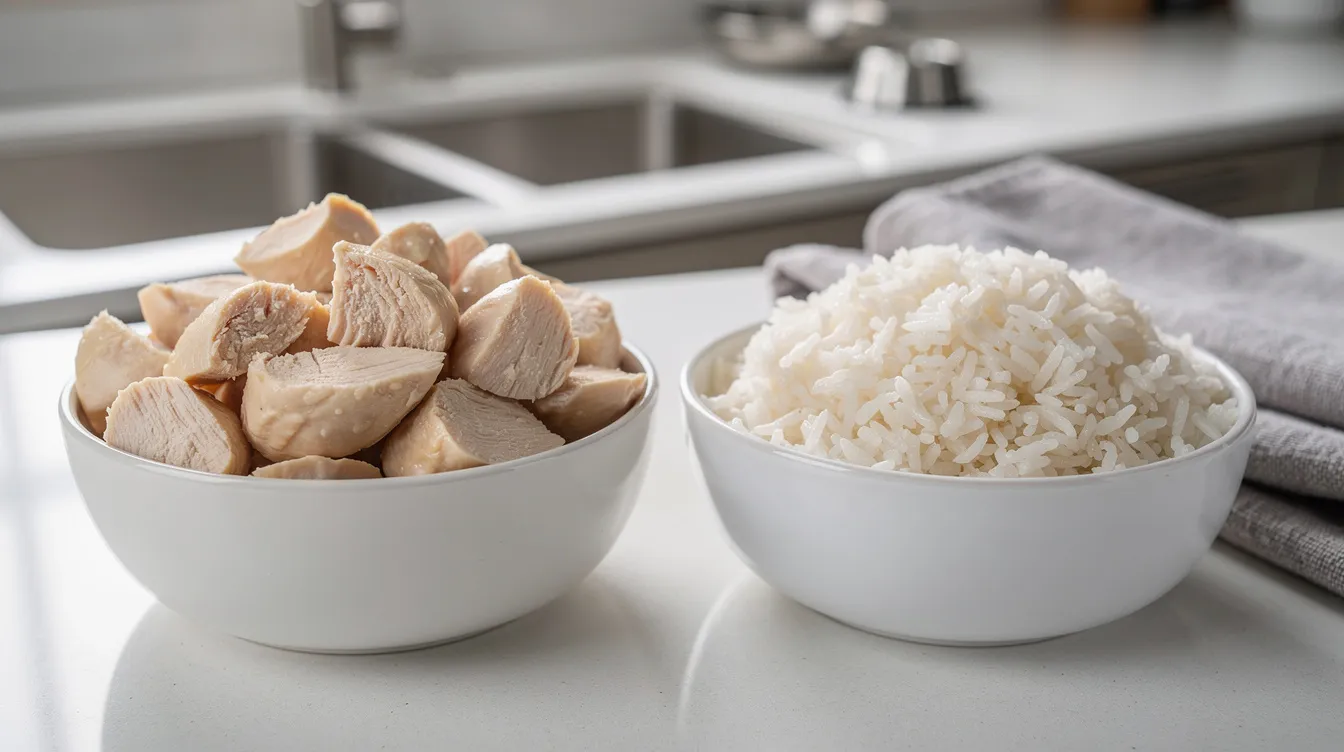
Bland, easily digestible foods like boiled chicken and white rice are the safest options for dogs recovering from acute vomiting. These gentle foods minimize irritation to an already inflamed digestive system while providing the calories and nutrients your pet needs to heal.
This article covers which foods to offer, when to start feeding, portion sizes during recovery, and the warning signs that mean your dog needs a veterinarian. The focus here is on acute vomiting episodes in otherwise healthy dogs – not chronic vomiting caused by serious illness such as inflammatory bowel disease or kidney failure, which requires a full diagnostic workup and specialized treatment.
Why does this matter so much? When you are dealing with dog throwing episodes or dog vomiting, what you feed next – and when you feed it – can either accelerate recovery or trigger another round of vomiting. Proper nutrition during this window prevents dehydration, replenishes lost electrolytes, supports gut barrier repair, and helps your dog feel better faster. Feeding the wrong food, or feeding too soon, can make it harder to keep your dog comfortable and set recovery back significantly.
Understanding Vomiting in Dogs and Digestive Recovery
Before choosing what to feed your sick dog, it helps to understand what vomiting actually does to the digestive system and why a bland diet is so critical during recovery.
Vomiting involves forceful, active contractions of the abdominal muscles and diaphragm that expel partially digested material from the stomach or upper intestine. It’s usually preceded by nausea, excessive drooling, and retching. This is fundamentally different from regurgitation, which is a passive process where regurgitated food comes back up from the esophagus without any forceful effort – often immediately after eating. Recognizing this distinction matters because the underlying cause, risk level, and feeding approach differ between the two.
Dietary indiscretion is the most common cause of vomiting, but other possible causes include dogs eating table scraps, foreign objects, garbage, or simply something that disagrees with their stomach. Infections can cause severe vomiting in dogs, and vomiting and diarrhea can occur together with parasites, medications, or toxins. Food allergies may lead to repeated vomiting episodes over time. Motion sickness can cause vomiting during travel, particularly during car rides. And in some cases, vomiting is a sign of a more serious illness like organ dysfunction or gastrointestinal issues requiring immediate attention.
The Digestive Impact of Chronic Vomiting
Each vomiting episode irritates the gastric mucosa – the protective lining of your dog’s stomach. Repeated exposure to stomach acid and bile during vomiting causes inflammation (gastritis) and can delay normal gastric emptying, creating a cycle where the stomach struggles to process even simple foods.
Vomiting also depletes hydrochloric acid and critical electrolytes like potassium and chloride, disrupting the body’s acid-base balance. This loss of fluids and electrolytes is what makes dehydration such a dangerous concern, especially in puppies and senior dogs. Meanwhile, the loss of appetite that accompanies vomiting reduces nutrient supply to the intestinal lining, which impairs the gut’s ability to regenerate. Clinical research has shown that early, appropriate feeding actually preserves gut barrier integrity and reduces the risk of bacterial translocation into the bloodstream.
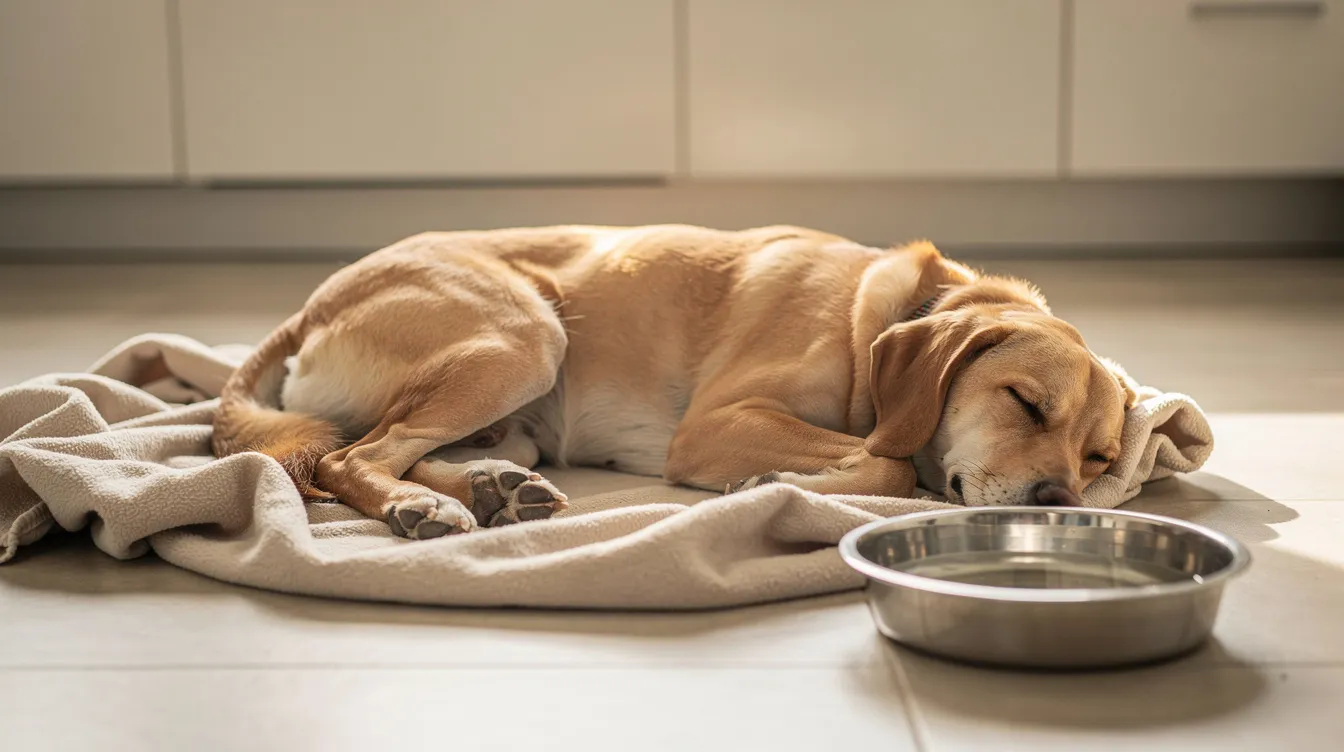
Recovery Timeline and Nutritional Needs
The typical recovery from acute vomiting follows a 3–4 day progression:
- Stomach rest: A veterinarian may recommend a brief pause in food for an otherwise healthy adult dog until vomiting is controlled. Do not start a fasting plan for a puppy, toy-breed dog, diabetic dog, or frail pet without veterinary advice.
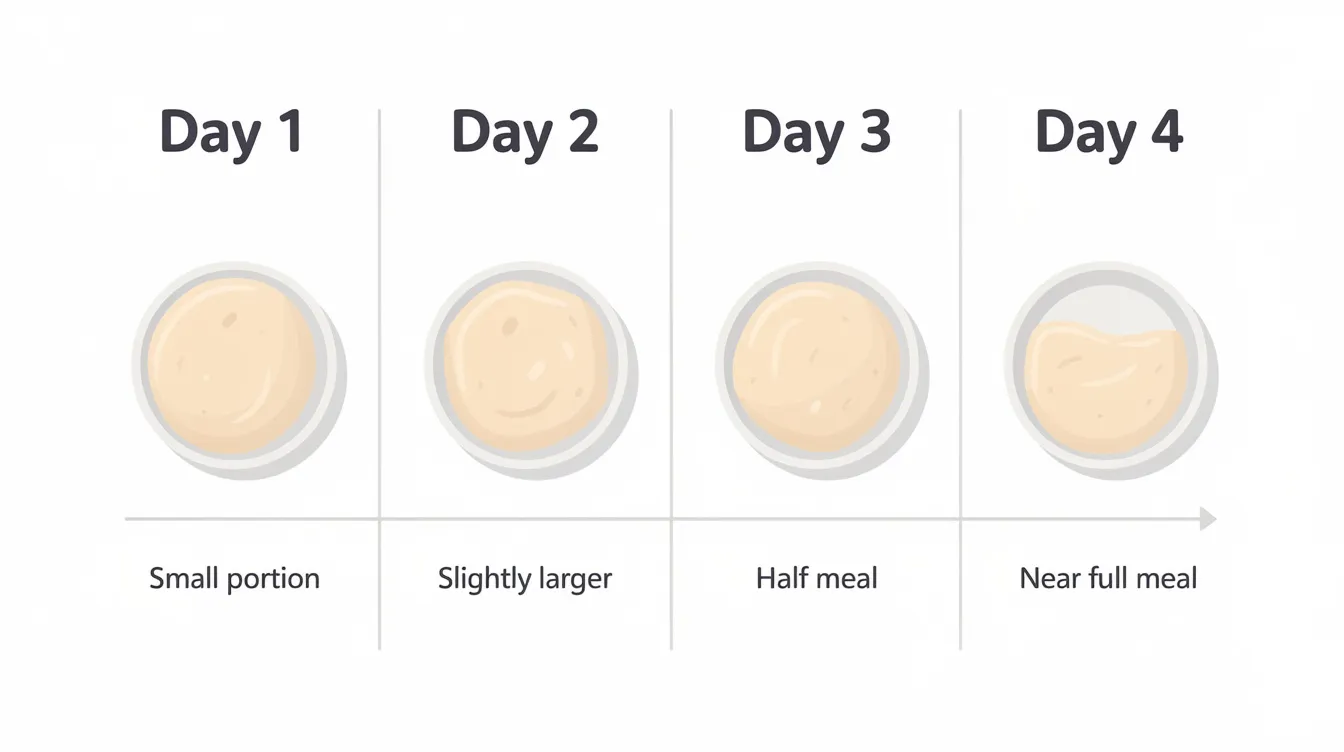
- Bland diet introduction: Once vomiting stops, small amounts of gentle food are reintroduced – starting with just 10–25% of normal meal volume, offered 3–4 times daily.
- Volume increase: Over 2–3 days, portions gradually increase to normal meal size while maintaining the bland diet.
- Transition back to regular diet: After 48–72 hours without vomiting and with improving stool consistency, you begin mixing in your dog’s normal dog food over several days.
Throughout recovery, the nutritional priorities are clear: low fat (under 5–8% of calories) to reduce gastric secretion, highly digestible proteins to minimize digestive burden, and simple starchy carbohydrates rather than high-fiber grains. These principles directly inform the specific food recommendations that follow.
Safe Dog Food Options for Vomiting Dogs
The best foods for a dog with an upset stomach share common qualities: they’re bland, low in fat, free of spices and seasonings, and easy for an irritated digestive system to process. The following options are commonly recommended by veterinarians.
Primary Recovery Foods
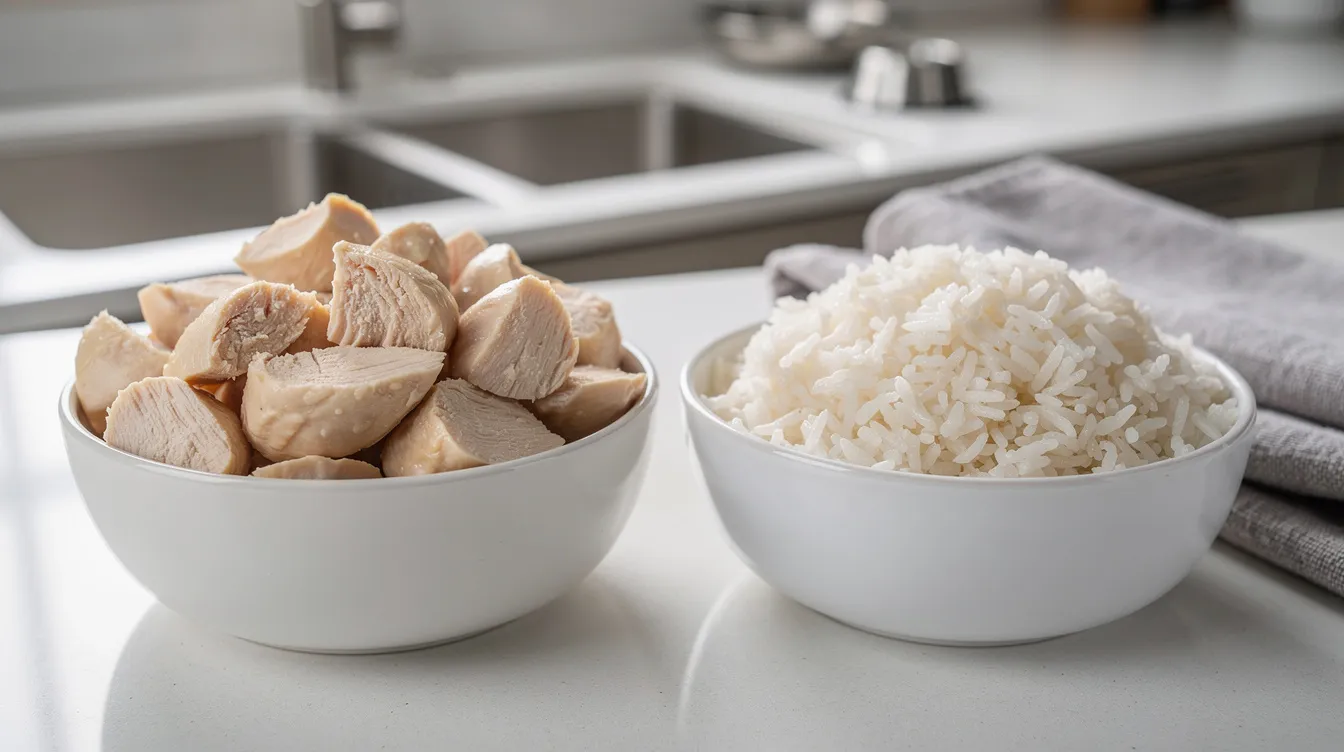
Boiled chicken (skinless, boneless, unseasoned) is the gold standard recovery protein. Prepare it by boiling chicken breast until fully cooked through, then shred or dice it into small pieces. Remove all skin and bones – skin adds unnecessary fat that can trigger more vomiting, and bones pose a choking hazard. The result is a highly digestible, lean protein source that most dogs find appealing even when their appetite is suppressed.
White rice is the preferred carbohydrate during early recovery. Unlike brown rice, white rice is low in fiber, which is exactly what you want when the digestive system is inflamed. Its starchy composition helps bind loose stools and provides gentle calories. Feed a bland diet of boiled chicken and rice mixed in roughly equal proportions by weight – this 1:1 ratio provides a good balance of protein and easily digestible carbohydrate.
Plain boiled sweet potato serves as an alternative carbohydrate source for dogs who don’t tolerate rice well. Sweet potato offers some beta-carotene and gentle fiber, but must be served completely plain – no butter, salt, or seasoning. Avoid sweet potato for diabetic dogs due to its natural sugar content. If you offer a small amount during recovery, think of it as a temporary bland treat rather than a routine extra.
Supplementary Bland Diet Options
Plain cooked pumpkin (canned pumpkin puree, not pie filling) is an excellent digestive aid. Pumpkin puree can aid in digestion for dogs experiencing digestive upset, thanks to its soluble and insoluble fiber content that helps regulate stool consistency. Start with 1–2 tablespoons mixed into meals.
Bone broth provides hydration, electrolytes, and appealing flavor that can encourage a sick dog to eat. Make it low-sodium and absolutely free of onion and garlic, both of which are toxic to dogs. Warm broth can also be offered on its own to dogs who aren’t ready for solid food.
Low-fat cottage cheese and plain yogurt offer mild protein and beneficial probiotics. Ginger or probiotics can soothe a dog’s upset stomach and support the recovery of healthy gut bacteria. Yogurt must be unsweetened and free of artificial sweeteners – xylitol in particular is extremely toxic to dogs. For dogs with lactose sensitivities, cottage cheese in small amounts is generally better tolerated than yogurt.
Some pet owners also use meat-based baby food (without onion or garlic powder) as a temporary option for dogs refusing other bland foods, though this should not replace a properly prepared bland diet.
Commercial Prescription Diets
Veterinary-prescribed gastrointestinal formulas can be a digestible option that offers significant advantages over homemade bland diets, particularly for recovery lasting more than a few days. Bland diets are generally not nutritionally complete for long-term use – homemade chicken and rice lacks essential vitamins, minerals, and balanced micronutrients that dogs need.
The leading therapeutic diets for gastrointestinal recovery include:
- Hill’s Prescription Diet i/d (Digestive Care): Features ActivBiome+ prebiotic fibers, enhanced B vitamins, and controlled electrolyte levels. Available in both dry and wet formulations, with the wet form providing additional hydration through extra water. Wet food is easier to digest than dry food, making it preferable during acute recovery.
- Royal Canin Veterinary Gastrointestinal: Available in standard, low-fat, and high-energy formulations. Contains a balance of soluble and insoluble fiber with LIP (Low Indigestibility Protein) for maximum digestibility.
- Purina Pro Plan Veterinary Diets EN Gastroenteric Formula: A lean formula with moderate fat and high digestibility, often well-accepted by picky eaters.
These prescription diets are nutritionally complete and formulated to support gut healing, which makes them a better choice than homemade food for any recovery lasting longer than 3 to 5 days. Low-fat variants are especially important for dogs with suspected pancreatitis – fat-restricted therapeutic diets often contain under 10% fat on a dry matter basis.
Feeding Protocols and Recovery Management
Choosing the right food is only half the equation. When and how much you feed your dog during recovery is equally critical to preventing relapse and supporting healing.
Fasting Period Guidelines
Fast your dog for 4–12 hours after vomiting, depending on their size, age, and health status. The purpose of withholding food is to give the inflamed stomach lining time to settle before introducing anything that requires digestion.
- Healthy adult dogs: Ask your veterinarian whether a brief pause in feeding is appropriate. The duration depends on the dog and the cause of vomiting.
- Puppies and small breeds: Call your veterinarian promptly rather than following a fixed home fasting schedule. Young and very small dogs can develop low blood sugar and dehydration quickly.
- Diabetic or elderly dogs: These pets require modified fasting protocols – diabetic dogs in particular cannot go long periods without food due to insulin and blood sugar management. Consult your vet before fasting any dog with a chronic health condition.
Water management during fasting is essential. Never withhold water from a vomiting dog. Offer small, frequent sips of water to prevent dehydration – ice chips work well for dogs who gulp water too quickly and trigger more vomiting. Electrolyte solutions can help restore hydration in dogs who have lost significant fluids. Dogs with kidney disease or heart conditions may need subcutaneous or intravenous fluids if dehydration is severe.
Gradual Food Reintroduction Schedule
Introduce food gradually after fasting, following this day-by-day protocol. Begin only after vomiting stops and your dog can keep water down:
|
Day |
Food Type |
Portion Size |
Frequency |
|---|---|---|---|
|
1 |
Fasting |
None |
Water only |
|
2 |
Bland diet |
25% normal |
3-4 small meals |
|
3 |
Bland diet |
50% normal |
3 meals |
|
4 |
Gradual transition |
75% normal |
2-3 meals |
By Day 5, if your dog has tolerated the bland diet well with no recurrence of symptoms, begin mixing their regular diet back in gradually – start with 25% regular food and 75% bland, increasing the proportion of normal food over 3–7 days.
Monitor your dog closely at each stage. If vomiting recurs, soft stool develops, or your dog shows lethargy, step back to the previous phase and stay there for an extra day before attempting to advance again. Every dog recovers at a different pace, and patience during this transition is far better than rushing it and triggering a relapse.
Common Challenges and Solutions
Even with the best plan, recovery from vomiting doesn’t always go smoothly. Here are the most common obstacles pet owners encounter and how to handle them.
Dog Refuses Bland Food
Some dogs simply won’t eat plain chicken and rice, especially when they’re feeling sick. Try these strategies:
- Switch to an alternative bland protein like lean ground turkey, which some dogs find more appealing
- Warm the food slightly to release aromas that stimulate appetite
- Mix in a small amount of low-sodium bone broth for flavor
- Try prescription diet stew or pâté formats, which are specifically designed for palatability during illness
- Serve food in a quiet, low-stress environment away from other pets and distractions
Never add spices, butter, or heavy seasonings to make bland food more appealing – these can irritate the dog’s stomach and defeat the purpose entirely.
Continued Vomiting After Food Introduction
If vomiting resumes after reintroducing bland food, take these steps:
- If vomiting returns, stop the feeding trial and call your veterinarian for advice rather than repeatedly fasting your dog.
- Offer small, frequent sips of water or electrolyte solution to maintain hydration
- Reassess the food – was it too much, too soon? Was fat content too high?
- Try an even smaller portion (just 1–2 tablespoons) of a different bland option
Contact a vet if vomiting occurs three times in 24 hours despite dietary management. Continued vomiting may indicate an underlying cause such as parasites, viral infections, pancreatitis, or a foreign body obstruction that home dietary management cannot address.
Transitioning Back to Regular Diet Too Quickly
This is one of the most common causes of relapse. Pet owners often see their dog eating well on Day 3 and switch back to normal dog food immediately. The result is typically renewed vomiting, diarrhea, flatulence, or abdominal pain.
The solution is straightforward: extend the bland diet phase for 2–5 full days, then transition back to your dog’s regular diet over 3–7 days using a gradual mixing approach. For dogs with particularly sensitive stomachs, this transition may need to stretch even longer.
When to Seek Emergency Veterinary Care
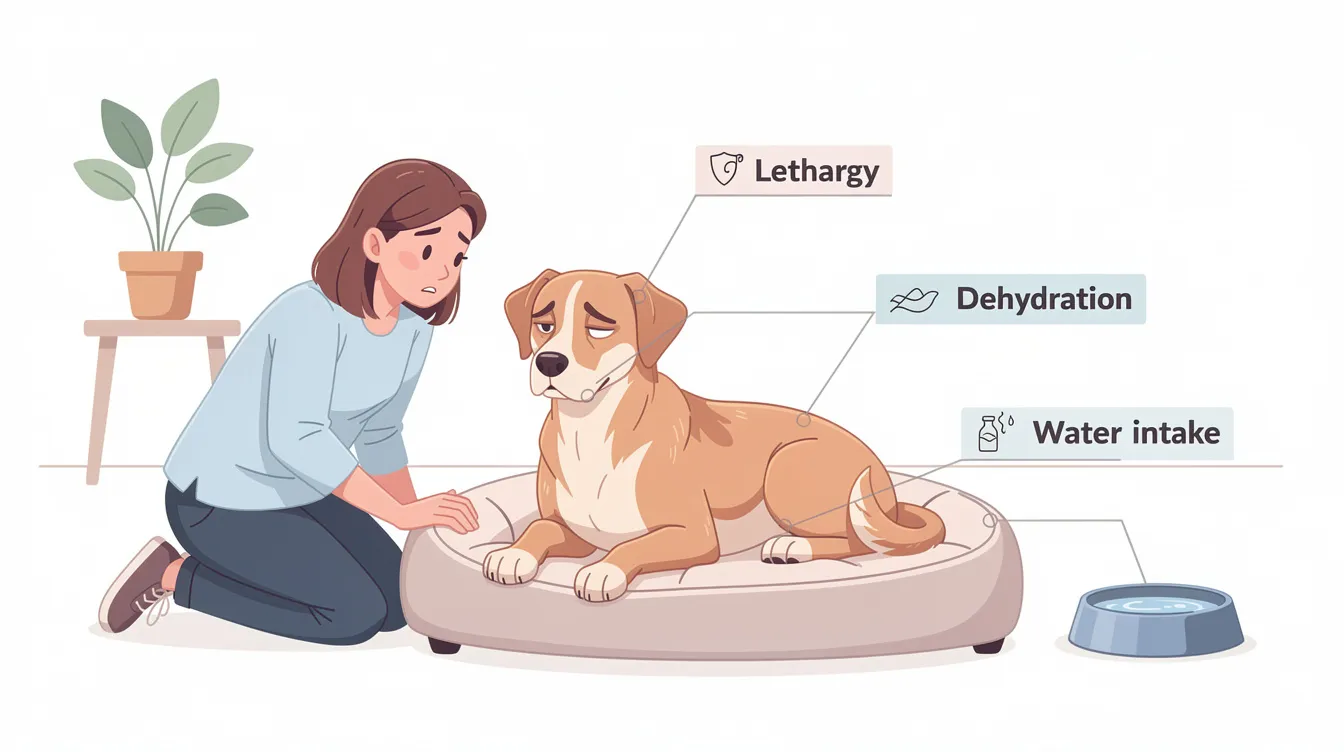
While most cases of acute vomiting in healthy dogs resolve with proper home care, certain situations demand immediate professional attention. Signs that require immediate veterinary attention include severe lethargy and abdominal pain.
Seek immediate veterinary care if:
- Seek immediate care if there is blood in the vomit – whether bright red or a dark “coffee grounds” appearance
- Contact a vet if vomiting occurs three times in 24 hours
- Take your dog to the vet if they seem weak or disoriented
- Visit a vet if vomiting is accompanied by severe diarrhea
- Your dog cannot keep any water down and shows signs of dehydration (dry gums, sunken eyes, skin tenting)
- You suspect your dog ingested toxins, poisoning agents, or foreign objects
- Your dog has a fever, distended abdomen, or obvious abdominal pain
- Urgent care is needed if your dog is very young or old
Toxins and poisoning can trigger immediate vomiting and represent a true emergency – if you suspect your dog has eaten something toxic, do not wait to see if symptoms improve.
Do not manage vomiting at home with diet alone if any of these red flags are present. A physical examination, blood work, fecal tests, and x rays may be needed to identify the root cause. For chronic vomiting cases – those lasting days or recurring regularly – diagnostics may also include ultrasound, endoscopy, or biopsy to rule out conditions like inflammatory bowel disease, food allergies, or organ dysfunction.
Key Points and Next Steps
For most cases of acute vomiting in otherwise healthy dogs, a bland diet of boiled chicken and white rice – introduced gradually after an appropriate fasting period – is the most effective approach to recovery. Combined with careful hydration management and patient food reintroduction, the majority of dogs recover fully within 3–5 days.
Your immediate action steps:
- Assess the severity of your dog’s vomiting and check for any emergency warning signs
- Ask your veterinarian when and how to restart food; do not use a fixed fasting schedule for a puppy or medically vulnerable dog.
- Offer small amounts of water frequently to prevent dehydration
- Reintroduce a bland diet in small, frequent meals once vomiting stops
- Transition gradually back to your regular diet over 3–7 days
- Contact your veterinarian if vomiting persists, worsens, or is accompanied by any red flag symptoms
For dogs with recurring upset tummy episodes, consider discussing long-term digestive health strategies with your vet – including possible food allergies, dietary changes, or investigating whether conditions like inflammatory bowel disease or chronic vomiting patterns need to be addressed.
Frequently Asked Questions
What is the best food to give a dog that is vomiting?
Unseasoned boiled chicken (skinless, boneless) mixed with plain white rice is the most widely recommended food for vomiting dogs. Other safe options include cooked pumpkin, low-fat cottage cheese, plain yogurt, and bone broth. For recovery lasting more than 3–5 days, veterinary-prescribed gastrointestinal formulas are preferable because they are nutritionally complete.
How long should I wait before feeding my dog after vomiting?
There is no single fasting duration that is right for every dog. Ask your veterinarian whether food should be paused and when small meals can restart. Puppies, toy-breed dogs, diabetic dogs, and frail pets need prompt individualized advice.
Can I give my dog rice and chicken immediately after vomiting?
No. Feed your dog only after the appropriate fasting period has passed and vomiting has stopped. Feeding too soon – before the dog’s stomach has had time to settle – can trigger additional vomiting episodes. Wait until your dog is keeping down small, frequent sips of water before offering any food.
What foods should I never give a vomiting dog?
Avoid fatty or greasy foods, spicy seasonings, raw diets, dairy products with added sugar or artificial sweeteners (especially xylitol), bones, and table scraps. Onion and garlic are toxic to dogs and should never be included. Also avoid feeding treats or regular dog food until your dog has successfully tolerated a bland diet for at least 48 hours.
How do I know if my dog’s vomiting requires emergency veterinary care?
Seek immediate veterinary care if there is blood in the vomit, if your dog vomits more than three times in 24 hours, if vomiting is accompanied by severe diarrhea, lethargy, or abdominal pain, if your dog seems weak or disoriented, or if your pet is very young or very old. Also seek care if you suspect ingestion of foreign objects or toxins.
When can I return my dog to their normal diet after vomiting?
After at least 48–72 hours on a bland diet with no vomiting and improving stool consistency, begin mixing your dog’s regular diet back in gradually. Start with approximately 25% regular food mixed with 75% bland diet, increasing the proportion over 3–7 days. Rushing this transition is one of the most common causes of vomiting relapse.
Additional Resources
Veterinary Citations:
- Mohr AJ, et al. “Effect of early enteral nutrition on intestinal permeability, intestinal protein loss, and outcome in dogs with severe parvoviral enteritis.” Journal of Veterinary Internal Medicine, 2003.
- Harris JP, et al. “Early enteral nutrition in dogs with acute pancreatitis: a pilot study.” Journal of Veterinary Internal Medicine, 2011.
- MSD Veterinary Manual. “Vomiting in Dogs.” Merck Sharp & Dohme Corp.
- Marks SL. “Emesis in dogs: A review.” Journal of Veterinary Emergency and Critical Care, 2020.
- Remillard RL, et al. “A clinical evaluation of a polymeric liquid enteral diet in ill or injured dogs and cats.” Journal of the American Veterinary Medical Association, 1997.
Interactive Photo Guide (included throughout this article):
- Bland food preparation – step-by-step boiled chicken and rice preparation
- Portion sizing – visual portion guide for small, medium, and large dogs
- Feeding timeline chart – day-by-day recovery feeding schedule
- Warning signs visual guide – recognizing emergency symptoms in vomiting dogs
If your dog is experiencing a vomiting emergency, contact your veterinarian or local emergency animal hospital immediately.
Choosing the right bland diet and reintroducing food gradually can meaningfully speed a dog’s recovery from a vomiting episode – always check with your veterinarian if vomiting persists or worsens.
Reviewed by Roger Hart, DVM, a Florida-licensed veterinarian with more than two decades of companion-animal clinical experience. This article is general education and does not replace an examination by your own veterinarian.
For feeding and hydration advice, see VCA: Vomiting in Dogs. Seek urgent care for repeated vomiting, inability to keep water down, weakness, abdominal pain, blood, or possible toxin or foreign-body ingestion.