Introduction
Chronic kidney disease in cats, also known as cat chronic kidney disease, is one of the most common medical problems affecting senior cats, with CKD affecting 30% to 40% of cats over 10 years old. For many cats, cat chronic kidney disease develops silently, making early detection essential to preserving quality of life and extending survival.
This guide covers the full spectrum of feline kidney disease – from understanding normal kidney function and recognizing the earliest clinical signs, to navigating the IRIS staging system, treatment options, and day-to-day home management. Whether your cat was recently diagnosed, you’re concerned about changes in your cat’s routine like increased thirst or frequent urination, or you simply want to stay ahead of potential issues with preventive screening, this resource is built for you.
Understanding cat chronic kidney disease is critical for cat owners. Monitoring for symptoms regularly can lead to earlier intervention and better outcomes.
When you notice signs of cat chronic kidney disease, contacting your veterinarian promptly can make a significant difference in your cat’s health management.
Chronic kidney disease in cats, or cat chronic kidney disease, is the progressive, irreversible loss of kidney function that develops slowly over months to years. Symptoms of CKD often appear gradually and may indicate advanced disease – most cats show no obvious signs until approximately two-thirds to three-quarters of their kidney function is already gone.
After reading this guide, you will understand:
- How healthy kidneys function and what goes wrong in CKD
- The early warning signs that many cat owners miss
- How veterinarians diagnose and stage kidney disease using modern blood tests and urinalysis
- Which treatment protocols slow progression and improve comfort
- Practical home care strategies for hydration, diet, and medication compliance
Understanding Normal Kidney Function and Chronic Kidney Disease
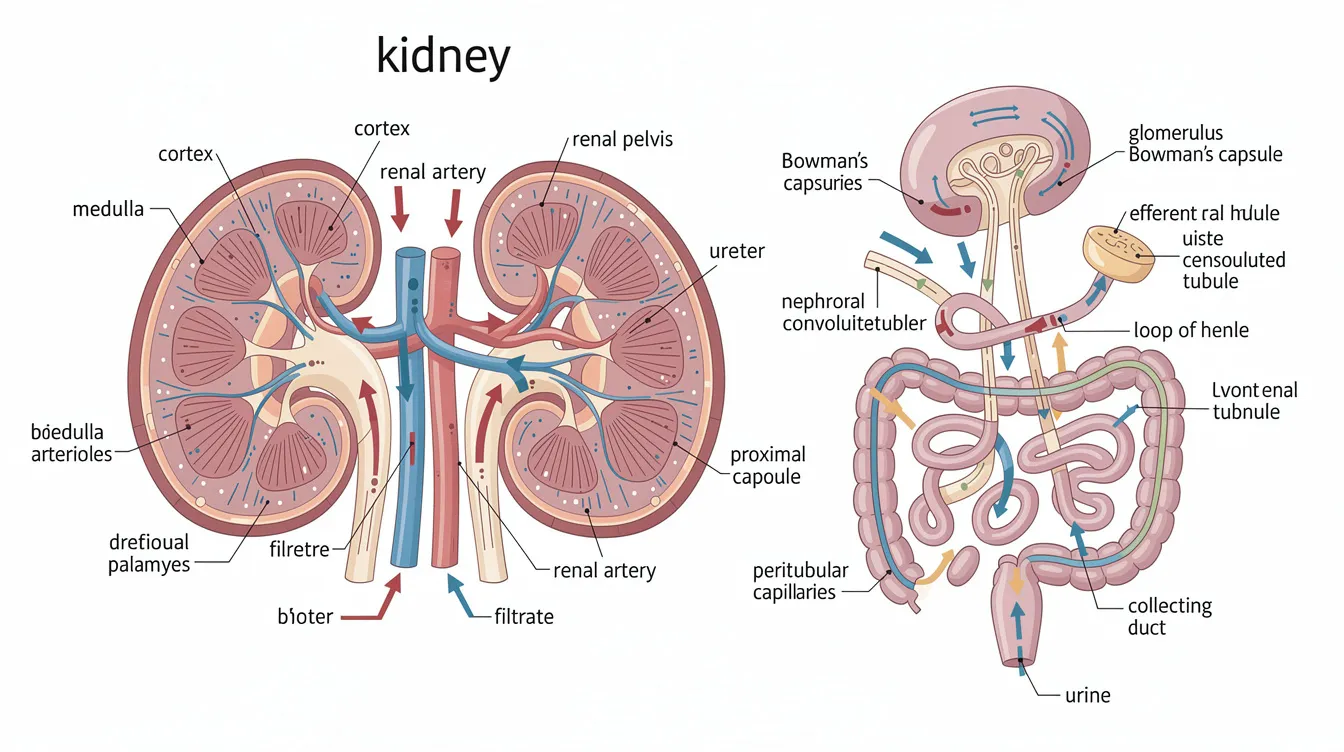
Healthy kidneys perform several critical jobs: they filter waste products like blood urea nitrogen and creatinine from the bloodstream, regulate water balance to maintain proper hydration, control blood pressure through the renin-angiotensin-aldosterone system, support red blood cell production via erythropoietin, and help activate vitamin D for bone health. When chronic kidney disease develops, these functions deteriorate progressively as nephrons – the tiny filtering units within each kidney – are permanently damaged and replaced by scar tissue.
How Healthy Kidneys Work
Each feline kidney contains hundreds of thousands of nephrons that continuously filter blood, removing metabolic waste products while retaining essential nutrients and fluids. This filtration process determines urine concentration, and a healthy cat produces concentrated urine with a high urine specific gravity as the kidneys efficiently conserve water.
Beyond filtration, the kidneys maintain electrolyte balance – regulating sodium, potassium, calcium, and phosphorus levels that affect everything from muscle function to nerve signaling. They also play a central role in red blood cell production by secreting erythropoietin, the hormone that stimulates the bone marrow to produce red blood cells. This interconnection between kidney function and overall metabolic health explains why decreased kidney function creates cascading problems throughout the body.
What Happens When Kidneys Fail
CKD develops as nephrons are gradually destroyed through aging, toxin exposure, infections, or genetic predisposition. The remaining healthy nephrons compensate by working harder – a phenomenon that actually masks the disease in its earliest stages. This compensated phase can last months or years, during which standard blood tests may appear normal even as significant kidney tissue is being lost.
Creatinine levels rise after approximately 75% of kidney function is lost, which is why relying solely on this marker misses the early window where intervention is most effective. The newer biomarker SDMA is more sensitive: SDMA levels rise when about 40% of kidney function is lost, offering a critical head start on diagnosis.
Once compensation fails, waste products accumulate in the blood (a condition called azotemia), urine becomes progressively dilute showing low urine specific gravity, and the cat begins to show outward signs of illness. Understanding this timeline is essential because it explains why so many cats are diagnosed in later stages – and why regular wellness checks are recommended for early detection of CKD.
Clinical Signs and Disease Progression
As kidney function declines, clinical signs emerge in a predictable pattern that corresponds to the degree of nephron loss. CKD is common in cats aged seven years and older, and recognizing even subtle changes can prompt earlier diagnosis and more effective management. Only 10% of CKD cases occur in cats under three years old, making age one of the strongest risk factors. About 81% of cats over 15 years old develop CKD, underscoring how critical vigilance becomes as your cat ages.
Early Stage Signs (IRIS Stage 1–2)
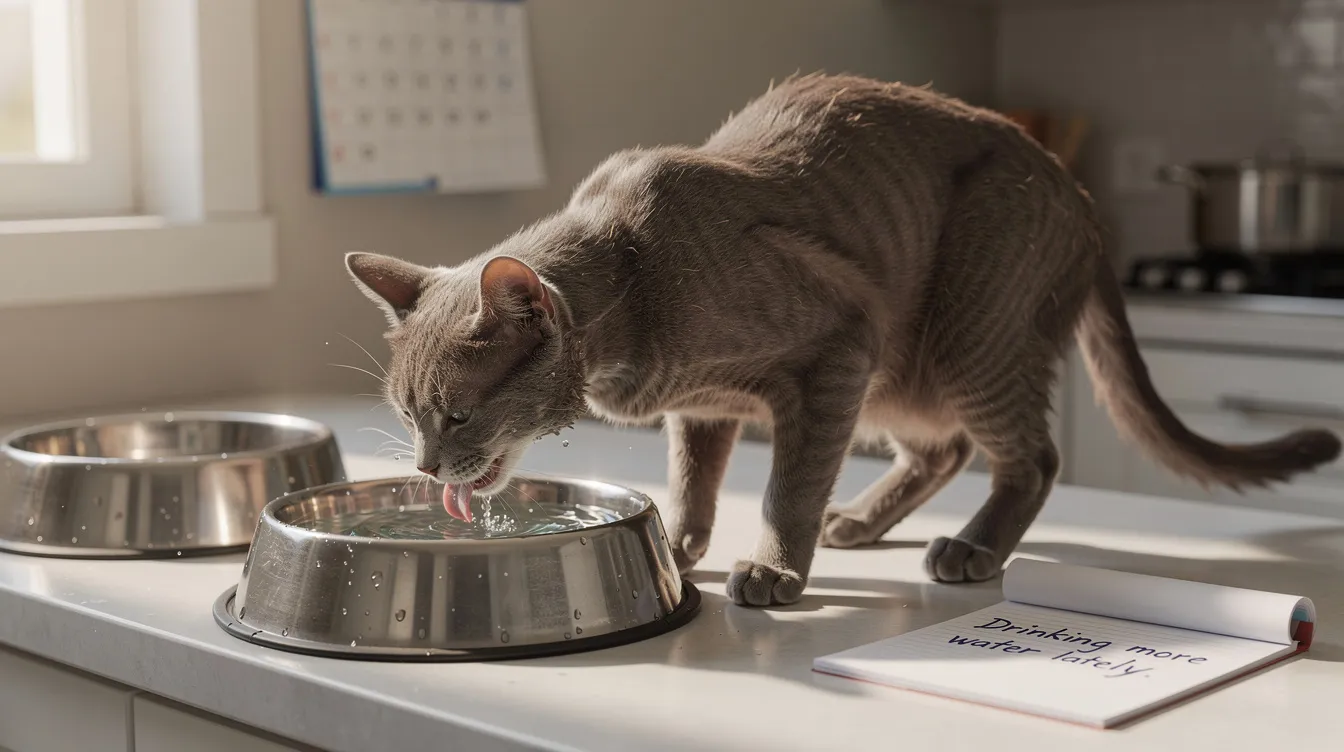
The earliest signs of kidney disease are easy to overlook. Cats may drink more water and urinate more frequently – you might notice the litter box is heavier or needs changing more often. Some owners mistake increased urination for litter box problems, especially when a cat starts peeing outside the litter box due to the urgency or volume of urine produced.
Being aware of cat chronic kidney disease is essential, as early detection can improve management strategies and extend your cat’s quality of life.
Subtle weight loss of 5–10% over several months may occur without obvious appetite changes. Coat quality may decline slightly, and energy levels can dip, though many cats at this stage still appear largely normal. In multi cat households, these changes are even harder to detect because it’s difficult to attribute increased water intake or a dirty litter box to a specific cat. Ensuring enough litter boxes – and keeping each litter box clean – helps you monitor individual cat urine output.
Moderate Stage Signs (IRIS Stage 3)
At this stage, the common signs become harder to miss. Weight loss and decreased appetite are prominent – many cats show poor appetite or become selective about food. Vomiting and nausea occur more frequently as waste products build up in the bloodstream.
Coat condition deteriorates noticeably as cats reduce grooming, giving them an unkempt appearance. Lethargy and unkempt appearance indicate worsening kidney function at this stage. Dehydration becomes a persistent concern, and you may notice your cat’s skin tents when gently lifted rather than snapping back. Halitosis – a distinctive ammonia-like bad breath – develops from uremia. Some cats develop oral ulcers that further reduce food intake.
High blood pressure often emerges or worsens during Stage 3. Hypertension occurs in approximately 60% of CKD cats, and can cause damage to the eyes, heart, and brain if left untreated. Pale gums can indicate anemia in cats with CKD, as decreased kidney function impairs erythropoietin production and therefore red blood cells decline.
Advanced Stage Signs (IRIS Stage 4)
In the advanced stages, clinical signs are severe and systemic. Vomiting becomes frequent, appetite may disappear entirely (anorexia), and dehydration is persistent despite fluid support. CKD can lead to complications like hypertension and vomiting that significantly impact quality of life.
Understanding the challenges of managing cat chronic kidney disease is vital for any cat owner committed to improving their pet’s quality of life.
Certain cats may experience seizures, blindness from hypertensive retinal damage, or neurological changes from severe uremia. Muscle wasting is pronounced, and some cats develop oliguria (reduced urine output) or even anuria as the kidneys’ filtering capacity becomes critically low. This represents the stage where quality of life monitoring and difficult conversations about end-of-life decisions become most important.
Diagnosis, Staging, and Treatment Protocols
Early detection transforms the trajectory of feline kidney disease. CKD is often associated with aging and kidney wear, so proactive screening starting at age 7–10 years provides the best chance to catch the disease before irreversible damage has advanced too far.
Diagnostic Testing Procedures
A comprehensive diagnostic workup integrates several key assessments. Blood tests measure BUN, creatinine, and SDMA levels – the trio of markers that together paint the clearest picture of kidney function. SDMA is particularly valuable because it is less affected by muscle mass and body condition than creatinine, making it more reliable in older cats who may have lost muscle.
Recognizing the signs of cat chronic kidney disease can lead to timely interventions that significantly impact your cat’s health and well-being.
Urinalysis checks urine specific gravity and protein levels. A consistently low urine specific gravity (below 1.035 in dry-fed cats) suggests the kidneys can no longer concentrate urine effectively. Protein loss in the urine, measured by the urine protein-to-creatinine ratio (UPC), indicates glomerular damage and worsens prognosis.
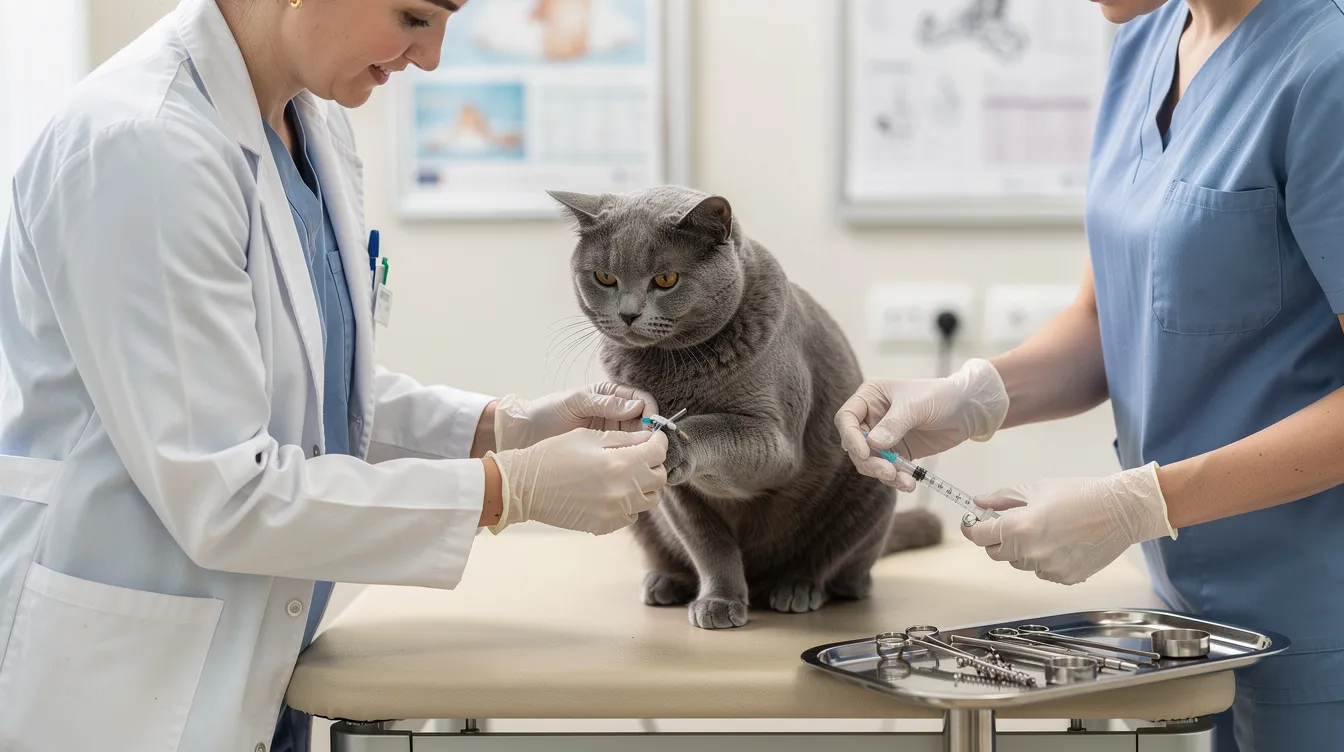
Blood pressure measurement is essential, as many cats with CKD develop hypertension that requires separate treatment. Additional tests may include a complete blood count to evaluate for anemia, phosphorus and electrolyte panels, thyroid screening to rule out concurrent hyperthyroidism, and imaging (ultrasound or radiographs) to assess kidney size, shape, and rule out bladder stones, cysts, or masses.
IRIS Staging System Comparison
The International Renal Interest Society (IRIS) staging system classifies CKD into four stages based on blood and urine tests. The IRIS system stages CKD based on blood and urine tests, and staging should only be performed when a cat is stable, well-hydrated, and not experiencing acute illness. Results are ideally confirmed on two separate occasions weeks apart.
Criterion | Stage 1 | Stage 2 | Stage 3 | Stage 4 |
|---|---|---|---|---|
Creatinine (mg/dL) | < 1.6 | 1.6–2.8 | 2.9–5.0 | > 5.0 |
SDMA (µg/dL) | < 18 | 18–25 | 26–38 | > 38 |
Clinical Signs | Minimal; detected by screening | Mild polyuria/polydipsia | Weight loss, vomiting, decreased appetite | Severe uremia, anorexia, possible seizures |
Prognosis | Good with monitoring | Cats diagnosed at IRIS Stage 2 CKD survive two to three years | Generally 1–2 years with management | Cats diagnosed at IRIS Stage 4 CKD survive less than six months |
Monitoring Frequency | Every 3–6 months | Every 3–6 months | Every 2–3 months | Monthly or more frequently |
Each stage is further substaged by proteinuria (UPC: <0.2 non-proteinuric, 0.2–0.4 borderline, >0.4 proteinuric) and blood pressure status. Higher phosphorus levels indicate a less favorable prognosis at any stage. Regular monitoring is crucial for assessing CKD progression and making timely adjustments to the treatment plan.
Treatment Protocol Development
CKD cannot be cured but can be managed for improved longevity and quality of life. A comprehensive CKD treatment plan addresses multiple aspects simultaneously:
Therapeutic Diet Management: Specialized diets low in phosphorus are used to manage CKD. Prescription diets formulated for kidney disease feature moderate, high-quality protein, restricted phosphorus and sodium, added omega-3 fatty acids, and increased moisture content. Therapeutic diets can prolong life in cats with CKD – research shows cats on kidney diets may live 2–3 times longer than others not fed therapeutic diets. The goal is to reduce the kidneys’ workload while maintaining adequate nutrition and preventing muscle wasting from over-restriction.
Phosphorus Control: If serum phosphorus remains elevated after one month on a renal diet, intestinal phosphate binders are added. Options include aluminum hydroxide, calcium carbonate, sevelamer, or lanthanum – given with meals to bind dietary phosphorus in the gut. The target is maintaining serum phosphorus below 4.5 mg/dL.
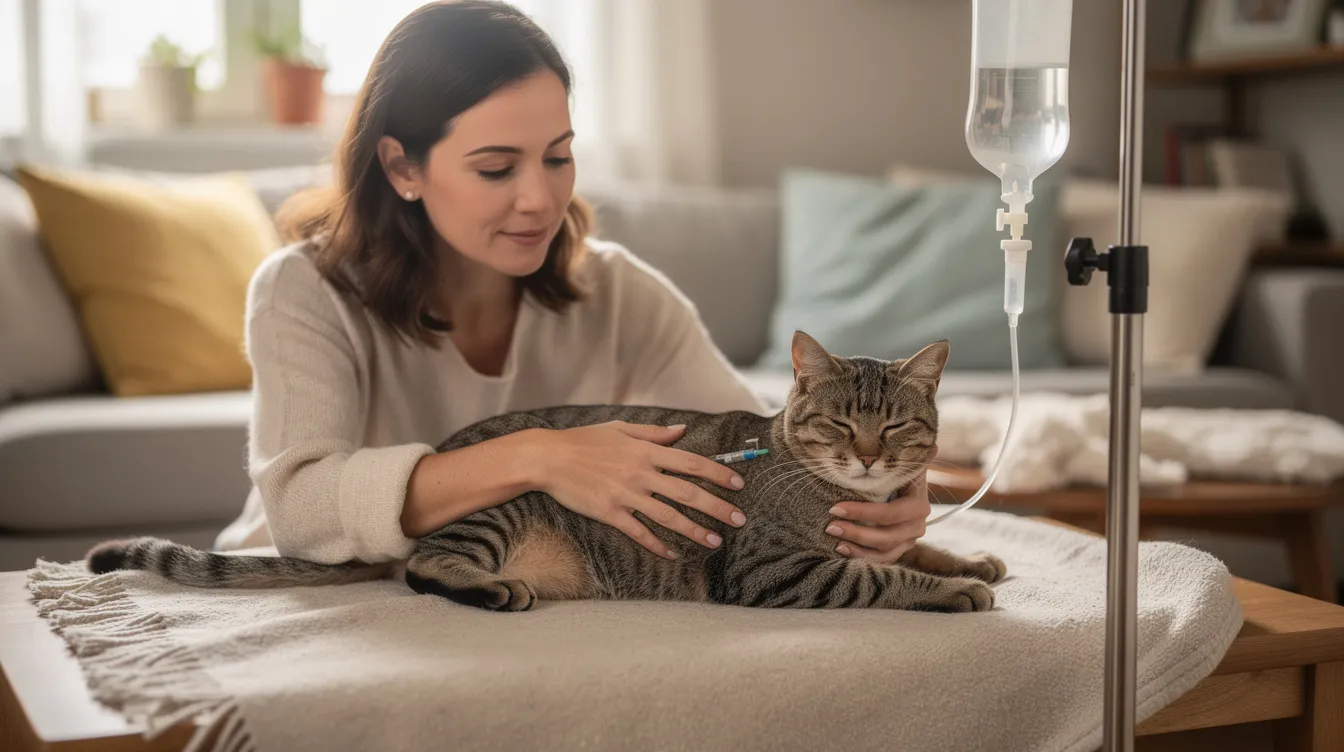
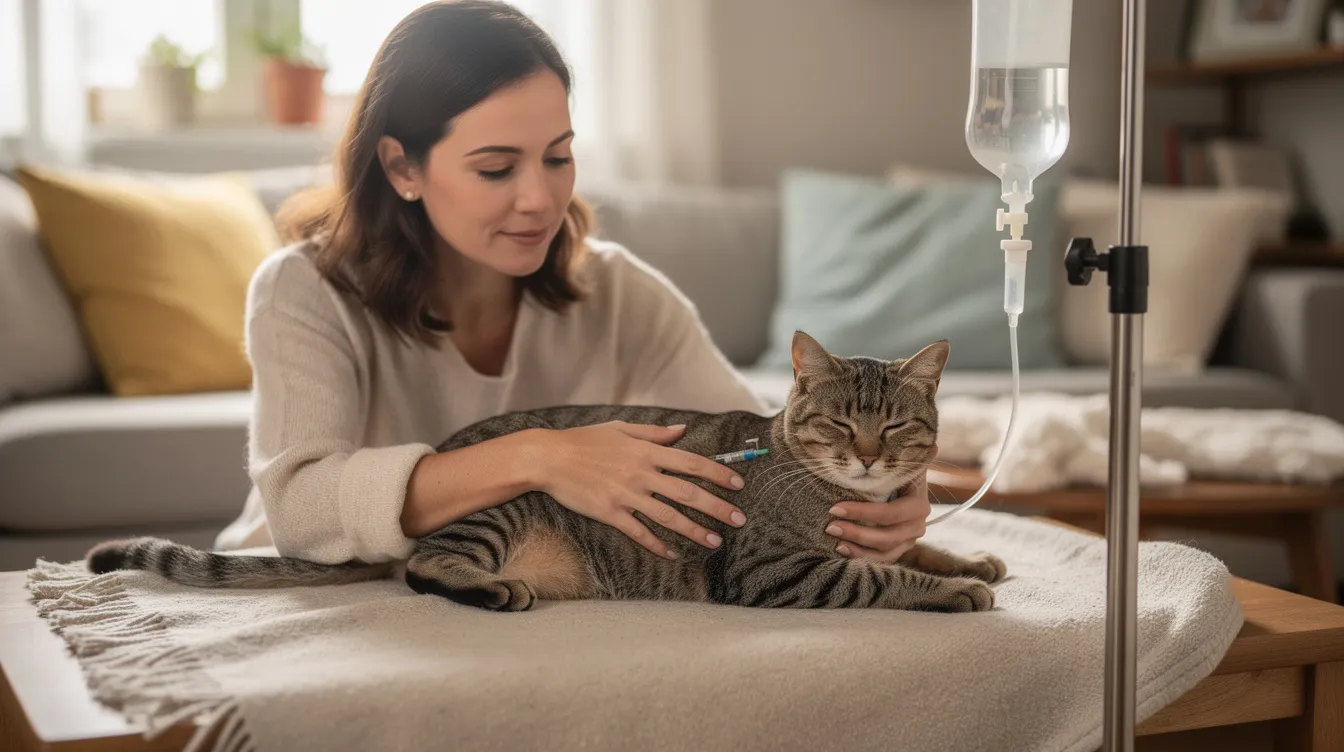
Hydration Support: Hydration is crucial for managing chronic kidney disease in cats. Increased moisture in diets helps protect the kidneys – switching to or supplementing with wet food and encouraging water intake through fountains or multiple water stations are baseline strategies. For cats in Stages 3–4 (and sometimes Stage 2 if dehydration is present), subcutaneous fluid therapy becomes part of the routine. Typical volumes for Stage 2 are 75–100 mL per session, 2–3 times per week, increasing in frequency for more advanced stages.
Medications: Blood pressure medications may be prescribed in advanced stages of CKD – amlodipine is the first-line drug for feline hypertension. Oral medications can treat hypertension in cats with CKD effectively when dosed properly. Proteinuria may be managed with ACE inhibitors. Erythropoietin replacement therapy can treat anemia in CKD cats when red blood cell counts drop significantly. Appetite stimulants may be necessary for cats with persistent poor appetite. Potassium supplementation and water soluble vitamins (particularly B-complex vitamins, which are lost through excessive urination) are often added to support overall health.
Common Management Challenges and Solutions
Long-term management of feline kidney disease demands consistency, but real-world obstacles are common. Understanding these challenges and their solutions helps owners maintain effective care over months and years.
Medication Compliance Issues
Administering multiple daily medications to cats is notoriously difficult. Most cats resist pills, and the stress of forced oral dosing can reduce appetite and increase cortisol – both counterproductive in CKD management.
Solutions include liquid formulations that can be mixed into food, compounding medications into flavored liquids or transdermal gels, and using pill pockets or treats designed to mask medications. Work with your veterinarian to prioritize medications if your cat cannot tolerate the full regimen, and explore compounding options for phosphorus binders to improve palatability. Some cat owners find that understanding their cat’s preferences – whether the cat prefers chicken-flavored versus fish-flavored compounded medications – dramatically improves compliance.
Dietary Transition Difficulties
Many cats refuse therapeutic diets outright, particularly if switched abruptly. A gradual transition over 7–14 days – mixing increasing proportions of the new food with the old – improves acceptance significantly.
If a cat still rejects the prescription diet, try different brands and flavors within the renal diet category, warm the food slightly to enhance aroma, or add small amounts of low-sodium broth. In some cases, feeding a home-prepared diet formulated by a veterinary nutritionist is preferable to a cat that refuses to eat entirely. Maintaining adequate caloric intake is critical – a cat eating a suboptimal diet is better than a cat eating nothing at all.
Dehydration Management
Home fluid administration requires proper training from your veterinary team. Common concerns include needle anxiety (for both cat and owner), recognizing when your cat is adequately hydrated versus overhydrated, and maintaining sterile technique to prevent infection at injection sites.
Key signs of dehydration requiring immediate veterinary examination include skin tenting that doesn’t resolve quickly, dry or tacky gums, sunken eyes, and lethargy. Conversely, cats with concurrent heart disease may be at risk for fluid overload – labored breathing or coughing after fluid administration warrants emergency evaluation. Never adjust fluid volumes without veterinary guidance, and attend regular rechecks to evaluate kidney function trends.
Prognosis and Quality of Life Considerations
Survival times vary considerably based on the stage at diagnosis, response to treatment, concurrent medical problems, and owner commitment to the treatment plan. Cats diagnosed at IRIS Stage 2 CKD survive two to three years on average with proper management, and some live significantly longer. Stage 3 cats generally survive 1–2 years. Cats diagnosed at IRIS Stage 4 CKD survive less than six months, though individual variation exists.
Factors that worsen prognosis include elevated phosphorus, persistent proteinuria, uncontrolled high blood pressure, anemia, and progressive weight loss. Conversely, cats that respond well to therapeutic diets, maintain stable body weight, and have controlled blood pressure can exceed median survival estimates.
Quality of life – not simply survival – should guide decision-making. Key indicators include whether the cat is eating voluntarily, maintaining hydration, engaging in normal behaviors, and remaining free from persistent pain or distress. Nausea, oral ulcers, severe dehydration, and urinary tract infections all diminish comfort and should be addressed aggressively.
For cats with cat chronic kidney disease, maintaining hydration is crucial, as it can help alleviate some symptoms associated with the condition.
Understanding the implications of cat chronic kidney disease can help owners make informed decisions regarding their cat’s health and treatment.
As CKD progresses to the later stages, monitoring intervals increase – from every 3–6 months in early disease to monthly or even more frequent visits in Stage 4. Regular monitoring helps detect changes early and allows timely adjustments. When quality of life declines despite maximal treatment, honest conversations about end-of-life decisions with your veterinarian become an important and compassionate part of care.
Every cat owner should be aware of the importance of early diagnosis of cat chronic kidney disease to enhance treatment options and outcomes.
Regular monitoring for signs of cat chronic kidney disease ensures that any changes in your cat’s health are addressed promptly and effectively.
Taking proactive steps regarding cat chronic kidney disease can lead to a more fulfilling life for your feline companion.
Preventive measures against cat chronic kidney disease are essential for ensuring long-term health and well-being in your cat.
Conclusion and Next Steps
Chronic kidney disease remains one of the most significant health challenges facing older cats, but early detection and consistent management can provide years of meaningful, comfortable life. The gap between when kidney damage begins and when symptoms appear creates a critical window where proactive screening changes outcomes.
Educating others about cat chronic kidney disease within your community can raise awareness and improve outcomes for many cats.
Support from fellow cat owners in recognizing cat chronic kidney disease can enhance collective knowledge and treatment approaches.
To protect your cat’s kidney health, take these steps now:
Being part of a community focused on cat chronic kidney disease can provide additional support and resources for effective management.
- Schedule senior screening bloodwork including creatinine, SDMA, and urinalysis for any cat over seven years old – even if they appear healthy
- Monitor water intake and litter box habits – increased thirst, increased urination, or a cat peeing outside the litter box may signal early kidney changes rather than simple litter box problems
- Maintain regular veterinary visits every 6–12 months for senior cats, increasing frequency if CKD is diagnosed
- Reduce stress in your cat’s environment – avoid rearranging furniture unnecessarily, minimize loud noises and loud appliances near resting areas, and introduce new pets gradually, as stress can exacerbate medical problems in vulnerable cats
For households with multiple cats, keep the litter box setup clean and accessible – provide enough litter boxes (one per cat plus one extra), clean the litter regularly, and experiment with litter types and covered boxes to match each cat’s preferences. In multi cat households, monitoring individual water intake and urination patterns helps catch problems early.
Cats thrive when their environment supports their health needs. Related topics worth exploring include nutrition strategies for senior cats, managing concurrent conditions like hyperthyroidism and urinary tract infections, and understanding how to reduce stress for cats dealing with chronic illness.
Frequently Asked Questions
Can chronic kidney disease be cured in cats?
CKD cannot be cured – the kidney damage is irreversible once it occurs. However, with appropriate management including therapeutic diets, hydration support, medications, and regular monitoring, the slow progression of disease can be achieved and quality of life can be maintained for extended periods. The goal of treatment is to minimize the workload on remaining nephrons, control complications like high blood pressure and anemia, and keep your cat comfortable. Unlike acute kidney injury, which can sometimes be reversed if caught quickly, chronic kidney disease represents permanent structural changes that require lifelong management.
How long can a cat live with chronic kidney disease?
Survival depends heavily on the stage at diagnosis and response to treatment. Cats diagnosed at IRIS Stage 2 CKD survive two to three years on average, and some live considerably longer with diligent care. Stage 3 cats typically survive 1–2 years. Cats diagnosed at IRIS Stage 4 CKD survive less than six months in many cases. Individual factors that influence prognosis include phosphorus levels, the presence of proteinuria or protein loss in urine, whether blood pressure is controlled, body weight trends, and owner compliance with the treatment plan. Cats on kidney diets may live 2–3 times longer than those not receiving dietary management.
What foods should I avoid giving my cat with kidney disease?
Avoid foods high in phosphorus (including bones, organ meats, and many commercial treats), high-sodium foods, and poor-quality protein sources. Many standard commercial cat foods contain phosphorus and protein levels that increase the workload on compromised kidneys. Prescription diets specifically formulated for kidney disease provide the optimal balance of restricted phosphorus, moderate high-quality protein, omega-3 fatty acids, and increased moisture. Human foods – particularly dairy, deli meats, and processed snacks – should be strictly avoided. Vitamin supplements, particularly water soluble vitamins like B-complex, may be recommended by your veterinarian to replace nutrients lost through excessive urination, but never supplement without professional guidance.
Is chronic kidney disease painful for cats?
CKD itself is not considered overtly painful in most cats, but several complications create significant discomfort. Uremic oral ulcers cause mouth pain that reduces eating. Gastric irritation and nausea from accumulated waste products diminish appetite and well-being. Hypertension can cause headaches, retinal damage, and blindness. Urinary tract infections, which CKD cats are more susceptible to due to dilute cat urine, cause discomfort and inappropriate urination. Dehydration causes malaise and weakness. These sources of discomfort are treatable – anti-nausea medications, appetite stimulants, antihypertensives, antibiotics for infections, and fluid therapy all help maintain comfort.
Should I give my cat subcutaneous fluids at home?
Home subcutaneous fluid therapy is recommended for many cats in IRIS Stages 3–4, and sometimes for certain cats in Stage 2 showing signs of dehydration. Your veterinarian will determine appropriate volumes and frequency based on your cat’s weight, stage, and clinical condition. Proper training is essential – your veterinary team should demonstrate technique, appropriate needle placement, and how to recognize signs of both dehydration and overhydration. Risks include fluid overload (particularly dangerous in cats with heart disease), electrolyte imbalances, and infection at injection sites. Regular veterinary examination to evaluate kidney function and adjust fluid protocols is essential. Never adjust volumes or frequency without guidance, and contact your veterinarian immediately if your cat shows difficulty breathing, swelling, or distress during or after fluid administration.
Medical Review and Citations
Awareness of cat chronic kidney disease and its management can greatly enhance the quality of life for our feline companions.
By focusing on cat chronic kidney disease, owners can better equip themselves to understand their cat’s health needs.
Sharing information about cat chronic kidney disease with others can foster a community that supports feline health.
Educating yourself about cat chronic kidney disease will empower you to provide the best care for your feline friend.
This article has been reviewed by Dr. Roger Hart, DVM, for medical accuracy and clinical relevance.
Your awareness of cat chronic kidney disease can lead to more proactive management and ultimately better health outcomes for your cat.
Being informed about cat chronic kidney disease will help you spot symptoms early, allowing for timely veterinary intervention.
References:
- Epidemiology of Chronic Kidney Disease in Cats: Clinical-Epidemiological Cohort Analysis and Literature Synthesis. MDPI Life Sciences, 2025.
- Treatment Options for Hyperphosphatemia in Feline Chronic Kidney Disease: A Systematic Review. PMC Veterinary Sciences, 2024.
- Understanding the Progression of Chronic Kidney Disease in Cats: Biomarkers and Pathophysiology. PMC Veterinary Internal Medicine Review, 2024.
- Feline Chronic Kidney Disease: Pathophysiology, Risk Factors, and Consensus Recommendations. ACVIM Consensus Statement, Journal of Veterinary Internal Medicine.
- Feline CKD: Current Therapies – What Is Achievable? PMC Veterinary Therapeutics Synthesis, 2024.