Introduction
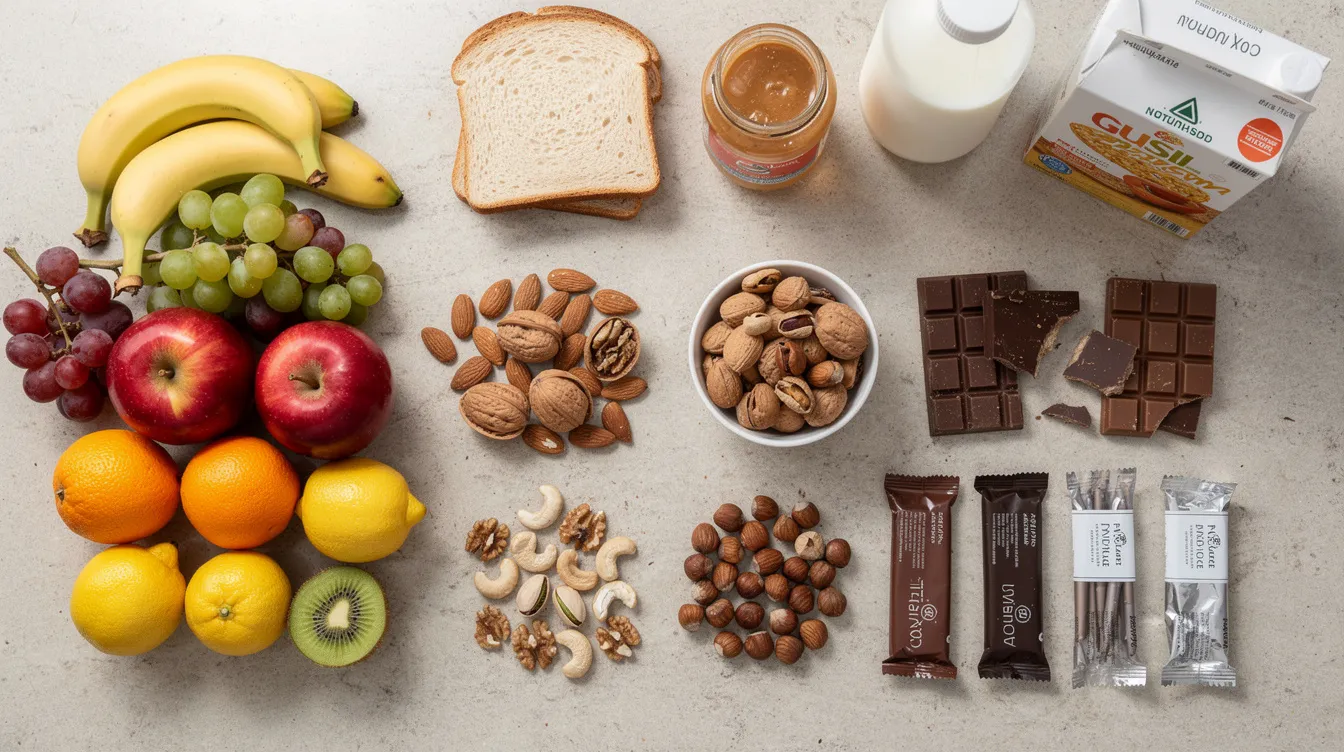
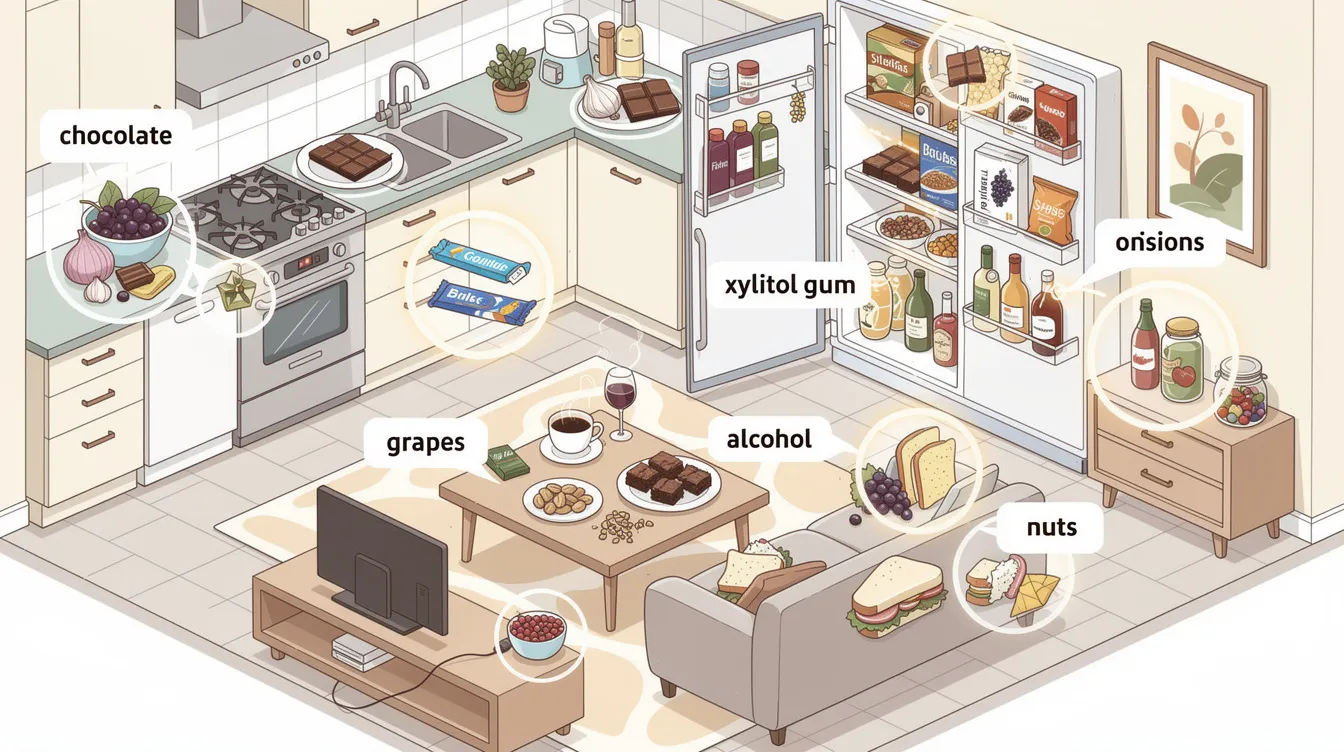
Dogs should never eat chocolate, grapes, raisins, onions, garlic, xylitol, alcohol, macadamia nuts, or cooked bones – each of these common human foods can cause serious illness, organ failure, and even death. If your pet eats any of these toxic foods, you need to contact your vet immediately, because the difference between a quick recovery and a fatal outcome often comes down to minutes.
Knowing which foods are off-limits is one of the simplest ways to prevent a health crisis, and it can save your pet from a serious medical emergency.
This guide covers the most dangerous foods for dogs found in typical households, explains how food poisoning develops in canine biology, and provides emergency response protocols every dog owner should know. It is written for dog owners who want to prevent food accidents and be prepared if accidental ingestion happens. Food toxicity is a leading cause of pet poisoning emergencies, with veterinary poison control hotlines fielding hundreds of thousands of calls each year – many of which involve everyday people foods and food products sitting on kitchen counters.
What you’ll gain from this article:
- Identification of the most dangerous toxic foods and why they harm dogs
- Recognition of food poisoning symptoms and their timelines
- Emergency response protocols for when your dog eats something dangerous
- Practical prevention strategies to dog-proof your home
- Understanding of which safe foods can replace unsafe food choices as treats
Understanding Food Toxicity in Dogs
Dogs process foods fundamentally differently than humans. Compounds that pass harmlessly through the human digestive system can accumulate to dangerous concentrations in a dog’s system, causing organ damage, metabolic collapse, or death. Understanding these differences is the foundation of keeping your dog safe from food-related emergencies.
How Dogs Process Foods Differently
The core issue is enzymatic. Dogs lack or have significantly reduced activity of specific metabolic enzymes, which means certain substances remain in their bodies far longer than in ours. The most well-known example is theobromine – the stimulant compound in chocolate. Chocolate contains theobromine, which is toxic to dogs because the half-life of theobromine in canines is approximately 17.5 hours, compared to roughly 6 hours in humans. This means the compound accumulates in the dog’s stomach and bloodstream instead of being efficiently cleared.
Size and breed matter enormously. A toxic amount of any substance is calculated relative to body weight, so smaller dogs reach dangerous plasma concentrations with far less ingested material. Breed-specific vulnerabilities add another layer – for instance, Japanese breeds like Akitas and Shibas have lower erythrocyte reduced glutathione levels, making them significantly more susceptible to red blood cell damage from onions garlic and other Allium species.
Dairy products can cause diarrhea and digestive upset in lactose intolerant dogs, which applies to most dogs since canine lactase production drops substantially after weaning. Even foods that don’t cause organ damage may still trigger gastrointestinal irritation or digestive upset that requires veterinary attention.
Types of Food Toxicity
Food toxicity in dogs falls into two critical categories that every owner should understand:
Immediate toxicity produces symptoms within minutes to hours. Xylitol, the artificial sweetener found in sugar free products, triggers rapid insulin release that can crash blood sugar within 30–60 minutes of ingestion. Alcohol can produce CNS depression, ataxia, and respiratory failure within minutes in small dogs. These emergencies demand you act immediately.
Delayed toxicity is more insidious. Grapes and raisins can cause sudden kidney failure, but clinical signs of kidney problems may not appear for 24–72 hours after ingestion. Onions can damage red blood cells, leading to anemia in dogs, but the hemolytic anemia may only become apparent 1–3 days later. This delayed presentation means a dog can appear completely fine while organ damage is already underway.
The organ systems targeted vary by substance: kidneys (grapes), liver (xylitol), red blood cells (onions), the nervous system (chocolate, macadamia nuts), and the gastrointestinal tract (alcohol, cooked bones, salty foods). Understanding which organs are at risk helps you recognize the serious symptoms that demand emergency veterinary care.
Most Dangerous Foods That Can Kill Dogs
The following foods represent the highest-risk category – substances that can cause fatal organ failure, cardiac arrest, or metabolic collapse. Every one of these requires immediate veterinary attention if your dog ingests them, regardless of the amount consumed.
Chocolate and Caffeine Products
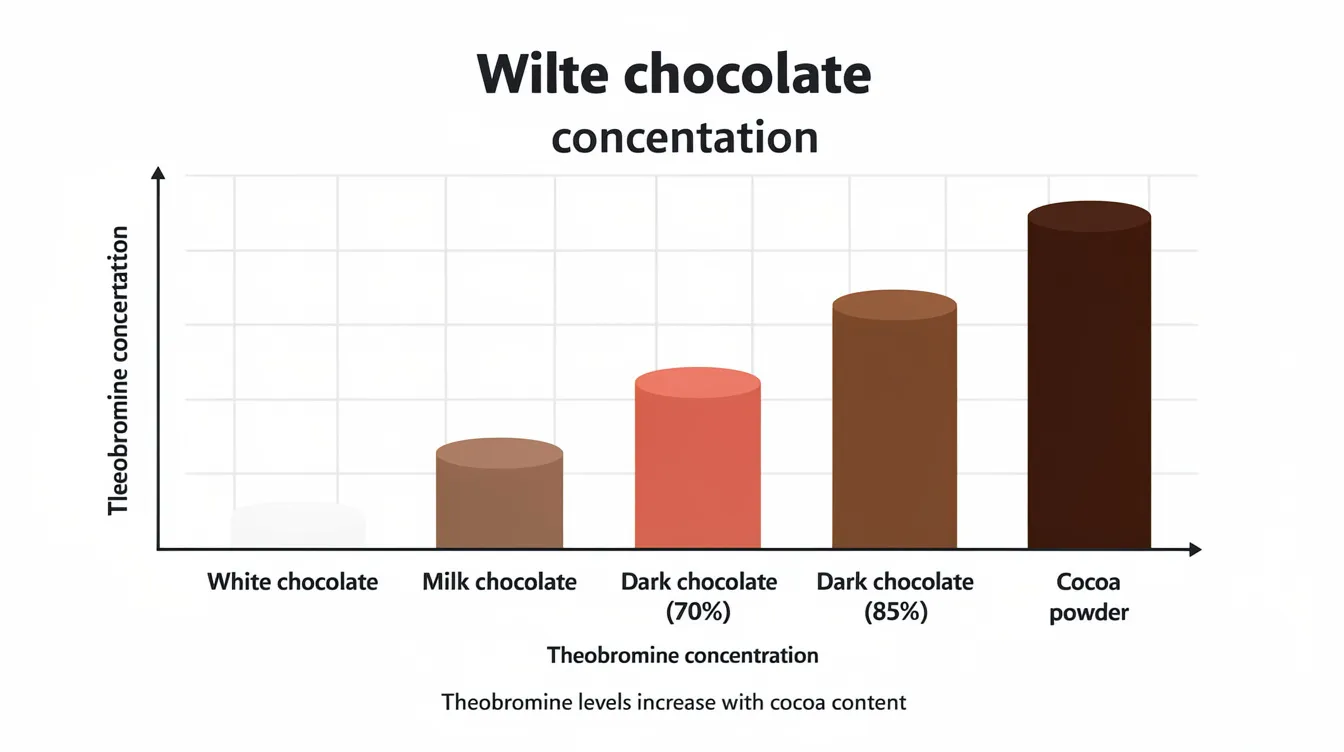
Chocolate contains theobromine, which is toxic to dogs, and chocolate can cause vomiting, seizures, and death in dogs depending on the type and quantity consumed. The danger varies dramatically by chocolate type because theobromine concentration differs enormously:
Chocolate Type | Approximate Theobromine Content | Risk Level |
|---|---|---|
White chocolate | Negligible (0.25 mg/oz) | Minimal theobromine risk |
Milk chocolate | ~44–60 mg/oz | Moderate – dangerous in quantity |
Dark chocolate | ~130–450 mg/oz | High – small amounts dangerous |
Baking chocolate | ~390–450 mg/oz | Extreme – very small amounts lethal |
Cocoa powder | ~400–737 mg/oz | Extreme – highest concentration |
Toxicity begins at approximately 90–100 mg of theobromine per kilogram of body weight. For a 10 kg (22 lb) dog, that means roughly 1.5 ounces of baking chocolate or cocoa powder could trigger serious symptoms, while it might take 8+ ounces of milk chocolate to reach the same threshold. Symptoms typically begin 4–5 hours after ingestion and progress from vomiting and restlessness to tremors, abnormal heart rhythm, seizures, and cardiac arrest.
Caffeine chocolate products, energy drinks, tea bags, and coffee grounds carry similar risks because caffeine is also a methylxanthine that dogs metabolize poorly. Avoid feeding any of these to your dog under any circumstances.
Grapes and Raisins
Grapes and raisins can cause sudden kidney failure in dogs, and what makes this toxin particularly terrifying is that the specific toxic principle remains unidentified. Tartaric acid has been proposed as the causative agent, but this has not been confirmed by research. Grapes can lead to sudden kidney failure through mechanisms science still doesn’t fully understand.
The dose-response relationship is wildly unpredictable. In a retrospective study of 139 dogs that ingested grapes or raisins, approximately 6.7% developed acute kidney injury (AKI), with one fatality. Some dogs consumed over 1 kilogram of grapes without developing symptoms, while others developed severe AKI after ingesting only a small amount – as few as 4–5 grapes in an 8.2 kg dog. There is no established safe threshold, which means every ingestion should be treated as a potential emergency.
Symptom timeline: vomiting typically appears within a few hours, but the kidney failure that makes raisins grapes truly dangerous may not manifest clinically for 24–72 hours. This delayed presentation is why immediate veterinary consultation is critical even if your dog appears fine after eating grapes. Hidden sources include baked goods, trail mixes, cereals, and fruit salads – check ingredient lists carefully.
Xylitol (Artificial Sweetener)
Xylitol can lead to liver failure and hypoglycemia in dogs through a mechanism unique to canines. In dogs only, this artificial sweetener triggers a massive, rapid insulin release from the pancreas, crashing blood sugar to dangerous levels. At higher doses, xylitol causes severe liver damage through what researchers believe may be ATP depletion or oxidative stress in hepatocytes.
The dose thresholds are alarmingly low:
- Hypoglycemia risk: begins at approximately 100 mg/kg (0.1 g/kg)
- Liver failure risk: becomes significant at approximately 500 mg/kg (0.5 g/kg)
- Even doses as low as 0.03 g/kg have been associated with low blood sugar episodes
Xylitol can cause liver failure and hypoglycemia in dogs remarkably quickly – vomiting may appear within 30–60 minutes, and hypoglycemia often follows within an hour. Liver-related signs including elevated liver enzymes, jaundice, and coagulation problems may develop 12–48 hours later.
Common products containing xylitol include chewing gum, sugar free products like candy and baked goods, some peanut butters, toothpaste, and certain medications. Only a small amount of xylitol – sometimes just a few pieces of sugar-free gum – can be fatal to a small dog. Always check labels on food products, especially those marketed as “sugar-free.”
A documented case study illustrates both the severity and potential for recovery: a 4.95 kg Chihuahua ingested 224 grams of granulated xylitol (approximately 45 g/kg). The dog developed hypoglycemia within 1–2 hours, liver enzyme elevation by 12 hours, and coagulopathy by 24 hours. Treatment with IV dextrose, N-acetylcysteine, S-adenosylmethionine, and fresh frozen plasma led to complete recovery, with normalized liver indices confirmed at 7-month follow-up. This case demonstrates that even massive doses can be survivable with aggressive early treatment.
Onions, Garlic, and Chives
Onions and garlic can damage red blood cells in dogs through organosulfoxide compounds – primarily N-propyl disulfide – that generate oxidative stress within erythrocytes. This oxidative damage causes the formation of Heinz bodies and methemoglobinemia, leading to hemolytic anemia as damaged red blood cells are destroyed faster than the body can replace them. Onions can damage red blood cells, leading to anemia in dogs that can become life-threatening.
The toxic dose for onions is approximately 15–30 grams per kilogram of body weight, though the exact threshold varies by dog size and individual sensitivity. Garlic is considered somewhat more toxic on a per-gram basis. All forms are dangerous: raw, cooked, powdered, dehydrated, and as ingredients in soups, sauces, baby food, and seasoning blends. The cumulative nature of this toxicity is particularly dangerous – repeated small amounts of garlic and chives in table scraps can build up to cause red blood cell damage over time.
Gastrointestinal signs appear within hours of ingestion, but the hallmark anemia – characterized by pale gums, weakness, elevated heart and respiratory rate, excessive thirst, and sometimes dark-colored urine – typically develops 1–3 days later. Breeds with genetic variations in red blood cell glutathione systems, including Akitas and Shiba Inus, are at heightened risk.
Additional Harmful Foods and Substances
Beyond the most lethal toxins, several other common human foods and substances pose serious harm to dogs. While these may not always be fatal, they can cause significant suffering, hospitalization, and long-term health consequences. Prevention and immediate veterinary consultation remain essential.
Emergency Response Procedures
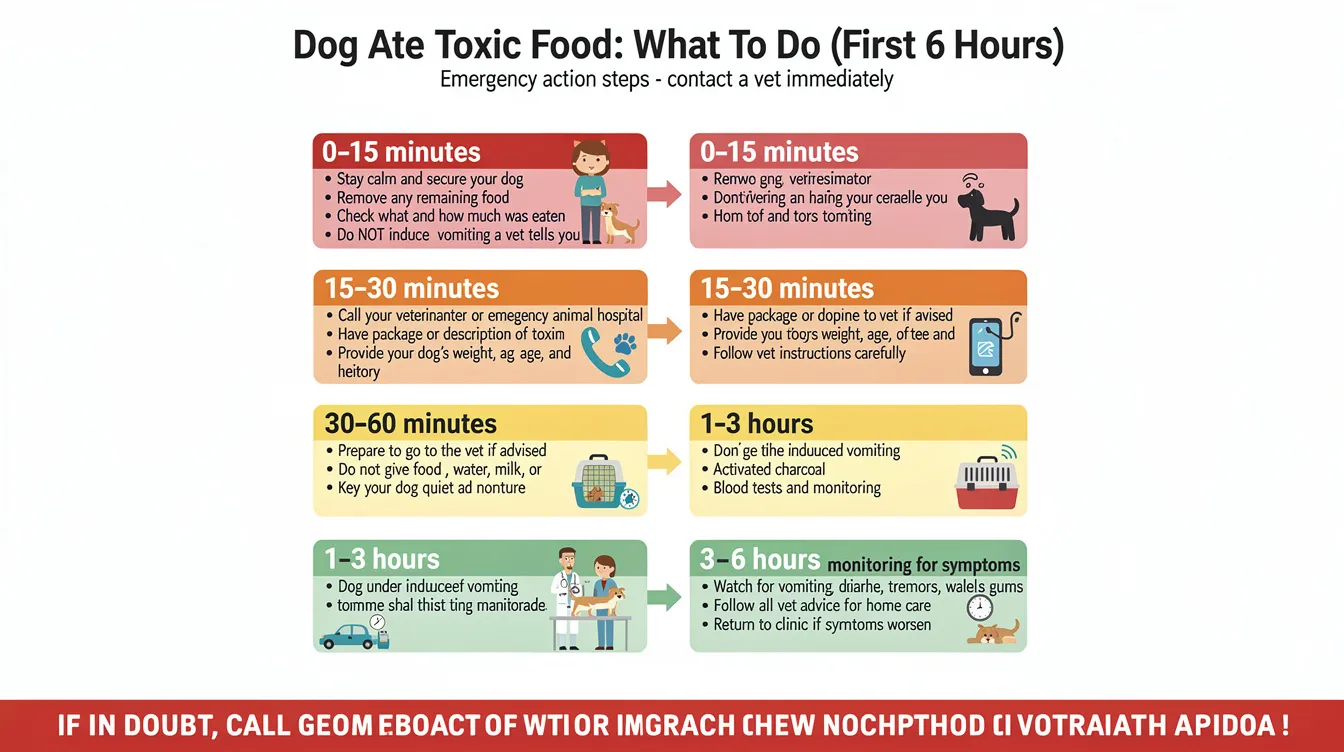
When your dog eats a known toxic food, follow these steps:
- Stay calm and assess the situation. Identify exactly what your pet eats, approximately how much, and when the ingestion occurred. Save packaging or take a photo of the label.
- Contact your veterinary team immediately. Call your veterinarian, an emergency veterinary hospital, or the ASPCA Animal Poison Control Center. Provide the dog’s weight, the substance, estimated amount, and time of ingestion.
- Do not induce vomiting unless specifically directed by a veterinarian. Inducing vomiting can be dangerous with caustic substances or if the dog is already showing neurological signs like difficulty breathing, tremors, or loss of consciousness. Vomiting induction is generally only considered safe within 1–2 hours of ingestion for most toxins.
- Transport to a veterinary clinic. Bring any remaining product, packaging, or vomitus samples. Time is critical – early decontamination and treatment dramatically improve outcomes.
Immediate veterinary assistance is recommended if a dog eats toxic foods, even if the dog appears fine initially. Many toxins have delayed effects – a dog that seems normal after eating grapes or xylitol may be developing organ damage that becomes irreversible without treatment.
It is crucial to keep toxic foods out of reach of dogs at all times. Dr. Roger Hart recommends that every dog owner keep emergency contact numbers – including their primary vet, nearest 24-hour emergency clinic, and the ASPCA Poison Control hotline – posted on the refrigerator and saved in their phone.
Moderately Dangerous Foods Comparison
The following foods and substances cause serious symptoms and require veterinary attention, though they may have slightly lower fatality rates than the toxins above:
Substance | Primary Risk | Symptoms | Onset | Treatment Urgency |
|---|---|---|---|---|
Alcohol / alcoholic beverages | CNS depression, metabolic acidosis | Ataxia, vomiting, hypothermia, coma | Minutes to hours | Immediate – lethal dose 5.5–7.9 g/kg ethanol |
Macadamia nuts | Nervous system / muscle toxicity | Weakness, tremors, hyperthermia, vomiting | 3–12 hours | Urgent – usually resolves 24–48 hours |
Cooked bones | Intestinal blockage, perforation | Choking, vomiting, bloody stool, lethargy | Minutes to hours | Immediate if signs of obstruction |
Yeast dough / bread dough | Gastric expansion, ethanol production | Bloating, pain, disorientation | 30 min–2 hours | Urgent – stomach expansion can be fatal |
Avocado | Persin toxicity | Vomiting, diarrhea | Hours | Moderate – usually self-limiting |
Raw eggs | Salmonella/E. coli, biotin depletion | Vomiting, diarrhea, skin and coat problems | Hours to days | Moderate – severe in immunocompromised dogs |
Salty foods | Salt toxicity / sodium poisoning | Excessive thirst, vomiting, tremors, high blood pressure | Hours | Urgent if too much salt consumed |
Alcohol can lead to coma and death in dogs – the lethal dose is estimated at just 5.5–7.9 g/kg of 100% ethanol, meaning small dogs are at extreme risk from even small amounts of alcoholic beverages, rum-soaked desserts, or unbaked bread dough (which produces ethanol as yeast ferments).
Macadamia nuts can cause vomiting and tremors in dogs, with clinical signs documented at approximately 2.4 g/kg. Macadamia nuts can cause weakness and vomiting in dogs that typically resolves within 24–48 hours with supportive care, though severe cases may develop pancreatitis.
Cooked bones can splinter and cause internal injuries, including lacerations to the gastrointestinal tract and intestinal blockage. Raw meat carries bacterial contamination risks. Yeast dough can expand in the stomach causing pain and bloating, and the fermentation process produces ethanol that enters the dog’s system.
Salty foods can cause sodium poisoning in dogs when consumed in excess. Moldy foods can contain mycotoxins that affect the nervous system, causing tremors and seizures. Fruit pits like cherries and apples contain cyanide which is toxic to dogs. Avocado contains persin which can cause vomiting and diarrhea in dogs. Even coconut oil, while generally considered safer, can cause gastrointestinal irritation if given in excess. Essential oils are another emerging concern, as many are toxic when ingested or even inhaled by dogs.
Common Challenges in Food Poisoning Prevention
Even the most careful dog owners face situations where food accidents happen. Understanding the most common scenarios helps you prevent them.
Recognizing Early Symptoms
The earlier you recognize serious symptoms of food poisoning, the better the prognosis. Watch for these warning signs:
Digestive symptoms: Vomiting, diarrhea, loss of appetite, drooling, and abdominal pain are often the first signs. While digestive upset can result from many causes — see our guide on when a dog keeps throwing up for a broader look at persistent vomiting — these symptoms combined with known or suspected access to toxic foods warrant immediate veterinary contact.
Neurological signs: Tremors, seizures, weakness in the hind legs, disorientation, and difficulty breathing indicate nervous system involvement and represent a true emergency. These are particularly associated with chocolate, macadamia nut, alcohol, and xylitol ingestion.
Hematological and metabolic signs: Pale gums suggest anemia from red blood cell damage (Allium species). Excessive thirst and decreased urination may indicate kidney failure (grapes). Jaundice (yellowing of gums, ears, or whites of eyes) signals liver failure (xylitol). Abnormal heart rhythm can occur with chocolate toxicity.
Most dogs will show at least one of these symptom categories if they’ve ingested a meaningful toxic amount. However, the absence of immediate symptoms does not mean safety – delayed toxicity from grapes, onions, and xylitol means monitoring should continue for 72 hours.
Holiday and Special Occasion Risks
Holidays consistently produce spikes in food poisoning emergencies at veterinary clinics. Halloween brings chocolate in abundance – baking chocolate, dark chocolate, and milk chocolate in trick-or-treat bags left within reach. Christmas and holiday meals introduce turkey bones (which splinter like all cooked bones), alcoholic desserts, bread dough rising on counters, and dishes seasoned heavily with onions garlic.
During parties and gatherings, well-meaning guests often feed dogs table scraps containing unsafe food ingredients. Establish a clear rule: no one feeds the dog without checking with you first. Avoid feeding any people foods from the table during celebrations.
Childproofing vs. Dog-Proofing
Children and dogs create a particularly challenging combination for food safety. Toddlers drop food constantly, carry snacks at dog-mouth height, and don’t understand which foods harm dogs. Storage solutions should account for both: sealed containers in upper cabinets, child-proof locks on lower cabinets where chocolate or sugar-free gum might be stored, and clear communication with older children about which avoid foods for dogs and why.
Train all family members – and brief all guests – that the following items must never be accessible: chocolate in any form, raisins or grapes, chewing gum or any sugar free products, onions and garlic in any preparation, alcoholic beverages, and macadamia nuts.
Conclusion and Next Steps
The most critical takeaway is straightforward: chocolate, grapes and raisins, xylitol, onions garlic, macadamia nuts, alcohol, cooked bones, and knowing what should dogs not eat should never be accessible to your dog.
Your immediate action steps:
- Conduct a household food audit today. Walk through your kitchen, pantry, purses, backpacks, and low cabinets. Identify and secure every item on the toxic foods list above.
- Create an emergency contact card. Include your primary veterinarian, nearest 24-hour emergency clinic, and the ASPCA Animal Poison Control Center number. Post it on the refrigerator and save all numbers in your phone.
- Educate your household. Share this guide with every family member, roommate, pet sitter, and regular visitor. The most common food accidents happen when someone who doesn’t know the risks offers a seemingly harmless treat.
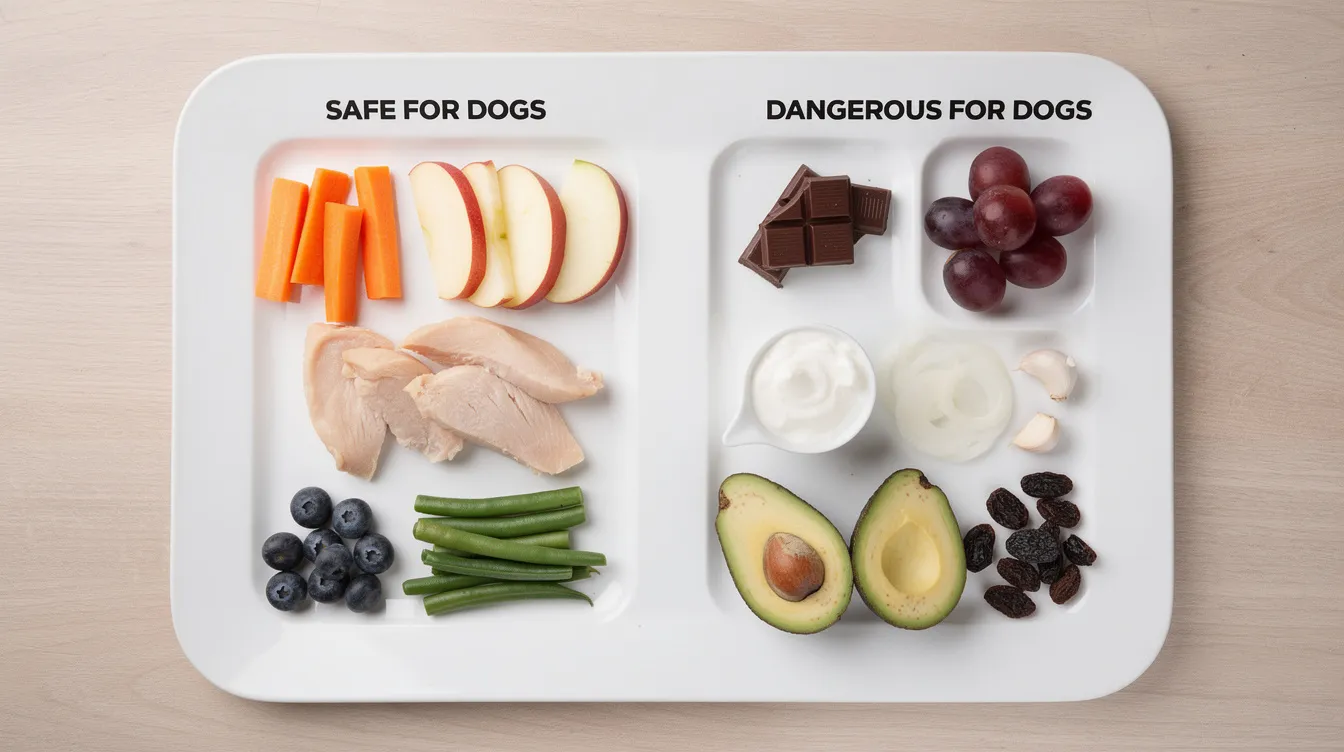
- Stock safe treat alternatives. Cooked eggs (plain, no seasoning), plain cooked chicken, apple slices (without seeds or core), banana, carrots, and blueberries are among the safe foods most dogs enjoy. Choose peanut butters that are specifically xylitol-free. Consult your veterinary team about appropriate portions.
For further reading, explore topics on balanced dog nutrition, emergency first aid for pets, and how to choose commercially prepared treats that avoid harmful additives.
Frequently Asked Questions About Toxic Foods for Dogs
Can dogs eat chocolate at all? No. Dogs should never eat any amount of chocolate. While white chocolate contains negligible theobromine, it still contains fats and sugars that cause gastrointestinal irritation. Dark chocolate, baking chocolate, and cocoa powder are the most dangerous – chocolate contains theobromine, which is toxic to dogs, and even small amounts of concentrated chocolate can trigger seizures, abnormal heart rhythm, and death. The only safe approach is complete avoidance.
How much xylitol is dangerous? Any amount warrants concern. Hypoglycemia can begin at doses as low as 100 mg/kg, and liver failure risk increases significantly at 500 mg/kg. A single piece of sugar-free chewing gum can contain 300–1,500 mg of xylitol – potentially a lethal dose for a small dog. If your dog ingests any product containing this artificial sweetener, contact your vet immediately regardless of the amount.
What should I do if my dog ate grapes? Contact your veterinarian or an emergency clinic right away, even if your dog shows no symptoms. Grapes and raisins can cause kidney failure in dogs, and the toxic threshold is completely unpredictable – some dogs become critically ill from just a few grapes. Early decontamination (which may include induced vomiting if within 1–2 hours) correlated with fewer cases of acute kidney injury in clinical studies. Do not wait for symptoms to appear.
Are cooked onions safe for dogs? No. All forms of onions are dangerous – raw, cooked, powdered, dehydrated, or as ingredients in prepared foods. The organosulfoxide compounds that damage red blood cells persist through cooking and drying processes. Garlic and chives carry the same risks. Even small amounts consumed repeatedly can cause cumulative red blood cell damage.
Can small amounts of alcohol hurt my dog? Yes. Alcohol can lead to coma and death in dogs, and the lethal dose (5.5–7.9 g/kg of pure ethanol) means even a few tablespoons of hard liquor could endanger a small dog. Alcoholic beverages, rum cakes, unbaked yeast dough (which produces ethanol during fermentation), and foods cooked with alcohol all pose risks. There is no safe amount of alcohol for dogs.
What are safe treat alternatives? Vet-approved safe foods include plain cooked chicken or turkey (boneless), cooked eggs without seasoning, carrot sticks, apple slices (seeds removed – fruit pits like cherries and apples contain cyanide which is toxic to dogs), blueberries, banana slices, plain cooked sweet potato, and watermelon (seedless). Always avoid feeding grapes, raisins, onions, chocolate, and anything containing xylitol. Introduce new foods gradually to avoid digestive upset.
How quickly do symptoms appear? The timeline varies significantly by toxic food type. Xylitol can cause low blood sugar within 30–60 minutes. Chocolate symptoms typically appear 4–5 hours after ingestion. Macadamia nuts produce signs within 3–12 hours. Onion and garlic-related anemia may take 1–3 days to become clinically apparent. Grape-related kidney failure can take 24–72 hours to manifest. This variability is why you should never wait for symptoms before seeking veterinary help.
Should I make my dog vomit? Only under direct veterinary guidance. While induced vomiting can be life-saving when performed appropriately within the first 1–2 hours after ingestion, it can be dangerous or ineffective in certain situations – particularly if the dog is already showing neurological signs, is unconscious, has ingested caustic substances, or if significant time has passed. Call your veterinary team first and follow their specific instructions.
Additional Resources
Emergency Contacts:
- ASPCA Animal Poison Control Center: (888) 426-4435 (consultation fee applies)
- Pet Poison Helpline: (855) 764-7661
Dr. Roger Hart’s recommended pet first aid supplies:
- Hydrogen peroxide 3% (for veterinarian-directed vomiting induction only)
- Digital thermometer
- Emergency contact card with vet numbers
- Disposable gloves and a muzzle (injured dogs may bite)
- Syringes (no needles) for administering fluids
Quick Reference – Foods to Always Avoid: Chocolate (especially dark chocolate, baking chocolate, cocoa powder) • Grapes and raisins • Xylitol / sugar free products • Onions, garlic, leeks, chives • Macadamia nuts • Alcohol • Cooked bones • Yeast dough • Raw eggs (Salmonella risk) • Salty foods in excess • Moldy foods • Fruit pits and seeds • Avocado
Article reviewed by Dr. Roger Hart, DVM, an experienced companion-animal veterinarian in Central Florida.
Citations:
- Finlay, F., & Guiton, S. “Theobromine toxicity and methylxanthine metabolism in dogs.” ScienceDirect – Agricultural and Biological Sciences, 2005.
- Cortinovis, C., & Caloni, F. “Epidemiology of Allium species toxicosis in dogs and cats.” Frontiers in Veterinary Science, 3:26, 2016.
- Schmid, R.D., & Hovda, L.R. “Acute hepatic failure in a dog after xylitol ingestion.” Journal of Medical Toxicology, 12(2):201–205, 2016.
- Schweighauser, A., et al. “Toxicosis with grapes or raisins causing acute kidney injury and neurological signs in dogs.” Journal of Veterinary Internal Medicine, 34(5):1957–1966, 2020.
- Hansen, S.R. “Macadamia nut toxicosis in dogs.” MSD Veterinary Manual – Toxicology: Food Hazards, updated 2024.