Can Dogs Eat Garlic or Onions? A Veterinarian’s Complete Safety Guide

Introduction Dogs cannot safely eat garlic or onions in any amount, form, or preparation. Onions and garlic belong to the Allium family and are toxic to dogs, causing oxidative damage…

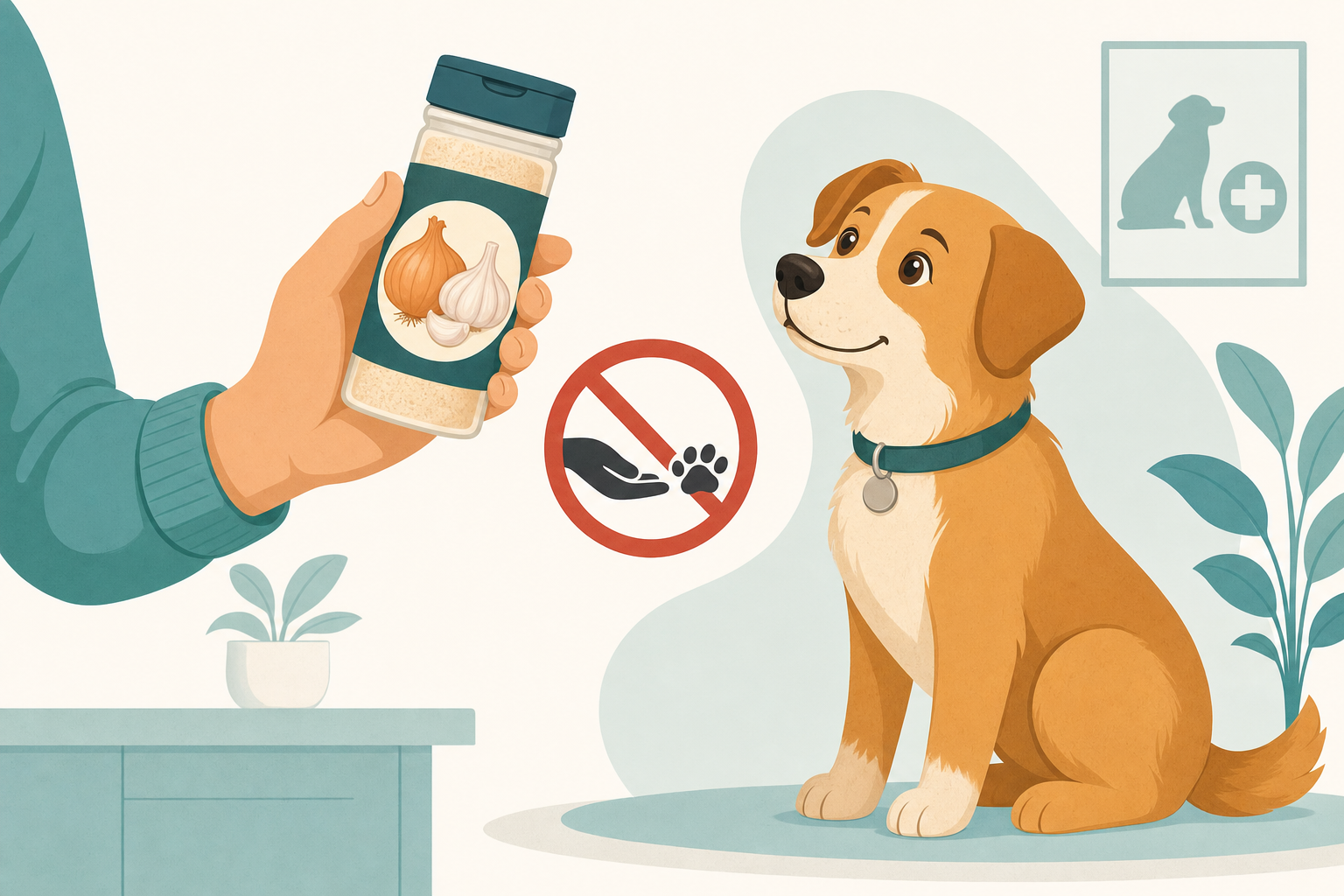
Dog observing various spice containers.

Introduction

Dogs cannot safely eat garlic or onions in any amount, form, or preparation. Onions and garlic belong to the Allium family and are toxic to dogs, causing oxidative damage to red blood cells that can progress to life-threatening hemolytic anemia. Whether raw, cooked, powdered, or dried, these common kitchen ingredients pose a serious risk to every dog regardless of size or breed. Understanding onion and garlic toxicity dogs is crucial for every pet owner. The risk of onion and garlic toxicity dogs increases with any consumption of these ingredients.

This guide covers everything pet owners need to know about allium toxicity in dogs-from the science behind why these plants are dangerous, to recognizing symptoms, executing an emergency response, understanding veterinary treatment, and preventing accidental exposure. Whether you’re here because your dog has eaten onions or garlic and you need immediate guidance, or you’re proactively educating yourself on toxic foods, this resource provides comprehensive, veterinarian-reviewed information.

It’s essential to understand that onion and garlic toxicity dogs can lead to severe health issues. Pet owners should be aware of the symptoms and risks associated with these toxic substances to ensure the safety of their pets.

Being informed about onion and garlic toxicity dogs enables pet owners to act swiftly and protect their furry friends from potential harm.

The direct answer: Both garlic and onions are toxic to dogs and can cause life-threatening anemia. Garlic is generally considered 3 to 5 times more toxic than onions. No amount of any allium plant is considered safe for canine consumption, and early treatment can reduce serious complications from onion toxicity.

After reading this guide, you will understand:

  • Why allium plants damage a dog’s red blood cells at the molecular level
  • How to recognize the common signs of garlic poisoning and onion toxicity across their full timeline
  • Exactly what to do in the critical first hours after your dog eats onions or garlic
  • What veterinary treatment involves and what recovery looks like
  • How to prevent accidental allium exposure in your home, kitchen, and yard

Understanding Allium Family Toxicity in Dogs

The allium family includes some of the most widely used cooking ingredients in the world-and every member of this plant group is dangerous to dogs. Understanding why these plants are toxic, which varieties to watch for, and which dogs face the highest risk gives you the foundational knowledge to protect your pet.

The Science Behind Allium Toxicity

Onions contain N-propyl disulfide, which is toxic to dogs. Along with other organosulfur compounds including thiosulfates and allicin (particularly concentrated in garlic), these substances are released when the plant is crushed, chopped, chewed, or cooked. Dogs lack necessary enzymes to safely break down compounds in onions and garlic, which means these toxic agents accumulate in the body and attack red blood cells directly.

The mechanism works through oxidative damage: the toxic compounds oxidize the membranes of a dog’s red blood cells, forming structures called Heinz bodies-abnormal inclusions that mark the cell for premature destruction. This process also creates methemoglobin, a form of hemoglobin that cannot carry oxygen effectively. As damaged red blood cells are destroyed faster than the body can replace them, hemolytic anemia develops-a condition where the dog’s body simply cannot deliver enough oxygen to its tissues and organs.

Recognizing onion and garlic toxicity dogs is vital for pet owners, as early detection can make a significant difference in treatment outcomes.

Peak biochemical changes typically appear around 24 hours post-ingestion, but clinical hemolysis often peaks at 72 hours, and visible signs of anemia can take 3 to 5 days to fully manifest (Merck Veterinary Manual, 2024).

Awareness of onion and garlic toxicity dogs can lead to better preventative measures in households with pets.

The image shows a microscopic view comparing normal healthy red blood cells, which appear round and uniform, to damaged red blood cells that exhibit Heinz body formations, indicating potential issues like onion toxicity in dogs. The presence of these damaged cells can lead to serious complications, highlighting the importance of pet owners being aware of what foods, like onions and garlic, can harm their dogs.

All Toxic Allium Varieties

Every plant in the allium family is toxic to dogs. The complete list includes shallots, leeks, chives, scallions, and spring onions in addition to standard onions and garlic. All parts of the onion plant are harmful to dogs-bulb, leaves, juice, and even processed forms.

Critically, both raw and cooked forms of onions and garlic are toxic to dogs. Cooking does not neutralize the toxic compounds. In fact, dehydrated and powdered forms can be even more dangerous because the concentration of toxins per gram increases dramatically. One teaspoon of garlic powder can be equivalent to approximately eight cloves of fresh garlic in toxic potential (VCA Animal Hospitals). This makes onion powder and garlic powder among the most dangerous forms, as small quantities pack an outsized toxic punch.

All pet owners should familiarize themselves with the dangers of onion and garlic toxicity dogs to avoid accidental exposure.

Preventing onion and garlic toxicity dogs should be a priority for anyone with a canine companion.

The image displays a variety of allium plants including whole onions, garlic bulbs, leeks, chives, shallots, and spring onions neatly arranged on a kitchen surface. This visual comparison highlights the different types of onions and garlic, which are known to be toxic to dogs, potentially leading to serious complications such as red blood cell damage.

Breed Susceptibility Differences

Understanding breed susceptibility can help mitigate the risks associated with onion and garlic toxicity dogs.

While onions and garlic are toxic to all dogs, certain breeds face elevated risk. Japanese breeds such as Akitas and Shiba Inus are known to be more sensitive to allium toxicity, likely due to differences in their red blood cell antioxidant defense systems, including variations in glutathione pathways.

Beyond breed, individual factors significantly affect toxicity thresholds. Dogs with pre-existing anemia, liver disease, or antioxidant deficiencies face greater risk from smaller amounts. Puppies and elderly dogs may also be more vulnerable. A dog’s body weight matters enormously-a toxic amount of onion is approximately 0.5% of a dog’s body weight, meaning a 10-pound dog can be affected by as little as 0.8 oz of onion. Smaller dogs are therefore at disproportionate risk from amounts that might seem trivial.

In one documented case, a 20 kg mixed-breed dog died after ingesting approximately 16 grams of fresh garlic-an amount that fell below previously reported toxic dose thresholds for that body weight, highlighting how individual susceptibility can make any exposure potentially fatal (PMC, 2026).

Recognizing the symptoms quickly is the next critical step in protecting your dog.

Recognizing Signs and Symptoms of Allium Toxicity

It is essential to be aware of the signs of onion and garlic toxicity dogs to ensure a prompt response.

Knowing what to look for-and understanding that symptoms can be delayed-is essential for early intervention. Symptoms of onion and garlic poisoning include vomiting, diarrhea, and lethargy, but the most dangerous effects develop gradually. Symptoms can start within 24 hours after ingestion, yet signs of anemia may take 2 to 5 days to appear after ingestion. This delayed onset is one of the most dangerous aspects of allium toxicity because pet owners may assume their dog is fine when damage is already progressing internally.

Immediate Gastrointestinal Signs

Vomiting and diarrhea can occur soon after ingestion-often within the first few hours. These are typically the earliest common signs that something is wrong. Additional immediate symptoms include:

  • Drooling and nausea
  • Abdominal pain and discomfort
  • Loss of appetite (anorexia)
  • Oral irritation, especially from raw garlic or onion

These gastrointestinal symptoms may be the only visible indicators in the first 24 hours. Some dogs, particularly those that have eaten small quantities, may show only mild digestive upset that owners might dismiss as a minor stomach issue.

A distressed dog is lying on a living room floor, exhibiting symptoms such as drooling and a hunched posture, which may indicate potential onion toxicity. Pet owners should be aware that onions and garlic are toxic to dogs, as they can damage red blood cells and lead to serious health complications.

Progressive Anemia Symptoms

As the oxidative damage to red blood cells progresses over 1 to 5 days, signs of anemia become apparent. Signs of anemia include weakness and labored breathing. Watch for:

  • Pale gums: Check your dog’s gum color-healthy gums are pink, while anemic gums appear white or very pale
  • Weakness and exercise intolerance: Your dog may struggle with normal activities
  • Increased heart rate and increased respiratory rate: The body compensates for reduced oxygen delivery. Symptoms may include elevated heart rate and panting
  • Lethargy and collapse: As anemia worsens, the dog’s body cannot maintain normal function
  • Dark or red-colored urine (hemoglobinuria): Dark urine may indicate red blood cell damage during onion and garlic poisoning

These signs indicate that a significant number of the dog’s red blood cells have been destroyed, and the remaining cells cannot adequately carry oxygen throughout the dog’s body.

The image shows a close-up comparison of a healthy dog's pink gums alongside the pale white gums of an anemic dog, placed on a veterinary examination table. This visual highlights the importance of monitoring dogs' health, especially concerning the risks of onion toxicity, which can damage red blood cells and lead to serious complications if not treated early.

Severe Complications

In severe cases, the cascade of red blood cell destruction can trigger secondary organ damage. Hemoglobin released from destroyed cells can damage the kidneys, leading to acute kidney injury. Eating significant amounts of garlic or onions can lead to severe organ failure or death.

In the fatal garlic toxicosis case documented in veterinary literature, necropsy revealed systemic vascular injury, lung hyperemia, splenic hemorrhages, renal damage, and hepatic changes-all consequences of profound oxygen deprivation from massive red blood cell damage (PMC, 2026).

Symptoms can be delayed; do not wait to seek help. Even if your dog appears fine after eating onions or garlic, the most dangerous phase may still be ahead.

Immediate Response Protocol When Dogs Eat Alliums

Time is your most valuable asset when responding to allium ingestion. Because the oxidative damage may not become clinically visible for 24 to 72 hours, early intervention-particularly gastrointestinal decontamination-can significantly reduce severity and improve outcomes.

Step-by-Step Emergency Actions

Being prepared for onion and garlic toxicity dogs can save your pet’s life in an emergency.

If your dog has eaten onions, garlic, or any allium plant, follow this protocol immediately:

  1. Secure remaining allium sources – Remove any leftover garlic, onions, powdered seasonings, or food containing alliums from your dog’s reach to prevent further ingestion
  2. Note the time and estimate the amount consumed – Record when ingestion occurred and try to determine how much onion or garlic was eaten, including the form (raw, cooked onions, onion powder, garlic powder, etc.)
  3. Contact your veterinarian or emergency veterinary services immediately – Contact your vet immediately if your dog eats onions. Do not wait for symptoms to develop
  4. Do NOT induce vomiting unless directed by a veterinarian – While emesis can be helpful when performed by veterinary professionals shortly after ingestion, inducing vomiting at home without professional guidance can cause additional harm
  5. Monitor for symptom development – While arranging veterinary care, watch for vomiting, drooling, weakness, or changes in gum color

Information to Gather for Veterinary Team

Having precise information ready when you contact your vet allows them to make faster, more accurate treatment decisions. Gather the following:

Information Type

Specific Details Needed

Why It Matters

Allium Type

Onion, garlic, powder, fresh

Concentration varies toxicity risk

Amount Consumed

Estimated weight or volume

Determines treatment intensity

Time of Ingestion

Exact time if known

Affects treatment options

Dog’s Weight

Current body weight

Calculates toxicity threshold

Current Symptoms

Any signs observed

Indicates progression severity

Additionally, note your dog’s breed (especially if they are Japanese breeds like Akitas or Shiba Inus) and any pre-existing health conditions. The difference between “my dog ate some garlic” and “my 15-pound Shiba Inu ate approximately two cloves of fresh garlic 30 minutes ago” gives your veterinarian dramatically better information to work with.

Understanding what happens once you reach the veterinary clinic can help reduce anxiety and prepare you for the treatment process.

Veterinary Treatment and Recovery Process

Veterinary treatment for allium toxicity follows a systematic approach that progresses from decontamination through supportive care, with the intensity of intervention determined by the amount consumed, the dog’s weight, breed, and how quickly treatment begins. Early treatment can reduce serious complications from onion toxicity significantly.

Diagnostic Procedures

Your veterinarian will typically begin with several key diagnostic tests:

  • Complete blood count (CBC): Assesses red blood cell levels, hematocrit, and packed cell volume to quantify anemia severity
  • Blood smear examination: Identifies Heinz bodies and eccentrocytes-direct evidence of oxidative red blood cell damage
  • Blood chemistry panel: Evaluates kidney and liver function, which can be affected by hemolysis and oxygen deprivation
  • Urinalysis: Checks for hemoglobinuria (hemoglobin in urine), which indicates significant red blood cell destruction and potential kidney stress
  • Methemoglobin measurement: Quantifies the percentage of hemoglobin unable to carry oxygen

Blood work results guide every subsequent treatment decision, and repeat testing over a few days helps track whether the dog is improving or deteriorating.

The image depicts a microscopic view of a veterinary blood smear, highlighting dark Heinz bodies as inclusions within pale red blood cells. This condition can indicate red blood cell damage, often associated with the ingestion of toxic substances like onions or garlic, which can be harmful to dogs.

Treatment Options and Protocols

Treatment approaches depend on timing and severity:

For recent ingestion (within a few hours):

  • Induced vomiting: When appropriate and safe, the veterinarian may administer emetic agents to remove undigested allium material from the stomach
  • Activated charcoal: May be given to bind remaining toxins in the gastrointestinal tract and reduce absorption

For progressing or confirmed toxicity:

  • IV fluid therapy: Maintains hydration, supports kidney perfusion, and helps flush hemoglobin from the kidneys
  • Oxygen supplementation: For dogs showing respiratory distress or significant oxygen deprivation
  • Blood transfusion: In severe cases where anemia becomes life-threatening, transfusion restores red blood cell mass and oxygen-carrying capacity
  • Antioxidant support: Some veterinarians may administer medications to help counteract ongoing oxidative damage

Recovery Timeline and Monitoring

Most dogs recover fully from allium toxicity when caught early and treated appropriately. Here’s what the typical recovery process looks like:

  • Mild cases: Dogs may recover within a few days with supportive care, showing gradual improvement in appetite, energy, and gastrointestinal function
  • Moderate cases: Hemolysis may peak around 72 hours post-ingestion, with full recovery taking 1 to 2 weeks as the body regenerates red blood cells
  • Severe cases: Recovery can extend beyond two weeks, with ongoing monitoring for kidney function and potential complications

Follow-up blood work-including CBC and chemistry panels-should be repeated at intervals determined by your veterinarian to confirm that red blood cell counts are recovering and organ function remains stable. Home monitoring instructions typically include watching for recurrence of pale gums, dark urine, lethargy, or decreased appetite.

In a documented case, a 2.5 kg Yorkshire Terrier that ate meat prepared with onion three days earlier presented with anorexia, weakness, and vomiting. Hemolytic anemia was diagnosed with dark urine present. With supportive therapy including fluids and antiemetics, the dog made a full recovery (ISHS, case report).

Prevention Strategies and Common Mistakes

Prevention is always more effective-and far less costly-than treatment. Many allium exposures are entirely preventable through consistent kitchen habits, awareness of hidden sources, and outdoor vigilance.

Kitchen Safety Protocols

The kitchen is the most common site of accidental allium exposure. Implement these practices:

  • Store all allium vegetables and seasonings in closed, secured cabinets that your dog cannot access-not on countertops or in open pantries
  • Clean up cooking scraps immediately: Onion skins, garlic peels, chopping board residue, and splattered sauces can all be sources of exposure
  • Use pet-proof trash bins: Discarded onion ends, garlic cloves, and seasoned food scraps in accessible garbage are a common pathway for ingestion
  • Educate all family members: Everyone in the household should understand that feeding dogs any food containing onions and garlic is dangerous-not a healthy treat
  • Never share seasoned human food: Most dogs will eagerly eat whatever is offered, and many human dishes contain allium ingredients

Hidden Allium Sources

Many pet owners don’t realize how many common foods contain concentrated allium compounds. Be vigilant about:

  • Baby food: Many baby food products contain onion or garlic powder as flavoring agents
  • Seasoning blends and spice mixes: Garlic powder and onion powder are staples in most seasoning products
  • Gravies, sauces, and soup mixes: Onion soup mix and similar products contain highly concentrated allium compounds
  • Restaurant leftovers and takeout: You often cannot verify whether onions or garlic were used in preparation
  • Pre-made meals and frozen dinners: Check ingredient labels for any mention of onion, garlic, chive, shallot, or leek
  • Seasoned meats: Marinades, rubs, and cooking preparations frequently include allium ingredients-even an onion casserole or garlic-rubbed roast can be dangerous

As a rule, any dog food or treat should be specifically formulated for dogs. If you’re unsure whether a food contains allium ingredients, don’t offer it.

The image depicts a kitchen counter cluttered with common hidden sources of allium toxicity, such as seasoning bottles, soup mix packets, baby food jars, and takeout containers, while a curious dog stands nearby. Pet owners should be cautious, as foods like onions and garlic can be toxic to dogs, potentially damaging their red blood cells and leading to serious complications.

Garden and Outdoor Hazards

Allium exposure isn’t limited to the kitchen:

  • Wild allium species: Onion grass and wild garlic grow in many yards and along walking paths. Learn to identify the onion plant varieties in your region
  • Compost piles: Vegetable scraps including onion and garlic remnants in compost are accessible to curious dogs
  • Neighboring gardens: If your dog roams or has access to neighboring properties, be aware that ornamental alliums and vegetable gardens may contain these plants
  • Community gardens and parks: Unfenced garden plots may contain allium plants within reach

Conclusion and Next Steps

Garlic and onions are unequivocally toxic to dogs in every form-raw, cooked, powdered, and dried. The toxic compounds damage red blood cells through oxidative destruction, and because symptoms may take 1 to 5 days to appear, the absence of immediate signs does not mean your dog is safe. There is no safe amount, and garlic is 3 to 5 times more potent than onions. A zero-tolerance approach is the only responsible strategy.

Take these immediate actions to protect your dog:

  1. Audit your kitchen and home for accessible allium sources-move all onions, garlic, and seasoning powders to secure, closed cabinets
  2. Educate your entire household about allium toxicity so that no family member or guest inadvertently shares dangerous food with your dog
  3. Save your veterinarian’s emergency contact number and the ASPCA Animal Poison Control Center number in your phone for immediate access
  4. Check your yard and garden for wild allium plants and secure compost bins
  5. If your dog has eaten any allium, contact your veterinarian immediately-do not wait for symptoms

Understanding other common foods that are toxic to dogs, establishing a general poisoning response plan, and maintaining an up-to-date relationship with your veterinary team are valuable next steps in keeping your pets safe.

Frequently Asked Questions

Will a tiny amount of garlic hurt my dog?

Even small quantities may not produce obvious symptoms from a single exposure, but the toxic compounds accumulate in the dog’s body. Garlic is generally considered 3 to 5 times more toxic than onions, and repeated small exposures over days can lead to cumulative red blood cell damage. There is no established safe threshold for feeding dogs garlic, so the safest approach is complete avoidance. Garlic supplements marketed for pets are also risky-concentrated forms increase the danger, and veterinary toxicologists generally warn against their use (DogMD).

How long after eating onions will my dog show symptoms?

Symptoms of onion poisoning may take 1 to 5 days to appear. Initial gastrointestinal signs like vomiting and diarrhea may develop within hours, but the more dangerous clinical signs of anemia-pale gums, weakness, dark urine, and increased respiratory rate-typically emerge 2 to 5 days after ingestion as red blood cell destruction progresses. This delay makes it critical to seek veterinary attention immediately after known ingestion rather than waiting for symptoms.

Can dogs recover completely from allium poisoning?

Yes, most dogs recover fully from allium poisoning when early treatment is provided. Mild cases may resolve within a few days, while moderate to severe cases can take 1 to 2 weeks or longer. However, in severe cases or when treatment is delayed, serious complications including kidney damage and organ failure can affect long-term prognosis. The earlier your dog receives veterinary attention, the better the outcome.

Are garlic supplements marketed for dogs actually safe?

Garlic supplements for dogs are not considered safe by veterinary toxicologists. These products contain concentrated allium compounds that can damage red blood cells, and they are often unregulated with labeling that doesn’t reflect their toxic potential. Claims that garlic acts as a natural flea repellent lack supporting scientific evidence and the doses suggested often approach or exceed toxic thresholds (VCA Animal Hospitals). Consult your veterinarian for safe, proven alternatives.

What should I do if my dog licked an onion but didn’t eat it?

Clean your dog’s mouth immediately and monitor closely for symptoms over the next several days. A brief lick is unlikely to cause severe toxicity due to the very small amount of exposure, but vigilance is necessary. Watch for vomiting, lethargy, changes in appetite, or any signs of anemia. Contact your vet if any symptoms develop.

How much does allium toxicity treatment typically cost?

Treatment costs vary significantly based on severity and interventions required. Mild cases requiring examination and monitoring may cost a few hundred dollars. Moderate cases requiring activated charcoal, IV fluid therapy, blood work, and observation can range higher. Severe cases requiring hospitalization, repeated blood work, and blood transfusion can exceed a thousand dollars or more. Costs also vary by geographic region and veterinary facility.

Can cats also be poisoned by onions and garlic?

Yes. Cats are actually even more susceptible to allium toxicity than dogs. Much smaller amounts of onion or garlic can cause toxicosis in cats, making even trace amounts in food potentially dangerous (Merck Veterinary Manual, 2024). If you have both dogs and cats in your household, allium safety precautions are equally-if not more-important for your feline companions.

Are cooked onions less toxic than raw ones?

No. Both raw and cooked forms of onions and garlic are toxic to dogs. Cooking does not destroy the organosulfur compounds responsible for red blood cell damage. In fact, if dogs eat cooked onions that have been reduced or concentrated through cooking-such as caramelized onions in a sauce or an onion casserole-the toxin concentration per serving may actually be higher. Dehydrated and powdered forms are particularly dangerous because a medium onion’s worth of toxic compounds can be concentrated into a small amount of powder.

Author Information

Reviewed by Dr. Roger Hart, DVM – practicing veterinarian specializing in companion animal toxicology and emergency care. Dr. Hart has extensive clinical experience managing allium toxicity cases across breeds and severity levels, from initial decontamination through full recovery monitoring. For urgent toxicity concerns, contact your local veterinary emergency clinic immediately.

Remember that addressing onion and garlic toxicity dogs is critical for maintaining your dog’s health and wellbeing.

Pet owners must take the threat of onion and garlic toxicity dogs seriously and act accordingly.

To prevent onion and garlic toxicity dogs, always store these ingredients securely.

Additionally, be vigilant about onion and garlic toxicity dogs even in prepared foods.

Ultimately, keeping your dog safe from onion and garlic toxicity dogs requires diligence and knowledge.

Awareness of onion and garlic toxicity dogs is paramount for all dog owners.

In summary, knowledge about onion and garlic toxicity dogs can lead to better care and protection for your pet.

Comments

Leave a Reply

Your email address will not be published. Required fields are marked *