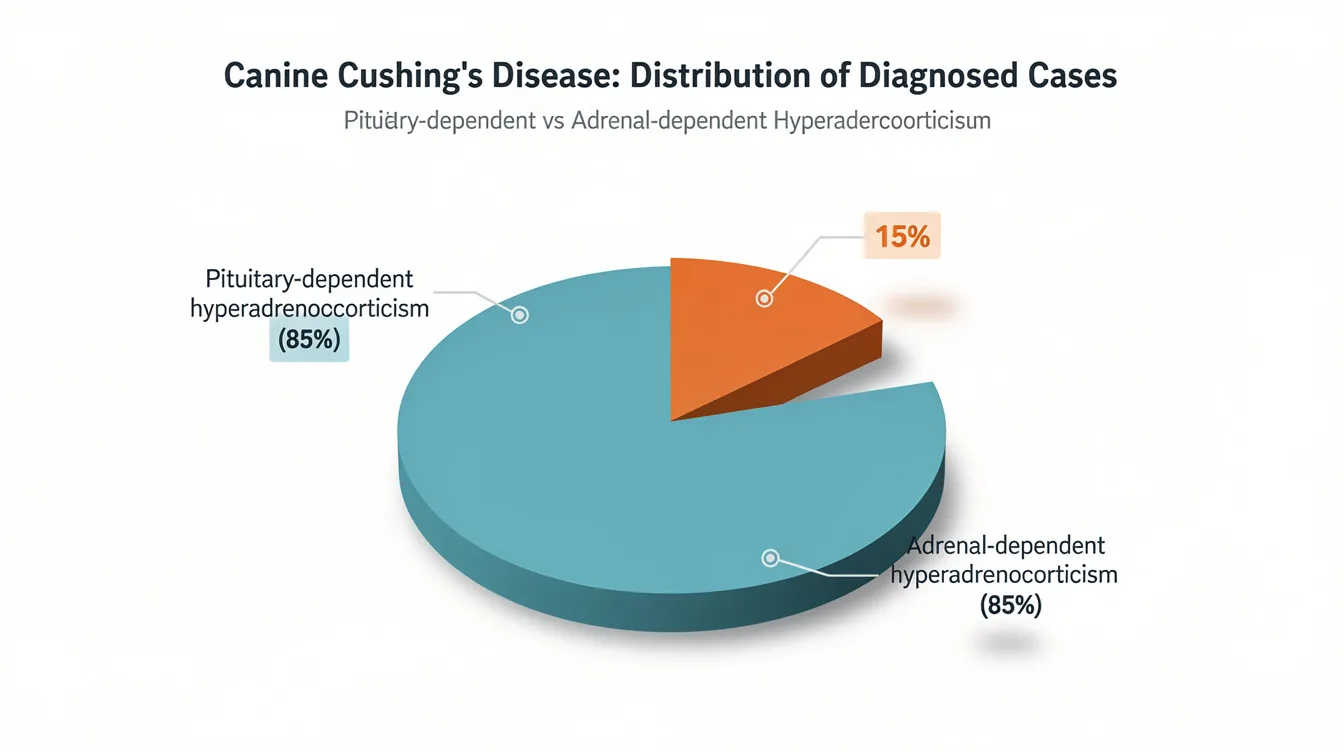
Cushing’s disease in dogs is a common endocrine disorder in dogs caused by excess cortisol production that gradually damages multiple body systems over months to years. The condition, called hyperadrenocorticism or Cushing’s syndrome, is diagnosed in roughly 1 to 2 dogs per 1,000 each year in general practice and is most common in middle-aged and older small and medium-sized dogs.
This article covers early signs, the tests used to confirm the diagnosis, treatment options and costs, and when referral to an internal medicine specialist makes sense. It does not address feline hyperadrenocorticism or human Cushing’s syndrome, which involve different diagnostic and treatment considerations. Whether your dog has just been diagnosed or you suspect something is wrong, this resource provides the clinical detail and practical guidance you need.
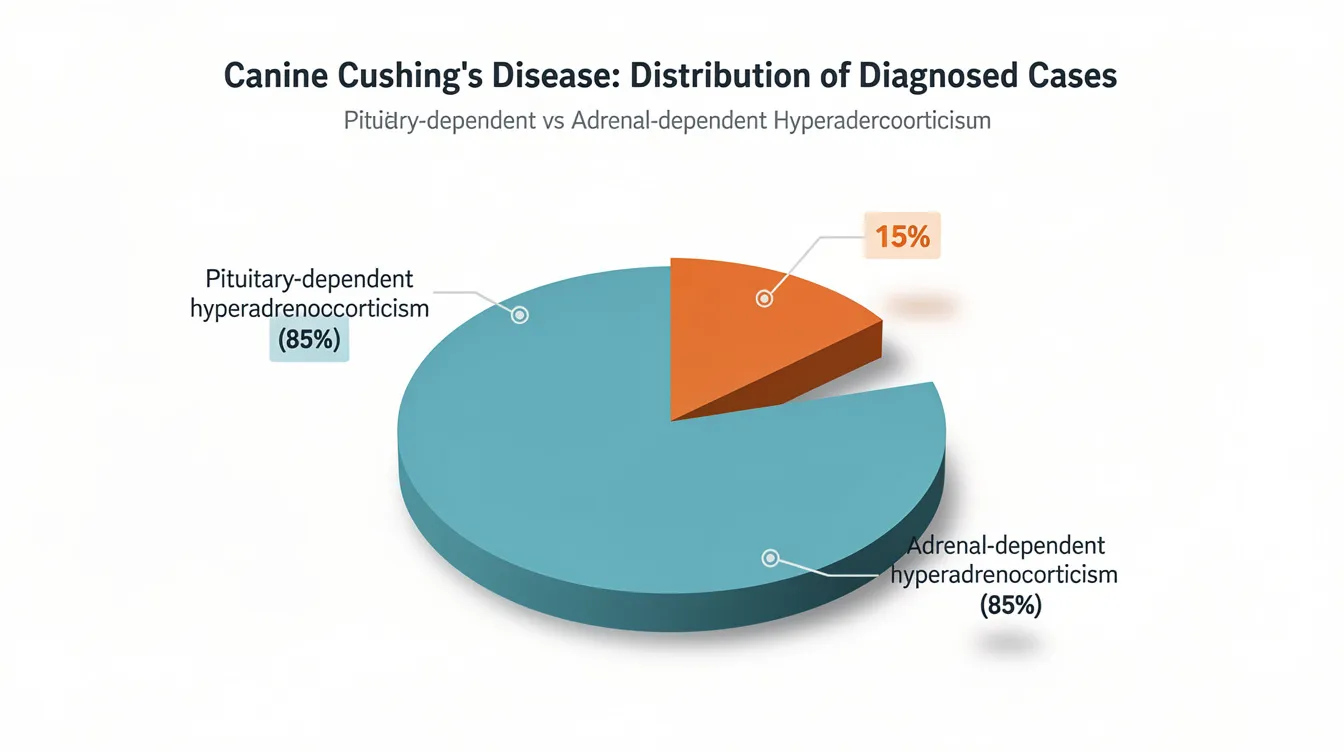
In short: Cushing’s disease is caused by excess cortisol production, most commonly from pituitary gland tumors (approximately 85% of cases) or adrenal gland tumors (15–20% of cases). Cushing’s disease can also result from long-term steroid medication use. Treatment options include medication, surgery, and management of underlying causes, and with proper care, many dogs maintain good quality of life for years.
Understanding Cortisol and Adrenal Function in Dogs
Cortisol is an essential hormone that your dog’s adrenal glands produce to regulate metabolism, immune function, stress response, and cardiovascular health. Under normal conditions, cortisol keeps your dog’s body in balance. Problems arise when the regulatory system breaks down and cortisol levels remain chronically elevated-a state that can significantly impact nearly every organ system.
Normal Cortisol Production and Regulation
The body controls cortisol through a feedback system called the hypothalamic-pituitary-adrenal (HPA) axis. The hypothalamus in the brain releases corticotropin-releasing hormone, which signals the pituitary gland to secrete adrenocorticotropic hormone (ACTH). ACTH then travels through the bloodstream to the adrenal glands, stimulating them to produce cortisol.
In healthy dogs, cortisol production follows episodic patterns rather than a strict daily rhythm. When cortisol levels rise sufficiently, the hypothalamus and pituitary gland detect this through glucocorticoid receptors and reduce ACTH output-a negative feedback loop that maintains homeostasis. This tight control ensures cortisol remains within a healthy range, rising during periods of stress and returning to baseline once the stressor passes.
When a tumor disrupts this feedback mechanism-either a pituitary tumor producing excess ACTH or an adrenal tumor autonomously secreting cortisol-the system loses its ability to self-regulate, and Cushing’s disease develops.
Effects of Excessive Cortisol
When dogs produce too much cortisol over weeks and months, the consequences are widespread and progressive. Chronically elevated cortisol levels suppress the immune system, leaving dogs vulnerable to recurrent infections-particularly urinary tract infection and skin infections. Metabolic disruption leads to increased fat deposition (especially abdominal), muscle wasting, and glucose intolerance that can progress to diabetes mellitus.
Excess cortisol also weakens connective tissue, resulting in fragile skin, delayed wound healing, and calcinosis cutis (calcium deposits in the skin). Cardiovascular effects include high blood pressure and increased risk of blood clots-potentially life-threatening thromboembolic events. The hormone’s effects on the kidneys drive increased drinking and increased urination, often the earliest signs owners notice. Cushing’s disease can lead to severe complications if left untreated, including organ damage and significantly reduced lifespan.
These systemic effects explain why Cushing’s disease produces such a wide range of clinical signs-and why early detection matters for your dog’s long-term health.

Types and Clinical Manifestations of Cushing’s Disease
Understanding which type of Cushing’s disease your dog has is essential because it determines the best diagnostic tests, treatment approach, and expected prognosis. The two main forms-pituitary dependent and adrenal dependent-arise from different locations in the body and require different management strategies.
Pituitary-Dependent Hyperadrenocorticism (PDH)
About 85% of cases are pituitary-dependent Cushing’s disease, making pituitary dependent hyperadrenocorticism the overwhelmingly dominant form. In PDH, a benign tumor (adenoma) in the pituitary gland produces excessive amounts of ACTH, which continuously overstimulates both adrenal glands to produce cortisol. Because both adrenal glands are driven by excess ACTH, they typically enlarge symmetrically-a finding that helps distinguish PDH from adrenal dependent Cushing’s disease on imaging.
Pituitary dependent disease has clear breed predispositions. Small and medium breeds are overrepresented, including Miniature Poodles, Dachshunds, Yorkshire Terriers, Boston Terriers, and other terrier breeds. Epidemiological data shows Standard Schnauzers and Fox Terriers carry markedly increased risk. The mean age at diagnosis is approximately 9.8 years, with typical onset occurring in dogs between 7 and 12 years old. Neutered dogs of both sexes-and neutered females in particular-show higher risk compared to intact animals.
Most pituitary tumors remain small (microadenomas), but some grow into macroadenomas that can compress surrounding brain tissue, causing neurological symptoms such as circling, behavioral changes, or seizures.
Adrenal-Dependent Hyperadrenocorticism (ADH)
Adrenal tumors account for 15–20% of Cushing’s disease cases in dogs. In adrenal dependent Cushing’s, a single abnormal adrenal gland develops a tumor-either a benign tumor (adenoma) or a malignant carcinoma-that autonomously produces cortisol regardless of ACTH signals from the pituitary. The opposite adrenal gland typically atrophies because the pituitary reduces ACTH output in response to the elevated cortisol, leaving the unaffected gland understimulated.
The distinction between adenoma and carcinoma carries significant prognostic weight. Adrenal carcinomas may invade local blood vessels, spread to other organs, and carry a substantially worse prognosis. Larger breed dogs may be more commonly affected by ADH, though it occurs across all breeds. Diagnostic imaging-particularly abdominal ultrasound-is critical for identifying unilateral adrenal masses and evaluating whether surgical removal is feasible.
Clinical Signs and Symptoms
Cushing’s disease produces a characteristic pattern of clinical signs that typically develop gradually over months to 1–2 years. Many owners initially attribute these changes to normal aging, which often delays diagnosis.
Common signs of Cushing’s disease include:
- Increased thirst and increased urination – present in 80–90% of cases, often the first change owners notice
- Increased appetite – dogs may become food-obsessed, beg constantly, or raid garbage
- Pot-bellied appearance – dogs may develop a pot-bellied appearance due to abdominal fat redistribution, liver enlargement, and muscle weakness
- Hair loss or thinning – bilateral, symmetrical alopecia, particularly along the trunk
- Fragile skin – thin, easily bruised or torn, with poor wound healing
- Panting – excessive panting even at rest or in cool environments
- Lethargy – a common behavioral change in dogs with Cushing’s disease, with reduced interest in play or walks
- Recurrent infections – particularly urinary tract infections and skin infections
- Muscle weakness – progressive weakness, difficulty rising or climbing stairs
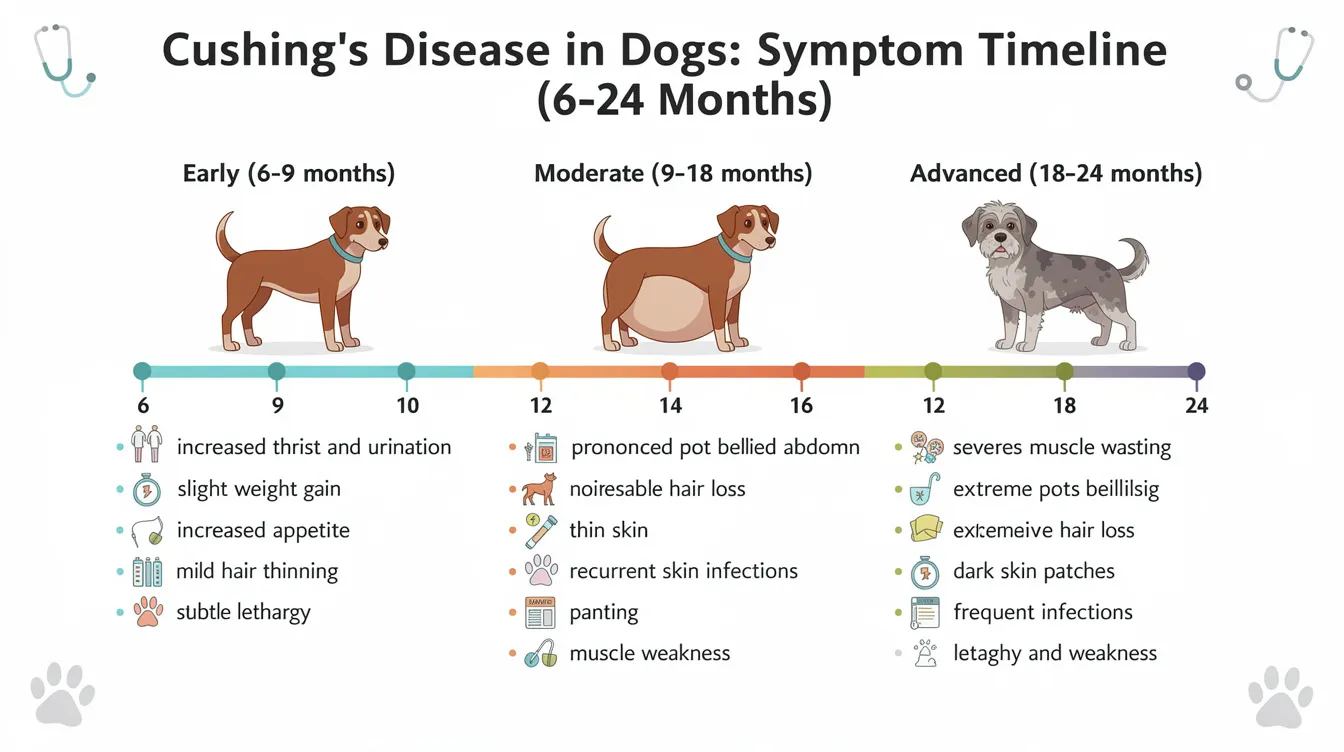
Symptoms include increased thirst and urination, increased appetite, and a pot-bellied appearance as the hallmark triad, but together the signs often form a recognizable pattern. Hair loss or thinning is a common symptom of Cushing’s disease that often prompts dermatologic investigation. In advanced cases, health problems expand to include diabetes mellitus, high blood pressure, blood clots, and severe metabolic dysfunction.
In hot weather, some signs are easy to miss: owners may dismiss heavy panting as normal, and warm, humid conditions can make skin infections worse in dogs with weakened immunity. Owners should look for changes relative to their individual dog’s baseline behavior rather than attributing everything to the heat.
Diagnostic Procedures and Treatment Approaches
Diagnosing Cushing’s disease requires a systematic approach because no single test is perfectly accurate, and many common illnesses can mimic its laboratory findings. The process begins with clinical suspicion based on history and physical examination, then moves through increasingly specific tests.
Diagnostic Testing Protocol
Veterinarians use blood tests to diagnose Cushing’s disease, but the process involves multiple steps to confirm the diagnosis and identify the underlying type. Here is the typical diagnostic workflow:
- Initial blood work and urinalysis – A complete blood count, chemistry panel, and urinalysis reveal supportive findings such as elevated alkaline phosphatase (ALP), high cholesterol, a stress leukogram, and dilute urine with low specific gravity. These changes raise suspicion but are not diagnostic on their own. A blood sample may also reveal elevated liver enzymes and glucose abnormalities.
- Low-dose dexamethasone suppression test (LDDST) – The low-dose dexamethasone suppression test is a common diagnostic test and the preferred screening test for Cushing’s disease. A dose dexamethasone suppression test involves collecting a baseline blood sample, injecting a low dose of dexamethasone, and measuring cortisol at 4 and 8 hours. In healthy dogs, the dexamethasone suppresses cortisol; in Cushing’s patients, cortisol levels remain elevated. The LDDST has sensitivity of 85–100% but specificity of approximately 44–73%, meaning false positives can occur in dogs with other illnesses.
- ACTH stimulation test – An ACTH stimulation test takes about one hour to perform. A baseline blood sample is drawn, synthetic ACTH is administered, and cortisol is measured 1 hour later. The ACTH stimulation test has sensitivity of approximately 80–83% for PDH but only 57–63% for ADH, meaning it may miss up to 41% of adrenal dependent Cushing’s disease cases. This test is particularly valuable for monitoring treatment response and detecting iatrogenic Cushing’s caused by steroid medications.
- High-dose dexamethasone suppression test (HDDST) – Used for further testing to differentiate between pituitary dependent and adrenal dependent disease when initial results are ambiguous. Dogs with PDH often show suppression at the higher dose, while ADH cases do not.
- Abdominal ultrasound – Ultrasound helps detect adrenal tumors in Cushing’s disease and assesses whether one or both adrenal glands are enlarged. Bilateral enlargement suggests PDH; a unilateral mass with contralateral atrophy points to ADH.
- Advanced imaging (CT/MRI) – When surgical planning requires detailed anatomy, or when neurological signs suggest a pituitary macroadenoma, CT or MRI at a referral center may be indicated. Some of these tests, such as advanced imaging, may require referral to a specialty hospital.
A urine cortisol creatinine ratio test screens for Cushing’s disease with high sensitivity but poor specificity-making it most useful as a screening test to rule out the condition when clinical suspicion is low.
Treatment Comparison and Selection
Treatment varies based on whether the disease is pituitary dependent or adrenal dependent, tumor type, patient age and general health, and owner circumstances. Treatment options include medication, surgery, and management of underlying causes.
Treatment Option | PDH Suitability | ADH Suitability | Average Cost | Success Rate |
|---|---|---|---|---|
Trilostane (Vetoryl) | First-line choice | Pre-surgical option | $150-300/month | 80-90% |
Mitotane | Alternative option | Pre-surgical option | $75-150/month | 70-85% |
Adrenalectomy | Not applicable | Preferred for ADH | $3000-6000 | 85-95% |
Radiation therapy | Macroadenomas only | Not applicable | $8000-12000 | 70-80% |
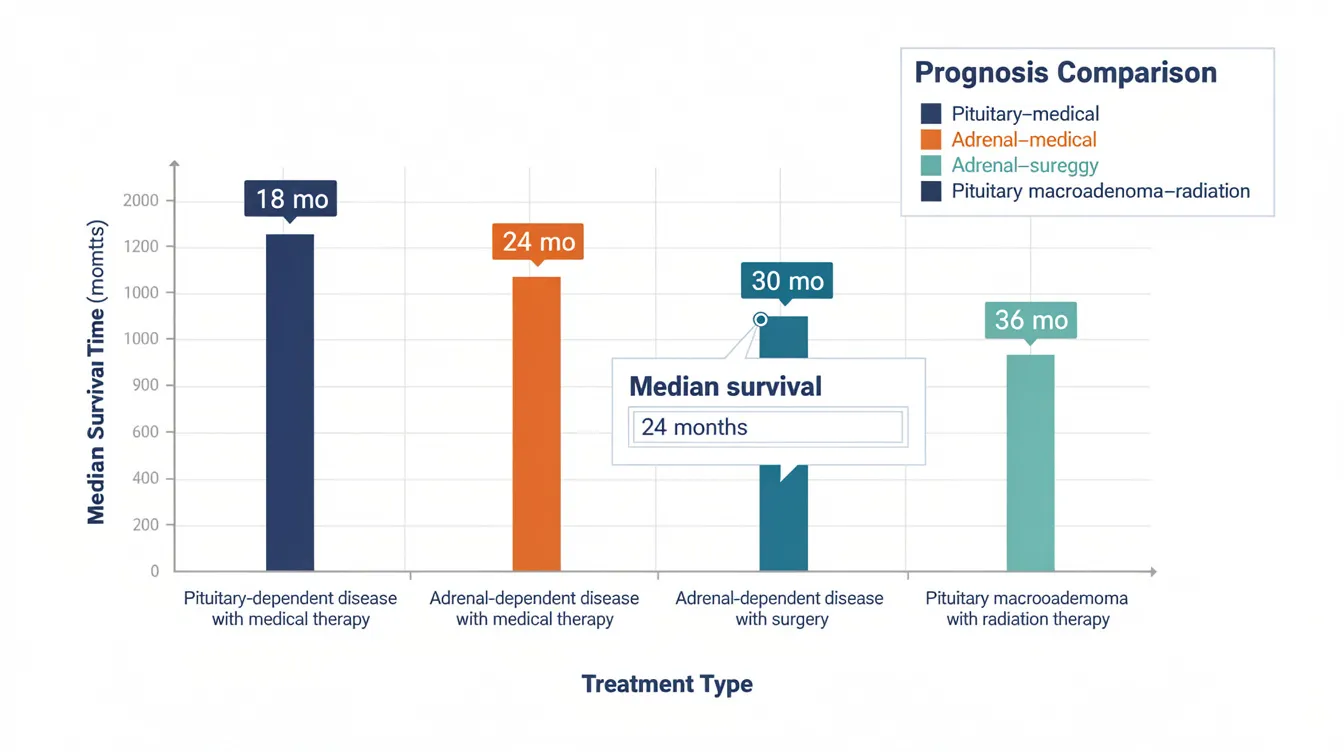
Trilostane (Vetoryl) is the preferred first-line medical treatment for most dogs. Vetoryl is FDA-approved for treating Cushing’s disease in dogs-the only FDA approved medication specifically labeled for this purpose. It works by reversibly inhibiting cortisol production in the adrenal glands. Starting doses are typically 1–3 mg/kg given orally every 12 hours with food. Dogs treated with trilostane have a median survival of 998 days in some studies, and a large UK retrospective study of 148 dogs found median survival of 662 days (approximately 22 months) with trilostane.
Mitotane is used off-label to treat Cushing’s disease and works by destroying adrenal cortex cells. It carries higher risk of adverse effects, including permanent adrenal destruction and life-threatening hypoadrenocorticism. A UK study found median survival of 708 days (approximately 23.5 months) with mitotane-statistically comparable to trilostane. However, systematic review evidence suggests trilostane offers better long-term safety with fewer severe side effects.
Adrenalectomy – Surgical removal of adrenal tumors can cure adrenal-dependent Cushing’s when the tumor is unilateral and has not metastasized. Average survival time after adrenalectomy is 1.5 to 4 years. However, surgical removal of adrenal tumors has a 10–25% mortality risk, making careful patient selection essential.
Radiation therapy is an option for large pituitary tumors, particularly macroadenomas causing neurological symptoms. Radiotherapy for pituitary tumors can lead to 2–5 years survival, though many dogs still require ongoing medical treatment to manage residual cortisol production.
Treatment choice depends on the type of Cushing’s disease, the dog’s overall health and other conditions, and the owner’s ability to commit to lifelong medication and monitoring.
Monitoring and Long-term Management
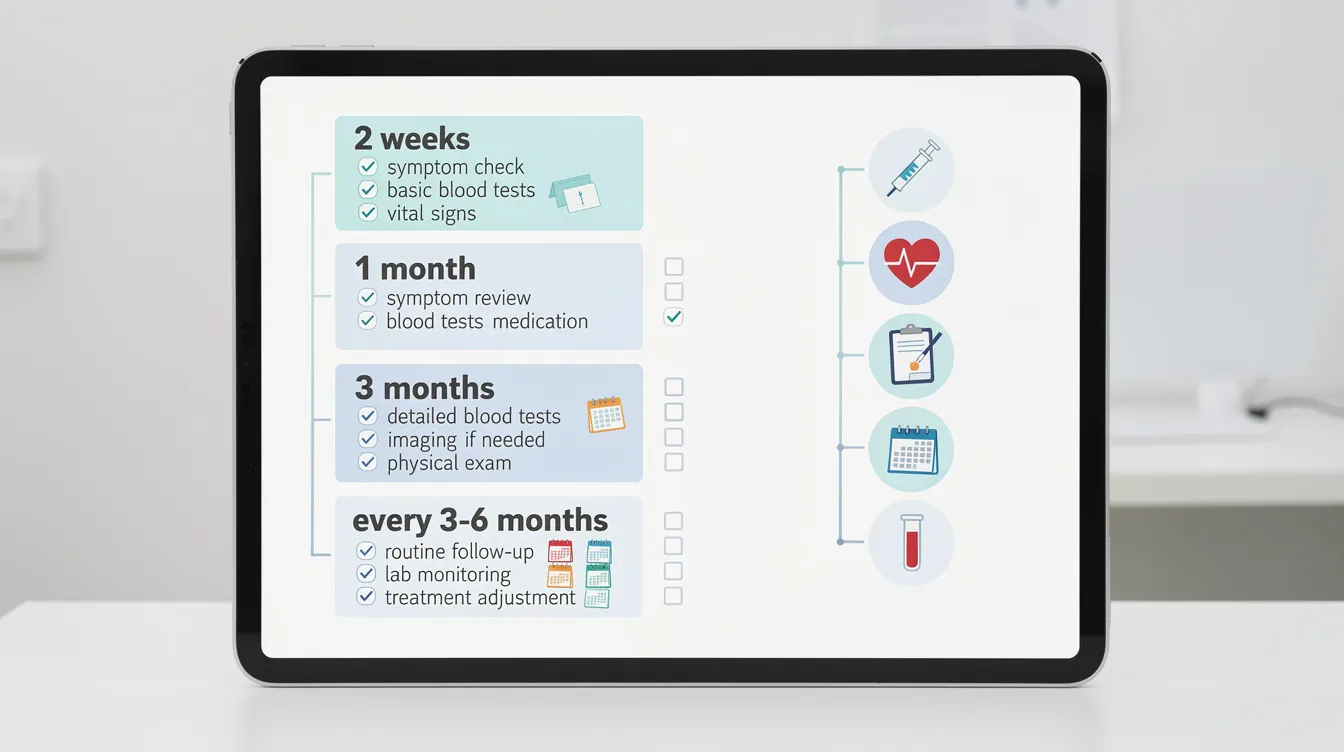
Cushing’s disease treatment requires regular blood tests for monitoring, particularly ACTH stimulation tests to evaluate whether cortisol levels are adequately controlled without over-suppression.
- 10–14 days after starting or adjusting medication: First ACTH stimulation test
- 1 month: Follow-up blood work including chemistry panel and electrolytes
- 3 months: Repeat ACTH stimulation, clinical assessment
- Every 3–6 months thereafter: Ongoing monitoring with ACTH stimulation, liver enzymes, and clinical evaluation
Signs of over-treatment (iatrogenic hypoadrenocorticism) require immediate veterinary attention:
- Vomiting, diarrhea, or loss of appetite
- Extreme lethargy or weakness
- Shaking or collapse
- Refusal to eat
Signs of under-treatment include persistence or return of original symptoms: excessive drinking, increased urination, persistent increased appetite, and continued hair loss.
Quality of life typically improves within the first 1–3 months of treatment. Most dogs show reduced drinking and urination within weeks, improved energy, and normalized appetite. Dermatologic recovery-hair regrowth and skin strengthening-may take several additional months beyond metabolic stabilization. Pet owners play a critical role in assessing their dog’s quality of life day to day and communicating changes to their veterinarian.
A 2024 retrospective study identified predictors of poor response to trilostane, including elevated ALT, high endogenous ACTH, elevated pre-treatment cortisol, and bilateral adrenal enlargement. Nonresponders required median doses of approximately 3.25 mg/kg every 12 hours compared to approximately 1.22 mg/kg for responders-highlighting why individualized dosing and careful monitoring matter.
Common Challenges and Solutions in Cushing’s Disease Management
Managing Cushing’s disease over months and years brings practical challenges.
Medication Compliance and Side Effects
Trilostane must be given consistently with food, ideally at the same times daily. Missing doses or irregular administration can cause cortisol fluctuations that worsen symptoms or trigger adrenal crises. Common side effects include mild gastrointestinal upset, lethargy, and decreased appetite-particularly when starting therapy or adjusting doses.
When to contact your veterinarian immediately: If your dog vomits repeatedly, refuses food for more than 24 hours, becomes extremely lethargic, or collapses, these may indicate over-suppression of cortisol and require emergency evaluation. Most dogs tolerate trilostane well, but prompt recognition of adverse reactions is critical.
Concurrent Disease Management
Many dogs with Cushing’s disease develop concurrent health problems that complicate management. Diabetes mellitus may develop secondary to chronic cortisol elevation and may improve or resolve once cortisol is controlled. High blood pressure requires monitoring and may need separate treatment. Recurrent urinary tract infection and skin infections are common and may require repeated courses of antibiotics. Blood clots represent a serious risk, particularly in dogs with severe or poorly controlled disease.
Your primary care veterinarian can help decide when referral to an internal medicine specialist, surgeon, or imaging center is warranted, particularly for adrenal tumors, dogs that respond poorly to medication, or dogs with several diseases at once.
Financial Considerations and Treatment Planning
The financial reality of treating Cushing’s disease can be significant. Monthly medication costs range from $60–$70 for compounded trilostane to $150–$300 or more for brand-name Vetoryl, depending on your dog’s required dose. Monitoring costs-including ACTH stimulation tests, chemistry panels, and periodic ultrasounds-can add $200–$600 per visit, particularly during the early diagnostic and dose-adjustment phases.
Cost-effective strategies include:
- Discussing compounded trilostane options with your veterinarian
- Exploring pet insurance options (noting that pre-existing condition exclusions may apply)
- Budgeting for approximately $2,000–$4,000 annually for medication and monitoring combined
Costs vary by clinic and region, and compounded or generic medications may lower long-term costs in some cases. Talk openly with your veterinarian about a sustainable long-term plan.
Prognosis and Quality of Life Expectations
With appropriate treatment and consistent monitoring, Cushing’s disease is a manageable condition for many dogs.
Median survival time for dogs with PDH is approximately 2 years (22–24 months) with either trilostane or mitotane therapy, though individual outcomes vary widely. Some dogs with well-controlled pituitary dependent disease live 3–4 years or longer after diagnosis. For adrenal dependent Cushing’s, medically managed dogs have median survival of approximately 12–15 months, while dogs that undergo successful adrenalectomy may survive 1.5 to 4 years.
- Age at diagnosis – younger dogs generally fare better
- Disease type – PDH typically carries better long-term prognosis than ADH with carcinoma
- Pre-treatment cortisol levels – lower levels at diagnosis correlate with better outcomes
- Comorbidities – concurrent diabetes, kidney disease, or hypertension worsen prognosis
- Tumor characteristics – macroadenomas and adrenal carcinomas carry more guarded outcomes
A large UK study found that older age and greater body weight at diagnosis were negatively associated with survival. Dogs without muscle weakness and with lower liver enzyme values tended to respond more favorably to treatment.
For many dogs, the dog’s quality of life improves substantially within weeks of starting treatment. Owners consistently report reduced water consumption, fewer accidents in the house, improved energy levels, and gradually improving coat condition. While Cushing’s disease treatment is typically lifelong, most dogs can enjoy comfortable, active lives with appropriate management.
Key Points and Next Steps
Whether dealing with pituitary dependent hyperadrenocorticism or adrenal dependent Cushing’s disease, effective treatments exist that can restore your dog’s comfort and extend quality life.
If you suspect your dog may have Cushing’s disease, take these steps:
- Schedule a veterinary consultation – Bring your dog for evaluation if you observe increased thirst, increased urination, increased appetite, hair loss, or pot-bellied appearance
- Document symptoms and behavioral changes – Note when signs began, their frequency, and any changes in eating, drinking, or energy levels
- Prepare questions for your veterinary appointment – Ask about diagnostic tests, treatment options, expected costs, and monitoring schedules
Pet owners interested in related topics may also want to discuss senior dog wellness programs, routine screening for older dogs, and preventive health strategies for breeds predisposed to endocrine disease with their veterinarian.
Frequently Asked Questions
How soon will I notice improvement after starting trilostane? Most dogs show noticeable improvement in drinking and urination within 2–4 weeks of starting treatment. Increased appetite and energy levels typically normalize within the first month. Hair regrowth and skin improvement are slower, often taking 3–6 months of consistent therapy.
What are the signs that my dog is being overmedicated? Watch for vomiting, diarrhea, loss of appetite, extreme lethargy, weakness, or collapse. These may indicate iatrogenic hypoadrenocorticism-a condition where cortisol levels drop too low. Contact your veterinarian immediately if you observe these signs, as this requires urgent evaluation and possible dose adjustment.
How often does my dog need follow-up testing? Cushing’s disease treatment requires regular blood tests for monitoring. Expect visits at 2 weeks, 1 month, and 3 months after starting or adjusting medication, then every 3–6 months once stable. Each visit typically includes an ACTH stimulation test and chemistry panel.
Is surgery always possible for adrenal tumors? Surgical removal of adrenal tumors can cure adrenal-dependent Cushing’s, but not all dogs are surgical candidates. Factors including tumor size, vascular invasion, metastasis to other organs, and the patient’s general health determine feasibility. Surgical removal of adrenal tumors has a 10–25% mortality risk, so the decision requires careful evaluation.
What breeds are most at risk for Cushing’s disease? Small to medium breeds including Miniature Poodles, Dachshunds, Yorkshire Terriers, Boxers, and various terrier breeds show increased risk. Neutered dogs-particularly neutered females-also demonstrate higher susceptibility.
How does hot weather affect a dog with Cushing’s disease? Ensure your dog has constant access to fresh water, climate-controlled environments, and prompt treatment for any skin or urinary tract infection.
What are reasonable cost estimates for treatment? Monitoring visits cost approximately $200–$600 each. Annual costs typically total $2,000–$4,000. Advanced imaging or surgery adds significant additional expense.
Can Cushing’s disease be cured? Adrenal dependent Cushing’s disease may be cured through successful adrenalectomy. Pituitary dependent disease is managed rather than cured-medical treatment controls cortisol levels but does not eliminate the pituitary tumor. Radiation therapy for pituitary tumors can provide long-term control with 2–5 years survival in some cases.
When should I see a specialist instead of my primary veterinarian? Referral to a veterinary internist or surgeon is recommended when adrenal tumors are identified and surgery is being considered, when neurological signs suggest a pituitary macroadenoma, when the dog fails to respond to standard medical treatment, or when concurrent diseases like diabetes mellitus complicate management.
What happens if Cushing’s disease is left untreated? Untreated Cushing’s disease leads to progressive health problems including diabetes mellitus, high blood pressure, recurrent infections, blood clots, muscle weakness, and organ damage. The disease can significantly impact your dog’s comfort and lifespan. Cushing’s disease can lead to severe complications if left untreated.
References
- Arenas C., Melian C., Pérez-Alenza M.D. “Long-Term Survival of Dogs with Adrenal-Dependent Hyperadrenocorticism: Comparison Between Mitotane and Twice Daily Trilostane Treatment.” Journal of Veterinary Internal Medicine, 2014.
- Barker E.N., Campbell S., Herrtage M.E., et al. “Comparison of Survival Times of Dogs Treated with Mitotane or Trilostane for Pituitary-Dependent Hyperadrenocorticism.” Journal of Veterinary Internal Medicine, 2005.
- “Effectiveness of Medical Treatment on Survivability in Canine Cushing’s Syndrome: A Systematic Review and Meta-Analysis.” PMC, 2025.
- AAHA 2023 Selected Endocrinopathies of Dogs & Cats Guidelines – Diagnostic Testing and Monitoring. American Animal Hospital Association, 2023.
- “Cushing’s Syndrome-An Epidemiological Study Based on a Canine Population of 21,281 Dogs.” PMC, 2019.
Reviewed by Roger Hart, DVM, a Florida-licensed veterinarian with more than two decades of companion-animal clinical experience. This article is general education and does not replace an examination by your own veterinarian.