Introduction
A skinny cat isn’t always a sick cat, but it’s always worth investigating. Whether you’re wondering why your underweight cat‘s ribs are showing or you’ve noticed your older pet gradually losing weight, understanding the difference between a naturally lean feline and one experiencing concerning weight loss can prevent serious health problems down the line.
This article covers the full spectrum of what makes a cat too skinny: from body condition assessment methods and causes of weight loss to safe strategies that help underweight cats gain weight. It also addresses emergency situations that require immediate veterinary care. While certain cat breeds like the Siamese and Abyssinian tend to carry a naturally slim frame, visible ribs, a prominent spine, or sudden unexplained weight loss are signs that warrant professional evaluation by your vet.
It is crucial for any owner of an underweight cat to recognize the signs of malnutrition and take proactive steps towards improvement.
Written for cat owners in Central Florida-where year-round warmth, humidity, and outdoor exposure create unique health challenges for felines-this guide draws on current veterinary science and the clinical experience of Dr. Roger Hart, DVM.
A skinny cat may be perfectly normal for its breed, but if you can easily feel or see the spine, hip bones, and ribs with no fat cover, or if your cat has lost weight rapidly, schedule a veterinary consultation without delay.
By the end of this article, you will be able to:
- Assess your cat’s body condition accurately using veterinary-standard scoring methods
- Identify common underlying medical conditions and nutritional causes of weight loss in cats
- Recognize the warning signs that indicate when professional veterinary care is urgent
- Apply safe, practical strategies to help your underweight cat gain weight
- Monitor progress at home and prevent relapse through consistent tracking techniques
Understanding Feline Body Condition
A cat’s body condition is the single most reliable indicator of whether your feline is at a healthy weight, underweight, or overweight. Unlike simply stepping on a scale, body condition scoring evaluates fat cover, muscle mass, and skeletal prominence-giving a far more complete picture of your cat’s nutritional status. For cat owners, learning to assess body condition at home means catching health issues early, before they become emergencies.
Normal Body Condition Indicators
A healthy cat has a slight waist visible when viewed from above and a gentle abdominal tuck when seen from the side. You should feel your cat’s ribs with light touch-they’re present under a thin layer of padding but not sharply protruding. The spine and hip bones are palpable but not visually prominent. A minimal abdominal fat pad is normal, particularly in longer-bodied cats.
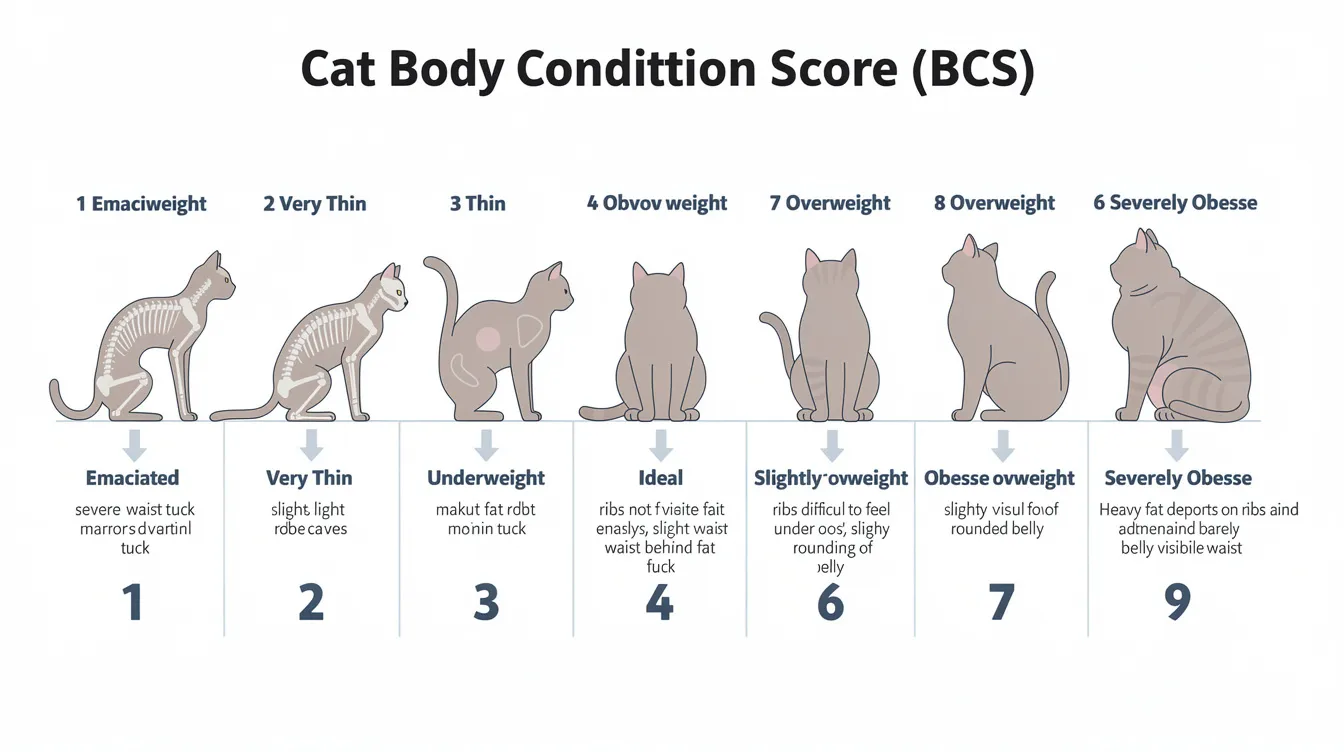
Veterinarians use the Body Condition Score (BCS) system-either a 5-point or 9-point scale-to standardize these assessments. The World Small Animal Veterinary Association provides body condition scoring guidelines used worldwide. Body condition scoring ranges from too thin to obese, with a target of 4–5 on the 9-point scale for most adult cats. A BCS of 5/9 corresponds to approximately 20–24% body fat, while scores of 1–2/9 indicate a dangerously thin animal with less than 15% body fat.
Alongside BCS, the Muscle Condition Score (MCS) evaluates muscle mass over the spine, scapulae, and hips. Cats can lose muscle before they lose fat, making MCS a critical early warning tool. The AAHA/AVMA Nutritional Assessment Guidelines recommend using both BCS and MCS at every health exam.
Breed Variations in Body Type
Not all thin cats are unhealthy. Naturally lean cat breeds-including the Oriental Shorthair, Siamese, and Abyssinian-carry less body fat as part of their genetic blueprint. An Abyssinian male typically weighs 7–12 pounds, with females ranging from 6–9 pounds, while maintaining a slim but muscular build that meets TICA breed standards. Siamese cats similarly range around 8–12 pounds depending on frame size.
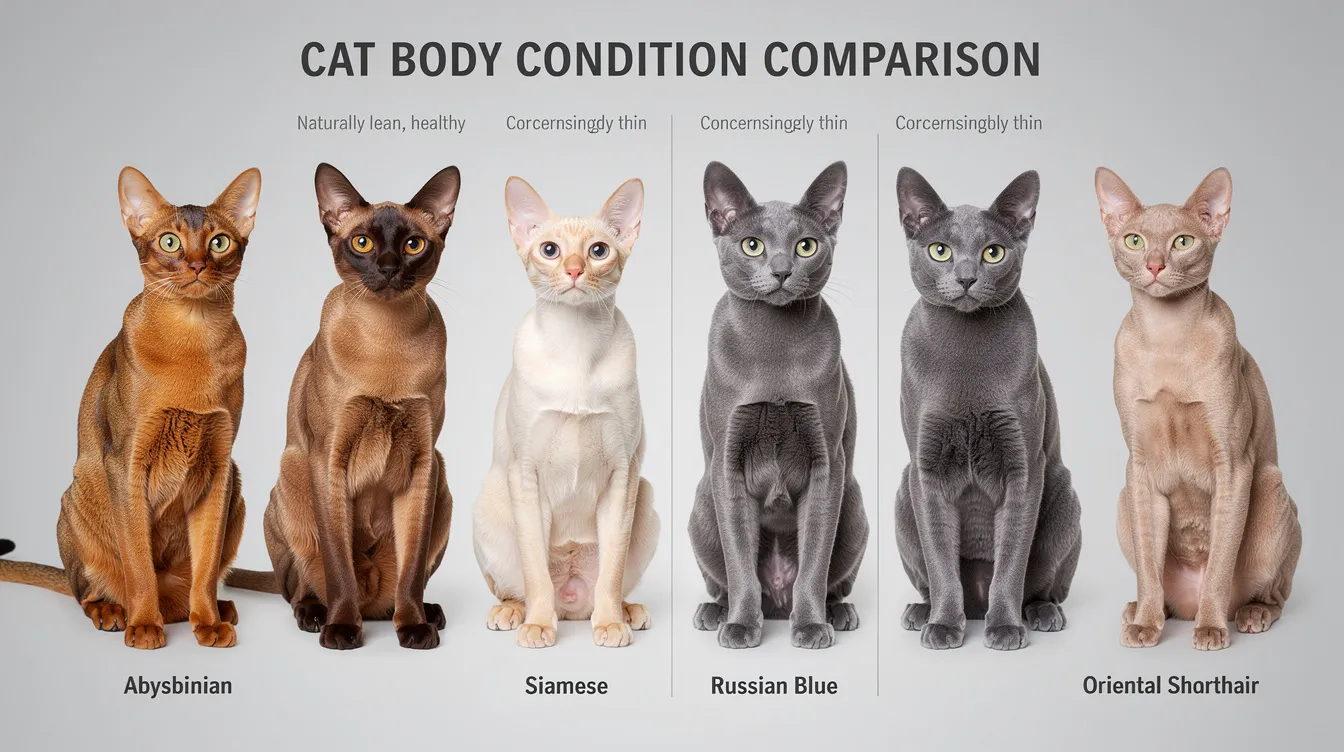
Understanding your cat’s breed, sex, bone frame, and age is essential to determine what constitutes normal leanness versus an underweight condition. A Siamese at 8 pounds with good muscle tone and a BCS of 4/9 is healthy; a domestic shorthair at the same weight with prominent bones and muscle wasting is not. Establishing a baseline for your individual cat-ideally with your veterinarian-prevents unnecessary alarm while ensuring genuine problems aren’t overlooked.
Identifying When Your Cat Is Too Skinny
Building on your understanding of normal body condition, the next step is learning to recognize when your underweight cat crosses the line from lean to too thin.
Physical Assessment Techniques
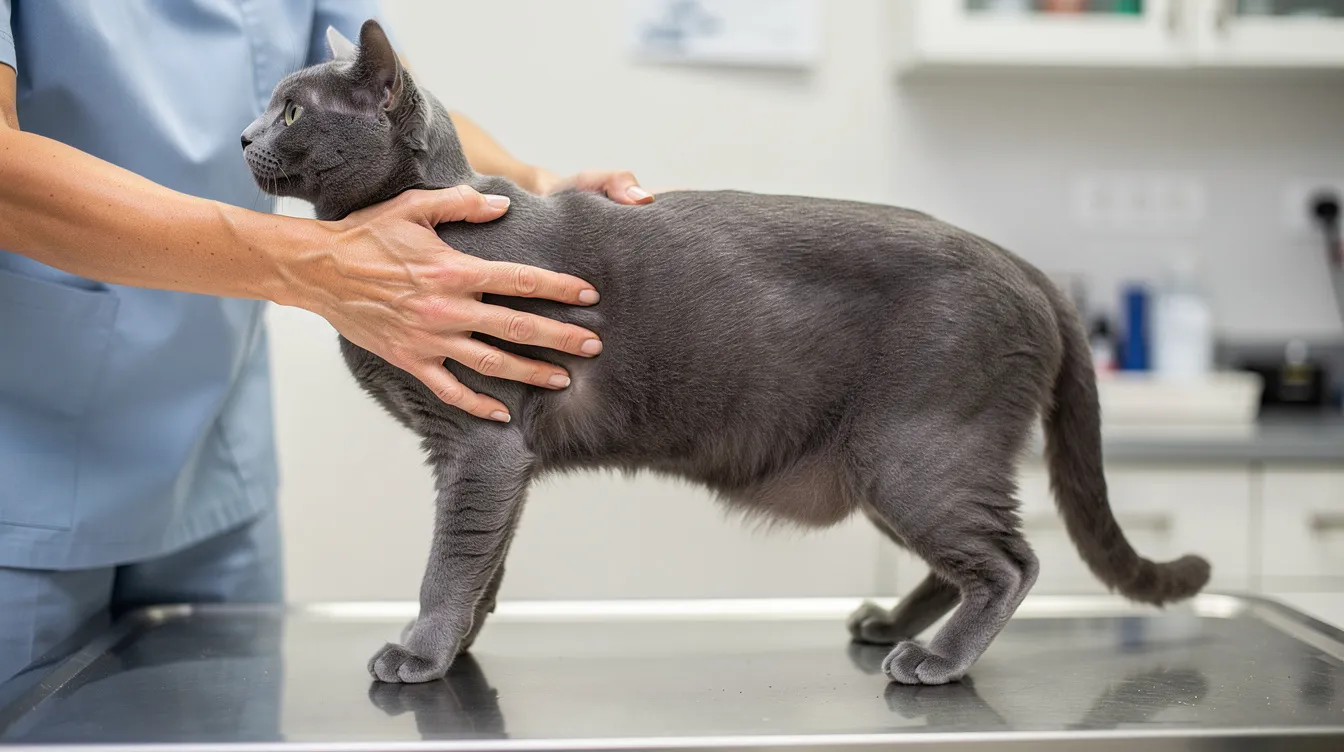
The most reliable at-home method for evaluating whether your cat is too skinny involves three simple hands-on checks:
- Rib check: Place your hands gently along your cat’s sides. You should feel your cat’s ribs with light touch, similar to running your fingers across the back of your hand. If the ribs feel like knuckles-sharp, prominent, with no padding-your cat is likely underweight. Visible ribs indicate a cat may be underweight.
- Spine and pelvis examination: Run your hand along the spine from shoulders to tail. A cat’s spine should not be easily felt if healthy-there should be a thin cushion of fat and muscle over the vertebrae. Prominent hip and lower back bones indicate a cat is too thin.
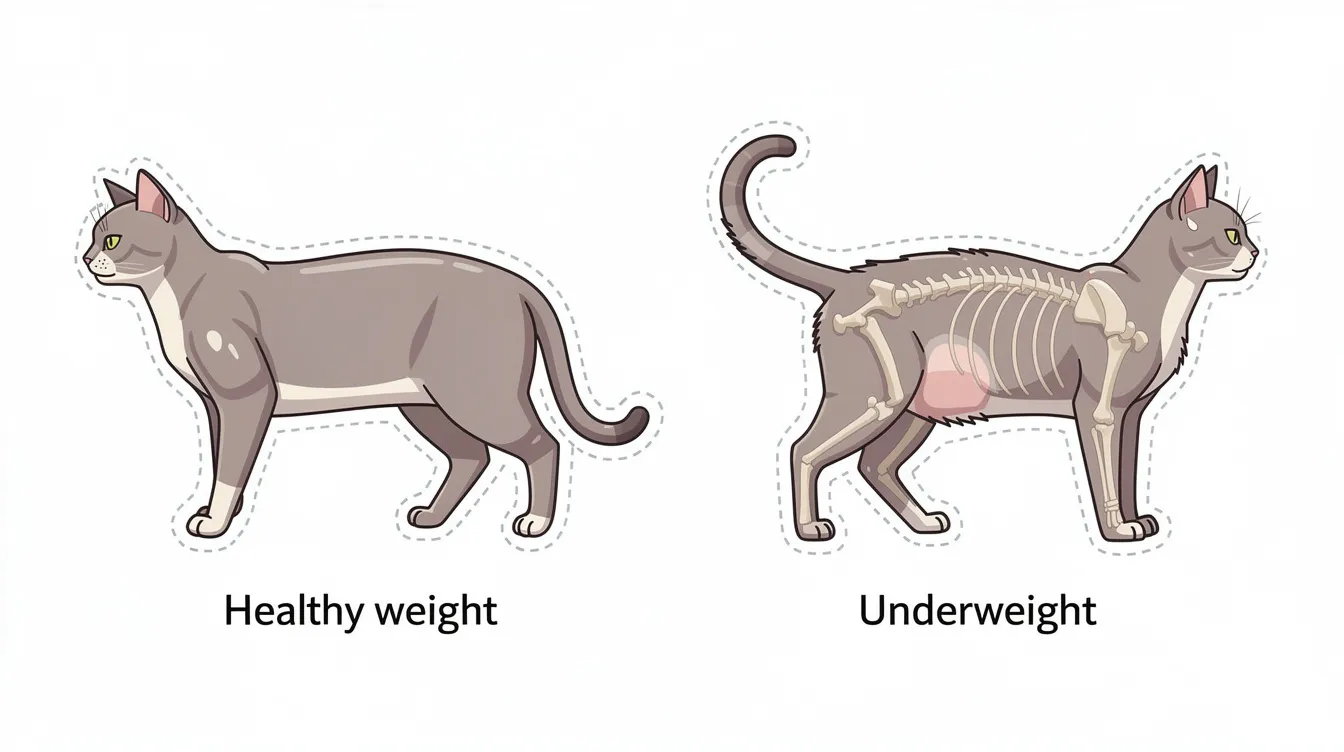
- Waist and abdomen assessment: View your cat from above and from the side. A healthy cat has a slight waist-a gentle inward curve behind the ribs. A tucked belly behind the ribs suggests underweight status. In emaciated cats, the abdomen appears severely sunken.
If you suspect your furry friend is an underweight cat, making the right dietary changes can make all the difference.
Visual Warning Signs
Beyond what you can feel, visual cues provide important information about your cat’s condition. Prominent bones visible through the coat-particularly ribs, spine, and pelvis-signal that fat reserves are depleted. Muscle loss is often most apparent over the shoulder blades and thighs, where wasting creates a bony, angular appearance.
A dull, unkempt coat frequently accompanies weight loss, as malnourished cats often reduce grooming. Behavioral changes are equally telling: decreased appetite, reduced activity, hiding, increased thirst or urination, vomiting, and changes in litter box habits can all signal underlying health issues driving weight loss. Cats can appear skinny due to not eating enough calories or medical conditions-and behavioral observation helps distinguish between the two.
Weight Monitoring at Home
Regular weight checks can help detect health issues early-often before visible changes become obvious. Monitor your cat’s weight weekly using a bathroom scale: weigh yourself, then weigh yourself holding your cat, and subtract the difference. For greater accuracy, use a digital scale sensitive to 0.1 pounds or less.

A change of more than 5% of body weight within a month is clinically meaningful and should prompt a veterinary visit. For a 10-pound cat, that’s just half a pound-easily missed without consistent tracking. Monitoring a cat’s weight and appetite is important for timely health assessments. Document weight trends alongside body condition and muscle condition observations, since fur density, hydration status, and muscle mass all affect what the scale shows.
Every owner should know how to spot if their underweight cat is struggling.
Common Causes and Treatment Approaches
Once you’ve identified that your cat is genuinely underweight, determining the cause is essential before starting any weight gain plan. The causes of weight loss in cats range from straightforward nutritional gaps to complex medical conditions requiring professional diagnosis.
Medical Causes and Interventions
Weight loss in cats often indicates an underlying health issue, and a physical examination by your veterinarian is the critical first step. Veterinarians frequently diagnose the following underlying medical conditions in thin cats:
- Dental disease: Painful teeth, gum inflammation, or oral lesions cause cats to eat less or avoid food entirely. Dental disease can cause a cat to eat less, and Florida’s humid climate can accelerate bacterial growth in the oral cavity.
- Intestinal parasites: Hookworms, tapeworms, and roundworms are particularly prevalent in Central Florida’s warm environment. Intestinal parasites can result in gradual weight loss, especially in outdoor cats. Regular fecal testing and deworming are essential.
- Hyperthyroidism: Common in older cats, this endocrine disorder accelerates metabolism. Hyperthyroidism can cause weight loss despite increased appetite-a hallmark presentation that Dr. Hart screens for routinely in cats over 7 years.
- Diabetes mellitus: Diabetic cats may lose weight despite eating normally or excessively. Common causes of weight loss in cats include hyperthyroidism and diabetes, both requiring blood work for diagnosis.
- Chronic kidney disease: One of the most frequent diagnoses in senior felines. Chronic kidney disease is a common illness that can cause weight loss in cats, and early detection through blood chemistry and urinalysis can significantly improve outcomes.
- Cancer: Lymphoma and other malignancies can cause progressive wasting. Abdominal ultrasound and fine-needle aspirates may be needed for diagnosis.
- Gastrointestinal disorders: Inflammatory bowel disease and malabsorption syndromes lead to poor nutrient uptake. Gastrointestinal disorders can lead to significant weight loss even when appetite is maintained.
- Viral infections: FeLV and FIV can suppress immunity and affect nutrition.
Dr. Hart’s diagnostic approach includes comprehensive blood work (CBC, chemistry panel, thyroid values), urinalysis, fecal parasite screening, and imaging when indicated. For Central Florida cats with outdoor access, parasite screening is particularly critical. Guidance from a veterinarian is essential for diet adjustments in cats with any of these conditions.
Nutritional and Environmental Solutions
When medical conditions have been ruled out or are being managed, nutritional and environmental strategies become the primary tools for helping a cat gain weight. High-calorie cat food can help increase weight gain, particularly formulations designed for recovery or convalescence. Wet food is more palatable for cats with poor appetites and provides additional hydration-important in Florida’s heat.
Environmental modifications matter too. Stress or anxiety can lead to decreased appetite in cats, so creating quiet, secure feeding areas is essential. In multi-pet households, ensure each cat has its own food bowl in a low-competition zone. Reduce environmental stressors like loud noises, territorial conflicts, and schedule disruptions.
Treatment Comparison Table
|
Approach |
Best Candidates |
Expected Timeline |
Monitoring Requirements |
Risks/Limitations |
|---|---|---|---|---|
|
High-calorie diet |
Cats with appetite but inadequate caloric intake |
2–4 weeks for weight stabilization; 4–8 weeks for measurable gain |
Weekly weigh-ins; watch for GI upset |
May not address underlying disease |
|
Feeding frequency changes (3–4 small meals/day) |
Cats who eat small amounts; finicky eaters |
Appetite improvement within days; weight gain over weeks |
Food logs; measure portions offered and consumed |
Requires consistent owner schedule |
|
Appetite stimulants (mirtazapine, capromorelin) |
Anorectic cats; cats with CKD or chronic disease |
Significant gain documented over 56 days in clinical trials |
Monitor for vomiting, lethargy, hypersalivation |
Not appropriate for cats with severe organ failure |
|
Environmental modifications |
Stressed cats; multi-pet households; anxious felines |
Gradual improvement over weeks |
Behavioral observation; feeding logs |
Adjunct therapy-rarely sufficient alone |
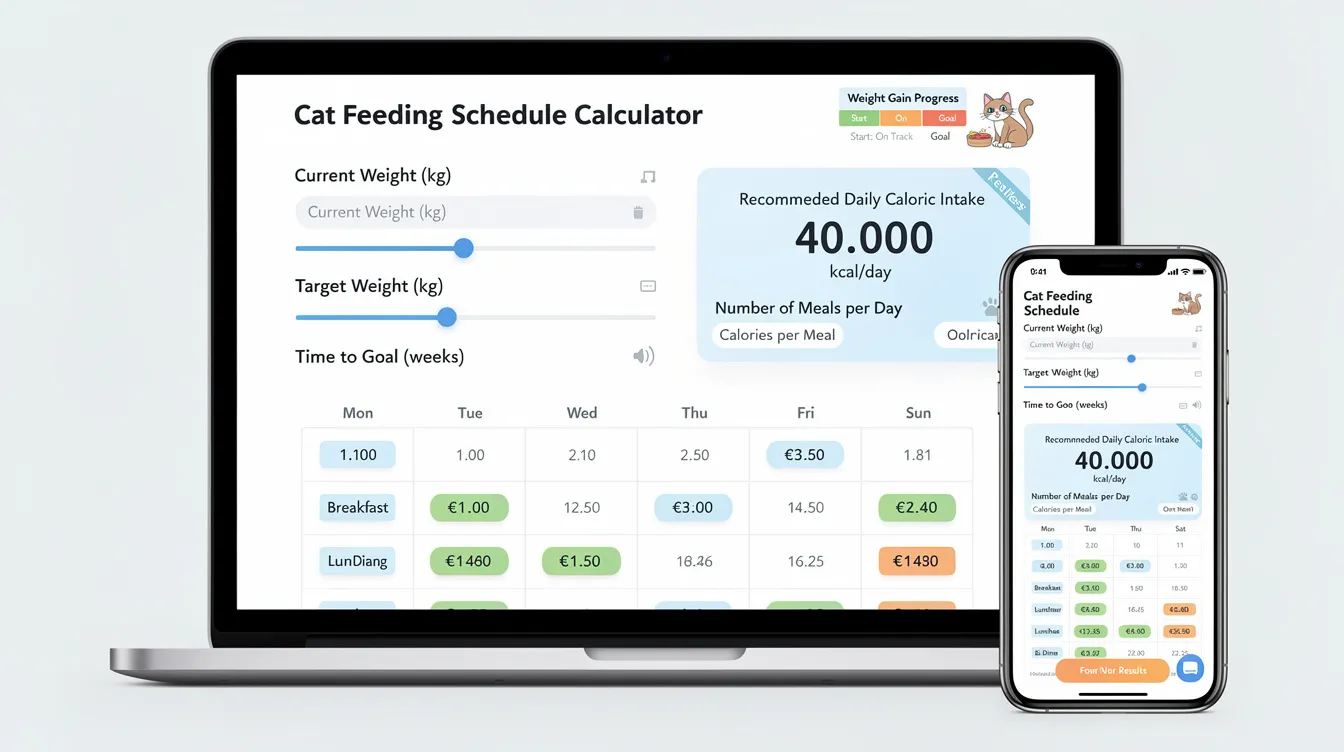
For calculating caloric needs, veterinarians use the Resting Energy Requirement formula: RER = 70 × (body weight in kg)^0.75. To encourage safe weight gain, Dr. Hart typically recommends feeding 1.2–1.5 times RER, adjusted for age, activity level, and any concurrent health conditions. In Central Florida’s hot months, when heat can naturally suppress appetite, slight increases in feeding frequency and emphasis on aromatic wet food can help ensure cats consume enough calories.
Consult a vet before starting a weight gain plan for your underweight cat-especially if your pet has kidney disease, diabetes, or other conditions that require dietary restrictions.
Common Challenges and Solutions
Even with the right plan in place, helping a skinny cat gain weight involves practical hurdles. These are among the most common challenges veterinarians encounter when helping underweight cats gain weight, along with proven solutions.
Finicky Eater Problems
Cats are notoriously particular about their food. Texture preferences vary widely-some cats prefer pate over chunks, while others refuse anything but dry food. Warming wet food to approximately body temperature (around 100°F) intensifies its aroma and can stimulate appetite in reluctant eaters. Rotate flavors and protein sources every few days to prevent food fatigue, but introduce changes gradually to avoid GI upset.
For cats with severely reduced appetite, small amounts of low-sodium bone broth or tuna water (salt-free) can be drizzled over food to enhance palatability. Avoid relying on human food as a long-term strategy-it lacks the balanced diet composition cats require and may introduce harmful ingredients.
Multi-Pet Household Issues
When one cat needs to gain weight while others are at a healthy weight or overweight, competitive feeding becomes a significant obstacle. Separate feeding stations physically-place the underweight cat’s food bowl in a room with a door, or invest in microchip-activated feeders that only open for the target cat.
Monitor actual intake by weighing food offered and food remaining. In some cases, video monitoring of feeding areas reveals that a dominant pet is consuming the underweight cat’s food. Stress from resource competition can independently suppress appetite, compounding the problem.
Senior Cat Weight Gain Difficulties
Senior cats often lose muscle mass and may have reduced nutrient absorption, making weight gain particularly challenging in felines over 10–12 years old. Older cats frequently contend with concurrent kidney disease, dental pain, or hyperthyroidism that must be managed alongside nutritional support.
Highly palatable wet food with easily digestible proteins and higher fat content works best for aging cats. Appetite stimulants like capromorelin (administered at 2 mg/kg orally once daily in clinical settings) have shown meaningful results over 8-week treatment periods in cats with chronic kidney disease. However, increasing protein intake requires careful monitoring of kidney values-a balance Dr. Hart navigates regularly with his senior feline patients.
Conclusion and Next Steps
A skinny cat deserves attention-not panic, but purposeful evaluation. Whether your cat is naturally lean due to breed characteristics or losing weight from an underlying condition, the tools in this article equip you to assess the situation accurately and respond appropriately. The key takeaway: use a feline body condition score chart to assess weight regularly, and never dismiss unexplained weight loss as normal aging.
Unexpected weight loss in cats should prompt a veterinary consultation. Hepatic lipidosis can develop if a cat stops eating for a few days, making timely intervention critical.
Your immediate action steps for your underweight cat:
- Perform a hands-on body condition assessment using the rib check, spine examination, and waist evaluation described above
- Begin weekly weight monitoring and document trends in a simple log
- Record your cat’s eating habits, appetite changes, and any behavioral shifts
- Schedule a comprehensive veterinary exam-including blood work, dental evaluation, and fecal screening-especially if your cat scores below 4/9 on the body condition scale
- Discuss a tailored feeding plan with your veterinarian before making dietary changes
For cat owners in Central Florida, regular check ups that include thyroid screening, kidney values, and dental assessment are particularly important given the region’s high parasite burden and the effects of heat and humidity on feline health. Dr. Hart recommends baseline blood work every six months for cats over seven years of age, with parasite screening at least annually for any cat with outdoor access.
Related topics worth exploring include senior cat nutritional management, feline dental health and its connection to appetite, and preventive medicine strategies that keep your cat at an ideal weight throughout life.
Frequently Asked Questions
How quickly should I expect my skinny cat to gain weight?
Safe weight gain generally mirrors safe weight loss guidelines: approximately 1–2% of body weight per week. For a cat weighing 8 pounds, that translates to roughly 0.08–0.16 pounds weekly. If an underlying medical condition is present, progress may be slower and should be guided by your veterinarian. Expect 4–8 weeks before visible improvement becomes apparent, and weigh your cat consistently on the same scale to track meaningful trends.
Can I use dog food to help my skinny cat gain weight?
Regular veterinary check-ups can ensure that your underweight cat remains healthy.
No. Dog food lacks essential nutrients that cats require, including taurine, preformed vitamin A, and arachidonic acid. Feeding dog food to cats-even temporarily-can lead to serious nutritional deficiencies and health problems over time. Instead, choose species-appropriate high calorie cat food formulated for weight gain or recovery. Your vet can recommend specific therapeutic diets suited to your cat’s needs.
What if my cat was always skinny but seems healthy?
Some cats are naturally thin due to breed genetics, but if your underweight cat has always been slim, maintaining stable weight is crucial.
Outdoor cats in Central Florida face elevated risks that can affect the weight of an underweight cat: intestinal parasites are prevalent year-round, competition with other animals may limit food access, and the hot climate can suppress appetite.
Outdoor cats in Central Florida face elevated risks that can affect weight: intestinal parasites are prevalent year-round, competition with other animals may limit food access, and the hot climate can suppress appetite. Outdoor cats also tend to burn more calories through activity and thermoregulation. Ensure your outdoor cat receives regular deworming, has reliable access to food and fresh water in a sheltered location, and undergoes veterinary check ups that include fecal screening and a thorough physical examination.
How often should I weigh my cat at home?
During active weight gain efforts, weigh your cat weekly-same day, same time, same scale. Once your cat reaches and maintains a stable, healthy weight, monthly weigh-ins are sufficient for ongoing monitoring. A change exceeding 5% of body weight within a single month warrants a veterinary visit regardless of whether your cat appears well. Consistent tracking catches problems that visual assessment alone can miss.
When is skinny cat weight loss an emergency?
Seek immediate veterinary attention if your cat stops eating entirely for more than 24–48 hours, as hepatic lipidosis (fatty liver disease) can develop rapidly in fasting cats. Other emergency signs include sudden weight loss exceeding 5% over a few weeks, persistent vomiting or diarrhea, lethargy, pale or yellow gums, difficulty breathing, dehydration, or seizures. Senior cats and those with known health conditions such as kidney disease, diabetes, or heart disease should be evaluated promptly at the first signs of decline. Stress can lead to weight loss in cats, but rapid loss paired with other symptoms always requires urgent professional assessment.
Seek immediate veterinary attention if your underweight cat stops eating entirely for more than 24–48 hours.
This content was reviewed by Dr. Roger Hart, DVM, practicing veterinary medicine in Central Florida. The information is based on current veterinary literature and clinical experience with companion animal medicine in the region’s subtropical climate.
Supporting citations reviewed by Dr. Hart:
- AAHA/AVMA Nutritional Assessment Guidelines (2021) – Body condition scoring, muscle condition scoring, and nutritional screening protocols
- WSAVA Global Nutrition Toolkit – Feline body condition score charts and body fat percentage correlations
- ISFM Consensus Guidelines on Management of the Inappetent Hospitalised Cat (2022) – Appetite stimulant protocols and assisted feeding recommendations
- PetMD, “Why Is My Cat Losing Weight?” (updated 2026) – Comprehensive review of causes and clinical red flags
- Capromorelin clinical trial data in cats with chronic kidney disease – Weight gain outcomes over 56-day treatment period with 2 mg/kg oral dosing
Information applies specifically to cats living in Central Florida’s climate and environmental conditions, where parasite prevalence, humidity-related dental disease, and heat-suppressed appetite present unique challenges.
For an underweight cat, having a well-balanced diet is crucial for maintaining good health.
Noting any unusual behavior in your underweight cat can also help you identify health issues early.
Weighing your underweight cat regularly is an essential part of monitoring their progress.
Identifying the specific needs of your underweight cat will help create a tailored feeding plan.
Educating yourself about the needs of an underweight cat can lead to better health outcomes.
Many factors can contribute to your underweight cat’s condition, and addressing them early is essential.