Introduction
Cat diabetes affects an estimated 1 in 100 cats during their lifetime, making feline diabetes the second most common endocrine disease in cats. This comprehensive guide to diabetes mellitus in cats covers everything from recognizing the earliest clinical signs of cat diabetes to achieving long-term glycemic control and even potential remission.
This guide focuses specifically on recognizing diabetes in cats, understanding diagnostic workup, comparing treatment options including insulin injections and newer oral medications, mastering home glucose monitoring for cat diabetes, and preventing dangerous complications like diabetic ketoacidosis. Other endocrine conditions such as hyperthyroidism and Cushing’s disease fall outside the scope of this article.
Whether you’re a pet parent who has noticed your cat drinking so much water lately, you’ve just received a new diabetes diagnosis from your veterinarian regarding cat diabetes, or you want preventive information for senior cats and at-risk breeds, this guide provides the evidence-based answers you need.
The essential takeaway: Cat diabetes is highly manageable with insulin therapy, dietary modifications, and consistent monitoring, allowing most cats to live normal, healthy lives. Some cats can achieve remission from diabetes with early and effective treatment, meaning they no longer require insulin injections at all.
Managing cat diabetes effectively requires understanding the signs, treatment options, and lifestyle adjustments necessary to keep your feline friend healthy.
After reading this guide, you will understand:
- How to identify the warning signs of diabetes in cats before the disease progresses
- Which treatment options deliver the best outcomes and what each costs
- How to perform home glucose monitoring and interpret the results
- How to prevent life-threatening complications including hypoglycemia and ketoacidosis
- What diabetic remission means and how to maximize your cat’s chances of achieving it
Understanding Feline Diabetes Mellitus
Diabetes mellitus is a metabolic disorder in which a cat’s body either fails to produce enough of the hormone insulin or cannot use insulin effectively, resulting in persistently elevated blood glucose levels. When cells cannot absorb glucose for energy, the consequences cascade throughout the cat’s body-from excessive urination and weight loss to potentially fatal ketoacidosis.
Understanding cat diabetes matters now more than ever. Feline diabetes prevalence has risen dramatically over recent decades, driven largely by the obesity epidemic in companion animals, increasingly sedentary indoor lifestyles, and diets heavy in carbohydrates. US veterinary hospital data show that cat diabetes cases climbed from approximately 8 per 10,000 cats in 1970 to roughly 124 per 10,000 by 1999-a staggering increase that mirrors rising obesity rates in the domestic cat population.
Type I vs Type II Diabetes in Cats
Type I diabetes results from destruction or loss of the pancreatic beta cells that produce insulin, leaving the cat with an absolute insulin deficiency. This form is rare in cats.
Type II diabetes mellitus is the most common form in cats, accounting for the vast majority of diagnoses. In type II diabetes, the cat’s body develops insulin resistance-cells respond poorly to insulin’s signal-combined with a relative decline in beta cell function. This closely parallels type II diabetes mellitus in humans. Diabetes is more common in middle-aged male cats, typically those over 7 years of age who are overweight and physically inactive.
The connection between type II diabetes and modern cat lifestyles is direct. Indoor cats that spend most of their time sedentary, eating high-carbohydrate dry food, face compounding risk factors. Obese cats are four times more likely to develop diabetes compared to cats at a healthy weight. With an estimated 20–40% of pet cats now classified as overweight or obese, the pool of cats at risk continues to grow.
Recognizing the early indicators of cat diabetes can lead to timely interventions and improved quality of life for affected felines.
It’s worth noting that prolonged uncontrolled diabetes can cause additional beta cell damage through a process called glucotoxicity. Over time, this can push a cat from type II disease into a state that resembles type I, where insulin production is nearly absent-making early intervention critically important.
How Diabetes Affects Your Cat’s Body Systems
The hormone insulin acts as a gatekeeper, allowing glucose from the bloodstream to enter muscle, fat, and other cells for energy. Insulin also signals the liver to stop producing excess glucose and promotes storage of proteins and fats. When insulin resistance or deficiency disrupts this system, glucose accumulates in the blood while cells starve.
The cat’s kidneys attempt to filter glucose from the blood, but when blood sugar exceeds the kidney’s threshold, glucose spills into the urine. This glucose draws water with it through osmotic diuresis, producing the hallmark signs of increased urination and excessive thirst. The kidneys work overtime, creating strain that-combined with concurrent diseases like chronic kidney disease-can accelerate organ damage.
Despite increased appetite, the cat’s body cannot access the energy locked in circulating glucose. The result is a paradox familiar to every veterinarian who diagnoses diabetes: a cat eating voraciously while losing body weight. The body begins breaking down fat and muscle for fuel, leading to muscle wasting, poor coat condition, and progressive weakness. Glucose-rich urine also creates a breeding ground for bacteria, raising the risk of urinary tract infections.
These physiological effects produce the daily signs that owners notice first-changes in the litter box, a cat’s water bowl emptied more frequently, unexplained weight loss, and shifts in the cat’s behavior. Recognizing these signs early is the single most important step toward successful treatment.
Recognizing Cat Diabetes Signs and Risk Factors
The body system effects described above translate into observable symptoms that alert owners something is wrong. Knowing exactly what to watch for-and which cats are most vulnerable-can mean the difference between catching diabetes early, when remission is possible, and diagnosing it late, when complications have already set in.
Primary Clinical Signs
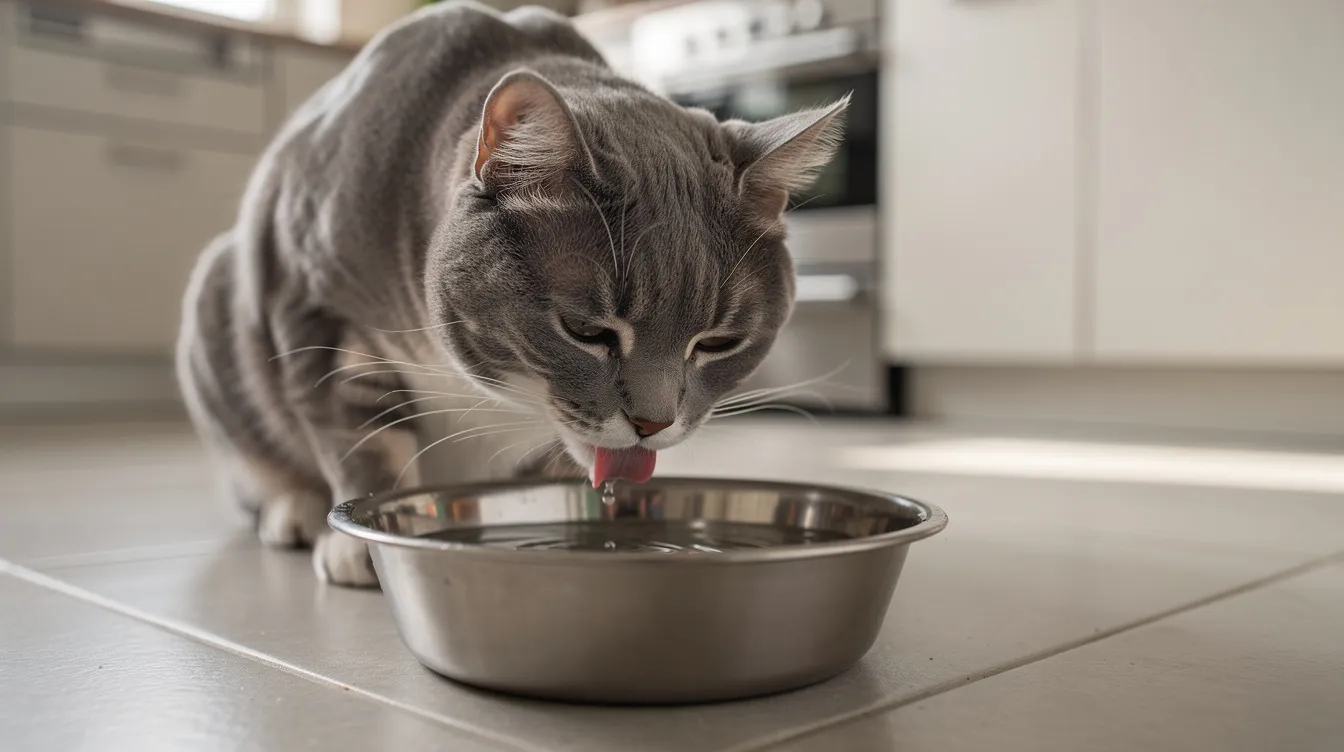
Increased thirst (polydipsia) is often the first symptom pet parents notice. Diabetic cats may consume two to three times their normal water intake, and you may find yourself refilling your cat’s water bowl far more often than usual. Monitoring your cat’s water intake by measuring how much water you add each day provides valuable baseline data for your veterinarian.
Increased urination (polyuria) follows directly from excess thirst. You’ll notice larger, heavier clumps in the litter box, more frequent litter box use, or even urination outside the box-a change that many owners initially attribute to behavioral issues rather than a medical condition.
Weight loss despite increased appetite is the hallmark diabetes indicator that should prompt immediate veterinary evaluation. Increased appetite is a common sign of feline diabetes despite weight loss, because cells cannot access the glucose circulating in the blood. The cat eats more in an attempt to compensate, yet continues losing body weight. Additionally, up to 50% of diabetic cats may experience decreased appetite as the disease progresses, which signals worsening metabolic disruption.
Secondary Symptoms and Advanced Signs
By implementing dietary changes, you can significantly improve your cat diabetes management.
Lethargy or weakness can signal diabetes in cats, reflecting the metabolic consequences of cells unable to use glucose for energy. Many cats become less playful, sleep more, and show reduced interest in their environment. Poor grooming habits develop-a once-fastidious cat may have a dull, matted, or greasy coat.
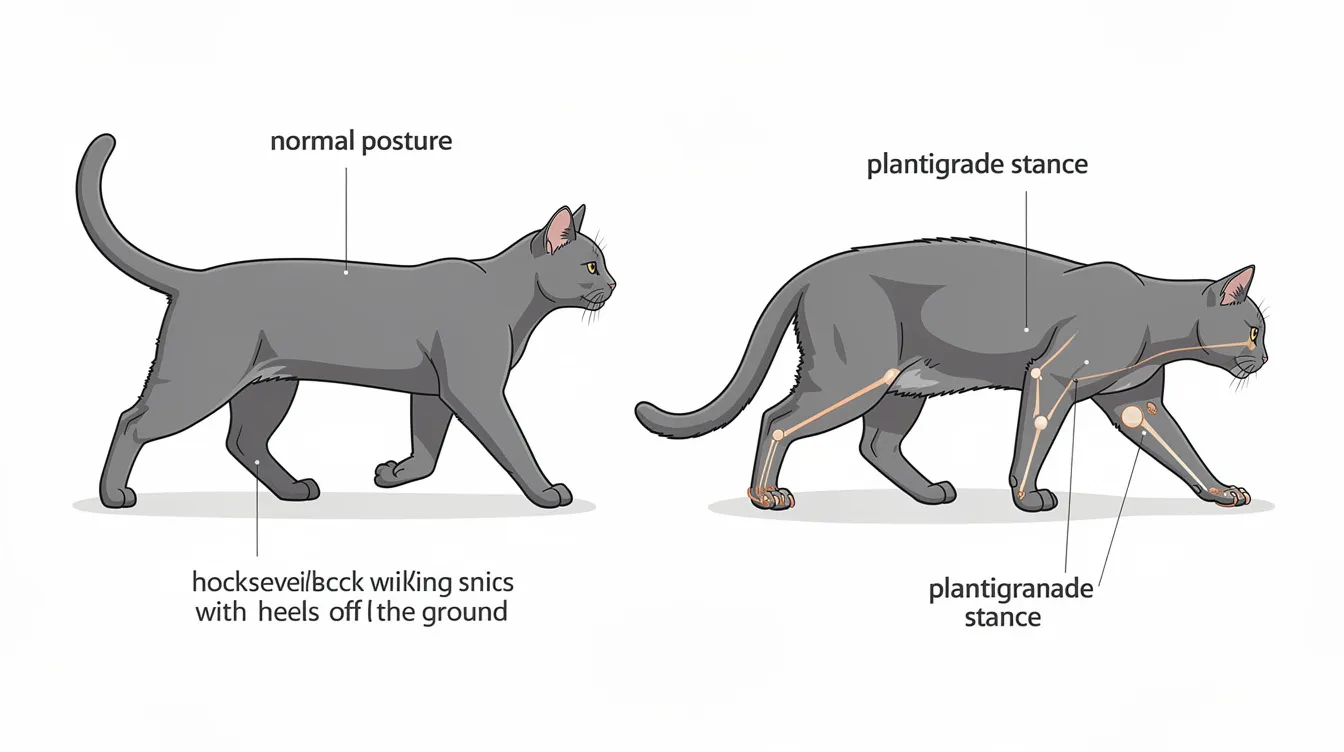
Cats may walk in a plantigrade posture due to hind leg weakness from diabetes, placing their hocks flat on the ground rather than walking on their toes. This distinctive gait change results from diabetic neuropathy-nerve damage caused by prolonged high blood sugar-and is one of the most recognizable advanced signs of feline diabetes.
A sweet or fruity odor on the breath may indicate ketone buildup, while vomiting, rapid breathing, and sudden collapse can signal diabetic ketoacidosis-a medical emergency requiring immediate veterinary care.
Recognizing the signs of diabetes in cats early can lead to successful management and a better quality of life.
Risk Factors and Prevention
Several of the most important risk factors for feline diabetes are well established in the veterinary literature:
- Obesity: Obese cats are four times more likely to develop diabetes. Cats just three pounds over their ideal weight are considered obese, placing them in a significantly higher risk category.
- Age and sex: Diabetes is more common in middle-aged male cats, with risk climbing sharply after age 7. Cats over 10 years show the highest prevalence.
- Breed: Burmese cats may have a higher risk of diabetes, with studies in Australia and the UK documenting elevated prevalence compared to mixed-breed cats.
- Lifestyle: Lack of physical activity increases diabetes risk in cats. Indoor-only cats that spend most of their day sedentary face compounding risk.
- Diet: Diets dominated by dry food-which tends to be high in carbohydrates-are associated with increased diabetes risk.
- Medications: Steroid therapy can predispose cats to diabetes by promoting insulin resistance and glucose intolerance.
Prevention strategies center on maintaining a healthy weight through calorie-controlled feeding, encouraging physical activity with interactive play and environmental enrichment, choosing wet food or low-carbohydrate diets over high-carb dry food, minimizing unnecessary corticosteroid use, and scheduling regular veterinary checkups for older cats.
If you’ve noticed any primary clinical signs-particularly a cat drinking excessive amounts of water, changes in litter box habits, or unexplained weight loss-scheduling a comprehensive veterinary examination promptly gives your cat the best chance of early diagnosis and successful treatment.
Veterinary Diagnosis and Treatment Planning
Once symptoms prompt a veterinary visit, your veterinarian will conduct a systematic diagnostic workup to confirm cat diabetes, assess severity, and identify any concurrent diseases that could complicate treatment.
Comprehensive Diagnostic Testing
A single elevated blood glucose reading is not sufficient to diagnose diabetes in cats. Cats can develop stress hyperglycemia affecting blood glucose readings-a transient spike caused by the anxiety of a veterinary visit-which can mimic diabetic levels. For this reason, bloodwork and urine testing through multiple modalities are necessary.
- Blood glucose testing measures the current concentration of glucose in the cat’s blood. Persistently elevated levels above 300 mg/dL, combined with other findings, support a diabetes diagnosis. However, context matters: stress, recent meals, and concurrent diseases all influence readings.
- Urinalysis detects glucose in the urine (glucosuria), which confirms that blood sugar has exceeded the kidneys’ ability to filter glucose. It also screens for ketonuria-ketones in urine indicating more advanced disease-and identifies urinary tract infections, which are common in diabetic cats due to glucose-rich urine promoting bacterial growth.
- Fructosamine testing measures glycated proteins that reflect average blood glucose levels over the previous two to three weeks. Fructosamine tests measure average blood glucose over two weeks, providing a more reliable picture than any single glucose reading. According to ISFM guidelines, values below 350 µmol/L indicate excellent control or remission, 350–450 µmol/L reflects good control, 450–550 µmol/L is moderate, and values above 550 µmol/L signal poor glycemic control. It is important to note that conditions like kidney disease, liver disease, or hyperthyroidism can falsely lower fructosamine values.
- Complete blood count and chemistry panel evaluates kidney function (BUN, creatinine), liver enzymes, electrolytes, cholesterol, and triglycerides. This comprehensive panel identifies concurrent diseases-including chronic kidney disease and liver disease-that affect treatment planning. Blood pressure measurement and thyroid testing (total T4) may also be recommended, particularly in older cats.
- Ketone measurement: If diabetic ketoacidosis is suspected, blood beta-hydroxybutyrate levels above 1.0 mmol/L, combined with hyperglycemia and clinical signs, confirm this life-threatening complication requiring emergency intervention.
Treatment Approach Comparison
With diagnosis confirmed, treatment planning begins. The goal is to regulate blood sugar, resolve clinical signs, prevent complications, and-when possible-achieve remission. The table below compares current treatment approaches with their effectiveness, requirements, and cost considerations.
Treatment Method | Success Rate | Daily Requirements | Monthly Cost Range |
|---|---|---|---|
Insulin Injections | 95%+ control | Twice daily shots | $75-200 |
SGLT2 Inhibitors | 80% improvement | Once daily oral | $120-180 |
Diet Management | 60% support | Prescription food only | $40-100 |
Combined Therapy | Highest remission | Insulin + diet + monitoring | $150-300 |
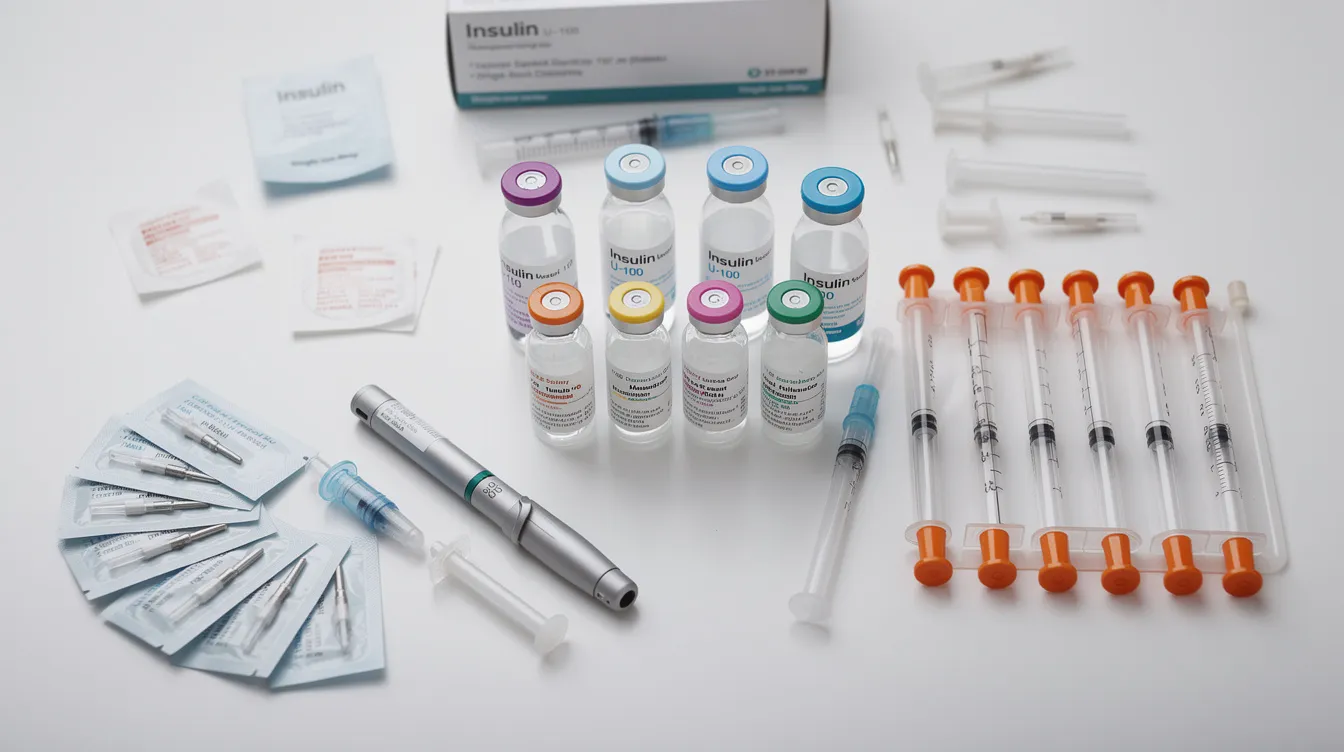
Insulin therapy remains the gold standard. The 2026 AAHA Diabetes Management Guidelines recommend glargine (U-100) and protamine zinc insulin (PZI) as first-choice options for newly diagnosed diabetic cats, based on their consistent duration of action and favorable remission rates. Insulin injections are given every 12 hours for diabetic cats, typically starting at 0.25–0.5 U/kg or 1–2 units per cat. Dose adjustments should occur only every 5–7 days based on monitoring data. Lente insulin is an approved alternative but is generally not the first choice. NPH insulin is not recommended for most cats due to its short duration of action (under 8 hours) and inconsistent glycemic control.
SGLT2 inhibitors are new oral medications for feline diabetes treatment. Over 80% of diabetic cats respond well to SGLT2 inhibitors, offering an oral medication alternative for cats where insulin administration presents significant challenges. However, these agents are not yet considered standard first-line therapy in current guidelines.
Dietary management is a critical treatment component rather than a standalone solution. A low-carbohydrate, high-protein diet is recommended for diabetic cats, with protein comprising approximately 50% of dry matter and carbohydrates kept below 15%. Wet food is strongly preferred over dry food because it typically contains fewer carbohydrates and provides better hydration. Dietary changes to control diabetes should avoid sugary treats and high-carbohydrate snacks. A low-carbohydrate diet improves blood sugar regulation in diabetic cats and, combined with insulin, significantly increases the likelihood of remission.
Combined therapy delivers the highest remission rates. In studies of cats treated with insulin plus dietary management, approximately 84% showed good or excellent clinical response, with about 28% achieving remission within 16 weeks. The average remission rate in US veterinary practices is approximately 30% when cats are diagnosed and treated properly.
Oral hypoglycemics such as glipizide may be considered when insulin therapy is not feasible, but long-term success remains limited-fewer than 15% of cats maintain adequate control beyond one year on oral medication alone.
What home monitoring equipment is essential for managing cat diabetes effectively? Essential equipment includes: a glucometer validated for feline blood with appropriate test strips, lancets for ear or paw pad blood collection, urine ketone test strips, insulin with the appropriate syringes or pen needles, a kitchen scale for measuring food portions, and corn syrup or honey as an emergency glucose source. A continuous glucose monitor (CGM) system is a valuable addition for cats that resist frequent blood draws. Keep a logbook or app to track water intake, appetite, body weight, insulin dose, and any changes in the cat’s behavior.
Understanding these treatment options empowers pet parents to have informed conversations with their veterinarian and commit to the management plan that best fits their cat’s needs and their own lifestyle.
Common Diabetes Management Challenges and Solutions
The first months of diabetes management present a steep learning curve for most pet parents. Acknowledging these challenges and preparing practical solutions from day one dramatically improves both owner confidence and patient outcomes.
Insulin Injection Administration Difficulties
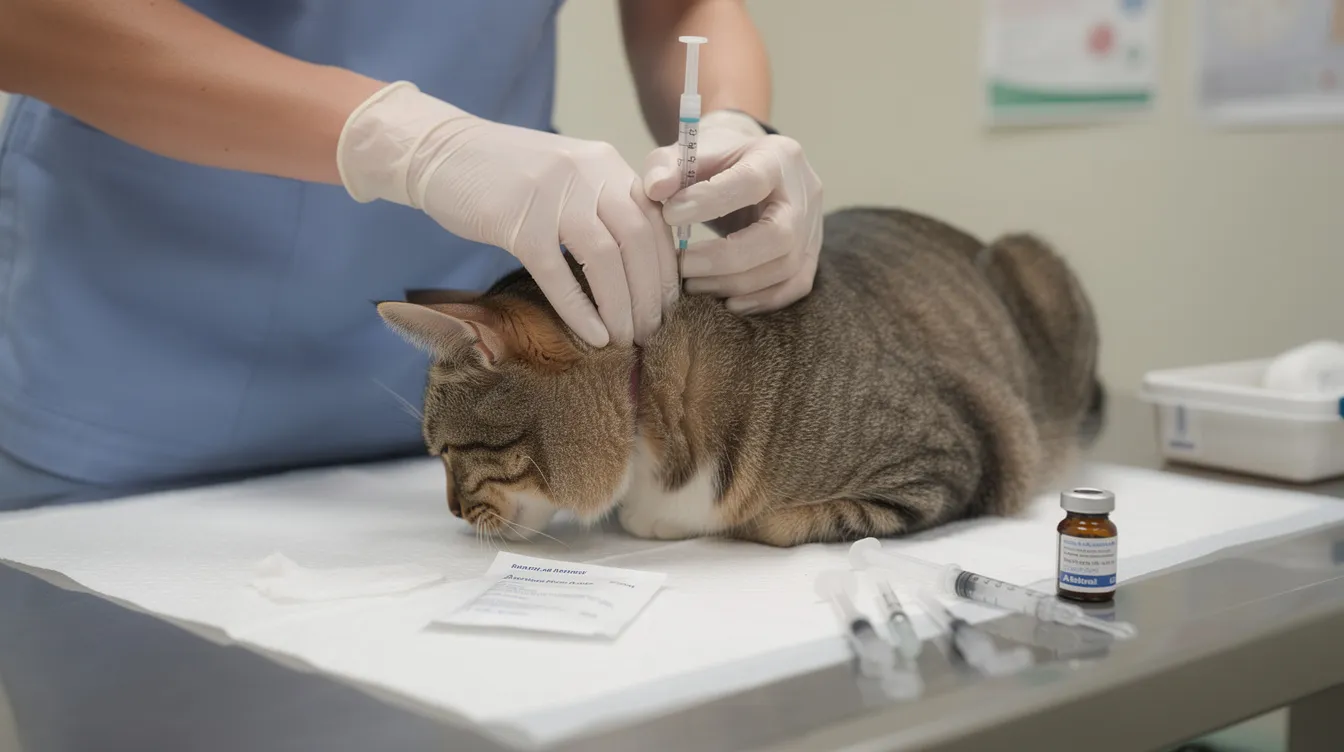
Many owners feel anxious about giving insulin injections, and cats tend to resist unfamiliar handling. The solution is systematic desensitization: practice with saline injections under veterinary supervision before starting insulin, use gentle scruff restraint techniques, and establish a consistent routine by pairing injections with meal times. Most cats accept injections readily once a predictable pattern is established, especially when the appropriate dose is delivered quickly with fine-gauge needles into the subcutaneous tissue over the shoulder area. Rotating injection sites prevents tissue irritation.
Blood Glucose Monitoring Resistance
Home glucose monitoring can help manage a diabetic cat’s condition effectively, but many cats resist ear pricks or paw pad sampling. Gradual conditioning-handling ears daily with treats for several days before attempting blood collection-builds tolerance. Alternative sampling from the paw pad may work for cats that resist ear handling. Monitor blood glucose levels at home using a glucometer validated for feline blood. For cats that remain highly stressed by spot-checks, continuous glucose monitors (CGMs) that measure interstitial glucose over several days offer rich data without repeated handling. Blood glucose curves should be performed every 3–4 months to assess overall control. Regularly assess weight, water intake, and appetite as complementary indicators of your cat’s health status.
Hypoglycemia Recognition and Response
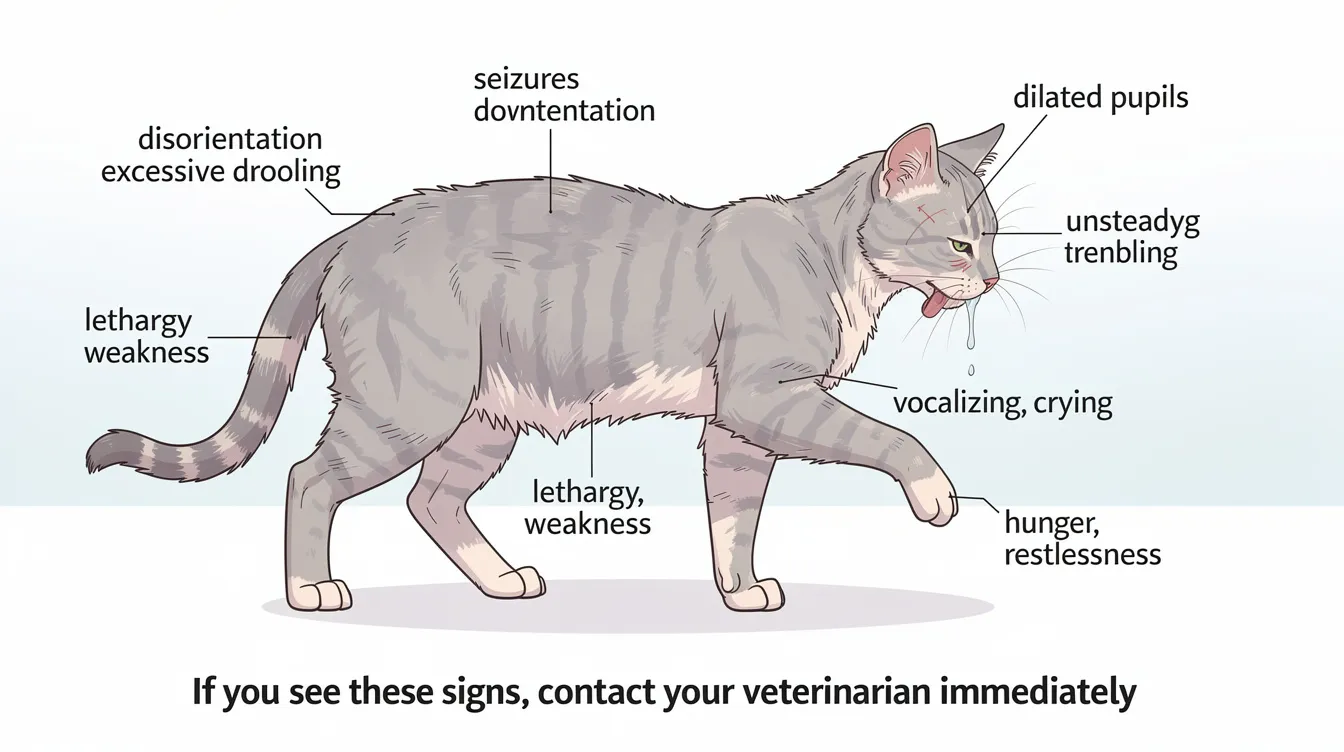
Low blood sugar is the most dangerous acute complication of insulin therapy. When glucose levels drop dangerously low, signs include weakness, disorientation, trembling, seizures, and collapse. Every pet parent managing a diabetic cat should keep corn syrup or honey accessible at all times. If hypoglycemia signs appear, immediately rub a small amount of corn syrup on the cat’s gums and contact your veterinarian or emergency clinic. Never give an insulin dose to a cat that has not eaten, and always confirm feeding before injection. Learning to recognize when blood sugar may drop dangerously low and responding within minutes can be lifesaving.
Understanding your cat diabetes regimen is essential for long-term health and well-being.
Weight Management in Diabetic Cats
Maintaining a healthy weight is both a treatment goal and a prevention strategy. Obesity drives insulin resistance, and weight management directly affects whether a cat can achieve remission. Work with your veterinarian on controlled calorie reduction-aim for gradual loss of approximately 1–2% of body weight per week. Increase physical activity through interactive play sessions, puzzle feeders, and environmental enrichment. Monitor body condition score monthly using a standardized 1–9 scale, targeting the ideal range. Since obesity at diagnosis is associated with worse outcomes, addressing excess body weight is one of the most impactful interventions a pet parent can make.
With consistent effort through these early challenges, most owners find that diabetes management becomes routine within a few weeks, integrating seamlessly into their daily schedule.
Conclusion and Next Steps
Feline diabetes is a serious but highly manageable condition. With the right combination of veterinary partnership, insulin therapy, dietary management, and dedicated home monitoring, most cats diagnosed with diabetes can enjoy comfortable, active lives for many years. Case fatality rates at first diagnosis have dropped from approximately 40% historically to under 10% in modern veterinary practice, reflecting how dramatically outcomes have improved with current treatment approaches. And for roughly 30% of diabetic cats, remission-a period requiring no insulin at all-is achievable with early, aggressive management.
Your immediate next steps if you suspect diabetes:
- Schedule a comprehensive veterinary examination, bringing notes on any changes in your cat’s water intake, litter box habits, appetite, and body weight
- Begin measuring baseline water consumption by tracking how much water you add to your cat’s water bowl daily
- Weigh your cat and record the number for comparison at your veterinary visit
- Research board-certified veterinary internists in your area for complex or refractory cases
- Ask your veterinarian about appropriate dietary transitions to high-protein, low-carbohydrate wet food options
Regular veterinary checkups are essential for managing feline diabetes, and monitoring your cat’s water intake and daily activity is important in diabetes management long after the initial diagnosis. Related topics worth exploring include senior cat wellness programs, obesity prevention strategies for indoor cats, and routine diabetes monitoring schedules to keep your cat’s condition well controlled.
Frequently Asked Questions
Can diabetic cats live normal lifespans with proper treatment and monitoring? Yes. With early detection, appropriate insulin therapy, dietary management, and consistent monitoring, cats diagnosed with diabetes often live many years with good quality of life. Historically, case fatality at first presentation was approximately 40%, but this has dropped to below 10% in current veterinary practice, reflecting major advances in diabetes management for cats.
How much does cat diabetes treatment cost monthly, including insulin, supplies, and veterinary visits? Costs vary depending on insulin type, monitoring tools, diet, and frequency of veterinary visits. A general estimate for combined therapy-including insulin, syringes or pen needles, glucose monitoring supplies, prescription wet food, and periodic veterinary visits-ranges from approximately $150–$300 per month during active management. Basic insulin-only regimens with fewer monitoring tools may cost $75–$200 monthly.
What percentage of diabetic cats achieve remission and no longer require insulin injections? Approximately 30% of diabetic cats in US veterinary practices achieve remission with proper management. In specific studies using insulin combined with a low-carbohydrate diet, about 28% of cats achieved remission within 16 weeks. Early diagnosis and aggressive glycemic control within the first six months significantly improve remission rates.
Which insulin types work best for cats and how do injection schedules differ? Glargine (U-100) and protamine zinc insulin (PZI) are recommended as first-choice insulins for cats due to their longer, more stable duration of action. Both are typically administered every 12 hours (twice daily). Lente insulin is an approved alternative but is generally not preferred as initial therapy. NPH insulin is not recommended for most cats because its duration is under 8 hours and it produces variable blood glucose control.
Can diabetic cats live normal lifespans with proper treatment and monitoring? Yes. With early detection, appropriate insulin therapy, dietary management for cat diabetes, and consistent monitoring, cats diagnosed with diabetes often live many years with good quality of life.
How often should diabetic cats have glucose curves and blood work monitoring for cat diabetes? Blood glucose curves should be performed every 3–4 months once a cat is stabilized, and more frequently during initial dose adjustments-typically every 1–2 weeks for cat diabetes management.
What emergency signs indicate diabetic ketoacidosis requiring immediate veterinary care? Feline diabetes can lead to diabetic ketoacidosis, which is life-threatening. Warning signs include vomiting, severe dehydration, weakness or collapse, complete loss of appetite, rapid or labored breathing, a sweet or fruity breath odor, and extreme lethargy. If you observe any combination of these signs-especially in a cat with uncontrolled diabetes-seek emergency veterinary care immediately. Elevated blood beta-hydroxybutyrate above 1.0 mmol/L with hyperglycemia confirms the diagnosis.
Are there alternative treatments to insulin injections for newly diagnosed diabetic cats? SGLT2 inhibitors are new oral medications showing promise, with over 80% of diabetic cats responding well in studies. Oral hypoglycemics like glipizide may be used when cats have residual beta cell function, but long-term success is limited to fewer than 15% of cases beyond one year. Experimental approaches including GLP-1 receptor agonists are under investigation but are not yet standard of care. For most cats, insulin combined with a low-carbohydrate diet remains the gold standard.
How do I travel with a diabetic cat requiring twice-daily insulin injections? Traveling requires careful planning. Carry insulin in a temperature-controlled case (insulin must stay refrigerated or cool), bring all supplies including syringes, glucometer, test strips, and an emergency glucose source. Maintain the 12-hour injection schedule as closely as possible, and always feed your cat before administering an insulin dose. Research veterinary clinics at your destination in advance, and carry your cat’s complete medical records. For air travel, obtain documentation from your veterinarian regarding the medical necessity of carrying insulin and needles.
What home monitoring equipment is essential for managing diabetic cats effectively? Essential equipment includes: a glucometer validated for feline blood with appropriate test strips, lancets for ear or paw pad blood collection, urine ketone test strips, insulin with the appropriate syringes or pen needles, a kitchen scale for measuring food portions, and corn syrup or honey as an emergency glucose source. A continuous glucose monitor (CGM) system is a valuable addition for cats that resist frequent blood draws. Keep a logbook or app to track water intake, appetite, body weight, insulin dose, and any changes in the cat’s behavior.
This article was reviewed by Dr. Roger Hart, DVM for medical accuracy and current treatment standards. Dr. Hart reviews all content to ensure alignment with the latest evidence-based veterinary guidelines.
Effective management of cat diabetes can lead to longer, healthier lives for affected felines.
Key references informing this guide on cat diabetes:
- AAHA Diabetes Management Guidelines for Cats, 2026 – diagnosis criteria, insulin selection, and remission definitions
- ISFM Consensus Guidelines on the Practical Management of Diabetes Mellitus in Cats, 2024 – glycemic control targets and fructosamine thresholds
- “Managing Feline Diabetes: Current Perspectives” – remission data, insulin type comparisons, and dietary strategies
- “Environmental Risk Factors for Diabetes Mellitus in Cats” – case-control study examining diet, indoor lifestyle, and obesity
- “Time Trends and Risk Factors for Diabetes Mellitus in Cats Presented to Veterinary Teaching Hospitals” – historical prevalence data and declining case fatality rates
Staying informed about cat diabetes can empower you to make the best decisions for your pet’s health.
With the right strategies, you can help your cat diabetes condition significantly improve.
Understanding what to expect during diagnostics for cat diabetes helps prepare pet parents.
Maintaining open communication with your veterinarian is essential for managing cat diabetes effectively.
Understanding these references enhances your knowledge about managing cat diabetes effectively.