
Introduction
Infectious diseases, poisoning, and preventable health emergencies are the most common things that kill puppies. The biggest threats include Parvovirus, Distemper, Canine Herpesvirus, bacterial infections, hypothermia, inadequate nutrition, congenital defects, toxic foods, household chemicals, medications, and intestinal obstructions. Understanding the causes of death in puppies is crucial for all puppy owners.
One of the critical causes of death in puppies is Parvovirus, which can be particularly deadly if not treated promptly. Another significant cause of death in puppies is Distemper, which can have severe consequences for their health. Understanding these causes of death in puppies is essential for preventing such tragic outcomes.
This guide is for new puppy owners, families preparing for puppy adoption, and pet owners in Central Florida who want to protect a young canine companion before problems become life-threatening. It covers infectious diseases, toxic substances, and urgent puppy health risks-not routine training issues or minor puppy behavior concerns.
The direct answer is simple: puppies die most often from conditions that move faster than owners expect. Early awareness, vaccination, safe housing, nutrition, and quick access to veterinary medicine can save puppy lives.
The main causes of death in puppies can often be traced back to owner neglect, such as not recognizing symptoms or delaying veterinary visits. By staying informed about the causes of death in puppies, owners can make better decisions for their furry friends.
By being aware of the causes of death in puppies, owners can take proactive measures to ensure their health and safety.

You will learn how to:
- Recognize early warning signs before a puppy crashes
- Understand why puppies are more fragile than adult dogs
- Identify common dog poisons and dangerous substances at home
- Respond quickly to suspected pet poisoning
Understanding Puppy Vulnerabilities
Puppies are vulnerable to health issues and environmental dangers because their immune systems are still developing and their small body sizes leave little room for error. A problem that might cause mild stomach upset in a larger dog can cause dehydration, low blood sugar, shock, or potentially even death in a small dog or newborn puppy.
Severe risks for puppies include infectious diseases, household and plant toxins, severe temperatures, and intestinal obstructions. Puppies also explore with their mouths, which can lead to choking and gastrointestinal obstructions from ingestion of foreign objects.
Understanding the primary causes of death in puppies can empower owners to take action before it is too late.

Another factor to consider when discussing the causes of death in puppies is the prevalence of certain diseases in specific breeds. Different breeds may have varying vulnerabilities to specific causes of death in puppies, making it essential for owners to be proactive about their health.
Immature Immune Systems
A puppy’s immune system is not fully developed at birth. Newborns rely heavily on maternal antibodies from the mother’s first milk, but that protection fades over time. Immature immune systems make puppies highly vulnerable to environmental bacteria and viruses like Canine Herpesvirus, Parvovirus, and Distemper.
This is why vaccination timing matters. If vaccines are given too early, maternal antibodies may interfere with the puppy’s own immune response. If vaccination is delayed, the puppy may enter a dangerous window where maternal protection is falling but vaccine protection is not yet complete, which is why wellness and preventive care planning with your veterinary team is so important.
Puppy mortality is most frequently caused by hypothermia, inadequate nutrition, bacterial infections, and congenital defects. Congenital defects may cause puppies to fail to thrive shortly after birth, even when care appears appropriate.
Rapid Dehydration and Blood Sugar Changes
Owners should stay vigilant about the causes of death in puppies, particularly during the critical early weeks of life when they are most susceptible to infections and illnesses.
These conditions are often cited as the leading causes of death in puppies, underscoring the importance of early intervention and care.
Puppies have fast metabolisms, limited energy reserves, and small fluid reserves. Vomiting, diarrhea, refusing to nurse, or missing meals can quickly cause dehydration and a rapid drop in blood sugar. Low blood sugar can lead to weakness, tremors, collapse, seizures, and even death.
Newborn puppies cannot regulate their own body temperature for the first three weeks of life. Puppies also lack the body fat and developed coat to regulate their body temperature, making them susceptible to hypothermia and heatstroke. Cold puppies cannot digest milk properly, and cold stress can worsen infection, starvation, and blood sugar instability.
Puppies that are rejected by the mother or suffer from low milk production will quickly starve. This is one reason fading puppy cases can progress so fast. These vulnerabilities explain why infectious diseases are so dangerous in young dogs.
Deadly Infectious Diseases
Being aware of potential causes of death in puppies can help owners provide better environments and preventive care measures to protect their pets.
Because puppies have immature immune systems, small fluid reserves, and rapidly changing blood sugar, infections can become fatal quickly. The most dangerous infectious killers include Parvovirus, Distemper, Infectious Canine Hepatitis, Canine Herpesvirus, and severe bacterial infections.
Canine Parvovirus is highly contagious and can be fatal, especially for unvaccinated puppies. Distemper can attack multiple body systems, including the respiratory tract and nervous system. Canine Herpesvirus is especially dangerous in very young puppies.
Parvovirus (Parvo)
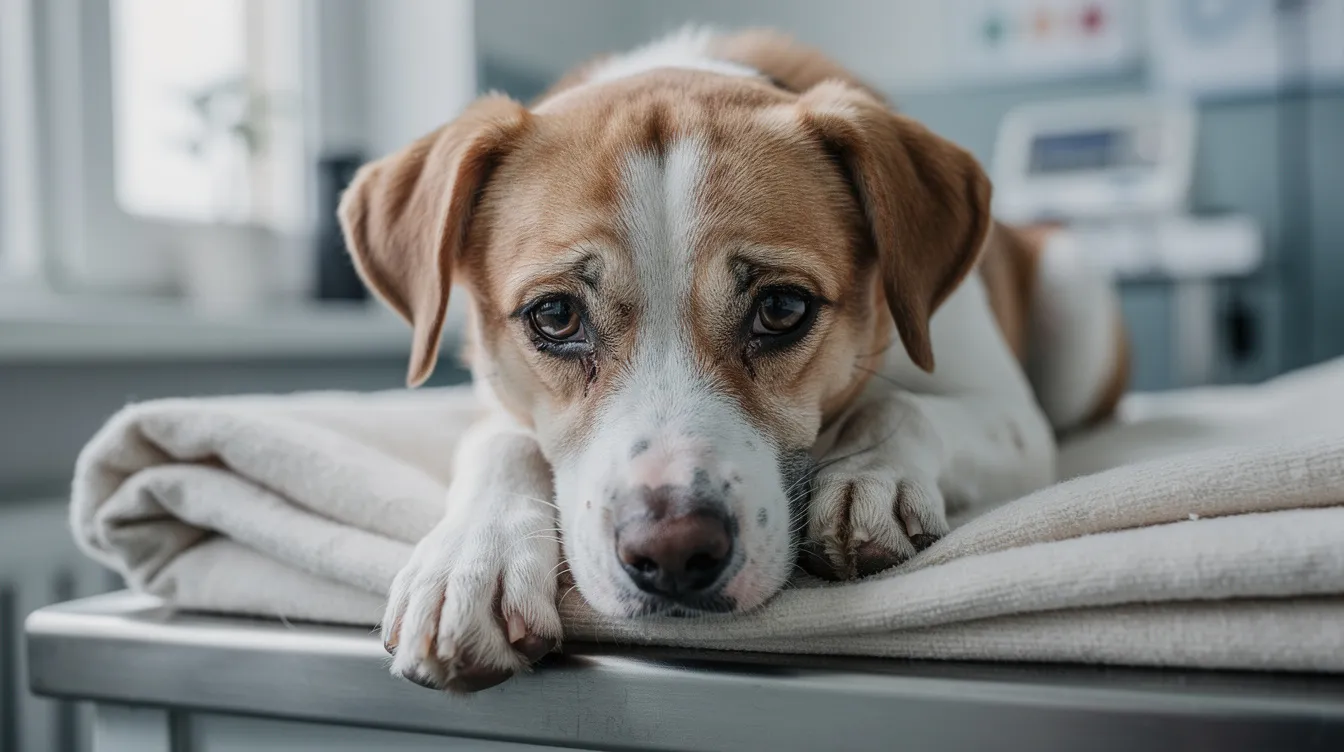
Parvovirus, often called Parvo, spreads through infected feces and contaminated surfaces, bowls, shoes, soil, bedding, and hands. The virus can survive in the environment for long periods, which makes it a leading cause of infectious puppy death in shelters, neighborhoods, dog parks, and poorly cleaned areas.
Symptoms often begin several days after exposure and may include lethargy, vomiting, fever, refusal to eat, and severe diarrhea that may become bloody. Dehydration can develop quickly. In more serious instances, puppies can decline within one to two days after obvious symptoms appear.
Vaccination is the best protection. Puppies usually need a core vaccine series beginning around 6 to 8 weeks of age, with boosters every 3 to 4 weeks until about 16 weeks. Until that series is complete, avoid high-risk areas where unvaccinated dogs may have been.
Distemper
Distemper is a viral disease that can affect the respiratory tract, digestive system, immune system, eyes, skin, and brain. Early signs may look like a respiratory infection: fever, coughing, nasal discharge, eye discharge, lethargy, and loss of appetite.
As the disease progresses, puppies may develop vomiting, diarrhea, pneumonia, tremors, seizures, or other neurological signs. These neurological complications are one reason Distemper is so feared; even survivors may have long-term damage.
Distemper overlaps with Parvo in some early signs, especially lethargy, fever, vomiting, and diarrhea. Any unvaccinated puppy with respiratory tract problems plus gastrointestinal signs should be treated as urgent until a veterinarian says otherwise.
Infectious Canine Hepatitis
Infectious Canine Hepatitis is caused by canine adenovirus type 1. It can spread through urine, feces, saliva, and contaminated environments. The disease affects the liver and blood vessels, which can cause fever, abdominal pain, vomiting, bleeding problems, and sudden severe illness.
Liver damage may progress rapidly in young puppies. Some puppies develop eye changes, weakness, collapse, or signs of internal bleeding. Very young or unvaccinated puppies are at the highest risk.
Key points to remember:
- Parvo destroys the intestinal lining and causes severe dehydration.
- Distemper can cause respiratory, gastrointestinal, and neurological disease.
- Infectious Canine Hepatitis damages the liver and blood vessels.
- Vaccination greatly reduces the risk of these diseases.
- Delays in treatment can turn a survivable illness into a fatal emergency.
Infectious diseases are not the only threat. Many puppies are unintentionally poisoned by substances that seem perfectly harmless to people but are highly toxic to dogs.
Toxic Substances and Poisoning
Puppies chew, lick, and swallow things that dogs accidentally ingest before owners realize there is a problem. Common household chemicals like bleach, ammonia, antifreeze, and certain human foods can be fatal to puppies. Each year, there are more than 401,500 cases of pet poisoning in the U.S., many caused by household substances that may seem harmless to humans but can still poison people’s pets.
Household products, including cleaners and chemicals like bleach, are a leading cause of pet poisoning, resulting in symptoms such as stomach upset and respiratory issues. Household cleaners, paint thinner, antifreeze, essential oils, ant baits, rodent poisons, and similarly dangerous chemicals should be treated as puppy hazards.
Emergency Response Protocol and Pet Poisoning Symptoms
If pet poisoning is suspected, do not wait for severe pet poisoning symptoms. Symptoms depend on the substance, amount, puppy size, and time since exposure, but early action gives your puppy the best chance.
- Secure the area and identify the toxin. Remove the puppy from the substance. Save packaging from medications, household chemicals, toxic plants, chocolate cake, sugar free gum, dietary supplements, flea and tick products, or any suspected dog poison, and note if any wrapper or package appears chip covered if that is relevant to the exposure evidence.
- Collect samples and evidence for veterinary evaluation. Bring the container, label, photos, vomit sample if available, and an estimate of how much was eaten. Do not induce vomiting unless a veterinarian tells you to, because some substances can cause chemical burns or aspiration.
If you suspect your pet has been poisoned, it is important to act quickly by calling your veterinarian or a poison control center, as time is critical for successful treatment.
Household Poison Comparison and Common Dog Poisons
Many common dog poisons are ordinary items in kitchens, garages, bathrooms, purses, and yards. A “dog poison no” list should include foods, medications intended for humans, pet medications used incorrectly, chemicals contained in cleaners, and more toxic plants.
| Hazard | Why It Is Dangerous | Possible Signs and Timeline |
|---|---|---|
| Antifreeze and automotive fluids | Antifreeze can induce kidney failure and is extremely dangerous even in small amounts. | Vomiting, wobbliness, depression, then kidney failure within 36–72 hours. |
| Chocolate and caffeine | Chocolate contains substances called methylxanthines. Baking chocolate and darker chocolate are more dangerous than white or milk chocolate, though milk chocolate can still hurt beloved pets. Just half an ounce of some concentrated chocolate may be dangerous for a small dog. | Vomiting, diarrhea, restlessness, abnormal heart rhythm, seizures, even death. |
| Xylitol | Xylitol, a sweetener found in many sugar-free products, can cause a rapid drop in blood sugar in dogs, leading to weakness, seizures, and liver failure. Sugar free gum is a common source. | Weakness, collapse, seizures within 30–60 minutes; liver failure may follow. |
| Grapes and raisins | Grapes and raisins can induce kidney failure in dogs, and even a small number may cause problems in some dogs, as the toxicity is not dose-dependent. | Vomiting, lethargy, reduced appetite, kidney failure. |
| Onions and garlic | Onions and garlic are dangerous for dogs, as they can cause gastrointestinal and neurological problems, and in severe cases, can be fatal. | Vomiting, diarrhea, weakness, pale gums, severe problems if untreated. |
| Prescription medications | Prescription medications that are safe for humans can be highly toxic to dogs, and even small doses can cause significant harm. | Signs vary: sedation, tremors, seizures, heart changes, organ damage. |
| Over the counter medications | Common over-the-counter medications, including painkillers and anti-inflammatory drugs, can be extremely poisonous to dogs if ingested. Commonly reported problem medications include pain relievers, cold medicines, antidepressants, and vitamins. | Vomiting, ulcers, kidney injury, liver injury, neurological signs. |
| Veterinary products | Veterinary products, including medications and flea and tick treatments, can also poison dogs if ingested or if the dosage is too high. Flea and tick products designed to fight fleas are not automatically safe if a puppy chews the tube or receives the wrong dose. | Drooling, tremors, vomiting, seizures, skin irritation. |
| Rodenticides and insecticides | Rodenticides and insecticides can be extremely dangerous for dogs, as they may ingest these substances directly or by consuming poisoned rodents. A poisoned rodent can expose a puppy to toxic bait. | Bleeding, weakness, seizures, difficulty breathing, collapse. |
| Household chemicals | Bleach, ammonia, household cleaners, paint thinner, and similarly dangerous chemicals can cause chemical burns, respiratory tract problems, and systemic poisoning. | Drooling, mouth pain, vomiting, coughing, difficulty breathing. |
| Toxic plants and people food | Toxic plants such as sago palm, oleander, azalea, and pretty flowering plants that are not necessarily pet friendly can poison dogs. Avocado contains a substance called persin. Macadamia nuts, alcohol, and many foods prepared for people can be harmful. | Drooling, vomiting, tremors, liver failure, alcohol poisoning, weakness. |
| Each year, there are more than 401,500 cases of pet poisoning in the U.S., many caused by household substances that may seem harmless to humans. What may be perfectly safe for people is not always perfectly harmless for puppies. |
To prevent pet poisoning, it is crucial to keep all medications, both over-the-counter and prescription, securely stored out of your pet’s reach. This includes harmful medications, pet medications, veterinary drugs, dietary supplements, and medications intended for a larger dog or another animal.
Common Challenges and Solutions: Flea and Tick Products
Most puppy deaths are linked to risks that can be reduced with planning: vaccines on schedule, safe housing, proper feeding, parasite prevention, temperature control, and fast veterinary help. Pet owners do not need to memorize every disease or dog poison, but they do need a clear plan and a trusted veterinarian who offers the right care.
Delayed Vaccination Due to Cost Concerns
Delayed vaccination leaves puppies exposed during their most vulnerable months. Core vaccines help protect against Parvo, Distemper, and Infectious Canine Hepatitis, which are among the most serious infectious threats to puppies.
Missing Early Warning Signs
Puppies can look “a little off” and then become critically ill within hours. Warning signs include refusal to eat or nurse, repeated vomiting, diarrhea, bloody stool, weakness, pale gums, cold body temperature, coughing, difficulty breathing, seizures, collapse, or suspected toxin exposure.
Emergency Care Access After Hours
Some puppy emergencies cannot wait until regular hours. Suspected pet poisoning, severe vomiting or diarrhea, collapse, heatstroke, hypothermia, seizure activity, choking, and possible intestinal obstruction need urgent direction.
Comprehensive prevention is the safest approach: vaccines, nutrition, puppy-proofing, safe parasite control, supervision, and a clear emergency plan.
Conclusion and Next Steps for Pet Owners
The most common things that kill puppies are infectious diseases, poisoning, temperature stress, inadequate nutrition, bacterial infections, congenital defects, and preventable emergencies that progress quickly. Many of these deaths can be prevented with vaccination, safe home setup, proper feeding, early warning sign recognition, and prompt veterinary care.
Your next steps:
- Schedule a puppy vaccination consultation with your regular veterinarian.
- Puppy-proof your home by removing common dog poisons, toxic plants, household chemicals, rodent poisons, medications, and unsafe people food.
- Store all prescription medications, over the counter medications, pet medications, and flea and tick products securely.
- Create an emergency plan
When owners understand the causes of death in puppies, they can better prepare for potential health challenges their pets may face.
The causes of death in puppies can sometimes be a wake-up call for owners to adopt proactive health measures.
Related topics worth discussing with Dr. Hart include puppy nutrition, safe socialization before vaccines are complete, parasite prevention, microchipping, congenital conditions such as canine cryptorchidism and its treatment, and a written wellness plan for your puppy’s first year.
Frequently Asked Questions
At what age are puppies most vulnerable to deadly diseases?
Newborn puppies are highly vulnerable during the first three weeks of life because they cannot regulate their own body temperature and can quickly suffer from hypothermia, starvation, bacterial infection, or congenital defects. Puppies are also highly vulnerable from about 6 weeks to 6 months because maternal antibody protection fades while vaccine protection is still developing.
The urgency of addressing the causes of death in puppies cannot be overstated, as swift action can make the difference between life and death.
Exploring the various causes of death in puppies reveals the complex interplay of genetics, environment, and care that contributes to their overall health.
Knowing the most common causes of death in puppies can guide owners in making informed health decisions for their pets.
How quickly can parvo kill an unvaccinated puppy?
Parvo symptoms often appear several days after exposure. Once vomiting, diarrhea, lethargy, and dehydration begin, an unvaccinated puppy can become critically ill within 24–48 hours. Immediate veterinary care greatly improves the chance of survival.
What household items should I remove immediately after bringing a puppy home?
Remove or secure chocolate, baking chocolate, darker chocolate, chocolate cake, sugar free gum, grapes, raisins, onions, garlic, macadamia nuts, alcohol, human medications, prescription medications, over the counter medications, dietary supplements, rodent poisons, ant baits, insecticides, household cleaners, bleach, ammonia, antifreeze, paint thinner, toxic plants, and unsafe veterinary products
What vaccination schedule does Dr. Hart recommend for puppies in Central Florida?
Dr. Hart generally recommends starting core puppy vaccines around 6 to 8 weeks of age, then giving boosters every 3 to 4 weeks until about 16 weeks. The exact plan may vary based on your puppy’s age, health, prior vaccine history, lifestyle, and local Central Florida risk factors.
How do I know if my puppy needs emergency care versus waiting for regular hours?
Seek emergency guidance if your puppy has repeated vomiting, diarrhea, bloody stool, refusal to eat or nurse, weakness, collapse, seizures, difficulty breathing, suspected dog poison exposure, chemical burns, heatstroke, hypothermia, choking, or signs of an intestinal obstruction.
A proactive approach to the causes of death in puppies can significantly impact their quality of life.