Introduction
If your dog ate chicken bones, the symptoms you need to watch for include vomiting, difficulty swallowing, excessive drooling, abdominal pain, lethargy, and changes in bowel movements. Some of these warning signs appear within minutes, while others may take 24-72 hours to develop as bone fragments move through the digestive tract. Cooked chicken bones pose significant health risks to dogs because they splinter easily and can cause injuries ranging from minor mouth lacerations to life-threatening intestinal perforation. If your dog ate chicken bones, be vigilant about these signs.
This guide covers the full spectrum of symptoms that develop after a dog eats chicken bones, organized by timing and severity. It is designed for pet owners who need to quickly assess what to watch for and when to seek emergency veterinary care. Whether your dog swallowed a leftover chicken wing from the dinner table or raided the trash can, understanding these symptoms can help you act quickly and potentially save your dog’s life.
Common symptoms include vomiting, choking, drooling, excessively pawing at the mouth, abdominal pain, bloody stool, lethargy, and difficulty breathing. Immediate symptoms involve the mouth and throat, while delayed symptoms point to problems deeper in the digestive system.
By reading this article, you will:
- Recognize the difference between immediate and delayed symptoms after bone ingestion
- Understand the severity levels of each symptom and what they indicate
- Know exactly when to seek emergency veterinary care versus monitoring at home
- Follow a structured 72-hour monitoring protocol to keep your dog safe
- Learn prevention strategies to stop accidents before they happen
Understanding Why Symptoms Develop After Chicken Bone Ingestion
When a dog eats a chicken bone, the symptoms that follow are directly caused by physical damage to soft tissues and the body’s inflammatory response to that damage. Understanding why these symptoms develop helps pet owners interpret what their dog is experiencing and respond appropriately.
Immediate Physical Trauma
Cooked chicken bones are brittle and break into sharp pieces when chewed or swallowed. Hollow chicken bones are more likely to break and splinter, creating sharp bone fragments that can lacerate the dog’s mouth, throat, and esophagus. The specific symptoms your dog shows depend on where the bone or fragment becomes lodged. A bone stuck in the throat causes choking and gagging, while fragments embedded in the esophagus produce drooling, difficulty swallowing, and visible distress. Bones can become lodged in the throat causing choking – one of the most immediately visible and dangerous outcomes.
Raw chicken bones are slightly softer and less likely to splinter than cooked bones, but they still carry risks. Sharp edges on raw bones can cause tissue damage, and raw chicken bones may contain harmful bacteria like Salmonella, adding infection risk on top of mechanical injury.
Gastrointestinal Tract Response
Once bone fragments pass beyond the throat and into the stomach and intestinal tract, a different set of problems begins. Sharp bone pieces can puncture the stomach or intestines, causing inflammation, internal bleeding, and potentially peritonitis – a severe abdominal infection. Bone fragments can also cause gastrointestinal blockages in dogs, where pieces accumulate and prevent food and fluid from passing normally through the dog’s digestive system.
The body responds to this damage with inflammation, swelling, and immune activation. This is why systemic symptoms like fever, lethargy, and loss of appetite develop over time rather than appearing immediately. The progression from physical trauma to inflammatory response explains the critical 24-72 hour window during which delayed symptoms emerge.
Immediate Symptoms to Watch For
The first minutes to hours after your dog eats chicken bones are when acute symptoms present. These symptoms relate to direct contact between sharp fragments and the upper portions of the digestive tract and upper airway.

Mouth and Throat Symptoms
Choking, drooling, excessively pawing at the mouth, and difficulty swallowing are the hallmark immediate symptoms. If a bone or fragment is stuck in the dog’s mouth or throat, you may see your dog gagging, retching, or rubbing its face against furniture or the ground. Excessive drooling indicates possible distress – the body produces extra saliva in response to irritation or obstruction.
Pawing at the mouth or difficulty breathing may indicate choking. Look for blood in saliva, which signals that sharp pieces have cut tissue in the dog’s mouth or throat. Some dogs refuse to eat or drink because swallowing causes pain. According to the Merck Veterinary Manual’s entry on esophageal foreign bodies, drooling, gagging, difficulty swallowing, regurgitation, and anorexia are characteristic signs of bones lodged in the esophagus.
Respiratory Distress Signs
If a bone fragment becomes lodged near the upper airway, your dog may show labored breathing, wheezing, or noisy breathing (stridor). This is a true emergency. Dogs experiencing airway obstruction often display panic behaviors – restlessness, pacing, or frantic attempts to cough. If you notice your dog’s gums turning pale or bluish, oxygen deprivation is occurring and you need to contact your veterinarian immediately. For more on recognizing breathing emergencies, see Why Is My Dog Breathing Hard and What Should I Do?
Immediate Gastrointestinal Reactions
Dogs that ate chicken bones may exhibit various gastrointestinal reactions that require monitoring.
Watch for vomiting, especially with blood, within the first few hours of ingestion. Cooked chicken bones can splinter and cause internal injuries even in the stomach, where sharp fragments irritate the lining and trigger acute vomiting. Abdominal pain may manifest as a hunched posture, reluctance to move, yelping when touched, or guarding the belly. If your dog shows signs of bloating or abdominal distension, this may indicate the beginning of an obstruction.
These immediate symptoms can resolve if the bone is dislodged or passes into the stomach – but resolution of acute symptoms does not mean the danger has passed. Many dogs show improvement initially only to develop serious delayed symptoms as fragments continue through the digestive tract.
Delayed Symptoms That May Develop Over 24-72 Hours
Even if your dog appears fine in the first hours after eating bones, internal damage may be developing silently. Monitor your dog closely for 72 hours after ingestion, watching for the progressive symptoms described below.

Progressive Gastrointestinal Signs
Delayed gastrointestinal symptoms typically follow this progression:
- Hours 6-12: Decreased appetite, reluctance to eat, or eating only soft food
- Hours 12-24: Episodes of vomiting that may become more frequent; vomit may contain bile, mucus, or blood
- Hours 24-48: Changes in stool – diarrhea, constipation, or straining to defecate. Bone fragments can cause difficulty defecating, and symptoms of intestinal blockages include straining to defecate without producing stool
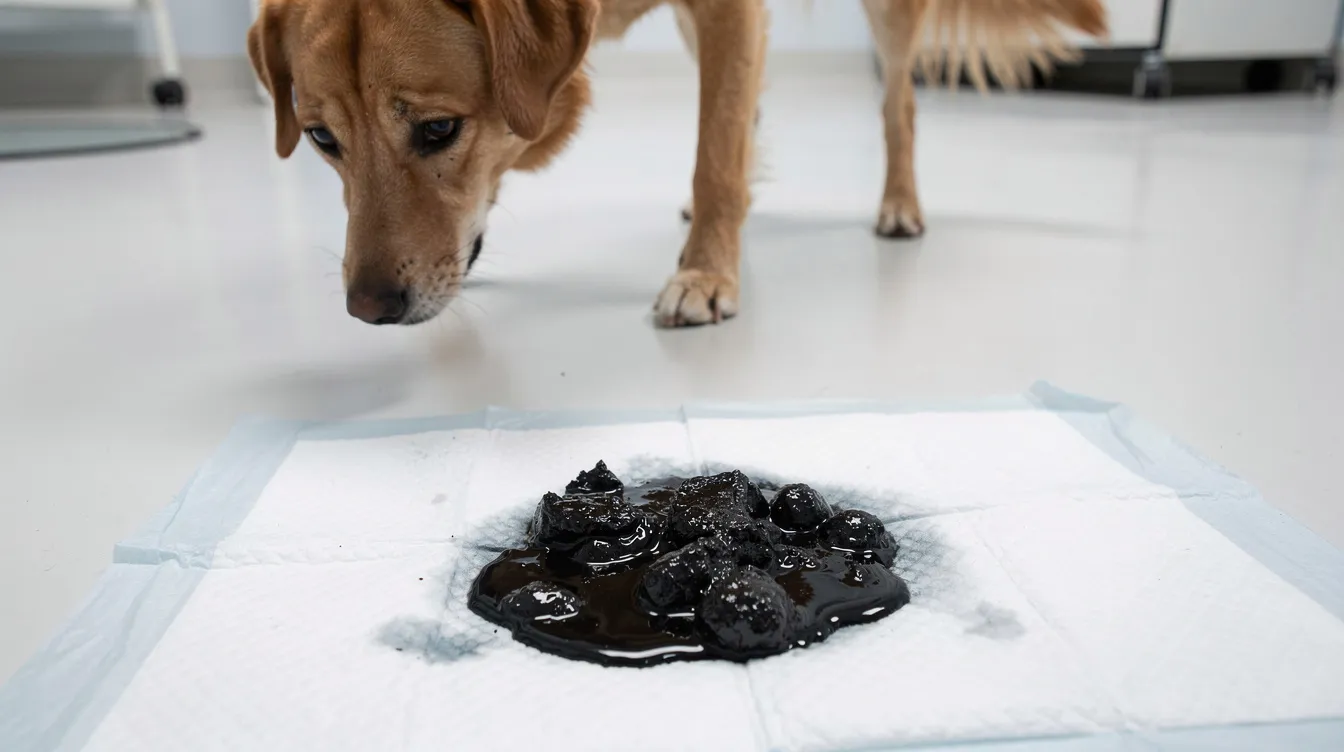
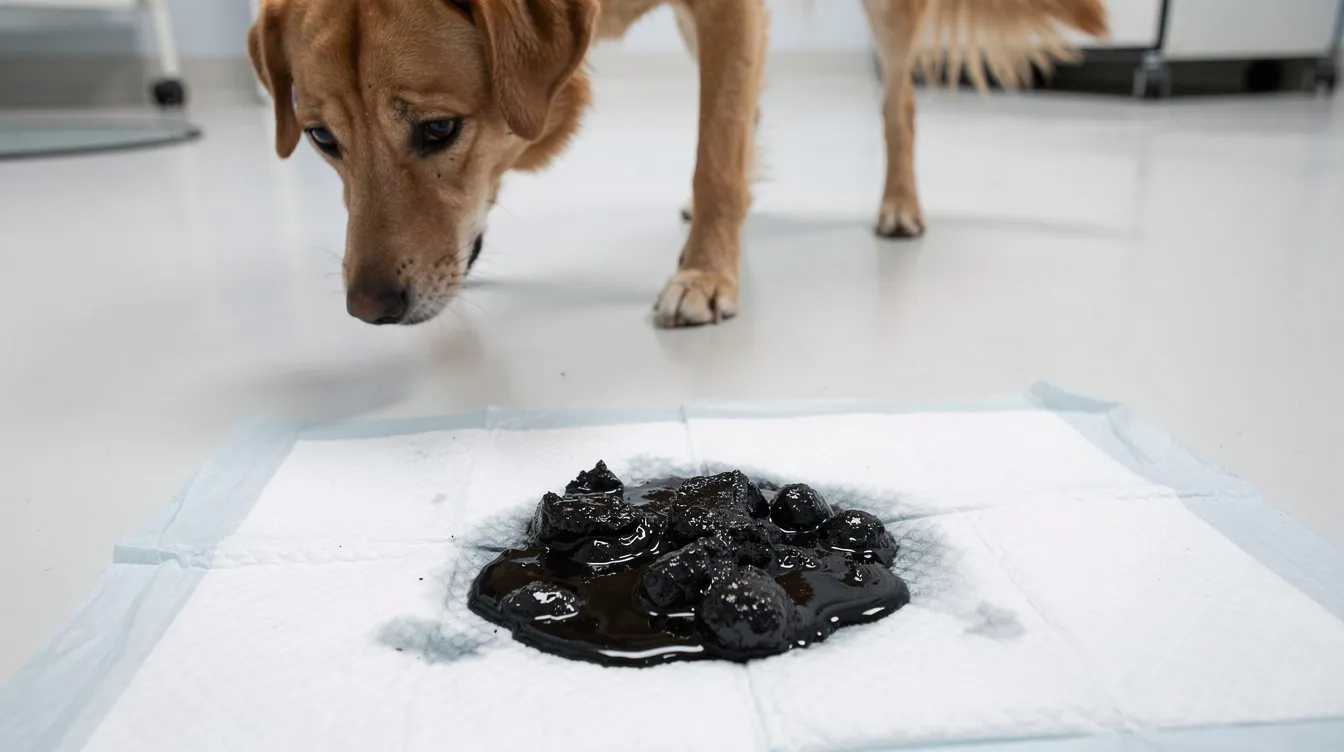
- Hours 48-72: Signs of internal bleeding include bloody or black, tarry stools (melena), indicating bleeding in the upper intestinal tract
Contact your vet if your dog has blood in stool or vomiting. Persistent vomiting that worsens over time – rather than improving – is a significant warning sign that an intestinal blockage may be developing.
Systemic Symptoms
As the body responds to ongoing internal damage, systemic symptoms emerge:
- Lethargy and weakness: Lethargy or loss of appetite can be signs of distress in dogs. Your dog may sleep more, withdraw from family activities, or show no interest in walks or play
- Dehydration: Look for dry, tacky gums, sunken eyes, and reduced skin elasticity. Dehydration develops from vomiting, diarrhea, and reduced fluid intake
- Fever: Temperature above 103°F (39.4°C) suggests infection or inflammation, potentially from bone fragments causing micro-perforations in the intestinal wall
Low energy or weakness requires immediate veterinary attention, especially when combined with other gastrointestinal symptoms.
Critical Warning Signs
The following symptoms indicate a potential surgical emergency:
- Abdominal distension: A visibly swollen, tight, or painful abdomen that the dog guards when touched
- Collapse or inability to stand: Suggests shock from internal bleeding or severe infection
- Pale gums: Dogs may develop internal bleeding from sharp bone fragments – pale or white gums indicate blood loss or compromised circulation
- Rapid heart rate with weak pulse: Signs of sepsis developing from intestinal perforation
A case report published in Frontiers in Surgery (2026) described a dog that ingested a small chicken bone and showed only mild throat discomfort initially, but two days later presented with intestinal perforation requiring emergency surgery. This underscores why monitoring for changes in appetite or behavior for 72 hours is essential – even when initial symptoms seem mild.
When Symptoms Indicate Emergency Veterinary Care
Not every case of a dog that ate chicken bones requires an emergency visit, but knowing which symptom combinations signal a crisis can mean the difference between a close call and a fatal outcome. Seek immediate veterinary care if your dog exhibits severe symptoms.
Life-Threatening Symptom Combinations
The following table helps pet owners compare mild symptoms that can be monitored at home versus severe presentations requiring emergency care:
Symptom Category | Monitor at Home (Call Vet for Advice) | Emergency – Go to Vet Immediately |
|---|---|---|
Vomiting | Single episode, no blood | Repeated vomiting, blood present, unable to keep water down |
Appetite | Slightly reduced for one meal | Complete refusal to eat for 12+ hours |
Stool | Slightly loose or mildly constipated | Bloody stool, black tarry stool, no stool production with straining |
Energy | Mildly subdued | Collapse, inability to stand, extreme weakness |
Breathing | Normal | Difficulty breathing, wheezing, choking |
Gums | Pink and moist | Pale, white, blue, or tacky/dry |
Abdomen | Mild discomfort | Distended, rigid, extremely painful to touch |
Cornell University veterinary experts have documented that bones are among the most common foreign bodies in dogs and have led to choking, obstruction, and internal injuries. Their recommendation is clear: avoid giving any hard, brittle bone, and seek immediate care if any concerning symptom arises after ingestion.
Clinical Assessment Protocol
When a dog presents after eating chicken bones, veterinarians typically follow a structured evaluation process:
- History-taking: Determining whether the bones were cooked or raw, quantity consumed, the dog’s size and breed, time since ingestion, and whether the dog chewed or swallowed whole pieces
- Physical exam: Examining the dog’s mouth for visible fragments or lacerations, palpating the abdomen for pain or masses, assessing hydration, checking mucous membrane color, heart rate, respiratory rate, and temperature
- Diagnostic imaging: Radiographs (X-rays) to locate radiopaque bone fragments, identify obstruction areas, or detect free air indicating perforation. Ultrasound or CT may be used when perforation is suspected but not confirmed on X-ray
- Laboratory assessment: Complete blood count to check for infection markers and anemia, chemistry panel for electrolyte disturbances
- Treatment decision: If a bone is stuck in the esophagus, endoscopic removal is performed immediately. If fragments are in the stomach and the patient is stable, monitored observation with a soft-food diet may be appropriate. If obstruction or perforation signs are present, surgical intervention is typically required
According to the Merck Veterinary Manual, gastrointestinal foreign body obstruction can cause tissue devitalization, peritonitis, electrolyte disturbances, and septic shock if not treated promptly.
Common Challenges in Symptom Recognition
Many pet owners struggle to identify symptoms accurately, especially when signs are subtle or don’t appear right away. Understanding these common challenges improves your ability to monitor your dog’s health effectively.
Subtle Early Warning Signs
Dogs can hide pain remarkably well, driven by instinct. The first significant signs may not be dramatic – they may be as quiet as refusing a favorite treat, eating more slowly than usual, or being slightly less enthusiastic about walks. A dog that normally steals food from the table but suddenly shows no interest in eating is communicating discomfort. Watch your dog’s behavior closely: changes in posture (hunching), reluctance to lie down or get up, and restless repositioning all indicate that something is wrong internally.
Solution: Keep a written log during the 72-hour monitoring period. Note eating and drinking amounts, stool timing and appearance, energy level, and any unusual behaviors. This record is invaluable if you need to call your vet.
Delayed Onset Confusion
Because many dogs show no immediate symptoms after swallowing bone fragments, owners often assume the danger has passed. This is one of the most dangerous misconceptions. Bone fragments can sit in the stomach or move slowly through the intestinal tract for hours before they lodge, create a blockage, or cause a perforation. A dog that seems perfectly fine 6 hours after eating cooked bones may develop an intestinal blockage 36 hours later.
Solution: Commit to the full 72-hour observation period regardless of how your dog appears. Monitor for changes in appetite or behavior throughout this window. If 72 hours pass with normal appetite, normal stool, no vomiting, and normal behavior, the bone has likely passed safely – but veterinary confirmation is still recommended.
Breed-Specific Considerations
Your dog’s size, breed, and age significantly affect symptom presentation and risk level:
- Small breeds have narrower esophageal and intestinal passages, creating a higher risk of obstruction. Even a small thigh bone fragment can become lodged. A choking hazard that a large dog might swallow without issue could be life-threatening for a small breed
- Puppies have immature digestive systems, smaller anatomical structures, and tend to swallow pieces without chewing adequately, increasing obstruction risk
- Adult dogs and large breeds may swallow large fragments whole, which can cause major obstruction lower in the digestive tract
- Senior dogs may have compromised GI motility or weakened immune function, increasing the risk of complications from infection or delayed healing
Regardless of your dog’s size or age, professional advice from your veterinary team is always warranted when bones have been ingested.
Conclusion and Next Steps
After a dog swallows chicken bones, symptom recognition and timely response are your most powerful tools. Whether you observed the ingestion or discovered evidence afterward, stay calm and begin systematic monitoring immediately. Do not induce vomiting unless directed by a veterinary professional – inducing vomiting after your dog eats a chicken bone can cause sharp fragments to lacerate tissue on the way back up, worsening internal damage.
Follow these immediate steps:
- Assess your dog now: Check the dog’s mouth for visible bone fragments, bleeding, or swelling. Note breathing quality and gum color
- Call your veterinarian: Describe what was eaten (cooked bones vs. raw bones), approximate quantity, your dog’s size, and any symptoms observed. Call a veterinarian if your dog shows concerning symptoms of any kind
- Begin 72-hour monitoring: Track appetite, stool, vomiting episodes, energy level, and behavior changes in a written log. If your dog is stable, follow a soft-food diet as advised by your vet
- Seek emergency care immediately if you observe difficulty breathing, blood in vomit or stool, abdominal distension, collapse, or pale gums
- Prevent future incidents: Store chicken bones in secure, covered trash containers. Use trash cans with locking lids to prevent access. Keep leftover chicken bones out of reach of dogs. Crate dogs while cooking to prevent food stealing. Double bag chicken bones before disposal to prevent access
Dogs love to steal food, and accidents happen – even the most attentive pet owners can’t watch every moment. The key is knowing what to look for and when to act. For ongoing guidance on keeping your dog safe from dietary hazards, explore Dog Digestive Health and Pet Toxicities resources.
As the Merck Veterinary Manual notes, gastrointestinal foreign body ingestion is one of the most common GI emergencies in dogs – and bones are among the most frequent culprits. Avoid feeding chicken bones, whether cooked or raw, and choose flexible chew alternatives that satisfy your dog’s natural chewing instincts without creating sharp fragments.
Frequently Asked Questions
How long after eating chicken bones do symptoms appear?
Mouth and throat injury symptoms – choking, gagging, drooling – can appear within minutes. Gastrointestinal symptoms like vomiting and abdominal pain typically develop within 2-12 hours. More serious signs of intestinal blockage or perforation often emerge 24-72 hours after ingestion. This is why you should monitor your dog closely for 72 hours after ingestion.
Can dogs show no symptoms and still have internal damage?
Yes. Bone fragments may slowly cause micro-perforations or build toward obstruction without producing obvious behavioral changes. Many dogs appear normal for a day or more before suddenly developing severe symptoms. The absence of immediate symptoms does not confirm the bone has passed safely.
What’s the difference between choking symptoms and internal injury symptoms?
Choking symptoms are immediate and involve the upper airway and throat: gagging, retching, pawing at the mouth, drooling, and difficulty breathing. Internal injury symptoms are delayed and systemic: abdominal pain, persistent vomiting, changes in stool, lethargy, fever, and weakness. Choking requires immediate intervention; internal injury symptoms require urgent veterinary evaluation.
Should I induce vomiting if my dog shows no symptoms yet?
No. Do not induce vomiting after your dog eats a chicken bone. Sharp bone fragments can cause additional lacerations to the esophagus and throat on the way back up. Only induce vomiting if specifically directed to do so by a veterinary professional who has assessed your dog’s situation.
How do I know if blood in vomit is from chicken bones?
Bright red blood in vomit typically indicates injury to the mouth, throat, or esophagus from sharp fragments. Dark red or “coffee-grounds” appearance in vomit suggests bleeding deeper in the stomach. Either type warrants an immediate call to your vet immediately. Contact your vet if your dog has blood in stool or vomiting.
When can I stop monitoring my dog for symptoms?
If 72 hours pass with no vomiting, normal appetite, normal stool consistency and color, and normal behavior, the bone fragments have likely been passed safely or dissolved by stomach acid. However, veterinary confirmation is always recommended, especially if cooked bones were involved.
Are there breed differences in how symptoms present?
Yes. Small breeds face higher risk of choking and esophageal obstruction due to narrower passages. Large breed dogs may swallow substantial pieces whole, increasing the risk of intestinal blockage further down the digestive tract. Puppies and senior dogs face elevated risk due to their dog’s size, immature or compromised systems, and reduced ability to process foreign material.
What symptoms mean my dog needs emergency surgery?
Evidence of complete obstruction (persistent vomiting, inability to pass stool or gas, severe abdominal distension), perforation (sudden fever, extreme abdominal pain, collapse), severe internal bleeding (pale gums, bloody or black tarry stools, rapid heart rate), and difficulty breathing all indicate potential surgical emergencies. Do not wait to see if these symptoms resolve – get to an emergency veterinary clinic immediately.
Veterinary Review and Medical Disclaimer
This article has been reviewed by Dr. Roger Hart, DVM, a licensed veterinarian with extensive clinical experience in emergency medicine, soft tissue surgery, and canine digestive health. This article’s clinical guidance is informed by current veterinary literature and general veterinary practice experience.
Medical Disclaimer: This article is provided for educational purposes only and does not constitute veterinary medical advice. Every dog and every ingestion incident is unique. Always consult a qualified veterinary professional for diagnosis and treatment decisions regarding your individual pet. If your dog has eaten chicken bones and is showing any symptoms described in this article, contact your veterinarian immediately or visit your nearest emergency veterinary clinic.
For questions about your dog’s health or to schedule a consultation, contact your regular veterinarian directly.