Introduction
Peppermint oil is generally not safe for dogs. This concentrated essential oil contains high levels of menthol and other aromatic compounds that dogs metabolize poorly, creating significant risks of poisoning through ingestion, inhalation, or skin exposure. As a Central Florida veterinarian who has treated numerous essential oil toxicity cases, I want every pet parent to understand exactly why this popular household product poses real dangers to their pup.
Peppermint essential oil is highly concentrated and can be toxic to dogs even in small amounts. Because dogs metabolize it differently than humans, exposure can cause symptoms ranging from mild gastrointestinal upset to more serious complications, so it is worth knowing the early warning signs and the safe alternatives for your home. Related reading on other common household hazards: raisins, garlic and onions, onion toxic dose, skin reactions, Addison’s disease, and leptospirosis.
This guide covers everything dog owners need to know about peppermint oil safety – from the science behind why it’s harmful, to recognizing poisoning symptoms, executing emergency response protocols, and choosing safer alternatives. Whether you use essential oils for aromatherapy, pest control, or freshening your home, this information could save your dog’s life.
Peppermint essential oil is considered unsafe for dogs by veterinary toxicology experts. Even a small amount of undiluted peppermint oil can cause gastrointestinal distress, respiratory irritation, and neurological symptoms in most dogs.
After reading this article, you will understand:
- Why peppermint oil is toxic to dogs and how canine metabolism differs from humans
- How to recognize early and severe symptoms of peppermint oil poisoning
- What immediate first aid steps to take if your dog is exposed
- Which pet safe alternatives can replace peppermint products in your home
- How to create a household environment that protects your pets from essential oil hazards
Understanding Peppermint Oil Toxicity in Dogs
Peppermint essential oil is a highly concentrated extract steam-distilled from the peppermint plant (Mentha piperita). It typically contains 35–60% menthol, 15–30% menthone, and smaller amounts of other volatile organic compounds including pulegone – a known hepatotoxin that comprises roughly 1–4% of the oil. These concentrated oils are fundamentally different from dried peppermint leaves or food-grade flavorings, which contain far lower levels of active terpenoid compounds.
Dogs metabolize essential oils very differently than humans. Canine livers have less efficient glucuronidation and other phase II detoxification pathways, meaning dogs are significantly slower to convert phenolic and terpenoid compounds like menthol into water-soluble forms their bodies can eliminate. This metabolic limitation means that peppermint oil contains compounds that dogs metabolize poorly, increasing toxicity risk with each exposure. Repeated or even moderate doses can accumulate in a dog’s system, stressing the liver and nervous system over time – a concern especially relevant for senior dogs and those with pre-existing liver disease.
How Peppermint Oil Affects Canine Physiology
Menthol and other volatile terpenoids in peppermint oil target multiple organ systems in dogs simultaneously. Peppermint oil can cause respiratory distress when inhaled by dogs – the volatile compounds irritate mucous membranes in the mouth, throat, and airways, provoking coughing, wheezing, and labored breathing. Dogs have a more acute sense of smell than humans and can be overwhelmed by strong scents, making even diffused peppermint oil problematic. Dogs with existing respiratory conditions face heightened risk from any inhalation exposure.
At high doses, menthol produces central nervous system depression, leading to lethargy, ataxia, tremors, and in severe cases, seizures. Peppermint oil can cause seizures in dogs at high doses, and the neurological impact is compounded by the dog’s inability to efficiently clear these compounds from their system. The cooling effect that makes peppermint pleasant for humans becomes a source of tissue irritation and systemic stress in canines.
The connection between concentration levels and toxicity severity is direct – high concentrations of peppermint oil can be toxic to dogs, while even lower concentrations pose risks depending on the route of exposure, the dog’s size, and underlying health conditions.
Routes of Exposure and Absorption
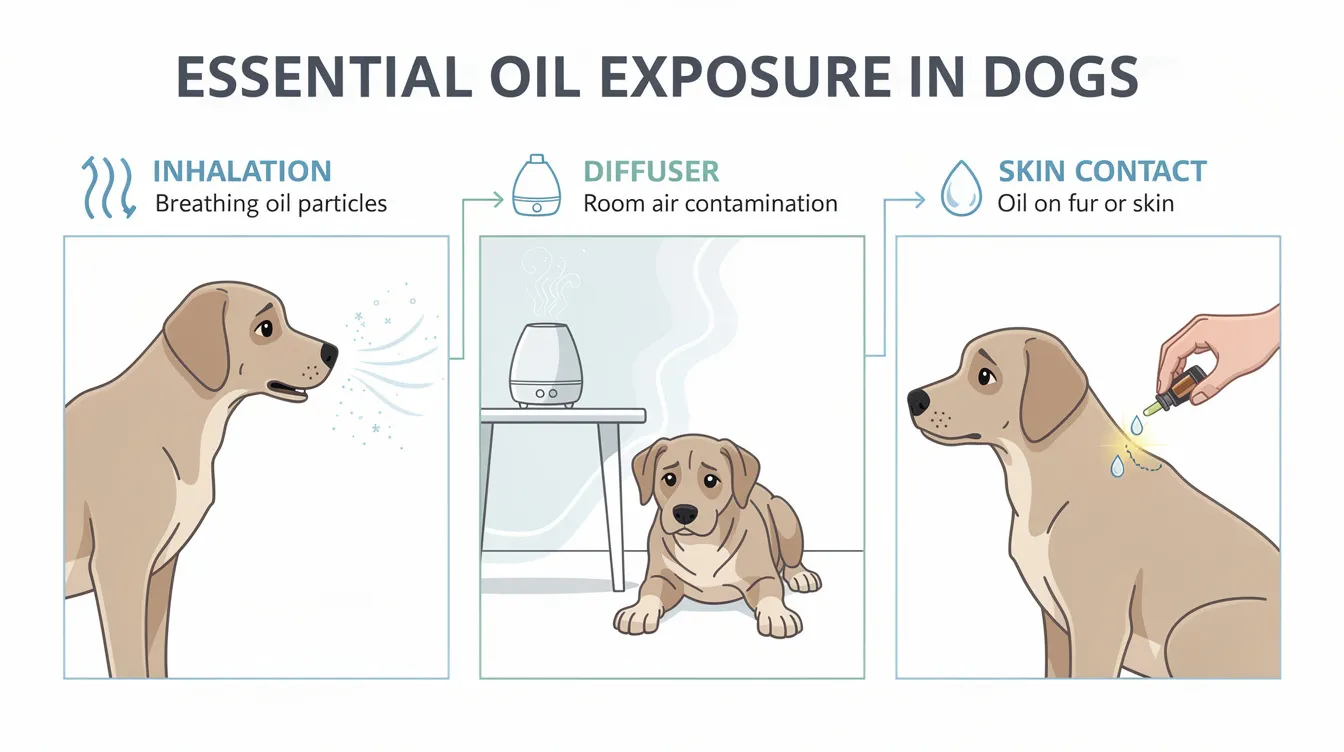
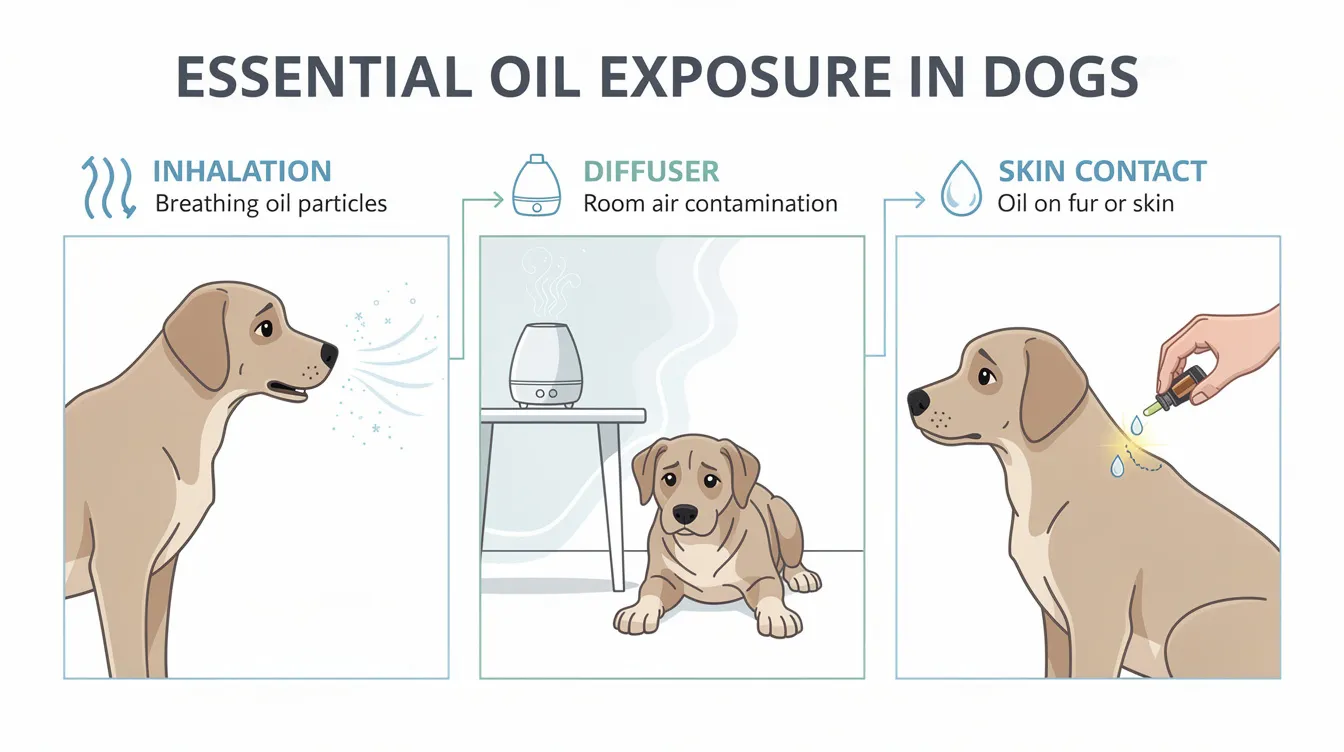
Understanding how your dog can be exposed to peppermint oil is critical for prevention. Each route carries different risk levels:
Inhalation occurs through diffusers (ultrasonic, passive, or reed), candles, liquid potpourri, sprays, or any product releasing peppermint scent into the air. Using diffusers for peppermint oil in closed rooms is discouraged due to risks of respiratory issues in dogs. Diffused oil droplets settle on fur and furniture, creating secondary exposure. Dogs are obligate nasal breathers, which heightens their vulnerability to airborne aromatic compounds.
Dermal contact happens when oils are applied directly to the dog’s skin through topical flea treatments, grooming products, or accidental spills. Topical application of peppermint oil increases the risk of accidental ingestion because dogs naturally groom themselves, licking residual oil from their coat and paws. Pure or higher concentrations of oil on skin can also cause irritation, redness, or chemical burns. Peppermint oil can irritate a dog’s skin and digestive tract through this dual-pathway mechanism.
Direct ingestion is the most dangerous route and includes scenarios where a dog eats peppermint candy, licks pure oil, consumes contaminated food, or ingests peppermint products designed for humans. Ingesting peppermint oil can require emergency veterinary care even in small quantities. Pet owners should also be aware of xylitol toxicity – many peppermint candies and gums contain this artificial sweetener, which is independently lethal to dogs; see what to do if your dog eats xylitol gum for emergency steps.
Chronic low-level exposure deserves special attention. Repeated inhalation or dermal contact – even at seemingly small amounts – leads to accumulation due to the dog’s slow metabolism, particularly of pulegone. Over time, this chronic burden can stress the liver and nervous system without producing obvious acute symptoms.
Recognizing Peppermint Oil Poisoning Symptoms
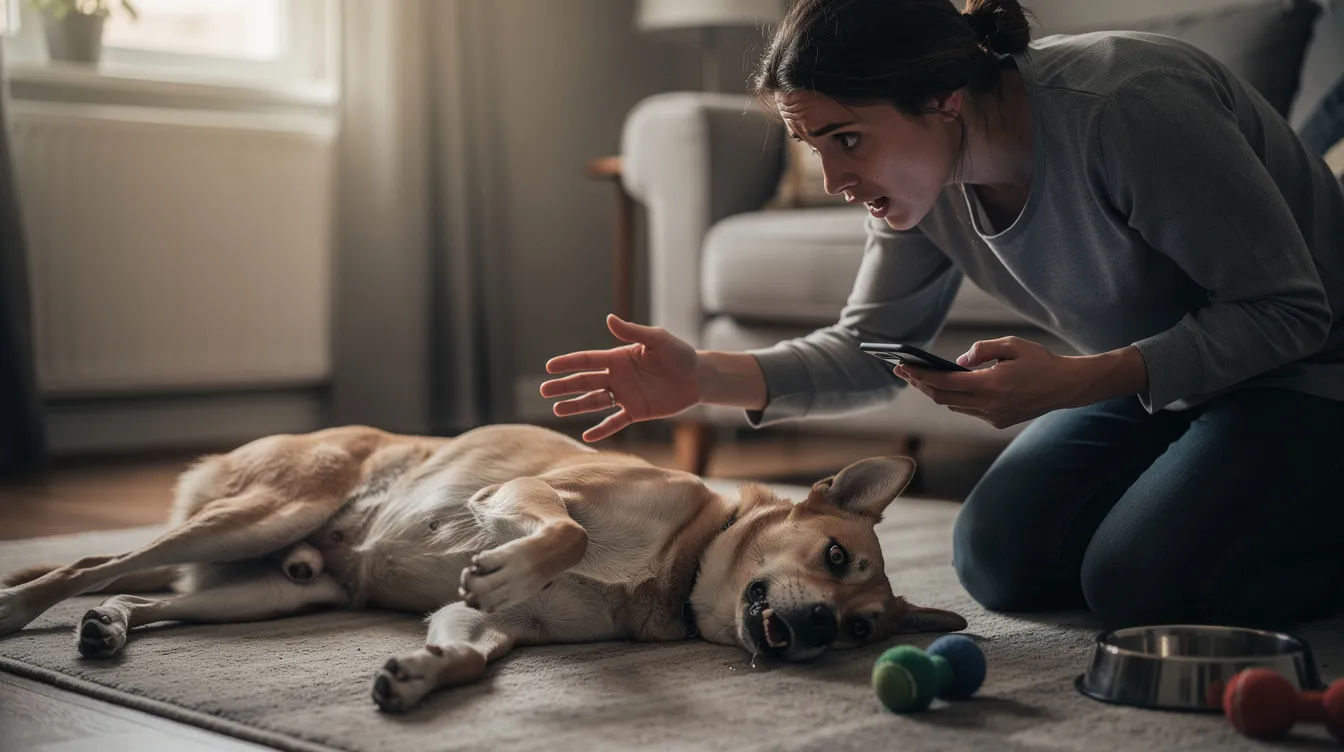
When a dog is exposed to peppermint oil through any route, the body’s inability to efficiently process these concentrated compounds triggers a cascade of symptoms. Symptoms of peppermint oil poisoning in dogs include vomiting, drooling, lethargy, and difficulty breathing. Recognizing these signs early and understanding how they progress can mean the difference between a manageable situation and a life-threatening emergency.
Early Warning Signs
Symptoms can appear as early as 15–30 minutes after exposure, particularly with ingestion or inhalation. Early indicators to watch for include:
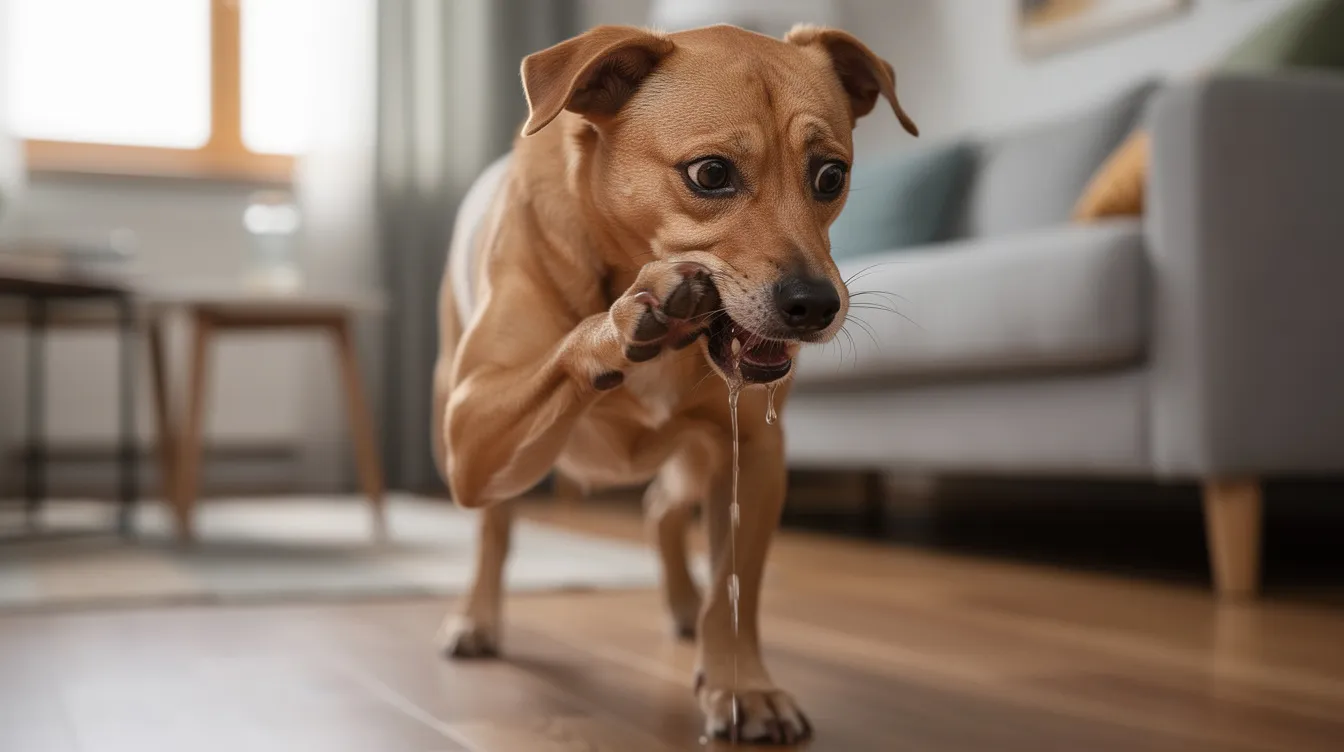
- Excessive drooling and lip licking – your dog may paw at their mouth as the menthol creates a burning sensation on mucous membranes
- Respiratory irritation – wheezing, coughing, rapid panting, or labored breathing, especially in dogs with existing respiratory conditions. Dogs exposed to peppermint oil may experience respiratory irritation even from brief inhalation
- Gastrointestinal distress – peppermint oil can cause gastrointestinal distress in dogs, manifesting as vomiting and diarrhea. Ingestion of undiluted peppermint oil can cause vomiting in dogs within minutes. Peppermint oil can irritate a dog’s skin and stomach, leading to an upset stomach and appetite loss
- Behavioral changes – restlessness, agitation, or sudden withdrawal
These early signs may be subtle. A dog not eating and showing lethargy after being in a room where essential oils were diffused should raise immediate concern.
Severe Toxicity Indicators
With greater exposure or delayed treatment, symptoms escalate significantly:
- Neurological symptoms – tremors, loss of coordination (ataxia), seizures, and depression. High concentrations of peppermint oil may lead to seizures in dogs, representing one of the most dangerous outcomes
- Cardiovascular compromise – pale or blue-tinged gums, elevated heart rate, or dangerously low blood pressure. Hypothermia may develop as the body’s regulatory systems falter
- Organ dysfunction – liver failure can develop from pulegone exposure, presenting as jaundice (yellowing of eyes or gums) and elevated liver enzymes. In severe cases, kidney compromise may also occur
- Respiratory failure – progression from initial respiratory irritation to true breathing distress, potentially requiring oxygen supplementation
If your dog is breathing hard after any known or suspected peppermint oil exposure, treat it as an emergency.
Timeline and Progression
Understanding the toxicity timeline helps pet parents assess urgency:
- Minutes to 1–2 hours: Initial GI symptoms, salivation, mild respiratory signs appear. This is the critical intervention window
- 2–6 hours: Systemic absorption produces neurological signs and potentially worsening respiratory distress. Peak toxicity effects usually manifest within 4–6 hours of exposure
- Hours to days: Hepatic effects emerge if significant pulegone exposure occurred – elevated liver enzymes, neurological depression, and organ dysfunction may develop
With prompt veterinary treatment, mild to moderate symptoms typically resolve within 24–72 hours. However, severe organ damage from advanced toxicosis can require extended hospitalization and may, in rare cases, lead to lasting effects or even death. Recovery timelines depend heavily on how quickly treatment begins.
Emergency Response and Treatment Protocols
When you suspect your dog has been exposed to peppermint oil, every minute counts. Veterinarians recommend contacting an emergency service if a dog shows signs of distress after exposure. The following protocols outline exactly what to do, from immediate first aid through professional veterinary treatment.
Immediate First Aid Steps
If peppermint oil exposure is suspected, take these steps immediately:
- Remove your dog from the exposure source – move them to fresh air, away from diffusers, spills, or any peppermint products. Dogs should have free access to leave any room with diffused oils
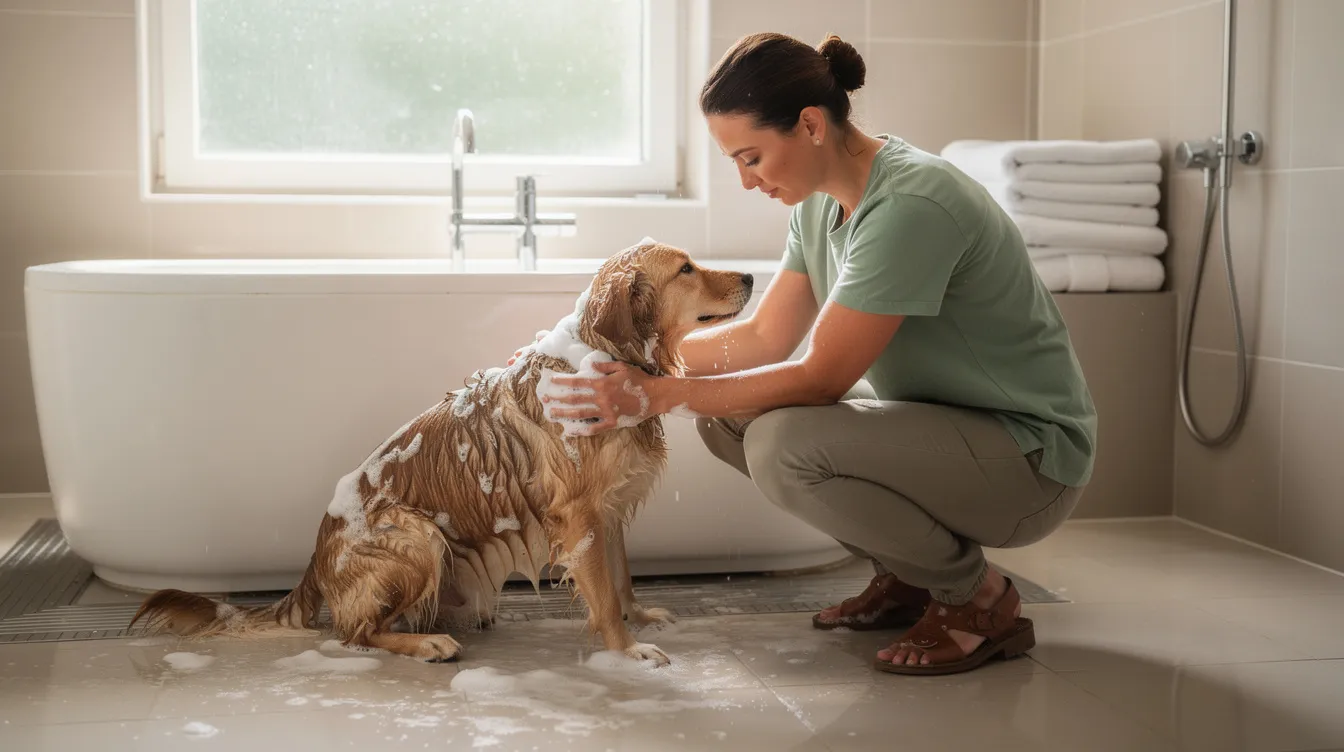
- If oil is on the dog’s skin or coat, gently wash the affected area with mild dish soap and warm water. Rinse thoroughly to prevent further dermal absorption and ingestion through grooming
- Do not induce vomiting unless specifically directed by your veterinarian or poison control. Peppermint oil can cause additional damage to the esophagus and airways if vomited back up
- Remove contaminated materials – blankets, bedding, food bowls, or toys that may have oil residue
- Document everything – note the product name, estimated amount your dog was exposed to, the time of exposure, and any symptoms observed. This information is invaluable for veterinary treatment
- Contact emergency veterinary care immediately – call your veterinarian or the nearest emergency hospital or the Pet Poison Helpline (855-764-7661) for 24-hour guidance
Veterinary Treatment Approaches
Professional veterinary treatment for peppermint oil toxicity typically involves several coordinated interventions:
Decontamination may include activated charcoal administration if ingestion occurred recently enough for it to be effective. This helps bind remaining oil compounds in the gastrointestinal tract before they can be absorbed systemically.
IV fluid therapy is a cornerstone of treatment, maintaining perfusion while supporting hepatic and renal clearance of toxic compounds. This is especially important given dogs’ limited ability to metabolize terpenoids efficiently.
Symptomatic and supportive care includes antiemetics for persistent vomiting and diarrhea, anti-nausea medications, and nutritional support. Your veterinarian will monitor liver enzymes and kidney function through blood work throughout treatment.
Neurological management becomes necessary if seizures, tremors, or severe CNS depression develop. Appropriate anticonvulsants and continuous monitoring are administered. Respiratory distress may require oxygen supplementation or mechanical ventilation support in critical cases.
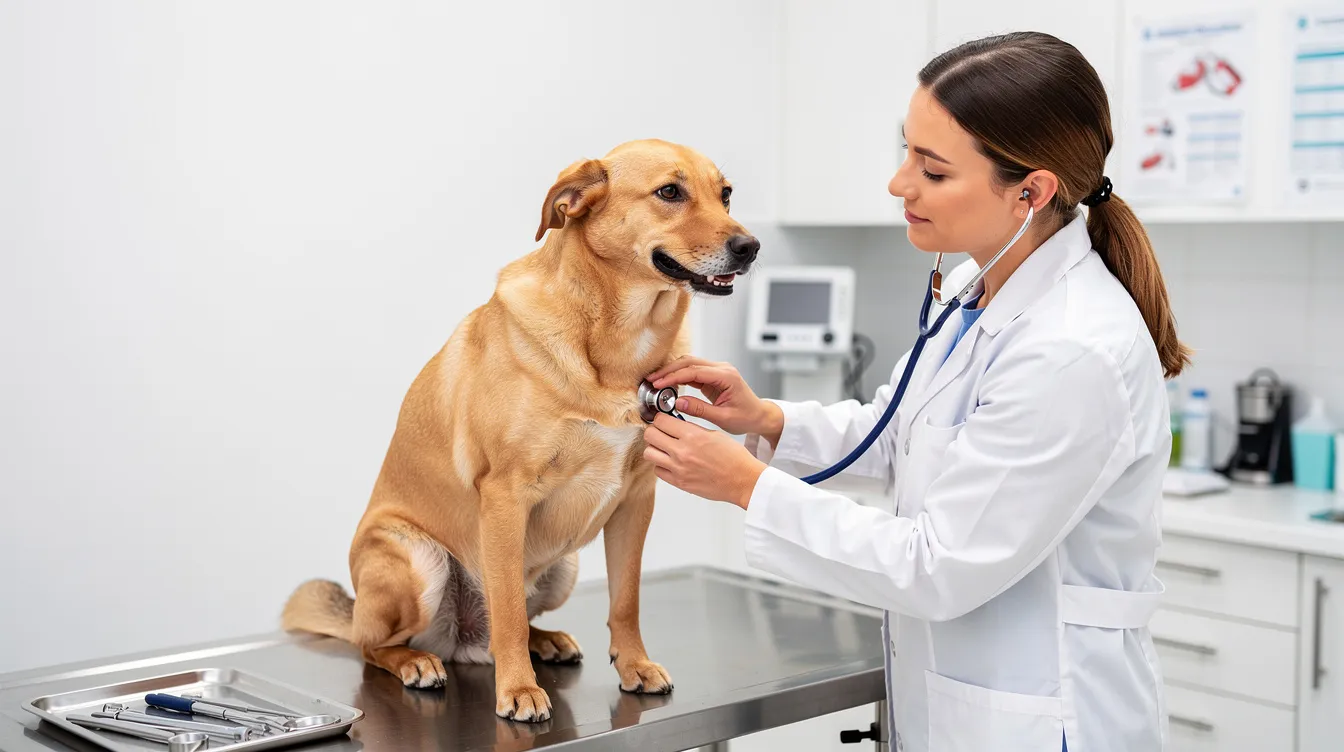
Most dogs require observation for 24–48 hours or longer depending on severity. There is no specific antidote for peppermint oil toxicity – treatment is entirely supportive, which underscores the importance of prevention.
When to Seek Emergency Care
Any suspected peppermint oil ingestion warrants immediate veterinary attention. Seek emergency veterinary care immediately if your dog shows:
- Breathing difficulty, gasping, or blue/pale gums
- Seizures, collapse, or loss of consciousness
- Severe or persistent vomiting and diarrhea
- Unresponsiveness or extreme lethargy
- Large or unknown quantity of exposure
Contact the Pet Poison Helpline at 855-764-7661 or the ASPCA Animal Poison Control Center at 888-426-4435 for 24-hour expert guidance. These services can provide case-specific recommendations while you transport your dog to the nearest veterinary emergency clinic.
Safe Household Practices and Alternatives
Preventing peppermint oil exposure is far simpler and less costly than treating toxicity. By implementing proper storage, understanding diffuser risks, and choosing pet safe alternatives, dog owners can enjoy the benefits of aromatic products without putting their pets in danger.
Pet-Safe Storage Solutions
It is advised to store peppermint oil out of reach of pets to prevent accidental ingestion. Follow these storage guidelines:
- Keep all essential oils in locked or elevated cabinets that your dog cannot access – remember that determined dogs can reach countertops and shelves
- Store peppermint oil in closed containers away from pets, preferably in original bottles with clear labeling
- Use child-proof containers for additional security, especially in homes with curious breeds
- Separate essential oil storage completely from dog treats, medications, and food items to prevent accidental mix-ups
- Apply the same precautions to liquid potpourri, scented candles, and any product containing concentrated essential oil
Diffuser Safety Guidelines
The safest approach is to avoid peppermint oil diffusion entirely in homes with dogs. Avoid using peppermint oil in small, enclosed spaces with dogs under any circumstances. If you use other essential oils in your home:
- Choose only pet safe options – lavender and chamomile are generally considered lower risk, though veterinary guidance is still recommended
- Ensure dogs can always exit rooms where any essential oils are diffused – never trap a dog in a room with active diffusion
- Limit diffusion sessions to 30 minutes maximum in well-ventilated areas
- Use peppermint oil cautiously around dogs with respiratory conditions – or better yet, avoid it entirely
- Clean diffusers thoroughly between uses to prevent residual exposure
- Consider vet-approved pheromone diffusers (such as Adaptil) as a safer alternative for calming purposes
Natural Alternatives for Common Uses
Many pet parents use peppermint oil for purposes that have excellent dog-safe alternatives:
|
Common Use |
Peppermint Oil Application |
Safer Alternative for Dogs |
|---|---|---|
|
Breath freshening |
Essential oil mouth sprays, human mints |
Vet-approved dental chews and dog-formulated breath products |
|
Pest repellent |
Peppermint oil sprays or drops for fleas/ticks |
Veterinarian-prescribed topical or oral flea/tick preventatives |
|
Home fragrance |
Peppermint oil diffusion |
Unscented candles, pet-safe pheromone diffusers, or ventilation with fresh air |
|
Calming/relaxation |
Aromatherapy with peppermint scent |
Vet-approved calming supplements, pheromone products, or gentle lavender in ventilated areas |
|
Muscle/joint relief |
Topical peppermint oil application |
Veterinary-prescribed anti-inflammatory medications or therapies |

Common Mistakes and How to Avoid Them
In my Central Florida practice, I consistently encounter the same preventable errors that lead to peppermint oil toxicity in dogs. Understanding these common mistakes can help you avoid a potentially dangerous – and expensive – emergency visit.
Assuming “Natural” Means Safe
One of the most pervasive misconceptions among pet parents is that natural products are inherently safe for dogs. Peppermint oil is 100% natural, yet it is generally considered unsafe for dogs. Many natural compounds – including tea tree oil, pennyroyal, and wintergreen – are extremely toxic to pets. The “natural” label provides no safety assurance. There is significant conflicting information online about essential oil safety for pets, which is why consulting a veterinarian before using any concentrated plant product around your dog is essential.
Using Human Products on Dogs
Human peppermint toothpaste, shampoos, body lotions, and topical products are formulated for human metabolism – not canine. These peppermint products often contain higher concentrations of menthol than dogs can safely process. Additionally, many human peppermint candies contain xylitol, which causes its own severe and potentially fatal toxicity in dogs. If your dog eats peppermint candy, contact your veterinarian immediately regardless of the quantity – the combination of menthol and potential xylitol exposure creates a dual threat. Stick exclusively to veterinary-approved dental and grooming products for your pup.
Inadequate Dilution Practices
Some pet owners believe that diluting peppermint oil with a carrier oil makes it safe for dogs. This is dangerous misinformation. Peppermint oil should always be diluted before use on humans, but even diluted peppermint oil remains harmful to dogs because the fundamental problem – canine metabolic inability to efficiently process terpenoid compounds – doesn’t change with dilution. The compounds still accumulate. Avoid homemade essential oil dilutions for your pets entirely and rely on veterinary-approved preventive care products instead.
Conclusion and Next Steps
Peppermint oil poses significant, well-documented risks to dogs through every route of exposure – inhalation, skin contact, and ingestion. It is crucial to understand peppermint oil toxicity in dogs as these dangers can lead to severe health complications.
Take these immediate steps to protect your dog:
- Audit your home – identify and secure all peppermint oil, essential oil blends, and peppermint products in locked storage
- Replace risky products – switch to veterinary-approved alternatives for pest control, dental care, and home fragrance
- Establish emergency contacts – save the Pet Poison Helpline (855-764-7661) and your nearest emergency veterinary clinic in your phone
- Educate your household – ensure everyone in your home, including pet sitters and house guests, understands that essential oils are not oil safe for dogs
Can dogs safely be around peppermint plants in the garden? Generally, yes. Fresh peppermint plants contain far lower concentrations of menthol and other terpenoid compounds than concentrated essential oil. Most dogs can be around peppermint plants without issue, though chewing large quantities of fresh leaves may cause mild GI upset. The risk increases significantly if plants have been treated with pesticides.
Is peppermint tea safe for dogs in small amounts? Peppermint tea is vastly less concentrated than peppermint essential oil and is unlikely to cause serious toxicity in small amounts. However, it can still cause mild upset stomach in sensitive dogs. It offers no proven health benefits for canines, so there’s little reason to offer it. Always consult your veterinarian before introducing any new food or drink to your dog’s diet.
What should I do if my dog licked a peppermint candy? If your dog eats peppermint candy, check the ingredient list immediately for xylitol – this artificial sweetener is far more dangerous than the peppermint itself and can cause rapid, life-threatening hypoglycemia. Contact your veterinarian or the Pet Poison Helpline regardless. A single small candy without xylitol may cause only mild mouth irritation, but monitor for vomiting, diarrhea, or changes in behavior.
Are there any safe essential oils for dogs? Some essential oils are considered lower risk than others – lavender and chamomile are frequently cited – but no concentrated essential oil is entirely without risk for dogs. Tea tree oil, in particular, is highly toxic and should be avoided completely. Always seek veterinary guidance before using any essential oils around your pets, and never apply them directly to your dog’s skin.
How long does peppermint oil toxicity take to resolve? With prompt veterinary treatment, mild to moderate symptoms typically resolve within 24–72 hours. In severe cases involving organ damage – particularly liver failure from pulegone exposure – hospitalization may extend for days, and some effects could be lasting. Early intervention dramatically improves outcomes.
Can peppermint oil cause permanent damage in dogs? In most cases treated promptly, dogs recover fully. However, if hepatic necrosis, severe neurological injury, or prolonged respiratory distress with hypoxia develops before treatment begins, permanent damage is possible. Documented cases of lasting sequelae in dogs appear rare in veterinary literature when supportive care is provided early.
What’s the difference between peppermint oil and peppermint extract? Peppermint essential oil is a highly concentrated steam-distilled product with maximum terpenoid content. Peppermint extract or flavoring – the kind used in baking – typically contains a much lower concentration of active compounds, often suspended in alcohol. While extract is less dangerous than pure essential oil, it can still contain enough menthol and other compounds to cause symptoms in dogs, especially in small breeds. Neither should be given to dogs intentionally.
Is it safe to use peppermint oil for pest control around dogs? No. While peppermint oil does show some insect-repellent activity, the safety margin for dogs is far too narrow to justify its use. Recent veterinary case reports document dogs hospitalized after exposure to topical flea-repellent blends containing peppermint and other essential oils. Veterinarian-prescribed flea and tick preventatives are vastly safer and more effective. How much peppermint would be needed for effective pest control far exceeds what is safe for canine exposure.
Additional Resources
- Pet Poison Helpline: 855-764-7661 (24/7 availability, per-case fee applies)
- ASPCA Animal Poison Control Center: 888-426-4435 (24/7 availability)
- More on pet toxins: Visit our pet toxicities page for comprehensive guidance on common household dangers
- Veterinary-approved products: Ask your veterinary clinic for a current list of recommended pet-safe dental, grooming, and pest control products
Citations:
- Nath, S.S., et al. “Acute and Sub-acute Oral Toxicity Assessment of Peppermint Oil in Wistar Rats.” PMC/National Library of Medicine, 2012.
- PetMD Editorial Staff. “Can Dogs Have Peppermint?” PetMD, reviewed by veterinary professionals.
- PetMD Editorial Staff. “Are Essential Oils Safe for Dogs?” PetMD, reviewed by veterinary professionals.
- Merck Veterinary Manual. “Toxicoses from Essential Oils in Animals.” Merck & Co., Inc.
- ForPetsHealthCare. “Peppermint Oil and Dogs: Safety Considerations.” ForPetsHealthCare.com.
This article has been reviewed by Dr. Roger Hart, DVM, with over 25 years of veterinary experience treating toxicology cases in Central Florida. Dr. Hart emphasizes that pet safety should always take priority over household conveniences.