
Introduction
A dog not eating and drinking all day typically signals an underlying cause that needs veterinary attention—especially when symptoms persist beyond 24–48 hours. A dog not eating and drinking all day can indicate pain, illness, infection, or systemic health issues that require professional evaluation. While most dogs occasionally skip a meal or nap more than usual, the combination of appetite loss and persistent lethargy often points to serious concerns. If you notice my dog not eating and drinking all day, it’s essential to take action.
This guide covers the many possible causes behind these concerning behavior changes, how to distinguish normal variations from genuine emergencies, and when pet owners in Pasco County-including Zephyrhills and Dade City-should seek veterinary care if they are concerned about these changes. Whether your pup is a young adult or an aging companion, this article will help you respond confidently and protect your dog’s well being.
If a dog that isn’t eating or drinking also shows other concerning symptoms — vomiting, diarrhea, or unusual lethargy — it’s time to call your veterinarian. Left unaddressed for more than 24–48 hours, appetite and water refusal can quickly become a medical emergency, especially in puppies, senior dogs, or pets with chronic conditions.
Recognizing when a refusal to eat or drink signals something serious, rather than a brief off day, is what allows for timely intervention. Note how often it happens and whether anything else has changed.
Persistent lethargy and appetite loss may signal underlying conditions ranging from dental disease to kidney failure. If you find yourself thinking, ‘my dog not eating and drinking all day,’ remember that lethargy and not eating for over 24 hours is concerning, and if you feel worried or concerned, it warrants at minimum a call to your vet, with sooner action needed for puppies, senior dogs, or those with chronic health issues.
After reading this guide, you will be able to:
- Recognize the significant difference between normal rest and worrisome dog lethargy
- Identify possible reasons and common causes behind appetite loss and excessive sleep
- Determine when to monitor at home versus when to seek veterinary help immediately
- Understand the diagnostic process and treatment options available for your dog
Content reviewed by Dr. Roger Hart, DVM, for medical accuracy.
Understanding Normal vs. Concerning Behavior in Dogs
Before you worry, it helps to understand what’s typical. Most dogs sleep 12–14 hours per day as adults, and puppies or senior dogs often sleep even more. Similarly, a dog’s appetite can fluctuate based on the weather, stress, exercise level, or minor environmental changes. The key is learning to spot when these fluctuations cross over into signs of something more serious.
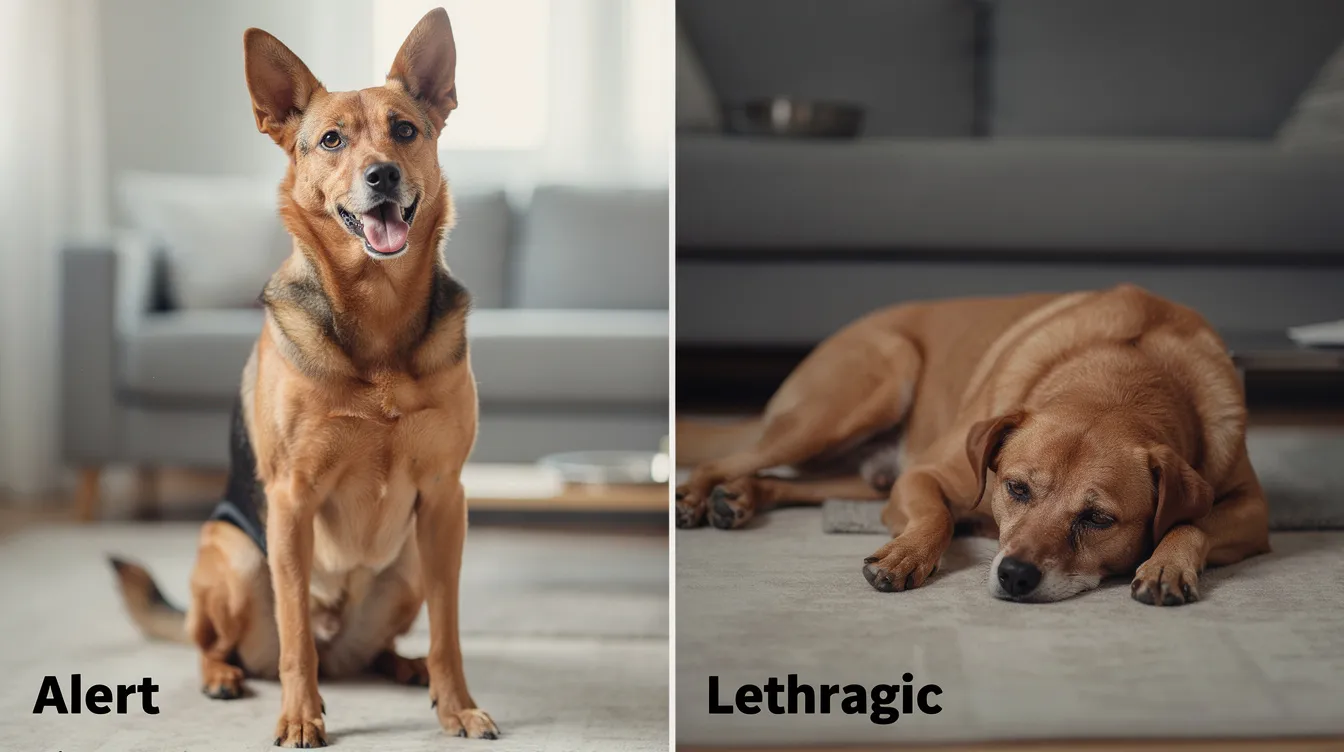
Normal Variations in Dog Behavior
Seasonal changes can affect both appetite and activity. During Central Florida’s intense summer heat, many dogs naturally eat less and rest more-this is a normal adaptation, not necessarily illness. Environmental factors like heat can lead to appetite loss that resolves once temperatures cool or the dog moves indoors.
Age plays a major role as well. Puppies have bursts of energy followed by long naps. Older dogs may experience cognitive decline, affecting their eating habits and energy levels, and they tend to sleep more as metabolism slows. If you notice gradual changes in a senior dog’s eating patterns, age-related factors are worth exploring.
Dogs may also skip meals due to environmental or dietary changes, impacting their appetite temporarily. A new pet in the household, a recent move, travel, boarding, or even loud thunderstorms common in Pasco County can trigger stress responses. Behavioral changes such as stress or anxiety can lead to decreased appetite in dogs, and stress or anxiety from major life changes can suppress a dog’s appetite for a day or two. These temporary fluctuations are usually fine and resolve on their own.
Red Flag Symptoms of Dog Lethargy Requiring Immediate Attention
The situation shifts from normal to concerning when your dog completely refuses food for more than 24 hours, shows no interest in favorite treats, and remains lethargic with no desire to walk, play, or interact. Seek veterinary help if your dog refuses food for more than one meal, particularly if other symptoms accompany the change.
Signs of serious illness include vomiting, diarrhea, or jaundice. Common symptoms that indicate potential emergencies include vomiting, diarrhea, and labored breathing. Pale, white, or blue gums are signs that warrant immediate veterinary care-if you notice any of these, contact your veterinarian immediately. Lethargy can indicate serious health issues in dogs, and when combined with appetite refusal, it points toward possible causes that demand medical investigation.
If your dog also exhibits other concerning symptoms, seek veterinary care sooner rather than later.
Understanding these red flags is essential because many of the medical conditions behind these symptoms respond best to early intervention.
Common Medical Causes of Loss of Appetite and Lethargy
When normal behavioral explanations don’t fit, medical causes become the primary concern. There are many possible causes for a dog refusing food and sleeping excessively, ranging from acute infections to chronic systemic disease. Potential causes of lethargy and loss of appetite include systemic illness, pain, and anxiety.
Infectious Diseases
Infections are among the common causes of lethargy in dogs. In Central Florida, leptospirosis is a significant concern-dogs exposed to standing water after heavy rains can contract this bacterial infection, which causes lethargy, loss of appetite, vomiting, muscle pain, and increased thirst. Survey data indicates that up to 80% of infected dogs show appetite loss and lethargy as primary symptoms (CDC, “Leptospirosis: Signs in Animals,” 2026).
Infections like parvovirus can cause appetite loss, particularly in unvaccinated puppies, presenting with bloody diarrhea, severe vomiting, dehydration, and collapse. Canine distemper is another viral illness that can lead to fever, respiratory disease, nasal discharge, and neurological signs. Even kennel cough, while typically milder, can make a pup feel tired enough to refuse food. Parasitic infections-intestinal worms, hookworms, and protozoa like Giardia-drain nutrients and energy, leading to anemia and lethargy. Keeping vaccinations current is crucial for prevention.
Systemic Health Conditions
Organ dysfunction often manifests as decreased appetite and fatigue in dogs. Chronic conditions like kidney disease often lead to appetite loss-clinical signs typically don’t appear until approximately 75% of kidney function is lost (Merck Veterinary Manual, “Renal Dysfunction in Small Animals”). As the disease advances, toxin buildup causes nausea, mouth ulcers, and progressive weight loss.
Endocrine disorders including diabetes and hypothyroidism are common culprits. Hypothyroidism affects dogs most often between ages 4–10 years, with up to 90% of cases caused by thyroid gland atrophy or immune-mediated destruction (VCA Hospitals, “Hypothyroidism in Dogs”). Symptoms include increased sleep, weight gain despite decreased appetite, and a dull coat. Diabetes can cause lethargy, increased thirst, and appetite changes-and if a diabetic dog on insulin stops eating, hypoglycemia becomes life-threatening.
Liver dysfunction can reduce appetite through toxin accumulation, causing nausea, jaundice (yellowing of gums and skin), and hepatic encephalopathy. Gastrointestinal illness can manifest as lethargy and loss of appetite in dogs, whether from inflammatory bowel disease, ulcers, or foreign body ingestion.
Owners should also be aware that a sudden loss of appetite can sometimes reflect emotional stress that needs to be addressed.
Pain-Related Causes
Pain from dental disease can reduce a dog’s desire to eat-infected teeth or inflamed gums make chewing agonizing, so dogs may approach their food bowl but walk away without eating. Dental disease is one of the most common yet overlooked possible reasons for appetite refusal.
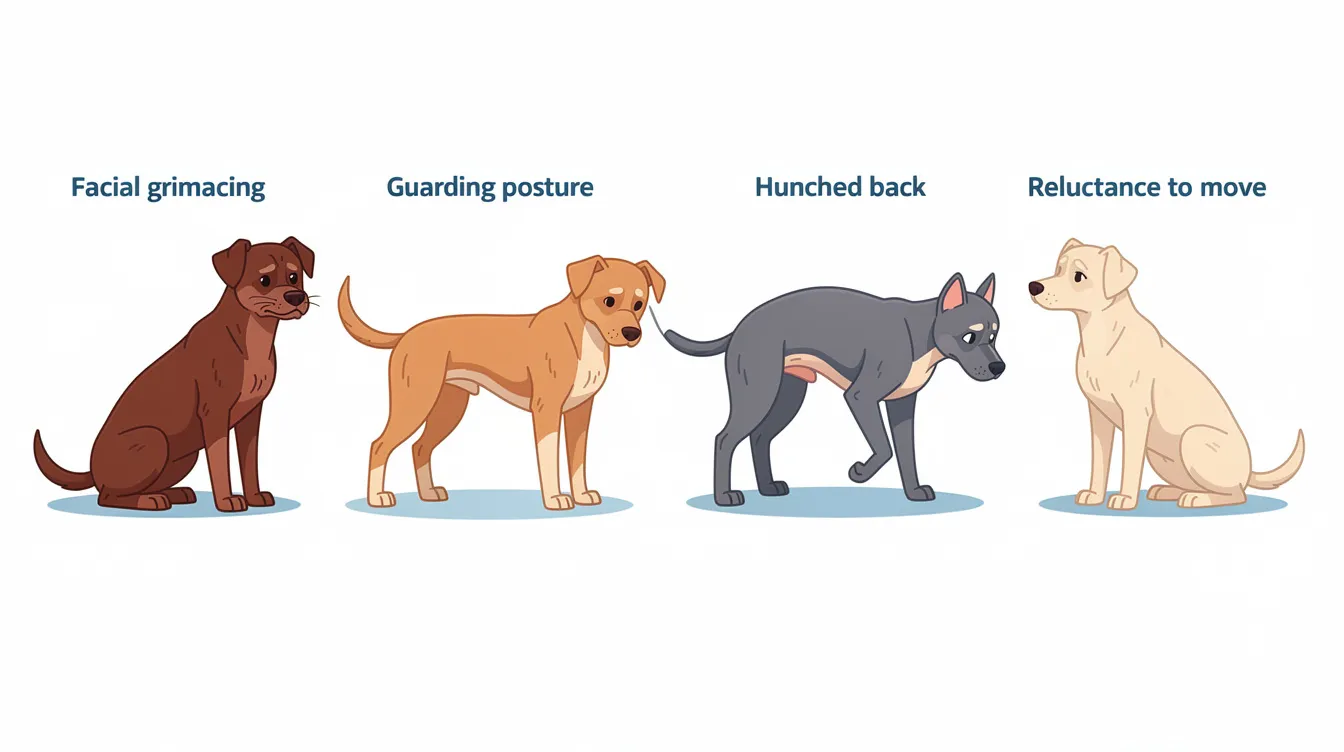
Gastrointestinal discomfort from obstructions, bloat, or ulcers causes abdominal cramping that suppresses appetite. Orthopedic conditions like hip dysplasia, arthritis, or spinal pain reduce movement, increase resting, and make a dog appear lethargic. Dogs in pain may guard their abdomen, adopt a “praying” posture, flatten their ears, or refuse to be touched.
Toxic substance ingestion may also cause dogs to stop eating. If your dog has access to household chemicals, certain plants, or rodent bait, toxin exposure should be considered. Even a new medication can sometimes affect appetite as a side effect.
Emergency vs. Non-Emergency Assessment
Knowing when to wait and when to rush to the vet can make a life-saving significant difference. Rapid onset of symptoms generally demands more urgent attention than gradual changes, but several specific signs always constitute emergencies.
Immediate Veterinary Emergency Indicators: When to Seek Veterinary Care
Contact your veterinarian immediately or head to an emergency clinic if your dog displays any of the following alongside appetite loss and lethargy:
- Vomiting or diarrhea with blood – may indicate parvovirus, hemorrhagic gastroenteritis, or intestinal damage
- Abdominal swelling or distension – could signal bloat (gastric dilatation-volvulus), a rapidly fatal condition
- Difficulty breathing or labored panting – respiratory disease or fluid accumulation
- Pale, white, or blue gums – suggests shock, anemia, or cardiovascular compromise
- Complete collapse or inability to stand – indicates severe systemic failure
In Pasco County’s hot summers, heat stroke is a genuine emergency. If your dog is panting excessively, drooling heavily, showing bright red gums, or staggering, immediate cooling and emergency veterinary care are essential.
Healthy adult dogs can go a couple of days without food before serious metabolic consequences arise (Dr. Rosemary Stolzer-Bolton, DVM, DrRosieDVM.com). However, for puppies, toy breeds, diabetic dogs, or those with chronic disease, danger can arise after as little as 12 hours without eating.
Monitoring vs. Urgent Care Decision Matrix
|
Situation |
Additional Signs |
Recommended Action |
|---|---|---|
|
Healthy adult dog misses one meal |
No other symptoms |
Monitor for 24 hours; ensure fresh water access |
|
24–48 hours without eating |
Mild lethargy, single episode of vomiting |
Call your vet; same-day appointment recommended |
|
Puppy, senior, or chronically ill dog |
Any appetite loss >12 hours |
Seek veterinary care promptly |
|
Any dog |
Blood in vomit or stool, collapse, breathing difficulty, bloat |
Emergency clinic immediately |
|
Diabetic dog given insulin |
Refuses next meal |
Contact veterinarian immediately-hypoglycemia risk |
Seek veterinary care if symptoms last longer than 24 hours, and don’t wait if your dog falls into an at-risk category. When in doubt, a phone call to your vet is always the right first step.
Diagnostic Approach and Treatment Options
When you bring a dog that isn’t eating and is lethargic to the clinic, your veterinarian will follow a systematic approach to identify the underlying cause and begin appropriate treatment.
In extreme situations, prolonged refusal to eat or drink can lead to severe health consequences, making veterinary intervention essential.
Initial Veterinary Assessment
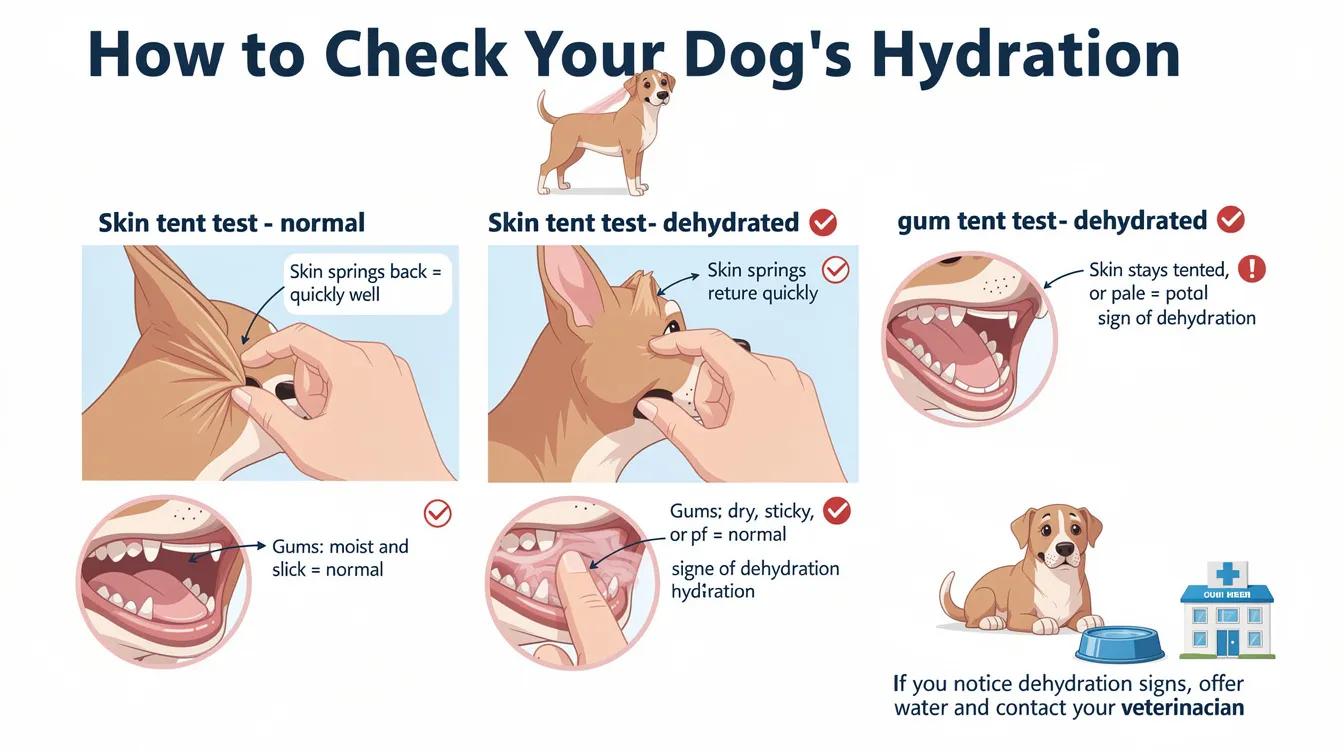
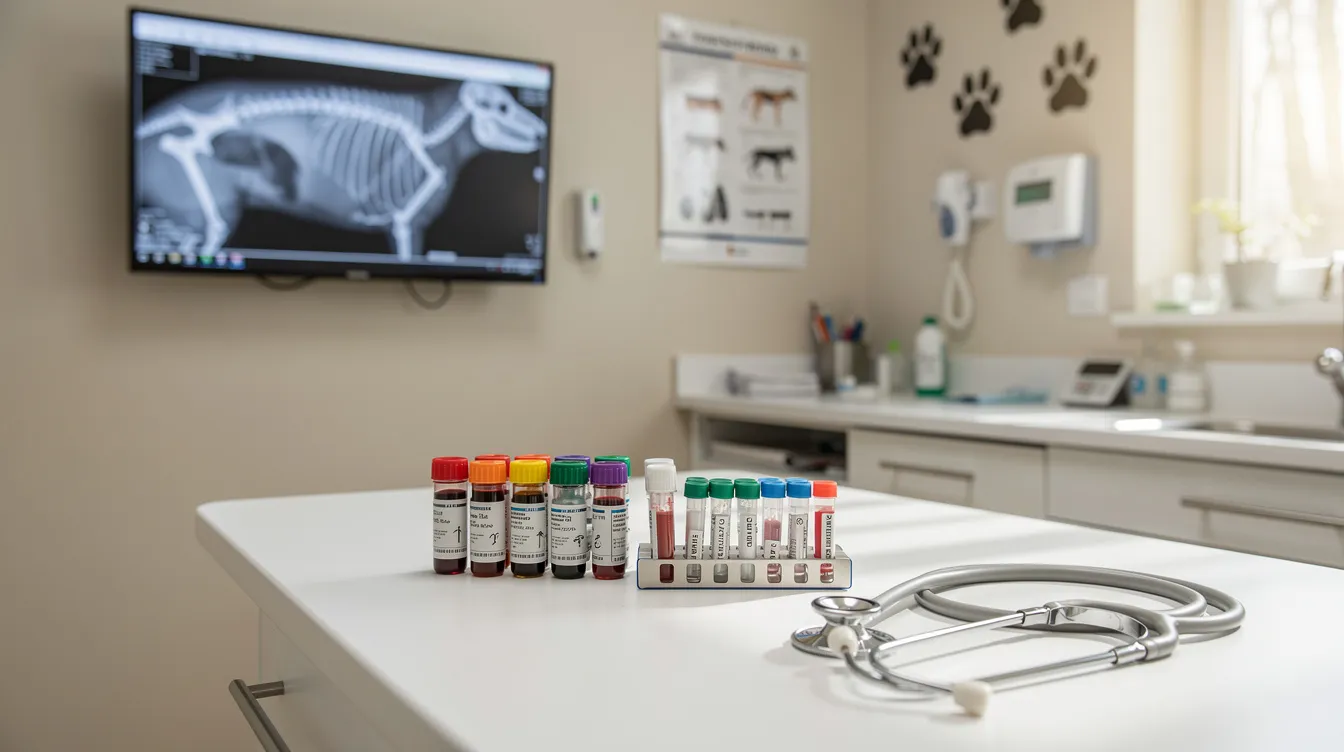
The vet will begin with a detailed history: how long your dog has stopped eating, any exposures to toxins or foreign objects, vaccination status, vomiting or diarrhea frequency, water intake changes, and pain signs. The physical examination checks hydration status through skin elasticity and gum moisture, body temperature, abdominal palpation, dental inspection, lymph node assessment, and heart and lung auscultation.
Basic diagnostic work typically includes a complete blood count (CBC) and chemistry panel evaluating kidney values, liver enzymes, electrolytes, and glucose levels. Urinalysis helps assess kidney function. When endocrine disease is suspected, specific hormone assays-such as total T4 and free T4 for hypothyroidism-are ordered. Imaging studies like X-rays or ultrasound may be recommended to detect gastrointestinal obstruction, organ enlargement, masses, or fluid accumulation. For suspected infection, titers or PCR testing may be necessary.
Treatment Strategies Based on Underlying Cause
Treatment depends entirely on what’s diagnosed. Common approaches include:
- Supportive care – Fluid therapy to correct dehydration, antiemetic medication to control nausea, and pain management are often the first steps
- Infection treatment – Bacterial infections like leptospirosis require antibiotics; viral illnesses need supportive care while the immune system responds
- Chronic disease management – Kidney disease may require renal diets, phosphorus binders, and ongoing fluid support; hypothyroidism responds to lifelong levothyroxine; diabetes requires insulin management and dietary control
- Surgical intervention – Gastrointestinal obstruction or bloat may demand emergency surgery
- Nutritional support – Appetite stimulant medications (such as mirtazapine), easily digestible diets, or wet food can encourage eating during recovery

Early intervention dramatically improves outcomes for treatable conditions. Conditions like hypothyroidism, most infections, and dental disease respond well to treatment when caught early. However, some conditions like end-stage kidney disease or advanced cancer have limitations, making timely veterinary evaluation all the more crucial.
Common Causes, Challenges and Solutions
Even after recognizing something is wrong, pet owners often face practical difficulties. Here are solutions to the most frequent concerns.
Dog Refuses All Food Including Favorite Treats
When a dog refuses all food, including favorite treats, the situation is more serious than a picky appetite. To encourage eating:
- Offer small amounts of bland, easily digestible food such as boiled chicken and rice
- Warm food slightly to enhance aroma and appeal-this can make a real difference
- Try wet food, which often has stronger scent and softer texture than kibble
- Consult your veterinarian about appetite stimulant medications like mirtazapine if refusal continues
- Never force-feed without veterinary guidance, as this risks aspiration
Symptoms Worsen During Hot Weather in Pasco County
Central Florida summers with high humidity and extreme heat indices can exacerbate dehydration and suppress appetite. To support your dog:
- Ensure constant access to shade, airflow, and fresh water-refill the bowl frequently
- Limit walks and exercise to early morning or evening hours
- Recognize heat exhaustion signs: excessive panting, drooling, bright red gums, confusion
- If heat stroke symptoms appear (collapse, staggering, vomiting), begin cooling with lukewarm water and seek emergency veterinary care immediately
Multiple Pets in Household Showing Similar Symptoms
When more than one pet shows illness simultaneously, consider infectious disease or shared toxin exposure. Spoiled food, pesticides, rodent bait, or toxic plants could affect multiple animals. Isolate affected pets to prevent potential spread of infection, review everyone’s vaccination history, and contact your veterinarian promptly. This pattern often helps the vet narrow down the diagnosis faster.
Conclusion and Next Steps
A dog that stops eating and drinking is telling you something is wrong. While occasional appetite fluctuations can happen normally, persistent symptoms-especially lasting beyond 24–48 hours or accompanied by vomiting, diarrhea, pain, or behavioral changes-warrant prompt veterinary evaluation. Common causes include infections, kidney disease, diabetes, dental disease, and pain, but only a thorough veterinary assessment can identify the specific underlying cause.
Take these steps now:
- Document when symptoms began and any additional signs you’ve noticed
- Ensure your dog has access to fresh water at all times
- Do not force food-offer small amounts of bland or warmed wet food
- Contact your veterinarian if symptoms persist beyond 24 hours, or sooner for puppies, senior dogs, or those with known health conditions
- Head to an emergency clinic immediately if you observe blood in vomit or stool, difficulty breathing, collapse, or signs of bloat
For ongoing dog health support, explore topics like preventive care schedules, senior pet wellness, and nutrition to help keep your companion healthy long-term.
Frequently Asked Questions
How long can a dog go without eating before it becomes dangerous? Most healthy adult dogs can safely miss meals for up to 48 hours before metabolic complications begin. However, puppies, toy breeds, diabetic dogs, and those with chronic illness face danger much sooner-sometimes within 12 hours. If your dog hasn’t eaten in 24 hours and shows any other symptoms, seek veterinary care.
Should I force my lethargic dog to eat or drink? No. Forced feeding without understanding the cause can risk aspiration pneumonia and worsen nausea. Instead, encourage your dog by offering small amounts of palatable food and keeping fresh water accessible. If your dog refuses all fluids, veterinary help is needed for IV or subcutaneous fluid support.
What are the most serious causes of sudden appetite loss in dogs? The most dangerous causes include gastrointestinal obstruction, bloat (gastric dilatation-volvulus), toxic substance ingestion, acute kidney injury, parvovirus, and hypoglycemia in puppies or diabetic dogs. These conditions can become life-threatening within hours without treatment.
When should I take my dog to an emergency veterinary clinic in Zephyrhills or Dade City? Seek emergency care if your dog shows difficulty breathing, collapse, bloody vomiting or diarrhea, abdominal swelling, pale or blue gums, severe dehydration, or signs of heat stroke. Also treat it as an emergency if a diabetic dog receiving insulin refuses to eat. Don’t wait for normal clinic hours if these signs appear.
Can stress or anxiety cause dogs to stop eating and become lethargic? Yes. Changes in routine, a new environment, separation anxiety, thunderstorms, fireworks, or the introduction of a new pet can lead to temporary appetite loss and increased rest. However, if these behavior changes persist beyond 24–48 hours or come with other symptoms like vomiting, fever, or diarrhea, consult your vet to rule out medical causes.
What home remedies are safe to try before seeing a veterinarian? You can offer warmed bland food (plain boiled chicken, white rice), ensure quiet rest in a comfortable environment, maintain fresh water access, and avoid strenuous exercise. However, home remedies should never replace veterinary evaluation when symptoms are severe or persistent. Do not give human medications-including over-the-counter pain relievers-without veterinary approval, as many are toxic to dogs.
Additional Resources
Preventive care for Pasco County pets: Regular wellness exams, up-to-date vaccinations, and annual screening blood work can catch conditions like kidney disease, hypothyroidism, and diabetes before they cause severe symptoms. Discuss a preventive care schedule with your veterinarian.
Toxic substance awareness for Central Florida pet owners: Common household and environmental hazards in the region include sago palms, certain mushrooms after rains, rodent bait, pesticides, and standing water contaminated with leptospira bacteria. Keep emergency poison control numbers accessible.
Environmental risk factors in Central Florida: Tick-borne diseases, heartworm transmitted by mosquitos, and waterborne pathogens are year-round concerns. Monthly parasite prevention and annual heartworm testing are essential components of responsible pet care in this region.
This article is based on peer-reviewed veterinary literature and clinical experience. Sources referenced: CDC Leptospirosis Signs in Animals (2026); Merck Veterinary Manual, Renal Dysfunction in Small Animals; VCA Hospitals, Hypothyroidism in Dogs; AKC Veterinary Corner, When to Call Your Dog’s Vet; DrRosieDVM.com, Dog Not Eating Causes. Content reviewed by Dr. Roger Hart, DVM.
Appetite and water refusal that lasts more than a day deserves attention: monitor closely, watch for other symptoms, and consult your veterinarian promptly rather than waiting to see if it resolves on its own.