Introduction
Bromadiolone is a second-generation anticoagulant rodenticide that poses severe toxicity risks to dogs through direct ingestion of commercial bait products or secondary poisoning from consuming poisoned animals. This potent active ingredient disrupts the vitamin K cycle in the liver, depleting the clotting factors essential for normal blood coagulation—and without prompt treatment, the resulting hemorrhage can be fatal. Understanding the risks of bromadiolone in dogs is crucial for every dog owner. It is vital to recognize that bromadiolone in dogs can lead to serious health concerns if not addressed promptly.
This guide covers the full spectrum of bromadiolone poisoning in dogs: how to recognize early and advanced clinical signs, what to expect from emergency and long-term treatment, how recovery monitoring works, and practical strategies for preventing exposure. It is written primarily for dog owners-especially those in rural areas, on farms, or in neighborhoods where rodent control programs are active-who need clear, actionable information reviewed by a veterinary professional.
Bromadiolone is a long-acting anticoagulant rodenticide that can cause life-threatening internal bleeding in dogs if ingested. Because clinical signs are often delayed, early veterinary evaluation and vitamin K1 therapy are critical for a good outcome — do not wait for visible symptoms if you suspect exposure. Related reading on other urgent canine problems: raisin toxicity, leptospirosis, yelping in pain at night, pyometra emergency signs, heat stroke, and labored breathing.
Bromadiolone poisoning in dogs prevents blood clotting by depleting vitamin K1, causing potentially fatal internal bleeding that requires immediate vitamin K1 treatment. Untreated bromadiolone poisoning can lead to death, but prompt veterinary intervention can improve recovery chances for dogs exposed to bromadiolone.
By reading this guide, you will:
- Recognize early warning signs and advanced symptoms of anticoagulant rodenticide poisoning in dogs
- Understand why treatment urgency matters and how timing affects outcomes
- Know the step-by-step emergency response if your dog ingested bromadiolone
- Learn prevention strategies to eliminate future exposure risks
- Understand long-term care requirements including vitamin K1 therapy duration and monitoring schedules
Reviewed by Dr. Roger Hart, DVM
Understanding Bromadiolone and Anticoagulant Rodenticide Poisoning in Dogs
Before you can respond effectively to a potential poisoning event, you need foundational knowledge about what bromadiolone is, how it differs from other rodenticides, and precisely how it disrupts your dog’s body. This section builds that understanding.
What is Bromadiolone
Bromadiolone is a 4-hydroxycoumarin derivative classified as a second-generation anticoagulant rodenticide (SGAR). Second generation anticoagulant rodenticides were developed specifically to overcome resistance that rodents had built up against first-generation compounds like warfarin. The result is a far more potent and persistent toxin.
Commercially, bromadiolone appears in bait blocks, pellets, and granules-many formulated with flavor enhancers that make them palatable not only to rats and mice but also to dogs and other non-target animals. This palatability is a major reason dogs are frequently poisoned: they find and consume bait readily.
How bromadiolone differs from other rodenticides matters for treatment decisions. Warfarin, a first-generation anticoagulant, has a shorter half life and typically requires repeated ingestion to cause lethal effects. Bromadiolone, by contrast, can produce toxic effects from a single exposure and persists in the body for weeks. Bromethalin-sometimes confused with bromadiolone due to similar naming-is a nonanticoagulant neurotoxin that causes brain and spinal cord swelling rather than bleeding, and requires an entirely different treatment approach.
How Bromadiolone Affects Clotting Factors in Dogs
Bromadiolone prevents blood clotting by depleting vitamin K1. Specifically, the compound inhibits the enzyme vitamin K epoxide reductase (VKOR) in the liver, blocking the recycling of vitamin K into its active form. Vitamin K1 is essential for producing active clotting factors-without it, the body cannot properly carboxylate clotting factors II, VII, IX, and X. Anticoagulant rodenticides affect clotting factors II, VII, IX, and X, and as these factors become depleted, the blood progressively loses its ability to clot.
Dogs may appear normal for 2 to 5 days after bromadiolone exposure because the body’s existing stores of functional clotting factors must be exhausted before bleeding begins. Factor VII has the shortest half life at approximately 7 hours, which is why prothrombin time (PT) elevates within 36 to 72 hours post-ingestion-often before any visible symptoms appear. Factors II and X persist longer, meaning full coagulopathy develops gradually over multiple days.
A critical aspect of bromadiolone toxicity is that internal bleeding typically occurs before any external signs become apparent. Hemorrhage may develop in the abdominal cavity, the gastrointestinal tract, within the lungs, or even around the brain and spinal cord-all before an owner notices a single drop of external blood. This is why signs of internal bleeding in dogs include lethargy and weakness rather than visible hemorrhage in the early stages.
The relationship between dose and severity is significant. In subchronic dosing studies, doses as low as 15 µg/kg produced loose bloody stools in dogs, while doses of 100 µg/kg caused hypothermia, respiratory distress, and severe hemorrhage. The lethal dose in beagle dogs exceeds 10 mg/kg of body weight for acute single exposure, but the cumulative toxic effects of lower doses make any ingestion potentially dangerous. Bromadiolone has a half-life of up to several weeks in dogs’ systems, with faecal elimination studies showing terminal half-life of approximately 30 days.
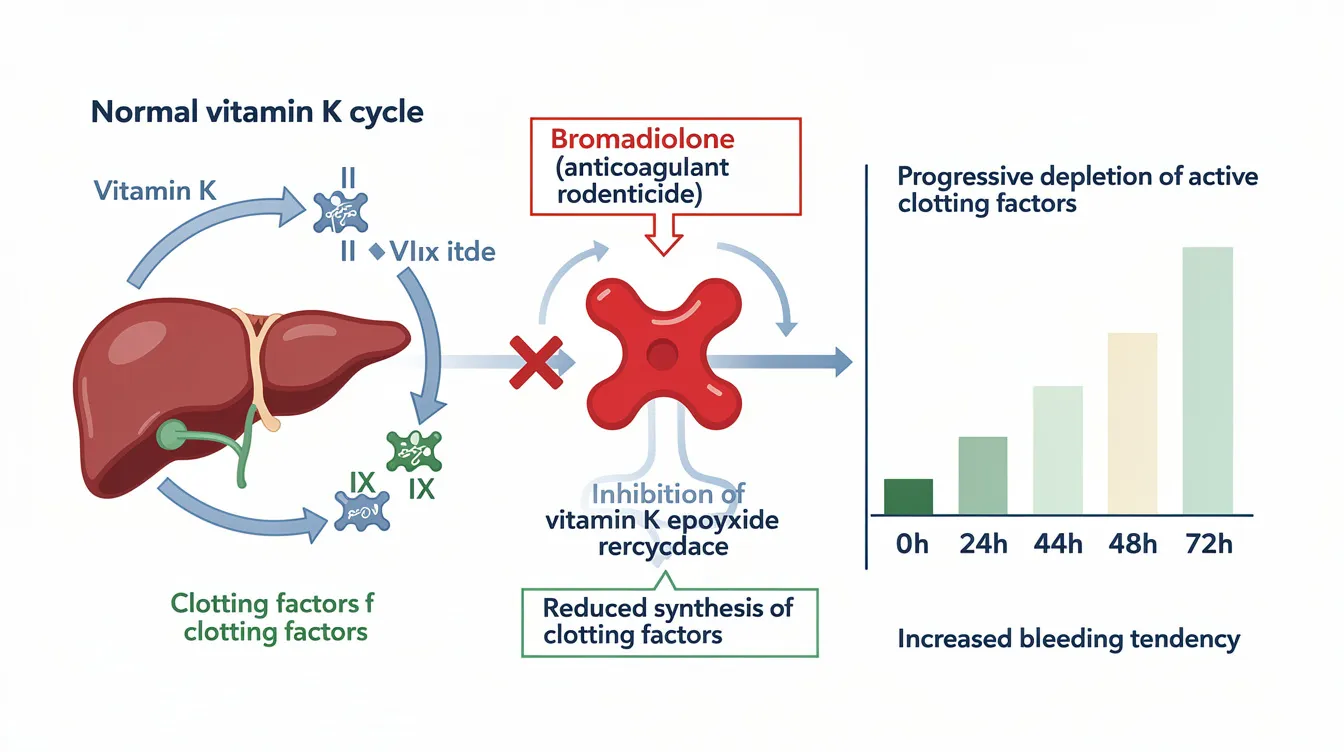
Understanding these mechanisms explains why the next section-recognizing the clinical signs-is so important. By the time bleeding is visible, the poisoning process has been underway for days.
Clinical Signs and Symptoms in Dogs
Because bromadiolone’s effects can take 3 to 7 days to manifest, symptom recognition requires knowing what to look for at each stage. Clinical signs appear 3 to 7 days after ingestion in most cases, though laboratory abnormalities may be detectable earlier. Symptoms of bromadiolone poisoning may take 3-7 days to appear, making owner vigilance essential during that window.
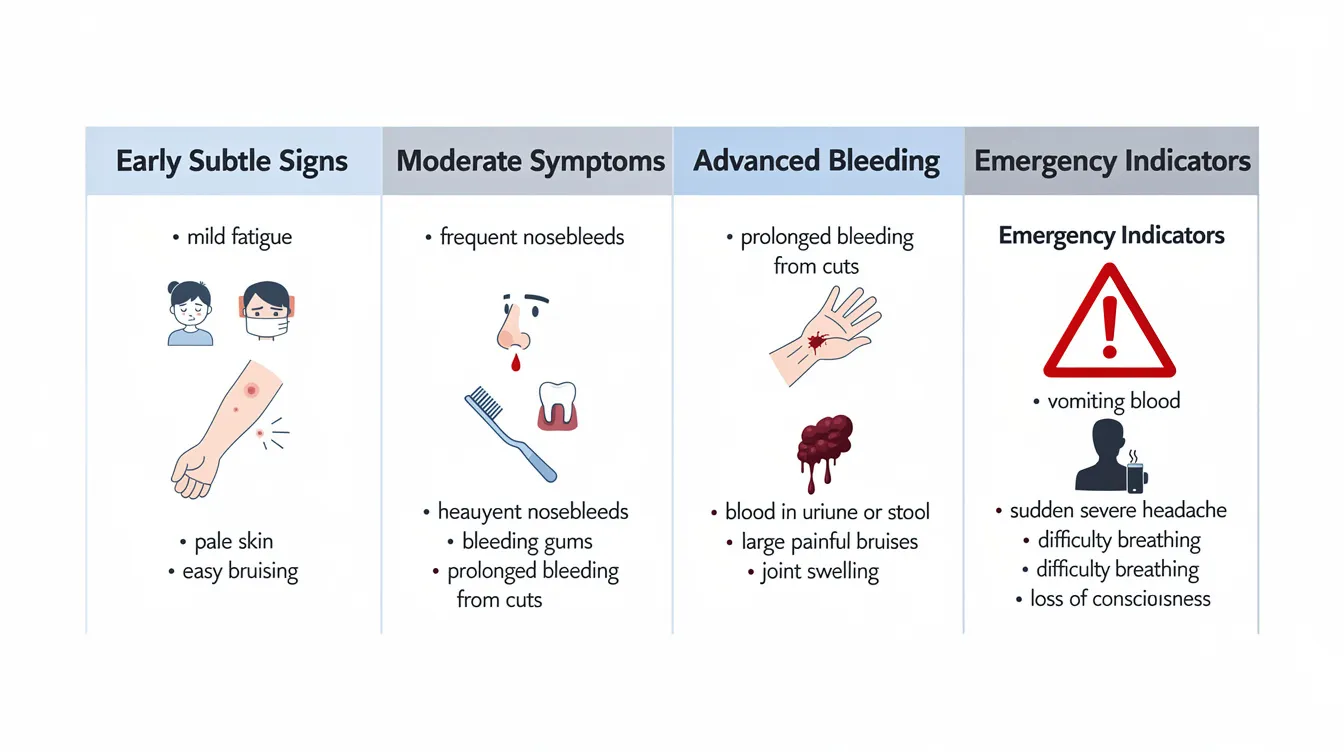
Early Warning Signs
In the first 24–48 hours after ingestion, dogs typically show subtle, nonspecific signs that are easy to dismiss. Signs may include lethargy, weakness, and inappetence. Mild exercise intolerance or slightly increased respiratory rate may also occur.
These early indicators are frequently overlooked because they mimic dozens of other minor conditions-a dog that seems “off” or “tired” doesn’t immediately suggest poisoning to most owners. However, if there is any possibility that your dog ingested a rodenticide product, these subtle changes should trigger immediate veterinary consultation rather than a wait-and-see approach.
Advanced Clinical Symptoms
As clotting factors become further depleted over days 2–5, more recognizable and alarming symptoms develop:
- Visible bleeding: External bleeding signs include bleeding from the nose, gums, or mouth. Visible bleeding can also occur from the ears or appear as blood in urine (hematuria) or stool (melena or hematochezia).
- Internal bleeding indicators: Abdominal distension from blood accumulating in the abdominal cavity, labored breathing from pulmonary hemorrhage, and pale or tacky mucous membranes indicating anemia from blood loss.
- Neurological symptoms: Internal bleeding may cause respiratory distress or neurologic signs including seizures, ataxia (loss of coordination), or collapse-typically from hemorrhage within the brain or around the spinal cord.
- Musculoskeletal signs: Joint swelling and lameness can develop when bleeding occurs into joint spaces, though this presentation is less common.
Bromadiolone causes excessive bleeding in dogs across multiple organ systems simultaneously, which is why the symptom picture can be complex and rapidly evolving.
Emergency Indicators
Certain signs demand immediate emergency veterinary care without delay:
- Severe respiratory distress from pulmonary hemorrhage-rapid, labored, or open-mouth breathing
- Shock symptoms: weak or thready pulse, cold extremities, altered consciousness, hypothermia
- Sudden collapse or inability to stand
- Profuse external hemorrhage that does not stop
- Sudden death can occur in severe cases of poisoning, particularly when large amounts were ingested or treatment was delayed
When these emergency indicators appear, the patient is in critical condition, and every minute matters.
Diagnosis and Treatment Protocols
Dr. Hart emphasizes that systematic evaluation combined with rapid treatment initiation is the cornerstone of managing anticoagulant rodenticide poisoning. The diagnostic process and treatment approach both depend heavily on how much time has elapsed since ingestion and whether the patient is symptomatic.
Diagnostic Procedures
The diagnostic workup follows a structured sequence. Initial assessment should include comprehensive blood work, and owners should understand that some results-particularly the coagulation profile-may need to be repeated at specific intervals.
- Detailed history taking: Establishing whether the dog had access to rodenticide products is paramount. This includes asking about bait placement in homes, yards, barns, or neighboring properties, and whether ingestion was witnessed. The type of product, approximate amount ingested, and timing are all critical for treatment decisions.
- Physical examination: Veterinarians look for pale mucous membranes, tachycardia (elevated heart rate), tachypnea (rapid breathing), subcutaneous bruising or hematomas, and abdominal distension. Lung auscultation may reveal crackles suggesting pulmonary hemorrhage.
- Laboratory tests: Prothrombin time is the most sensitive early indicator because factor VII is depleted first. Veterinarians may monitor prothrombin time to assess clotting ability during treatment. Additional bloodwork includes activated partial thromboplastin time (aPTT), packed cell volume (PCV) and total solids to quantify blood loss, and complete blood count to detect anemia. Thrombocytopenia is not typically a feature of anticoagulant rodenticide poisoning, which helps distinguish it from other bleeding disorders. Serum chemistry evaluates kidney and liver function.
- Imaging studies: Abdominal radiographs or ultrasound can detect free fluid in the abdominal cavity indicating hemoperitoneum. Thoracic radiographs evaluate for pulmonary hemorrhage. These imaging tools help determine the extent of internal bleeding that may not be clinically apparent.
Vitamin K1 Treatment Protocol Comparison
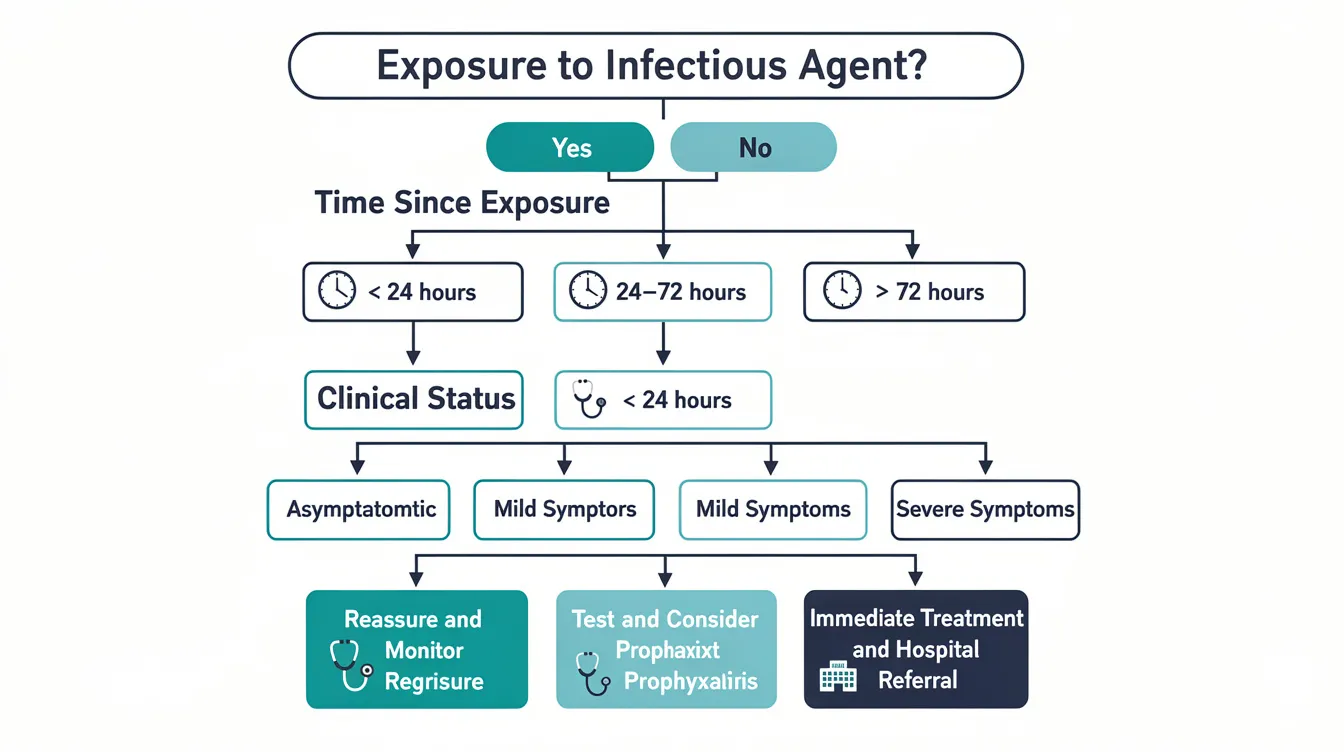
Immediate action is critical if bromadiolone ingestion is suspected, but the specific treatment approach varies based on timing and clinical status. The following table summarizes how treatment differs across three common presentation scenarios:
|
Criterion |
Recent Exposure (0–4 hours) |
Delayed Presentation (4–72 hours) |
Symptomatic Patient |
|---|---|---|---|
|
Decontamination |
Induce vomiting within 4 hours of ingestion; administer activated charcoal with a cathartic if needed |
Decontamination less reliable; activated charcoal if ingestion recent |
Focus shifts entirely to stabilization |
|
Monitoring |
Baseline PT/PTT at 48–72 hours; clinical observation |
PT/PTT at days 2–3; PCV; watch for signs |
Frequent PT/PTT every 12–24 hours; PCV/TS; vital signs; imaging |
|
Vitamin K1 Dosing |
May wait for PT results unless large dose known; initiate if high risk |
Vitamin K1 is the antidote for anticoagulant rodenticide poisoning-initiate at 2.2 mg/kg loading dose SC, then 1.1 mg/kg every 12 hours |
Same protocol, often higher initial frequency; parenteral then oral; some protocols use 2.5–5 mg/kg/day divided BID |
|
Hospitalization & Support |
Outpatient with activity restriction and observation |
Hospitalize if any clinical signs develop; IV fluids; rest |
Hospitalization required; fresh frozen plasma or whole blood transfusion to supply clotting factors; oxygen therapy if pulmonary hemorrhage; IV fluids for perfusion |
For asymptomatic patients with known or suspected exposure, the treatment decision hinges on risk assessment. A dog that consumed a large quantity of bait should begin vitamin K1 therapy proactively rather than waiting for laboratory confirmation. For symptomatic poisoned animals, stabilization takes priority-transfusion with fresh frozen plasma or whole blood delivers functional clotting factors immediately while vitamin K1 works to restore the body’s own production.
Vitamin K1 is the antidote for bromadiolone poisoning. The oral route is preferred for maintenance therapy; the intravenous route is generally avoided in veterinary medicine due to risk of anaphylaxis from the vehicle solution. Subcutaneous injection is used when the patient cannot tolerate oral administration, while intramuscular injection risks causing hematomas in a coagulopathic patient.
Supportive measures for severely affected dogs include oxygen therapy for respiratory distress from pulmonary hemorrhage, IV fluid therapy to maintain perfusion in cases of hypovolemic shock, and strict activity restriction to minimize the risk of further hemorrhage.
Recovery Monitoring
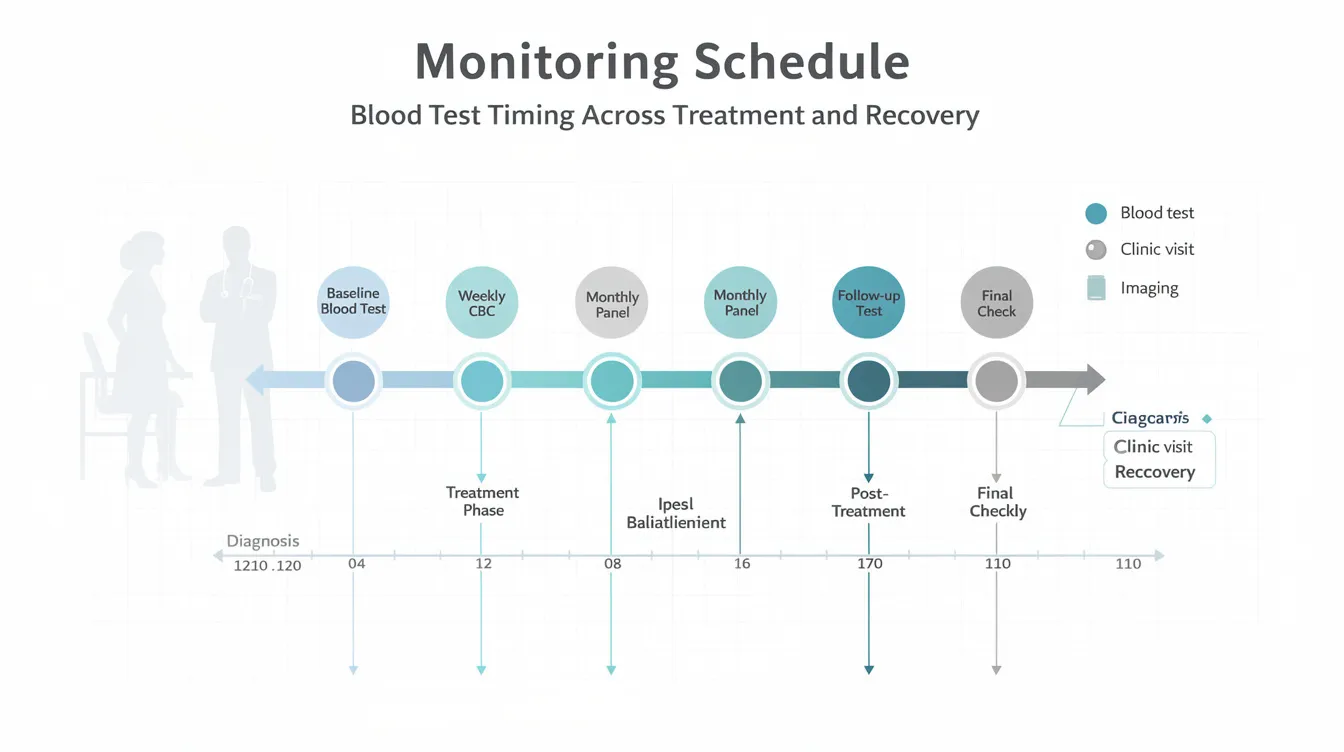
Vitamin K1 should be given for 28 days in most cases of second-generation anticoagulant rodenticide exposure. Some protocols extend therapy to 4–6 weeks based on the prolonged half life of bromadiolone in the body. Bromadiolone poisoning affects vitamin K1 levels in dogs for an extended period due to hepatic storage and enterohepatic recirculation of the toxin.
The dosing protocol typically follows this pattern:
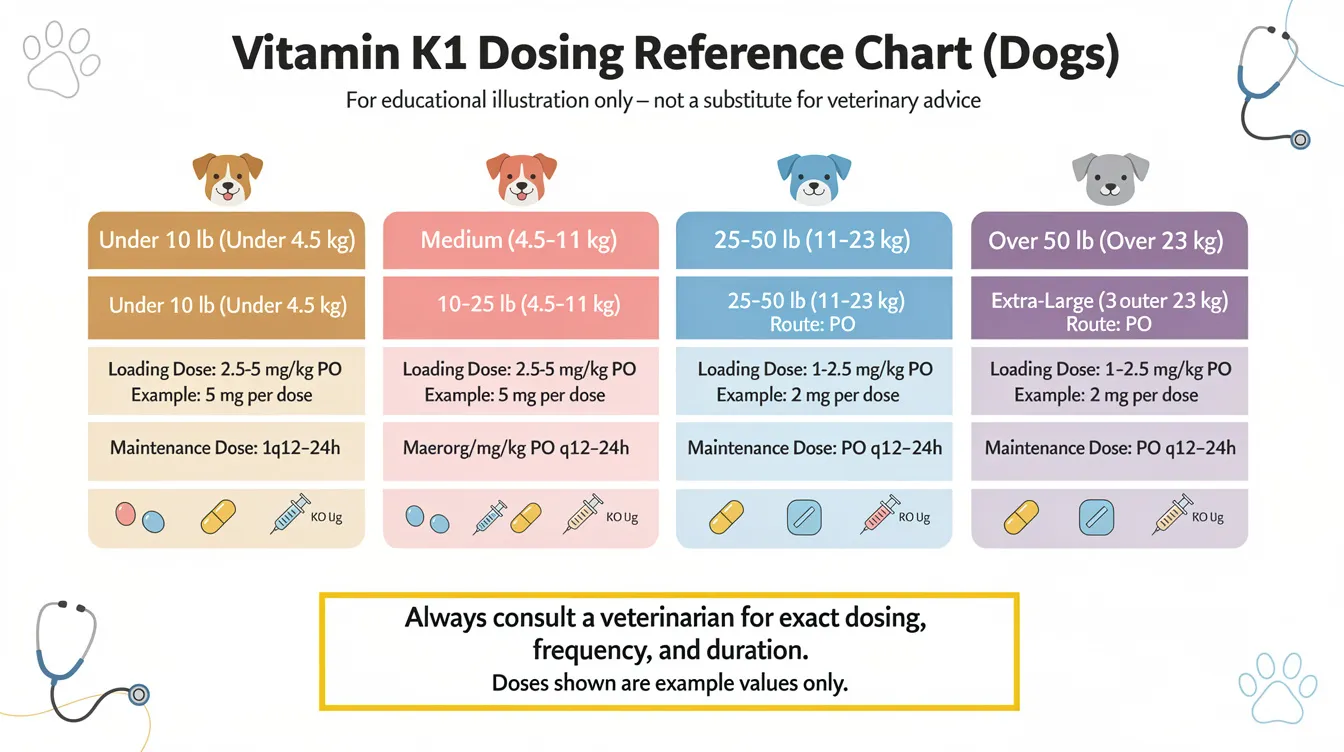
- Loading dose: 2.2 mg/kg administered subcutaneously
- Initial maintenance: 1.1 mg/kg every 12 hours, transitioning to oral as soon as the patient tolerates it
- Ongoing maintenance: Continue oral vitamin K1 at the same dose and frequency for the full treatment course
- Administration with food: Each dose should be given with a fatty meal-canned dog food or a high-fat treat significantly improves gastrointestinal absorption
Monitor prothrombin time every 48-72 hours after treatment to confirm adequate response. PCV should be checked every 24–48 hours in severe cases. The most critical monitoring point occurs 48–72 hours after the final vitamin K1 dose: if PT remains normal at that point, treatment can be considered successful. If PT becomes prolonged again, therapy must be restarted.
Signs of treatment success include:
- PT/PTT returning to and remaining within normal range
- Rising PCV/hematocrit indicating resolution of anemia
- Improved mucous membrane color (pink rather than pale)
- Resolution of all external bleeding
- Return of normal appetite and energy
Potential complications include relapse if treatment is discontinued prematurely, persistent anemia requiring additional transfusion, and hepatic injury in cases of massive ingestion. The prognosis is generally good when treatment begins early, but worsens significantly with delayed presentation or massive exposure.
Common Challenges and Solutions
Even with clear protocols, Dr. Hart notes several practical difficulties that frequently arise in managing bromadiolone cases. Addressing these proactively improves outcomes.
Delayed Recognition and Presentation
The 2–5 day delay between ingestion and clinical signs is the single greatest challenge in bromadiolone poisoning cases. Owners often do not connect a dog’s lethargy or reduced appetite to a possible exposure that happened days earlier-and by the time bleeding becomes obvious, the patient may already have significant hemorrhage.
Solution: Owner education is the most effective intervention. Any dog with potential rodenticide exposure-even if the animal appears completely normal-should receive veterinary evaluation and baseline PT/PTT testing at 48–72 hours post-exposure. Pet Poison Helpline consultation can also help assess risk based on the product and estimated dose. For known or suspected exposure, do not wait for symptoms.
Treatment Compliance Issues
Administering vitamin K1 twice daily for 28 or more days is demanding. The medication must be given with a fatty meal for adequate absorption. Costs accumulate over weeks of therapy, and some owners discontinue treatment once their dog appears to have recovered-risking dangerous relapse.
Solution: Clear, written instructions for medication administration improve compliance. Emphasize that each dose should be given with canned food or another high-fat food source. Discuss generic vitamin K1 options where available to reduce cost. Most importantly, explain that stopping therapy early-even when the dog seems healthy-can result in life-threatening recurrence of bleeding because bromadiolone remains stored in the liver long after symptoms resolve.
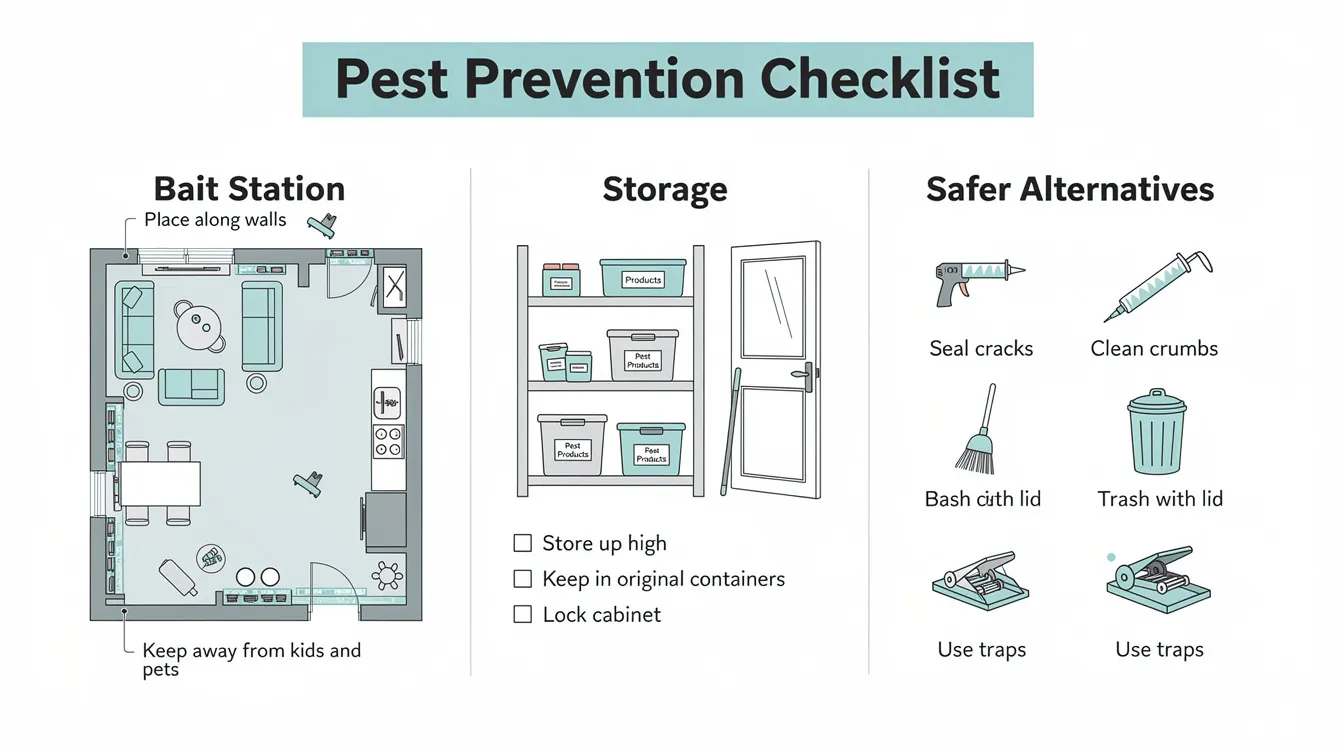
Preventing Re-exposure
Rodent bait placed in basements, barns, garages, and under decks remains accessible to curious dogs. In multi-pet households, relay toxicosis (secondary poisoning from consuming poisoned rodent carcasses) adds another layer of risk.
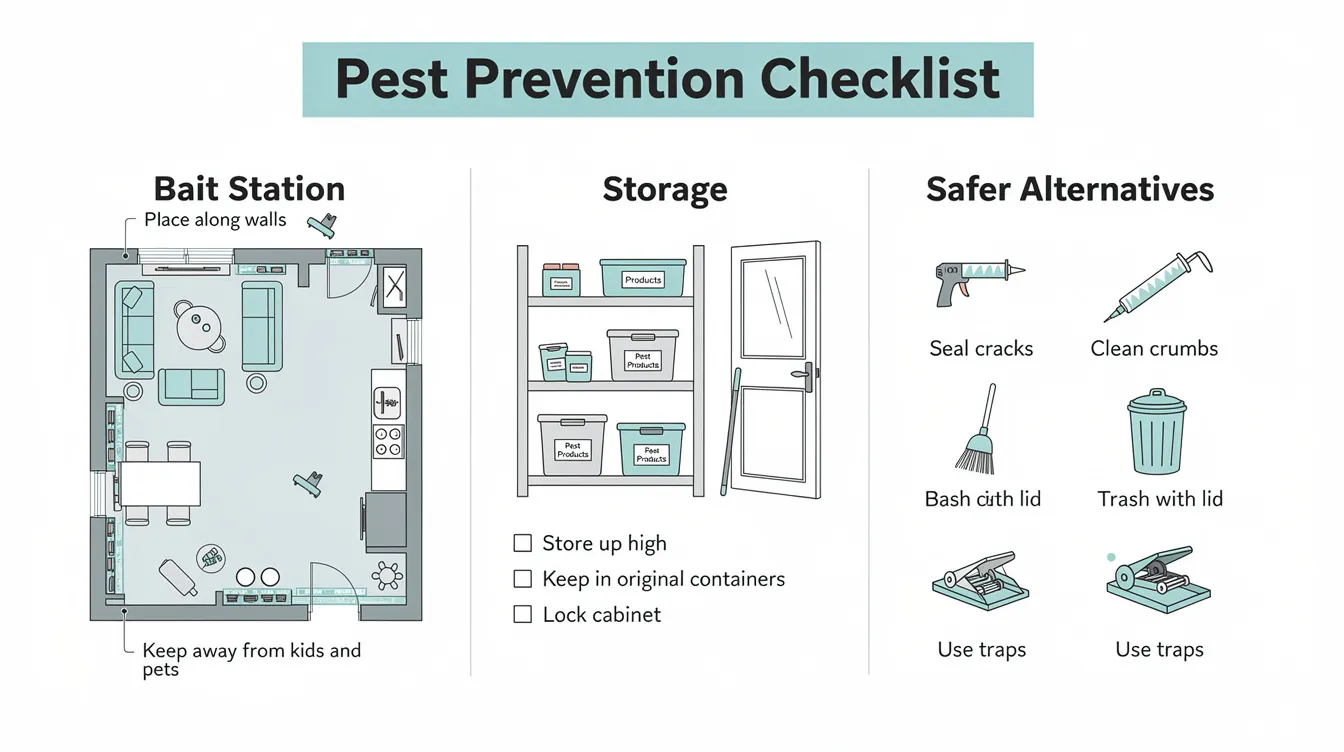
Solution: Use only tamper-resistant bait stations placed in areas inaccessible to pets. Remove dead rodents promptly to prevent secondary poisoning. Store all rodenticide products in locked cabinets. Consider non-anticoagulant alternatives such as mechanical traps, electronic traps, or environmental sanitation practices that reduce rodent populations without chemical risk. In multi-pet households, if one animal has confirmed exposure, assess whether other animals could have accessed the same bait.
Conclusion and Next Steps
Bromadiolone poisoning is a serious but treatable condition when recognized early and managed with appropriate vitamin K1 therapy over the full treatment course. The delayed onset of clinical signs-often 3 to 7 days after ingestion-makes owner awareness and proactive veterinary evaluation essential rather than optional. Prompt veterinary intervention can improve recovery chances for dogs exposed to bromadiolone, and the prognosis is favorable when treatment begins before significant hemorrhage develops.
If you suspect your dog has been exposed to bromadiolone, take these steps immediately:
- Contact your veterinarian or an emergency animal hospital-do not wait for symptoms to appear
- If ingestion occurred within the last 4 hours, your veterinarian may induce vomiting and administer activated charcoal
- Secure or remove any remaining bait to prevent re-exposure by the same dog or other animals in the household
- Restrict your dog’s activity to minimize bleeding risk while awaiting veterinary care
- Bring the product packaging to the veterinary appointment so the active ingredient and concentration can be identified
Owners dealing with rodent problems may also benefit from exploring integrated pest management approaches that reduce reliance on anticoagulant rodenticides. Understanding the differences between various rodenticide types-including basic and clinical principles of small animal toxicology-helps inform safer choices for households with pets.
Frequently Asked Questions
How long does bromadiolone stay in a dog’s system? Bromadiolone has a half-life of up to several weeks in dogs’ systems. Faecal elimination studies have detected the compound for extended periods-in one documented case, faecal detection persisted for up to 151 days after ingestion despite the dog remaining clinically healthy. Blood levels may drop below detection much sooner, but hepatic and gastrointestinal tract stores continue releasing the toxin, which is why vitamin K1 therapy must continue for at least 28 days.
Can dogs recover completely from bromadiolone poisoning? Yes, dogs can recover fully from bromadiolone poisoning when treatment begins promptly. The prognosis depends on the amount ingested, the dog’s overall health status, and how quickly vitamin K1 therapy is initiated. Dogs with severe complications-including significant anemia, organ damage from hemorrhage, or pulmonary hemorrhage-face a more guarded prognosis, but many still recover with aggressive supportive care including transfusion and oxygen therapy.
What should I do if I suspect my dog ate rat poison? Immediate action is critical if bromadiolone ingestion is suspected. Contact your veterinarian immediately. If ingestion occurred within the past few hours, emesis may be induced to remove bait from the stomach. Activated charcoal may be administered to bind residual toxin. Even if your dog appears normal, baseline coagulation testing at 48–72 hours is recommended because symptoms of bromadiolone poisoning may take 3-7 days to appear.
How much bromadiolone is toxic to dogs? The lethal dose in dogs exceeds 10 mg of active ingredient per kg of body weight for acute single exposure. However, subchronic studies show toxic effects at doses as low as 15 µg/kg, and the no observed effect level is approximately 10 µg/kg. Because commercial bait products contain varying concentrations and dogs may consume unknown quantities, any suspected ingestion should be treated as potentially dangerous regardless of estimated dose.
Are there safer alternatives to bromadiolone for rodent control? Several alternatives reduce the risk to pets. Mechanical snap traps and electronic traps eliminate chemical exposure entirely. First-generation anticoagulants like warfarin are less persistent in the body, though still toxic to dogs. Enclosed, tamper-resistant bait stations reduce access. Environmental sanitation-sealing entry points, removing food sources, and reducing harborage-addresses the root cause of rodent problems without any chemical risk.
Can one dog’s exposure affect other pets in the household? Yes, through multiple pathways. Other pets may access the same bait source. Relay toxicosis can occur when a pet consumes a rodent that has ingested bromadiolone. Scattered bait fragments or contaminated surfaces may also pose risk. If one animal in a multi-pet household has confirmed exposure, evaluate whether other animals could have accessed the same source and monitor them accordingly.
What foods help vitamin K1 absorption during treatment? Vitamin K1 absorption improves significantly when administered with a fatty meal. Canned dog food, which typically has higher fat content than kibble, is an excellent choice. Some owners use a small amount of cheese, butter, or another high-fat treat. The key is consistency-every dose throughout the full treatment course should be given with fat-containing food to ensure reliable absorption from the gastrointestinal tract.
How do I know if my dog’s bleeding has stopped? Resolution of bleeding is confirmed through both clinical observation and laboratory testing. Clinically, mucous membranes should return to a healthy pink color, external bleeding should cease, and energy levels should improve. Objectively, prothrombin time returning to normal range and PCV/hematocrit stabilizing or rising confirm that hemorrhage has resolved. The definitive test is a normal PT result 48–72 hours after the final vitamin K1 dose-if bleeding has truly stopped and clotting factors are being produced normally, PT will remain within range without medication support.
Additional Resources
This article has been reviewed by Dr. Roger Hart, DVM.
References:
- NPIC Bromadiolone Technical Fact Sheet – National Pesticide Information Center, detailing mechanism of action, toxicity profile, and environmental fate of bromadiolone.
- ScienceDirect: Bromadiolone – Veterinary Toxicology reference, including material attributed to Murphy MJ on anticoagulant rodenticide toxicity in small animals, with LOEL and NOEL values in dogs, subchronic dosing studies, and histological findings in poisoned animals.
- Cornell University Comparative Coagulation Section, “Vitamin K Therapy” – Clinical guidelines for vitamin K1 dosing, route selection, and monitoring protocols in second-generation anticoagulant rodenticide toxicity.
- Determination of Anticoagulant Rodenticides in Faeces of Exposed Dogs – Pharmacokinetic study documenting bromadiolone distribution, faecal elimination half-lives, and subclinical exposure detection.
- Retrospective Study of Canine Anticoagulant Rodenticide Poisoning in Saskatchewan – Epidemiological analysis of 349 confirmed AR poisoning cases in dogs including clinical presentation, treatment approaches, and outcomes data; related canine toxicology literature also includes work attributed to Sheafor SE on anticoagulant rodenticide poisoning in dogs.
Interactive Resources Included in This Guide:
- Toxicity timeline diagram – from ingestion through vitamin K depletion to clinical bleeding onset
- Symptom progression chart – early, intermediate, and advanced clinical signs
- Treatment decision flowchart – based on exposure timing and symptomatic vs. asymptomatic status
- Vitamin K1 dosing reference chart – weight-based loading and maintenance dose calculations
- Monitoring schedule graphic – PT/PTT and PCV check intervals mapped across treatment phases
- Prevention checklist infographic – rodenticide storage, bait station types, environmental controls, and safer alternatives