Introduction
Leptospirosis in dogs is a serious bacterial disease that can infect dogs, cats, wild and domestic animals, and humans. For Central Florida pet owners, the risk is higher because leptospira bacteria survive well in warm, humid environments, especially after heavy rainfall, flooding, or exposure to contaminated water. Knowing how the disease spreads and what it looks like is crucial for pet health and safety.
Leptospirosis spreads through contact with contaminated urine, water, or soil, and it poses a risk to both pets and people. Central Florida’s warm, humid climate and heavy seasonal rainfall increase exposure risk, so routine vaccination, rodent control, and prompt veterinary evaluation of suspicious symptoms are important. Related reading: heat stroke, bufo toad poisoning, labored breathing, glaucoma, pyometra emergency signs, a cat that will not eat, and choosing a veterinarian.
Leptospirosis in dogs is a zoonotic disease caused by pathogenic spirochetes in the genus Leptospira. It spreads through contact with infected animal urine, urine contaminated water, urine contaminated soil, or other body fluids from infected animals. The disease can range from mild symptoms to severe illness, including acute kidney injury, renal failure, liver failure, pulmonary hemorrhage, and in some cases a life threatening illness.
The direct answer: leptospirosis is largely preventable with vaccination, rodent control, avoidance of contaminated water or soil, and fast veterinary care. Leptospirosis is curable if treated early, and early treatment can reduce disease severity and duration.
In this guide, Central Florida pet owners will learn:
The direct answer: leptospirosis in dogs is largely preventable with vaccination, rodent control, avoidance of contaminated water or soil, and fast veterinary care.
- How leptospirosis spread occurs in pets and people
- Which risk factors matter most in Florida’s tropical climates
- How to recognize clinical signs before severe leptospirosis develops
- How veterinarians approach diagnosis leptospirosis and antibiotic treatment
- How vaccination, environmental control, and safer outdoor habits help prevent leptospirosis
There are many serovars of leptospira, and recognizing which are most common in dogs can help in prevention efforts.
Leptospirosis was reinstated as a notifiable condition in 2014. From 2014 to 2020, 1053 US cases were reported, with a national incidence rate of 0.48 cases per 100,000 population. Globally, there are approximately 1.03 million annual leptospirosis cases, and leptospirosis results in roughly 58,900 to 60,000 deaths annually, making it one of the most widespread zoonosis concerns in veterinary medicine, internal medicine, emergency medicine, and public health.
Understanding Leptospirosis
Leptospirosis is an infectious disease caused by leptospira bacteria. These bacteria are thin, spiral-shaped organisms called pathogenic spirochetes. Under dark-field microscopy, they may appear with hooked ends, sometimes described as a “question mark” shape. The Merck Veterinary Manual describes Leptospira as aerobic, gram-negative spirochetes with many serovars capable of infecting mammals.
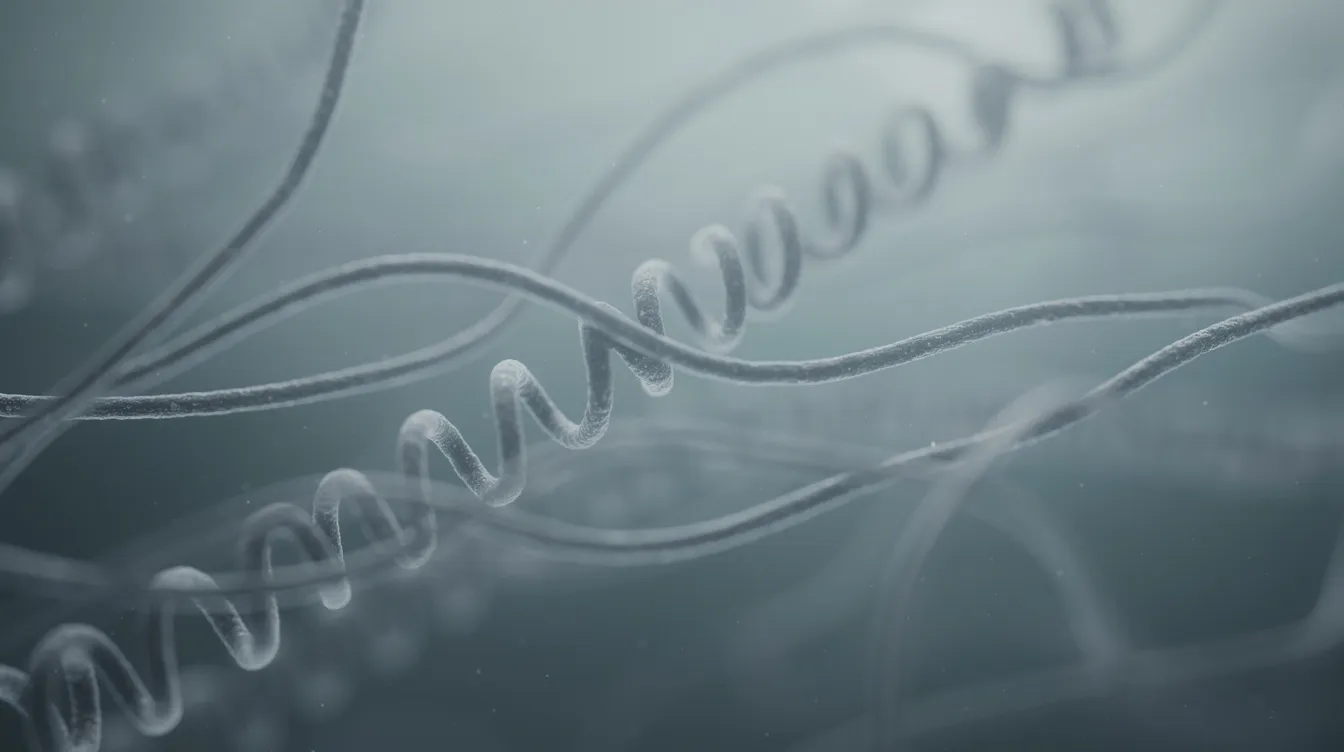
There are more than 300 recognized Leptospira serovars worldwide, with over 250 historically recognized pathogenic serovars. These serovars are antigenically distinct strains. In practical veterinary medicine, serovar names still matter because vaccines and many other tests are organized around serogroups and serovars.
Leptospira bacteria can survive in soil or fresh water for weeks, especially in moist, shaded, warm environments. That environmental hardiness is why contaminated water or soil becomes a major source of exposure after storms, flooding events, or standing water accumulation.
Types of Leptospirosis in Pets
In dogs, leptospirosis often appears as an acute infection. After exposure, bacteria may enter the bloodstream, spread to organs, and then localize in the kidneys, liver, lungs, reproductive fluids, or renal tubules. Renal involvement is especially important because infected animals can shed bacteria in animal urine.
Cats are less commonly diagnosed with severe clinical manifestations, but cats can still become infected. Some cats may show few or no signs, while others may develop illness. Indoor cats have lower risk than outdoor cats, but small mammals like rats and pets can carry and spread leptospira bacteria, so rodent exposure still matters.
Important serovar variations discussed in Florida and the broader United States include L. grippotyphosa, L. pomona, L. canicola, and L. icterohaemorrhagiae. Current canine vaccines commonly target Canicola, Icterohaemorrhagiae, Grippotyphosa, and Pomona. Other serovars, including Bratislava and Autumnalis, have become more prominent in some disease patterns.
Leptospirosis may be described in older or regional language as mud fever or swamp fever, while severe human leptospirosis with jaundice and organ damage is sometimes called Weil’s disease. These terms can refer to different clinical or historical descriptions of the same broader disease caused by Leptospira.
Why Florida Pets Are at Higher Risk
Florida pets are at increased risk because leptospira bacteria thrive in warm, wet areas. Leptospirosis is common in tropical areas with heavy rainfall, and Central Florida has the right mix of heat, humidity, standing water, storm runoff, ponds, drainage ditches, wetlands, and wildlife reservoirs.
Heavy rains can lead to outbreaks of leptospirosis. Flooding events can also lead to outbreaks of leptospirosis because floodwater spreads contaminated urine into yards, sidewalks, retention ponds, puddles, and low-lying areas. After hurricanes or intense summer storms, pets may encounter contaminated water during ordinary walks.
Local wildlife reservoirs include wild rodents, infected rodents, raccoons, opossums, deer, pigs, and other farm animals or wild animals. Rodents are common reservoirs for leptospirosis bacteria, and rodent control is important to reduce the risk of leptospirosis around homes, barns, kennels, and feed storage areas.
Even pets that do not hunt or hike can be exposed. A backyard puddle, rainwater catchment systems, drainage water, or soil contaminated by wildlife urine may be enough.
Transmission and Risk Factors
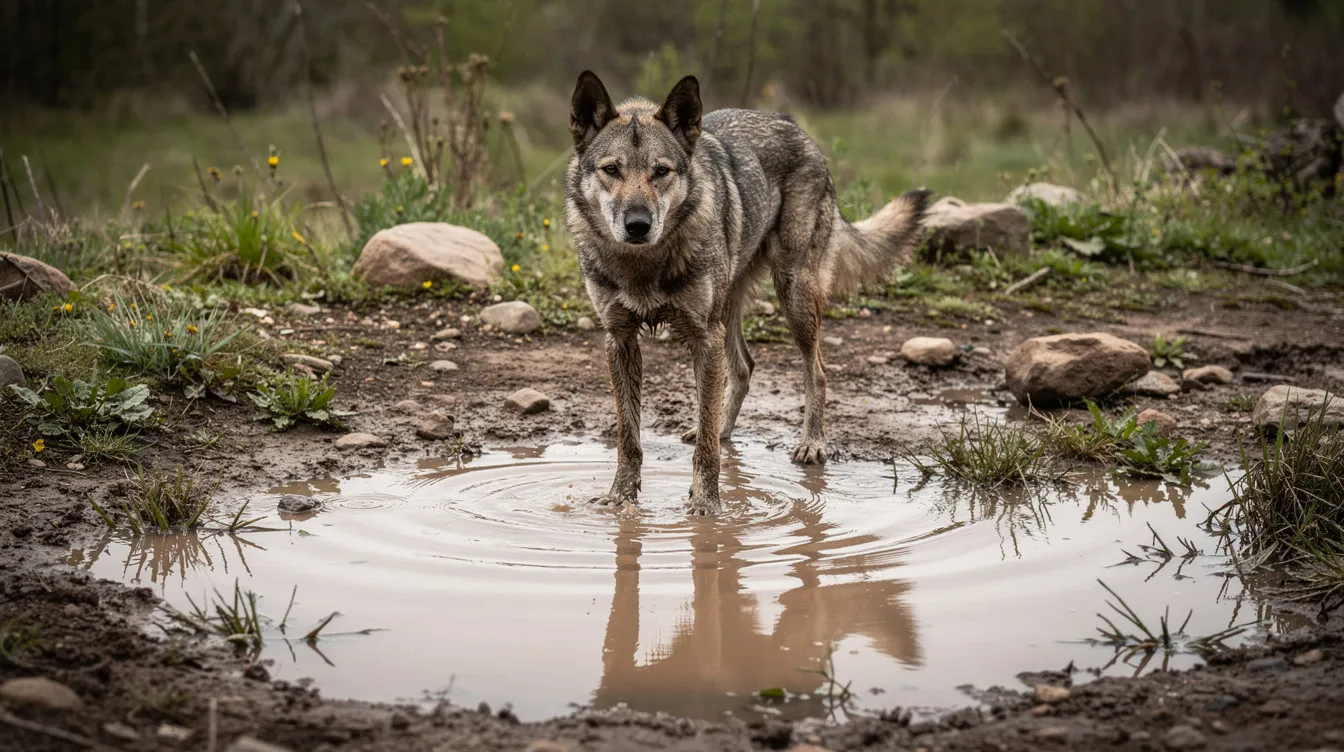
Leptospirosis transmission begins when susceptible pets contact contaminated water, contaminated water or soil, infected animal urine, or body fluids from infected animals. The disease caused by Leptospira is not limited to rural areas; pet dogs in suburban neighborhoods can be exposed after rainfall, near ponds, or where rodents travel.
Understanding transmission helps explain why prevention has to include vaccination, safer recreation choices, rodent control, and fast veterinary care when symptoms appear.
How Pets Contract Leptospirosis from Infected Animals
Pets most often contract leptospirosis through urine-contaminated water or soil. Infected animals shed leptospira bacteria in animal urine, and that urine can contaminate fresh water, mud, grass, soil, and damp surfaces.
Leptospira bacteria enter through mucous membranes, including the eyes, nose, and mouth, or through broken skin. Covering wounds is essential when working in potentially contaminated environments, and the same concept applies to pets with cuts, abrasions, or irritated skin.
The incubation period for leptospirosis is typically 5-14 days. Symptoms may appear 5 to 14 days after exposure, although timing can vary. Infection often occurs during high-risk activities in contaminated water, especially when pets drink, swim, wade, or lick wet fur after exposure.
High-Risk Activities and Environments
Recreational freshwater activities increase leptospirosis risk. Dogs that swim in lakes, ponds, rivers, drainage canals, or flooded fields have higher exposure risk, especially if they drink while swimming. Hiking, camping, hunting, farm visits, and off-leash roaming also increase exposure.
Urban risks matter too. Puddles, standing water, retention ponds, stormwater ditches, damp shaded soil, and runoff from heavy rainfall can all harbor leptospira bacteria. Pet dogs that only walk around a neighborhood can still encounter contaminated water or soil.
Wildlife contact is another major concern. Raccoons, opossums, wild rodents, infected rodents, and other wild animals can shed bacteria. Farm animals and domestic animals may also be involved in transmission cycles. Rodents are common reservoirs for leptospirosis bacteria, so controlling rodent access to food, trash, garages, barns, and pet areas is a core disease control step.
Zoonotic Transmission to Humans
Leptospirosis is a zoonotic disease transmitted from animals to humans. People can become infected through contact with infected animal urine, contaminated water or soil, body fluids, other body fluids, or surfaces contaminated by infected animals. The Cornell University Riney Canine Health Center advises careful hygiene, gloves, and limiting contact with urine from infected pets.
Occupational exposure is a primary risk factor for leptospirosis. Veterinary teams, shelter workers, sewer workers, farm workers, landscapers, emergency responders, and people cleaning flood damage may be exposed. Preventive measures include avoiding contaminated water and wearing protective gear. Wear protective clothing, cover open wounds, wash hands thoroughly, and avoid touching eyes, nose, or mouth after handling potentially contaminated materials.
Human illness may begin with flu-like symptoms, fever, headache, muscle aches, and gastrointestinal signs. In some cases, severe symptoms can develop 3 to 10 days after initial symptoms. Severe leptospirosis can lead to kidney damage and liver failure, respiratory distress, pulmonary involvement, pulmonary hemorrhage, aseptic meningitis involving the brain and spinal cord, disseminated intravascular coagulation, renal replacement therapy, and death.
For human exposure concerns, contact a healthcare provider, local emergency medicine service, or public health department, and consult public-health guidance from the Centers for Disease Control and Prevention and the World Health Organization. Parents should seek pediatric infectious diseases guidance when children are exposed or symptomatic. Adults should take 100 mg of doxycycline twice daily for 7 days. Children should receive 2 mg/kg of doxycycline daily, not exceeding 200 mg.
Recognition, Diagnosis, and Treatment
After exposure, the incubation period is often silent. A dog may appear normal for several days, then develop vague clinical signs that look like many other infectious diseases, toxin exposures, gastrointestinal illnesses, or kidney and liver problems. This is why a high clinical suspicion, a detailed exposure history, and choosing a trusted primary veterinarian are important.
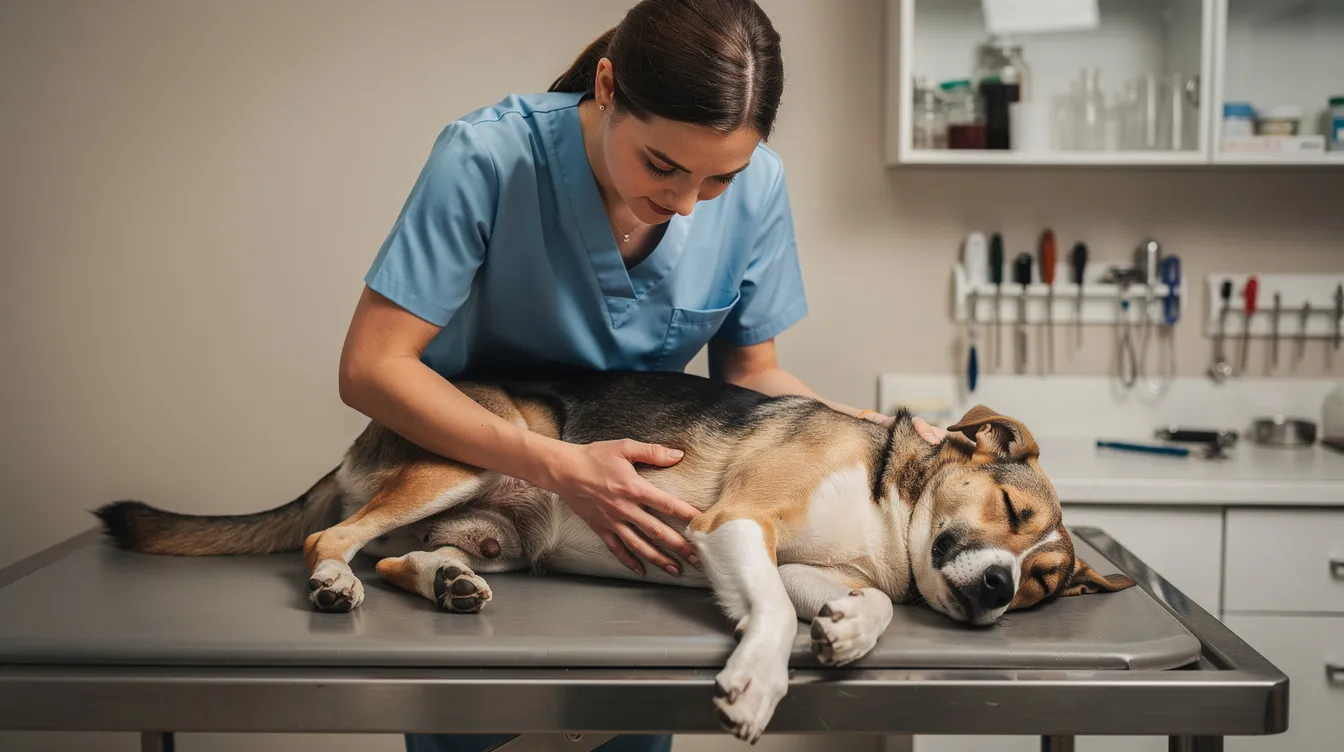
Suspected leptospirosis is approached as both a pet health concern and a zoonotic disease control issue. The goals are to stabilize the patient, confirm the diagnosis when possible, treat leptospirosis promptly, reduce urine shedding, and protect the household.
Clinical Signs in Dogs and Cats
Leptospirosis symptoms can vary widely from none to severe illness. Initial symptoms include flu-like symptoms and fever. In pets, early clinical signs often include fever, lethargy, loss of appetite, vomiting, diarrhea, muscle soreness, abdominal discomfort, and dehydration.
As disease severity increases, symptoms can include jaundice, kidney failure, and respiratory distress. Dogs may develop acute kidney injury, renal failure, liver failure, dark urine, pale gums, increased thirst, changes in urination, bleeding gums, nosebleeds, coughing, or difficulty breathing. Severe leptospirosis can also cause pulmonary hemorrhage.
Severe symptoms can develop 3 to 10 days after initial symptoms. If untreated, leptospirosis can be fatal. About 5-10% of untreated cases can lead to multiorgan failure. Some animals survive the acute phase but may have lasting renal involvement or liver damage.
Symptoms can mimic other diseases, including poisoning, tick-borne disease, viral hepatitis, pancreatitis, parvovirus, immune-mediated disease, and other infectious diseases such as food allergies and dietary sensitivities in dogs. That overlap is why diagnosis leptospirosis requires physical examination, exposure history, blood tests, urine tests, polymerase chain reaction testing, antibody testing, and sometimes other tests.
Diagnostic Process
When leptospirosis is possible, testing and treatment often proceed at the same time. Antibiotic treatment should start before lab results are available when a pet has compatible signs and meaningful exposure history, because early treatment can reduce disease severity and duration.
- Initial examination and history taking
Veterinarians begin with a physical examination and questions about exposure history. Important details include recent heavy rainfall, swimming, puddle drinking, hiking, camping, wildlife exposure, rodent exposure, vaccination history, and contact with farm animals or wild animals.
- Blood work including chemistry panel and complete blood count
Blood tests help assess kidney values, liver enzymes, bilirubin, electrolytes, platelet count, anemia, inflammation, and dehydration. These findings help identify acute kidney injury, liver involvement, renal involvement, and overall disease severity.
- Urinalysis and urine culture
Urine tests evaluate protein, blood, glucose, concentration ability, and evidence of kidney injury. Urine culture for Leptospira is difficult and slow, but urinalysis still provides important information. Because bacteria can localize in renal tubules, urine evaluation is central to monitoring.
- PCR testing for Leptospira DNA
Polymerase chain reaction testing can detect Leptospira DNA in blood early in disease or urine later in disease. PCR is useful because it can support faster diagnosis, though false negatives can occur if bacterial numbers are low or shedding is intermittent.
- Antibody testing (MAT) for confirmation
The microscopic agglutination test, often called MAT, measures antibodies against Leptospira serovars. MAT can support confirmation, especially when paired acute and convalescent samples show rising titers. Vaccination history and cross-reactions can make interpretation more complex.
Treatment Protocols
Leptospirosis is curable if treated early. Doxycycline is the first-line treatment for leptospirosis because it helps address both acute infection and kidney shedding. In dogs, veterinarians commonly use doxycycline protocols based on weight and patient status; some severe cases may need injectable antibiotics first, followed by doxycycline.
| Treatment Aspect | Mild Cases | Severe Cases |
|---|---|---|
| Antibiotics | Doxycycline oral 7-14 days | Penicillin then Doxycycline |
| Supportive Care | Outpatient monitoring | Hospitalization with IV fluids |
| Additional Therapy | Symptomatic relief | Kidney support, oxygen therapy |
| Mild cases may be managed with oral antibiotic treatment, anti-nausea medication, hydration support, and close follow-up. Severe cases may require hospitalization, IV fluids, electrolyte correction, liver support, oxygen therapy for pulmonary involvement, and advanced referral if renal replacement therapy is needed. | ||
| In severe leptospirosis, supportive care is as important as antibiotics. Patients with renal failure must be monitored carefully to avoid dehydration or overhydration. Patients with liver failure, pulmonary hemorrhage, or disseminated intravascular coagulation need urgent care. |
Owners should follow all isolation and hygiene instructions while pets may be shedding bacteria in urine. Gloves, disinfecting soiled areas, avoiding bare-hand contact with urine, and preventing pets from urinating in shared play areas help reduce household risk.
Prevention Strategies and Common Challenges
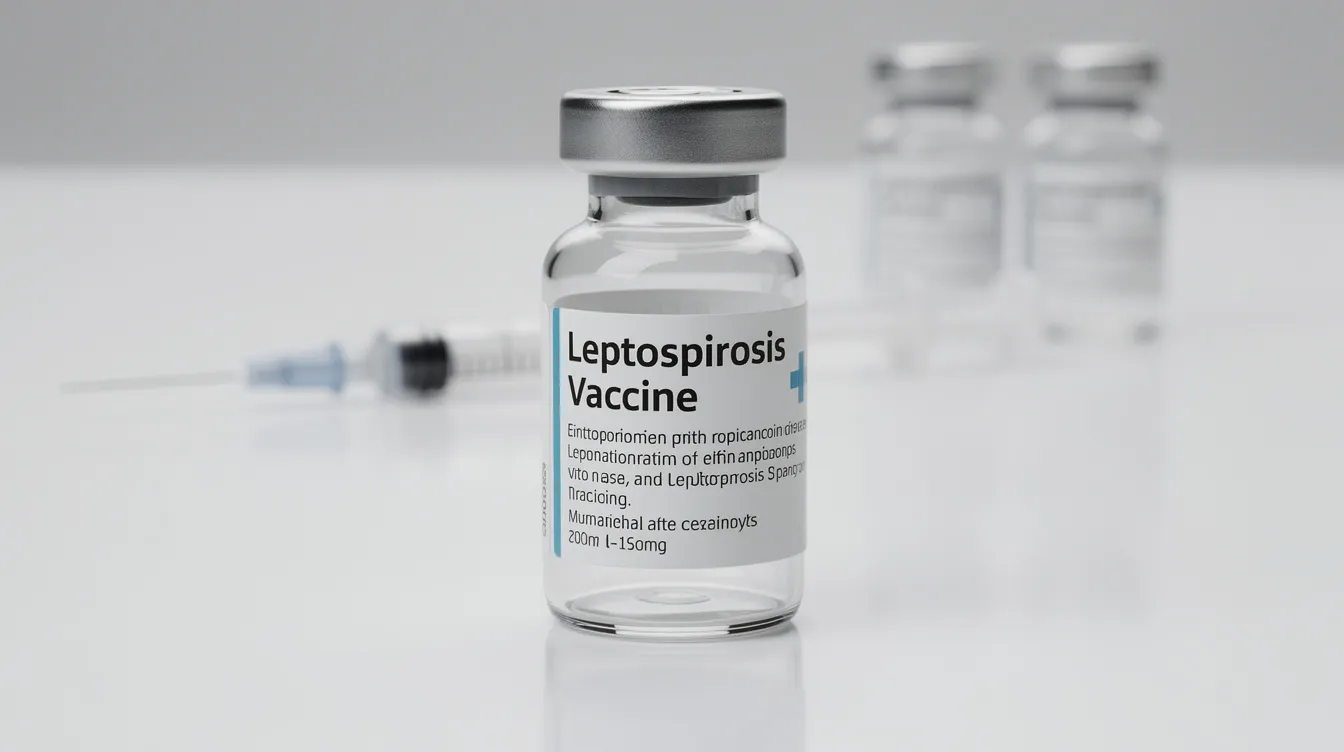
Prevention is the most effective approach because leptospirosis can become a life threatening illness quickly. In Central Florida, prevention means combining vaccination, environmental management, rodent control, and fast response after exposure.
No single step prevents every possible exposure. However, layered prevention can significantly reduce risk for pet dogs, outdoor cats, family members, and people with occupational exposure.
Vaccination Protocol Challenges
Leptospirosis vaccination is strongly considered for most dogs in North America because the disease can be severe and zoonotic. Modern canine vaccines commonly include Canicola, Icterohaemorrhagiae, Grippotyphosa, and Pomona. Vaccines do not protect against every serovar, but they reduce the risk of severe disease and shedding from vaccine-included serovars.
The usual vaccination schedule includes an initial series, often two doses given 3-4 weeks apart, followed by annual boosters. How long does immunity last after vaccination? Current vaccines generally provide protection for at least one year, so annual boosters are commonly recommended.
Some pet owners worry about vaccine reactions. Serious reactions are uncommon, and the risk of severe illness from leptospirosis often outweighs the risk of vaccination. Veterinarians can review prior vaccine reactions, lifestyle risk factors, and vaccine options before making a recommendation.
Environmental Control Difficulties
Completely eliminating contaminated water exposure is not realistic in Florida. Instead, focus on practical changes: keep pets from drinking puddles, avoid drainage ditches, supervise walks after heavy rainfall, prevent swimming in stagnant water, and provide clean drinking water during outdoor activities.
Rodent control is important to reduce the risk of leptospirosis. Store pet food in sealed containers, remove outdoor food waste, secure trash, reduce clutter where rodents hide, and address rodent activity quickly. Because rodents are common reservoirs for leptospirosis bacteria, this is one of the most practical home-based disease control measures.
Safer recreation options include leash walks on dry paths, fenced exercise areas away from standing water, supervised play after storms, and avoiding swampy or muddy areas when rainfall has been heavy. If a pet has wounds, irritated skin, or recent surgery, avoid water or soil that may be contaminated.
Treatment Compliance Issues
Treatment only works when the full antibiotic course is completed. Skipping doses or stopping early can increase the risk of relapse, persistent shedding, or chronic kidney carriage. This matters for both pet health and household disease control.
Follow-up testing may include repeat blood tests, urine tests, PCR testing, or other tests depending on the pet’s condition. These visits help confirm improvement, monitor renal involvement or liver injury, and reduce the risk that an apparently recovered pet continues to shed bacteria.
Owners should also follow hygiene instructions until the veterinary team confirms the pet is no longer a concern. Wear gloves when cleaning urine, wash hands after handling bedding or waste, disinfect contaminated surfaces, keep children away from soiled areas, and contact a healthcare provider if anyone in the household develops fever or flu-like symptoms after exposure.
Conclusion and Next Steps
Leptospirosis is a preventable and treatable bacterial disease, but it deserves serious attention in Central Florida. Warm weather, heavy rainfall, fresh water exposure, infected rodents, wildlife reservoirs, and standing water all create conditions where leptospira bacteria can survive and spread leptospirosis to pets and people.
The most important takeaway is simple: vaccinate at-risk dogs, avoid contaminated water, control rodents, recognize early symptoms, and seek veterinary care quickly. Leptospirosis is curable if treated early, and early antibiotic treatment can reduce disease severity and duration.
- Schedule a vaccination consultation with your veterinarian
Ask whether your dog should receive leptospirosis vaccination, whether boosters are current, and how local risk factors affect your pet.
- Assess your pet’s exposure risks and modify activities if necessary
Review swimming, hiking, camping, puddle drinking, rodent exposure, wildlife contact, farm visits, and access to standing water after storms.
- Learn to recognize early symptoms for prompt treatment
Watch for fever, lethargy, loss of appetite, vomiting, diarrhea, increased thirst, jaundice, weakness, kidney failure signs, or respiratory distress. If symptoms appear 5 to 14 days after exposure, contact a veterinarian promptly.
Frequently Asked Questions
Can indoor cats get leptospirosis?
Yes, indoor cats can get leptospirosis, but the risk is much lower than for outdoor pets. Exposure can occur if rodents enter the home, if contaminated water is brought inside, or if an infected pet sheds bacteria in urine. Cats often have mild symptoms or no visible illness, but infection is still possible.
How long does immunity last after vaccination?
Current canine leptospirosis vaccines generally provide protection for at least one year. Most dogs receive an initial two-dose series followed by annual boosters. Your veterinarian can help determine whether your dog’s lifestyle justifies strict annual vaccination based on local risk factors.
What should I do if my pet was exposed to contaminated water?
Rinse your pet if safe, prevent licking wet fur, do not allow further drinking from the source, and call your veterinarian for guidance. Watch closely during the 5-14 day incubation period. If fever, vomiting, lethargy, appetite loss, jaundice, or urinary changes appear, seek veterinary care promptly.
Can leptospirosis be cured completely?
Yes, leptospirosis is curable if treated early. Doxycycline is the first-line treatment for leptospirosis, and early treatment can reduce disease severity and duration. Severe cases may still lead to permanent kidney or liver damage, especially if treatment is delayed.
Should I be worried about catching leptospirosis from my pet?
The risk is real but manageable. Leptospirosis is a zoonotic disease transmitted from animals to humans through infected animal urine, contaminated water or soil, mucous membranes, or broken skin. Wear gloves when cleaning urine, cover wounds, wash hands, disinfect soiled areas, keep children away from contaminated spaces, and contact a healthcare provider if anyone develops fever or flu-like symptoms after exposure.