Introduction
Ibuprofen is highly toxic to cats, and if my cat ate ibuprofen, you need to contact your veterinarian immediately. Even a small dose of this common human pain reliever can cause life-threatening organ damage in felines, making every minute count when accidental ingestion occurs. If my cat ate ibuprofen, I should be prepared to act quickly.
This guide covers the full scope of ibuprofen poisoning in cats – from recognizing the earliest clinical signs, to emergency response steps, professional treatment protocols, and long-term prevention strategies. Whether you’re a pet owner in Central Florida near Dr. Roger Hart’s clinic or anywhere else, this resource is designed to help you act decisively during a crisis and protect your pet’s health going forward. Topics outside the scope of this article include toxicity from other drug classes (such as acetaminophen) and detailed surgical intervention protocols.
If my cat ate ibuprofen, knowing the symptoms of toxicity is essential for a quick response. My cat ate ibuprofen, so I must be vigilant and seek immediate veterinary help.
It’s crucial to understand that my cat ate ibuprofen, which can lead to serious health issues. If my cat ate ibuprofen, it’s vital to monitor their condition closely.
Direct answer: Ibuprofen can be toxic to cats even in small doses. As little as 5 mg per pound can be poisonous to cats – meaning even a quarter of a 200 mg ibuprofen tablet can poison a cat. Symptoms of ibuprofen poisoning can appear within 2-6 hours after ingestion, and without prompt veterinary care, the consequences can be fatal.
After reading this guide, you will be able to:
- Recognize the early, advanced, and critical symptoms of ibuprofen poisoning in cats
- Execute the correct immediate response steps before reaching a veterinary clinic
- Understand how veterinary professionals treat cats ibuprofen poisoning at each stage
- Implement proven prevention strategies to eliminate future accidental ingestion risks
- Know when and why to contact Dr. Roger Hart’s clinic for emergency or follow-up care
Understanding Ibuprofen Toxicity in Cats
Ibuprofen is a nonsteroidal anti-inflammatory drug (NSAID) widely used by humans to manage pain, inflammation, and fever. It is sold under several brand names and is available over the counter in most pharmacies. Despite its safety profile in humans at recommended doses, ibuprofen is one of the most dangerous medications a cat can encounter. Cats are far more sensitive to ibuprofen toxicity than dogs or humans due to fundamental differences in how their bodies process drugs.
How Ibuprofen Affects Cat Physiology
Ibuprofen works by non-selectively inhibiting cyclooxygenase enzymes (COX-1 and COX-2), which are responsible for producing prostaglandins. Prostaglandins are inhibited by ibuprofen, leading to blood flow issues in the stomach and kidneys. Specifically, COX-1-derived prostaglandins maintain protective mucus and blood flow in the gastrointestinal tract, support kidney perfusion through vasodilation in the renal afferent arterioles, and assist platelet function. When these prostaglandins are blocked, the result is gastrointestinal ulceration, impaired kidney function, and potential bleeding.
What makes cats especially vulnerable is a critical metabolic deficiency: cats lack the necessary liver enzymes to break down ibuprofen. Specifically, cats have diminished glucuronyl transferase (UGT) enzymes – including UGT1A6 and UGT1A9 – which are key pathways for conjugating and eliminating drugs from the body. This means ibuprofen stays active in a cat’s system far longer than in dogs or humans, amplifying toxicity even at doses that would be trivial for other species. According to the Merck Veterinary Manual, ibuprofen is not recommended for use in cats, and even small amounts can cause gastric damage and kidney damage.
Toxic Dose Levels and Risk Factors
Ibuprofen can cause serious health problems in cats at remarkably low doses. Clinical signs of toxicity reportedly begin at approximately 25 mg/kg body weight. To put this in perspective, a single 200 mg human ibuprofen tablet given to a 4–5 kg cat delivers a dose of roughly 40–50 mg/kg – well into the range for moderate to severe signs. Higher doses of 100–200 mg/kg or more are associated with acute kidney failure, neurological symptoms, and potentially death.
Several factors increase a cat’s risk of severe poisoning:
- Age: Kittens and senior cats face greater danger due to immature or declining organ function
- Pre-existing conditions: Cats with underlying renal or hepatic disease are at heightened risk, as are those managed through senior pet care programs
- Concurrent medications: Co-administration with other nephrotoxic drugs compounds the threat
- Body size: Small cats weighing only 3–4 kg receive a disproportionately large dose per kilogram
- Form of ibuprofen: Liquid formulations and uncoated tablets absorb more rapidly; topical NSAID residues can also poison cats through grooming
- Repeated dosing: Well meaning owners who administer multiple doses cause cumulative toxicity far exceeding a single dose exposure
Understanding these dose thresholds is essential, but recognizing the symptoms that follow ingestion is what enables you to act in time.
Recognizing Ibuprofen Poisoning Symptoms
Once a cat has eaten ibuprofen, the body’s response follows a predictable but escalating timeline. Knowing what to watch for at each stage can mean the difference between a full recovery and permanent organ damage. Symptoms of ibuprofen poisoning in cats include vomiting and diarrhea, but the clinical picture extends well beyond stomach upset.

Early Stage Symptoms (2-6 Hours)
The first signs of ibuprofen poisoning typically appear within 2–6 hours of ingestion, though delays are possible depending on the form consumed and whether the cat has recently eaten.
Gastrointestinal signs dominate this phase. Expect vomiting – often multiple episodes – along with diarrhea, loss of appetite, and visible abdominal pain. Cats may adopt a hunched posture or resist being touched around the abdomen. The vomit may initially appear normal without blood.
Behavioral changes include lethargy, depression, and hiding. Many cats retreat to secluded areas and become unresponsive to normal stimuli. Excessive drooling (ptyalism) may also occur as a result of nausea.
Physical signs to check for include pale gums, which can indicate early gastrointestinal bleeding or developing anemia, and dehydration markers like dry gums and skin tenting. These early clinical signs should trigger immediate veterinary contact – do not wait for symptoms to worsen.
Advanced Stage Symptoms (6-24 Hours)
As ibuprofen continues to circulate due to the cat’s slow metabolic clearance, damage to multiple organ systems escalates.
When dealing with ibuprofen toxicity, remember that if my cat ate ibuprofen, the signs can escalate quickly, requiring urgent care.
Severe gastrointestinal signs include vomiting with blood (hematemesis) and dark tarry stools, which are known as melena. Dark tarry stools indicate gastrointestinal bleeding from stomach ulcers or intestinal ulceration.
Kidney involvement becomes apparent through increased urination followed by decreased output, excessive drinking, and worsening dehydration. Increased urination can signal kidney damage from poisoning. Blood and urine tests at this stage typically reveal elevated creatinine, blood urea nitrogen (BUN), and possible proteinuria.
Neurological signs may include tremors, loss of coordination (ataxia), and in severe cases, seizures may occur with high doses of ibuprofen. Central nervous system depression can also present as profound unresponsiveness.
Critical Stage Symptoms (24+ Hours)
Beyond 24 hours without treatment, ibuprofen poisoning can quickly lead to life-threatening complications.
- Acute kidney failure: Rising creatinine levels, oliguria or anuria (reduced or no urine production), and dangerous electrolyte imbalances
- Liver damage: Elevated liver enzymes and possible jaundice, though this is less common than renal involvement
- Neurological decline: Seizures, coma, and circulatory collapse
- Severe GI hemorrhage: Potential gastric perforation in extreme cases, compounding shock
These critical-stage presentations require immediate intensive care. If your cat shows any combination of bloody stools, seizures, or collapse, transport to an emergency veterinary hospital without delay.
Emergency Response and Treatment Protocol
Time is the single most important variable in treating ibuprofen poisoning in cats. Prompt treatment improves the prognosis for cats poisoned with ibuprofen, and early treatment improves recovery chances for ibuprofen poisoning. The steps you take in the first minutes after discovering an exposure can dramatically influence outcomes.

Immediate Response Steps
Contact your veterinarian immediately if your cat ingests ibuprofen. If Dr. Roger Hart’s clinic is closed, reach the nearest emergency veterinary hospital or the Animal Poison Control Center (ASPCA: 888-426-4435) or the Pet Poison Helpline (855-764-7661).
- Do not induce vomiting at home without veterinary guidance. Inducing vomiting in cats carries serious risks including aspiration pneumonia and further mucosal damage if ulceration has already begun.
- Bring the ibuprofen product to the vet for evaluation. Note the tablet strength, approximate number missing, and estimated time of ingestion.
- If topical exposure occurred (cream or gel), gently bathe the affected area with mild dish soap under veterinary guidance to prevent further absorption through grooming.
- Keep your cat calm and monitor for symptom changes during transport. Do not administer any home remedies, milk, or additional medications.
Pick up any dropped medication immediately to prevent poisoning – this is especially important in households with multiple pets.
Professional Treatment Options
Time is critical if my cat ate ibuprofen; the sooner I act, the better the chances for recovery.
Treatment for ibuprofen poisoning in cats often involves hospitalization and intravenous fluids. The specific approach depends on how much time has elapsed since ingestion and the severity of clinical signs.
Treatment Stage | Early Intervention (0-2 hours) | Symptomatic Care (2-24 hours) | Intensive Care (24+ hours) |
|---|---|---|---|
Primary Focus | Decontamination | Organ protection | Life support |
Typical Methods | Induced vomiting (in-clinic only), activated charcoal, possible gastric lavage | IV fluids for hydration and kidney perfusion, gastroprotectants (PPIs, sucralfate), anti-nausea medication (maropitant) | Dialysis, blood transfusion for hemorrhage, anticonvulsants for seizure control |
Monitoring | Basic vitals and assessment | Blood tests and urine tests for kidney and liver function, electrolytes | Continuous ICU monitoring with specialized equipment |
Activated charcoal may be used for decontamination in a clinical setting, binding remaining drug in the gastrointestinal tract when administered early. Treatment may include IV fluids and medications for organ protection, with hospitalization typically lasting 3–5 days in moderate cases and longer in severe cases involving kidney failure.
In a documented case series from Zurich, two sibling cats (approximately 5.4–5.9 kg each) developed severe acute kidney injury with creatinine levels exceeding 900 µmol/L after ingesting roughly 400 mg of ibuprofen. With aggressive hospital supportive care, both cats fully recovered within approximately 8 days post-ingestion – demonstrating that even serious cases can resolve with timely intervention.
In any case of poisoning, if my cat ate ibuprofen, ensure that you are ready to provide information to the veterinarian.
Common Challenges and Solutions
Recovery from ibuprofen poisoning doesn’t end at hospital discharge. Several complications commonly arise during the days and weeks following treatment.
Cat Refuses to Eat After Treatment
Appetite refusal is one of the most common post-treatment challenges, stemming from residual nausea and gastrointestinal inflammation. Offer bland, easily digestible foods like boiled chicken or a prescription recovery diet. If your cat is not eating for more than 24–48 hours after discharge, contact your vet – appetite stimulants may be prescribed, and in prolonged cases, a feeding tube may be necessary to maintain nutrition.
Ongoing Kidney Function Concerns
Even after clinical recovery, kidney values may remain elevated for days to weeks. Follow-up blood work monitoring creatinine, BUN, and electrolytes should occur every 1–2 weeks initially, then monthly if values stabilize. Some cats develop chronic kidney disease or persistent proteinuria following ibuprofen toxicity, requiring long-term dietary modifications and increased water intake to support remaining kidney function.
If my cat ate ibuprofen, I must avoid inducing vomiting unless advised by a vet.
After my cat ate ibuprofen, every moment counts, so I should remain calm and focused.
Preventing Future Accidental Exposures
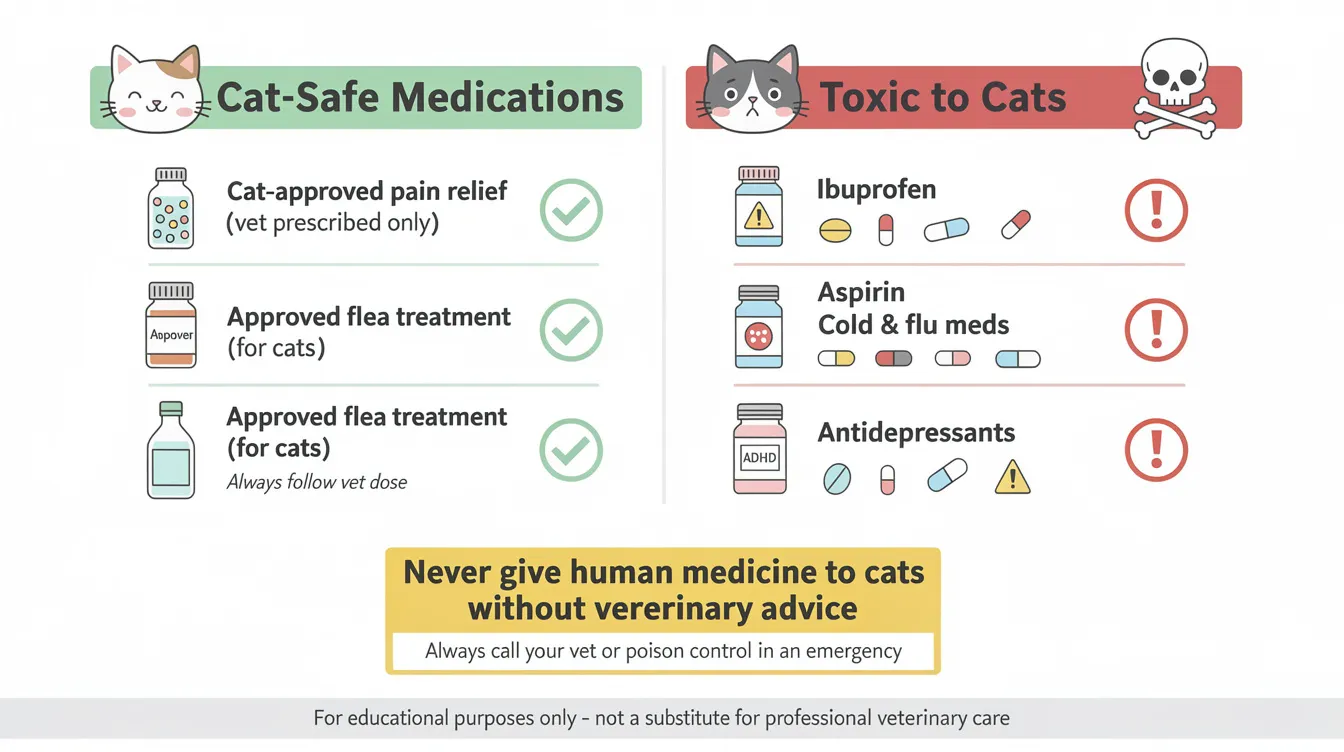
Store ibuprofen out of pets’ reach. Keep all medications in a secure place – ideally a locked cabinet or high shelf that cats cannot access. Store medications away from countertops, nightstands, and purses. Educate every family member about the dangers of sharing human medications with pets, and never give cats human medications without veterinary advice.
Prevention is the most reliable form of protection against pet toxicities.
Conclusion and Next Steps
Ibuprofen poisoning in cats is a medical emergency that demands immediate action, but it is also entirely preventable. The combination of cats’ metabolic vulnerability, the widespread availability of ibuprofen in households, and the small margin between a human dose and a lethal feline dose creates a persistent danger that every pet owner must take seriously.
It’s critical to remember that if my cat ate ibuprofen, the potential for severe complications exists.
Take these steps now:
- Program Dr. Roger Hart’s clinic number and the ASPCA Animal Poison Control Center number into your phone
- Audit your home for accessible medications and move them to pet-proof storage
- If you suspect your cat has had any previous exposure to human NSAIDs, schedule a wellness check including blood tests and urine tests to assess kidney function
- Share this information with family members, pet sitters, and anyone who spends time in your home with your pets
Always keep in mind that if my cat ate ibuprofen, veterinary guidance is paramount for effective treatment.
Ultimately, if my cat ate ibuprofen, I must seek immediate care for their well-being.
Related topics worth exploring include other common toxic substances for pets, safe pain management alternatives for cats, and early signs of chronic kidney disease through regular preventive care visits.
Prevention and Safe Pain Management Alternatives

Never administer human NSAIDs to cats. Only two NSAIDs are FDA-approved for cats: meloxicam (for short-term use) and robenacoxib (marketed as Onsior). Even these NSAIDs approved for feline use carry risks and require careful veterinary supervision, particularly with repeated dosing or in cats with pre-existing conditions.
Beyond these, veterinary professionals may prescribe other safe pain relief options. Gabapentin and buprenorphine are safe pain relief options for cats, providing effective analgesia without the risks associated with human NSAIDs.
Non-pharmaceutical pain management options include:
- Environmental modifications: Soft bedding, ramps instead of stairs, minimizing the need for jumping
- Physical therapy: Guided rehabilitation exercises to maintain mobility
- Acupuncture: Increasingly used in veterinary medicine for chronic pain conditions
- Thermal therapy: Cold or warm compresses applied under veterinary guidance
Understanding the risks is crucial for every pet owner, especially if my cat ate ibuprofen.
Consult your veterinarian for safe pain relief options for cats. The best course of action is always to discuss your cat’s pain with a qualified vet before administering any drugs. As Cornell University College of Veterinary Medicine states in its Small Animal Toxins guide, ibuprofen is contraindicated in cats at any dosage and is not recommended under any circumstances.
Frequently Asked Questions
How much ibuprofen is toxic to cats?
Ibuprofen can be toxic to cats in small doses. As little as 5 mg per pound can be poisonous to cats. A quarter of a 200 mg ibuprofen tablet can poison a cat weighing 4–5 kg, delivering a dose well into the toxic range. There is no established safe threshold for ibuprofen in cats – any exposure should be treated as a potential emergency.
How long does it take for ibuprofen poisoning symptoms to appear?
Symptoms can appear within 2-6 hours after ingestion, beginning with vomiting, diarrhea, and lethargy. However, kidney damage may not become apparent through blood and urine tests for 1–3 days, which is why veterinary monitoring is essential even if initial symptoms seem mild.
If my cat ate ibuprofen, knowing the signs of toxicity can save their life.
Can cats recover from ibuprofen poisoning?
Yes, many cats recover fully when treated promptly. In a documented case, two 13-month-old sibling cats developed severe acute kidney injury after ibuprofen ingestion but fully recovered within approximately 8–10 days with intensive hospital care. However, some cats sustain lasting kidney damage or develop chronic proteinuria. Early treatment improves recovery chances significantly.
What should I do if I accidentally gave my cat ibuprofen?
Contact your veterinarian immediately if your cat ingests ibuprofen. Do not induce vomiting at home without veterinary guidance. Bring the ibuprofen product to the vet for evaluation, including the label with strength and dosage information. Note the approximate time of ingestion and how much was consumed.
Are there any safe human pain medications for cats?
No human pain medications should be given to cats without explicit veterinary approval. Human NSAIDs like ibuprofen, naproxen, and aspirin are all potentially dangerous. Only veterinary-prescribed medications such as meloxicam, robenacoxib, gabapentin, or buprenorphine should be used for feline pain management.
How can I cat-proof my medicine cabinet?
Store medications in a secure place that cats cannot access – closed cabinets, locked drawers, or high shelves. Never leave pills on countertops, nightstands, or in open bags. Pick up any dropped medication immediately to prevent poisoning. Be aware that topical NSAID residues can poison cats – if you apply ibuprofen gel to yourself, wash your hands thoroughly before handling your cat.
What are the long-term effects of ibuprofen poisoning in cats?
Depending on the dose and delay before treatment, long-term effects can include chronic kidney disease, persistent proteinuria, reduced kidney reserve, and ongoing gastrointestinal sensitivity. Some cats require lifelong kidney-supportive diets and regular monitoring through blood tests and urine tests. In severe cases, permanent organ damage may reduce life expectancy.
When should I contact Dr. Roger Hart’s emergency line?
Contact Dr. Roger Hart’s clinic immediately if your pet ate any amount of ibuprofen or other human NSAIDs, if your cat displays vomiting, lethargy, pale gums, or bloody stools of unknown cause, or if you’re unsure whether an accidental ingestion occurred. When in doubt, always err on the side of calling – early intervention is the single most important factor in successful treatment.
Medical Review
This article has been reviewed and approved by Dr. Roger Hart, DVM, whose expertise in emergency veterinary medicine and toxicology informs the clinical guidance presented throughout this resource.
Key citations:
- Merck Veterinary Manual – Toxicoses from Human Analgesics in Animals: Confirms that ibuprofen is not recommended for use in cats and that even small amounts can cause gastric damage and kidney injury.
- Cornell University College of Veterinary Medicine – Small Animal Toxins: Lists ibuprofen as contraindicated in cats at any dosage.
- PMC Case Report – Ibuprofen-Induced Acute Kidney Injury in Cats: Documented recovery of two cats with severe AKI following ibuprofen ingestion with appropriate supportive care.
Last updated: June 2026. Dr. Roger Hart and this publication are committed to evidence-based veterinary care. Consult your veterinarian for guidance specific to your cat’s situation.
In summary, if my cat ate ibuprofen, early intervention is key to a successful recovery.
Always prioritize your cat’s safety, especially if my cat ate ibuprofen at any time.
Finally, if my cat ate ibuprofen, remember to keep emergency numbers handy for immediate assistance.

Leave a Reply