Introduction
If your dog is constantly licking, chewing, or biting at their paws, itchy feet are a common — and often treatable — problem, and one of the most frequent reasons pet owners seek veterinary care. Persistent paw licking and paw chewing are clear behavioral signals of pruritus (itchiness), and when accompanied by redness, swelling, or a foul odor, they point to an underlying condition that needs attention.
This guide covers everything a dog owner needs to know about itchy paws in dogs: the root causes – from environmental allergies and food allergies to yeast infections and parasites – along with safe home remedies, professional treatment options, when to seek veterinary care, and proven prevention strategies. Whether your dog’s paws are mildly irritated or severely inflamed, you’ll find actionable steps here.
Recognizing the problem early — and identifying what is behind it — leads to faster relief and better long-term prevention.
The direct answer: Dog itchy feet are most commonly caused by environmental allergies, food sensitivities, bacterial or fungal infections, parasites, or contact with physical irritants. With proper identification of the underlying cause, most cases can be effectively managed through a combination of home care and, when necessary, professional treatment.
Reviewed by Dr. Roger Hart, DVM
By reading this guide, you will:
- Identify the specific root causes behind your dog’s itchy paws
- Implement safe, evidence-based home remedies for immediate relief
- Recognize the warning signs that require professional veterinary care
- Learn proven prevention techniques to reduce future episodes
- Develop a long-term strategy for maintaining optimal paw and skin health
Understanding Itchy Feet in Dogs
Itchy feet are a common issue for dogs. Every dog licks or nibbles at their paws occasionally – after a muddy walk, to remove a small irritant, or as part of normal grooming. This is perfectly normal licking behavior. But when paw licking becomes daily, intense, or causes visible damage to the skin, it crosses into problematic territory.
The distinction matters: normal grooming is brief and infrequent, while problematic behavior involves excessive licking that persists for minutes or hours, occurs repeatedly throughout the day, and produces physical changes like redness, hair loss, or raw skin. The Merck Veterinary Manual defines pruritus as “an unpleasant sensation within the skin that provokes the desire to scratch” – and emphasizes it’s a symptom, not a diagnosis in itself.
Dog feet are uniquely vulnerable to irritants. Unlike humans who wear shoes, a dog’s paws make direct contact with soil, pavement, grass, and chemical residues with every step. The skin between the toes is thin, soft, and tends to trap moisture – creating an ideal environment for fungal and bacterial growth. Paw pads can become cracked or injured from rough terrain, temperature extremes, or chemical exposure. According to Cornell University College of Veterinary Medicine, atopic dermatitis – one of the primary drivers of itchy dog paws – affects approximately 10–15% of the canine population.
Signs Your Dog Has Itchy Feet
Catching the problem early, before the skin becomes inflamed or infected, makes a significant difference in your pet’s comfort.
Recognizing the signs early allows for faster intervention and prevents complications. The indicators fall into two categories:
Behavioral signs:
- Excessive licking or chewing focused on one or more paws
- Biting at the feet, especially between the toes
- Rubbing paws against furniture or carpet
- Favoring or limping on a particular foot (may indicate a foreign body or localized injury)
- Restlessness or inability to settle, particularly at night
Physical signs:
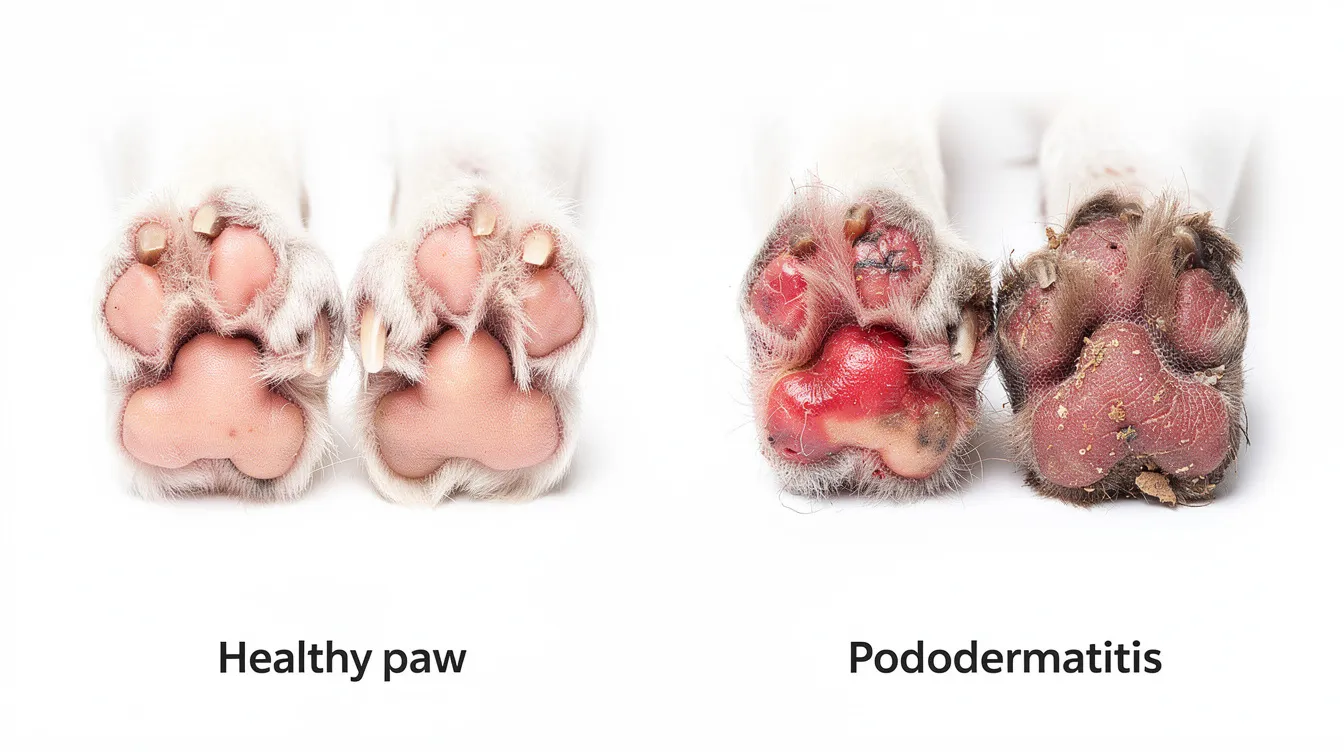
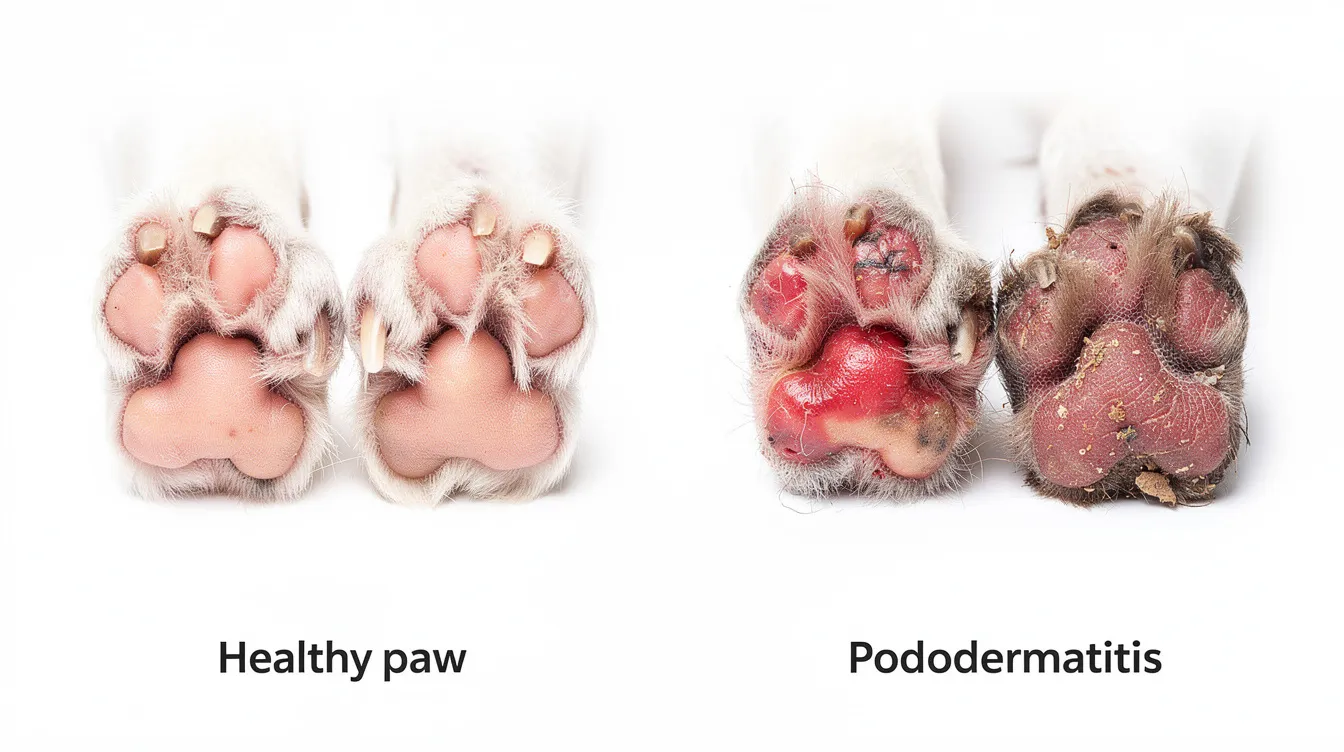
- Redness and inflamed skin on the paw pads or between digits
- Swelling of the toes or foot
- A distinctive musty or corn chips smell (often associated with yeast infection)
- Discharge or moisture between the toes
- Hair loss around the feet and lower legs
- Darkened or thickened skin (hyperpigmentation from chronic inflammation)
- Cracked paw pads or flaky skin
- Greasy skin texture around affected paws
Why Dogs Develop Itchy Feet
Several anatomical and environmental factors make a dog’s feet particularly susceptible to paw irritation:
Ground-level exposure. Paws encounter allergens, chemicals, and microorganisms that other body parts don’t. Pollen, mold spores, and grass proteins collect on paw pads and between toes with every outdoor excursion, triggering contact dermatitis in sensitive dogs.
Moisture retention. The webbing and folds between a dog’s toes naturally trap moisture. After walking on wet grass or through puddles, lingering dampness creates conditions where yeast and bacteria flourish, especially if the paws aren’t dried properly.
Seasonal patterns. Environmental allergies often cause seasonal itching in dogs. Cornell University research indicates that 40–75% of dogs with atopic dermatitis initially show seasonal symptoms, often worsening in spring and fall when pollen counts peak. Over time, some dogs develop year-round symptoms as sensitivity to indoor allergens like dust mites compounds the problem.
Systemic skin health connection. Paw itching rarely occurs in isolation. Dogs with itchy paws frequently also experience itchy ears, itchy belly, and generalized itchy skin. The condition of the skin barrier across the entire body influences how vulnerable the paws are to irritants and infection. A compromised immune system or poor coat quality can amplify paw problems.
Common Causes of Itchy Feet in Dogs
Identifying the root cause is essential for choosing the right treatment. Dog itchy feet are commonly caused by environmental allergies, food sensitivities, infections, or foreign objects. Multiple causes frequently overlap – for instance, allergies weaken the skin barrier, which then allows secondary skin infections to develop.
Environmental and Food Allergies
Allergies are a primary cause of itchy paws in dogs, and they manifest in two major forms:
Environmental allergies (atopic dermatitis) occur when a dog’s immune system overreacts to substances like pollen, grass, mold spores, or dust mites. Environmental allergies can trigger an immune response in dogs that produces inflammation, particularly in areas with thin skin – the paws, ears, belly, and muzzle. Environmental triggers like pollen and grass can cause allergies in dogs that may initially appear seasonal but can progress to year-round discomfort. A report noted an approximately 30% rise in dogs diagnosed with atopic dermatitis over the past decade, suggesting increasing environmental factors at play.
Food allergies can lead to year-round itching in dogs. Unlike seasonal patterns, food allergies cause chronic, persistent symptoms regardless of time of year. Common trigger proteins include chicken, beef, and dairy. Food allergies can also produce gastrointestinal symptoms alongside itchy skin, itchy ears, and paw irritation. Confirming a food allergy requires an 8–12 week elimination diet trial with a novel protein or hydrolyzed diet – there is no reliable shortcut. Some dogs may also experience ear infections alongside their paw symptoms when food allergies are the culprit.
Indoor allergens such as dust mites and mold spores create constant low-level exposure, particularly for dogs that spend most of their time indoors. Walking on treated carpets, resting on dusty bedding, or living in humid environments can keep a sensitive dog’s immune system in a state of perpetual activation.
Bacterial and Fungal Infections
Skin infections are among the most common causes of itchy dog paws and frequently develop as secondary complications:
Yeast infections (typically Malassezia) thrive in the warm, moist spaces between a dog’s toes. Yeast infections often produce a musty odor in paws – frequently described as a distinct corn chip smell that many dog owners recognize. Yeast infections can cause a dog’s paws itchy sensation to intensify, creating a vicious cycle: the dog licks to relieve the itch, the constant licking creates more moisture, and the moisture feeds further yeast growth. Dogs with environmental allergies, compromised skin barrier function, or greasy skin are particularly susceptible.
Bacterial infections can cause red and itchy paws. They often enter through micro-abrasions, scratches, or skin compromised by allergic inflammation. Signs of infection include redness, swelling, or foul odor, along with discharge and crusting. Constant licking can create a moist environment that leads to infections in dogs’ paws. Bacterial paw infections may require antibiotic therapy for 21–30 days according to the Merck Veterinary Manual.
When considering home remedies, it is worth researching which solutions actually soothe irritated paws and which can make matters worse.
Parasites and Contact Irritants
Flea allergy dermatitis is one of the most intense allergic reactions dogs experience. Dogs hypersensitive to flea saliva can develop severe allergic reactions from just a few bites, producing intense itching that affects the paws, tail base, and lower back. Parasites like fleas and ticks can cause localized itching in dogs. Checking for flea dirt (small dark specks in the coat) helps confirm flea involvement.
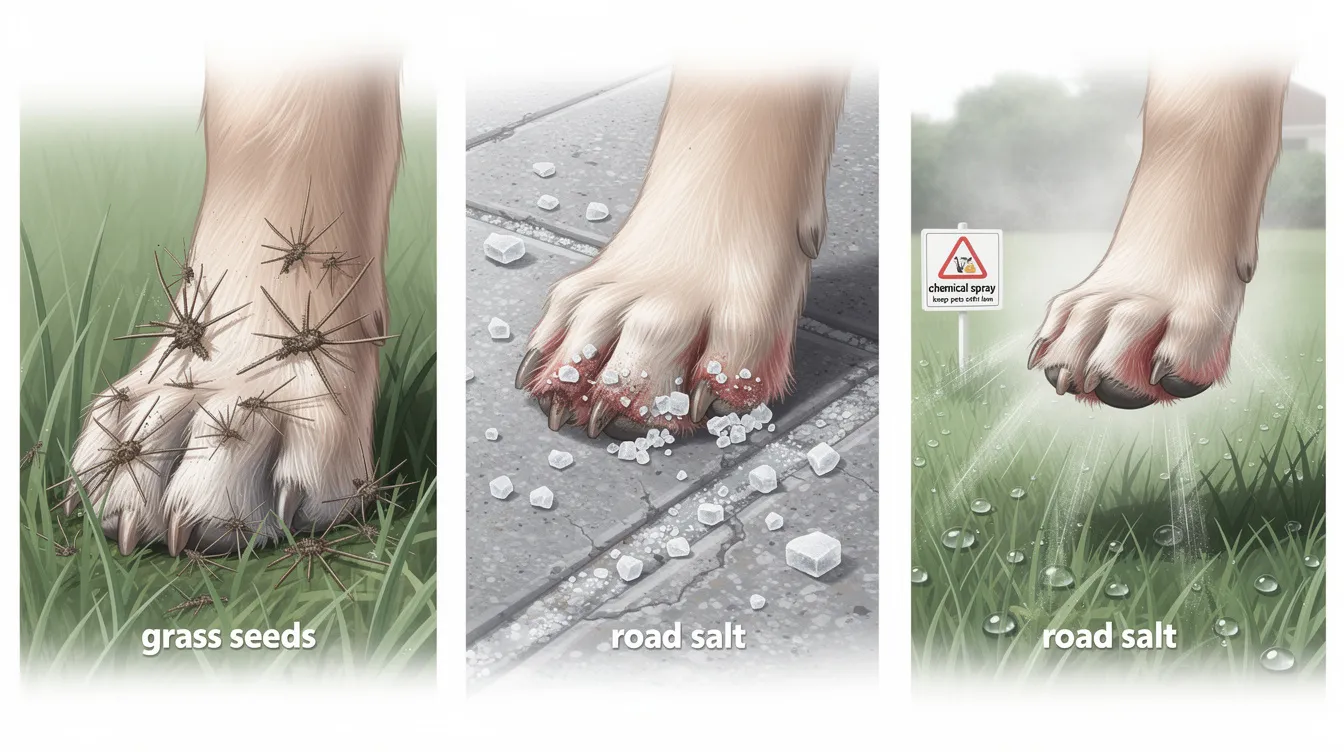
Contact dermatitis can result from exposure to irritants including lawn chemicals (herbicides, pesticides), road salt during winter months, household cleaning products, and other chemical agents. This form of paw irritation typically affects all four paws and may resolve once the irritant is removed.
Foreign objects represent a distinct category. Grass awns, foxtails, thorns, and splinters can embed between toes, causing sudden, intense discomfort – often in only one foot. If your dog is obsessively focused on only one foot, a foreign body should be suspected.
Understanding how environmental factors contribute to paw irritation aids both prevention and treatment. If the licking and chewing persist, it is time to take action.
Affected dogs often need special attention to stay comfortable. If you are unsure how to help, consult your veterinarian.
Treatment Options and Home Remedies
Home remedies may provide temporary relief for dogs’ itchy paws, and many mild cases respond well to consistent at-home care. However, understanding the boundary between manageable symptoms and those requiring professional intervention is critical for your dog’s comfort and safety.
Reviewed by Dr. Roger Hart, DVM for safety and efficacy
Safe Home Remedies for Immediate Relief
The following approaches are widely recommended by veterinary professionals for mild to moderate paw itching:
- Oatmeal soaks: Oatmeal baths soothe irritated skin and reduce itching. Grind colloidal oatmeal into a fine powder, dissolve in lukewarm water, and soak your dog’s affected paws for 5–10 minutes. Oatmeal has well-documented anti-inflammatory properties that can calm inflamed skin and provide rapid comfort. Pat paws dry thoroughly afterward.
- Apple cider vinegar rinses: Apple cider vinegar can reduce bacteria and yeast on the skin when used properly. Mix apple cider vinegar with water in a 1:1 ratio and apply as a spray or brief soak on your dog’s paws. This helps suppress yeast growth and restore skin pH balance. Critical safety note: Never apply apple cider vinegar to open wounds, raw skin, or cracked paw pads – it will cause severe pain and further irritation.
- Coconut oil applications: Apply a thin layer of extra-virgin coconut oil directly to dry paw pads and irritated skin between toes. The lauric acid in coconut oil provides mild antimicrobial benefits and helps moisturize cracked or flaky skin. Use sparingly and consider using a protective bootie or sock afterward to prevent licking, as excessive ingestion can cause digestive upset.
- Cool compresses: Place a cool, damp cloth against inflamed paws for 5–10 minutes to reduce inflammation and provide immediate comfort. Chamomile tea rinses (cooled) and pure aloe vera gel can also soothe irritated skin. Use only on intact skin without open wounds.
- Epsom salt soaks: Soaking dogs’ paws in warm water with Epsom salts can kill surface yeast and bacteria. Dissolve approximately ½ cup in warm water and soak the affected paws for 5–10 minutes. This draws out irritants and reduces swelling. Dry thoroughly between toes afterward to prevent trapping moisture.
Additional supportive measures:
- Omega-3 fatty acids: Omega-3 fatty acids support skin health and reduce inflammation when added to your dog’s diet. Fish oil supplements rich in EPA and DHA help strengthen the skin barrier from the inside out, though improvements typically take 4–8 weeks to become visible. They also contribute to improved coat quality.
- Paw balms: Paw balms can moisturize dry or cracked paw pads, creating a protective barrier against irritants. Look for balms formulated specifically for dogs with natural, non-toxic ingredients.
- Regular paw cleaning: Regular paw cleaning removes allergens and irritants effectively. Wiping dogs’ paws after walks can help remove allergens before they trigger a reaction. Gently wipe paws immediately after outdoor excursions using a damp cloth, baby wipes (unscented, pet-safe), or a shallow foot bath. Daily wiping of paws can remove environmental allergens and significantly reduce allergic reactions in dogs.
Professional Treatment Comparison
When home remedies don’t provide sufficient relief, veterinary treatments target the underlying cause more directly:
|
Treatment Type |
Best For |
Timeline |
Veterinary Required |
|---|---|---|---|
|
Topical antifungals |
Yeast infections |
7-14 days |
Yes |
|
Antihistamines |
Allergic reactions |
2-4 hours |
Consultation advised |
|
Medicated shampoos |
Bacterial infections |
2-3 weeks |
Yes |
|
Allergy immunotherapy |
Chronic environmental allergies |
3-6 months |
Yes |
Chronic itching may be managed with vet-approved antihistamines or allergy shots. Newer immunomodulatory medications like oclacitinib (Apoquel) and lokivetmab (Cytopoint) target itch pathways more precisely than traditional corticosteroids, with fewer systemic side effects – though they still require veterinary supervision. Chronic itching may require allergy testing by a veterinarian to identify specific triggers, and veterinarians can perform skin scrapings to diagnose infections definitively.
Interactive Symptom Checker Tool
Does your dog need veterinary care? Answer these questions:
1. How long has the paw itching persisted?
- Less than 3 days → Monitor and try home remedies
- More than a few days → Seek veterinary care for persistent itching lasting more than a few days
2. Is only one foot affected, or multiple paws?
- Only one foot → Check carefully for foreign objects (thorns, grass awns); if found and removed, monitor. If nothing visible, consult your vet
- Multiple or all paws → Likely allergic or systemic; begin home remedies and schedule a vet visit if no improvement in 7–10 days
3. Are there signs of infection (odor, discharge, significant swelling)?
- Yes → Schedule veterinary appointment promptly; home remedies alone are unlikely to resolve infection
- No → Home remedies are appropriate as a first step
4. Is the skin broken, bleeding, or raw?
- Yes → Consult a veterinarian if itching causes bleeding or hair loss. Avoid apple cider vinegar and other potential irritants on open wounds
- No → Continue with gentle home care
5. Is your dog showing systemic signs (fever, lethargy, loss of appetite, limping)?
- Yes → Seek veterinary care promptly – these suggest a more serious underlying condition
- No → Continue monitoring alongside home treatment
Common Challenges and Solutions
Even with the right treatment approach, managing itchy paws in dogs comes with practical hurdles that can slow healing or lead to frustrating setbacks.
Preventing Excessive Licking and Chewing
The biggest obstacle in treating paw irritation is the dog itself. Dogs instinctively lick to soothe irritated skin, but excessive licking worsens the problem by introducing bacteria and maintaining a moist environment.
- E-collars (cones): Use during treatment periods to prevent licking and allow healing. Inflatable or soft e-collars are often better tolerated than rigid plastic cones. They are the most reliable way to prevent licking.
- Bitter apple sprays: Apply veterinary-approved deterrent sprays to paws for mild cases. Ensure the product is non-toxic and won’t further irritate the dog’s skin.
- Protective booties: Dog boots serve double duty – they protect affected paws from further irritant exposure during walks while also preventing licking. Introduce them gradually so your dog adjusts.
Managing Recurrent Episodes
For dogs with chronic allergies, a single treatment cycle often isn’t enough. Preventing itchy paws requires ongoing strategies:
- Trigger identification: Keep a diary of flare-ups to correlate with seasons, new foods, or environmental changes. For suspected food allergies, work with your vet on an elimination diet (8–12 weeks with a novel protein). Allergy testing can pinpoint specific environmental triggers.
- Regular paw hygiene: Establish a routine of wiping or washing paws after every outdoor excursion. Trim fur between toes to reduce moisture trapping and allergen accumulation. Regular paw cleaning can help reduce allergic reactions in dogs over time.
- Long-term management: For dogs with chronic environmental allergies that don’t respond to avoidance strategies, immunotherapy (allergy shots or sublingual drops) can retrain the immune system over 3–6 months. Maintaining your dog’s diet with adequate omega-3 supplementation and treating allergies proactively during known problem seasons helps support skin health and reduces flare-up severity.
- Environmental control: Use air purifiers, wash bedding weekly in hot water, and avoid known irritant chemicals on lawns and floors to reduce allergen load for sensitive dogs.
When Home Treatment Isn’t Enough
Recognize these red flags that signal immediate veterinary attention is needed:
- Swelling with heat, purulent discharge, or bleeding from the paws
- Severe pain – dog yelps when paws are touched or refuses to walk
- Fever, lethargy, or loss of appetite alongside paw symptoms
- Rapid worsening despite home treatment, or no improvement after 7–10 days
- Involvement of many paws simultaneously with systemic signs
- Dry skin in dogs that is aggravated by winter months and leads to deep cracking or ulceration
Conditions like hypothyroidism, Cushing’s disease, or autoimmune disorders (pemphigus) can produce chronic inflammation and paw symptoms that mimic simple allergies but require blood tests or biopsy to diagnose. Deeply embedded foreign bodies may need imaging or surgical extraction.
Conclusion and Next Steps
Most cases of itchy dog paws stem from identifiable, treatable causes. Whether your dog’s feet are reacting to seasonal pollen, developing a secondary yeast infection from moisture retention, or responding to a dietary protein, the path to relief starts with careful observation and systematic intervention.
Your immediate action plan:
- Examine your dog’s paws daily – look between toes, check paw pads for cracks or redness, and note any odor or discharge
- Wipe paws immediately after walks using a damp cloth or pet-safe wipes to remove allergens
- Implement appropriate home remedies – oatmeal soaks, Epsom salt baths, or coconut oil for mild symptoms
- Monitor for 7–10 days – if symptoms persist, worsen, or include signs of infection, schedule a veterinary appointment
- Establish a long-term paw care routine that includes regular cleaning, omega-3 supplementation in your dog’s diet, and seasonal allergy management
Related topics worth exploring: general canine skin care and maintaining healthy skin, seasonal allergy management for dogs (including itchy ears and itchy belly that often accompany paw issues), and breed-specific predispositions to atopic dermatitis. The Merck Veterinary Manual offers comprehensive clinical guidance on canine pruritus for owners seeking deeper medical detail.
Frequently Asked Questions
How can I tell if my dog’s itchy feet are caused by allergies or infection? Allergies typically cause itch first, often affecting multiple paws and commonly accompanied by itchy ears or itchy belly. Signs of infection include redness, swelling, or foul odor – especially a musty corn chips smell indicating yeast – along with discharge or crusting. Allergic itching often follows seasonal patterns or correlates with dietary changes, while infections tend to worsen progressively regardless of season. Veterinarians can perform skin scrapings to definitively diagnose infections versus allergic inflammation.
Is it safe to use human anti-itch creams on my dog’s paws? Generally, no. Many human anti-itch products contain menthol, steroids, or antihistamines at concentrations that can be harmful to dogs, especially when inevitably ingested through dog licking. Always use veterinary-formulated or explicitly canine-safe products. If unsure, consult your veterinarian before applying any topical product.
How long should I try home remedies before seeing a veterinarian? For mild cases without infection signs, home remedies may show improvement within 7–14 days. Seek veterinary care for persistent itching lasting more than a few days, especially if you observe bleeding, hair loss, severe swelling, or worsening despite treatment. Consult a veterinarian if itching causes bleeding or hair loss at any point during home treatment.
Can certain dog breeds be more prone to itchy feet? Yes. Breeds with genetic predisposition to atopic dermatitis and pododermatitis include Labrador Retrievers, Golden Retrievers, Boxers, Bulldogs (English and French), West Highland White Terriers, and German Shepherds. These breeds may benefit from proactive paw care and early allergy testing to prevent chronic issues.
What’s the difference between seasonal and year-round itchy feet? Environmental allergies often cause seasonal itching in dogs, typically flaring in spring and fall when pollen and mold counts peak. Food allergies can lead to chronic itching in dogs that persists year-round regardless of season. If your itchy dog shows symptoms only during specific months, environmental allergens like pollen or grass are likely triggers. Year-round symptoms suggest food allergies, dust mites, or indoor allergens.
How do I clean my dog’s paws properly after walks? Use lukewarm water and a mild, pH-balanced dog shampoo or pet-safe wipes. Gently wipe each paw pad and between every toe. For thorough cleaning, a shallow foot bath works well. The most critical step: dry thoroughly between toes afterward, since trapped moisture promotes yeast and bacterial growth. Make this a consistent post-walk habit to remove environmental allergens before they cause a reaction.
When should I be concerned about my dog’s paw licking behavior? Be concerned when paw licking produces visible skin changes – raw or broken skin, bleeding, significant hair loss, discoloration, or when the dog shows signs of severe pain when paws are touched. Licking behavior becomes a medical concern when home care provides minimal improvement, when systemic signs like fever or lethargy appear, or when the behavior disrupts your dog’s ability to eat, sleep, or walk normally.
Are there any foods that commonly cause itchy feet in dogs? The most common food allergy triggers in dogs are chicken, beef, dairy, wheat, and soy. Food allergies can lead to year-round itching that affects paws, ears, and the belly. Identifying the specific culprit requires an 8–12 week elimination diet trial under veterinary guidance – blood tests for food allergies are generally unreliable. Treating allergies through dietary modification can dramatically reduce paw itching in food-sensitive dogs.
Responding promptly to paw irritation — identifying the cause, treating it appropriately, and preventing repeat flare-ups — can significantly improve your dog’s comfort and quality of life.