Reviewed by Dr. Roger Hart, DVM
Introduction
One common trigger is dietary indiscretion. If your cat has eaten something it shouldn’t have, the resulting stomach upset can lead to this same foamy vomiting.
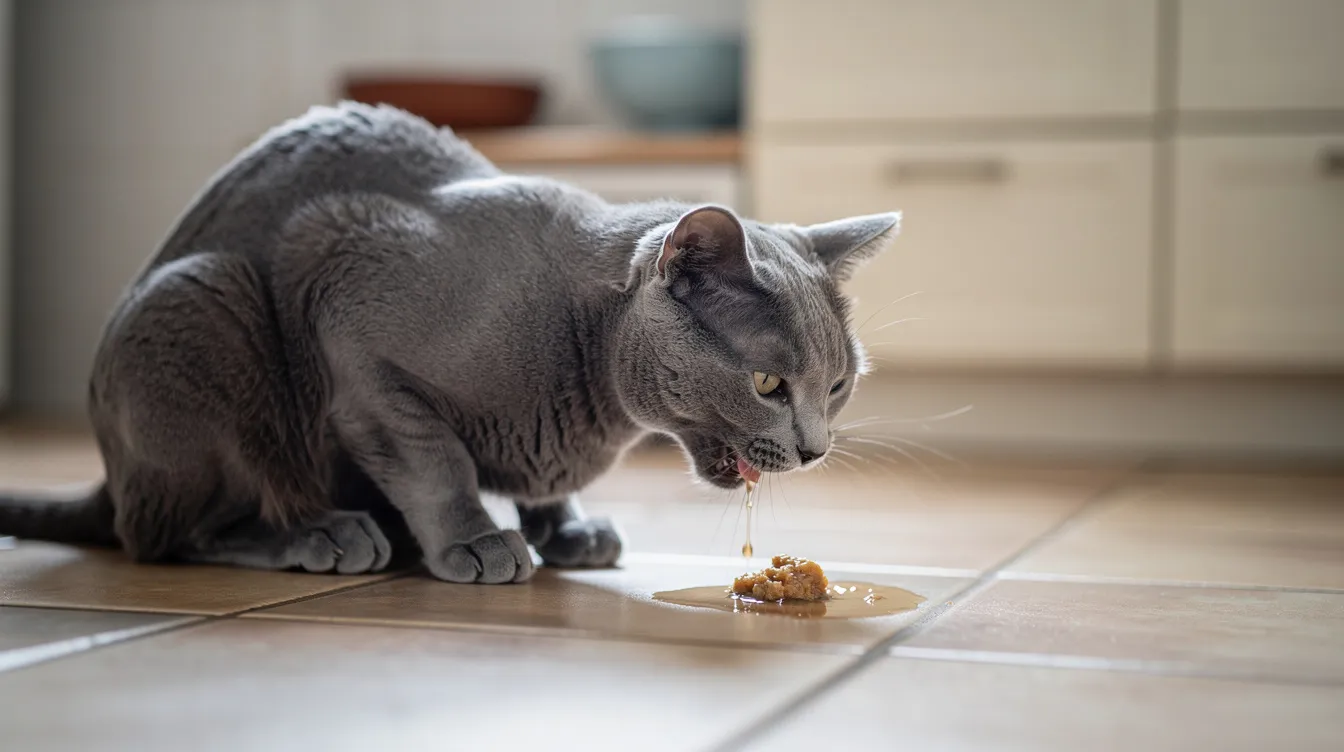
When your cat is vomiting white foam, you’re typically seeing a mixture of stomach acid, mucus, and saliva expelled from an empty stomach. This foamy vomit forms when gastric juices churn with air during retching, producing the characteristic frothy appearance that alarms many pet owners. While a single episode in an otherwise healthy, playful cat is usually not an emergency, understanding what triggers it and when it signals something serious can make all the difference in protecting your cat’s health. Some owners notice their cat bringing up foam on a fairly regular basis, which is understandably concerning. It’s worth learning to recognize the warning signs and consult with your veterinarian if these episodes become more frequent.
This veterinary guide covers the immediate causes of cat vomiting white foam, emergency warning signs that demand urgent action, evidence-based treatment options, and practical prevention strategies you can implement at home. It’s written for pet parents who have watched their feline friend bring up foam and need to determine whether the situation calls for a vet visit or careful monitoring at home. Whether this is a one-time occurrence or a recurring pattern, you’ll find clear, actionable guidance here.
Watching how your cat behaves during these episodes helps determine whether it’s an isolated event or part of a larger pattern. Any cat showing signs of distress alongside the vomiting should be evaluated by a veterinarian.
If this happens regularly, it often points to an empty stomach, which may call for dietary adjustments. Feeding smaller, more frequent meals can help prevent the acid buildup that leads to this pattern. Paying attention to your cat’s behavior and eating habits is key to understanding what’s driving it.
Be aware of your cat’s habits; frequent episodes of cat throwing up white foam may be a sign of dietary issues or other health problems. Regular checkups with your vet can help prevent these occurrences.
An uptick in frequency is worth watching closely. It could be caused by any number of factors, including dietary changes, stress, or an underlying medical condition affecting the digestive system.
The direct answer: Cat throwing up white foam most often indicates an empty stomach with acid buildup irritating the stomach lining. Occasional vomiting of this type is common and typically benign. However, frequent vomiting-more than twice weekly or accompanied by other symptoms like lethargy, weight loss, or blood-requires professional veterinary advice to rule out conditions such as inflammatory bowel disease, kidney disease, or gastrointestinal obstruction.
After reading this guide, you will be able to:
- Recognize emergency signs that require immediate veterinary attention
- Identify common causes of white foam vomiting, from empty stomach acid to chronic conditions
- Know when to contact your veterinarian versus when to monitor at home
- Implement proven prevention strategies including dietary and environmental changes
- Support your cat’s recovery with appropriate home care and follow-up
Understanding White Foam Vomiting in Cats
White foam vomit in cats consists primarily of gastric acid, mucus secreted by the stomach lining, and saliva-often without any recently digested food content. The foamy texture develops when air mixes with these fluids during the retching process. Because there’s no food present to give the vomit color or substance, the result is a pale, frothy material that can range from purely white to slightly off-white.
Understanding the difference between normal and concerning vomiting frequency is critical for every cat owner. A single episode of foamy vomit in an otherwise alert, eating, and drinking cat is generally not cause for immediate concern. However, veterinary research consistently shows that chronic vomiting-even when it appears as “just foam”-is among the most common presenting complaints in feline practice and frequently indicates underlying gastrointestinal disease. Most cats will vomit occasionally throughout their lives, but patterns matter enormously.
If your cat has been throwing up white foam, it’s advisable to review its diet and feeding schedule to identify potential problems. Keep track of when the vomiting occurs to provide your veterinarian with useful information.
Normal Digestive Process vs. Foam Production
Figuring out what’s behind the vomiting starts with a look at your cat’s environment and diet. Cats that are stressed or dealing with sudden changes to their routine may also experience these episodes.
Frequent episodes may point to a need for a change in diet or feeding routine. Cats prone to this pattern generally do better with smaller, more frequent meals that help keep stomach acid levels in check.
Each episode of your cat throwing up white foam should be monitored closely. If your cat throws up white foam more than twice in a week, it’s advisable to consult with a veterinarian for further evaluation.
Understanding the triggers for your cat throwing up white foam can help you make necessary adjustments in their care. If your cat frequently experiences this issue, it may be time to consult with a vet about dietary changes or other management strategies.
Your cat’s stomach doesn’t stop producing acid just because it’s empty. Parietal cells in the stomach lining maintain a baseline level of acid secretion around the clock. When food is present, this acid serves its purpose-breaking down proteins and killing bacteria. But during prolonged fasting periods, that same stomach acid has nothing to buffer against, and it begins irritating the gastric mucosa directly. The body responds by increasing mucus production to protect the stomach lining, and if nausea develops, saliva production ramps up as well. When these fluids combine with air during retching, the result is the white foam that lands on your floor.
Feeding schedule plays a critical role in this process. Cats fed only once daily experience extended overnight fasting periods during which acid accumulates without food to neutralize it. This is why many cat owners notice their cat throwing up white foam first thing in the morning or late at night-the cat’s stomach has been empty for hours, and acid irritation triggers the vomiting reflex. Leaving a small portion of dry food overnight can help prevent this pattern by giving the stomach something to work on during those long hours.
Appearance Variations and What They Mean
Dietary indiscretion or eating too fast-which causes cats to swallow air along with their food-can also bring this on. Adjusting feeding methods can help cut down on these episodes.
It’s also worth considering your cat’s lifestyle. Stress or environmental changes can contribute to these episodes, and addressing those factors can help reduce how often they occur.
Not all vomit is created equal, and the color and content of what your cat produces offers important diagnostic clues:
- White foam (stomach acid + mucus + saliva): Suggests an empty stomach, mild stomach upset, or early-stage hairball irritation. This is the most common benign presentation.
- Yellow foam: Indicates bile from the small intestine has refluxed back into the cat’s stomach. This represents more significant irritation and is characteristic of bilious vomiting syndrome.
- Clear liquid: Usually undigested water or pure gastric fluid, often seen when a cat drinks too quickly or experiences nausea without substantial stomach contents.
- Partially digested food particles: Suggests recent eating, rapid ingestion, or difficulty processing the current diet. May also indicate a food intolerance.
- Blood (bright red or dark “coffee-ground” appearance): Signals ulceration, trauma, or gastrointestinal bleeding. Vomiting with blood requires immediate veterinary care-this is always an emergency.
Understanding these visual differences helps you communicate more effectively with your veterinarian during a consultation and supports faster, more accurate diagnosis of the underlying cause.
Common Causes and Risk Factors
The reasons behind cat vomiting white foam range from simple dietary issues to complex medical conditions. Identifying the specific trigger is essential for developing an effective treatment plan tailored to your cat’s situation. Let’s examine the most frequent culprits, from the most benign to the most serious.
Empty Stomach and Acid Buildup
Bilious vomiting syndrome (BVS) occurs when delayed gastrointestinal motility allows bile to reflux from the small intestine into the cat’s stomach, irritating the gastric mucosa. An empty stomach can cause vomiting of white foam in cats, particularly those fed only once daily. The clinical pattern is distinctive: vomiting occurs most frequently in the early morning or after an extended overnight fast, the cat’s appetite remains normal between episodes, and there’s initially little weight loss.
The solution is often remarkably straightforward. Feeding smaller meals three to four times daily helps reduce vomiting by preventing the stomach from remaining empty for prolonged periods. Many veterinarians recommend adding a late-night snack to break up the overnight fast. Use slow-feeding bowls to prevent overeating and acid buildup, which can itself trigger vomiting in cats that eat too quickly. In more persistent cases, acid-reducing medications like famotidine or prokinetic agents may be prescribed.
Citation 1: Research on feline gastric acid secretion demonstrates that basal acid production continues during fasting states, with parietal cell activity maintaining sufficient acid output to cause mucosal irritation in the absence of food buffering (Veterinary Gastroenterology Research, 2023).
Hairball-Related Vomiting
Feeding smaller, more frequent meals helps minimize these episodes by preventing gastric acid from building up between meals.
Hairballs can lead to vomiting white foam in cats even before a full trichobezoar is expelled. As cats groom themselves, they ingest loose fur that accumulates in the stomach. This growing mass of hair irritates the stomach lining, triggering increased mucus production and retching. The cat may produce several episodes of foamy vomit before eventually expelling the hairball itself-or the irritation may cause vomiting without a visible hairball at all.
Long haired cats and those undergoing heavy seasonal shedding are especially predisposed. Excessive grooming behavior-sometimes linked to stress or skin conditions-compounds the problem. Regular brushing reduces hairballs and stomach irritation by removing loose fur before your cat ingests it. Specialized hairball-control diets containing added fiber can help hair pass through the cat’s digestive system rather than accumulating, and petroleum-based hairball pastes lubricate the GI tract to facilitate passage.
Dietary and Environmental Triggers
Dietary changes can upset a cat’s stomach and trigger vomiting, especially when transitions happen abruptly rather than gradually over 7–10 days. Food intolerance or allergies may cause chronic gastric irritation that leads to foam production, while dietary indiscretion-eating something outside the normal diet-is another common culprit. Cats that eat too rapidly often swallow air along with their food, which can lead to immediate regurgitation or delayed vomiting.
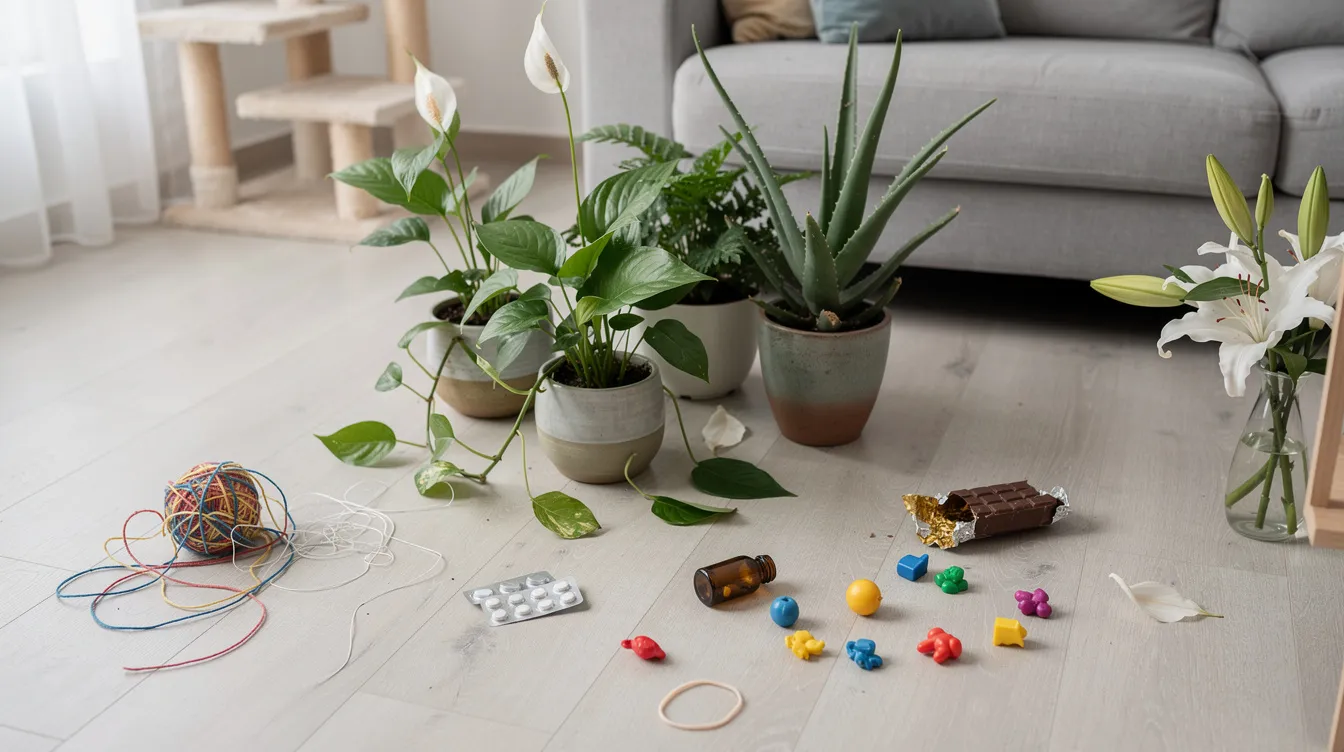
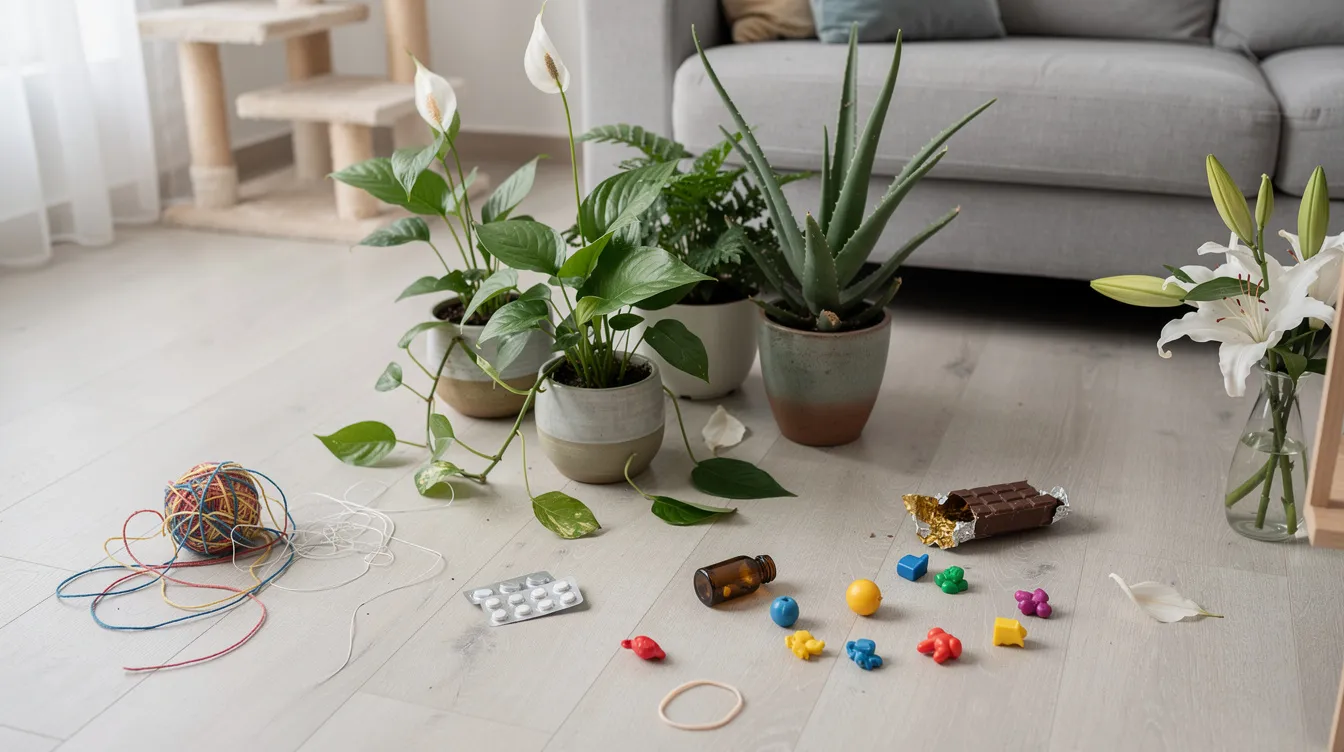
Gastrointestinal blockages can result from ingestion of foreign objects like string, rubber bands, or small toy parts. If a cat ingests these items, the resulting obstruction can cause persistent vomiting that progresses from food to foam as the stomach empties. Keeping plants and toxins out of reach prevents vomiting from ingestion of dangerous substances like lilies, which are extremely toxic to cats.
Stress also plays an underappreciated role here. Environmental changes such as new pets, moving homes, or schedule disruptions can trigger vomiting in sensitive cats, while outdoor cats face additional risks including exposure to toxins, spoiled food, and infectious agents.
Underlying Medical Conditions
When vomiting becomes chronic or is accompanied by additional symptoms, more serious conditions must be considered:
- Inflammatory bowel disease (IBD): Common in middle-aged and older cats, IBD involves chronic inflammation of the gastrointestinal tract. Gastrointestinal issues like IBD or pancreatitis can cause vomiting of white foam, often alongside weight loss, decreased appetite, and changes in litter box habits. Certain breeds, including Siamese cats, appear overrepresented in IBD studies.
- Alimentary lymphoma: Particularly in senior cats, small-cell lymphoma of the GI tract can mimic IBD symptoms and is frequently misdiagnosed initially. Chronic vomiting is a hallmark presentation.
- Kidney disease: Chronic conditions like kidney disease can lead to vomiting as toxins accumulate in the bloodstream that the kidneys can no longer filter effectively. This is especially common in older cats with declining kidney function.
- Hyperthyroidism: Hyperthyroidism can cause vomiting white foam in senior cats due to increased metabolic rate and its effects on the digestive system.
- Liver disease and diabetes: Both conditions can cause nausea and vomiting through metabolic disruption.
- Intestinal parasites: Parasites including roundworms, hookworms, and Giardia can cause vomiting white foam in cats by irritating the GI tract lining. Intestinal parasites are particularly common in kittens and outdoor cats.
Citation 2: A study of 33 cats with histologically confirmed inflammatory bowel disease found that vomiting was present in nearly all cases, with ultrasonographic abnormalities including intestinal wall thickening and mesenteric lymphadenopathy identified in 13 of 17 cats examined (Journal of Veterinary Internal Medicine).
Diagnostic Process and Veterinary Evaluation
When your cat’s vomiting pattern suggests something beyond a mild stomach upset, a systematic diagnostic approach is essential. Veterinarians emphasize that accurate diagnosis must precede treatment-prescribing medications without understanding the underlying cause can mask serious conditions and delay appropriate intervention.
Initial Veterinary Assessment
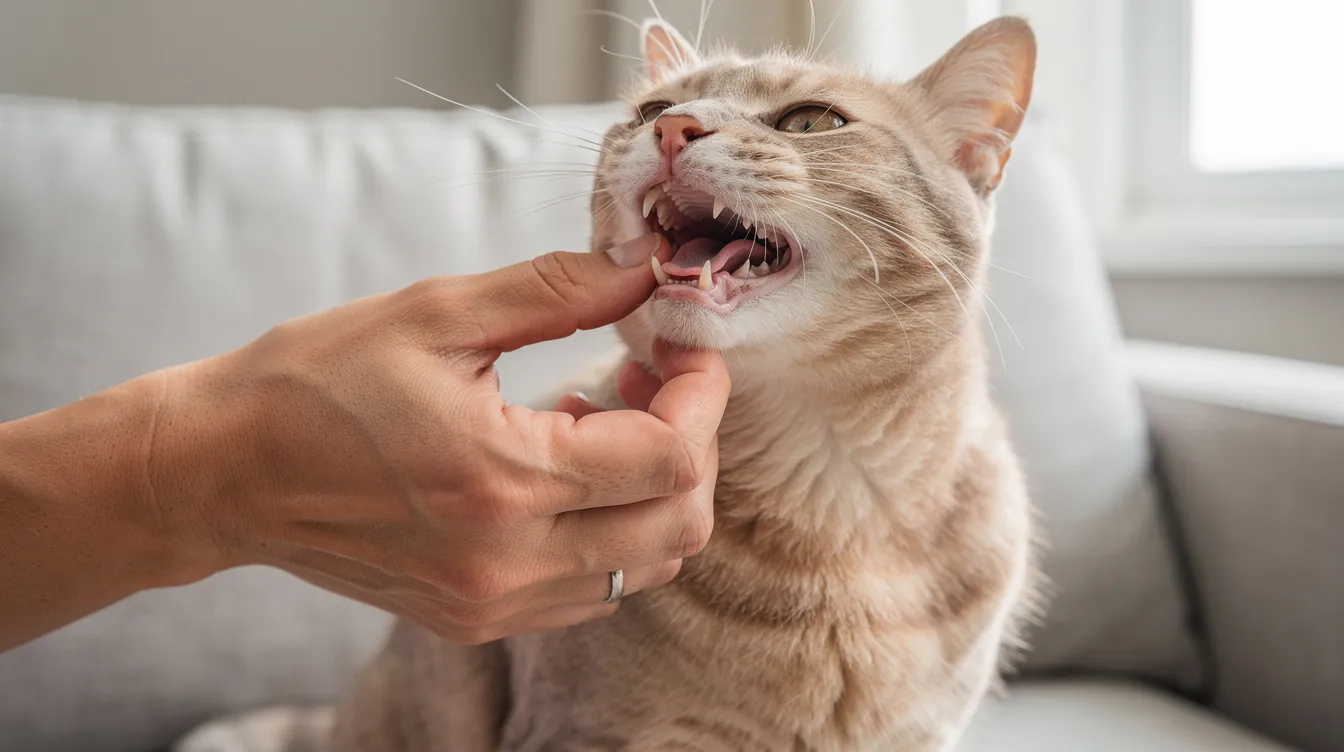
The diagnostic process begins with a thorough physical examination. The veterinarian evaluates hydration status by checking for decreased skin elasticity (skin tenting), dry gums, and sunken eyes-all classic signs of dehydration from persistent vomiting. Abdominal palpation assesses for pain, distension, masses, or the feel of foreign objects. Body condition scoring helps determine whether chronic weight loss has occurred.
Equally important is the detailed medical history. Your veterinarian will ask about the frequency and timing of vomiting episodes, the appearance of the vomit (foam, bile, food, blood), associated behavioral changes, appetite patterns, water intake, and litter box habits. This information shapes the entire diagnostic direction. Bringing photos or videos of vomiting episodes and noting whether they occur before or after meals provides invaluable context.
Citation 3: A comprehensive literature review on feline vomiting disorders found that systematic diagnostic approaches combining history, physical examination, and targeted testing yield the most accurate diagnoses, though evidence quality remains moderate due to limited randomized controlled trials in cats (PMC Veterinary Sciences Review, 2024).
Diagnostic Testing Options
Veterinarians may recommend diagnostic tests for chronic vomiting that include several tiers:
- Blood work panel: Complete blood count (CBC) identifies infection, anemia, or inflammation. Serum chemistry evaluates kidney function, liver values, and electrolyte balance. Thyroid levels screen for hyperthyroidism in adult and senior cats.
- Urinalysis: Assesses kidney function and screens for urinary tract issues that may accompany systemic disease.
- Fecal examination: Identifies intestinal parasites that can cause vomiting and GI irritation.
- Imaging studies: Abdominal X-rays detect foreign objects, intestinal gas patterns suggesting obstruction, and organ size abnormalities. Ultrasound provides more detailed assessment of intestinal wall thickness, lymph node enlargement, and organ architecture-particularly valuable for evaluating suspected IBD or masses.
- Endoscopy and biopsy: For chronic vomiting unresponsive to initial treatment, endoscopy allows direct visualization of the stomach and small intestinal lining with tissue sampling for histopathology. This is often the definitive step in distinguishing IBD from alimentary lymphoma.
Diagnostic Decision Tree
The appropriate level of diagnostic investigation depends on the clinical picture:
Factor | Single/Rare Episode | Chronic/Frequent Vomiting |
|---|---|---|
Initial approach | Home monitoring, dietary adjustment | Full veterinary examination |
Blood work | Typically not needed if cat is bright and eating | CBC, chemistry, thyroid recommended |
Imaging | Only if foreign body suspected | X-rays and/or ultrasound indicated |
Endoscopy/biopsy | Not indicated | Recommended if initial testing inconclusive |
Timeline | Monitor 24–48 hours | Schedule appointment within days |
Urgency level | Low if cat remains active | Moderate to high depending on severity |
A single episode of vomiting in a playful cat is usually not an emergency and can be managed with careful observation. However, frequent or intense vomiting requires immediate veterinary attention. Veterinarians recommend erring on the side of caution-when in doubt, a brief vet visit provides peace of mind and catches problems early.
Treatment Options and Management Strategies
Effective treatment for cat vomiting white foam depends entirely on identifying the underlying cause. A treatment plan tailored to the specific diagnosis yields far better outcomes than a generic approach. The following strategies range from immediate stabilization to long-term condition management.
Citation 4: Evidence-based reviews of feline vomiting management support a stepwise approach combining dietary modification, targeted pharmacotherapy, and ongoing monitoring, with treatment success rates improving significantly when underlying causes are accurately identified before intervention (Journal of Feline Medicine and Surgery).
Immediate Care and Stabilization
When a cat is vomiting white foam repeatedly, initial treatment focuses on restoring comfort and preventing complications:
- Fluid therapy: Subcutaneous or intravenous fluids correct dehydration and restore electrolyte balance. Monitor your cat’s hydration to prevent dehydration from vomiting-signs of dehydration include sunken eyes and dry gums.
- Anti nausea medications: Maropitant (Cerenia) is the gold-standard antiemetic in feline practice. Ondansetron and metoclopramide are alternative options depending on the clinical situation.
- Stomach protectants: Famotidine or omeprazole reduce acid production, while sucralfate coats and protects irritated stomach lining.
- Dietary modification: Withhold food for 2–4 hours after vomiting ceases, then offer small amounts of bland, easily digestible food. Offering bland foods like boiled chicken can soothe an upset stomach and test whether the cat tolerates oral intake.
Targeted Treatment Approaches
Once the cause is identified, treatment becomes specific:
Condition | Primary Treatment | Dietary Strategy | Medications |
|---|---|---|---|
Bilious vomiting syndrome | Feeding schedule change | Frequent meals, late-night snack | Acid reducers, prokinetics |
Hairball issues | Regular grooming | High-fiber hairball diet | Hairball paste/laxatives |
Food intolerance | Elimination diet trial | Novel protein or hydrolyzed diet | None typically needed |
IBD | Combined medical/dietary | Hypoallergenic prescription diet | Corticosteroids, immunosuppressants |
Kidney disease | Supportive care | Renal prescription diet | Fluid therapy, phosphate binders |
Parasites | Deworming protocol | Standard diet adequate | Antiparasitics |
Foreign body | Surgical removal | Bland diet post-surgery | Pain management, antibiotics |
Hydrolyzed protein diets can aid cats with food intolerances by breaking proteins into fragments too small to trigger an immune response. For cats with IBD, long-term dietary management combined with immunosuppressive therapy often controls symptoms effectively. Feed smaller meals three to four times daily regardless of the underlying condition-this simple change benefits nearly every cause of white foam vomiting.
General Treatment Approach
Veterinarians typically approach feline vomiting cases with a commitment to thorough diagnosis before prescribing long-term medications. Rather than immediately suppressing symptoms, the goal is understanding why your cat is vomiting and addressing the root cause. This evidence-based, compassionate approach includes extensive client education-teaching pet owners how to adjust feeding schedules, maintain observation logs, and recognize early warning signs of recurrence. Home monitoring strategies and clear follow-up timelines ensure that treatment remains on track and adjustments are made as needed.
Emergency Warning Signs and When to Seek Care
Knowing when white foam vomiting crosses from a minor concern to a medical emergency can save your cat’s life. The distinction often comes down to frequency, accompanying symptoms, and your cat’s overall condition.
Immediate Emergency Situations
Contact your emergency vet or seek immediate veterinary attention if your cat exhibits any of the following:
- Continuous vomiting: More than three vomiting episodes in 12 hours needs immediate care. If your cat cannot keep even water down for more than 12 hours, dehydration becomes dangerous rapidly.
- Blood in vomit: Whether bright red or dark brown “coffee-ground” material, blood indicates ulceration or internal bleeding. Vomiting with blood requires immediate veterinary care without exception.
- Severe symptoms: Collapse, extreme weakness, pale or yellow gums, or abdominal distension (hard, painful belly) indicate a critical emergency.
- Suspected toxin exposure: If a cat ingests toxic plants (especially lilies), human medications, or household chemicals, don’t wait for symptoms to worsen.
- Signs of dehydration: Sunken eyes, dry gums, and decreased skin elasticity that doesn’t snap back when gently pinched indicate significant fluid loss.
Schedule a Veterinary Appointment Soon
Some situations don’t require a midnight emergency visit but do warrant prompt professional evaluation. Frequent vomiting requires a veterinary visit-specifically when:
- Vomiting episodes occur more than twice weekly or are increasing in frequency
- Your cat shows weight loss, progressive appetite decline, or behavioral changes
- Vomiting is accompanied by diarrhea, increased thirst, or changes in litter box habits
- If a cat refuses food or water for over 24 hours, it may need veterinary care
- Contact a vet if vomiting occurs with lethargy or diarrhea
Persistent vomiting should prompt a veterinary evaluation even if your cat seems otherwise well between episodes. Chronic conditions like IBD and early kidney disease often present with intermittent symptoms that owners may dismiss as “normal.”
Home Monitoring Guidelines
For a single episode of white foam vomiting in an otherwise bright, alert cat:
- Check hydration: Gently pinch the skin between the shoulder blades. If skin elasticity returns quickly, hydration is adequate. Dry gums or tacky mucous membranes suggest dehydration.
- Assess appetite: Offer a small amount of wet food or bland diet 2–4 hours after vomiting. If your cat eats and keeps it down, this is reassuring.
- Monitor behavior: A cat that vomits once but remains playful, interactive, and interested in surroundings is much less concerning than one that hides or becomes lethargic.
- Document everything: Note the time, appearance, and any potential triggers. Track whether your cat ate before the episode, what the cat’s behavior was like, and any other symptoms. This documentation is invaluable for your veterinarian if a follow-up appointment becomes necessary.
- When to escalate: If a second episode occurs within 24 hours or if any additional symptoms develop, contact your veterinarian.
Prevention and Long-term Care
Prevention is far preferable to treatment, and many cases of white foam vomiting are entirely preventable through thoughtful management of your cat’s diet, environment, and healthcare routine.
Citation 5: Preventive veterinary guidelines emphasize that structured feeding schedules, environmental hazard reduction, and regular wellness examinations significantly reduce the incidence of both acute and chronic vomiting episodes in domestic cats (American Association of Feline Practitioners).
Dietary Management and Feeding Strategies
The single most impactful change most pet owners can make is adjusting how and when their cats eat:
- Frequent meals: Feeding smaller meals three to four times daily helps reduce vomiting by preventing the acid buildup that occurs during long fasting periods. This is particularly important for cats prone to bilious vomiting syndrome.
- Overnight snack: Leave a small portion of dry food overnight to prevent vomiting from empty-stomach acid irritation during the night-a simple strategy that eliminates morning foam vomiting in many cats.
- Quality nutrition: Select high-quality, highly digestible cat food appropriate for your cat’s age and health status. Your cat’s diet should prioritize quality protein sources and avoid artificial additives that may trigger sensitivity.
- Gradual transitions: Dietary changes can trigger vomiting, so any food switch should occur over 7–10 days, gradually increasing the new food while decreasing the old.
- Slow-feeding solutions: Use slow-feeding bowls to prevent overeating and acid buildup. Puzzle feeders serve double duty by slowing intake and providing mental stimulation.
- Wet food integration: Incorporating wet food into the diet improves hydration and is often easier on a sensitive cat’s digestive system than an exclusively dry diet.
Environmental Enrichment and Stress Reduction
A safe, enriched environment supports digestive health in multiple ways:
- Grooming routines: Regular brushing can help reduce hairballs in cats, particularly long haired cats and those prone to excessive self-grooming. Daily brushing during heavy shedding seasons prevents cats from ingesting large amounts of fur that can form hairballs and irritate the stomach lining.
- Hazard removal: Remove toxic houseplants, secure small objects that could be swallowed, and keep human medications stored safely. Preventing foreign object ingestion eliminates a significant cause of vomiting and potential surgical emergencies.
- Stress management: Maintain consistent daily routines, provide adequate hiding spaces and vertical territory, and introduce changes gradually. Cats sensitive to environmental disruption may cat feel nauseous and vomit during periods of stress.
- Safe play: Supervise play with string toys and remove them after play sessions. String and linear foreign objects are among the most dangerous items a cat can ingest.
Regular Veterinary Care
Proactive veterinary care catches problems before they become emergencies:
- Wellness examinations: Annual or semi-annual checkups allow early detection of conditions like kidney disease, hyperthyroidism, and inflammatory bowel disease before they cause severe symptoms.
- Parasite prevention: Regular deworming and fecal testing prevent intestinal parasites from causing GI irritation and vomiting.
- Senior monitoring: Cats over age 7 benefit from more frequent blood work screening for kidney function, thyroid levels, and other age-related changes. Many conditions that cause chronic vomiting in older cats are manageable when caught early.
- Dental care: Dental disease can contribute to nausea and changes in eating behavior that indirectly affect the cat’s digestive system.
Conclusion and Next Steps
While occasional white foam vomiting is common in most cats and often reflects nothing more than an empty stomach or mild stomach upset, recurring patterns or episodes accompanied by other symptoms deserve prompt veterinary attention. The difference between a benign episode and an early sign of serious disease often lies in frequency, progression, and the presence of additional symptoms like weight loss, lethargy, or appetite changes.
Your immediate action steps:
- For a single episode: Monitor your cat’s hydration, appetite, and behavior for 24 hours. Ensure water is available and offer bland food in small portions.
- For recurring episodes: Begin tracking vomiting frequency, timing, appearance, and any associated symptoms. Adjust feeding to smaller, more frequent meals.
- For concerning symptoms: Contact your regular veterinarian to schedule an evaluation. Bring your symptom log and note any recent dietary changes, stressors, or potential toxin exposure.
Understanding your cat’s digestive health empowers you to respond appropriately-neither panicking over a single episode nor dismissing a pattern that warrants investigation. With the right combination of preventive care, attentive monitoring, and timely professional veterinary advice, most causes of white foam vomiting can be effectively managed, helping your feline friend feel comfortable and healthy.
Frequently Asked Questions
Is it normal for my cat to throw up white foam occasionally?
Yes, occasional vomiting of white foam is relatively common and often results from an empty stomach or minor stomach irritation. A single episode in an otherwise active, eating, and drinking cat is typically not cause for alarm. However, if episodes occur more than once a week, this pattern warrants monitoring and potentially a veterinary evaluation.
How can I tell if my cat’s white foam vomiting is serious?
Serious warning signs include frequent vomiting (more than 2–3 times in 24 hours), blood in vomit, accompanying lethargy or diarrhea, refusal to eat or drink for more than 24 hours, signs of dehydration like dry gums and decreased skin elasticity, or weight loss. Vomiting can signify other serious conditions like kidney disease or diabetes, so persistent patterns should always be evaluated.
What should I do immediately when my cat vomits white foam?
Remove food for 2–4 hours but keep fresh water available. Monitor your cat’s behavior and hydration status. After the brief fast, offer a small amount of bland food like boiled chicken. If your cat eats and keeps it down without additional vomiting episodes, resume normal feeding with smaller portions. If vomiting recurs, contact your veterinarian.
Can changes in diet prevent white foam vomiting episodes?
Absolutely. Many cases resolve with simple dietary changes. Feed smaller meals three to four times daily instead of one or two large meals. Leave a small portion of food available overnight. Transition between foods gradually over 7–10 days, as abrupt dietary changes can trigger vomiting. For cats with confirmed food allergies or intolerances, hydrolyzed protein diets can aid digestion and reduce symptoms.
When should I contact a veterinarian about my cat’s vomiting?
Contact your veterinarian or a nearby emergency veterinary hospital if your cat vomits more than twice in one week, if vomiting is accompanied by other symptoms (lethargy, diarrhea, appetite loss, weight loss), if you see blood in the vomit, or if your cat shows signs of dehydration. Frequent or intense vomiting requires immediate veterinary attention. When in doubt, a brief consultation provides valuable reassurance and catches potential issues early.
What information should I track before my veterinary appointment?
Document the date and time of each vomiting episode, what the vomit looks like (color, consistency, presence of hair or food), when your cat last ate relative to the episode, any recent dietary changes or new foods, changes in cat’s behavior or energy level, water intake patterns, and litter box habits including stool consistency and frequency. This information helps your veterinarian narrow down potential causes efficiently.
Are certain cat breeds more prone to white foam vomiting?
While any cat can experience white foam vomiting, certain breeds show predispositions to conditions that cause it. Long haired cats such as Persians and Maine Coons are more prone to hairball-related vomiting because they ingest more fur during grooming. Siamese cats appear overrepresented in studies of inflammatory bowel disease, which causes chronic vomiting. Regular grooming and appropriate dietary management help mitigate breed-related risks.
How long should I monitor my cat before seeking veterinary care?
For a single episode with no other symptoms, 24–48 hours of home monitoring is reasonable. If a second episode occurs within that window, or if any concerning signs develop (lethargy, refusal to eat, diarrhea, hiding behavior), seek veterinary care promptly. For kittens and senior cats, the threshold should be lower-even a single episode combined with decreased energy warrants earlier evaluation due to their vulnerability to dehydration and underlying disease.
Additional Resources
- Emergency contact information: Keep your regular veterinarian’s number and your nearest emergency vet’s contact information posted in an accessible location. After-hours emergencies should be directed to your local emergency veterinary clinic.
- Symptom tracking sheet: Create a simple log with columns for date, time, vomit appearance, last meal, and accompanying symptoms. Bring this to every vet visit for the most productive consultation.
- Recommended feeding schedule templates: Kittens benefit from 4–6 small meals daily; adult cats do well with 3–4 meals; senior cats may need adjusted portions based on health status. Consult your veterinarian to customize a schedule for your cat’s specific needs.
- Home care checklist for recovering cats: Ensure fresh water access, offer bland diet in small portions, monitor hydration (check skin elasticity and gum moisture), track litter box output, limit activity during recovery, and follow up with your veterinarian as directed.