Introduction
Old cats face a predictable set of health problems, commonly referred to as old cat health problems, that become significantly more common once they cross into their senior years. Chronic kidney disease, arthritis, hyperthyroidism, dental disease, diabetes mellitus, and cancer represent the six conditions veterinarians diagnose most frequently in aging cats. Cats are considered senior at 11 years old, and by old age, the physical and behavioral changes associated with aging usually become much more noticeable. These old cat health problems can often lead to severe consequences if not managed properly. To prevent old cat health problems, being proactive is critical.
This guide covers the six most common health problems in senior cats, their early signs and symptoms, diagnostic approaches, and practical management options tailored for pet parents in Central Florida, where heat, humidity, and year-round parasite pressures create additional challenges for elderly cats. Whether your beloved cat has just entered her senior years or is well into geriatric territory, this information will help you partner more effectively with your veterinarian and support a healthy senior cat, not just identify illness related to old cat health problems. Understanding these old cat health problems is crucial for maintaining your feline companion’s quality of life.
Understanding the health problems of aging cats is essential for owners aiming to provide the best care.
The most common health problems in old cats are chronic kidney disease (CKD), osteoarthritis, hyperthyroidism, dental disease, diabetes mellitus, and cancer. Most of these conditions are manageable-and some are even reversible-when caught through early detection and treated with appropriate veterinary care.
To stay ahead of age-related illness, proactive measures are essential for pet owners. Regular veterinary check-ups and monitoring can help catch issues early on.
By the end of this article, you will be able to:
- Recognize early signs and subtle signs of the most frequent age-related diseases in cats
- Understand the diagnostic process and what blood tests and imaging reveal
- Compare treatment options, management strategies, and expected outcomes for each condition
- Implement home monitoring and preventive care strategies that improve your senior cat’s quality of life
- Make informed decisions about when to seek veterinary care and how to navigate treatment costs
Understanding the Aging Process in Cats
When cats age, they don’t simply slow down-their bodies undergo measurable physiological shifts that make them vulnerable to chronic illness. Dr. Roger Hart, DVM, explains that understanding these changes helps pet parents distinguish between a normal process of aging and the onset of underlying disease that requires intervention.
Senior cats become more susceptible to chronic illnesses around 7–10 years old, even though overt symptoms may not appear until later. A 12-year-old cat is similar to a 61-year-old human, which puts the pace of feline aging into perspective. By the time most cats reach their senior years, reduced kidney filtration, declining immune system function, increased oxidative stress, joint cartilage deterioration, and loss of muscle mass (sarcopenia) are already underway. Sensory abilities-vision, hearing, and smell-often diminish as well, compounding the challenge of maintaining normal eating and drinking behaviors.
Unlike younger cats, who can compensate for early organ decline, older cats have progressively less physiological reserve. This is why conditions like chronic kidney disease can remain hidden for months or even years before clinical signs become obvious to owners.
Managing these conditions requires a collaborative effort between you and your veterinarian to ensure the best outcomes for your cat.
Life Stages and Health Risks
The International Society of Feline Medicine defines three distinct phases of feline aging, each carrying different health monitoring needs:
Identifying age-related illness early can significantly improve treatment outcomes and the overall well-being of your pet.
Mature cats (7–10 years): This is when the first noticeable changes begin-slight slowing of movement, increased risk of weight gain, and dental tartar formation. Preventive care initiated during this window, including baseline blood tests, weight monitoring, and dental cleanings, pays significant dividends later. Many cats in this age group appear healthy, but laboratory screening can reveal early kidney function changes or rising thyroid hormones that warrant watching.
Senior cats (11–14 years): The incidence of overt disease climbs substantially. Chronic kidney disease, hyperthyroidism, arthritis, and dental disease cats commonly develop during this stage become clinically apparent. Behavioral changes-reduced jumping, altered litter box habits, decreased grooming-are more pronounced. Dietary adjustments become critical, as senior cats need fewer calories but more protein due to declining digestive efficiency. Regular vet visits are recommended every six months for seniors at this stage.
Geriatric cats (15+ years): Organ reserve is significantly diminished, and many cats carry two or more concurrent conditions. Cognitive dysfunction syndrome may emerge, with confusion, altered sleep-wake cycles, and reduced interaction. Dr. Hart recommends quarterly examinations for geriatric patients, along with expanded diagnostics to catch new problems before they become emergencies.
Why Old Cats Hide Illness
Cats are good at hiding pain-this is one of the most important facts every pet parent needs to internalize. Evolutionarily, cats are both predator and prey, and displaying weakness in the wild invites attack. Domestic cats retain this deep instinct, which means they may show minimal or no outward symptoms even when seriously ill.
This masking behavior makes early detection of health problems in older cats particularly challenging. The common signs of illness-reduced grooming, weight loss, change in litter box habits, decreased jumping height-are easy to dismiss as “just getting old.” Dr. Hart emphasizes that cat owners should establish baseline behavior patterns and actively look for deviations rather than waiting for dramatic symptoms. Behavioral changes in cats can indicate underlying health problems long before laboratory values become abnormal and may also affect how your cat feel day to day.
Perform a basic physical examination weekly on your cat: run your hands along the body checking for lumps or weight changes, observe eating and drinking habits, and note any shifts in activity level or social behavior. These simple observations form the foundation of effective home monitoring.
The Six Most Common Health Problems in Old Cats
With an understanding of how aging undermines a cat’s body and why symptoms remain hidden, the next step is learning to identify the specific conditions veterinarians encounter most frequently in senior cats. Each of these six diseases has characteristic patterns that, once understood, become easier to spot early.
Chronic Kidney Disease
Chronic kidney disease is the most common illness in senior cats. CKD involves the permanent, progressive loss of functional nephrons in the kidneys, reducing the body’s ability to filter waste products from the blood and concentrate urine. Chronic kidney disease (CKD) affects up to 40% of cats over 10 years old and as many as 80% of cats older than 15 (Cornell Feline Health Center, “Chronic Kidney Disease,” 2023).
Key symptoms include increased thirst and increased urination (polydipsia and polyuria), weight loss, decreased appetite, vomiting, and bad breath caused by uremic toxin buildup. As kidney function declines further, cats may develop high blood pressure, anemia, and dangerous electrolyte imbalances including low potassium and elevated phosphorus. Blood pressure monitoring becomes essential once CKD is diagnosed, as uncontrolled hypertension accelerates kidney damage and can cause retinal detachment and blindness.
Special diets can help manage chronic kidney disease in cats by restricting phosphorus, providing controlled high-quality protein, and ensuring adequate caloric intake to prevent further weight loss. Fluid therapy-subcutaneous fluids administered at home-helps maintain hydration, which is especially critical in Central Florida’s heat and humidity where dehydration risk is amplified. CKD cats during summer months often need more aggressive hydration support.
Risk factors include age, breed predisposition (Persian, Abyssinian, Siamese), prior kidney injury from toxins or infections, hypertension, and systemic inflammation from untreated dental disease.
Age-related conditions are often preventable or manageable with early intervention and a keen eye from pet owners.
Arthritis and Joint Disease
Arthritis is a common condition affecting senior cats’ joints, yet it remains one of the most underdiagnosed conditions in feline medicine. Formally called degenerative joint disease (DJD) or osteoarthritis, this condition involves progressive degradation of joint cartilage, joint inflammation, and painful bone remodeling. Radiographic studies show that over 90% of cats older than 12 have evidence of degenerative joint disease, though only about 40% display recognizable pain behaviors (FDA, “Osteoarthritis in Cats: More Common Than You Think,” 2022).
Arthritis causes joint inflammation and chronic pain in older cats, primarily affecting the hips, elbows, knees, and spine. However, the subtle signs in cats look very different from those in dogs or humans. Rather than obvious limping, arthritic cats show reluctance to jump or climb, stiffness after resting, reduced grooming (especially those hard-to-reach areas over the hips and tail), and litter box avoidance if the box edge is too high. Joint pain can make it hard for older cats to use litter boxes, leading owners to mistakenly attribute accidents to behavioral issues rather than significant pain.
Older cats may show decreased grooming behavior due to pain, resulting in matted fur, dandruff, and skin irritation that compound their discomfort. Gentle grooming is necessary for older cats to prevent matting and maintain skin health.
Treatment has expanded significantly in recent years. Beyond weight management and environmental modifications-ramps, low-entry litter boxes, raised food and water bowls, soft bedding-newer pharmaceutical options offer better pain control. The monoclonal antibody therapy Solensia® targets nerve growth factor to reduce joint pain without the kidney risks associated with traditional NSAIDs, making it particularly valuable for cats who also have kidney disease. Gabapentin remains useful for multimodal pain management, and omega-3 fatty acid supplementation may provide modest anti-inflammatory benefits.
Hyperthyroidism
Hyperthyroidism is caused by a benign thyroid tumor in cats-specifically, adenomatous hyperplasia or adenoma of one or both thyroid glands-that drives overproduction of thyroid hormones T₃ and T₄. Approximately 70% of cases involve both lobes, while thyroid carcinoma accounts for fewer than 3% of cases (Merck Veterinary Manual, “Hyperthyroidism in Animals,” 2024). The condition primarily affects cats aged 8 and older.
Hyperthyroidism causes weight loss despite increased appetite in cats, which is one of its hallmark presentations. Additional symptoms include excessive thirst and increased urination, hyperactivity or nervousness, vomiting or diarrhea, rapid heart rate, unkempt coat, and increased vocalization. On physical examination, veterinarians often detect enlarged thyroid glands as palpable nodules in the neck.
Four treatment options exist: antithyroid medications (methimazole, available as oral tablets or transdermal gels), surgical thyroidectomy, radioiodine therapy (I-131), and dietary therapy using iodine-restricted food. Each has distinct trade-offs. Medical therapy is the least expensive initially but requires lifelong daily medication and regular monitoring. Radioiodine therapy is often curative with a single treatment but requires a specialized facility, temporary hospitalization, and higher upfront cost. Surgery carries anesthetic risks that increase with age and concurrent conditions.
A critical consideration with every hyperthyroid diagnosis: treating hyperthyroidism can unmask underlying chronic kidney disease. The excess thyroid hormones actually increase renal blood flow, making kidney function appear better than it truly is. When thyroid hormone levels normalize, kidney disease may suddenly become apparent. This is why kidney function must be carefully monitored throughout treatment, and why a methimazole trial is often performed before recommending permanent treatment options.
High blood pressure is often secondary to other health issues in older cats, and hyperthyroidism is one of the most common causes. Uncontrolled hypertension from hyperthyroidism can lead to heart disease, including hypertrophic cardiomyopathy, which may be reversible if thyroid levels are normalized in time. In Central Florida’s heat, hyperthyroid cats with elevated metabolic rates may show increased panting and heat intolerance.
Dental Disease
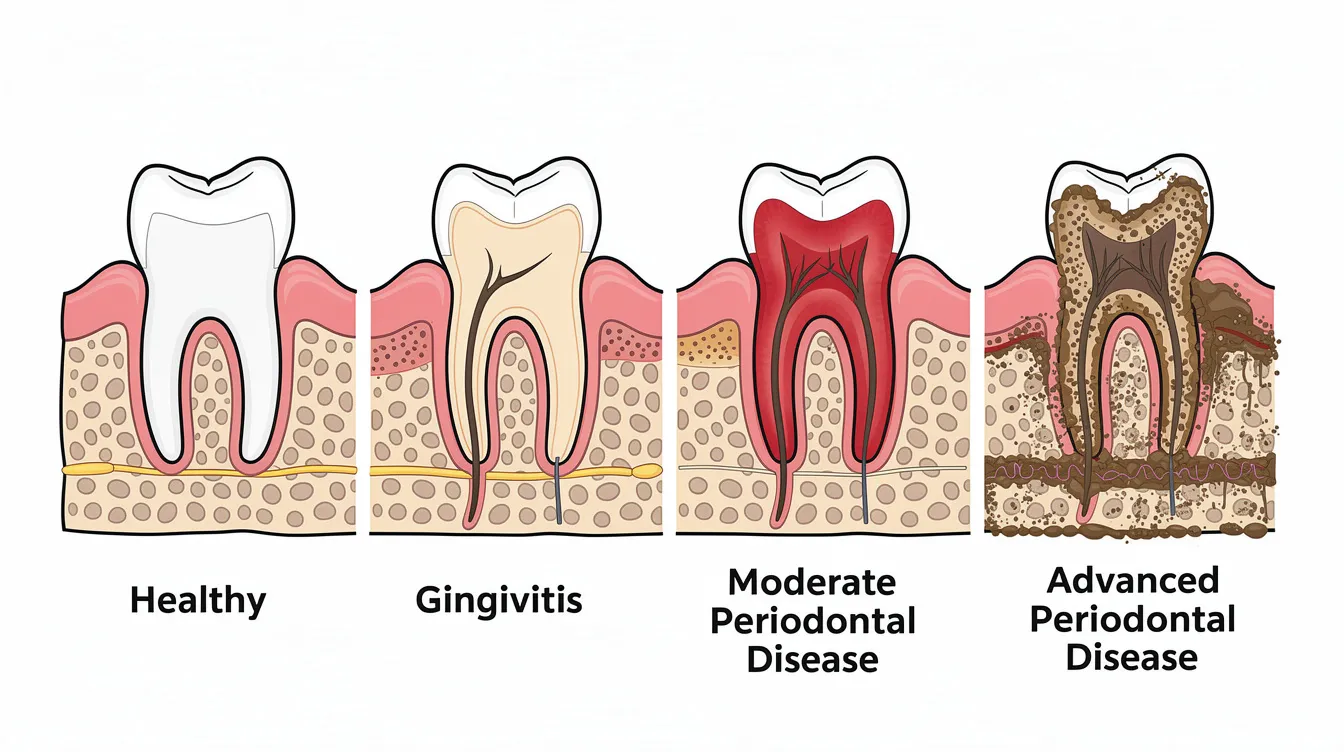
Dental disease is more common in older cats and can lead to serious health issues extending well beyond the mouth. The progression from plaque to periodontal disease follows a predictable path: bacterial plaque accumulates on the cat’s teeth, mineralizes into calcite (tartar), triggers gingivitis and gum disease, and eventually leads to periodontitis with bone loss and tooth loosening. Dental disease increases in risk as cats age, and by the senior years, the condition is nearly universal. As many as 80% of cats older than 3–5 years show some dental pathology (AAHA/AAFP Feline Life Stage Guidelines, 2021).
Tooth resorption-a painful condition where the tooth structure is gradually destroyed by the cat’s own odontoclastic cells-is especially prevalent in aging cats and has no preventive treatment once it begins. Unlike cavities in humans, feline tooth resorption starts below the gum line and can only be detected through dental radiographs taken under anesthesia.
Common signs of dental disease cats exhibit include bad breath (halitosis), drooling, pawing at the mouth, difficulty eating or preference for wet food over kibble, decreased appetite, visible tartar or red gums, oral pain, and facial swelling if an abscess has formed. Many cats with severe dental disease simply eat less rather than showing obvious mouth pain-another example of their instinct to hide illness.
To prevent dental disease, Dr. Hart recommends a combination of professional dental cleanings under anesthesia, tooth brushing at home (ideally daily), dental-specific diets and treats, and regular oral examinations. When teeth are severely affected, tooth removal is often the most effective treatment; cats adapt remarkably well to eating even after multiple extractions. Untreated periodontal disease contributes to systemic inflammation that burdens the kidneys, liver, and heart, and can also complicate evaluation for liver disease in older cats with chronic illness patterns-creating a cycle where dental disease worsens other age-related conditions and vice versa.
Diabetes Mellitus
Diabetes mellitus in cats is predominantly Type 2-characterized by insulin resistance, inadequate insulin secretion, or both. Diabetes often develops in cats between middle age and senior age, with obesity serving as the single most significant modifiable risk factor. Diabetes mellitus may present with increased thirst and urination in older cats, along with weight loss despite normal or increased appetite, lethargy, poor coat quality, and reduced grooming.
Risk factors beyond obesity include inactive lifestyle, certain breed predispositions, concurrent conditions (hyperthyroidism, pancreatitis), chronic corticosteroid use, and possibly high-carbohydrate diets. Older cats may require prescription diets for diabetes management that emphasize high protein and low simple carbohydrates to reduce post-meal glucose spikes.
Diagnosis involves measuring blood glucose and fructosamine levels (which reflect average glucose over the preceding 2–3 weeks, avoiding the false elevation that stress-related hyperglycemia can cause), urinalysis checking for glucose and ketones, and screening for concurrent conditions affecting glucose metabolism.
Treatment centers on insulin therapy-typically twice-daily injections administered at home-combined with dietary management and, when applicable, weight loss. Owner education is critical: proper injection technique, insulin storage, recognition of hypoglycemia signs, and consistent feeding schedules all influence outcomes. Some cats achieve diabetic remission with aggressive early treatment and successful weight loss, making prompt diagnosis and committed management especially worthwhile.
Without treatment, diabetes leads to progressive weight loss, muscle wasting, diabetic neuropathy (weakness in the hind legs), and potentially fatal diabetic ketoacidosis. Cat’s weight monitoring becomes a central part of ongoing management, as both weight gain and sudden weight loss signal that insulin doses or diet need adjustment.
Cancer in Senior Cats
Cancer risk increases as cats grow older, driven by accumulated genetic mutations, declining immune system surveillance, and chronic inflammatory processes. The most common cancers seen in senior cats include gastrointestinal lymphoma (the most frequently diagnosed feline cancer), squamous cell carcinoma of the mouth or skin, mammary tumors (significantly more common in unspayed females), and various skin tumors including mast cell tumors and fibrosarcoma.
Risk factors include age, viral infections (FeLV and FIV), UV light exposure (particularly relevant in Central Florida for light-skinned cats who sun through windows), obesity, genetic predisposition, and environmental carcinogens including secondhand tobacco smoke.
Warning signs vary enormously by tumor type and location but commonly include unexplained weight loss, decreased appetite, visible lumps or masses under the skin, non-healing wounds, difficulty eating or swallowing, persistent vomiting or diarrhea, respiratory changes, lethargy, and unusual bleeding or discharge. Any new lump, sudden behavioral change, or persistent symptom in a senior cat warrants prompt veterinary evaluation.
Treatment options include surgical removal, chemotherapy (which is generally better tolerated in cats than in humans), radiation therapy at specialty referral centers, and palliative care focused on comfort and quality of life when curative treatment isn’t possible or desired. Lymphoma, in particular, often responds well to chemotherapy protocols, with many cats achieving meaningful remission periods. Dr. Hart emphasizes that early detection through regular health check examinations dramatically expands the available treatment options and improves outcomes.
Diagnostic and Treatment Approaches
Effective management of old cat health problems depends on accurate, comprehensive diagnostics followed by individualized treatment planning. Veterinarians follow a systematic approach to senior cat health evaluations that prioritizes catching disease early-when treatment is most effective and least costly.
Diagnostic Procedures for Senior Cats
Dr. Hart recommends comprehensive diagnostic workups beginning when cats enter the mature adult stage (7–10 years) and escalating in frequency and scope as cats age. Regular monitoring helps identify health conditions in older cats before they become advanced. A complete senior wellness examination includes:
- Complete history review – documenting changes in appetite, water intake, litter box frequency and volume, mobility, grooming habits, sleep patterns, and social behavior
- Thorough physical examination – palpating thyroid glands for enlargement, assessing body condition score, evaluating joint range of motion, examining the oral cavity for dental disease, auscultating heart and lungs, and inspecting skin, ears, and eyes
- Blood chemistry panel – measuring creatinine, BUN, SDMA (a sensitive early marker of kidney disease), electrolytes, liver enzymes, glucose, fructosamine, and thyroid hormone (T₄) levels; this screening also helps differentiate kidney disorders from other common disease patterns seen in older cats
- Complete blood count (CBC) – evaluating red and white blood cell counts to detect anemia, infection, or blood cell abnormalities suggestive of cancer
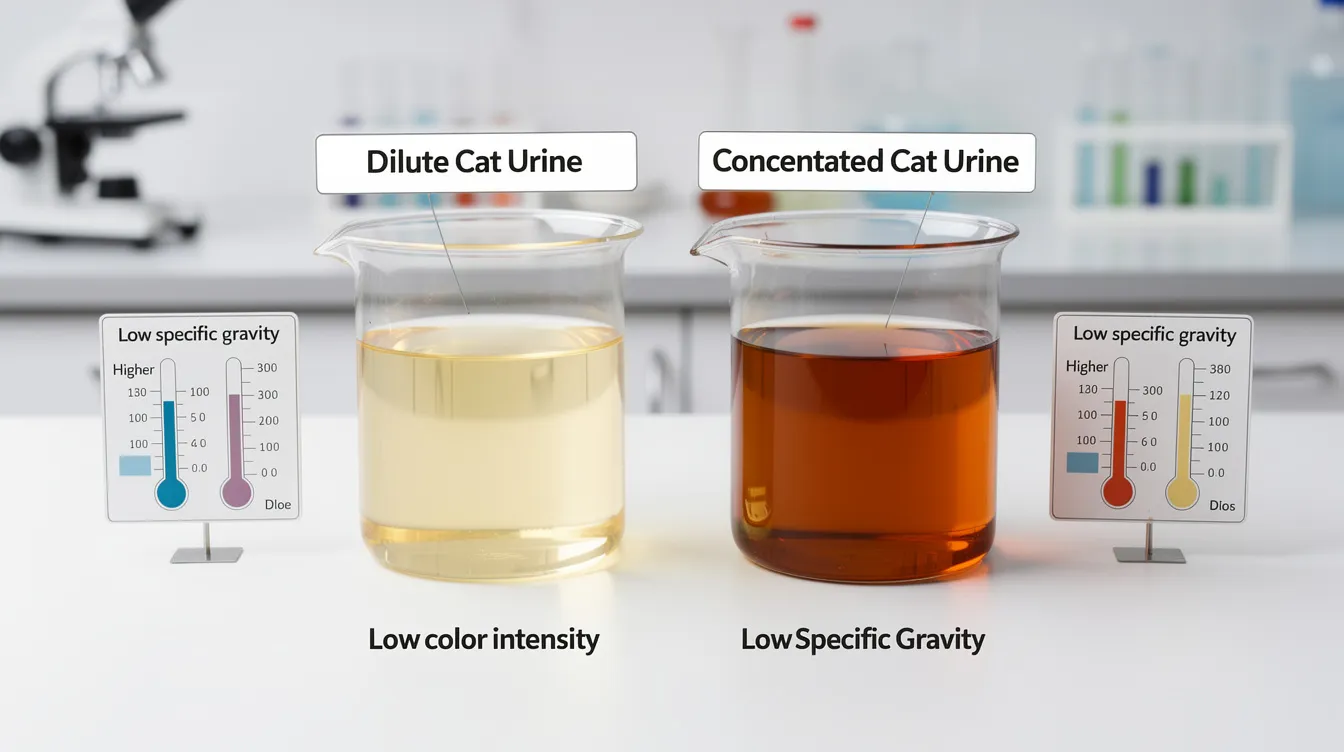
- Urinalysis – assessing specific gravity (dilute urine suggests kidney disease), checking for protein, glucose, ketones, and examining sediment for crystals or infection
- Blood pressure measurement – screening for hypertension, which is often secondary to CKD or hyperthyroidism and can cause organ damage if undetected
- Additional imaging – abdominal ultrasound, thoracic radiographs, dental radiographs under anesthesia, or joint X-rays as indicated by examination findings
Monitor your cat’s weight at least twice a year and check for changes in appetite or thirst daily. These simple home observations, combined with regular veterinary diagnostics, create a comprehensive surveillance system.
Treatment Comparison by Condition
Understanding the treatment landscape across all six major conditions helps pet parents set realistic expectations and make informed decisions. Below is a comparative overview:
Condition | Primary Treatment | Management Strategy | Prognosis |
|---|---|---|---|
Chronic Kidney Disease | Renal prescription diet, fluid therapy, phosphate binders, antihypertensives | Regular blood tests, home hydration support, dietary compliance, monitoring cat’s weight and appetite | Moderate to good in early-mid stages (IRIS 2–3); often less than 6 months in advanced Stage 4 without treatment |
Osteoarthritis | Pain management (Solensia®, gabapentin), weight optimization, environmental modifications | Low-entry litter box, ramps, raised food and water dishes, joint supplements, gentle exercise | Good for comfort; lifespan minimally affected when other organs are healthy |
Hyperthyroidism | Radioiodine therapy, antithyroid medications (methimazole), thyroidectomy, iodine-restricted diet | Monitor T₄ levels, blood pressure, kidney function; adjust medication doses; cardiac evaluation | Excellent when euthyroid state achieved; outcomes depend on concurrent CKD or heart disease |
Dental Disease | Professional cleaning, tooth removal of diseased teeth, infection treatment | Daily tooth brushing, dental diets, regular oral exams, pain management | Good if treated early; untreated disease silently undermines appetite and overall health |
Diabetes Mellitus | Insulin injections (typically twice daily), low-carb high-protein diet | Weight management, glucose curve monitoring, consistent feeding schedule, owner education | Variable; remission possible with early aggressive treatment; complications increase with delayed diagnosis |
Cancer | Surgery, chemotherapy, radiation therapy, palliative care | Individualized based on tumor type, staging, owner goals, and cat’s quality of life assessment | Varies widely; lymphoma often responds well; metastatic carcinomas carry poorer prognosis |
The key insight from this comparison: most cats with these conditions can maintain good quality of life for months to years with appropriate veterinary care. The common thread across all six is that early detection and consistent management make the greatest difference in outcomes (AAHA Senior Care Guidelines for Dogs and Cats, 2023).
Common Challenges and Practical Solutions
Managing old cat health problems in the real world involves navigating medication resistance, multiple concurrent diseases, financial constraints, and the daily work of home monitoring. Veterinarians address these challenges directly with cat owners.
Getting Cats to Take Medication
Most cats resist oral medication, and this resistance tends to increase with age and the number of pills required. Practical alternatives include liquid formulations, transdermal gels applied to the ear flap (especially useful for methimazole in hyperthyroid cats), compounding medications into flavored suspensions, and hiding pills in commercially available pill pockets or small amounts of wet food. For insulin injections, proper technique training is essential-ask your veterinarian for a hands-on demonstration, and note that most cats tolerate injections remarkably well once owners gain confidence. Consistency and routine matter: give medications at the same time each day to reduce stress for both cat and owner.
Managing Multiple Health Conditions
Many cats present with overlapping conditions-CKD and arthritis, diabetes and hyperthyroidism, dental disease complicating kidney disease. Treatments can conflict: NSAIDs for joint pain may worsen kidney function; renal diets may not meet the needs of a diabetic cat; treating hyperthyroidism can unmask hidden kidney failure. The standard approach prioritizes life-threatening conditions first, selects treatments with minimal overlapping adverse effects, and coordinates care plans that address the whole patient. Specialist referral is sometimes appropriate when multiple complex conditions require expertise in veterinary medicine beyond general practice.
Cost Concerns and Treatment Decisions
Some treatments-radioiodine therapy, oncology referrals, advanced imaging-carry substantial costs. Ask for transparent communication about expenses, expected benefits, and alternative approaches. Medical management of hyperthyroidism is far less expensive than radioiodine, though it requires lifelong medication and monitoring. Palliative care for cancer may provide meaningful comfort at a fraction of the cost of chemotherapy. The goal is always to align treatment decisions with the owner’s resources and the cat’s quality of life, never to withhold information about options.
Monitoring at Home
Home monitoring is one of the most valuable tools a pet parent has. Simple tracking methods include:
For any concerns about your senior cat’s health, don’t hesitate to reach out to your veterinarian for advice and guidance.
- Water intake: Note daily water bowl levels; sudden increases suggest kidney disease, diabetes, or hyperthyroidism
- Appetite: Track meal consumption; decreased appetite can signal dental disease, kidney failure, or cancer
- Litter box habits: Monitor frequency, volume, and consistency of urination and defecation; changes often provide the earliest clue to underlying disease
- Behavior and mobility: Watch for reduced jumping, reluctance to use stairs, changes in sleeping location, or altered social interaction
- Weight: Weigh your cat at home monthly using a kitchen or baby scale; weight loss is a common sign of aging in cats but rapid loss signals an underlying medical problem
- Grooming: A cat that stops grooming or develops mats may be experiencing joint pain, oral pain, or general malaise
In Central Florida, pay special attention to water consumption during hot months. Heat and humidity accelerate dehydration, which is particularly dangerous for cats with kidney disease or diabetes. Providing accessible food and water locations throughout the home-including multiple water stations with fresh, cool water-aids senior cat mobility and encourages adequate hydration. Adding wet food to the diet can improve hydration in senior cats while also increasing palatability for those with dental issues or reduced appetite.
Observe your cat for behavioral changes indicating health issues: increased hiding, vocalization changes, altered sleep patterns, house soiling, or changes in interaction with other cats in multi-cat homes may all point to pain, cognitive dysfunction syndrome, or an underlying health condition that warrants a veterinary health check.
Conclusion and Next Steps
Senior cat health problems are common, but they are not inevitable death sentences. Chronic kidney disease, arthritis, hyperthyroidism, dental disease, diabetes mellitus, and cancer each carry their own trajectory, yet all share a common principle: early detection and appropriate veterinary care dramatically improve outcomes and extend the quality-and often the quantity-of a senior cat’s remaining years. Dietary management is crucial for senior cats with chronic conditions, and tailored nutrition plans can slow disease progression across multiple conditions simultaneously.
Maintaining a predictable routine benefits cats with cognitive decline and provides stability for any senior cat navigating the challenges of aging. Regular vet consultations help tailor diets for senior cats’ needs and catch new problems before they become emergencies.
Your immediate next steps:
- Schedule a senior wellness exam – If your cat is 7 years or older and hasn’t been examined in the past 6 months, book an appointment with your regular veterinarian for comprehensive blood tests, urinalysis, and blood pressure screening
- Begin a home monitoring log – Start tracking water intake, appetite, litter box habits, weight, and behavior changes weekly; bring this log to every veterinary visit
- Optimize your home environment – Add ramps to favorite perches, switch to low-entry litter boxes, provide raised food and water bowls, ensure multiple water stations, and consider heated beds for arthritic cats
Related topics worth exploring include senior cat nutrition strategies (including the role of high-quality protein and phosphorus management), end-of-life care planning and quality of life assessment tools, and environmental enrichment for elderly cats with cognitive changes. Each of these areas builds on the foundation of understanding your aging cat’s needs and responding proactively rather than reactively.
Frequently Asked Questions
At what age should I start watching for health problems in my cat? Senior cats become more susceptible to chronic illnesses around 7–10 years old, so baseline screening bloodwork, dental evaluation, and weight monitoring should begin during this window. Dr. Hart recommends comprehensive wellness panels starting at age 7, even if your cat appears completely healthy, because many conditions develop silently before producing visible symptoms.
How often should senior cats see the veterinarian? Cats aged 11–14 should have veterinary examinations at least every six months. Geriatric cats (15+) or those with diagnosed chronic conditions may benefit from quarterly visits. Between visits, perform a basic physical examination weekly on your cat and maintain your home monitoring log.
Can old cat health problems be prevented? Not entirely, but many age related diseases can be delayed, mitigated, or caught early through proactive care. Maintaining healthy weight, providing regular dental care to prevent dental disease, keeping up with parasite prevention, ensuring environmental safety (avoiding toxic plants like lilies), and feeding appropriate diets all reduce risk. Early detection through routine screening remains the single most impactful preventive strategy.
What’s the difference between normal aging and illness in cats? Some changes are part of a normal process: mild slowing of activity, slightly longer sleep periods, and modest decreases in muscle mass. However, dramatic weight loss, sudden changes in appetite or thirst, vomiting, diarrhea, house soiling, excessive thirst, or abrupt behavioral shifts typically indicate an underlying medical problem rather than simple aging. When in doubt, consult your veterinarian-it is always better to investigate and find nothing than to miss a treatable condition.
When should I consider quality of life discussions with my veterinarian? When pain cannot be adequately managed despite appropriate treatment, when multiple organ systems are failing concurrently, when your cat stops eating or drinking consistently, or when the cat’s quality of life has deteriorated to the point where bad days consistently outnumber good ones. These conversations should happen early and be revisited regularly, not reserved for crisis moments. Quality of life assessment tools can help objectify what is often an emotionally difficult evaluation.
Are certain cat breeds more prone to specific health problems? Yes. Persians, Abyssinians, and Siamese cats carry increased predisposition to chronic kidney disease. Larger-framed breeds or those with long backs may develop joint disease earlier. Siamese cats also have higher rates of certain cancers. However, most cats regardless of breed will face some combination of these six conditions if they live long enough-the average life expectancy of indoor cats now extends well into the senior years, making awareness of these conditions relevant for all pet parents.
How can I make my home more comfortable for a cat with health problems? Provide low-entry litter boxes (or cut down one side of existing boxes), place ramps or pet stairs to favorite elevated spots, use raised food and water dishes to reduce neck strain, add soft bedding in warm areas, ensure multiple water sources throughout the home, and maintain consistent room temperatures. For arthritic cats, heated beds can provide significant pain relief, especially those during cooler Central Florida nights.
What should I do if I notice sudden changes in my senior cat’s behavior? Sudden behavioral changes-hiding, aggression, vocalization, house soiling, refusal to eat, or collapse-warrant prompt veterinary evaluation. These changes often indicate acute pain, metabolic crisis (such as diabetic ketoacidosis or kidney failure decompensation), or rapid disease progression. Do not wait to see if symptoms resolve on their own. Contact your veterinarian or a nearby emergency veterinary hospital immediately for guidance.
Additional Resources
Citation References:
- AAHA/AAFP Feline Life Stage Guidelines (2021) – Defining senior patients and recommended care protocols
- Cornell Feline Health Center – Research on chronic kidney disease staging, prognosis, and management in senior cats
- FDA Center for Veterinary Medicine – “Osteoarthritis in Cats: More Common Than You Think” (2022), including Solensia® approval information
- Merck Veterinary Manual – Comprehensive review of hyperthyroidism diagnosis and treatment outcomes in senior cats
- Royal Canin Veterinary Nutrition Academy – Research on nutritional requirements of aging cats, including protein and fat digestion changes
Senior Cat Care Checklist for Home Monitoring:
- Weekly: body palpation for lumps, observation of gum color, assessment of coat quality and grooming behavior
- Daily: check water bowl levels, note appetite and food consumption, observe litter box output
- Twice yearly: weigh your cat accurately, schedule veterinary examinations
- Ongoing: note any changes in jumping ability, stair use, social behavior, vocalization, or sleep patterns
Emergency Warning Signs Requiring Immediate Veterinary Attention:
- Sudden collapse, inability to stand, or dragging hind legs
- Open-mouth breathing, panting, or labored respiration
- Complete refusal to eat or drink for more than 24 hours
- Persistent vomiting or diarrhea with lethargy
- Sudden blindness, head tilt, or disorientation
- Seizures or unresponsiveness
- Straining to urinate with no urine production (urinary obstruction-life-threatening emergency)
Some common houseplants are toxic to cats; see safe plants for cats.