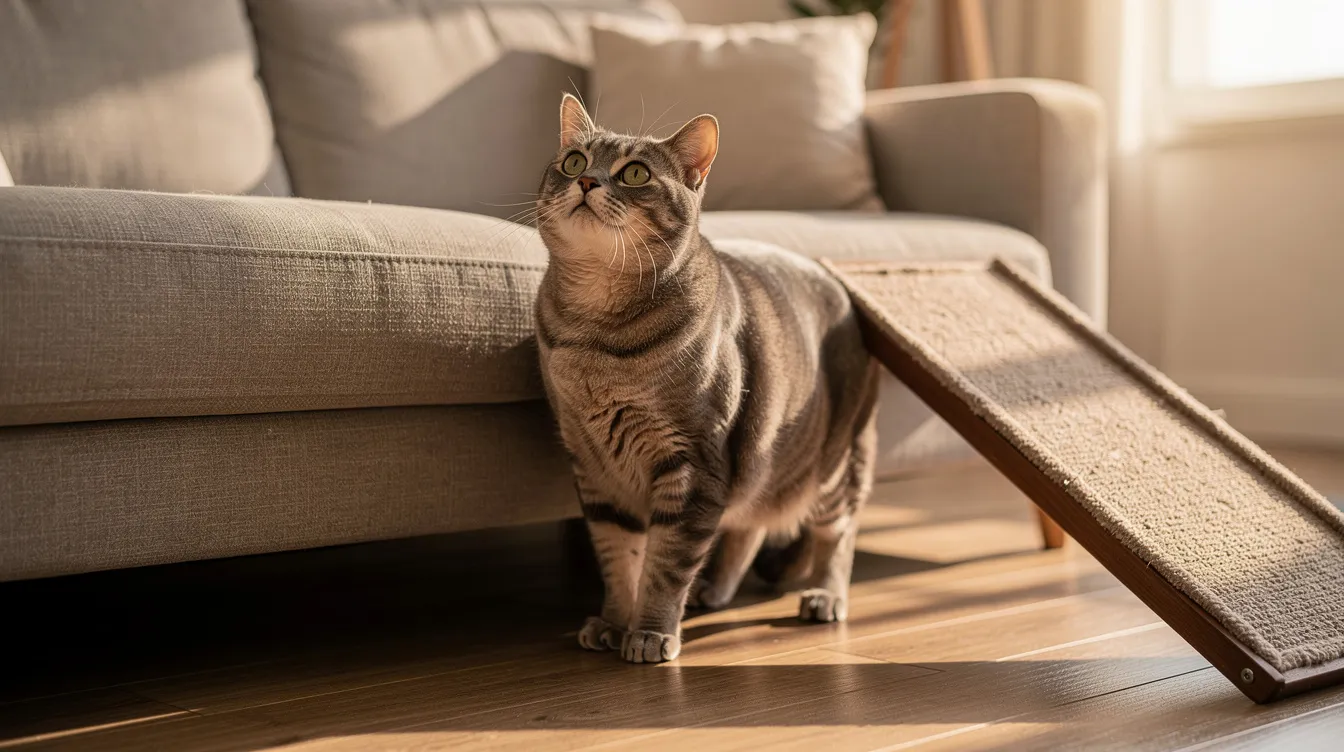
Cats are experts at hiding pain to protect themselves from predators, making it difficult to tell if your cat is hurting. This guide walks you through the signs of pain in cats, including when a cat is in pain, so you can act quickly and help your cat feel better.
When you notice any signs, it’s important to consider that your cat is in pain.
Quick Checklist: Is My Cat in Pain Right Now?
Remember, if your cat exhibits any of these signs, it may indicate that your cat is in pain.
Because cats hide discomfort so well, use this fast triage checklist if something feels off. Key signs of pain in cats include hiding and reduced grooming, but watch for these red flags:
- Sudden hiding or avoiding interaction with family
- Reluctance to jump onto furniture or climb stairs
- Changes in litter box use, crying, or straining
- Breathing faster than 40 breaths per minute at rest
- Not eating for 24 hours or more
- Sudden aggression when touched
- Excessive meowing or growling when handled
If you notice open-mouth breathing, repeated vomiting, collapse, inability to urinate, or obvious trauma, treat this as an emergency and contact a veterinarian immediately. Contact your regular veterinarian; most can assess urgent concerns the same day when possible. If your cat’s regular clinic is closed and symptoms are severe, go to your nearest emergency veterinary hospital.
Why Cats Hide Pain (and Why It Matters)
In the wild, a cat showing weakness becomes an easy target for predators. Even indoor pets retain this survival instinct, which is why most cats mask pain until it becomes severe. By the time obvious limping or lethargy appears, discomfort may have been present for weeks.
Acute pain strikes suddenly from an injury, surgery, or urinary blockage. Chronic pain develops gradually from arthritis, dental disease, or organ problems. Early pain recognition improves a cat’s quality of life and prevents complications like weight loss and dehydration. Left untreated, pain can break the bond between cat and owner as a cat’s behaviour shifts in confusing ways.
Behavior Changes: The Earliest Clues Your Cat Is in Pain
The earliest signs of pain in cats are often subtle behavioral changes, especially with chronic conditions like arthritis or dental disease. Pain can cause cats to become more withdrawn and antisocial. Watch for:
Pay attention to your cat, as understanding when your cat is in pain can help ensure they receive prompt care.
- A cat suddenly hiding in closets, under beds, or in other quiet places more than usual.
- Reduced interest in play, jumping, or interacting with family members and other pets.
- Uncharacteristic aggression or irritability when approached, picked up, or petted.
- Cats that normally hide becoming unusually clingy or restless when in pain.
Being able to recognize signs that your cat is in pain is crucial for their wellbeing.
Understanding these signs can help determine when your cat is in pain and needs help.
Recognizing that your cat is in pain is a vital skill for any cat owner.
Taking note of changes can indicate when a cat is in pain.
Cats in pain may hide more often than usual, and increased aggression can indicate a cat is experiencing pain. Subtle changes in normal behavior may signal pain in cats, so trust your instincts if your cat seems off for more than a day or two. Both acute pain after a fall and chronic pain from arthritis can trigger these shifts.
Changes in Eating, Drinking, and Litter Box Habits
The litter box, food bowl, and water dish often reveal pain early. Noticing changes in a cat’s daily habits is essential for recognizing pain, even when cats hide everything else.
- Cat suddenly refusing food, dropping kibble, chewing on one side, or preferring soft food can signal dental or mouth pain.
- Gradual weight loss over weeks may indicate chronic pain or underlying illness like kidney disease, cancer, or chronic inflammation.
- Drinking much more or less than usual can signal changes in your cat’s condition. Monitor drinking habits using a measured fountain where possible.
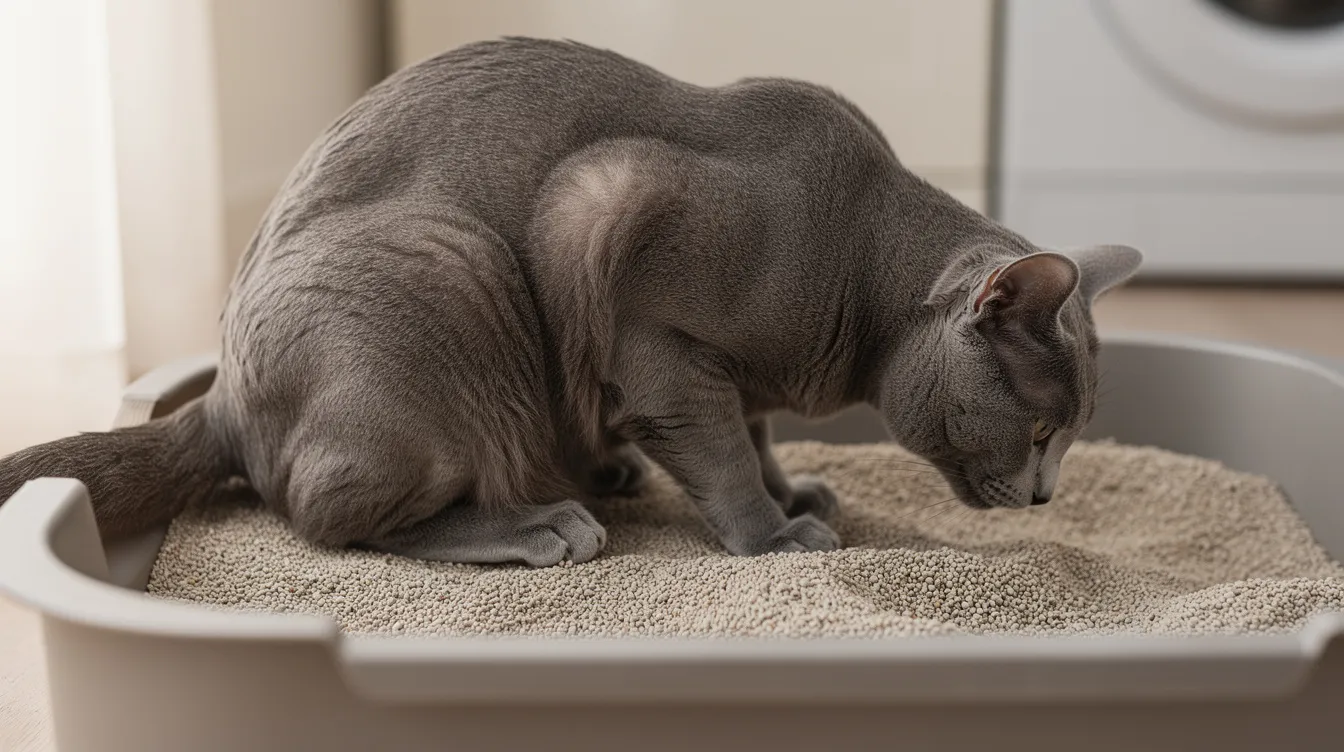
- Straining, crying, or spending a long time in the litter box can indicate painful constipation, urinary tract infection, or dangerous urinary blockage, especially in male cats.
- Avoiding the litter box may be due to difficulty climbing in, pain during elimination, or fear after a painful episode.
A sudden lack of appetite can signal pain. Changes in appetite are among the most reliable early symptoms. A cat repeatedly entering the litter box but producing little or no urine needs emergency care the same day.
Grooming, Coat Condition, and Facial Expressions
Monitor your cat closely to see if they are showing signs that a cat is in pain.
Pain often shows in grooming routines and facial expression before more obvious symptoms appear. Cats may stop grooming due to pain, and regular monitoring of a cat’s coat can indicate early signs of discomfort.
- Cats that usually keep a sleek coat but suddenly look greasy, matted, or unkempt may be too sore in their hips, spine, or neck to groom properly. A messy coat may indicate poor grooming due to pain.
- Excessive grooming or licking a specific spot, like a joint, belly, or surgical site, can signal localized pain or irritated skin. Chronic pain can cause bald patches from this behavior.
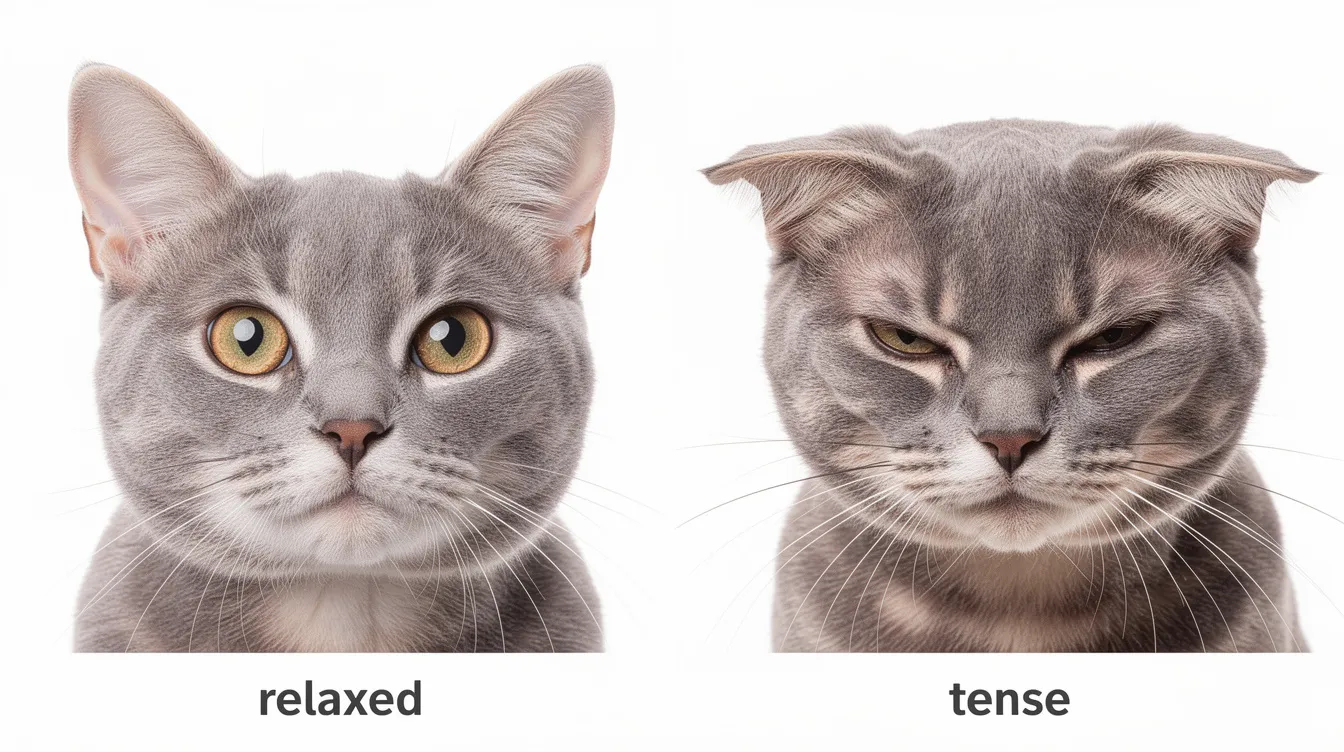
- Subtle facial expressions of pain include squinted eyes, flattened ears, tense muzzle, droopy whiskers, or a lowered head. Cats may show a tense or vacant facial expression when in pain.
- The Feline Grimace Scale evaluates pain via facial expressions, scoring ears, eyes, muzzle, whiskers, and head position. Resources from organizations like lifelearn animal health offer visual examples for cat owners.
- Some cats also show dilated pupils or one eye squinting, which can signal eye pain or injury requiring prompt veterinary care.
Changes in grooming habits can indicate pain in cats, so note any shifts from your cat’s usual routine.
Movement, Posture, and Mobility Problems
Many cats rarely limp dramatically. Mobility problems often appear as “getting old” but are actually treatable feline pain. Changes in body language can indicate pain in cats.
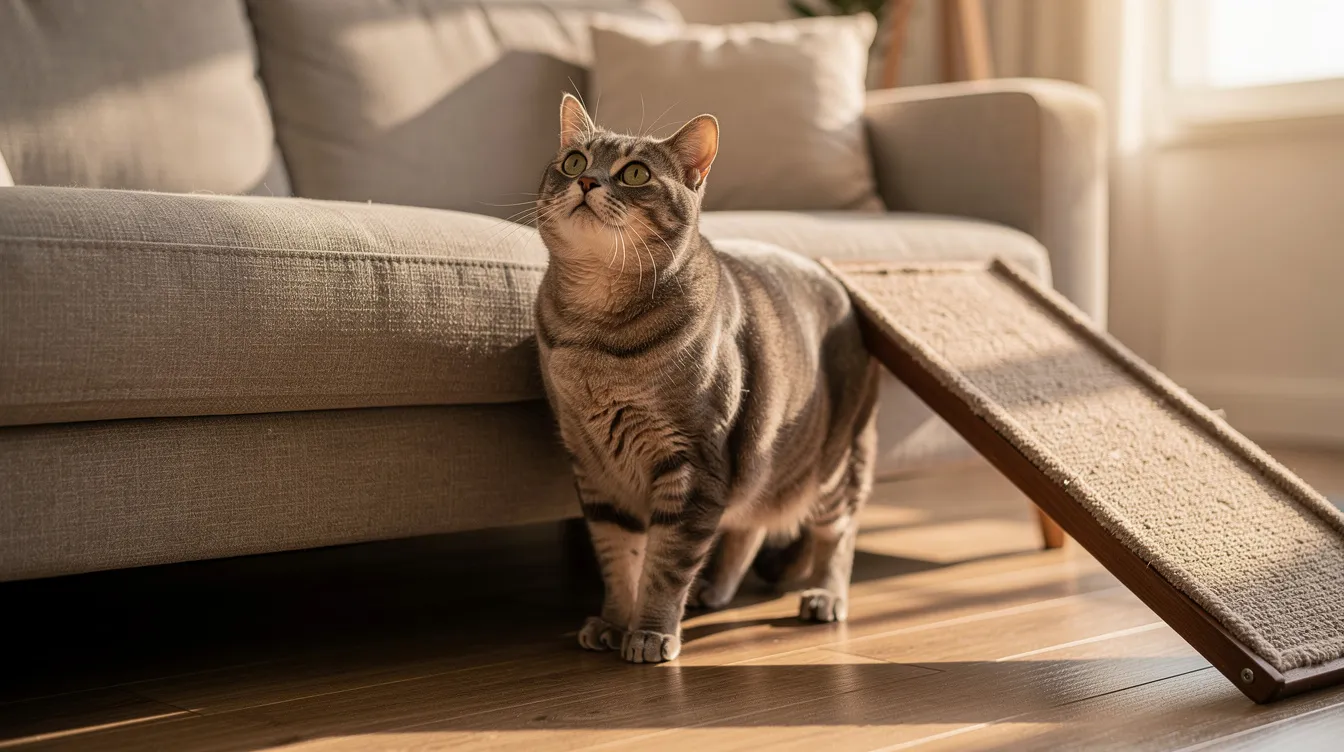
- Stiffness when getting up, hesitating on stairs, or taking the long way around furniture instead of jumping.
- Reluctance or refusal to jump up to favorite spots like beds, windowsills, or counters.
- Shortened stride, head bobbing, or bunny-hopping up stairs indicating limb or spinal pain.
- Hunched posture, tucked abdomen, or a cat sitting in a “meatloaf” position with legs tucked and head low can indicate abdominal pain or generalized discomfort.
- Arched back, tail held tightly to the body, or side-lying with legs stiff can signal acute pain.
Chronic pain can lead to full-body stiffness and lethargy. Common signs indicating pain include changes in mobility and grooming habits. Record short videos of your cat walking and using stairs for your veterinarian, especially for intermittent pain signs.
Breathing, Heart Rate, and Other Physical Red Flags
Certain physical pain signs suggest serious or acute problems needing same-day veterinary attention. An increased respiratory rate can be a sign of severe pain in cats.
- Rapid, shallow breathing or panting at rest can indicate pain, stress, heat stroke, or heart and lung disease.
- A resting cat should breathe fewer than about 40 breaths per minute. Sustained rates above this warrant a call to the vet.
- Trembling, shaking, or restlessness that does not settle. Pain can cause trembling or tension in cats.
- Pale, bluish, or very bright red gums, which can signal poor oxygenation, blood loss, or severe illness.
- Localized swelling, hot or painful areas, or obvious wounds suggesting trauma or infection.
Fast or labored breathing combined with collapse, blue gums, or open-mouth panting is always urgent.
Acute vs. Chronic Pain in Cats
Acute pain is sudden and intense, often from injury, surgery, urinary blockage, or sudden illness. Chronic pain is long-term or recurring, lasting months or years from arthritis, dental disease, or organ problems.
- Acute examples: being hit by a car, falling from a height, cat fight abscess, urinary blockage, or sudden eye injury.
- Acute signs: crying out, rapid breathing, obvious limping, not bearing weight on a leg, or sudden refusal to move.
- Chronic examples: osteoarthritis, long-standing dental disease, chronic pancreatitis, cancer, or spinal degeneration.
- Chronic signs: gradual behavior changes, persistent stiffness, reduced jumping, weight loss, decreased grooming, and subtle personality shifts.
If they display any unusual behavior, it’s a good idea to consider if your cat is in pain.
Chronic pain quietly erodes quality of life and can affect the immune system and mood. Both types require veterinary assessment, but acute episodes and urinary blockage should be treated as emergencies. With proper management, many cats live comfortably and even live longer.
Common Causes of Pain in Cats
Understanding common causes helps cat owners recognize risk factors and seek care earlier.
- Osteoarthritis in older cats, often noticed as reluctance to jump, trouble with stairs, or missing the litter box because it hurts to climb in.
- Dental disease, tooth resorption, and mouth inflammation causing drooling, dropping food, bad breath, or pawing at the mouth.
- Soft tissue injuries and fractures from falls, rough play, or car accidents, especially in outdoor cats.
- Internal conditions such as pancreatitis, urinary tract disease, bladder stones, and constipation causing abdominal or pelvic pain.
- Post-surgical pain, which should be managed with prescribed medications. Normal healing should still be comfortable with proper pain control.
Some conditions like cancer or chronic kidney disease cause both chronic and acute pain, requiring ongoing monitoring. Regular wellness exams, including senior screening labs and dental checks, often reveal the underlying cause before cats show obvious pain. Your veterinarian can provide diagnostics including X-rays, bloodwork, and oral exams to identify these issues.
How Veterinarians Diagnose and Treat Pain
Because cats hide pain, vets rely on owner history, physical examination, and diagnostic testing. Veterinarians can provide effective pain management if pain is reported early.
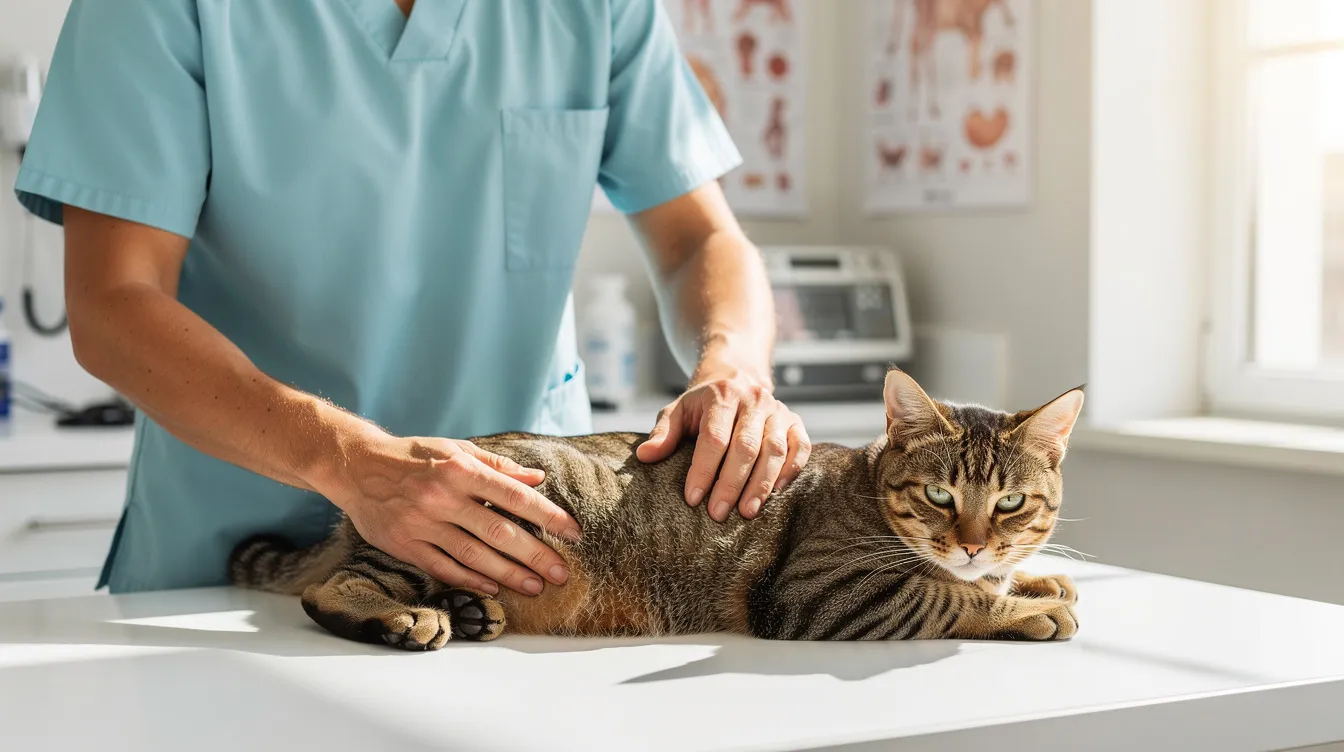
- Veterinarians assess gait, posture, facial expressions, joint range of motion, and palpation responses.
- X-rays, blood tests, urine tests, and sometimes ultrasound pinpoint sources like arthritis, dental disease, or internal problems.
- Common treatment tools include cat-safe pain medications such as specific NSAIDs and opioids prescribed by a vet, joint supplements, dental procedures, and treatment of underlying diseases.
- Additional therapies like weight management, special diets, environmental changes with ramps and low-sided litter boxes, laser therapy, or acupuncture may be recommended.
Human painkillers such as ibuprofen, naproxen, aspirin, and acetaminophen are toxic to cats and must never be given. Medications meant for dogs are also dangerous. Pain control is individualized based on each cat’s condition, age, and any chronic illness. Never treat pain without veterinary advice.
What to Do at Home if You Think Your Cat Is in Pain
Home care is supportive only and never replaces a veterinary exam. Seek veterinary attention if a cat displays persistent changes in behavior.
- Keep the cat in a quiet, confined room with soft bedding, easily accessible food, water, and a low-entry litter box.
- Minimize handling if movement seems painful. Avoid letting the cat jump onto furniture or go outdoors.
- Do not give human pain medications, leftover prescriptions meant for dogs, or any over-the-counter products without a veterinarian’s explicit dosing instructions.
- Do not delay veterinary care for more than 24 hours if your cat continues to show signs that a cat is in pain. Treat breathing difficulty, repeated vomiting, or urinary problems as emergencies.
- For chronic pain, encourage weight control, gentle environmental modifications like ramps, steps, and non-slip mats, and joint-friendly play under veterinary guidance.
- Chronic pain cats often do better with scheduled checkups to adjust medication and monitor for side effects.
Keep a simple pain diary for personal use: dates, behaviors, eating and drinking habits, litter box notes, and video clips to share with the vet. If you suspect pain contact your veterinarian promptly.
Interactive Images: Visual Guides to Feline Pain
This section features six interactive pictures to help owners recognize subtle signs visually.
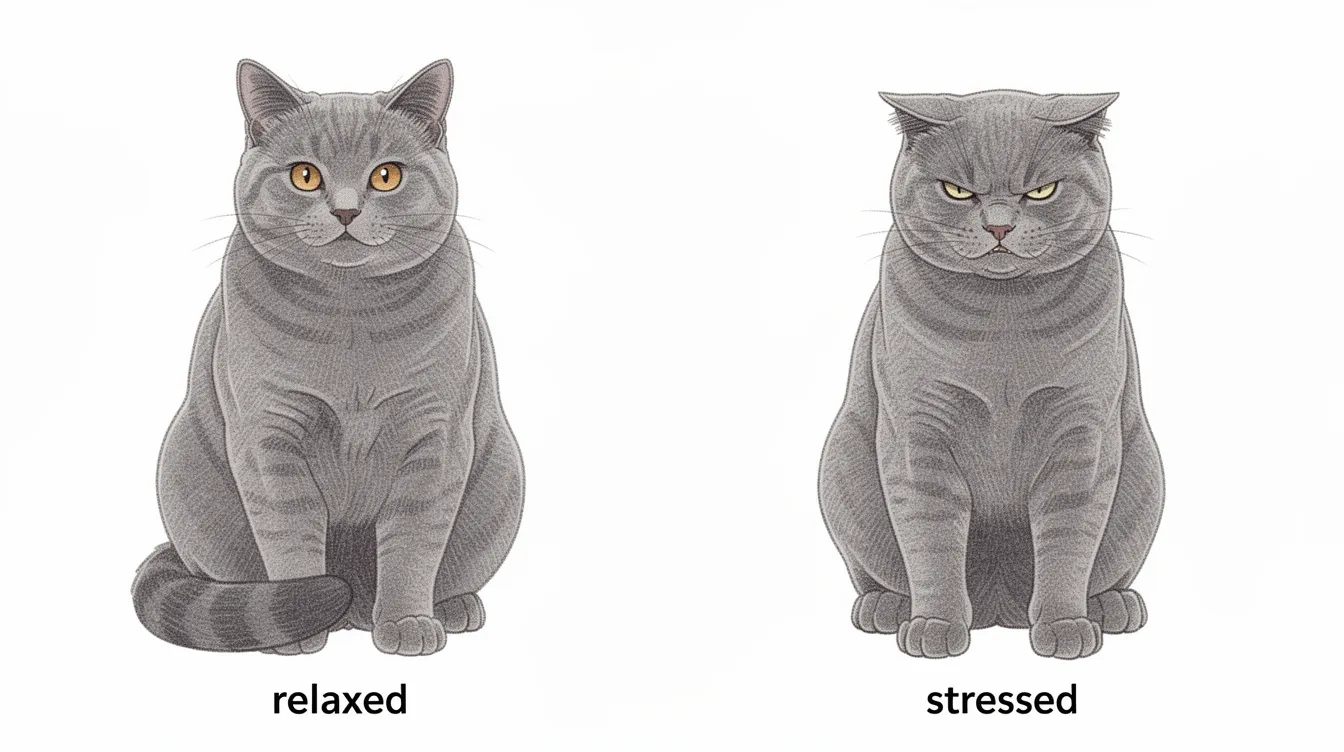
Picture 1: Side-by-side images of a relaxed cat versus a cat in pain, with hotspots highlighting ear position, eye shape, whisker tension, and head position based on the Feline Grimace Scale.
Picture 2: Diagram of a cat’s body showing common sites of chronic pain including hips, knees, elbows, spine, and mouth, with clickable labels explaining typical signs for each area.
Picture 3: Sequence of three photos showing a cat comfortably jumping onto a sofa versus a cat hesitating, using a chair as a step, and finally refusing to jump.
Remember, knowing when your cat is in pain can lead to timely medical intervention.
It’s essential to recognize chronic pain signs because they often indicate that a cat is in pain.
Picture 4: Litter box scene showing normal posture versus painful postures including straining, hunched back, and tail flicking, with tooltips about constipation, urinary pain, and when to seek emergency care.
Picture 5: Before-and-after grooming images of a senior cat showing a sleek coat versus a matted or unkempt coat, with callouts explaining how chronic pain affects grooming ability.
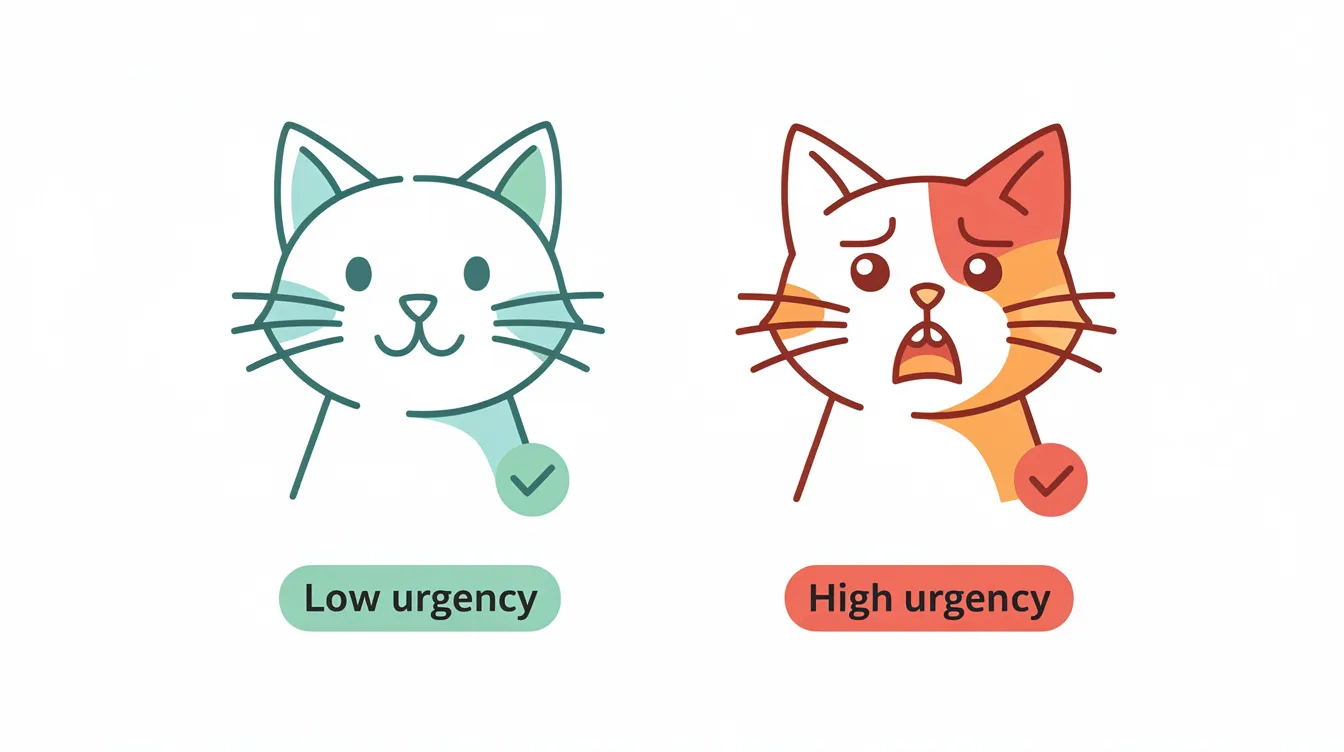
Picture 6: Simple infographic dividing common signs into urgent (call today) and emergency (go immediately), using icons for breathing, appetite, litter box, and behavior change.
Frequently Asked Questions About Pain in Cats
These FAQs address practical questions Dr. Hart commonly hears from Central Florida cat owners.
Can cats live with chronic pain, or is it always an emergency? Chronic pain is rarely an immediate emergency but should be treated promptly. With proper management, many cats live comfortably well into their teens. Cats can live with conditions like arthritis when pain is controlled through medication and environmental adjustments.
My cat suddenly started hissing when I touch her back. Could it be pain? Cats may show aggression or avoidance when touched in painful areas. This is a common pain sign and warrants a veterinary exam to rule out spinal pain, skin disease, or internal problems. Vocal changes in cats may indicate discomfort or pain when touched.
How can I tell if my older cat slowing down is just age or chronic pain? Warning signs include reluctance to jump, trouble getting into the litter box, decreased grooming, and sleeping in lower spots. If you notice these subtle signs, schedule a senior exam and arthritis check rather than assuming it is normal aging.
Is purring always a sign my cat feels good? Cats may purr when content but also when anxious, ill, or experiencing pain. Purring should be interpreted along with facial expression, posture, and behavior. A cat that is purring while hiding or showing other pain signs may be self-soothing rather than comfortable.
When should I call the vet about pain versus watch and wait? Any pain lasting more than 24 hours, sudden severe changes, trouble breathing, repeated vomiting, or urinary issues should trigger a call. Cats in pain may vocalize unusually by meowing or growling, and cats may vocalize more or less when experiencing pain. For emergencies, go immediately. Hiding discomfort is what cats do best, so when you can see something is wrong, do not wait.
Professional Review, Citations, and Next Steps
Consulting a vet is essential if you suspect that your cat is in pain.
This article was medically reviewed by Dr. Roger Hart, DVM, a practicing veterinarian in Central Florida, and is intended to support, not replace, an in-person veterinary exam.
Citations:
- International Society of Feline Medicine. Feline chronic pain management guidelines. 2022.
- Brondani JT et al. Development of the Feline Grimace Scale: a multidimensional tool for acute pain assessment in cats. 2019.
- Lascelles BDX. Feline degenerative joint disease: clinical signs and diagnosis. 2018.
- Sparkes AH et al. ISFM consensus guidelines on the monitoring and management of chronic kidney disease in cats. 2016.
- American Animal Hospital Association. 2020 AAHA/AAFP Pain Management Guidelines for Dogs and Cats. 2020.
If your cat is showing signs of pain, schedule a wellness or pain evaluation with your regular veterinarian. Cats hide pain very effectively, so subtle changes in grooming, appetite, or mobility often warrant an exam even when your cat still seems “mostly normal.”
With early recognition and modern pain control options, most cats can live more comfortably and maintain a good quality of life, even with long-term conditions. Your cat depends on you to notice what they are working hard to hide, so when you suspect something is wrong or if you think your cat is in pain, act on it.
Ultimately, being able to tell when your cat is in pain is critical to their health.
Documenting behaviors can aid in assessing if your cat is in pain.
Even subtle signs can indicate a cat is in pain, so keep an eye out.
Finally, understanding the signs that a cat is in pain will make a difference.