Preventive Care
-
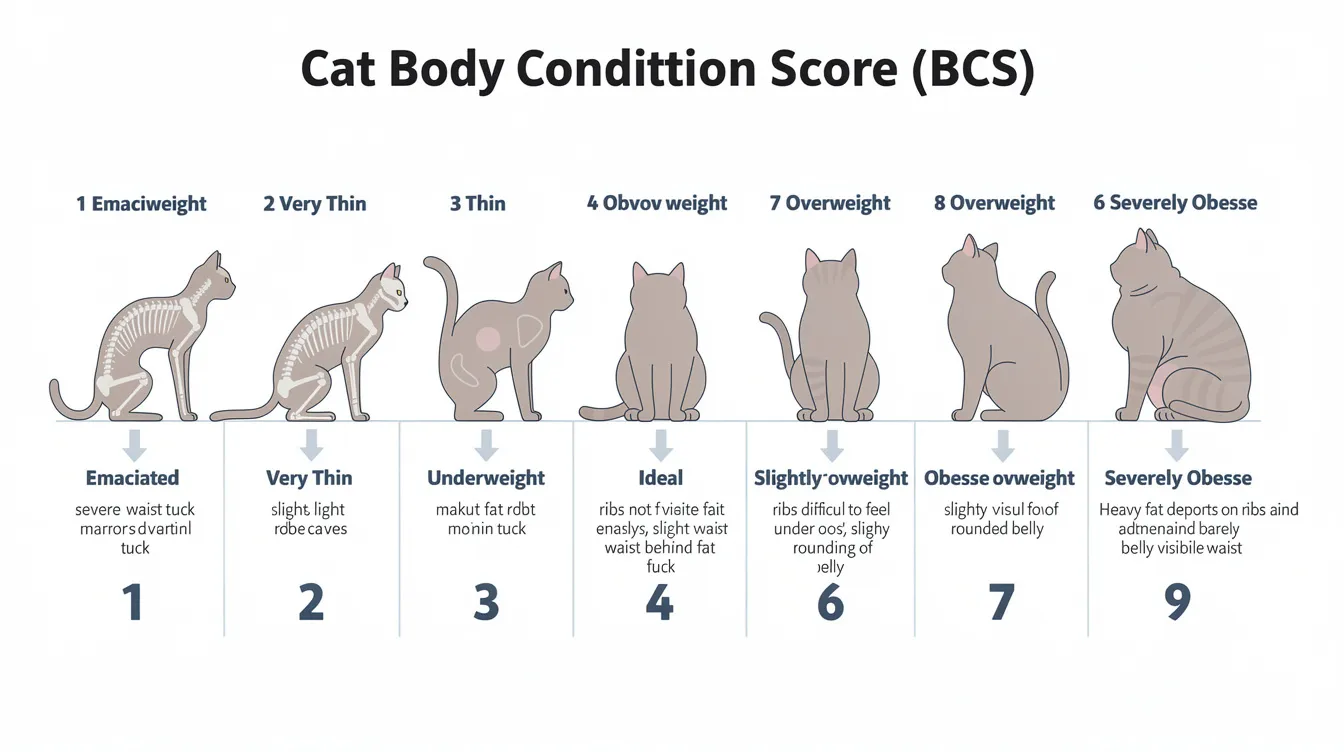
Skinny Cat: When to Worry and How to Help Your Underweight Feline
Introduction A skinny cat isn’t always a sick cat, but it’s always worth investigating. Whether you’re wondering why your underweight cat‘s ribs are showing or you’ve noticed your older pet gradually losing weight, understanding the difference between a naturally lean feline and one experiencing concerning weight loss can prevent serious health problems down the line.…
-

Symptoms Dog Poisoned: Complete Guide to Recognizing the Warning Signs
Introduction Recognizing the symptoms of dog poisoning quickly can make all the difference between a full recovery from a dog poisoned and permanent organ damage-or worse. Every year, thousands of poisoning cases involve dogs that have ingested common household items toxic to their systems, and the window for effective veterinary treatment narrows with every passing…
-

What Should Dogs Not Eat: A Veterinary Guide to Dangerous and Toxic Foods
Introduction Dogs should never eat chocolate, grapes, raisins, onions, garlic, xylitol, alcohol, macadamia nuts, or cooked bones – each of these common human foods can cause serious illness, organ failure, and even death. If your pet eats any of these toxic foods, you need to contact your vet immediately, because the difference between a quick…
-
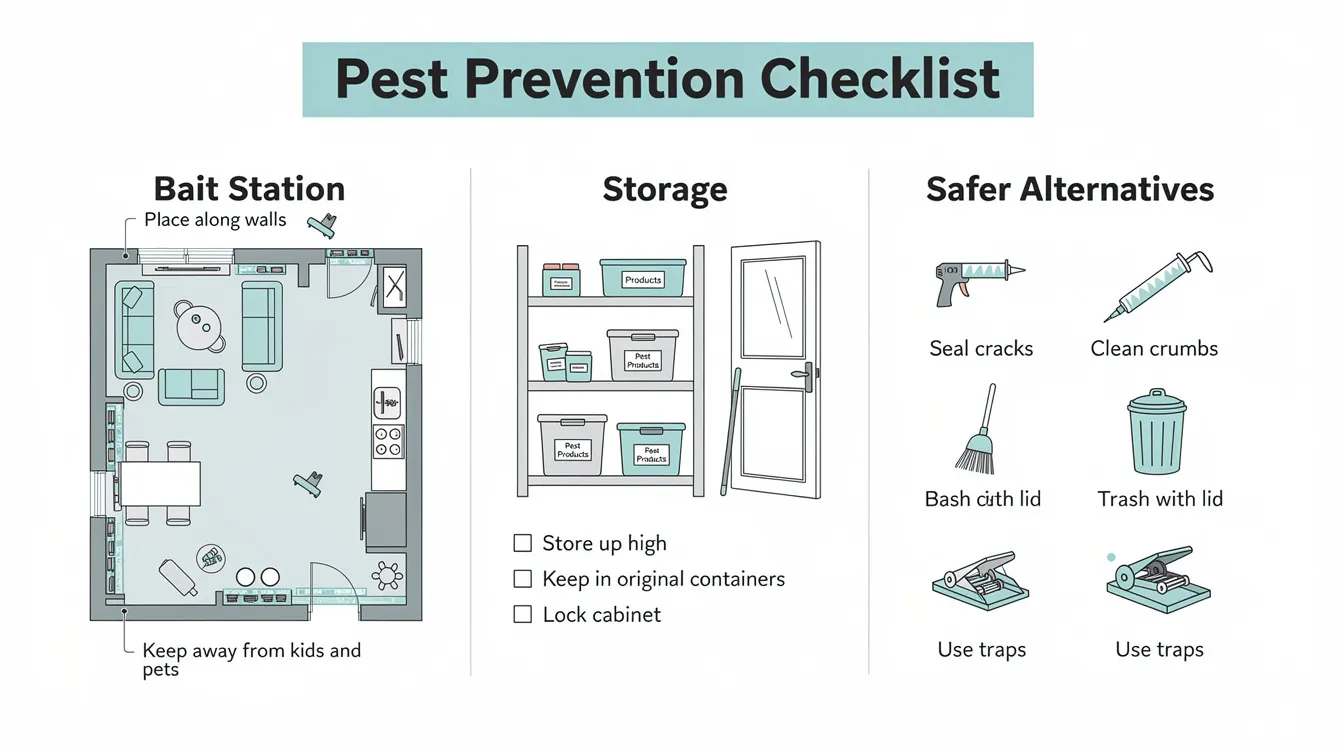
Bromadiolone in Dogs: Complete Guide to Recognition, Treatment, and Recovery
Introduction Bromadiolone is a second-generation anticoagulant rodenticide that poses severe toxicity risks to dogs through direct ingestion of commercial bait products or secondary poisoning from consuming poisoned animals. This potent active ingredient disrupts the vitamin K cycle in the liver, depleting the clotting factors essential for normal blood coagulation—and without prompt treatment, the resulting hemorrhage…
-

Symptoms of Feline AIDS: Recognizing FIV Signs in Central Florida Cats
Introduction Feline AIDS symptoms progress through three distinct phases: an acute phase with mild fever and swollen lymph nodes appearing weeks after infection, a long asymptomatic period lasting months to years, and an advanced progressive phase marked by severe secondary infections, weight loss, dental disease, and neurological disorders. Recognizing these clinical signs early can dramatically…
-

Safe Plants for Cats: A Veterinarian’s Guide to Pet-Friendly Houseplants
Introduction Many beautiful houseplants are completely safe for cats, allowing you to fill your living space with lush greenery without putting your feline companions at risk. The key is choosing the right plants – those verified as non toxic by veterinary toxicology experts – and placing them thoughtfully in your home. This guide focuses on…
-
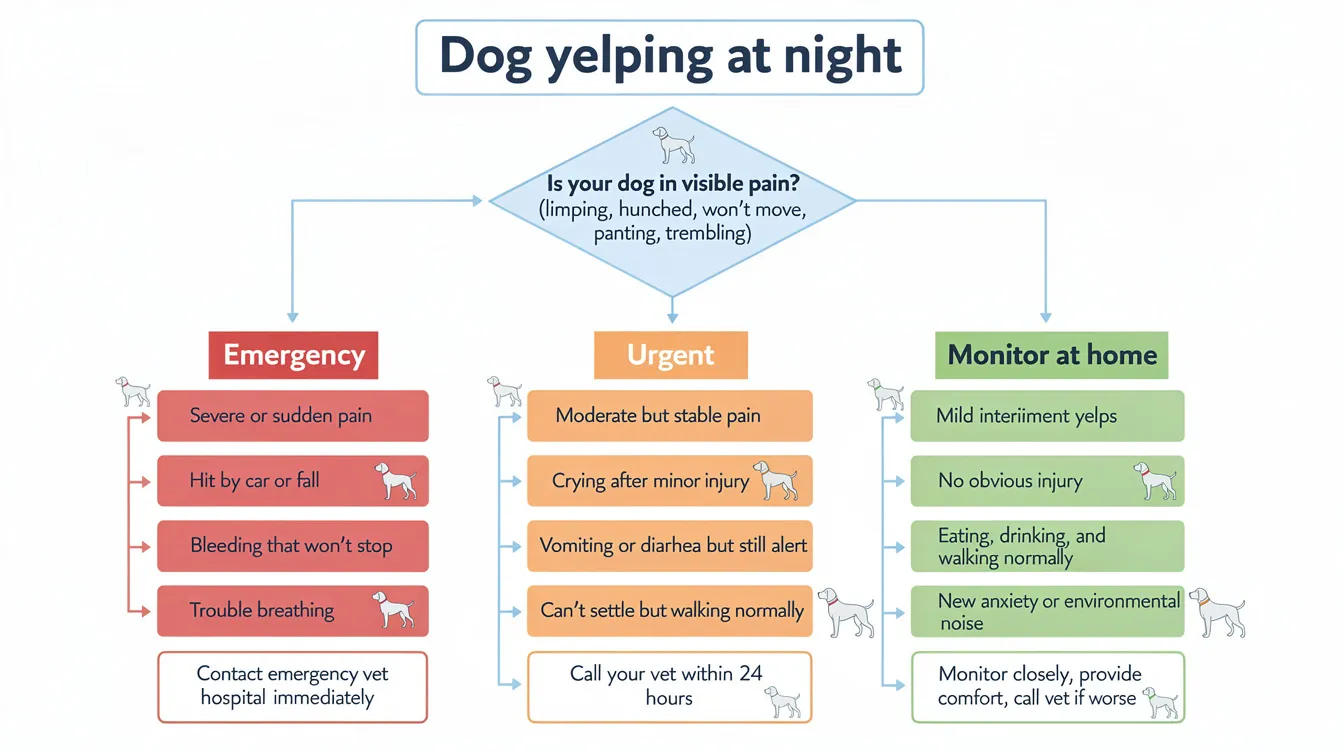
Dog Yelping in Pain at Night: Emergency Signs Every Owner Must Know
A dog yelping in pain at night is one of the most alarming experiences a pet owner can face – and for good reason. Unlike attention-seeking whining or barking, genuine pain vocalizations frequently signal a medical condition that needs prompt attention. Dogs are evolutionarily wired to mask discomfort during active daytime hours, but once the…
-
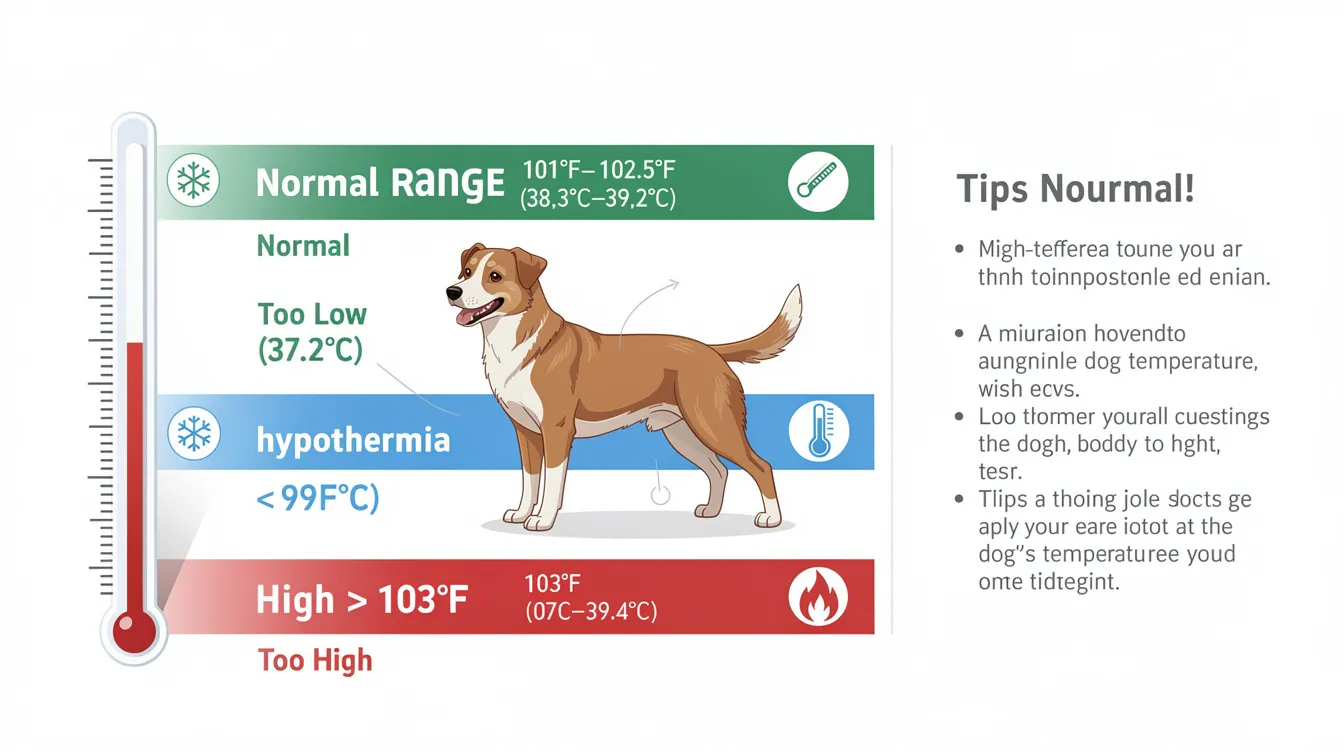
How Do I Know If My Dog Has Fever: A Complete Guide for Central Florida Pet Owners
Introduction You can identify if your dog has a fever by watching for behavioral changes like lethargy and loss of appetite, then confirming with a digital rectal thermometer. A dog’s normal temperature ranges from 101° to 102.5°F, and a temperature above 103°F is considered a fever in dogs. Combining symptoms helps in identifying if a…
-

Why Is My Dog Not Eating and Sleeping All Day: A Veterinary Guide
Introduction A dog not eating and drinking all day typically signals an underlying cause that needs veterinary attention—especially when symptoms persist beyond 24–48 hours. A dog not eating and drinking all day can indicate pain, illness, infection, or systemic health issues that require professional evaluation. While most dogs occasionally skip a meal or nap more…
-
Is Peppermint Oil Safe for Dogs? A Central Florida Veterinarian’s Guide
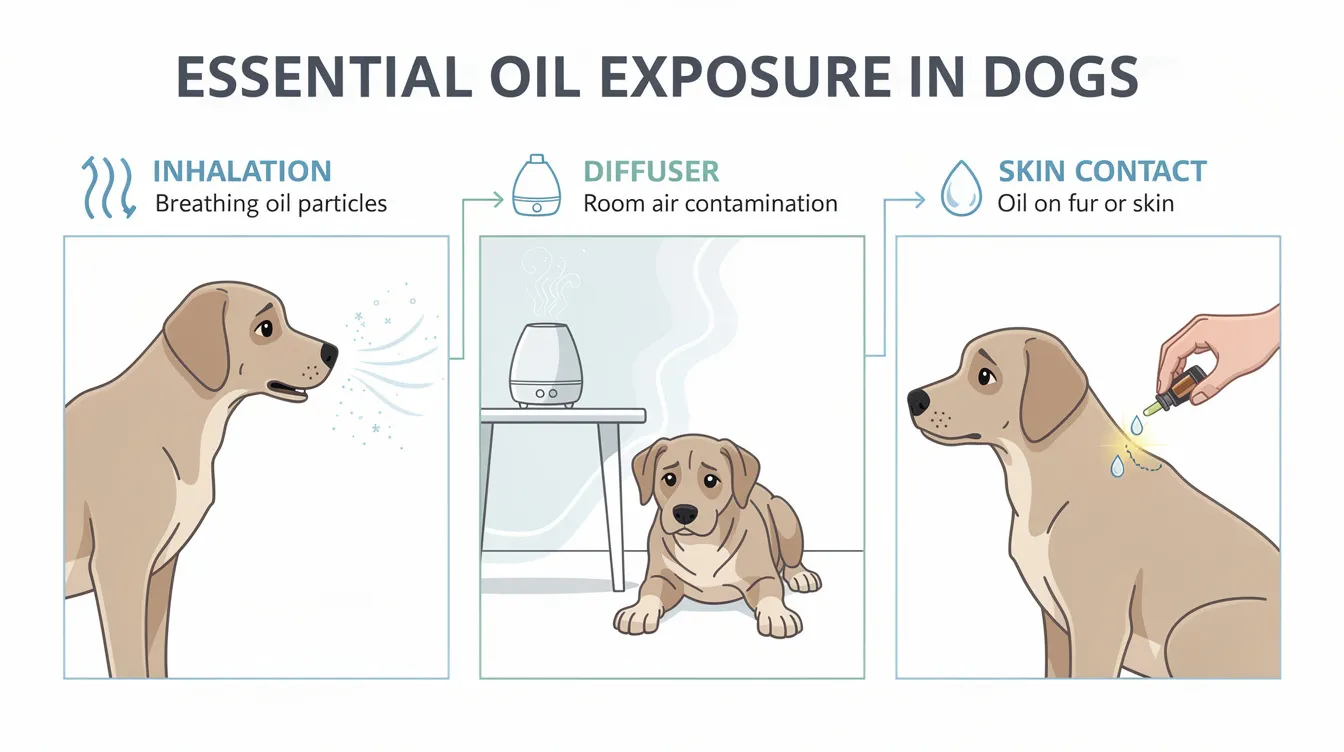
Introduction Peppermint oil is generally not safe for dogs. This concentrated essential oil contains high levels of menthol and other aromatic compounds that dogs metabolize poorly, creating significant risks of poisoning through ingestion, inhalation, or skin exposure. As a Central Florida veterinarian who has treated numerous essential oil toxicity cases, I want every pet parent…