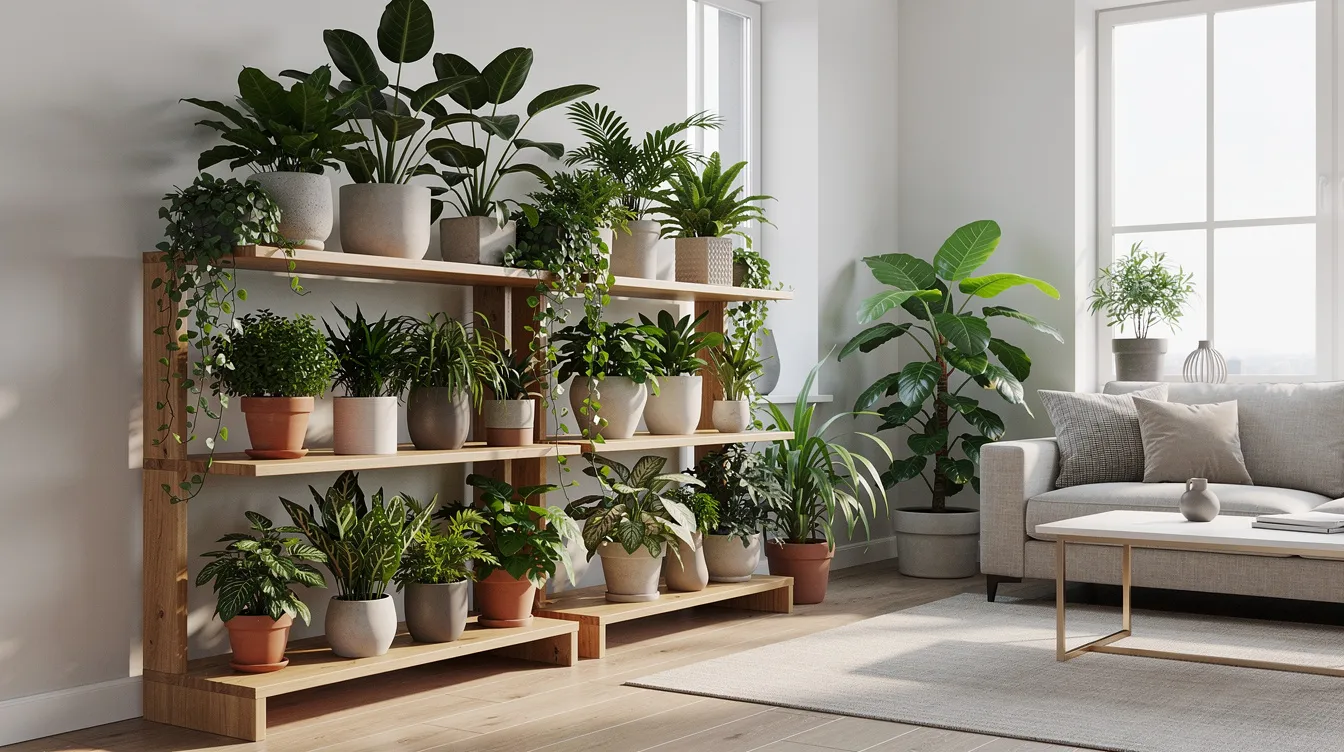
Many beautiful houseplants are completely safe for cats, allowing you to fill your living space with lush greenery without putting your feline companions at risk. The key is choosing the right plants – those verified as non toxic by veterinary toxicology experts – and placing them thoughtfully in your home.
Emergency note: All parts of true lilies (Lilium) and daylilies (Hemerocallis), including pollen and vase water, can cause fatal kidney failure in cats. If your cat chews a lily or you see vomiting, drooling, or lethargy after plant chewing, contact your veterinarian or an emergency hospital now, or call the ASPCA Animal Poison Control Center (888-426-4435) or Pet Poison Helpline (855-764-7661). Consultation fees may apply.
In addition, incorporating safe plants for cats into your home decor not only enhances aesthetic appeal but also contributes to a healthier environment for both you and your pets.
This article lists non-toxic houseplants, basic care needs, and practical safety steps for cat households. It does not cover outdoor gardening in depth or substitute for specific veterinary diagnosis and treatment.
The direct answer: Dozens of pet safe plants – including spider plants, Boston ferns, parlor palms, prayer plants, African violets, and money trees – are confirmed safe for cats according to ASPCA toxicology data and clinical veterinary experience. Even cats that nibble on these plants face no risk of serious toxicity.
Understanding Plant Toxicity in Cats
From a veterinary toxicology perspective, a plant is considered “safe” or non toxic to cats when there is no evidence in clinical databases – such as the ASPCA Animal Poison Control Center – that ingestion causes systemic toxicity, organ damage, or neurological effects. Even non-toxic plants can cause mild stomach upset if eaten in large amounts, but they will not produce the dangerous organ injury associated with poisonous plants.
A “toxic” plant, by contrast, contains chemical compounds that can cause illness, organ injury, or death even in small quantities. The severity depends on the species, the amount ingested, the duration of exposure, and the individual cat’s health. Cats interact with house plants through smell, taste, and texture. They may chew leaves out of curiosity, boredom, or a natural fiber-seeking instinct. Indoor cats are especially likely to investigate vegetation since they lack access to outdoor grasses. Cats also groom themselves constantly, meaning pollen or sap on fur can be ingested indirectly – making even non-edible plant parts potentially dangerous with certain toxic species.
How Plant Compounds Affect Feline Health
Several categories of plant compounds pose serious threats to cats:
- Insoluble calcium oxalate crystals (raphides): Found in plants like peace lilies, calla lilies, and dieffenbachia. When chewed, these microscopic crystals penetrate the soft tissue of the mouth and throat, causing immediate pain, drooling, and pawing at the mouth. While rarely life-threatening, the irritation can be intense.
- Saponins: Present in some ornamental plants and ivies, saponins disrupt cell membranes and mucosal surfaces. They can cause oral irritation, gastrointestinal upset, and in rare cases, mild systemic effects like hemolysis if absorbed.
- Cardiac glycosides: Found in plants such as Lily of the Valley and oleander, these compounds directly affect heart rhythm and can cause dangerous arrhythmias, vomiting, and potentially fatal cardiac events.
- Unknown renal toxins: True lilies (genus Lilium) and daylilies (Hemerocallis) contain an as-yet-unidentified compound that causes acute kidney failure in cats. Lily plants can be deadly to cats if ingested – any part including leaves, petals, pollen, or even the water from a vase can trigger irreversible kidney damage within 24 to 72 hours.
Plants listed as non toxic by the ASPCA lack these harmful compounds entirely. Their cellular chemistry simply does not interact with feline physiology in dangerous ways, making them genuinely pet friendly houseplants.
Recognizing Signs of Plant Poisoning
Every cat owner should know the clinical symptoms of plant poisoning. Symptoms of plant poisoning include nausea and diarrhea, along with:
- Mild to moderate signs: Drooling, pawing at the mouth, vomiting (often within 1–3 hours of ingestion), loss of appetite, and visible mouth irritation
- Severe emergency signs requiring immediate action: Difficulty breathing (from airway swelling), collapse, tremors, seizures, significant changes in urination, and signs of kidney failure such as dehydration and lethargy
For true lily ingestion specifically, early signs like vomiting and anorexia can appear within the first 12 hours. By 24 to 48 hours, laboratory values reveal kidney injury. Treatment must begin within approximately 18 hours to prevent irreversible damage – making rapid identification critical.
Recognizing these warning signs underscores exactly why choosing verified cat safe plants matters so much in the first place.
Veterinary-Approved Safe Plants for Cat Households
ASPCA confirms certain houseplants are safe for felines, and the following selections represent the most reliable, attractive, and practical options for cat households. It’s important to verify plant safety with ASPCA’s list before bringing any particular plant into your home. Each plant below is listed as non-toxic to cats in the ASPCA Animal Poison Control Center database.
Low-Maintenance Safe Plants for Beginners
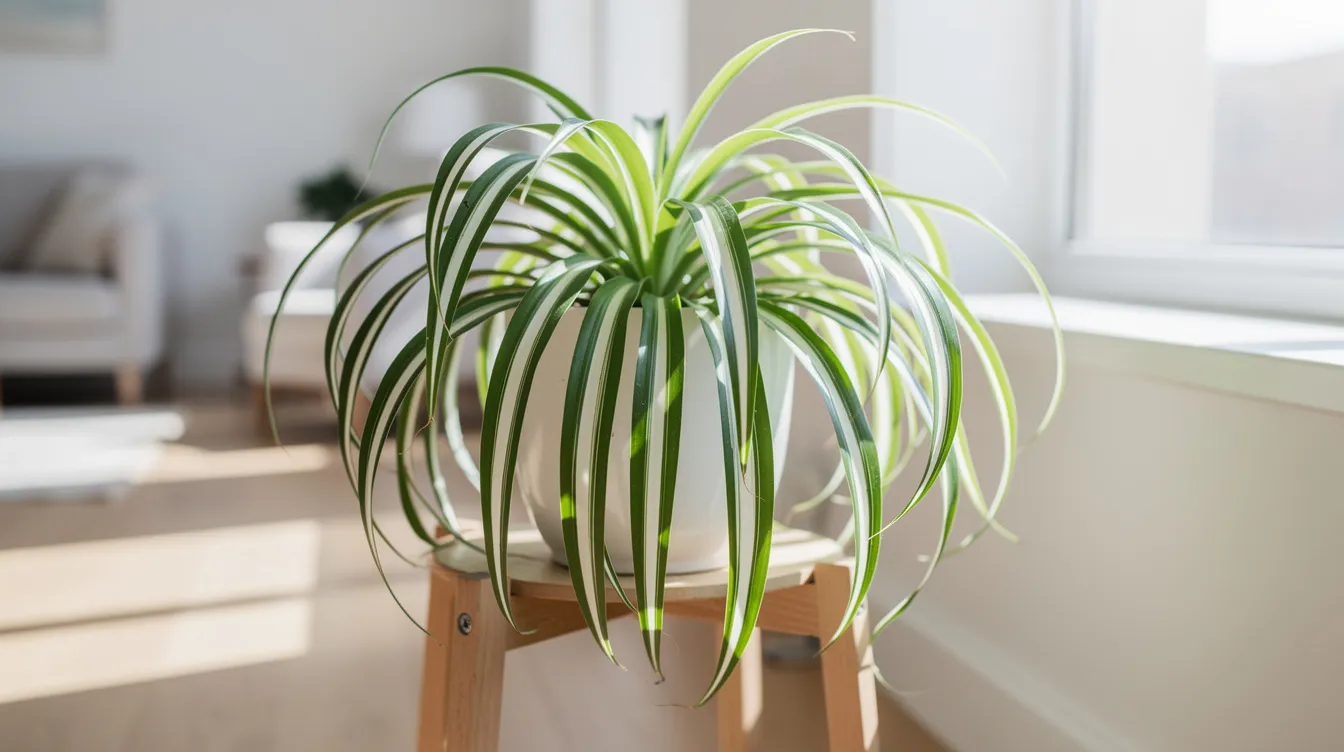
Spider Plant (Chlorophytum comosum): Spider plants are safe for both cats and dogs, making them one of the most universally recommended pet friendly plants. They offer impressive air purifying qualities, readily produce baby plants (spiderettes) for easy propagation, and thrive in bright to moderate indirect sunlight. Water when the top inch of soil dries out, and use well-draining soil. This low maintenance plant tolerates occasional neglect, making it perfect for beginners.
Boston Fern (Nephrolepis exaltata): Boston ferns are non-toxic and thrive in high humidity. They prefer low to medium indirect light – avoid direct sunlight, which burns their delicate fronds. Keep soil moist but never waterlogged, and consider placing them in bathrooms or near humidity trays to maintain the humid environments they love. Their cascading fronds create beautiful foliage in hanging baskets, naturally keeping them away from curious cats.
Cast Iron Plant (Aspidistra elatior): Cast Iron Plants are exceptionally hardy and non-toxic – living up to their name by tolerating low light, irregular watering, and general neglect. Their tough, leathery leaves are less appealing for cats to chew than softer foliage. This is the ultimate low maintenance plant for cat owners who want worry-free greenery in dim corners of the house.
Attractive Flowering Safe Options
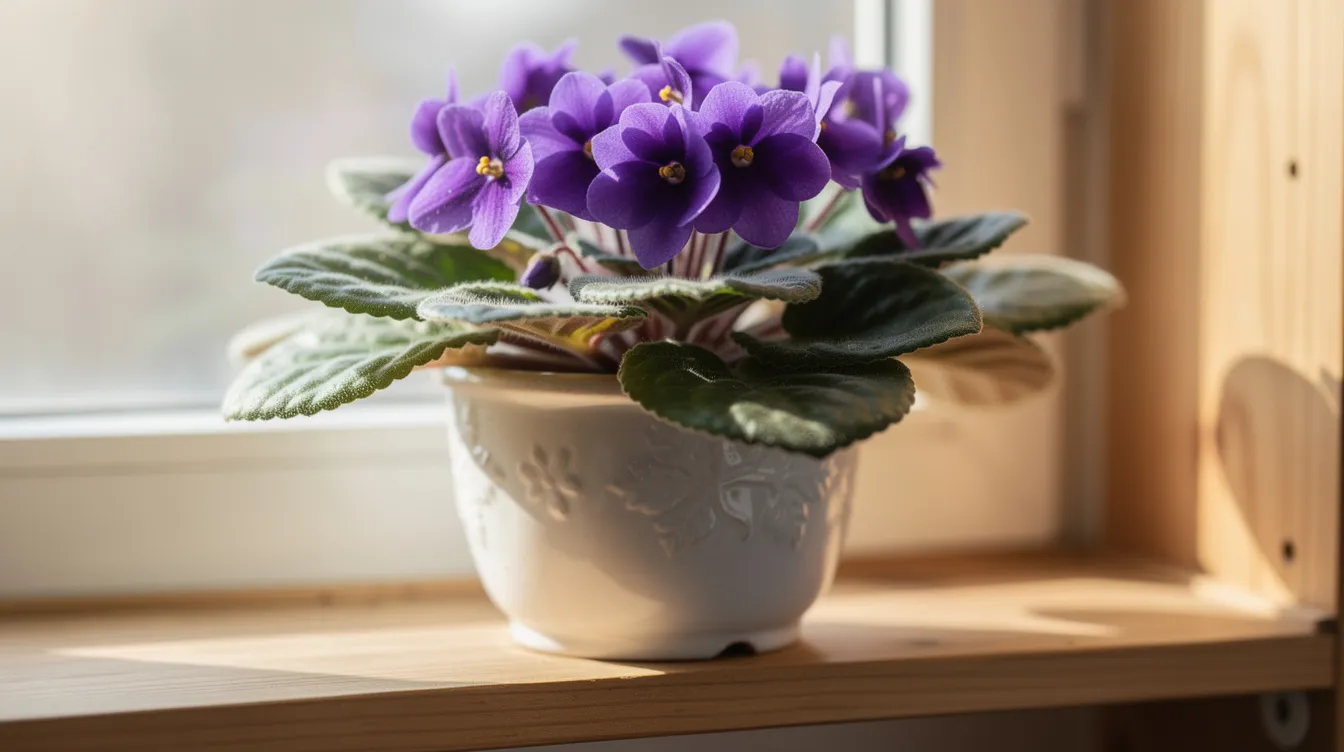
African Violet (Saintpaulia spp.): African violets are non-toxic to cats and dogs, offering compact size and colorful flowers year-round under the right conditions. They need moderate, indirect light and stable indoor temperatures. Keep soil moist but avoid getting water on the leaves to prevent fungal issues. Their small stature makes them easy to display on shelves or windowsills away from a west facing window’s harsh afternoon rays.
Orchid (Phalaenopsis): Moth orchids are elegant, long-blooming, and entirely cat safe. They require bright light filtered through curtains, weekly watering that allows the orchid mix to dry somewhat between sessions, and good air circulation. Their exotic appearance adds sophistication to any indoor space, and they contain no toxic compounds whatsoever.
Roses (Indoor Varieties, Rosa spp.): Indoor roses bring natural beauty without feline health risks. Trim thorns to prevent scratching, and provide bright light from a south or east-facing window with filtered exposure. While they need more attention – regular fertilization, pruning, and monitoring – they reward you with classic blooms that are genuinely safe for cats.
Statement Plants That Are Cat-Safe
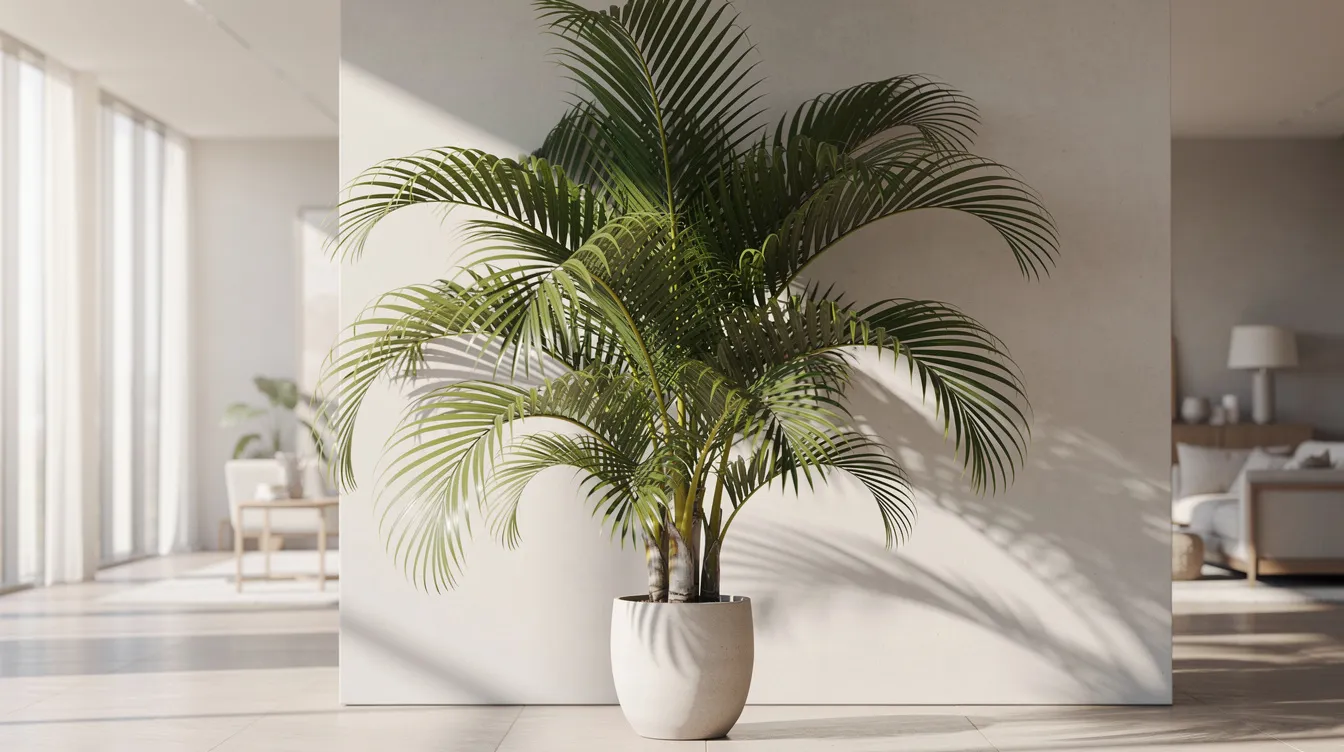
Parlor Palm (Chamaedorea elegans): The Parlor Palm is a low-maintenance cat-safe plant that delivers a tropical feel without any risk to your cats. Native to tropical understories, it prefers medium to bright indirect light and high humidity. Keep soil slightly moist with excellent drainage. Its graceful, arching fronds create an instant focal point. Areca Palms are considered safe for cats as well, along with the bamboo palm and butterfly palm, giving you multiple palm trees to choose from for that tropical aesthetic.
Ponytail Palm (Beaucarnea recurvata): This distinctive succulent palm features a bulbous trunk that stores water, making it remarkably drought tolerant. Its cascading, ribbon-like leaves create unique foliage that adds character to any bright room. It thrives in bright light and needs infrequent watering – a true low maintenance statement piece that is completely non toxic.
Money Tree (Pachira aquatica): The Money Tree is safe for cats and dogs, and its signature braided stems make it a striking decorative element. It enjoys bright indirect light, tolerates some low light conditions, and prefers soil kept slightly moist without becoming waterlogged. Wipe dust from leaves periodically to keep them healthy and glossy.
Plant Care and Safety Implementation
Selecting cat friendly plants is only the first step. Proper placement and care ensure both you and your feline friend can enjoy a green home safely. The following strategies address the practical realities of sharing an indoor space with curious cats and living plants.
Optimal Placement for Cat Safety
Thoughtful placement dramatically reduces unwanted plant-cat interactions:
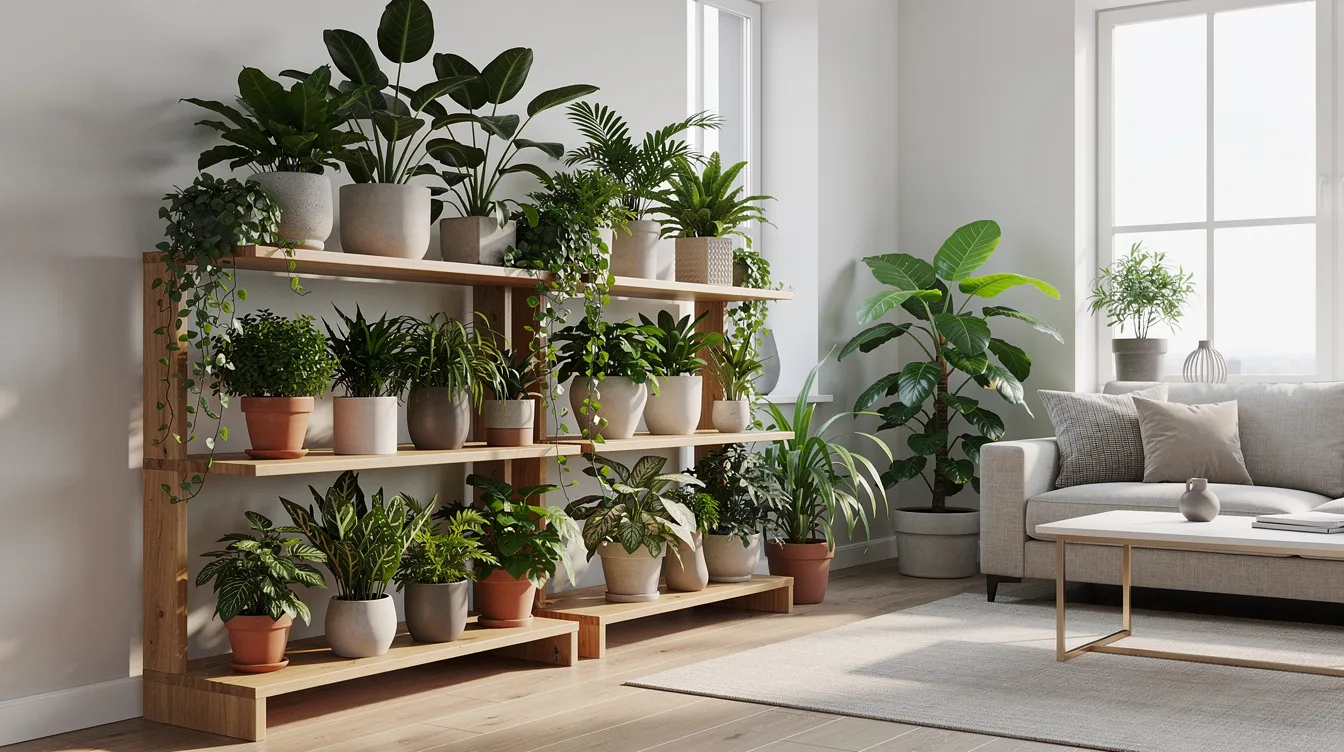
- Elevated surfaces: Display plants on high shelves, tall plant stands, or in hanging baskets. Spider plants and Boston ferns are particularly stunning when suspended, keeping their trailing foliage safely overhead.
- Room selection: Choose rooms where cats spend less time – home offices with doors, guest bedrooms, or well-supervised common areas. This naturally limits unsupervised access.
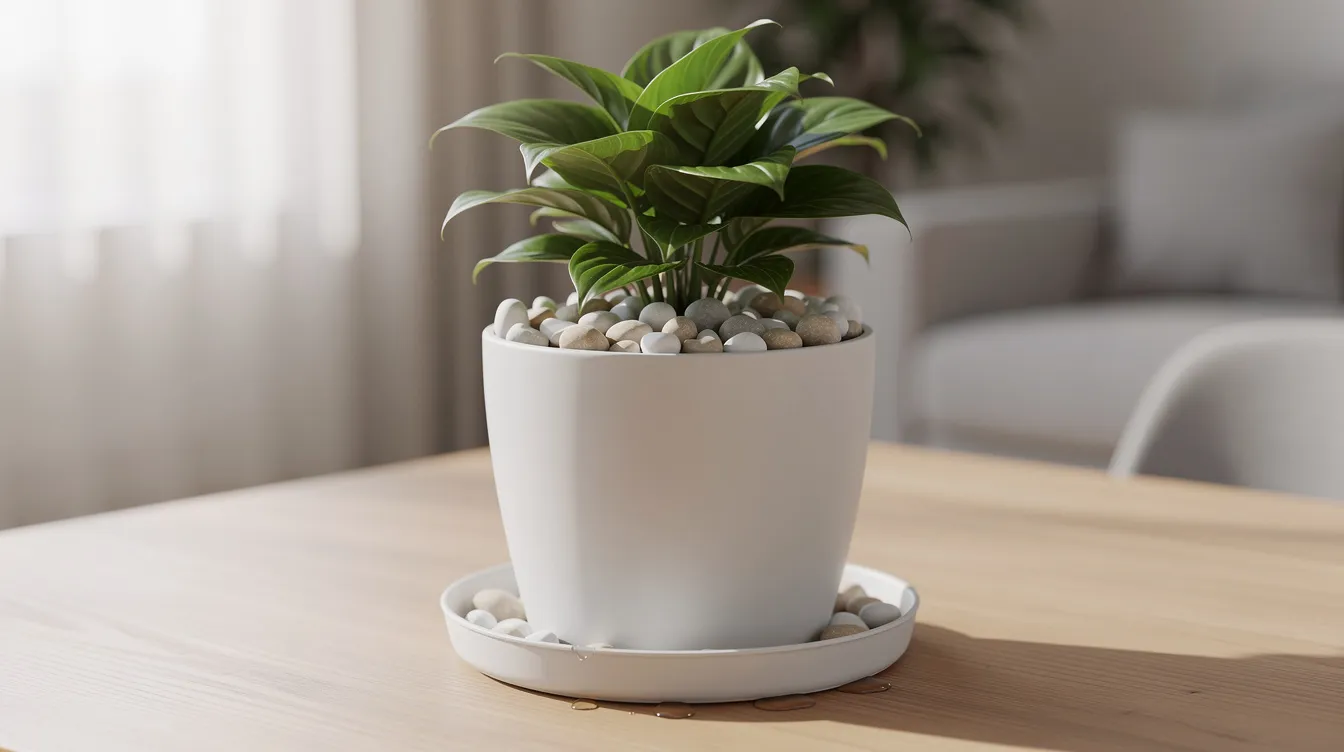
- Barrier methods: Cover exposed soil with decorative stones, hardwood chips, or fine mesh to discourage digging.
- Visual and scent deterrents: Place citrus peels (safe for cats) on the soil surface or apply pet-safe bitter sprays to lower leaves and pot rims. Many cats dislike citrus scent and will naturally avoid plants treated this way.
- Maintenance habits: Remove dead leaves to prevent accidental ingestion by pets. Avoid stagnant water to prevent bacterial growth harmful to pets – empty saucers regularly and never let water sit in pot trays for extended periods.
Care Requirements Comparison
The following comparison helps you match plants to your indoor conditions:
Plant | Light Needs | Watering | Humidity & Temperature |
|---|---|---|---|
Spider Plant | Bright indirect light; tolerates moderate | When top 1″ of soil is dry | 60–80°F; benefits from high humidity |
Boston Fern | Low to medium indirect; no direct sunlight | Keep soil moist evenly; never fully dry | Loves >60% humidity; mist regularly with A/C |
Cast Iron Plant | Low light to moderate | Allow soil to dry between waterings | Tolerates wide range; unfazed by A/C |
African Violet | Moderate indirect; avoid harsh sun | Keep soil moist; avoid wetting leaves | Stable 65–80°F; moderate humidity |
Parlor Palm | Medium to bright indirect | Slightly moist; water when top soil dries | Prefers warmth above 60°F; high humidity ideal |
Ponytail Palm | Bright light preferred | Infrequent; drought tolerant | Tolerates dry indoor air well |
Money Tree | Bright indirect; tolerates lower light | Slightly moist; good drainage essential | Warm temps; moderate to high humidity |
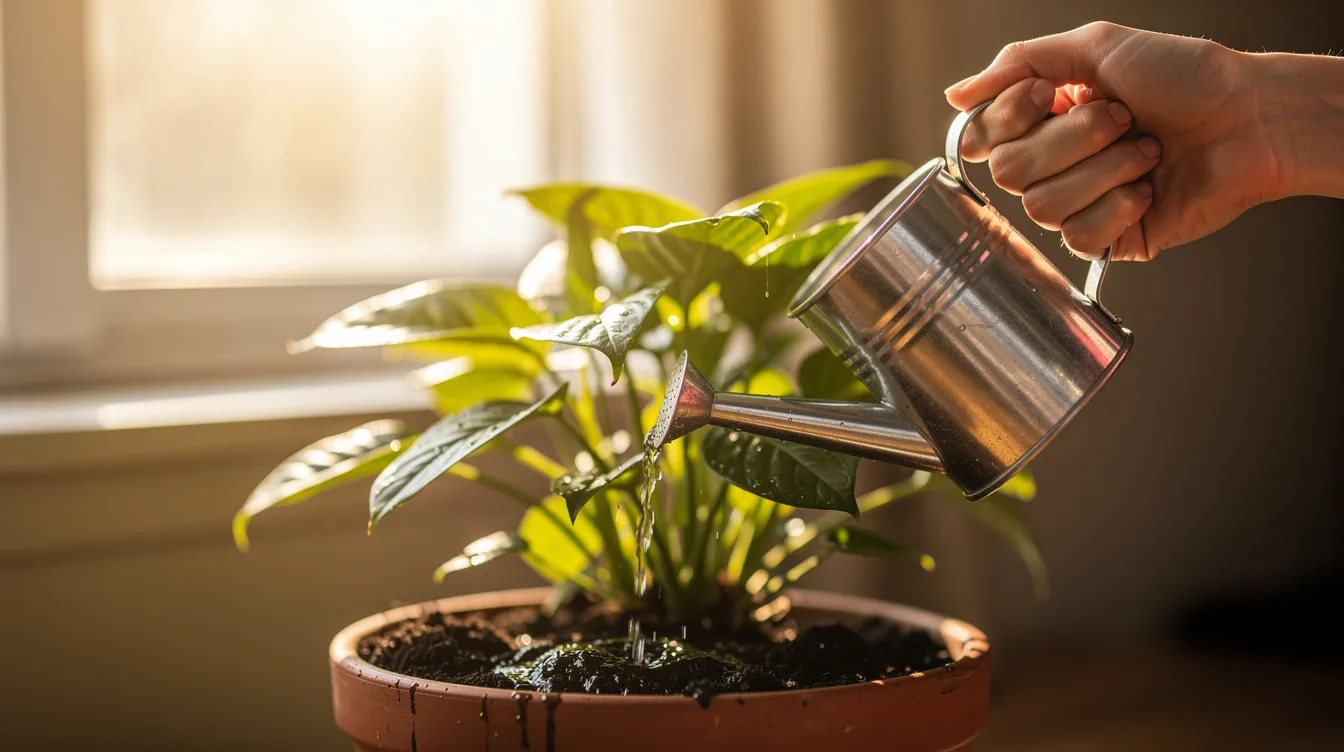
Water pet-friendly plants when the top inches of soil are dry as a general rule. Most pet-safe houseplants prefer protection from direct sun, especially strong afternoon sun through west-facing windows. Indoor plants need 12–16 hours of light daily for optimal growth, so supplement with grow lights during shorter winter days if needed. Use well-draining soil for pet-friendly houseplants, and repot plants every 1–2 years or when they outgrow their pot. Use pet-friendly alternatives for fertilizers and chemicals to protect both your plants and your cats. Also keep toxic cleaning supplies out of reach of cats, especially near plant care areas.
Air conditioning can dry indoor air during summer. Consider grouping plants together or using humidity trays to maintain moisture levels. In winter, supplemental humidity may be needed for moisture-loving species like ferns and palms.
Common Challenges and Solutions
Even with the best cat safe plants, living with both plants and cats presents predictable challenges. Here are practical solutions to the most common issues.
Cats Digging in Plant Soil
Cats often dig in potting soil out of instinct. Cover the soil surface with decorative river rocks, smooth pebbles, or hardwood mulch. Specialized plant covers or mesh inserts also work well. Choose planters with narrower openings to limit soil access, and select heavy pots that resist tipping.
Plants Becoming Cat Toys
If your cat treats every plant as a toy, redirect that energy. Provide cat grass or oat grass as a safe, designated chewing option. A catnip plant gives cats something genuinely appealing to interact with. Offering dedicated enrichment – interactive toys, climbing structures, and regular play sessions – reduces the appeal of your house plants as entertainment.
Overwatering Due to Pet Considerations
Some cat owners over-water plants in an attempt to keep them healthy, leading to root rot and fungal growth. Always ensure pots have adequate drainage holes and use saucers to catch excess water. Develop watering schedules based on actual soil moisture rather than a fixed calendar – a simple moisture meter takes the guesswork out. Check the soil before watering to prevent both overwatering and underwatering.
Key Points and Next Steps
Creating a beautiful, plant-filled home that is genuinely safe for cats is entirely achievable. From spider plants and Boston ferns to parlor palms and African violets, many plants deliver stunning aesthetics and even air purifying benefits without any risk to your feline friend. The key is choosing verified non toxic plants, implementing smart placement strategies, and staying attentive to your cat’s behavior around new additions.
To get started:
- Choose 2–3 easy-care safe plants from the beginner list – spider plants and cast iron plants are nearly foolproof
- Establish a placement strategy using elevated shelves, hanging baskets, or supervised rooms
- Avoid plants known to be dangerous – especially true lilies, sago palm, and oleander – and always verify any new plant against ASPCA’s database
Frequently Asked Questions
Can cats eat any houseplants safely? Eating any plant can cause mild vomiting or indigestion in cats, even when the plant is classified as non toxic. “Non-toxic” means the plant won’t cause organ damage or serious illness – it doesn’t mean the plant is nutritionally beneficial or intended as food. Minimize ingestion by providing cat grass or oat grass as a safe alternative.
What should I do if my cat eats part of a plant I’m unsure about? Identify the plant by its scientific name (common names can be misleading), note approximately how much was eaten and when, and observe your cat for symptoms like vomiting, drooling, or lethargy. Contact your veterinarian immediately or call the ASPCA Animal Poison Control Center at 1-888-426-4435 or the Pet Poison Helpline at 1-855-764-7661. Bring a sample or photo of the plant for identification.
Are there any plants that naturally repel cats? Some owners try citrus-scented deterrents or plants with textures cats dislike, but no single plant reliably repels all cats. A more effective approach is to provide appealing alternatives – a catnip plant or cat grass – that redirect chewing behavior away from your decorative plants.
How can I tell if a plant is truly safe without researching every variety? Use the ASPCA’s Toxic and Non-Toxic Plant database, which lists hundreds of species by both common and scientific names. Always check the scientific name of a particular plant, since common names are often ambiguous. For example, “lily” appears in the names of many plants – some deadly (true lilies), others harmless (peace lilies cause only mild irritation, though they’re still best avoided).
Do homes in hot, humid climates need special plant considerations? High humidity helps moisture-loving plants such as ferns and palms, but air conditioning can create dry spots indoors. Strong midday sun through west-facing windows can burn shade-preferring species – position prayer plants, bird’s nest fern, and Boston ferns away from direct sunlight. Also be aware that some friendly plants like spider plants are considered potentially invasive in Florida’s natural ecosystems, so keep them indoors.
Emergency veterinary contacts:
- ASPCA Animal Poison Control Center: 1-888-426-4435 (24/7)
- Pet Poison Helpline: 1-855-764-7661
Additional Resources
ASPCA Animal Poison Control Center – Available 24/7 at 1-888-426-4435 for plant poisoning emergencies. A consultation fee may apply.
Scientific Citations
- Groff, R. M., et al. “Easter Lily Toxicosis in Cats.” ASPCA Animal Poison Control Center Toxicosis Brief – details on true lily ingestion, acute renal failure mechanisms, and treatment timelines in feline patients.
- FDA Center for Veterinary Medicine. “Lovely Lilies and Curious Cats: A Dangerous Combination.” – documents the risk from pollen, leaf, petal, and vase water ingestion; kidney failure progression; and urgency of early treatment.
- Merck Veterinary Manual. “Houseplants and Ornamentals Toxic to Animals.” – comprehensive review of toxic mechanisms including saponins, calcium oxalate crystals, and cardiac glycosides, with clinical signs and prognosis data.
- ASPCA Animal Poison Control Center. “Toxic and Non-Toxic Plant Database for Cats.” – primary reference listing hundreds of plant species classified by toxicity status, searchable by common and scientific name.
- Pet Poison Helpline / Fern & Feline. “Cat-Safe Flowers and Plants Guide (2026).” – current listing of cat safe flowers including roses, gerbera daisies, orchids, and alstroemeria, with clarification on which “lily” species are and are not dangerous.
Plants to avoid in cat households: Sago Palm is highly toxic to cats and dogs. Aloe Vera is toxic to cats if ingested. Euphorbia species can be toxic to cats if ingested. Snake plants are also toxic to felines. Always avoid plants from these families and verify any new addition against trusted databases before bringing more plants into your home.
Reviewed by Roger Hart, DVM, a Florida-licensed veterinarian with more than two decades of companion-animal clinical experience. This article is general education and does not replace an examination by your own veterinarian.