Preventive Care
-

Understanding Your Pet’s Behavior. When to Seek Help.
Introduction Understanding your pet’s behavior is crucial for a harmonious relationship between you and your furry companions. Whether you have a dog, cat, or any other animal, being aware of… Dogs Behavior: Introduction Understanding dogs behavior starts with recognizing how dogs socialize, communicate through body language and vocalizations, respond to play and exercise, and show…
-

My Dog Ate Pills: What Do I Do – Emergency Response Guide
Introduction It’s important to note that if your dog ate pills, you should remain calm and focused on the necessary steps to take. Panicking may hinder your ability to act effectively. If your dog ate pills meant for humans, take quick action: remove any remaining medications from your dog’s reach, identify exactly what was ingested…
-
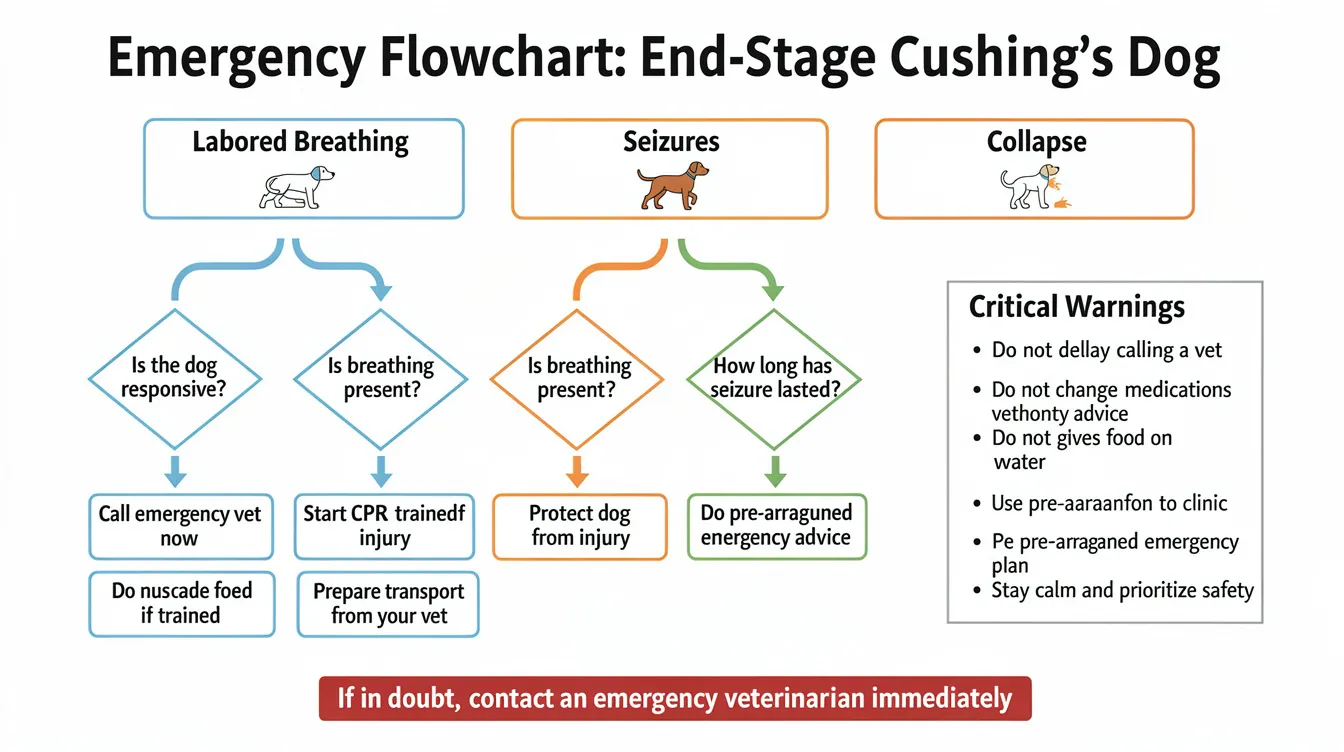
Symptoms of Dog Dying from Cushing’s Disease: Recognizing End-Stage Signs
Introduction Dogs dying from Cushing’s disease typically show severe muscle weakness, uncontrollable urination, extreme lethargy, recurring infections that no longer respond to treatment, and complete loss of appetite. These end-stage symptoms represent a critical turning point where the body can no longer compensate for the devastating effects of too much cortisol. Understanding the signs of…
-
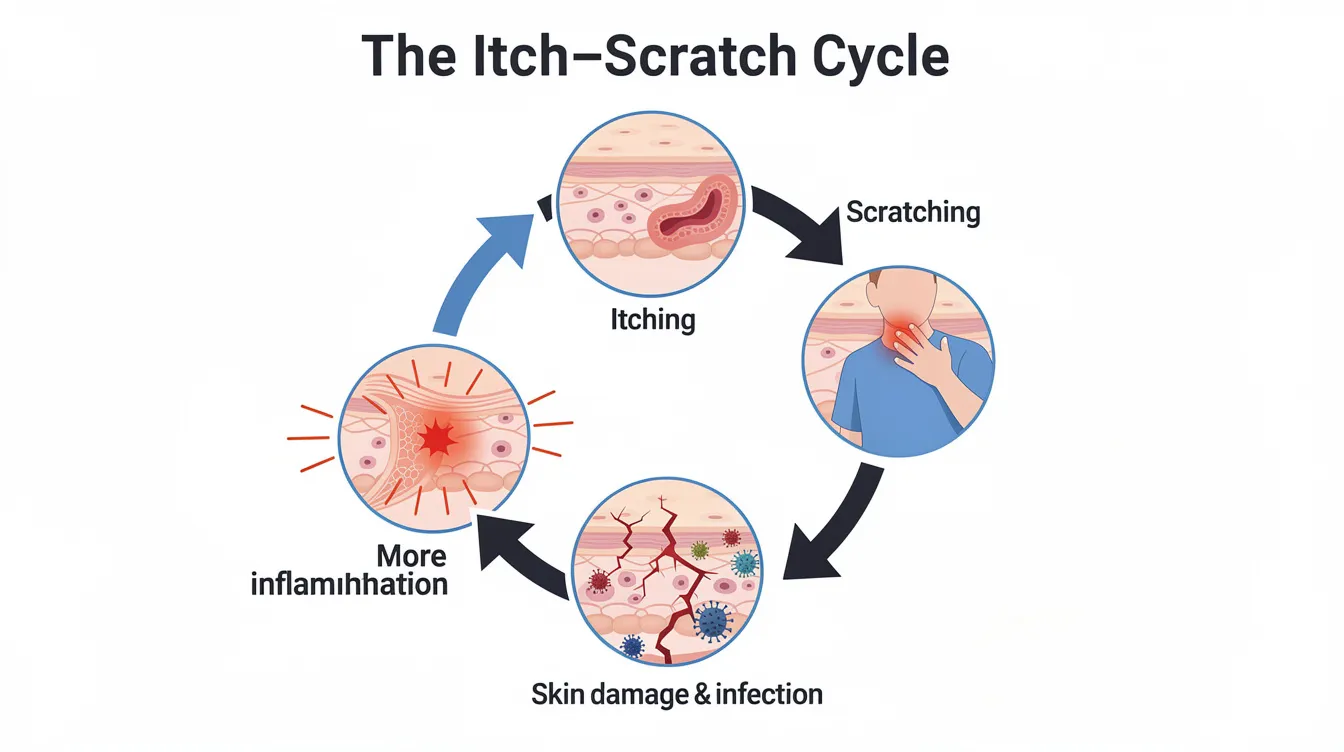
Dog Itching: Complete Guide to Causes, Treatment, and Relief Solutions
Reviewed by Dr. Roger Hart DVM, Central Florida Veterinarian Introduction Itchy skin is one of the most common reasons dogs visit the veterinarian, and persistent dog itching can dramatically reduce your pet’s quality of life. Whether your dog is scratching nonstop at 3 a.m. or constantly licking its paws raw, understanding the underlying cause of…
-
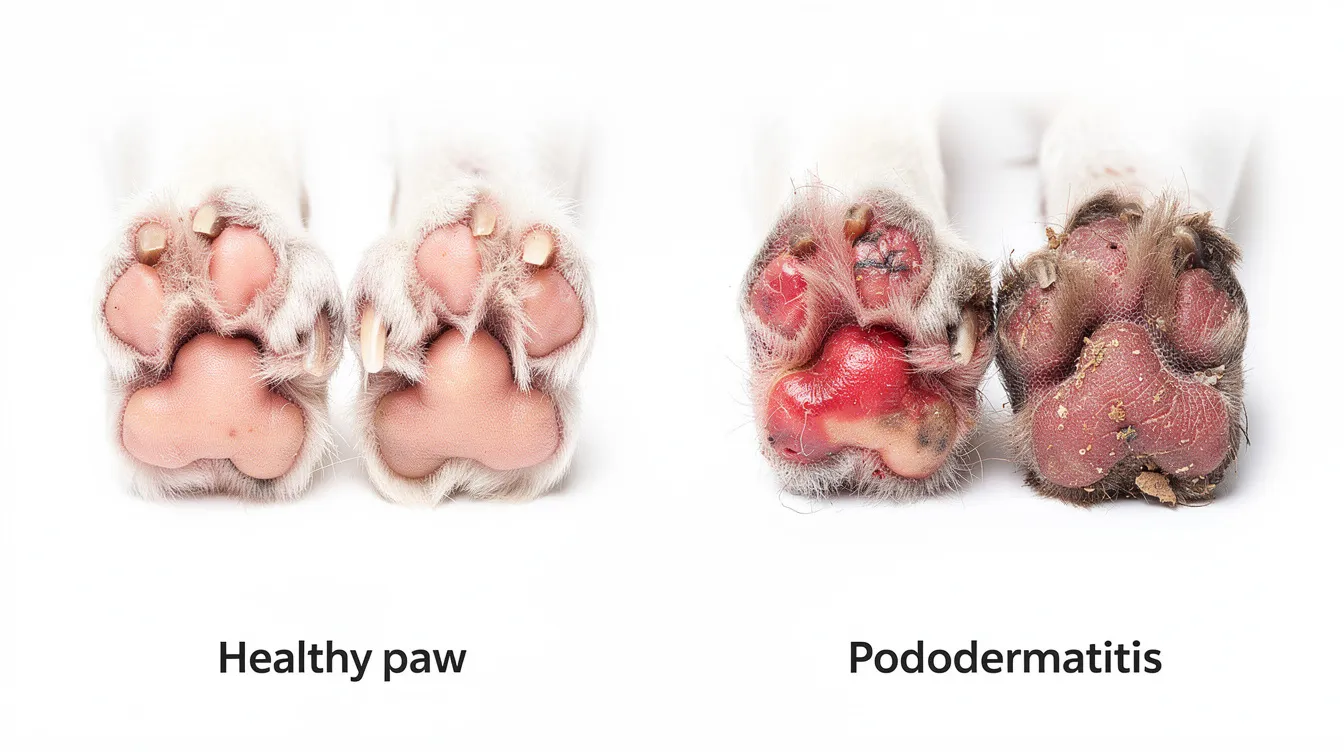
Dog Has Itchy Feet: Complete Guide to Causes, Treatment, and Relief
Introduction If your dog has itchy feet, they may be constantly licking, chewing, or biting at their paws. It’s more than a quirky habit – your dog has itchy feet, and it’s one of the most common reasons pet owners seek veterinary care. Persistent paw licking and paw chewing are clear behavioral signals of pruritus…
-
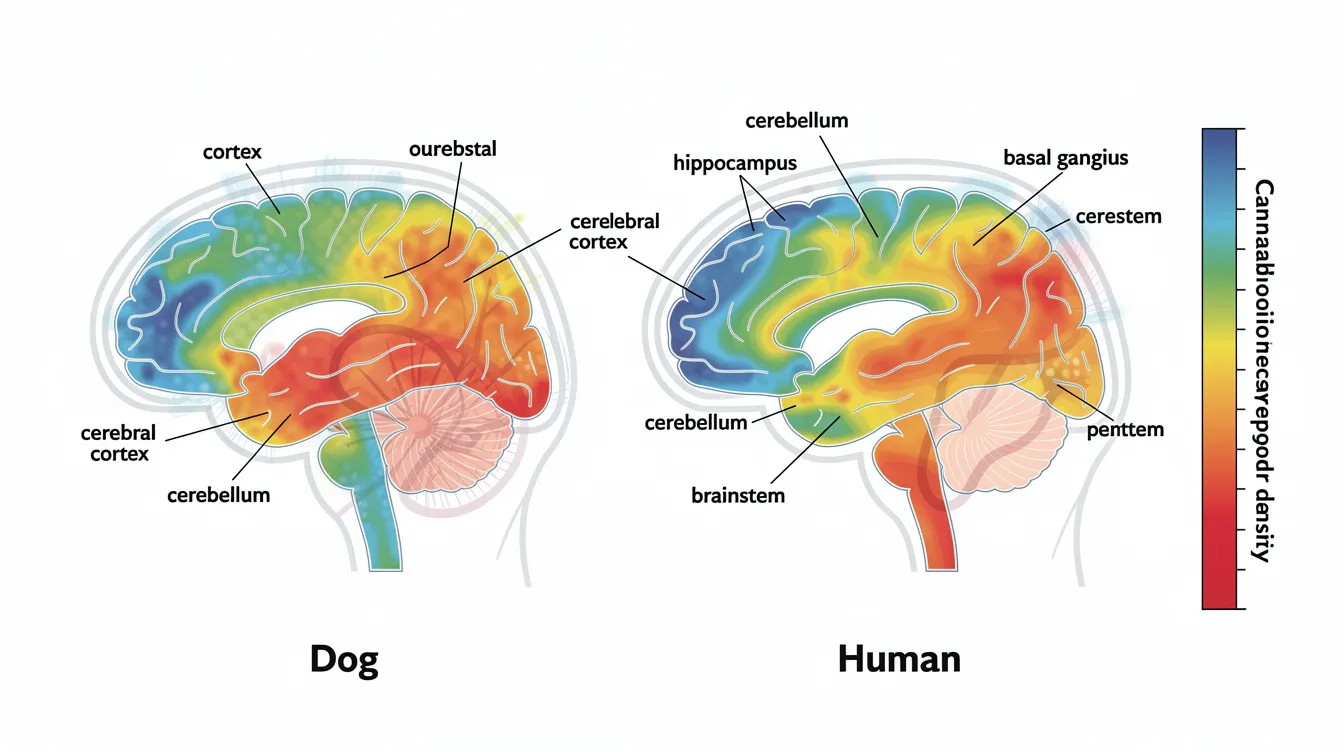
My Dog Ate My Weed, What Do I do?
Introduction If your dog ate marijuana, you need to act immediately—marijuana toxicity is a veterinary emergency where the first 30 minutes to 2 hours determine how effectively treatment can minimize harm. THC, the psychoactive compound in cannabis, affects dogs far more intensely than humans, and even a small amount of cannabis can cause toxicity in…
-

My Cat Ate Ibuprofen: Emergency Response and Treatment Guide
If your cat ate ibuprofen, contact your veterinarian or an emergency veterinary hospital right away–do not wait for symptoms to appear. Ibuprofen is highly toxic to cats, and even a small dose of this common human pain reliever can cause life-threatening organ damage. As little as 5 mg per pound can be poisonous, meaning…
-
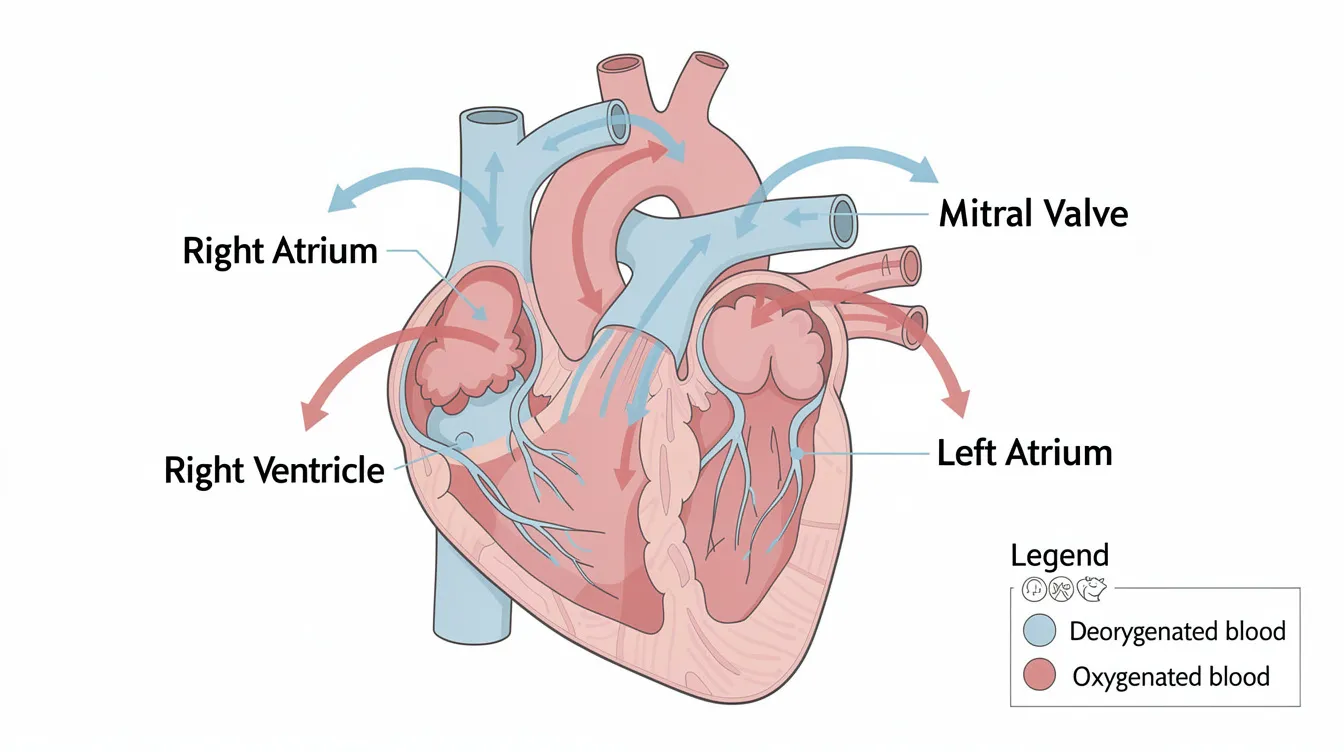
Dog Mitral Valve Disease, Should I Worry?
Introduction Mitral valve disease, specifically dog mitral valvle disease, is the most common heart disease in dogs, responsible for approximately 80% of heart disease in dogs. This degenerative condition targets the heart’s mitral valve-the critical gateway between the left atrium and left ventricle-causing it to thicken, weaken, and ultimately fail to close properly. While valve…
-
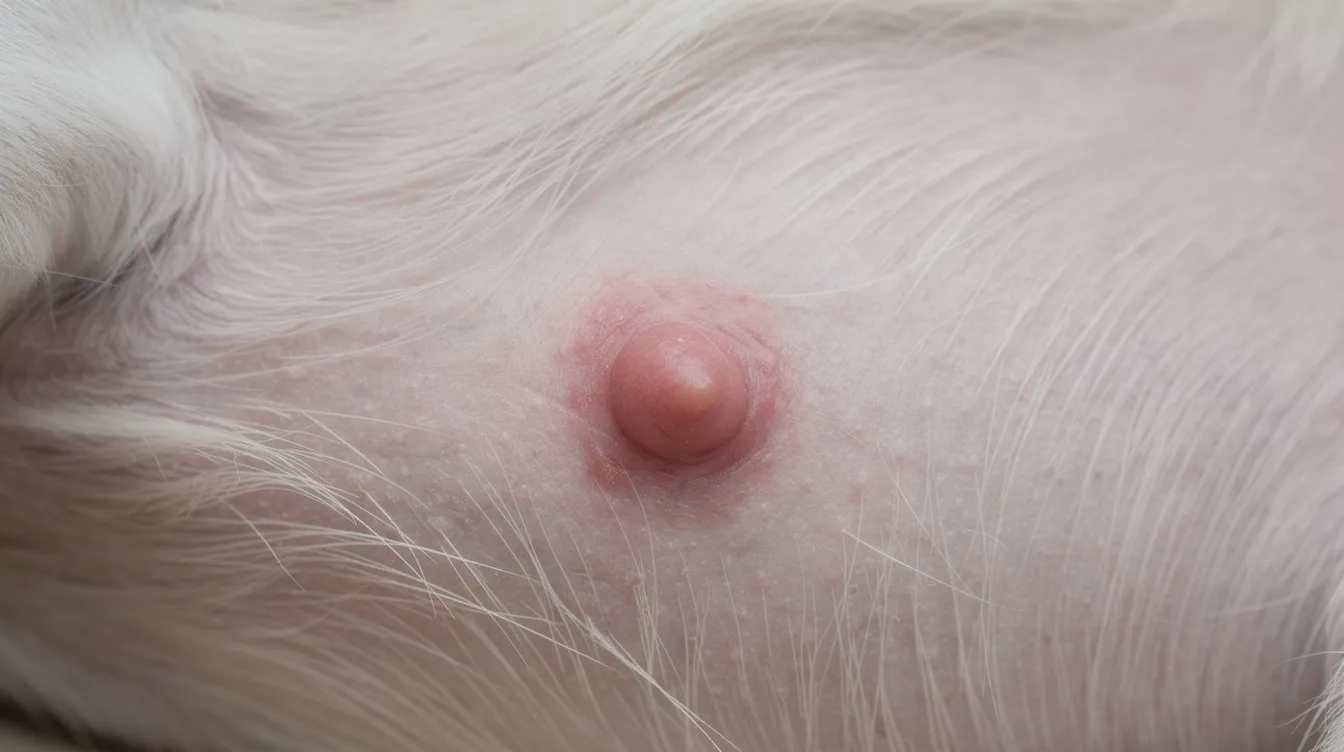
Pictures of Bumps on Dogs: Visual Guide to Identifying Common Skin Growths
Introduction Bumps on dogs skin can range from harmless to serious growths, and discovering an unexpected lump on your dog’s skin naturally triggers concern. This visual guide provides detailed descriptions and photographic references of the most common skin bumps on dogs skin, helping pet parents compare what they see at home with known benign and…
-
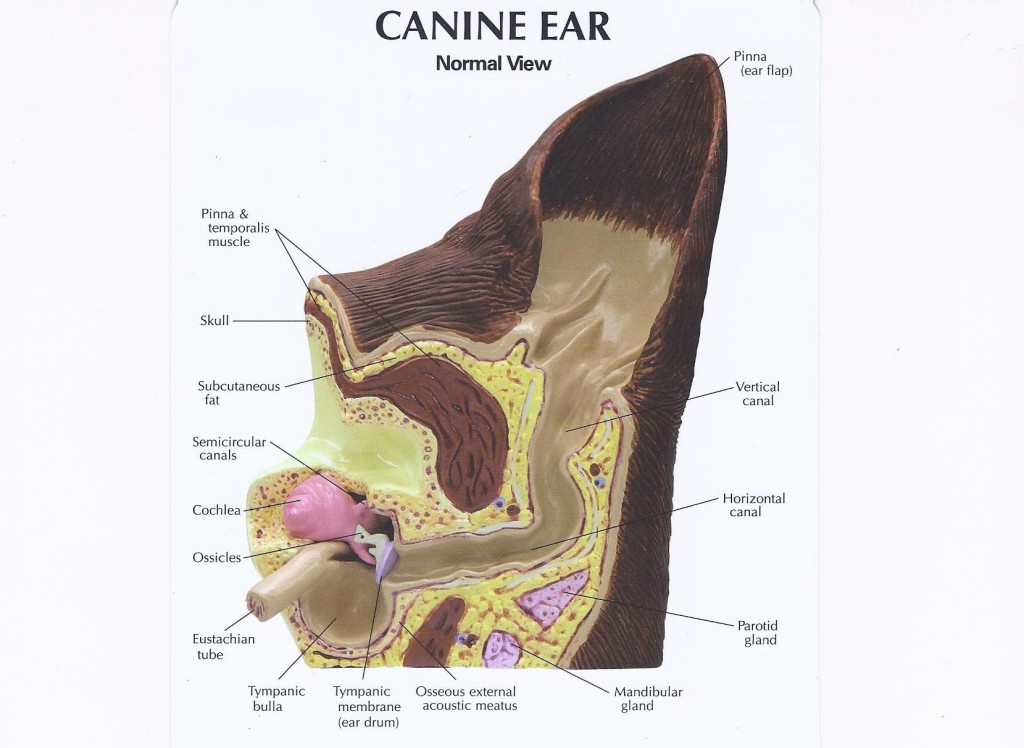
Otitis Media Symptoms in Dogs and Cats: Complete Recognition Guide
Introduction Otitis media symptoms in dogs and cats signal a middle ear infection that demands prompt attention-these signs range from subtle head shaking and ear pain to serious neurological issues like loss of balance, facial nerve paralysis, and vestibular disease. This comprehensive guide covers how to recognize every stage of otitis media symptoms in companion…